
Beyond the Basics: Advanced Water Chemistry for UltraSensitive Butterflies

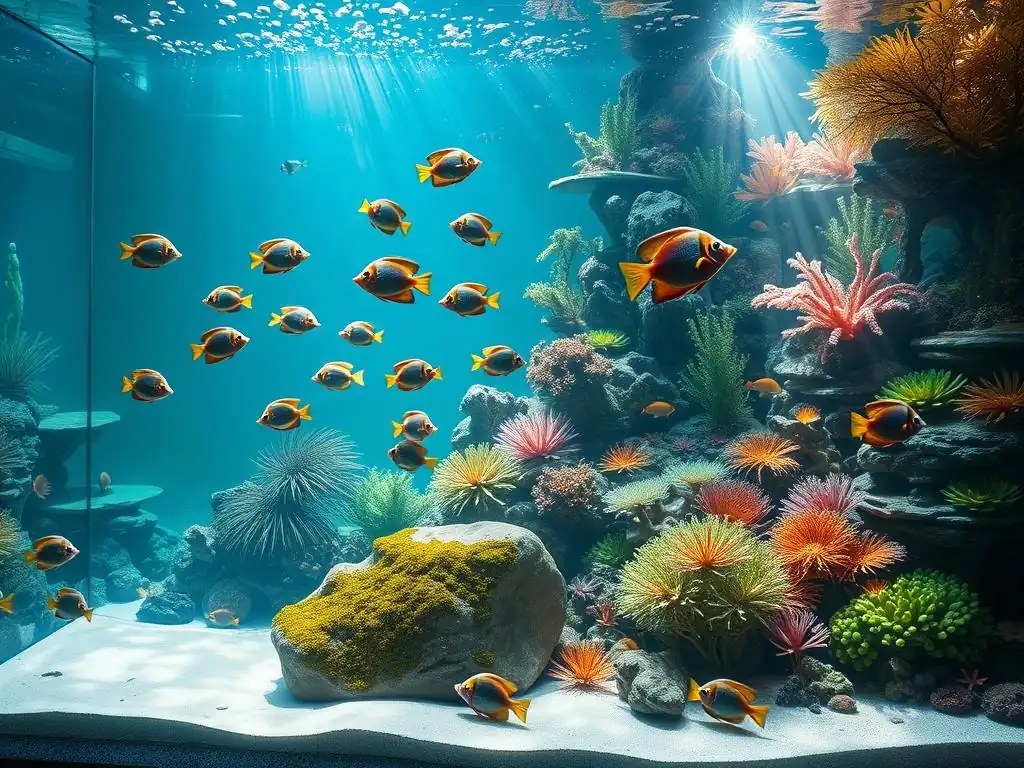
Welcome to Aquarium Mastery!
Ever wondered if you're really giving your Butterfly fish the perfect water conditions they need to thrive? Dive into our latest article, "Beyond the Basics: Advanced Water Chemistry for UltraSensitive Butterflies," and unlock the secrets to achieving pristine water quality that will have your Butterfly fish flourishing. Discover the crucial elements often overlooked and learn how to create a truly exceptional environment for these delicate beauties. Are you ready to take your saltwater aquarium expertise to the next level? Let's explore Butterfly fish water chemistry together!
- Beyond the Basics: Advanced Water Chemistry for Butterflyfish
- Understanding Butterflyfish Sensitivity and Water Parameters
- Key Water Parameters for Butterflyfish: Going Deeper
- Essential Trace Elements for Butterflyfish Health and Coloration
- Advanced Water Testing and Monitoring Techniques
- Water Changes: The Cornerstone of Butterflyfish Water Chemistry Management
- Filtration Strategies for Ultra-Clean Butterflyfish Aquariums
- Dealing with Common Water Chemistry Problems in Butterflyfish Tanks
- Maintaining Water Chemistry During Medication and Treatment
- Advanced Techniques: Utilizing Refugiums and Sumps
- Acclimation Strategies: Minimizing Stress During Introduction
- Troubleshooting Butterflyfish Health Issues Related to Water Chemistry
- Conclusion: Mastering Water Chemistry for Butterflyfish Success
-
Frequently Asked Questions
- What makes water chemistry so crucial for Butterflyfish in aquariums?
- What are the most important water parameters to monitor for Butterflyfish?
- How often should I test my aquarium water when keeping Butterflyfish?
- What is the ideal pH range for a Butterflyfish aquarium?
- How can I effectively manage nitrate levels in a Butterflyfish tank?
- Final Reflection: The Delicate Dance of Life
- Ignite Your Butterfly Oasis: Unlock the Secrets to Flourishing!
Beyond the Basics: Advanced Water Chemistry for Butterflyfish
Understanding Butterflyfish Sensitivity and Water Parameters
Why Butterflyfish Demand Pristine Water Quality
Butterflyfish, renowned for their vibrant colors and intricate patterns, originate from the stable and pristine environments of coral reefs across the Indo-Pacific. In their natural habitat, water parameters exhibit minimal fluctuation, providing a consistent ecosystem that supports their delicate physiology. Unlike some hardier marine species, butterflyfish possess a more sensitive constitution, often characterized by thinner skin and a higher susceptibility to environmental stressors. Any significant deviation from their ideal water chemistry can quickly compromise their immune system, making them vulnerable to a host of diseases.
This inherent delicacy means that even minor inconsistencies in butterfly fish water chemistry can lead to severe health issues. For instance, a sudden drop in pH or an increase in ammonia can induce osmoregulation stress, where the fish struggles to maintain the proper balance of salts and water within its body. This stress can manifest as faded coloration, rapid breathing, or erratic swimming, and if unaddressed, can lead to secondary infections like marine Ich (Cryptocaryon irritans) or bacterial fin rot, which can decimate a collection within days.
The Crucial Role of Stable Water Chemistry for Butterflyfish Health
For butterflyfish, stability in water chemistry is often more critical than achieving absolute "perfect" numbers if those numbers are constantly fluctuating. Rapid swings in parameters such as pH, salinity, or temperature force the fish to expend enormous amounts of energy on osmoregulation, diverting resources away from essential functions like growth, immunity, and digestion. Research indicates that even daily pH swings of 0.2-0.3 units, while seemingly small, can cause chronic stress in sensitive marine species over prolonged periods, leading to reduced vitality.
The long-term effects of unstable butterfly fish water chemistry are profound. Chronically stressed butterflyfish may exhibit stunted growth, never reaching their full size potential, or develop faded and dull coloration, losing the vibrancy for which they are prized. Their lifespan can be significantly reduced from a typical 5-10 years in captivity to just a few months. Furthermore, instability can lead to behavioral issues, including refusal to eat, increased aggression towards tank mates, or excessive hiding, fundamentally impacting their quality of life in the aquarium.
Key Water Parameters for Butterflyfish: Going Deeper
Salinity: Maintaining Optimal Levels for Butterflyfish
Salinity, or the concentration of dissolved salts in water, is a fundamental parameter for all marine aquariums. For most marine fish, the optimal specific gravity range is 1.023 to 1.026. However, for the more sensitive butterflyfish, aiming for the higher end of this range, specifically 1.025-1.026, is often recommended to closely mimic their natural reef environment. Using a high-quality refractometer, calibrated regularly with a 35 ppt reference solution, is crucial for accurate readings, as traditional hydrometers can be prone to inaccuracies of up to 0.002 specific gravity units.
Fluctuations in salinity can be highly detrimental to butterflyfish, as they are exquisitely sensitive to osmotic shock. A sudden increase in salinity can lead to dehydration, causing cells to shrink, while a rapid decrease can lead to cells swelling and bursting. Even changes greater than 0.001-0.002 specific gravity units per day can induce significant stress. It's imperative to use an auto top-off (ATO) system with RO/DI water to compensate for evaporation, as only pure water evaporates, leaving salts behind and causing salinity to rise.
Temperature: Ensuring Consistent and Appropriate Heat
Maintaining a consistent and appropriate temperature is vital for the metabolic processes and overall well-being of butterflyfish. The ideal temperature range for most species falls between 75-82°F (24-28°C). Consistency is paramount; even daily temperature swings of 1-2°F can be a source of significant stress, impacting the fish's immune response and making it more susceptible to disease. Utilizing reliable submersible heaters, often with redundant units for larger tanks to ensure even heating and prevent catastrophic failure, is a common practice.
Incorrect temperatures can have immediate and long-term consequences. Water that is too cold slows down the fish's metabolism, leading to sluggishness, reduced appetite, and increased vulnerability to parasitic infections like Ich. Conversely, water that is too warm reduces dissolved oxygen levels, which can be critical for active swimmers like butterflyfish, and accelerates the life cycles of pathogens, potentially exacerbating disease progression. Monitoring with an accurate thermometer, preferably digital, at multiple points in the tank can help ensure uniform temperature distribution.
pH and Alkalinity: The Foundation of a Healthy Butterflyfish Aquarium
Understanding pH Swings and Their Impact
pH measures the acidity or alkalinity of the water, with an ideal range for marine aquariums typically between 8.0 and 8.4. For butterflyfish, a stable pH of 8.1-8.3 is often preferred, as it closely reflects natural reef conditions. pH plays a critical role in various biological processes, including enzyme function within the fish and the crucial gas exchange that occurs at the gills. Maintaining stable pH is also vital because the toxicity of ammonia shifts dramatically with pH; at higher pH levels, the more toxic un-ionized ammonia (NH3) predominates, even at low total ammonia concentrations.
Sudden or significant pH swings, particularly drops, can be highly detrimental to butterflyfish. Daily fluctuations exceeding 0.2 units can cause severe acidosis, where the fish's internal pH drops, impairing its ability to regulate its own body chemistry and affecting vital organ function. This stress can lead to lethargy, rapid respiration, and increased susceptibility to disease. Monitoring pH at different times of the day (e.g., just before lights on and just before lights off) can reveal common diurnal swings caused by photosynthesis and respiration cycles, which should be minimized for sensitive species.
Buffering Capacity: Maintaining Stable Alkalinity
Alkalinity, also known as carbonate hardness (KH), measures the water's capacity to resist changes in pH. It acts as a buffer, neutralizing acids produced by biological processes like nitrification and respiration. For marine aquariums, an ideal alkalinity range is 8-12 dKH (degrees of carbonate hardness), or 2.86-4.29 meq/L. For butterflyfish, aiming for the upper end of this range, specifically 9-11 dKH, provides a robust buffering system, helping to stabilize pH.
Low alkalinity is a common precursor to pH instability and can lead to a phenomenon known as a "pH crash," where the pH rapidly plummets. This is because the natural processes occurring in an aquarium, such as nitrification (the conversion of ammonia to nitrate) and calcification (if corals are present), consume alkalinity. Regular testing of alkalinity, at least weekly, is essential. If levels consistently decline, supplementation with balanced two-part calcium/alkalinity solutions or kalkwasser (limewater) can help replenish the buffering capacity, ensuring stable butterfly fish water chemistry.
Ammonia, Nitrite, and Nitrate: The Nitrogen Cycle and Butterflyfish
Advanced Nitrate Control Methods for Sensitive Species
The nitrogen cycle is fundamental to aquarium health, converting toxic ammonia and nitrite into less harmful nitrate. While ammonia (NH3/NH4+) and nitrite (NO2-) must always be undetectable (0 ppm) in a stable marine aquarium, nitrate (NO3-) is the end product and can accumulate. Many marine fish can tolerate nitrate levels up to 20 ppm, but butterflyfish, being more sensitive, thrive best when nitrates are maintained below 5-10 ppm. Some species, like the Copperband Butterflyfish, are particularly susceptible to higher nitrate levels, which can lead to chronic stress, fin erosion, and lethargy over time.
To achieve such low nitrate levels, advanced control methods are often necessary. Deep sand beds (DSBs) of 4-6 inches can foster anaerobic zones for denitrification. Refugiums with fast-growing macroalgae like Chaetomorpha or Gracilaria actively consume nitrates and phosphates, acting as natural nutrient export systems. Biopellet reactors, which utilize biodegradable polymers to fuel denitrifying bacteria, and sulfur denitrifiers are also highly effective at reducing nitrates to undetectable levels. Regular, substantial water changes, typically 15-20% weekly, are also a cornerstone of nitrate management for butterfly fish water chemistry.
Managing Ammonia Spikes: Emergency Procedures
Ammonia spikes are perhaps the most immediate and lethal threat to any aquarium inhabitant, especially sensitive butterflyfish. An ammonia reading of even 0.25 ppm can be fatal to butterflyfish within hours. Common causes include overfeeding, the death of a fish or invertebrate, or a sudden crash in the biological filter (e.g., due to power outage or medication use). Recognizing symptoms like rapid gill movement, gasping at the surface, and lethargy requires immediate action.
In the event of an ammonia spike, emergency procedures are critical. The first and most effective step is a large water change, typically 50% or more, ensuring the new water is precisely matched in temperature and salinity to minimize further stress. Simultaneously, adding an ammonia-detoxifying product (e.g., Seachem Prime, API Ammo-Lock) can temporarily bind the ammonia into a non-toxic form, providing crucial time for corrective measures. Increasing aeration via air stones or powerheads can also help, as high ammonia often correlates with low dissolved oxygen. Identifying and rectifying the source of the spike is essential for long-term stability.
Essential Trace Elements for Butterflyfish Health and Coloration
Iodine: Supporting Thyroid Function
Iodine, though required in minute quantities, is an essential trace element for marine fish, playing a crucial role in the production of thyroid hormones. These hormones are fundamental for metabolism, growth, and the proper development and maintenance of vibrant coloration. Natural seawater typically contains around 0.06 ppm of iodine. In a closed aquarium system, iodine can be depleted through protein skimming, activated carbon use, and uptake by organisms.
Deficiency in iodine can lead to various issues in butterflyfish, including stunted growth, faded or dull coloration, and a general lack of vigor. While severe deficiencies can cause goiter in some fish, in butterflyfish, it more commonly manifests as a subtle decline in overall health. Supplementation should be done cautiously, as overdosing can be toxic.
Many high-quality salt mixes contain adequate iodine, and regular water changes often replenish levels sufficiently. If supplemental dosing is considered, it should be part of a balanced trace element solution, carefully monitored, and ideally based on testing, although iodine test kits are less common for hobbyists.
Strontium: Importance for Skeletal Development and Overall Well-being
Strontium is another vital trace element present in natural seawater at approximately 8 ppm. It is structurally similar to calcium and plays a significant role in the skeletal development and growth of marine organisms, including fish bones and scales. While often discussed in the context of coral calcification, its importance for the overall well-being and robust skeletal structure of butterflyfish should not be overlooked.
Like other trace elements, strontium is continuously depleted in a closed system through biological uptake and removal by protein skimming and other filtration methods. A deficiency can lead to poor growth rates and potentially impact the structural integrity of the fish, though overt symptoms are rare in well-maintained systems. Most high-quality synthetic salt mixes include strontium in balanced proportions. For hobbyists seeking to maintain precise butterfly fish water chemistry, supplementation is typically achieved through multi-element trace solutions or specific strontium additives, always following manufacturer guidelines to prevent overdosing.
Other Beneficial Trace Elements and Their Roles
Beyond iodine and strontium, several other trace elements are crucial for the comprehensive health of butterflyfish, albeit in even smaller concentrations. Iron, for instance, is a vital component of hemoglobin, essential for oxygen transport in the blood, and also supports photosynthesis in symbiotic algae within some corals (if present in a reef tank with butterflyfish). Potassium is critical for osmoregulation, nerve function, and enzyme activity, maintaining cellular balance. Molybdenum acts as a co-factor for various enzymes, supporting metabolic pathways.
While these elements are undoubtedly essential, they are generally present in sufficient quantities in premium synthetic salt mixes. Regular, consistent water changes using such salt mixes typically replenish these trace elements adequately, making individual dosing often unnecessary and potentially risky due to the narrow margin between beneficial and toxic levels. Over-supplementation of trace elements can lead to heavy metal toxicity, which is far more detrimental than a slight deficiency. Therefore, the focus for butterfly fish water chemistry should remain on maintaining stable major parameters, with trace element management primarily through quality salt and consistent water changes.
Advanced Water Testing and Monitoring Techniques
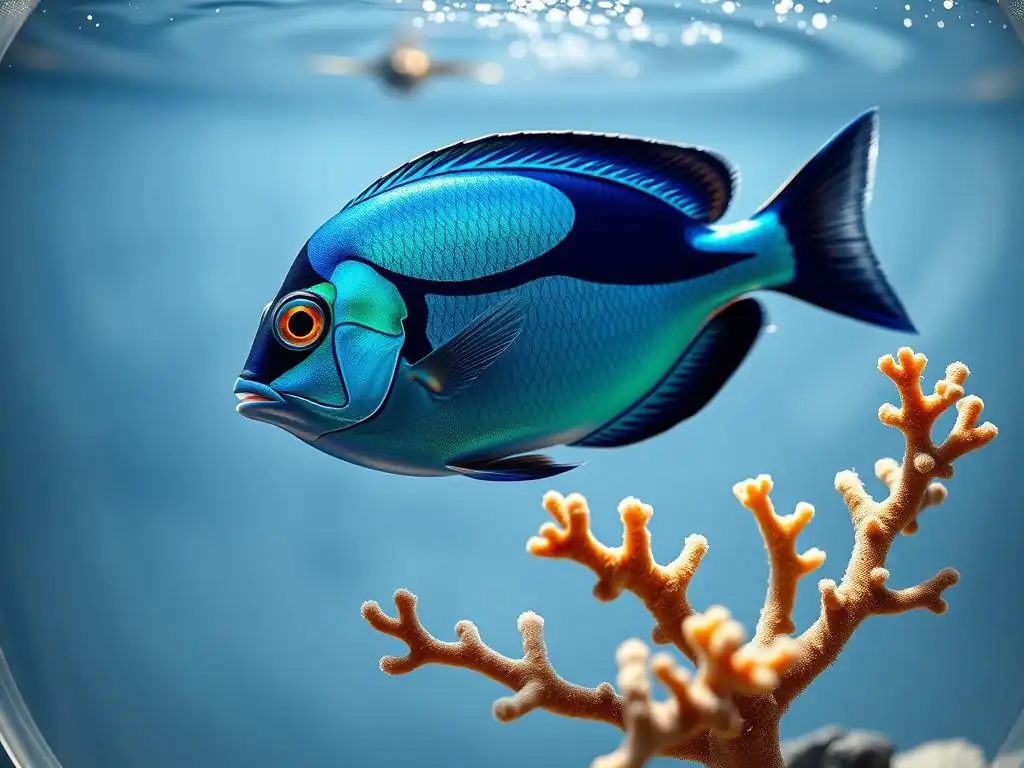
Using High-Precision Test Kits for Accurate Readings
Accurate water testing is the cornerstone of advanced butterfly fish water chemistry management. For sensitive species like butterflyfish, relying on cheap or expired test kits can lead to misleading results and potentially catastrophic consequences. High-precision test kits from reputable brands such as Salifert, Red Sea, Hanna Instruments, or API (for basic parameters like ammonia/nitrite/nitrate) are essential. These kits offer greater sensitivity and accuracy, allowing for the detection of subtle shifts in parameters before they become problematic.
Proper technique is as important as the quality of the kit. Always rinse test vials with tank water before use, ensure accurate reagent drops, and read results under consistent lighting. It is highly beneficial to keep a detailed log of all water parameters, noting the date and time of each test. This log allows aquarists to identify trends, predict potential issues (e.g., a consistent decline in alkalinity might indicate increasing biological activity or insufficient buffering), and correlate parameter changes with fish behavior or health, providing invaluable insight into butterfly fish water chemistry.
Electronic Monitoring Devices: pH Controllers, ORP Meters, and More
For the most precise and continuous monitoring of butterfly fish water chemistry, electronic devices offer significant advantages. A pH controller, for example, provides real-time pH readings and can be programmed to activate dosing pumps for kalkwasser or CO2 injection (in a refugium setting) to maintain a remarkably stable pH within a narrow range (e.g., 8.1-8.3). Oxidation-Reduction Potential (ORP) meters measure the water's oxidizing capacity, providing an indication of overall water cleanliness and organic load; a stable ORP reading (typically 350-450 mV for a healthy reef tank) suggests low organic pollution.
Other advanced electronic devices include continuous salinity monitors (digital refractometers or conductivity probes) that provide constant specific gravity readings, and sophisticated temperature controllers that can manage multiple heaters and chillers to maintain a precise temperature. While these devices represent a significant initial investment, they offer unparalleled real-time data and provide immediate alerts for parameter deviations, allowing for rapid intervention. This proactive approach is invaluable for the delicate nature of butterfly fish water chemistry, preventing stress and disease before visible symptoms appear.
Regular Water Testing Schedule for Butterflyfish Aquariums
A consistent and comprehensive water testing schedule is non-negotiable for maintaining optimal butterfly fish water chemistry. For sensitive species, daily checks of temperature and specific gravity are recommended. Weekly testing should include pH, alkalinity, ammonia, nitrite, and nitrate. If the aquarium houses corals or other calcifying organisms, calcium and magnesium should also be tested weekly to bi-weekly. Phosphates and trace elements (if dosing) can be monitored bi-weekly or monthly, depending on the system's stability and nutrient export methods.
This schedule serves as a baseline and should be adapted based on the tank's maturity, stocking density, feeding habits, and any observed issues. For instance, a newly set up tank will require more frequent ammonia and nitrite testing until the nitrogen cycle is fully established. A heavily stocked tank might warrant more frequent nitrate and phosphate checks. Consistent, diligent monitoring allows the aquarist to detect subtle shifts and take proactive measures, ensuring the long-term health and vibrancy of their butterflyfish.
Water Changes: The Cornerstone of Butterflyfish Water Chemistry Management
Choosing the Right Salt Mix for Butterflyfish
The choice of salt mix is paramount for butterfly fish water chemistry, as it forms the basis of all new water added to the aquarium. High-quality synthetic salt mixes are formulated to dissolve clear, contain all essential major, minor, and trace elements in balanced proportions, and have minimal impurities. Brands such as Red Sea Coral Pro, Tropic Marin Pro-Reef, or Instant Ocean Reef Crystals are generally well-regarded for their consistency and comprehensive elemental profiles.
Avoid using cheaper, lower-quality salt mixes, as they can contain undesirable contaminants, dissolve poorly, or have inconsistent parameter levels, which can introduce instability into the system. Always mix new salt water in a separate container, allowing it to aerate for at least 24 hours with a powerhead and heater. This ensures complete dissolution, proper gas exchange, and stabilization of pH and alkalinity before the water is introduced to the main display tank, minimizing stress on the delicate butterflyfish.
Gradual Water Changes: Minimizing Stress on Delicate Fish
For sensitive species like butterflyfish, the manner in which water changes are performed is as crucial as their frequency. It is absolutely imperative to precisely match the temperature, salinity, and pH of the new saltwater to the existing tank water. Even small discrepancies can induce osmotic shock, causing significant stress to the fish's delicate osmoregulation system. A temperature difference of just 2°F or a specific gravity difference of 0.002 can be enough to cause distress.
For regular water changes, slowly siphoning out old water and gradually adding new water over a period of 30-60 minutes minimizes rapid shifts. For highly sensitive species or if parameters are slightly off, drip acclimation of the new water into the display tank using airline tubing can be considered, though this is more commonly associated with introducing new livestock. The goal is to make the water change as imperceptible as possible to the fish, preserving the stable butterfly fish water chemistry they require.
Water Change Frequency and Volume: Tailoring to Your System
The ideal frequency and volume of water changes depend on several factors, including stocking density, feeding habits, and the efficiency of the filtration system. A general guideline for marine aquariums is a 10-20% weekly water change or a 25-30% bi-weekly change. For butterflyfish, a consistent weekly water change of 15-20% is often highly beneficial. This regimen effectively dilutes accumulated nitrates and phosphates, replenishes essential trace elements that are consumed or skimmed out, and maintains overall water cleanliness.
In heavily stocked tanks or those with high nutrient input (e.g., frequent feeding), more frequent, smaller water changes might be preferable, such as 10% twice a week. This approach maintains consistently low nutrient levels and stable parameters, which is paramount for sensitive species. Conversely, a very lightly stocked, mature system with robust nutrient export methods (like a large refugium) might tolerate slightly less frequent changes. Regular testing of nitrate and phosphate levels will help tailor the water change schedule precisely to your system's needs, optimizing butterfly fish water chemistry.
Filtration Strategies for Ultra-Clean Butterflyfish Aquariums
Mechanical Filtration: Removing Particulate Matter
Mechanical filtration is the first line of defense in maintaining ultra-clean butterfly fish water chemistry. Its primary role is to physically remove particulate matter, such as uneaten food, fish waste, and detritus, before it can decompose and release harmful nutrients like ammonia, nitrite, and phosphate into the water column. Common mechanical filtration media include filter socks, filter floss, and sponges, typically placed in high-flow areas of a sump or overflow.
The effectiveness of mechanical filtration is directly tied to its maintenance. Filter socks, for instance, should be cleaned or replaced every 1-3 days, depending on the bioload. If left unchanged, these media can quickly become saturated with organic waste, transforming from a beneficial filter into a source of pollution, effectively becoming a "nitrate factory." Regular cleaning prevents this breakdown and ensures that particulate matter is exported from the system, proactively contributing to pristine butterfly fish water chemistry.
Chemical Filtration: Activated Carbon, GFO, and Resin Use
Chemical filtration plays a crucial role in removing dissolved impurities that mechanical and biological filtration cannot address. Activated carbon is widely used to remove dissolved organic compounds (DOCs), yellowing agents, and certain toxins, improving water clarity and reducing the potential for nutrient buildup. Granular Ferric Oxide (GFO) is highly effective at adsorbing phosphates, a primary fuel for nuisance algae. Specialized resins, such as Purigen, can remove a broad spectrum of organic nitrogenous waste, further polishing the water.
These media are most effective when used in a media reactor, which ensures optimal water flow through the media, maximizing contact time and efficiency. Activated carbon should typically be replaced every 2-4 weeks, as its adsorptive capacity becomes exhausted. GFO replacement frequency depends on phosphate levels, indicated by regular testing. Using these chemical filtration methods proactively helps to maintain low nutrient levels and clear water, which is particularly beneficial for the long-term health and vibrance of butterflyfish by optimizing butterfly fish water chemistry.
Biological Filtration: Optimizing the Nitrogen Cycle
Deep Sand Beds vs. Other Biological Filtration Methods
Biological filtration is the heart of the nitrogen cycle in a marine aquarium, converting highly toxic ammonia to nitrite, and then nitrite to the less harmful nitrate. Live rock is considered the gold standard for biological filtration in marine systems, providing an immense surface area for nitrifying bacteria and fostering a diverse microfauna.
Other methods include bio-balls and ceramic media, though live rock is generally preferred for its additional benefits. Deep sand beds (DSBs), typically 4-6 inches deep, are another form of biological filtration that can foster anaerobic conditions suitable for denitrification, converting nitrate gas (N2), thus removing it from the system.
While DSBs can be effective for nitrate reduction, they require careful maintenance and can become nutrient sinks if not properly established and managed. For butterflyfish systems, live rock provides both aerobic (nitrification) and some anaerobic (denitrification) zones, along with serving as a source of copepods and other beneficial microfauna. The choice between DSBs and other methods depends on tank design and maintenance philosophy, but ensuring robust biological filtration is paramount for processing nitrogenous waste and maintaining stable butterfly fish water chemistry.
Protein Skimming: Removing Organic Waste Before it Decomposes
Protein skimming is arguably the most critical component of filtration for a thriving marine aquarium, especially one housing sensitive species like butterflyfish. A protein skimmer works by creating a column of fine air bubbles that attract and remove dissolved organic compounds (DOCs), such as proteins, amino acids, and fatty acids, from the water before they can break down into ammonia, nitrite, and ultimately nitrate. This proactive removal of organic waste significantly reduces the bioload on the biological filter and helps maintain consistently low nutrient levels.
An appropriately sized and well-tuned protein skimmer is essential for efficient operation. Skimmers should be run 24/7, and the collection cup should be emptied daily or every few days, depending on the amount of skimmate produced. The neck of the skimmer should also be cleaned regularly to prevent organic buildup, which can reduce efficiency. By effectively exporting organic waste, protein skimming plays a pivotal role in maintaining pristine butterfly fish water chemistry, reducing the overall demand on other filtration methods and minimizing stress on the fish.
Dealing with Common Water Chemistry Problems in Butterflyfish Tanks
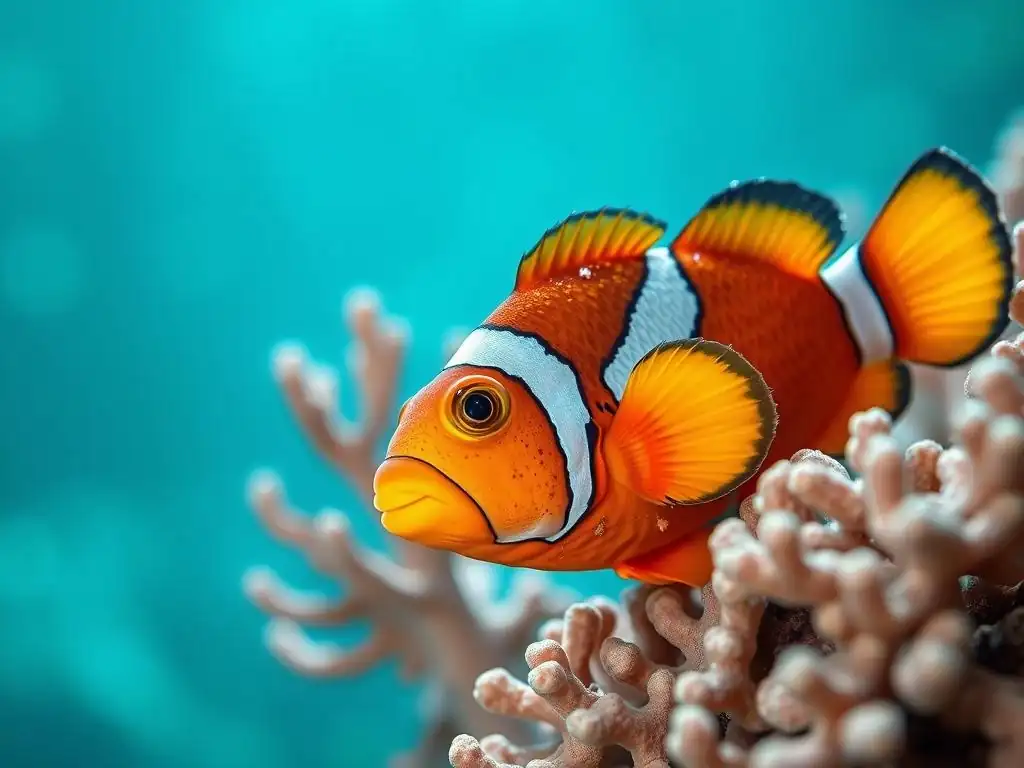
Algae Blooms: Causes and Control Strategies
Algae blooms are a common nuisance in aquariums and often signal an underlying imbalance in butterfly fish water chemistry. The most frequent causes are excess nutrients (primarily nitrate and phosphate), too much light intensity or duration, and insufficient water changes. Algae can manifest as green hair algae, diatoms (brown film), or cyanobacteria (red slime algae). While not directly harmful to fish, severe blooms indicate poor water quality and can smother corals or obstruct views.
Control strategies for algae blooms focus on addressing the root cause: nutrient export. This includes increasing the frequency and volume of water changes, using GFO or other phosphate-absorbing media, implementing a refugium with macroalgae, and reducing overfeeding. Optimizing lighting schedules (typically 8-10 hours per day) and ensuring proper water flow throughout the tank can also help. For example, reducing nitrates from 20 ppm to below 5 ppm and phosphates from 0.1 ppm to below 0.03 ppm will significantly inhibit most nuisance algae growth.
Phosphate Buildup: Identifying and Addressing the Issue
Phosphate (PO4) is a primary nutrient that fuels nuisance algae growth and can inhibit calcification in corals. In a butterflyfish-only system, high phosphates primarily contribute to algae issues. Common sources of phosphate buildup include tap water (unless using RO/DI), unrinsed or low-quality frozen foods, decaying organic matter (dead fish, detritus), and some low-quality synthetic salt mixes. Even seemingly low levels, like 0.1 ppm, can trigger significant algae blooms.
Addressing phosphate buildup requires a multi-pronged approach. Always use RO/DI (Reverse Osmosis/Deionization) water for all top-offs and water changes, as tap water often contains phosphates. Implement a GFO reactor to continuously remove phosphates from the water column. Practice careful feeding, ensuring all food is consumed and not left to decay. Regular siphoning of detritus from the sand bed and sumps also helps. Aim for phosphate levels below 0.03 ppm, which is critical for maintaining pristine butterfly fish water chemistry and preventing nuisance algae.
Low Dissolved Oxygen: Symptoms and Solutions
Low dissolved oxygen (DO) is a critical and immediate threat to butterflyfish. Symptoms include fish gasping at the surface, rapid gill movement, lethargy, and a general lack of activity. Causes can range from high organic loads (due to overfeeding or a dead fish), high water temperatures (warmer water holds less oxygen), insufficient surface agitation, or even power outages that stop circulation and aeration.
Immediate solutions for low DO involve increasing surface agitation to facilitate gas exchange. This can be achieved by directing powerheads towards the water surface, adding air stones connected to an air pump, or lowering the water level in the sump to create a greater waterfall effect from the overflow. Performing a small, immediate water change can also help dilute pollutants and introduce fresh, oxygenated water. Reducing feeding and ensuring proper filtration are crucial long-term solutions. Maintaining adequate oxygenation is especially vital for active swimmers like butterflyfish, as their metabolic demands are higher.
Maintaining Water Chemistry During Medication and Treatment
Impact of Medications on Water Parameters
Administering medications to butterflyfish, particularly in the display tank, can have significant and often adverse impacts on butterfly fish water chemistry. Many common medications, especially copper-based treatments for parasitic infections like Ich or velvet, can bind to alkalinity, leading to a dangerous drop in pH. Copper's toxicity also increases significantly at lower pH levels, making careful monitoring essential. Formalin-based medications can deplete oxygen and stress the biological filter.
It is crucial to monitor all major water parameters (ammonia, nitrite, nitrate, pH, alkalinity, salinity) constantly during any treatment. Some medications can also inhibit or kill beneficial nitrifying bacteria, potentially leading to dangerous ammonia and nitrite spikes. If treatment in the display tank is unavoidable, be prepared to perform emergency water changes and use ammonia-detoxifying products. The preferred method for treating sick fish is in a separate quarantine tank, where water chemistry can be more easily controlled and medication effects isolated.
Adjusting Water Chemistry After Treatment
Once a medication regimen is complete, careful steps must be taken to restore optimal butterfly fish water chemistry. The first priority is to remove residual medication from the water. Activated carbon is highly effective at adsorbing many types of medications, though it may not remove all (e.g., chelated copper). Multiple large water changes (e.g., 25-30% every few days) are often necessary to dilute and fully remove the medication.
After treatment, especially if the biological filter was impacted, it is wise to re-establish beneficial bacteria using commercially available bacterial supplements. Parameters should be gradually returned to their ideal ranges, avoiding any rapid swings that could re-stress the fish. For instance, if alkalinity dropped during treatment, increase it slowly over several days rather than in one large dose. Consistent monitoring and a patient approach are key to ensuring the fish's full recovery and the stability of the aquarium environment.
Quarantine Tank Water Chemistry Considerations
The use of a dedicated quarantine tank (QT) is indispensable for maintaining the health of butterflyfish and preventing disease introduction to the main display. Water chemistry in the QT should closely mirror that of the main display tank to minimize stress during transfer. However, QT tanks are often smaller and may not have a fully established biological filter, making them prone to rapid ammonia and nitrite spikes, especially when treating sick fish or during the initial acclimation period.
Vigilant monitoring of ammonia and nitrite in the QT is critical, often requiring daily testing. Ammonia-detoxifying products (e.g., Seachem Prime) are invaluable for neutralizing these toxins. Frequent small water changes (e.g., 10-20% daily or every other day) using pre-mixed, matched saltwater are often necessary to keep parameters stable. Maintaining stable butterfly fish water chemistry in the QT significantly reduces stress on the already compromised fish, facilitating their recovery and successful introduction to the main system.
Advanced Techniques: Utilizing Refugiums and Sumps
Benefits of Refugiums for Water Quality
A refugium is a separate compartment, typically located within a sump, designed to cultivate macroalgae (such as Chaetomorpha or Gracilaria) and provide a safe haven for beneficial microfauna (copepods, amphipods). The primary benefit of a refugium for water quality is its role as a natural nutrient export system. Macroalgae actively consume nitrates and phosphates from the water column as they grow, effectively competing with nuisance algae in the main display tank.
Beyond nutrient removal, refugiums contribute significantly to overall butterfly fish water chemistry. They act as a natural biological filter, further processing nitrogenous waste. The cultivation of macroalgae also helps to stabilize pH by consuming CO2 during their photosynthetic cycle, particularly during the night when the main display's pH might naturally dip. Furthermore, refugiums can serve as a continuous source of live food for the main tank inhabitants, as copepods and amphipods reproduce in the safe environment of the refugium and are then carried into the display tank via the return pump.
Sump Design and Implementation for Butterflyfish Systems
A sump is an auxiliary tank, usually located beneath the main display aquarium, that increases the total water volume of the system and provides a convenient space to house essential equipment. For butterflyfish systems, a well-designed sump offers numerous benefits, most notably increasing the total water volume, which inherently adds stability to all water parameters by diluting waste products and buffering against rapid changes.
Sump design often includes multiple baffles to create distinct compartments for different functions: an initial chamber for the protein skimmer, a dedicated refugium section, and a final return pump chamber. Proper plumbing is essential to ensure efficient water flow from the display to the sump and back.
Implementing a sump allows for the discreet placement of heaters, media reactors (for carbon, GFO), and other equipment, keeping the main display tank aesthetically clean. The increased water volume and integrated filtration components within a sump contribute significantly to maintaining the pristine and stable butterfly fish water chemistry required by these delicate species.
Acclimation Strategies: Minimizing Stress During Introduction
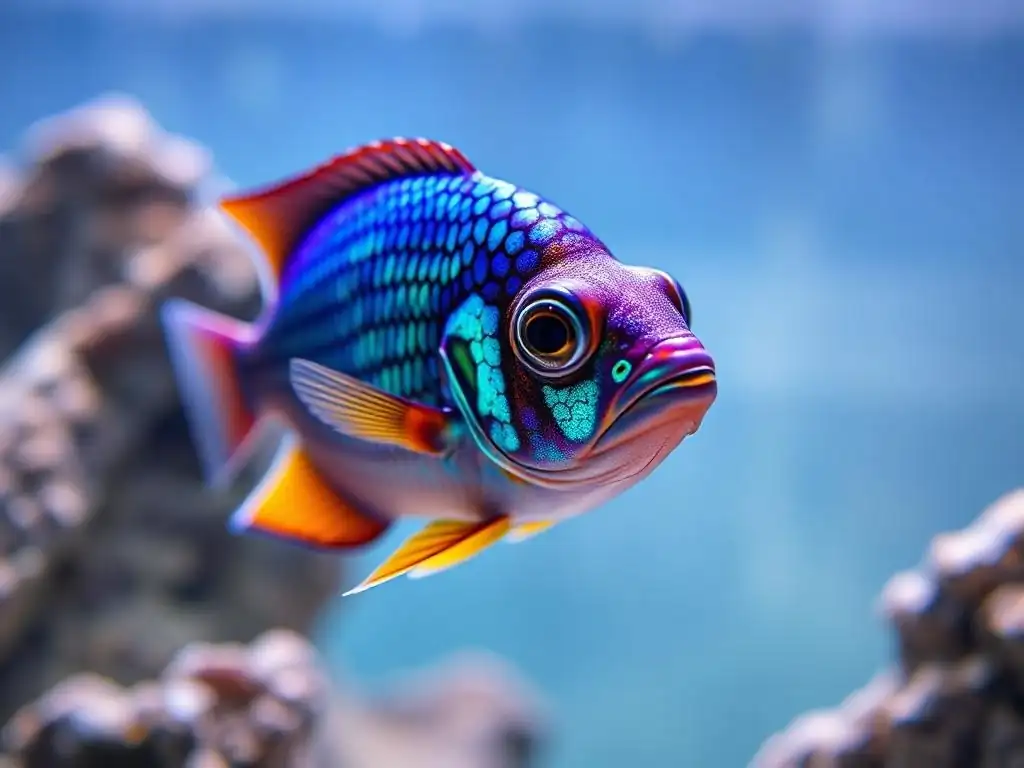
Drip Acclimation: A Gentle Approach
Acclimation is arguably the most critical step when introducing new butterflyfish to an aquarium, as they are exceptionally sensitive to sudden changes in water parameters. Drip acclimation is the gentlest and most recommended method. This involves slowly introducing water from the target aquarium into the fish's transport bag or container using airline tubing and a flow control valve (or a simple knot to regulate the drip rate). The goal is to gradually equalize the temperature, salinity, and pH over an extended period, typically 30-60 minutes, or even longer for very sensitive species or significant parameter differences.
The primary purpose of drip acclimation is to prevent osmotic shock. When a fish is moved from water with one set of parameters to another with different parameters, its body must rapidly adjust its internal salt and water balance. A sudden change can overwhelm its osmoregulation system, leading to severe stress, organ damage, or even death. By slowly dripping water, the fish can gradually adapt to the new butterfly fish water chemistry, significantly reducing the risk of shock and improving its chances of survival and long-term health.
Monitoring Water Parameters During Acclimation
Effective acclimation begins with understanding the water parameters in the shipping bag or transport container compared to the target aquarium. Before starting the drip acclimation process, it is highly advisable to test the salinity and pH of the water the fish arrived in. This initial assessment will dictate the necessary speed and duration of the drip acclimation. If, for instance, the bag water has a specific gravity of 1.018 and the tank is at 1.026, the acclimation process will need to be much slower and more prolonged than if the difference is only 0.001-0.002.
During the acclimation period, periodically test the water in the acclimation container to monitor its progression. The process should continue until the salinity and pH in the container are within 0.001-0.002 specific gravity units and 0.1-0.2 pH units of the main tank water. Once complete, the fish should be gently transferred to the tank, discarding the old bag water to avoid introducing any potential pathogens or undesirable water chemistry. This meticulous approach to butterfly fish water chemistry during acclimation is paramount for their successful transition.
Recognizing Symptoms of Poor Water Quality
Recognizing the symptoms of poor water quality in butterflyfish is crucial for early intervention. Common indicators include rapid breathing (gasping at the surface or rapid gill movement), clamped fins, faded or dull coloration, lethargy, loss of appetite, and unusual swimming patterns (e.g., erratic darting or hovering near overflows). Flashing (rubbing against tank decor or substrate) can indicate skin irritation often caused by chemical irritants or parasites exacerbated by stress.
It's important to differentiate between general stress symptoms caused by poor water quality and those indicative of specific diseases. Often, disease outbreaks, such as marine Ich (white spots) or bacterial infections (fin erosion, fuzzy growths), are triggered by underlying stress from unstable or unsuitable butterfly fish water chemistry. If any of these symptoms are observed, a comprehensive water parameter test should be the immediate first step before considering medication.
Diagnosing Water Chemistry Imbalances
When butterflyfish exhibit signs of distress, the immediate course of action is a comprehensive battery of water tests. This includes ammonia, nitrite, nitrate, pH, alkalinity, salinity, temperature, and phosphates. Compare the readings to the ideal parameters for butterflyfish (e.g., 0 ppm ammonia/nitrite, <10 ppm nitrate, 8.1-8.3 pH, 9-11 dKH, 1.025-1.026 specific gravity, 75-82°F).
A sudden spike in ammonia or nitrite, or a drastic pH crash, immediately pinpoints the problem. Chronic issues, such as persistently high nitrates or phosphates, might indicate insufficient nutrient export or overfeeding. Identifying the specific imbalance in butterfly fish water chemistry allows for targeted corrective actions, preventing further stress and potential disease progression. For instance, if nitrates are consistently at 30 ppm, a large water change and an evaluation of filtration methods are warranted.
Immediate Corrective Actions
Once a water chemistry imbalance is diagnosed, immediate corrective actions are necessary to stabilize the environment for the butterflyfish. For critical issues like ammonia or nitrite spikes, a large water change (50% or more, with precisely matched parameters) is the most effective immediate remedy, coupled with the use of ammonia-detoxifying products. If pH has crashed, carefully add an alkalinity buffer solution to raise it slowly over several hours, avoiding rapid swings.
For high phosphates, ensure GFO or other phosphate-absorbing media are being used effectively and consider reducing feeding. Increase aeration in cases of low dissolved oxygen. Temporarily cease dosing any supplements until stability is restored. The key is to make deliberate, measured adjustments rather than impulsive, large changes, which can further stress the delicate fish. Continuous monitoring following corrective actions is vital to ensure the butterfly fish water chemistry remains stable and conducive to recovery.
Conclusion: Mastering Water Chemistry for Butterflyfish Success
Long-Term Strategies for Maintaining a Thriving Butterflyfish Aquarium
Mastering butterfly fish water chemistry is not a one-time achievement but an ongoing commitment to precision and consistency. Long-term success hinges on implementing a robust, multifaceted strategy that encompasses regular, consistent water changes using high-quality synthetic salt mixes, ensuring comprehensive filtration (mechanical, chemical, biological, and protein skimming), and adhering to a rigorous schedule of precise water parameter testing. Proactive maintenance, such as cleaning filter media regularly and siphoning detritus, prevents nutrient buildup and maintains stability.
Beyond the technical aspects, a holistic approach is vital. This includes providing a suitable environment with appropriate tank mates, offering a varied and nutritious diet, and minimizing external stressors. By diligently maintaining pristine and stable butterfly fish water chemistry, aquarists can create a resilient system that supports the long-term health, vibrant coloration, and natural behaviors of these exquisite, delicate beauties, allowing them to thrive for years.
Continuous Learning and Adaptation in Aquarium Keeping
The world of aquarium keeping, particularly for sensitive marine species like butterflyfish, is dynamic and constantly evolving. New products, filtration techniques, and scientific understandings of marine biology emerge regularly. Therefore, continuous learning and adaptation are essential for any dedicated aquarist aiming for mastery of butterfly fish water chemistry. This involves staying informed through reputable sources, engaging with experienced hobbyists in forums or local clubs, and critically evaluating new information.
Furthermore, every aquarium system is unique, and what works perfectly for one setup may require slight adjustments for another. Aquarists must be observant, adapting their strategies based on the specific behavior of their fish, the maturity of their tank, and the performance of their equipment. For instance, a newly established tank will require more frequent monitoring and intervention than a mature, stable system. This iterative process of learning, observing, and adapting ensures that the butterfly fish water chemistry remains optimized, leading to consistent success and a truly thriving aquatic environment.
Frequently Asked Questions
What makes water chemistry so crucial for Butterflyfish in aquariums?
Butterflyfish are exceptionally sensitive to fluctuations in water parameters. Maintaining stable and pristine water chemistry is vital for their health and survival in a captive environment.
What are the most important water parameters to monitor for Butterflyfish?
Key parameters include pH, ammonia, nitrite, and nitrate levels. Maintaining proper salinity and alkalinity is also crucial for their well-being.
How often should I test my aquarium water when keeping Butterflyfish?
Regular testing, ideally weekly or even twice weekly, is recommended. This allows for early detection and correction of any imbalances before they affect the fish.
What is the ideal pH range for a Butterflyfish aquarium?
Butterflyfish generally thrive in a pH range of 8.1 to 8.4. Maintaining a stable pH within this range is essential to avoid stressing these delicate fish.
How can I effectively manage nitrate levels in a Butterflyfish tank?
Regular water changes, efficient protein skimming, and the use of denitrification methods are all effective strategies for controlling nitrate levels.
Okay, here's a final reflection designed to close your article "Beyond the Basics: Advanced Water Chemistry for UltraSensitive Butterflies," optimized for the keyword "Butterfly fish water chemistry" and following the structure you provided:
Final Reflection: The Delicate Dance of Life
The intricacies of butterfly fish water chemistry, as we've explored, are not merely academic exercises; they represent a commitment to preserving the delicate balance of life within our aquariums. The knowledge shared here transcends basic fishkeeping, offering a pathway to truly understanding and meeting the complex needs of these captivating creatures. This understanding is crucial now more than ever, as the pressures on wild reef ecosystems continue to mount, making responsible captive care all the more vital.
This journey into advanced water chemistry has hopefully illuminated the profound impact our actions have on the well-being of butterfly fish. It's a constant reminder that responsible aquarists are not just keepers, but stewards of a miniature ecosystem. The dedication required to maintain optimal conditions reflects a deep respect for the fragility of marine life. As the renowned oceanographer Sylvia Earle once said: No water, no life. No blue, no green.
This simple truth underscores the critical role water chemistry plays in sustaining all aquatic life, including the magnificent butterfly fish.
Now, armed with this knowledge, I urge you to reflect on your own practices and consider how you can further refine your approach to butterfly fish water chemistry. Embrace the challenge of creating a truly thriving environment, and share your experiences with others. By continuously learning and adapting, we can ensure the long-term health and vitality of these beautiful fish, contributing to a future where both captive and wild populations can flourish.
Ignite Your Butterfly Oasis: Unlock the Secrets to Flourishing!
Thank you for diving into the nuances of water chemistry for ultra-sensitive butterflies. We hope you’ve found these advanced techniques insightful and empowering. Now, let’s put that knowledge into action!
- Immediately implement at least one of the water parameter adjustments discussed to observe its impact on your butterfly specimens.
- Share a photo of your butterfly enclosure on social media, tagging us with #AquariumMasteryButterflies and a key takeaway you learned today.
- Consider setting up a mini-experiment: Track the growth rate or vibrancy of two butterflies, adjusting only one water chemistry variable in each of their environments.
What surprising change are you most eager to test in your butterfly environment, and what outcome do you anticipate?