
Butterflyfish in a Mixed Reef: High Stakes, High Rewards, or High Regret?

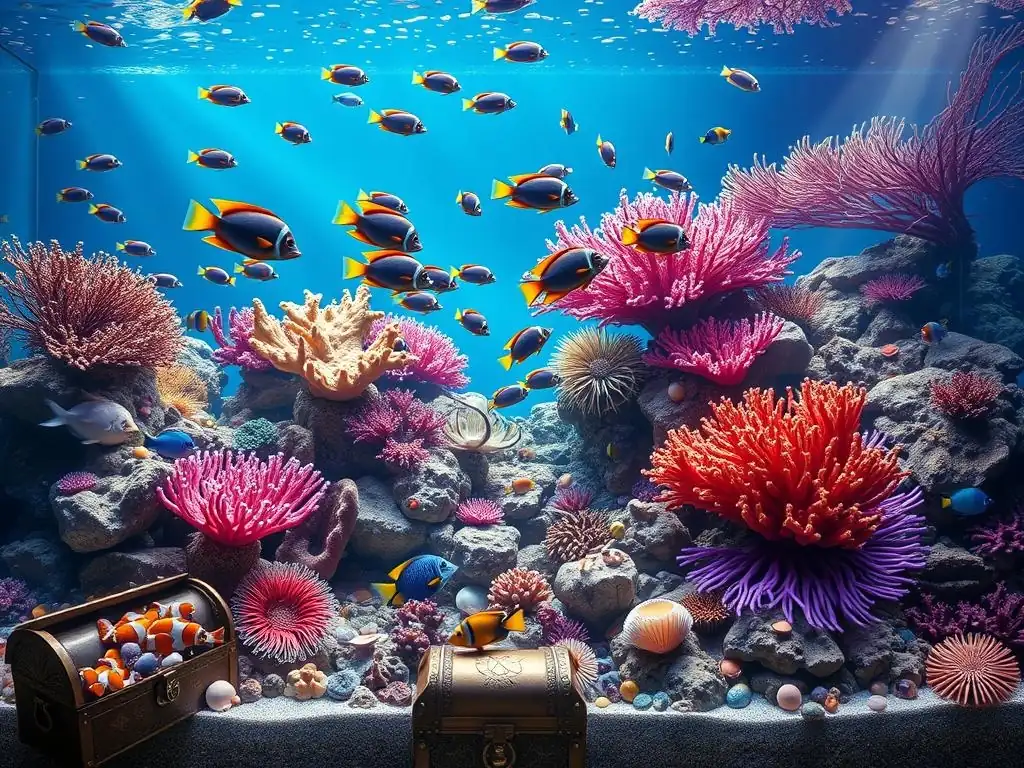
Welcome to Aquarium Mastery!
Ever wondered if you could successfully keep the elegant Butterflyfish in your prized reef tank? It's a question that sparks both excitement and a healthy dose of apprehension. Our latest article dives deep into the world of " Butterflyfish reef tank care," exploring the challenges, the rewards, and everything you need to know before taking the plunge. Are you ready to discover if these stunning fish can truly thrive in your mixed reef environment? Let's find out!
- Introduction: The Allure and Risks of Keeping Butterflyfish in Reef Aquariums
- Assessing Reef Compatibility: Which Butterflyfish Species are Reef Safe?
-
Butterflyfish Reef Tank Care: Essential Considerations for Success
- Tank Size and Aquascaping for Butterflyfish and Coral Health
- Water Parameters and Stability: Critical Factors for Butterflyfish Reef Tank Success
- Specific Water Parameters: Salinity, Temperature, pH, Alkalinity, Nitrate/Phosphate Levels
- Filtration and Water Flow: Maintaining a Healthy Reef Environment for Butterflyfish
- Feeding Butterflyfish in a Reef Tank: Meeting Their Nutritional Needs
- Managing Potential Problems: Butterflyfish Coral Interactions and Disease
- Selecting Compatible Tank Mates for Butterflyfish in a Reef Aquarium
- The High Rewards: The Beauty and Benefits of Butterflyfish in a Thriving Reef
- The High Regret: Potential Pitfalls and Considerations Before Adding Butterflyfish
- Conclusion: Making an Informed Decision About Butterflyfish Reef Tank Care
-
Frequently Asked Questions
- Can Butterflyfish be kept in a reef tank?
- What are the most reef-safe Butterflyfish species?
- What are the key considerations for introducing a Butterflyfish to a reef tank?
- How can I minimize the risk of coral damage from Butterflyfish?
- What are the potential downsides of keeping Butterflyfish in a reef tank?
- Final Reflection: Navigating the Butterflyfish Reef Tank Challenge
- Unleash Your Reef's Potential!
Introduction: The Allure and Risks of Keeping Butterflyfish in Reef Aquariums
Butterflyfish Feeding Habits: A Reef Keeper's Challenge
Butterflyfish in their natural habitat are continuous grazers, constantly picking at small invertebrates, algae, and detritus found among the coral polyps and live rock. Their natural diet is incredibly diverse, ranging from minute crustaceans and worms to specific types of coral polyps. This innate, continuous feeding behavior presents a significant challenge in a captive reef environment, as their natural instincts can lead them to view corals as a readily available food source, even when other foods are provided.
The primary difficulty for a reef keeper lies in replicating this constant grazing without allowing them to damage valuable corals. Many species, particularly those from the genus Chaetodon, have evolved to consume specific coral polyps, making them particularly risky additions to a mixed reef. Ensuring they receive adequate nutrition from prepared foods, often requiring multiple feedings throughout the day, is paramount to prevent them from resorting to nipping at corals out of hunger or instinct.
Natural Reef Ecosystem Roles: Understanding Butterflyfish Niche
In the wild, butterflyfish occupy various niches within the reef ecosystem. Some species, like the Copperband Butterflyfish ( Chelmon rostratus), are known for their ability to pick out small parasites and worms from crevices, even acting as cleaner fish for other marine inhabitants. Others are specialists, intricately linked to specific coral species, relying on their polyps as a primary food source. For example, the Ornate Butterflyfish ( Chaetodon ornatissimus) is a known obligate corallivore, feeding almost exclusively on stony coral polyps.
Understanding these natural roles is crucial for Butterflyfish reef tank care. A species that primarily grazes on algae or small benthic invertebrates in the wild is generally a safer bet for a mixed reef than one that specializes in coral polyps. Their behavior in a confined tank, where natural food sources are limited, will often revert to their most basic instincts, potentially leading to unwanted coral interactions.
Assessing Reef Compatibility: Which Butterflyfish Species are Reef Safe?
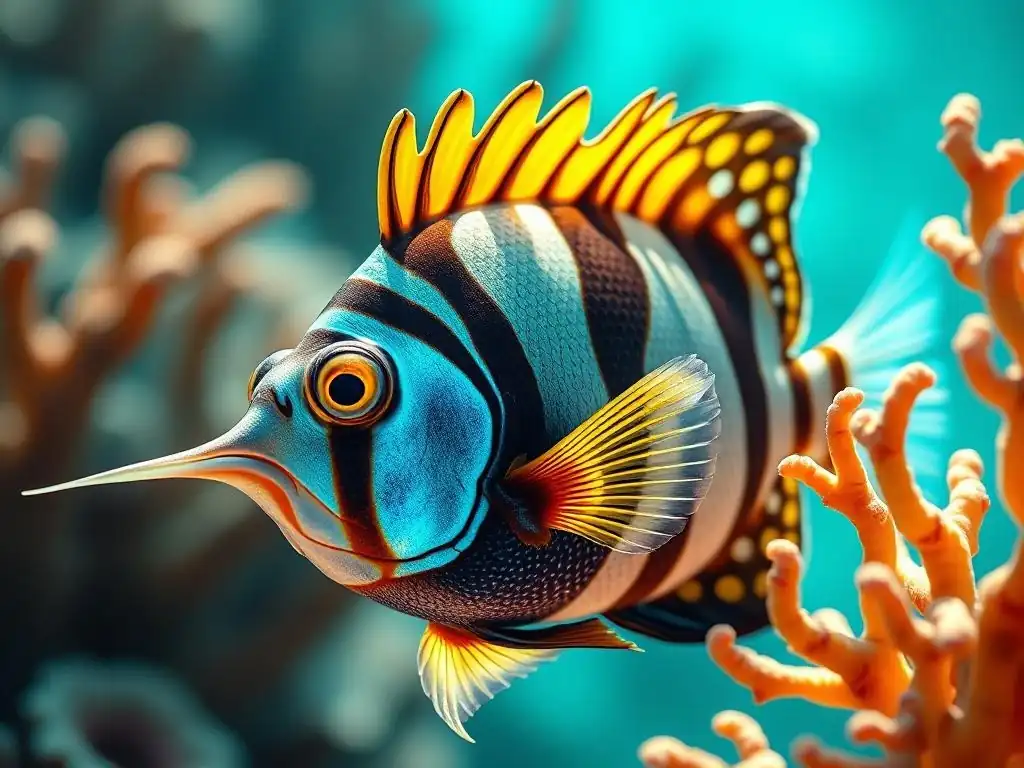
Identifying Reef-Safe Butterflyfish Species: A Detailed Guide
While no butterflyfish can be guaranteed "100% reef-safe," certain species exhibit a much lower propensity for coral nipping, making them more suitable for mixed reef aquariums. The Copperband Butterflyfish ( Chelmon rostratus) is a popular choice, primarily sought after for its appetite for nuisance pests like Aiptasia anemones and small worms.
It typically consumes small crustaceans and worms, rarely bothering healthy corals unless severely underfed or stressed. Similarly, the Longnose Butterflyfish ( Forcipiger flavissimus and Forcipiger longirostris) are often considered safer due to their diet consisting mainly of small invertebrates and plankton, which their elongated snouts help them extract from rockwork.
Another relatively safe option is the Pyramid Butterflyfish ( Hemitaurichthys polylepis), which is primarily a planktivore and generally ignores corals. However, even with these species, individual temperament can vary. Success in Butterflyfish reef tank care with these species hinges on providing a mature tank, ample swimming space, and a consistent, varied diet to minimize any temptation to nip at corals.
Butterflyfish Species to Avoid in Reef Tanks: The Known Coral Nippers
Many butterflyfish species are notorious for their reliance on coral polyps as a primary food source, making them highly incompatible with mixed reef environments. Species from the genus Chaetodon are particularly problematic. For instance, the Raccoon Butterflyfish ( Chaetodon lunula), Ornate Butterflyfish ( Chaetodon ornatissimus), and Sunburst Butterflyfish ( Chaetodon kleinii) are known corallivores that will actively graze on both LPS (Large Polyp Stony) and SPS (Small Polyp Stony) corals, often causing irreversible damage.
Warning: Introducing these known coral-eating species into a mixed reef will almost certainly lead to significant coral destruction. Their natural diet is so heavily reliant on coral polyps that it is nearly impossible to provide enough alternative nutrition to deter them from their preferred food source in a captive environment. Prioritize thorough research into a butterflyfish's natural diet before considering it for your reef.
Butterflyfish Reef Tank Care: Essential Considerations for Success
Tank Size and Aquascaping for Butterflyfish and Coral Health
Adequate tank size is paramount for successful Butterflyfish reef tank care. Most butterflyfish species require a minimum of 75 to 120 gallons, with larger species like the Copperband needing at least 100 gallons to thrive. This ample volume is crucial for several reasons: it provides sufficient swimming space, helps dilute waste products, and contributes to overall water parameter stability, which is vital for both the fish and corals. A larger tank also offers more territory, reducing potential stress and aggression among tank mates.
Aquascaping should prioritize both the butterflyfish's need for shelter and the corals' requirements for light and flow. Provide plenty of live rock with numerous caves, overhangs, and hiding spots where the butterflyfish can retreat when feeling stressed or resting. Simultaneously, ensure there are open swimming areas. When placing corals, consider creating some zones that are more difficult for the butterflyfish to access, or arrange them to provide natural barriers if you are introducing a species with a questionable reef-safe reputation.
Water Parameters and Stability: Critical Factors for Butterflyfish Reef Tank Success
Butterflyfish are sensitive to fluctuations in water quality, making stable and pristine water parameters a non-negotiable aspect of their care in a reef tank. Consistent water chemistry directly impacts their immune system, stress levels, and overall health. Rapid swings in temperature, salinity, or pH can severely weaken the fish, making them more susceptible to disease and potentially increasing their likelihood of engaging in undesirable behaviors like coral nipping due to stress.
Maintaining stability requires diligent monitoring and consistent maintenance practices. Regular water changes (e.g., 10-20% bi-weekly), precise dosing of supplements for alkalinity and calcium, and robust filtration are all critical. A mature tank, established for at least six months to a year, is generally recommended before introducing delicate species like butterflyfish, as it provides a more stable biological filter and a more settled environment.
Specific Water Parameters: Salinity, Temperature, pH, Alkalinity, Nitrate/Phosphate Levels
For optimal Butterflyfish reef tank care in a mixed reef, specific water parameters must be tightly controlled. The ideal salinity range is typically 1.023 to 1.026 specific gravity. Temperature should be maintained between 74-80°F (23-27°C), with minimal daily fluctuations. The pH level should consistently remain between 8.1 and 8.4, and alkalinity (dKH) should be stable, ideally between 8 and 12 dKH, to support coral calcification and buffering capacity.
Furthermore, nutrient levels, specifically nitrates and phosphates, must be kept very low. Nitrates should ideally be below 10 ppm, and phosphates below 0.05 ppm. While butterflyfish can tolerate slightly higher nutrient levels than some corals, elevated nitrates and phosphates can severely inhibit coral growth, cause tissue necrosis, and promote nuisance algae growth, thereby compromising the entire reef ecosystem. Consistent monitoring with reliable test kits is essential.
Filtration and Water Flow: Maintaining a Healthy Reef Environment for Butterflyfish
Robust filtration is fundamental to maintaining the pristine water quality required for both butterflyfish and corals. This typically involves a multi-faceted approach: effective mechanical filtration (e.g., filter socks changed every 2-3 days, filter floss), strong biological filtration (ample live rock, bio-media in a sump), and chemical filtration (activated carbon changed monthly, GFO for phosphate removal). A protein skimmer sized appropriately for the tank volume is also indispensable for removing organic waste before it breaks down into nitrates and phosphates.
Water flow is equally important. Butterflyfish generally prefer moderate to strong, yet non-turbulent, water flow that mimics their natural reef environment. Aim for a total tank turnover of 20-30 times the tank volume per hour, distributed evenly to avoid dead spots. This flow aids in gas exchange, prevents detritus accumulation, and delivers food and nutrients to corals, all contributing to a thriving Butterflyfish reef tank care environment.
Feeding Butterflyfish in a Reef Tank: Meeting Their Nutritional Needs
Providing a Varied and Balanced Diet for Butterflyfish
Meeting the nutritional needs of butterflyfish in a reef tank is crucial for their health and for minimizing the risk of coral nipping. These fish are constant grazers in nature, so they require a varied and balanced diet consisting of multiple small feedings throughout the day, rather than one or two large meals. A diverse diet helps prevent nutritional deficiencies, boosts their immune system, and satiates their natural foraging instincts, making them less likely to target corals.
Their diet should encompass a mix of meaty foods, vegetable matter, and prepared foods. Relying solely on one type of food will lead to deficiencies. For instance, a diet lacking in sufficient meaty protein might encourage them to seek out coral polyps, while a lack of vegetable matter could lead to digestive issues. Consistency in quality and variety is key to successful Butterflyfish reef tank care.
Target Feeding Techniques: Ensuring Butterflyfish Receive Adequate Nutrition
In a busy mixed reef tank, butterflyfish can sometimes be outcompeted by more aggressive or faster-feeding tank mates. Target feeding techniques are often necessary to ensure they receive adequate nutrition. Using a turkey baster or a long feeding stick allows you to direct food specifically towards the butterflyfish, ensuring they get their share without excess food polluting the tank. This is particularly effective for shyer species or those that feed slowly.
Multiple small feedings (3-5 times a day) are highly recommended. This mimics their natural continuous grazing behavior and helps maintain their metabolism. For instance, offering a small amount of frozen mysis shrimp in the morning, followed by a high-quality flake later, and then perhaps some live blackworms in the evening, can keep them well-fed and less inclined to explore corals as a food source.
Suitable Foods: Frozen Mysis Shrimp, Live Blackworms, and High-Quality Prepared Flakes
A diverse menu is critical for optimal Butterflyfish reef tank care. Frozen mysis shrimp are an excellent staple, being highly nutritious and widely accepted by most butterflyfish. Live blackworms are also a fantastic option, providing essential fatty acids and encouraging natural foraging behaviors; they can be particularly useful for enticing finicky eaters. Other suitable frozen foods include finely chopped seafood such as clams, mussels, and squid, which provide a rich source of protein.
In addition to frozen and live foods, high-quality prepared flakes and pellets specifically formulated for marine fish should be offered. Look for brands that include spirulina or other vegetable matter to provide necessary vitamins and fiber. Soaking dry foods in vitamin supplements like Selcon or Vita-Chem before feeding can further boost their nutritional value and palatability, contributing significantly to the long-term health of your butterflyfish.
Managing Potential Problems: Butterflyfish Coral Interactions and Disease
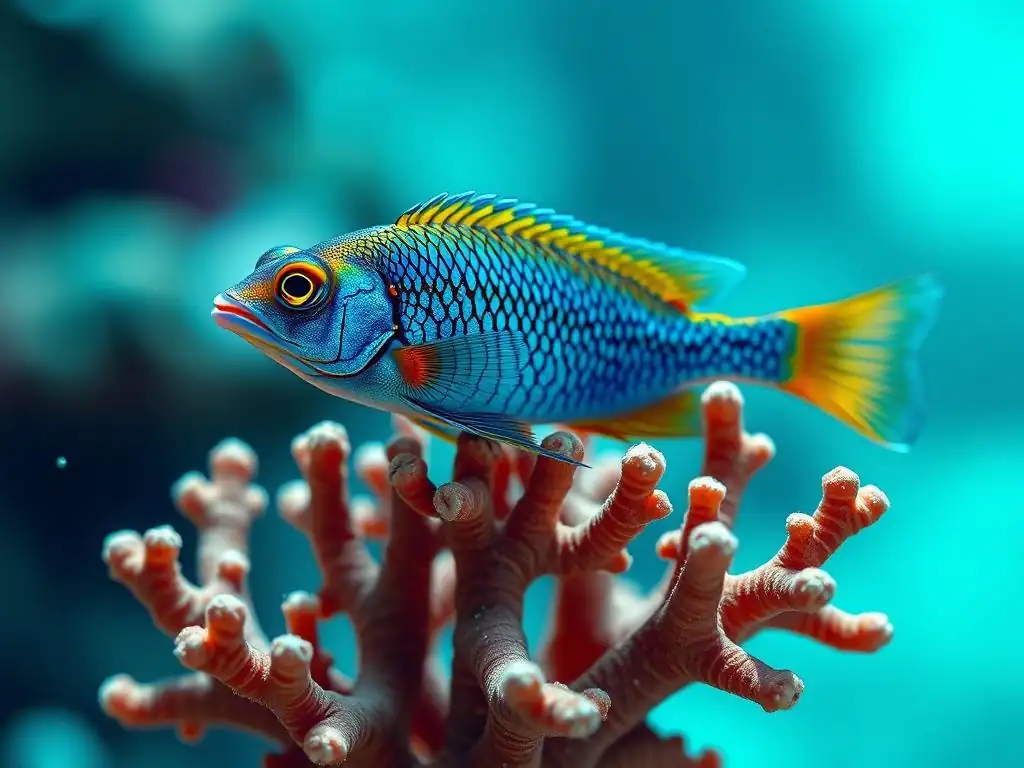
Monitoring Butterflyfish Behavior: Identifying Early Signs of Coral Nipping
Vigilant observation is critical to identifying early signs of coral nipping, a potential setback in Butterflyfish reef tank care. Regularly inspect your corals for any signs of tissue recession, retracted polyps, or small, freshly damaged spots, particularly on the edges or prominent polyps. Pay close attention to your butterflyfish's behavior around corals: are they constantly hovering near specific colonies? Are their mouths making rapid, pecking motions against the coral surface?
Some butterflyfish may show a preference for certain coral types, such as LPS corals like Favia or Blastomussa, while others might bother SPS corals. Identifying which corals, if any, are being targeted can help narrow down the cause and potential solutions. Early detection is key to mitigating damage and preventing the problem from escalating, potentially saving valuable coral colonies.
Addressing Coral Damage: Intervention Strategies and Mitigation Techniques
If you observe your butterflyfish nipping at corals, immediate intervention is necessary. The first and most crucial step is to increase feeding frequency and variety significantly. Offer multiple small meals throughout the day, ensuring the fish is satiated. You can also introduce "distraction" foods, such as a nori sheet clipped to the glass or a piece of live rock with nuisance algae, to divert their attention.
If nipping persists and causes significant damage, more drastic measures may be required. This could include temporarily relocating the affected corals to a frag tank or a separate system for recovery. In severe cases, where the butterflyfish continues to damage your reef despite all efforts, rehoming the fish to a fish-only tank or finding it a new home may be the only ethical solution to protect your reef investment.
Common Butterflyfish Diseases: Prevention and Treatment in a Reef Setting
Butterflyfish are often delicate and susceptible to common marine diseases, making disease prevention a cornerstone of successful Butterflyfish reef tank care. The most effective prevention strategy is a strict quarantine protocol for all new fish, lasting at least 4-6 weeks, in a separate hospital tank. This allows you to observe, acclimate, and treat any potential illnesses before introducing them to your main display tank, protecting your established inhabitants.
Maintaining stable, pristine water parameters, providing a highly nutritious and varied diet, and minimizing stress are also vital preventative measures. Stress weakens a fish's immune system, making it more vulnerable to pathogens. The challenge of treating diseases in a mixed reef is significant, as many effective medications (e.g., copper-based treatments) are highly toxic to corals and invertebrates, often necessitating the transfer of the affected fish to a dedicated hospital tank for treatment.
Common Diseases: Marine Ich, Velvet Disease, Bacterial Infections
Common diseases afflicting butterflyfish include Marine Ich ( Cryptocaryon irritans) and Velvet Disease ( Amyloodinium ocellatum), both highly contagious parasitic infections. Ich manifests as small white spots resembling salt grains on the fish's body and fins, often accompanied by flashing, labored breathing, and lethargy. Velvet, conversely, appears as a fine, dusty, gold-like coating, and progresses much more rapidly, often leading to quick fatalities. Bacterial infections, such as fin rot or body sores, can also occur, particularly in stressed or injured fish.
Treating these diseases in a mixed reef is incredibly challenging. Copper-based medications, highly effective against Ich and Velvet, are lethal to corals and most invertebrates. Similarly, many antibiotics for bacterial infections can harm the beneficial bacteria in your biological filter. Therefore, prevention through meticulous quarantine and optimal Butterflyfish reef tank care is paramount. If a fish becomes ill, the safest approach for your reef is to move the affected butterflyfish to a hospital tank for treatment.
Selecting Compatible Tank Mates for Butterflyfish in a Reef Aquarium
Choosing Non-Aggressive Tank Mates: Minimizing Stress and Competition
When selecting tank mates for butterflyfish in a reef aquarium, prioritizing non-aggressive species is crucial. Butterflyfish can be shy and easily intimidated, and constant harassment from more boisterous fish can lead to chronic stress, weakened immune systems, and even refusal to eat. Aggressive tank mates can also outcompete butterflyfish for food, leading to malnutrition.
Look for fish with a peaceful temperament and a similar activity level that won't overwhelm or bully the butterflyfish. Avoid species known for territorial aggression or those that are extremely active and dominant. Compatibility is a key factor in ensuring the butterflyfish thrives and exhibits its natural behaviors, contributing to the overall harmony of your Butterflyfish reef tank care setup.
Avoiding Predatory Species: Ensuring Butterflyfish Safety and Well-being
To ensure the safety and well-being of your butterflyfish, it is imperative to avoid introducing any predatory species that might view them as a food source. This includes larger, more aggressive angelfish, many species of triggerfish, lionfish, and various moray eels. Even some larger, opportunistic feeders could pose a threat to smaller or more delicate butterflyfish, especially during nighttime hours.
Introducing a predator creates a constant state of fear and stress for the butterflyfish, which can lead to hiding, refusal to eat, and ultimately, premature death. The goal of Butterflyfish reef tank care is to create a secure and thriving environment, and this cannot be achieved if the fish are under constant threat of predation. Always research the adult size and predatory tendencies of any potential tank mate before adding it to your reef.
Good and Bad Tank Mates: Tangs, Clownfish, and Gobies vs. Triggerfish, Lionfish, and Eels
- Good Tank Mates:
- Tangs: Many species, such as Yellow Tangs ( Zebrasoma flavescens) or Kole Tangs ( Ctenochaetus strigosus), are generally peaceful grazers that coexist well with butterflyfish, adding movement and color without aggression.
- Clownfish: Most clownfish species are non-aggressive, territorial around their host anemone (if present), but otherwise peaceful, making them excellent companions.
- Gobies: Bottom-dwelling gobies like Watchman Gobies ( Cryptocentrus cinctus) or Diamond Watchman Gobies ( Valenciennea puellaris) occupy a different niche and rarely interact negatively with mid-water swimming butterflyfish.
- Peaceful Wrasses: Smaller, peaceful wrasse species (e.g., Leopard Wrasses, some Fairy Wrasses) can also be good additions.
- Bad Tank Mates:
- Triggerfish: Species like the Clown Triggerfish ( Balistoides conspicillum) or Picasso Triggerfish ( Rhinecanthus aculeatus) are notoriously aggressive and predatory, unsuitable for a peaceful mixed reef with butterflyfish.
- Lionfish: These ambush predators will consume any fish small enough to fit into their mouths, making them a direct threat to butterflyfish.
- Moray Eels: Opportunistic predators that will readily consume smaller fish, especially at night.
- Large, Aggressive Angelfish: While some angelfish can be compatible, larger or more territorial species (e.g., Emperor Angelfish, Queen Angelfish) can harass butterflyfish and may also nip at corals.
The High Rewards: The Beauty and Benefits of Butterflyfish in a Thriving Reef
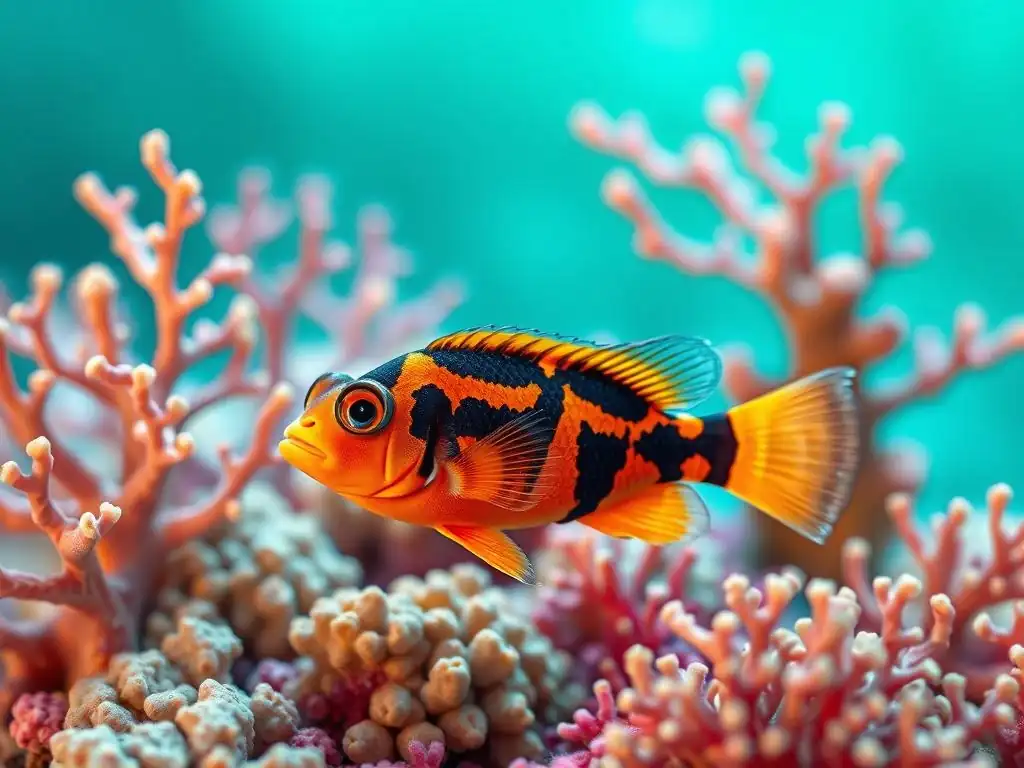
Adding Visual Appeal and Biodiversity to Your Reef Ecosystem
The visual appeal of butterflyfish in a thriving reef aquarium is undeniable. Their vibrant colors, intricate patterns, and graceful swimming motions make them true showpieces. Species like the Copperband Butterflyfish, with its striking orange bands, or the Longnose Butterflyfish, with its unique elongated snout, add a dynamic and exotic element to any tank. They bring a sense of natural movement and life that enhances the overall aesthetic.
Beyond their beauty, butterflyfish contribute to the biodiversity of your reef ecosystem. Their presence helps create a more natural and complex environment, mimicking a small slice of the wild reef. Observing them interact with the aquascape and other inhabitants provides a continuous source of fascination and demonstrates the richness of marine life, elevating the Butterflyfish reef tank care experience.
Observing Natural Behaviors: A Rewarding and Educational Experience
One of the most rewarding aspects of keeping butterflyfish in a reef tank is the opportunity to observe their natural behaviors up close. Witnessing their intricate foraging patterns, how they navigate the rockwork, or even their subtle interactions with other fish can be incredibly captivating. For example, watching a Copperband meticulously pick out Aiptasia from crevices offers a direct view of their beneficial predatory instincts.
This intimate observation provides a valuable educational experience. It deepens an aquarist's understanding of marine biology, fish behavior, and the delicate balance of a reef ecosystem. Successfully maintaining these sensitive fish and seeing them thrive is a testament to dedicated Butterflyfish reef tank care and provides immense satisfaction to the responsible hobbyist.
The High Regret: Potential Pitfalls and Considerations Before Adding Butterflyfish
The Risk of Coral Damage: Understanding the Potential Consequences
The most significant potential pitfall of keeping butterflyfish in a mixed reef is the risk of coral damage. Even species considered "reef-safe" can, under certain circumstances (e.g., stress, insufficient feeding, or individual temperament), develop a taste for coral polyps. This can lead to tissue recession, bleaching, and ultimately, the death of valuable coral colonies, which can be both financially and emotionally devastating.
The consequences extend beyond just the loss of a single coral. Extensive nipping can stress the entire coral population, making them more susceptible to disease or further damage. Understanding this inherent risk and being prepared for it is a crucial part of responsible Butterflyfish reef tank care. It means accepting that, despite best efforts, some level of coral interaction might occur.
The Commitment Required: Meeting the Specialized Needs of Butterflyfish
Keeping butterflyfish, especially in a mixed reef, demands a significant commitment of time, effort, and resources. These are not "set-it-and-forget-it" fish. They require consistent, high-quality care, including multiple daily feedings, meticulous monitoring of water parameters, and prompt attention to any signs of stress or illness. Their delicate nature means they are less forgiving of neglect or unstable conditions compared to hardier reef inhabitants.
The financial commitment also extends beyond the initial purchase of the fish. It includes the cost of a sufficiently large and stable tank, robust filtration equipment, high-quality varied foods, and reliable testing kits. This ongoing investment in meticulous Butterflyfish reef tank care is essential for their long-term health and the preservation of your reef.
Ethical Considerations: Responsible Reef Keeping Practices and Sourcing
Ethical considerations are paramount when deciding to add a butterflyfish to your reef. This includes responsible sourcing, prioritizing healthy specimens from reputable dealers who practice sustainable collection methods or offer captive-bred options where available (though rare for most butterflyfish). Avoid impulse purchases; instead, thoroughly research the species' specific needs and reef compatibility before bringing it home.
Furthermore, responsible reef keeping means being prepared for the possibility that the butterflyfish may not be compatible with your reef, despite all efforts. This might necessitate rehoming the fish to a fish-only system or finding a new owner who can provide an appropriate environment. The well-being of both the fish and your existing reef ecosystem should always be the top priority, even if it means making difficult decisions.
Conclusion: Making an Informed Decision About Butterflyfish Reef Tank Care
Weighing the Risks and Rewards: Is a Butterflyfish Right for Your Reef?
The decision to introduce a butterflyfish into a mixed reef aquarium is a complex one, requiring a careful weighing of the potential risks against the considerable rewards. While these fish offer unparalleled beauty and fascinating behaviors, their specialized dietary needs and potential for coral nipping present significant challenges. Success in Butterflyfish reef tank care demands a deep understanding of species-specific compatibility, a commitment to pristine water quality, and a dedication to providing a consistent, varied diet.
For the experienced and diligent aquarist with a mature, stable system, the rewards of keeping a thriving butterflyfish in a mixed reef can be immense, offering a unique window into the marine world. However, for those less prepared or with a heavily invested coral collection, the risks of regret due to coral damage or the inability to meet the fish's needs might outweigh the aesthetic appeal.
Resources for Further Learning: Expanding Your Knowledge of Butterflyfish Care
To ensure the best possible outcome for your butterflyfish and your reef, continuous learning is essential. Reputable online forums and communities dedicated to marine aquariculture offer a wealth of shared experiences and advice. Specialized books on marine fish species and advanced reef keeping techniques provide in-depth scientific information. Consulting with experienced local fish store owners or professional aquarists can also offer invaluable practical insights into Butterflyfish reef tank care.
Staying informed about new research, feeding strategies, and disease prevention methods is crucial for long-term success. The world of marine aquariculture is constantly evolving, and a proactive approach to knowledge acquisition will significantly enhance your ability to provide an optimal environment for these delicate and beautiful creatures.
Frequently Asked Questions
Can Butterflyfish be kept in a reef tank?
Butterflyfish can be kept in reef tanks, but it's a high-risk endeavor. Many species nip at corals and invertebrates, making them unsuitable for a mixed reef. Careful species selection is crucial.
What are the most reef-safe Butterflyfish species?
Some Butterflyfish species, like the Milletseed Butterflyfish, are considered more reef-safe. However, no Butterflyfish is completely guaranteed to leave corals alone. Individual temperament also plays a role.
What are the key considerations for introducing a Butterflyfish to a reef tank?
Prioritize a large, well-established tank with stable parameters. Observe the fish closely for any signs of coral nipping. Provide a varied diet to minimize their interest in corals.
How can I minimize the risk of coral damage from Butterflyfish?
Ensure the Butterflyfish is well-fed with a variety of foods. Introduce the Butterflyfish before adding any particularly vulnerable corals. Provide plenty of hiding places to reduce stress.
What are the potential downsides of keeping Butterflyfish in a reef tank?
The biggest downside is the risk of coral damage or death. Butterflyfish can also be difficult to acclimate and may compete with other fish for food. Careful planning is essential.
Okay, here's a final reflection designed to close your article "Butterflyfish in a Mixed Reef: High Stakes, High Rewards, or High Regret?" and target the keyword "Butterflyfish reef tank care," following your specified structure and tone:
The journey of keeping butterflyfish in a reef tank, as we've explored, is undeniably complex. The information presented underscores the critical importance of informed decision-making and meticulous planning when considering these captivating creatures for a mixed reef environment. Ignoring the specific needs of butterflyfish can lead to devastating consequences, highlighting the ethical responsibility we bear as aquarists to prioritize the well-being of our aquatic inhabitants.
The allure of adding a butterflyfish to a reef tank is undeniable, but the commitment required extends far beyond aesthetic appeal. My own experiences, and those of countless others, underscore the delicate balance required to create a thriving ecosystem where both corals and butterflyfish can flourish. This isn't just about providing food and water; it's about understanding their natural behaviors and adapting our reef tanks to accommodate them. In the end, we will conserve only what we love; we will love only what we understand; and we will understand only what we are taught.
- Baba Dioum. This quote resonates deeply, reminding us that responsible reef keeping begins with education and a genuine appreciation for the intricacies of marine life.
As you contemplate adding a butterflyfish to your reef tank, I urge you to reflect on the information presented here. Are you truly prepared to meet the challenges? Can you provide the specialized care these fish require? The decision rests with you, but remember that the health and happiness of these magnificent creatures depend on your commitment. Let's strive to be responsible stewards of the reef, ensuring that our passion for aquariums contributes to the preservation, not the detriment, of these delicate ecosystems.
Unleash Your Reef's Potential!
Thank you for diving deep into the fascinating world of butterflyfish in mixed reefs! Now that you're armed with the knowledge to navigate these complex waters, it's time to take the plunge.
Here are a few ways you can put your newfound understanding into action:
- Carefully consider the temperament of your reef's current inhabitants. Before even thinking about a butterflyfish, ensure you have a community compatible with one.
- Share this article with fellow reefing enthusiasts! Help spread awareness and foster better decision-making within our community.
- Brainstorm: What strategies can you implement to mitigate the risks of introducing a butterflyfish to your reef?
What species combination are you most intrigued to explore in your reefing journey?