
Axolotl Paradise: The Best Aquarium Chillers & Setup for Coldwater Amphibians

Welcome to Aquarium Mastery!
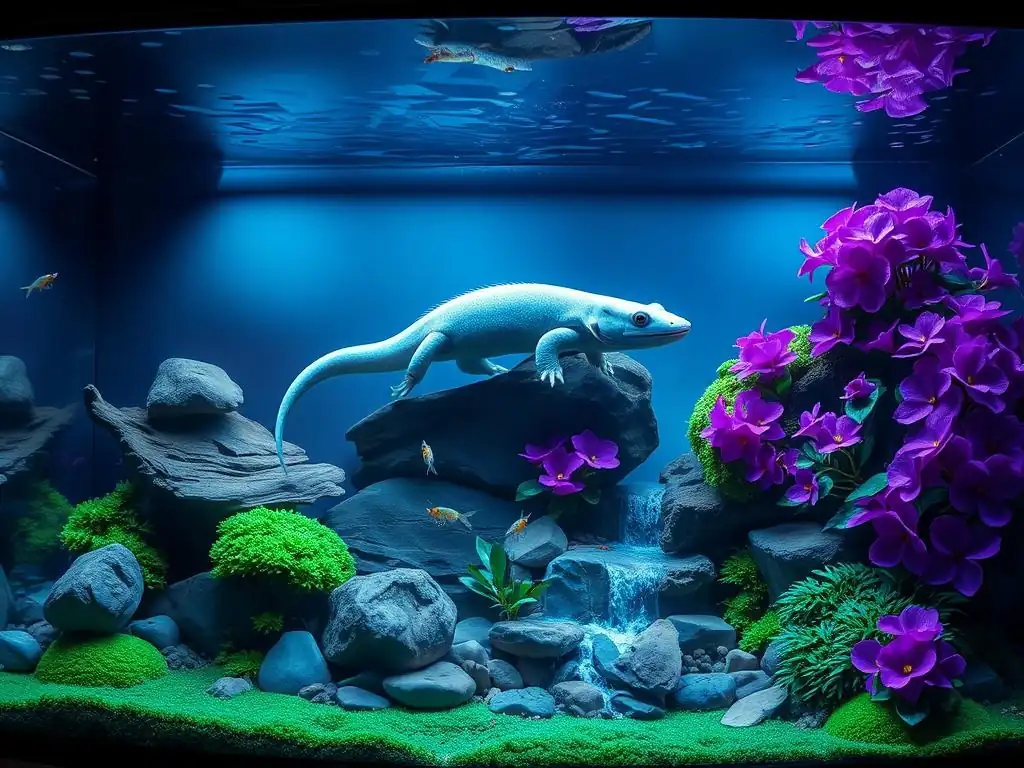
Intrigued by the fascinating world of Axolotls? Discover how to create the perfect, chilled paradise for these unique amphibians! Dive into our guide on Axolotl aquarium chiller setup and learn everything you need to know to keep your coldwater companions happy and healthy. Ready to unlock the secrets to a thriving Axolotl habitat? Let's get started!
- Understanding the Need for Axolotl Aquarium Chillers
- Choosing the Right Aquarium Chiller for Your Axolotl Tank
- Axolotl Aquarium Chiller Setup: A Step-by-Step Guide
- Optimizing Your Axolotl Aquarium for Cold Water
- Maintaining Your Axolotl Aquarium Chiller for Optimal Performance
- Alternative Cooling Methods for Axolotl Tanks (When a Chiller Isn't Feasible)
-
Frequently Asked Questions
- What is the ideal temperature range for an axolotl aquarium?
- Why is an aquarium chiller necessary for an axolotl tank?
- What size aquarium chiller do I need for my axolotl tank?
- How do I set up an aquarium chiller for my axolotl?
- Are there any alternatives to using an aquarium chiller for cooling an axolotl tank?
- Final Reflection: Cultivating Axolotl Well-being
- Unleash Your Axolotl's Dream Home!
Understanding the Need for Axolotl Aquarium Chillers
Why Axolotls Need Cold Water: The Ideal Temperature Range
Axolotls ( Ambystoma mexicanum) are unique amphibians native to the cool, oxygen-rich waters of Lake Xochimilco and canals around Mexico City. Their natural habitat dictates their physiological needs; they are adapted to consistently cool temperatures, which directly impacts their metabolism, immune system, and overall health. Maintaining a stable cold-water environment is not merely a preference but a fundamental requirement for their survival and well-being in captivity.
The ideal temperature range for an Axolotl aquarium is quite specific, typically between 60°F and 68°F (15°C to 20°C). Some experienced keepers even recommend staying closer to the lower end of this spectrum, around 62-64°F (16-18°C), to provide an additional buffer against temperature fluctuations. Temperatures consistently above 70°F (21°C) can quickly become detrimental, causing severe stress and leading to a host of health problems for these delicate amphibians.
The Dangers of Overheating Axolotls: Stress, Illness, and Mortality
When Axolotls are exposed to temperatures outside their ideal range, particularly warmer temperatures, their metabolic rate significantly increases. This accelerated metabolism puts immense stress on their internal organs, leading to a weakened immune system and making them highly susceptible to various illnesses. Common issues include fungal infections, such as Saprolegnia, and bacterial skin infections, which can quickly become fatal if not addressed.
Prolonged overheating can also lead to a condition known as "heat stress," which manifests in a range of concerning symptoms. If the water temperature consistently exceeds 72°F (22°C), Axolotls can suffer from irreversible organ damage, often affecting their gills and liver. In severe cases, particularly if temperatures approach 75°F (24°C) or higher for extended periods, overheating can lead to rapid organ failure and, ultimately, mortality.
Recognizing the Signs of Heat Stress in Your Axolotl
Early detection of heat stress is crucial for the well-being of your Axolotl. One of the most common visual cues is curled gill filaments; instead of being straight and feathery, they may curl forward or backward. You might also observe a significant reduction in appetite or a complete refusal to eat, as their digestive processes slow down under stress.
Other signs include lethargy, where the Axolotl becomes less active and spends more time at the bottom of the tank, or, conversely, frantic swimming as if trying to escape the uncomfortable conditions. Their coloration might also become paler than usual, and in severe cases, red patches or visible blood vessels may appear on their skin, indicating extreme stress and potential internal damage. Recognizing these signs promptly is vital for taking immediate corrective action to lower the water temperature.
Choosing the Right Aquarium Chiller for Your Axolotl Tank
Factors to Consider When Selecting an Axolotl Chiller: Tank Size, Ambient Temperature, and Budget
When selecting an Axolotl aquarium chiller, several critical factors must be weighed to ensure effective and efficient cooling. The chiller's cooling capacity, typically measured in horsepower (HP), must match your tank's volume. For instance, a 1/10 HP chiller is often sufficient for tanks up to 30 gallons, while a 1/4 HP unit may be necessary for larger tanks ranging from 50 to 75 gallons or even more. An undersized chiller will struggle to maintain the desired temperature, leading to inefficiency and potential premature failure.
Ambient room temperature significantly influences the chiller's performance. A tank in a room consistently at 80°F (27°C) will require a more powerful Axolotl chiller than one in a room at 70°F (21°C). Additionally, consider your budget, which encompasses both the initial purchase price—ranging from approximately $200 for smaller thermoelectric units to over $800 for robust compressor chillers—and long-term operational costs, primarily electricity consumption. Noise level is another practical consideration, especially if the tank is in a living area; compressor chillers can be louder than thermoelectric models.
Review: Top-Rated Aquarium Chillers for Axolotl Tanks
For a reliable Axolotl aquarium chiller setup, understanding the differences between popular models is key. Compressor-based chillers, like Active Aqua and Hailea, offer superior cooling power and temperature stability for larger tanks, while thermoelectric units, such as the IceProbe, are compact and quiet, best suited for smaller volumes. The best Axolotl chiller ultimately depends on your specific tank size, ambient conditions, and budget.
Active Aqua Chiller: Features, Pros & Cons, and Suitability for Axolotls
The Active Aqua Chiller is a popular compressor-based unit known for its robust construction and effective cooling capabilities. It comes in various horsepower ratings, typically from 1/10 HP up to 1 HP, allowing it to cater to a wide range of tank sizes. Key features include a digital temperature display and control, allowing for precise temperature settings, and a durable metal chassis designed for continuous operation.
Pros: Efficiently cools larger Axolotl tanks (e.g., a 1/10 HP model can handle a 40-gallon tank in a typical room), offers good temperature stability, and is generally reliable. Its straightforward operation makes it a solid choice for an Axolotl aquarium chiller setup. Cons: Can be relatively bulky and produce some operational noise, though often less than older compressor models. The initial cost is higher than thermoelectric alternatives. Suitability for Axolotls: Highly suitable for Axolotl tanks 20 gallons and larger, especially in warmer climates where consistent cooling is paramount.
IceProbe Thermoelectric Chiller: Features, Pros & Cons, and Suitability for Axolotls
The IceProbe Thermoelectric Chiller utilizes Peltier technology for cooling, making it a very compact and unique option. Instead of requiring external plumbing for water circulation, the cooling probe is submerged directly into the tank or sump, and an internal pump circulates water over the cooling element. It is roughly equivalent to a 1/15 HP chiller, designed for smaller applications.
Pros: Extremely quiet operation, very small footprint, and relatively energy-efficient for its size. Installation is simple, as it often integrates directly into existing filtration systems or sumps, making it a plug-and-play Axolotl chiller option. Cons: Limited cooling capacity, making it most effective for tanks up to 10-15 gallons, and it struggles significantly in warmer ambient conditions or larger tanks.
It offers less precise temperature control compared to compressor units. Suitability for Axolotls: Ideal for nano or small Axolotl tanks (e.g., 5-10 gallons) where space is at a premium and noise is a major concern. Not recommended for larger Axolotl aquarium chiller setup requirements.
Hailea Chiller: Features, Pros & Cons, and Suitability for Axolotls
Hailea Chillers are widely regarded as premium options in the aquarium cooling market, featuring high-quality compressor technology and often a titanium heat exchanger, which provides excellent corrosion resistance and makes them suitable for both freshwater and saltwater applications. They are available in a comprehensive range of HP ratings, from 1/10 HP up to 1 HP or more, ensuring a model for virtually any tank size.
Pros: Exceptional cooling efficiency and precision temperature control, thanks to advanced digital thermostats. They are known for their durability and relatively quiet operation for compressor-based units. The titanium heat exchanger ensures longevity and safety for delicate aquatic life. Cons: The primary drawback is the higher initial investment compared to other brands.
Larger models can also be quite substantial in size, requiring adequate space for placement and ventilation. Suitability for Axolotls: An excellent, reliable choice for any size Axolotl tank, particularly for dedicated hobbyists who prioritize consistent and precise temperature regulation. It's a top-tier solution for an optimal Axolotl aquarium chiller setup.
Budget-Friendly Chiller Options for Axolotl Keepers
While investing in a quality Axolotl aquarium chiller is crucial for your pet's health, budget constraints are a reality for many. For those with limited funds, considering smaller thermoelectric chillers like the IceProbe might be a viable option if your tank is under 15 gallons and your ambient room temperature is not excessively high. Another approach is to look for used compressor chillers, though this comes with the caveat of needing to thoroughly inspect the unit for proper function and potential leaks before purchase.
It is vital to understand that compromising on cooling can have severe consequences for your Axolotl. While budget-friendly options exist, the primary goal must always be stable and safe temperatures. Combining a smaller chiller with other cooling methods, such as powerful evaporative fans, can sometimes bridge the gap, but these should be seen as supplementary rather than a complete replacement for an adequately sized chiller in warmer environments. Prioritize reliability and cooling capacity over the absolute lowest price to ensure the long-term well-being of your Axolotl.
Axolotl Aquarium Chiller Setup: A Step-by-Step Guide
Preparing Your Axolotl Tank for Chiller Installation
Before integrating an Axolotl aquarium chiller into your existing setup, it's essential to ensure your tank is properly prepared and stable. This includes confirming that your aquarium is fully cycled and that water parameters are within the ideal range for Axolotls. Crucially, assess the space around your tank; most chillers require adequate airflow—typically 6-12 inches of clearance on all sides—to dissipate heat efficiently and operate optimally.
Gather all necessary components before you begin the Axolotl chiller setup. This includes the chiller unit itself, appropriately sized tubing (often 1/2-inch or 5/8-inch inner diameter for standard chillers), sturdy hose clamps to secure connections, and a dedicated water pump if your chiller does not have an internal one. Ensure the pump's flow rate (GPH) meets the chiller manufacturer's recommendations, usually ranging from 200 to 400 GPH for smaller units, to prevent inadequate water circulation and inefficient cooling.
Connecting the Chiller to Your Aquarium: Tubing, Placement, and Safety
The physical connection of the chiller to your Axolotl tank involves a simple in-line setup. One end of the tubing connects to the chiller's water inlet, while the other end connects to the outlet of your aquarium's water pump (or a dedicated external pump). The chiller's water outlet then returns the cooled water back into your aquarium. It is imperative to use hose clamps on all tubing connections to prevent leaks, which can cause significant water damage and compromise the integrity of your Axolotl aquarium chiller setup.
Regarding placement, position the Axolotl chiller unit on a stable, level surface, ideally below the tank to allow gravity to assist the pump and reduce strain. It must be in a well-ventilated area, away from direct sunlight or heat sources, to ensure proper heat exchange and prevent the chiller from overheating. Avoid placing the chiller inside enclosed cabinets without sufficient ventilation, as this will trap heat, reduce the chiller's efficiency, and potentially shorten its lifespan.
Setting the Correct Temperature on Your Axolotl Chiller
Once the Axolotl chiller is physically connected and powered on, the next step is to set the desired water temperature using its digital controller. For Axolotls, aim for a temperature within their ideal range of 60-68°F (15-20°C). Many keepers prefer to set the chiller to the lower end, around 62-64°F (16-18°C), to provide a consistent cool environment and a buffer against any minor ambient temperature fluctuations.
It is important to exercise patience after setting the temperature. Chillers do not cool water instantaneously; it can take several hours, or even a full day for larger tanks, for the water to reach the set temperature and stabilize. Avoid making frequent adjustments to the temperature setting during this initial period, as this can confuse the chiller's thermostat and lead to unstable temperature swings, counteracting the purpose of your Axolotl aquarium chiller setup.
Testing and Monitoring Water Temperature After Chiller Installation
After your Axolotl chiller has been running for a few hours and the temperature appears to have stabilized, it is critical to verify the water temperature using an independent, reliable aquarium thermometer. Do not rely solely on the chiller's built-in thermometer, as these can sometimes be inaccurate by a few degrees. Place your external thermometer's probe in a different part of the tank, ideally opposite the chiller's water return, to get an accurate average reading.
For the first few days following installation, meticulously monitor the tank's water temperature multiple times a day. This consistent monitoring will help you confirm that the chiller is maintaining a stable temperature and identify any potential issues or significant fluctuations. Adjust the chiller settings incrementally if necessary, based on your independent thermometer readings, to fine-tune your Axolotl aquarium chiller setup for optimal performance and your pet's comfort.
Optimizing Your Axolotl Aquarium for Cold Water
Choosing the Right Substrate for Cold Water Aquariums
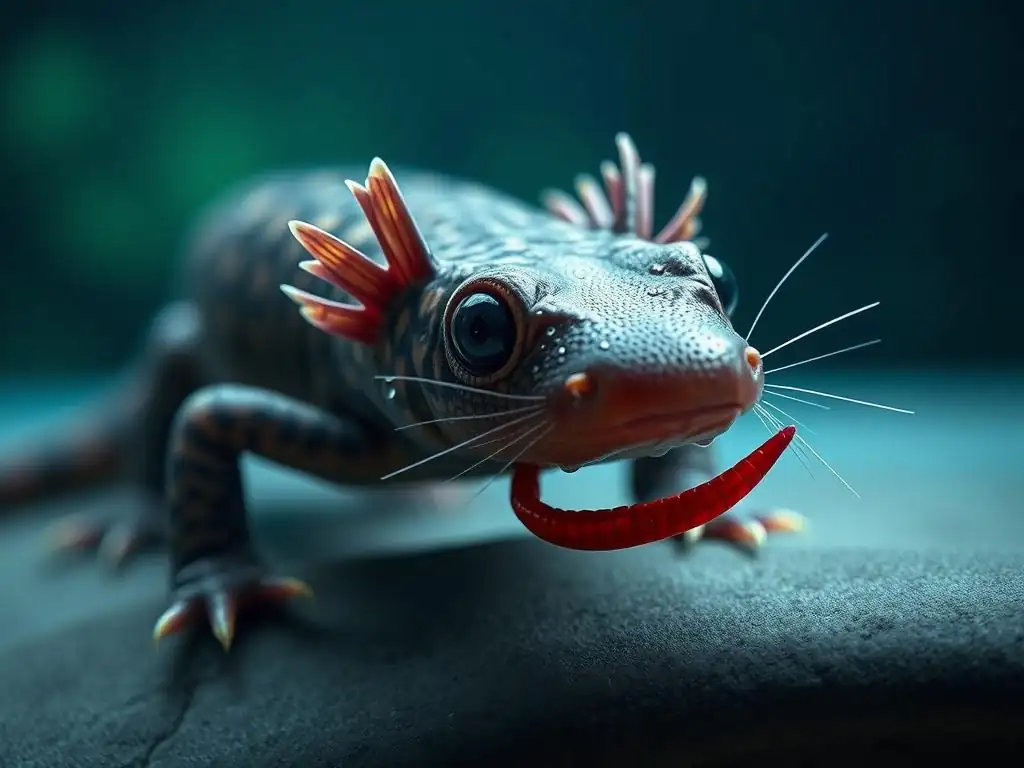
For an Axolotl aquarium, the choice of substrate is paramount not only for aesthetics but also for the safety and health of your amphibian. Fine sand, such as silica sand or play sand, is the most recommended option. Unlike gravel, which can be accidentally ingested by Axolotls during feeding, leading to potentially fatal impaction, fine sand passes through their digestive system safely. Moreover, sand tends to retain less heat than coarser substrates, contributing to the overall coldwater Axolotl setup.
When preparing the substrate, ensure it is thoroughly rinsed multiple times until the water runs clear. This process removes fine dust and impurities that can cloud the water or negatively impact water quality. A thin layer of 1-2 inches of sand is generally sufficient. While Axolotls do not burrow extensively, a fine substrate allows them to gently sift through it and can provide a comfortable surface for them to rest upon.
Lighting Considerations for Axolotl Tanks: Minimizing Heat
Axolotls naturally inhabit environments with low light penetration, preferring dim conditions. Bright aquarium lighting can cause them stress, leading to reclusive behavior or even skin irritation. More importantly for a coldwater Axolotl setup, traditional aquarium lights, especially fluorescent or incandescent bulbs, generate a significant amount of heat. This added heat can quickly counteract the efforts of your Axolotl aquarium chiller, forcing it to work harder and consume more energy.
To minimize heat input, opt for low-wattage LED lights. Modern LED fixtures are highly efficient, producing very little heat while still providing adequate illumination for any live plants you might choose. Limit the lighting duration to 8-10 hours per day, or even less if your tank receives sufficient ambient light from the room. Using a timer can ensure consistent light cycles and prevent accidental prolonged illumination, which is crucial for maintaining stable cold temperatures.
Suitable Plants for Axolotl Aquariums: Low-Light and Cold-Tolerant Species
Incorporating live plants into an Axolotl aquarium offers numerous benefits, including improved water quality, natural filtration, and providing hiding spots and enrichment for your pet. However, not all aquatic plants thrive in the cooler temperatures and lower light conditions preferred by Axolotls. Selecting cold-tolerant and low-light species is essential for a successful Axolotl aquarium chiller setup.
Excellent choices include Anubias species (e.g., Anubias barteri, Anubias nana), Java Fern ( Microsorum pteropus), and various mosses like Java Moss ( Taxiphyllum barbieri) and Christmas Moss ( Vaxiphyllum sp.). These plants are hardy, require minimal lighting, and tolerate cooler water temperatures well. Many of these can be attached to driftwood or rocks rather than planted directly in the substrate, making them less likely to be uprooted by an active Axolotl and simplifying tank maintenance.
Safe Decorations and Hides for Axolotls in Cold Water Tanks
Axolotls are nocturnal and appreciate having ample hiding spots where they can retreat during the day or when feeling stressed. Providing multiple safe decorations and hides is crucial for their well-being in a coldwater Axolotl setup. Choose materials that are smooth, non-abrasive, and inert, ensuring they will not leach harmful chemicals into the water or injure your Axolotl.
Good options include aquarium-safe PVC pipes, ceramic caves, or smooth, natural rocks (ensure they are not sharp and are thoroughly cleaned). Ensure that any openings in decorations are large enough for your Axolotl to enter and exit comfortably without getting stuck. Avoid decorations with small holes or rough edges that could potentially harm their delicate skin or gills. Always thoroughly rinse any new decorations before introducing them into the tank to prevent introducing unwanted substances or pathogens.
Maintaining Your Axolotl Aquarium Chiller for Optimal Performance
Regular Cleaning and Maintenance of Your Chiller Unit
To ensure your Axolotl aquarium chiller operates efficiently and has a long lifespan, regular cleaning and maintenance are indispensable. The most critical aspect is keeping the chiller's condenser coils free from dust and debris. Over time, dust accumulation acts as an insulating layer, severely reducing the chiller's ability to dissipate heat and forcing it to work harder. It is recommended to dust or vacuum the condenser coils at least quarterly (every three months), ensuring the chiller is unplugged before cleaning.
Beyond the coils, periodically inspect all tubing connected to the chiller for kinks, blockages, or algae buildup. Restricted water flow will strain your pump and the chiller, leading to inefficient cooling and potential damage. Clean or replace tubing as needed, typically every 6-12 months depending on buildup. For chillers with internal filters, follow the manufacturer's guidelines for cleaning or replacing these elements, usually every 1-3 months, to maintain optimal water flow through the unit.
Troubleshooting Common Chiller Problems: Noisy Operation, Inefficient Cooling
Encountering issues with your Axolotl chiller can be concerning, but many common problems have straightforward solutions. If your chiller becomes unusually noisy, the first step is to check if it's placed on a level, stable surface; vibrations often cause excess noise. Placing a rubber mat underneath can help dampen vibrations. Persistent, loud noise might indicate a failing fan or compressor, which would require professional inspection or repair.
Inefficient cooling, where the chiller struggles to maintain the set temperature, is another common issue. Begin by ensuring that the chiller's condenser coils are clean and that there is adequate airflow around the unit. Verify that your ambient room temperature hasn't risen significantly, which could exceed the chiller's capacity.
Check for proper water flow through the chiller; a weak pump, kinked tubing, or a clogged pre-filter can severely impede cooling performance. If these checks don't resolve the issue, the chiller might be undersized for your Axolotl aquarium chiller setup or could have a more serious internal problem like a refrigerant leak, necessitating professional service.
Extending the Lifespan of Your Axolotl Aquarium Chiller
Maximizing the lifespan of your Axolotl aquarium chiller involves more than just routine cleaning; it requires mindful operation and proactive measures. Consistent maintenance, as detailed above, is paramount. Additionally, ensure the chiller is connected to a stable power supply, ideally with a surge protector, to guard against electrical fluctuations that can damage sensitive internal components.
Avoid frequently turning the chiller on and off manually, as this constant cycling can put undue stress on the compressor, a critical and expensive component. Allow the chiller's internal thermostat to manage its cycles. Furthermore, ensure that the chiller is appropriately sized for your tank volume and ambient conditions. An undersized chiller that is constantly running at maximum capacity in a hot environment will inevitably wear out faster. Investing in a slightly oversized Axolotl chiller from the outset can provide a comfortable buffer and significantly extend its operational life, preventing costly replacements down the line.
Alternative Cooling Methods for Axolotl Tanks (When a Chiller Isn't Feasible)
Using Fans for Evaporative Cooling in Axolotl Aquariums
When a dedicated Axolotl aquarium chiller isn't feasible due to budget or space constraints, evaporative cooling using fans can offer a temporary or supplementary solution. This method works by increasing air movement across the water surface, which accelerates evaporation. As water evaporates, it absorbs heat from the remaining water, thereby lowering the overall temperature. Depending on the ambient humidity and fan power, this technique can reduce water temperatures by 2-5°F (1-3°C).
To implement this, position small clip-on aquarium fans or even a standard desk fan to blow directly across the water's surface. While effective, it's important to note that increased evaporation means you will need to top off your tank more frequently with dechlorinated, temperature-matched water. This method is best suited for minor temperature reductions or as a stop-gap measure during brief heatwaves, rather than a primary long-term solution for maintaining the consistently cold temperatures required for an Axolotl.
Ice Bottles and Frozen Water Packs: A Temporary Cooling Solution
For sudden and urgent temperature spikes in your Axolotl tank, using ice bottles or frozen water packs can provide immediate, albeit temporary, relief. Simply fill clean, sealed plastic bottles with water and freeze them. Once frozen, float these bottles in the tank. As the ice melts, it will slowly release cold into the surrounding water, helping to bring the temperature down.
It is crucial to exercise caution with this method. Never place ice directly into the tank water, as this can cause rapid temperature fluctuations or even localized thermal shock, which can be detrimental to your Axolotl. Ensure the bottles are completely sealed to prevent any contaminants from leaking into the water. This technique requires constant monitoring and frequent replacement of the ice bottles as they melt, making it a labor-intensive and unsustainable long-term solution for an Axolotl aquarium chiller setup.
Moving Your Axolotl Tank to a Cooler Location
Sometimes, the simplest solution for an overheating Axolotl tank is to relocate it to a cooler part of your home. Identify areas that naturally remain cooler, such as a basement, a north-facing room, or a room that is consistently air-conditioned. Avoid placing the tank near windows that receive direct sunlight, heating vents, or heat-producing appliances like refrigerators or computers, as these sources will continuously warm the water and negate any cooling efforts.
While moving the tank can significantly reduce the ambient temperature's influence on the water, it may not be sufficient on its own, especially in regions with consistently hot climates. This option is most effective when combined with other cooling methods, like fans, or considered as a preliminary step before investing in a dedicated Axolotl aquarium chiller setup. Always ensure the tank is moved safely and carefully to avoid stressing your Axolotl or damaging the aquarium structure.
Frequently Asked Questions
What is the ideal temperature range for an axolotl aquarium?
Axolotls are coldwater amphibians, so maintaining a stable temperature between 60-68°F (15-20°C) is crucial for their health. Exceeding this range can cause stress and illness.
Why is an aquarium chiller necessary for an axolotl tank?
Many environments naturally exceed the ideal temperature range for axolotls. An aquarium chiller helps regulate and maintain a consistent, cooler water temperature, preventing overheating and related health issues.
What size aquarium chiller do I need for my axolotl tank?
Chiller size depends on tank volume and ambient temperature. Generally, a chiller rated for a slightly larger tank than yours is recommended to ensure efficient and effective cooling. Consult the manufacturer's specifications for guidance.
How do I set up an aquarium chiller for my axolotl?
Typically, you connect the chiller's inlet and outlet hoses to your aquarium's filtration system, using it to circulate water through the chiller. Carefully follow the chiller's instructions for specific setup procedures.
Are there any alternatives to using an aquarium chiller for cooling an axolotl tank?
While chillers are the most reliable solution, other methods like fans or frozen water bottles can provide temporary relief. However, these alternatives are less precise and consistent, making chillers the preferred option.
Final Reflection: Cultivating Axolotl Well-being
The journey into creating an optimal axolotl habitat extends far beyond simply filling a tank with water. It's about understanding the delicate balance these fascinating creatures require to thrive, and recognizing that temperature control, achieved through a proper aquarium chiller setup, is paramount to their health and longevity. The growing popularity of axolotls as pets underscores the urgent need for readily accessible and accurate information, ensuring these sensitive amphibians are not inadvertently subjected to unsuitable environments.
This exploration into aquarium chillers and the ideal axolotl setup has highlighted the crucial role we play as custodians of these unique beings. My hope is that this guide empowers current and future axolotl owners to make informed decisions, prioritizing the well-being of their aquatic companions. The greatness of a nation and its moral progress can be judged by the way its animals are treated.
- Mahatma Gandhi. This quote, while broad, resonates deeply when considering the responsibility we undertake when bringing any animal, especially one as vulnerable as an axolotl, into our care.
Now, armed with this knowledge, I invite you to reflect on your own role in creating a better world for these incredible creatures. Consider the impact of your choices, not just on the immediate environment within your aquarium, but also on the broader understanding and appreciation of axolotls. Let us all strive to be informed, compassionate, and dedicated guardians, ensuring that these "water monsters" continue to thrive, not just survive, in our care.
Unleash Your Axolotl's Dream Home!
Thank you for diving into the fascinating world of axolotls! We hope this guide has given you the knowledge to create the perfect, chilled paradise for your aquatic friend. Now, it's time to take action and make your axolotl's life even better!
Here are a few things you can do next:
- Invest in a reliable aquarium chiller to maintain the perfect temperature and ensure your axolotl thrives.
- Share this article with other axolotl enthusiasts to help them create ideal habitats.
- Brainstorm creative, axolotl-safe decorations for a unique and enriching environment.
What innovative chilling solution are you considering for your axolotl's aquarium?