
Oscar Tank Size: How Big is REALLY Big Enough for Your Astronotus?

Welcome to Aquarium Mastery!
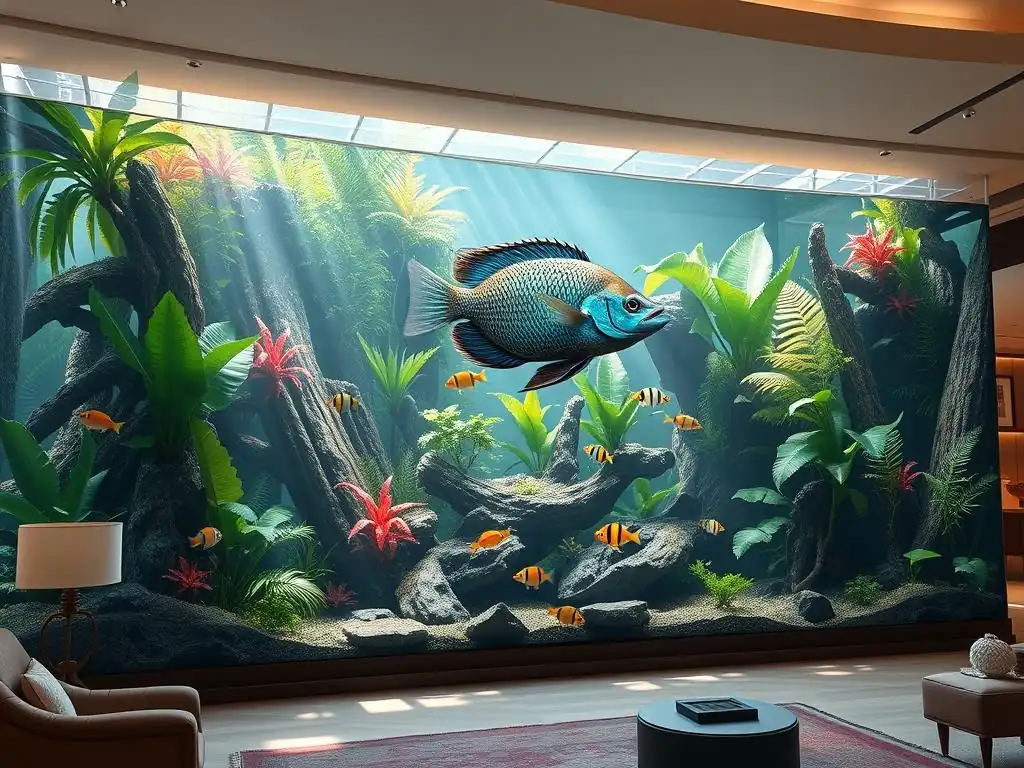
Ever wondered if your current setup is truly big enough for your Oscar? Dive in and discover the Oscar tank size requirements that will keep your Astronotus happy and thriving. We'll explore everything you need to know to create the perfect environment for these fascinating freshwater fish. Ready to unlock the secrets to Oscar care and tank setup? Let's get started!
- Oscar Tank Size: Ensuring a Healthy Habitat for Your Astronotus
- Understanding Oscar Fish Tank Size Requirements: A Comprehensive Guide
- Why Oscar Tank Size Matters: Impacting Health, Behavior, and Longevity
- Determining the Ideal Oscar Fish Tank Size: The Single Oscar Rule
- Oscar Tank Size for Multiple Oscars: Community and Aggression Management
- Factors Influencing Oscar Tank Size: Beyond the Basics
- Oscar Tank Setup Essentials: Replicating a Natural Environment
- Common Mistakes in Oscar Tank Size and Setup: Avoiding Costly Errors
- Upgrading Your Oscar Tank: When and How to Increase Tank Size
- Alternative Housing Options for Oscars: Ponds and Very Large Aquariums
- Oscar Tank Size FAQs: Addressing Common Questions
- Conclusion: Providing a Thriving Life for Your Oscar Through Proper Tank Size and Care
-
Frequently Asked Questions
- What is the minimum tank size recommended for a single Oscar fish?
- Why is tank size so crucial for Oscar fish?
- What happens if I keep an Oscar in a tank that's too small?
- If I want to keep a pair of Oscars, how much bigger should the tank be?
- Besides size, what other factors should I consider when setting up an Oscar tank?
- Final Reflection: The Spacious Sanctuary of the Oscar
- Unleash Your Oscar's Full Potential!
Oscar Tank Size: Ensuring a Healthy Habitat for Your Astronotus
Understanding Oscar Fish Tank Size Requirements: A Comprehensive Guide
Oscar fish, scientifically known as Astronotus ocellatus, are among the most popular and charismatic cichlids in the freshwater aquarium hobby. Renowned for their intelligence, interactive personalities, and impressive size, they can become truly engaging pets. However, their substantial growth and unique behavioral patterns necessitate careful consideration of their habitat, especially concerning Oscar tank size requirements. Providing an appropriately sized environment is not merely a recommendation; it is a fundamental aspect of their welfare and longevity.
Many new aquarists are captivated by the small, appealing juvenile Oscars sold in pet stores, often underestimating their rapid growth and eventual adult dimensions. A common misconception leads to housing these fish in tanks that are far too small, resulting in numerous health and behavioral issues. This comprehensive guide aims to clarify the precise Oscar tank size needed, delving into the scientific and practical reasons behind these recommendations to ensure your Astronotus thrives.
Why Oscar Tank Size Matters: Impacting Health, Behavior, and Longevity
The Correlation Between Tank Size and Oscar Fish Health
The physical dimensions of an aquarium directly correlate with the health and well-being of an Oscar fish. In environments that are too small, Oscars are prone to a condition known as stunted growth. While their external body growth may slow or halt due to confined space, their internal organs often continue to develop, leading to severe health complications such as organ failure, compromised immune systems, and a significantly shortened lifespan. For instance, an Oscar typically lives 10-15 years in a proper setup, but in an undersized tank, this can be reduced to just 2-3 years.
Furthermore, inadequate Oscar tank size leads to chronic stress. Stress weakens a fish's immune system, making it highly susceptible to common aquarium diseases like Ich (white spot disease), fin rot, and bacterial infections. A stressed Oscar may exhibit dull coloration, clamped fins, and lethargy. Maintaining optimal water quality, which is significantly harder in smaller tanks due to rapid waste accumulation, also directly impacts health. A 75-gallon tank, for example, allows for greater dilution of metabolic waste products compared to a 30-gallon tank, even with diligent filtration.
How Limited Space Affects Oscar Behavior and Aggression
Oscars are highly intelligent and territorial fish. When confined to a limited space, their natural behaviors are severely suppressed, leading to increased stress and heightened aggression. An Oscar in a tank that is too small may constantly "glass surf" (swimming frantically against the glass), hide excessively, or become unusually aggressive towards tank mates, even those it previously coexisted with. This heightened aggression can result in constant fin nipping, physical injury, and even death for other fish in the aquarium.
Providing sufficient Astronotus tank size allows Oscars to establish their own territories, explore their environment, and engage in natural swimming patterns. For a single Oscar, a minimum 75-gallon tank provides enough length (typically 48 inches) for them to turn comfortably and swim without feeling perpetually confined. In contrast, a 40-gallon breeder tank, while wider, often lacks the necessary length for an adult Oscar, restricting its movement and increasing stress-related behaviors. This ample space is crucial for mitigating stress-induced aggression and fostering a more balanced, natural temperament in your Oscar.
Determining the Ideal Oscar Fish Tank Size: The Single Oscar Rule
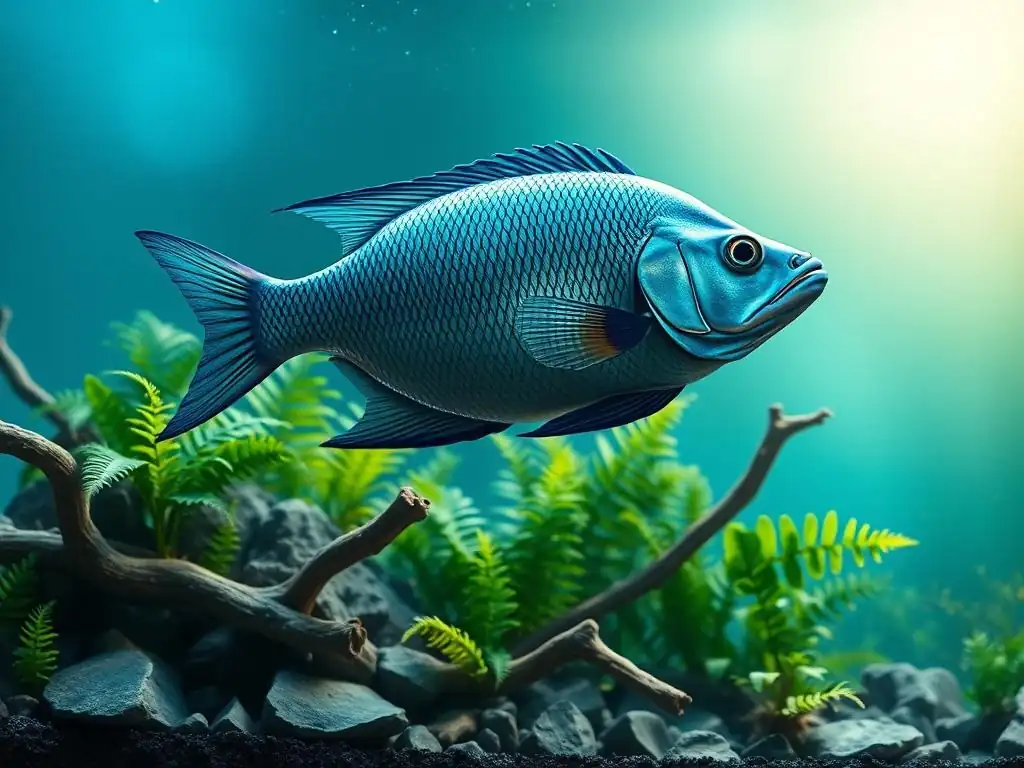
The Minimum Tank Size for a Single Oscar: 75 Gallons
For a single adult Oscar fish, the widely accepted minimum Oscar tank size is 75 gallons. This recommendation is based on the Oscar's adult size, its need for ample swimming room, and the significant bioload it produces. A standard 75-gallon aquarium typically measures around 48 inches in length, 18 inches in width, and 21 inches in height. This length is particularly crucial as it allows an Oscar, which can reach up to 14-16 inches, to turn around comfortably without bending its body excessively.
While some sources might suggest smaller tanks for juvenile Oscars, it is highly advisable to start with at least a 75-gallon tank from the beginning. Oscars grow remarkably fast, often reaching 8-10 inches within their first year under optimal conditions. Purchasing a smaller tank initially only leads to the necessity of a costly and stressful upgrade within a few months, which can be detrimental to the fish's well-being. Investing in the appropriate Oscar fish tank size requirements upfront ensures a stable environment for their rapid growth.
Considering Oscar Growth Rate and Adult Size: Up to 12-16 Inches
Oscar fish exhibit an impressive growth rate, especially during their first year of life. A juvenile Oscar, often purchased at 2-3 inches, can grow as much as an inch per month under ideal conditions with proper nutrition and pristine water quality. Within 6-12 months, it can easily reach 8-10 inches, and by 2-3 years of age, a healthy Oscar typically attains its full adult size of 12-16 inches (30-40 cm). Some exceptionally large specimens have even been reported to exceed 18 inches.
This significant adult size is the primary driver behind the Oscar tank size requirements. A fish of this magnitude needs substantial volume not just for swimming, but also for diluting the large amount of waste it produces. A 75-gallon tank provides approximately 0.6 to 0.5 gallons per inch of fish for a 12-14 inch Oscar, which is a reasonable ratio for maintaining stable water parameters with diligent maintenance. Planning for an Oscar's full adult size from the outset is crucial to avoid stunted growth and ensure a long, healthy life.
Oscar Tank Size for Multiple Oscars: Community and Aggression Management
The Challenges of Keeping Multiple Oscars Together: Territoriality
Keeping multiple Oscars together presents a unique set of challenges primarily due to their highly territorial and often aggressive nature. While Oscars can form pairs, especially during breeding, they are not naturally schooling fish and can exhibit significant aggression towards conspecifics, particularly in confined spaces. This aggression can manifest as fin nipping, chasing, and even fatal attacks, especially if one Oscar is considerably larger or more dominant than the others. The risk escalates if the Oscar tank size is insufficient to allow each fish to establish its own perceived territory.
Even in very large aquariums, conflicts can arise, particularly between two male Oscars or when introducing new fish into an established pecking order. Providing adequate visual breaks with decor and ensuring ample swimming lanes can help mitigate some aggression, but it does not eliminate the inherent territorial instincts. Careful observation and preparedness to separate fish are essential when attempting to house more than one Oscar.
Calculating Tank Size for Oscar Communities: 125 Gallons or More
For keeping two Oscar fish together, the absolute minimum Oscar tank size recommended is 125 gallons. This provides approximately 60-62.5 gallons per fish, allowing for more individual space and reducing stress-induced aggression. A standard 125-gallon tank often measures 72 inches in length, offering significant linear swimming space. For each additional Oscar beyond two, an extra 50-75 gallons should be added to the tank volume. For example, three Oscars would ideally require a tank of 180 gallons or more.
It is critical to understand that these are minimums, and larger Oscar fish tank size requirements are always better when housing multiple Oscars. Tanks of 200 gallons or more are often preferred for groups of 3-4 Oscars to truly minimize aggression and provide optimal conditions. The increased volume helps dilute the substantial bioload produced by multiple large fish, making water quality management more manageable.
Choosing Compatible Tank Mates for Oscars: Silver Dollars, Plecos, Firemouth Cichlids
When considering tank mates for Oscars, selecting species that are appropriately sized, robust, and share similar water parameter requirements is paramount. The general rule is to choose fish that are too large for the Oscar to eat but not so aggressive that they will bully the Oscar. Ideal tank mates often include:
- Silver Dollars (Metynnis argenteus): These large, peaceful schooling fish can grow up to 6 inches and are too large for Oscars to consume. They are fast swimmers and help disperse the Oscar's attention, making them excellent dither fish. A school of 5-7 Silver Dollars would require a
tank size for Oscarsof 180 gallons or more if housed with Oscars. - Large Plecos (e.g., Common Pleco, Sailfin Pleco): While they can grow extremely large (18-24+ inches) and require massive tanks (200+ gallons), their armored bodies and bottom-dwelling nature often make them compatible. Ensure the Pleco is at least 8-10 inches before introducing it to an adult Oscar to prevent it from being seen as food.
- Firemouth Cichlids (Thorichthys meeki): These medium-sized cichlids (up to 6 inches) are relatively robust and can hold their own. They add color and activity but require careful observation to ensure compatibility, especially in a mixed cichlid setup.
- Other Large Cichlids: Robust cichlids like Severums, Green Terrors, or Jack Dempseys can sometimes be housed with Oscars if the
Oscar tank sizeis exceptionally large (200+ gallons) and aggression is managed. However, this carries a higher risk and requires experienced aquarists.
Always introduce all tank mates at the same time if possible, or introduce the Oscar last, to prevent territorial disputes. Providing ample hiding spots and visual barriers within the Oscar tank setup can also help diffuse tension.
Factors Influencing Oscar Tank Size: Beyond the Basics
Filtration Needs for Large Oscar Fish: Canister Filters, Sumps
Oscars are notoriously messy eaters and produce a significant amount of waste, contributing to a high bioload. This necessitates robust and oversized filtration systems, regardless of the Oscar tank size. Standard hang-on-back (HOB) filters are often insufficient for adult Oscars, even in smaller tanks. For a 75-gallon Oscar tank, a large external canister filter or even two canister filters are highly recommended. Look for filters with a GPH (gallons per hour) rating that is at least 3-5 times the tank volume. For example, a 75-gallon tank would ideally require a filter with a minimum GPH of 225-375.
For larger Oscar tank size setups (125 gallons and above), a sump system is often the most effective and efficient filtration method. Sumps provide enormous biological, mechanical, and chemical filtration capacity, allowing for greater water volume and more stable water parameters. They also allow for the placement of heaters and other equipment out of sight, improving aesthetics and preventing Oscars from damaging them. Regular maintenance, including cleaning filter media and performing water changes, is still crucial even with powerful filtration.
Water Change Frequency and Tank Size: Maintaining Optimal Water Quality
The relationship between Oscar tank size and water change frequency is critical for maintaining optimal water quality. While a larger tank dilutes waste more effectively, Oscars still require consistent and substantial water changes due to their high bioload. In a well-filtered, appropriately sized Oscar tank (e.g., 75-125 gallons), weekly water changes of 25-50% are generally recommended. This regimen helps to keep nitrate levels in check, replenish essential minerals, and remove accumulated organic waste that filtration alone cannot eliminate.
Ignoring regular water changes, even in a large tank, will lead to a gradual buildup of nitrates, which are toxic to fish in high concentrations (ideally below 20 ppm). In smaller tanks, water parameters can deteriorate rapidly, sometimes within days, necessitating more frequent and larger water changes (e.g., 50% twice a week). Consistent water changes are more impactful than any filtration system alone in ensuring the long-term health and vibrant coloration of your Oscar.
Decor and Substrate: Minimizing Waste Buildup and Maximizing Swim Space
The choice of decor and substrate within an Oscar tank plays a significant role in both water quality and the fish's well-being. Oscars are known for their digging habits and their tendency to rearrange decor. Therefore, any decor must be heavy, stable, and have no sharp edges that could injure the fish. Large, smooth river stones, securely placed driftwood, and large PVC pipes are popular choices. When considering Oscar tank size requirements, it's important to remember that decor takes up valuable swimming space. Therefore, aim for functional decor that provides hiding spots without overly cluttering the tank.
Regarding substrate, options include fine sand, gravel, or a bare bottom. Fine sand (e.g., play sand or pool filter sand) is often preferred as it allows Oscars to engage in their natural digging behavior without damaging their mouths or fins. However, sand can trap detritus if not regularly siphoned.
Coarse gravel can also be used but may be harder to clean and can accumulate more waste. A bare bottom tank is the easiest to clean and manage waste, but it lacks a natural aesthetic and the opportunity for the Oscar to dig. Regardless of choice, regular substrate vacuuming is essential to minimize waste buildup and maintain water quality.
Oscar Tank Setup Essentials: Replicating a Natural Environment
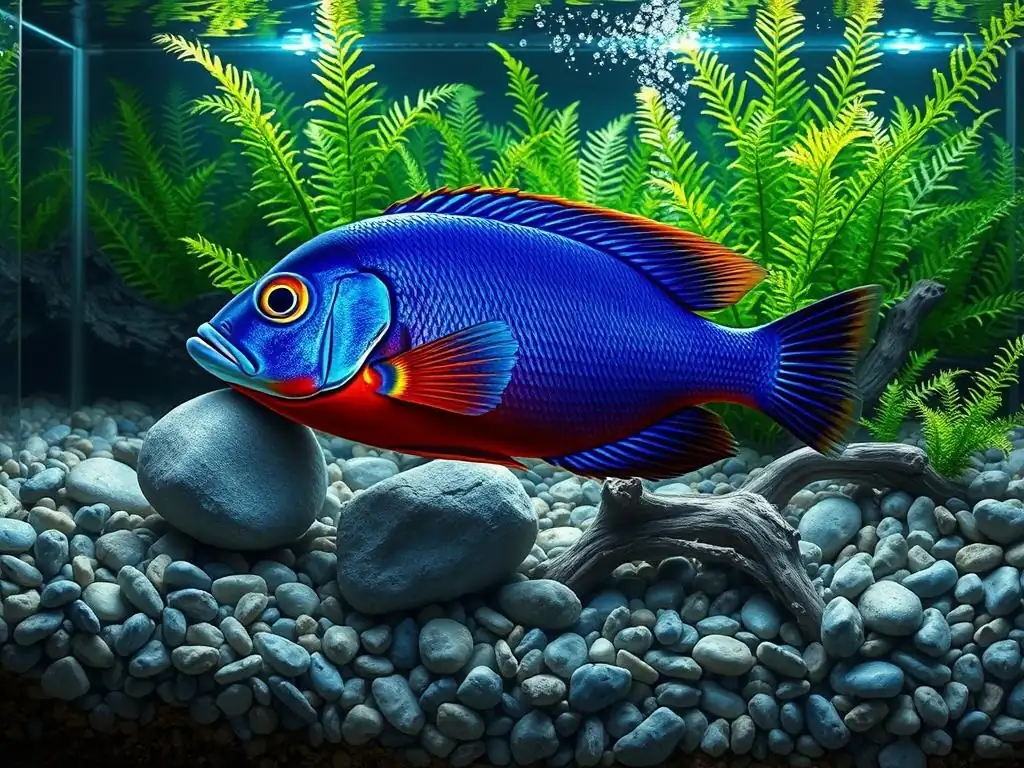
Essential Equipment for Large Oscar Tanks: Heaters, Filters, Lighting
Setting up a large Oscar tank requires specific equipment to replicate their natural environment and maintain optimal conditions. Beyond the substantial Oscar tank size itself, key components include:
- Heaters: Oscars are tropical fish and require stable water temperatures between 74-80°F (23-27°C). For a 75-gallon tank, a high-quality heater of 300 watts is often sufficient, or two 150-watt heaters for redundancy and even heat distribution. Larger tanks (125+ gallons) will require multiple heaters or a single, very powerful unit (e.g., 500 watts). Always use a reliable thermometer to monitor temperature.
- Filters: As discussed, robust filtration is non-negotiable. For the
Oscar tank size requirements, large external canister filters (e.g., Fluval FX series, Eheim Classic/Professional series) or a sump system are paramount. These provide superior mechanical, biological, and chemical filtration to handle the Oscar's significant bioload and keep ammonia, nitrite, and nitrate levels in check. - Lighting: While Oscars do not have specific lighting requirements beyond a natural day-night cycle, appropriate lighting enhances viewing pleasure and can support any hardy plants you choose to include. A standard LED aquarium light with a timer set for 8-10 hours a day is generally sufficient. Avoid overly bright or constantly on lights, as this can stress the fish.
Substrate Options for Oscar Tanks: Gravel, Sand, Bare Bottom
When setting up your Oscar tank size, the choice of substrate significantly impacts aesthetics, maintenance, and the Oscar's natural behavior. Each option has its pros and cons:
- Gravel: Common and widely available, gravel can provide a natural look. However, Oscars are diggers and can easily rearrange gravel, potentially exposing the tank bottom. Fine-to-medium sized gravel is generally safer than very coarse or sharp varieties, which could injure the Oscar's mouth or fins during digging. It can also trap more detritus, requiring thorough vacuuming.
- Sand: Fine sand, such as play sand or pool filter sand, is often preferred by Oscar keepers. It allows Oscars to engage in their natural sifting and digging behaviors without harm. Sand also compacts, preventing detritus from sinking deep, making it easier to clean with a siphon. However, it can sometimes compact too much, leading to anaerobic spots if not regularly disturbed or cleaned.
- Bare Bottom: A bare bottom tank, without any substrate, is the easiest to clean and maintain water quality. All waste is easily visible and can be siphoned out directly. This option is often favored in breeding setups or for those prioritizing hygiene. While it lacks a natural aesthetic, it can be compensated for with ample decor. The
Oscar fish tank size requirementsare the same, but maintenance is simplified.
Decorating Your Oscar Tank: Rocks, Driftwood, and Hardy Plants
Decorating your Oscar tank size should focus on providing enrichment, security, and visual appeal while being safe and durable enough to withstand an Oscar's robust nature.
- Rocks: Large, smooth, non-porous rocks, such as river stones or basalt, are excellent choices. They provide visual barriers, potential hiding spots, and anchor points. Ensure all rocks are stable and cannot be toppled by a digging Oscar, which could crack the tank glass. Avoid any rocks with sharp edges or those that might alter water chemistry significantly (e.g., limestone, which can increase pH and hardness).
- Driftwood: Cured driftwood adds a natural aesthetic and provides tannins that can slightly lower pH, mimicking some natural Oscar habitats. It also offers surfaces for beneficial bacteria to colonize. Ensure any driftwood is thoroughly soaked and leached to prevent excessive discoloration of the water. Large, heavy pieces that won't float or be easily moved are ideal for the
tank size for Oscars. - Hardy Plants: While Oscars are notorious for uprooting and eating plants, some very hardy and robust species can be successfully kept. These include Anubias species and Java Fern, which can be attached to driftwood or rocks rather than planted in the substrate. Floating plants can also be used. Be prepared for some plant damage or uprooting, as Oscars are strong fish. Artificial plants are a durable alternative, but choose high-quality, non-abrasive silk or plastic plants.
Common Mistakes in Oscar Tank Size and Setup: Avoiding Costly Errors
Underestimating Oscar Growth Potential: Planning Ahead is Crucial
One of the most frequent and significant mistakes made by new Oscar owners is severely underestimating the fish's growth potential. Many are charmed by the small, 2-3 inch juveniles in pet stores and purchase a tank that is only suitable for that temporary size, such as a 20 or 30-gallon tank. However, Oscars grow very rapidly, often reaching 8-10 inches within their first year. This means a tank that was seemingly adequate quickly becomes dangerously small, leading to stunted growth, increased aggression, and severe stress for the fish.
Planning ahead and investing in the appropriate Oscar tank size requirements from the very beginning, typically a 75-gallon minimum for a single Oscar, is crucial. This proactive approach saves money and stress in the long run by avoiding the need for an expensive and disruptive tank upgrade just months after purchase. Understanding that a juvenile Oscar will soon be a foot-long predator is key to providing a suitable and lasting home.
Overstocking the Tank: The Dangers of Ammonia Spikes
Overstocking, which means placing too many fish, or fish that are too large, into an inadequate Oscar tank size, is a direct path to severe water quality issues and fish fatalities. Oscars produce a massive amount of waste (ammonia), and an overstocked tank's biological filter simply cannot process this waste quickly enough. This leads to rapid and dangerous spikes in ammonia and nitrite, both of which are highly toxic to fish. Ammonia burns gills and internal organs, while nitrite prevents oxygen uptake in the blood, leading to suffocation.
Even with powerful filtration, overstocking will overwhelm the system, making it impossible to maintain safe water parameters. Regular testing with a liquid test kit will quickly reveal these dangerous levels. The consequences include lethargy, gasping at the surface, fin rot, and ultimately, death. Adhering strictly to Oscar fish tank size requirements—75 gallons for one, 125 gallons for two, and adding 50-75 gallons for each additional Oscar or large tank mate—is essential to prevent overstocking and its dire consequences.
Ignoring Water Quality Parameters: Ammonia, Nitrite, Nitrate Levels
A critical mistake, often exacerbated by an inappropriate Oscar tank size, is neglecting to regularly monitor and manage water quality parameters. Oscars thrive in clean, stable water, and fluctuations or high levels of toxins can quickly lead to illness and death. The three most important parameters to monitor are:
- Ammonia (NH3/NH4+): Highly toxic, should always be 0 ppm. Produced by fish waste and decaying food.
- Nitrite (NO2-): Also highly toxic, should always be 0 ppm. The intermediate product of the nitrogen cycle.
- Nitrate (NO3-): Less toxic than ammonia or nitrite, but high levels (above 20 ppm) can still cause stress and health issues. The final product of the nitrogen cycle, removed primarily through water changes.
Failing to test these levels with a reliable liquid test kit means you are operating blindly. High ammonia or nitrite indicates an insufficient biological filter, overstocking, or inadequate Astronotus tank size. High nitrates suggest insufficient water changes. Consistent monitoring and immediate action (e.g., large water changes, checking filtration) upon detecting undesirable levels are paramount for an Oscar's health.
Upgrading Your Oscar Tank: When and How to Increase Tank Size
Recognizing the Signs Your Oscar Needs a Bigger Tank: Stunted Growth, Aggression
Even with the best intentions, circumstances can change, or initial Oscar tank size requirements might have been underestimated. Recognizing the signs that your Oscar needs a larger tank is crucial for its continued health and happiness. Key indicators include:
- Stunted Growth: If your Oscar's body growth seems to have stopped while its eyes appear disproportionately large, it's a classic sign of stunted growth due to inadequate space. This is a severe health issue.
- Increased Aggression: An Oscar that was previously docile may become highly aggressive towards tank mates or even its reflection, constantly ramming the glass. This often signals stress from confinement.
- Repetitive Behaviors: Constant glass surfing (swimming back and forth along the front glass) or excessive hiding can indicate stress and boredom from a lack of adequate swimming space and enrichment.
- Difficulty Turning: If your Oscar struggles to turn around comfortably without bending its body significantly, especially in the width of the tank, the
Oscar tank sizeis too small for its length. - Poor Water Quality: Despite diligent maintenance, if ammonia or nitrite levels are persistently high, or nitrates spike rapidly, it's a strong indication that the tank's bioload (fish waste) is too much for its volume.
Planning for a Tank Upgrade: Research, Budget, and Execution
Upgrading your Oscar tank size is a significant undertaking that requires careful planning, budgeting, and execution to minimize stress for your fish.
- Research the New Tank: Determine the ideal new
Oscar fish tank size requirementsbased on your Oscar's current size and any future tank mates. For a single adult Oscar, upgrading from a 55-gallon to a 75-gallon or 125-gallon is common. For multiple Oscars, a jump to 180 gallons or more might be necessary. - Budget: Tank upgrades involve substantial costs for the new aquarium, stand, additional filtration (e.g., a larger canister filter or sump), heaters, and potentially new decor or substrate. A 125-gallon tank and stand alone can cost $500-$1000+, not including equipment.
- Acquire Equipment: Purchase all new equipment (tank, stand, filters, heaters, substrate, decor) well in advance.
- Cycling the New Tank: Ideally, set up and cycle the new, larger tank before transferring your Oscar. This allows beneficial bacteria to establish, preventing dangerous ammonia and nitrite spikes during the transfer. A fishless cycle can take 4-6 weeks. Alternatively, you can use established filter media from your old tank to jump-start the cycle in the new one.
- Execution: Plan the transfer day carefully. Have all necessary tools, buckets, and water conditioners ready.
Transferring Your Oscar to a New Tank: Acclimation and Stress Reduction
Transferring an Oscar to a new Oscar tank size can be stressful for the fish, but proper techniques can minimize the impact.
- Match Water Parameters: As closely as possible, match the temperature and pH of the new tank water to the old tank water. This reduces osmotic shock.
- Move Filter Media: If the new tank is not fully cycled, transfer as much established filter media (e.g., sponges, bio-rings) from the old filter to the new filter. This provides an immediate source of beneficial bacteria.
- Gentle Capture: Use a large, soft net or, preferably, a plastic container (like a clean plastic bin) to gently scoop the Oscar. This minimizes stress and prevents damage to fins or scales. Avoid chasing the fish excessively.
- Acclimation: Once the Oscar is in the container, float the container in the new tank for 15-30 minutes to equalize temperatures. Then, slowly add small amounts of the new tank water to the container over 30-60 minutes, gradually acclimating the fish to the new water parameters.
- Release: Gently release the Oscar into the new tank. Keep the lights dim for the first few hours to help it settle in. Monitor water parameters closely for the first few weeks, performing extra water changes if necessary. The
Oscar tank sizeupgrade should ultimately lead to a healthier, happier fish.
Alternative Housing Options for Oscars: Ponds and Very Large Aquariums
Keeping Oscars in Outdoor Ponds: Climate Considerations and Security
For those with suitable climates and ample outdoor space, keeping Oscars in outdoor ponds can be a viable and enriching alternative to conventional aquariums. Ponds offer significantly more space and a more natural environment than even the largest indoor Oscar tank size. However, this option is only feasible in regions where water temperatures remain consistently above 65°F (18°C) year-round, as Oscars are tropical fish and cannot tolerate cold water. In temperate climates, they might be kept outdoors during summer but would require indoor housing for winter.
Pond setup for Oscars requires careful planning:
- Size: A pond for Oscars should be at least 300-500 gallons for a few Oscars, with ample depth (at least 3-4 feet) to provide thermal stability and escape routes.
- Filtration: Robust pond filtration (biological and mechanical) is essential to manage the high bioload.
- Security: Ponds must be secure from predators (birds, raccoons, cats) with netting or strategic landscaping.
- Water Quality: Regular testing and maintenance are still crucial, as pond environments can be more susceptible to environmental fluctuations.
Custom-Built Oscar Aquariums: Maximizing Space and Viewing Pleasure
For dedicated aquarists seeking to provide the ultimate habitat for their Oscars, custom-built aquariums offer unparalleled opportunities to maximize Oscar tank size and integrate the aquarium seamlessly into a home or office environment. These tanks can be designed to specific dimensions, allowing for greater length, width, or unique shapes that are not available in standard mass-produced tanks. Custom tanks commonly exceed 300, 500, or even 1000 gallons, providing vast spaces for multiple Oscars and a diverse community of large fish.
Advantages of custom-built Oscar fish tank size include:
- Optimal Dimensions: Tailored dimensions can provide ideal swimming lanes and territories for Oscars, improving their welfare.
- Integrated Filtration: Custom builds often incorporate large sumps or dedicated fish rooms for filtration, making maintenance easier and more efficient.
- Aesthetic Integration: The tank can be designed as a central feature of a room, built into walls, or shaped to fit unique architectural spaces, enhancing viewing pleasure.
- Durability: Custom tanks are often built with thicker glass or acrylic, offering enhanced durability and safety for very large volumes of water.
While custom builds represent a significant investment in terms of cost and planning, they offer the best possible Oscar tank size solution for truly dedicated hobbyists.
Oscar Tank Size FAQs: Addressing Common Questions
What is the absolute smallest tank size for an Oscar?
The absolute smallest tank size for a single adult Oscar is 75 gallons. This is considered the bare minimum to accommodate their adult size (12-16 inches) and provide enough swimming space to prevent severe stress and stunted growth. While juvenile Oscars are sold smaller, they grow very rapidly, making a 75-gallon tank the required starting point to avoid multiple upgrades and health issues.
How often should I perform water changes in my Oscar tank?
For an appropriately sized Oscar tank size (e.g., 75-125 gallons for a single Oscar or a pair), weekly water changes of 25-50% are highly recommended. Oscars produce a significant bioload, and regular water changes are crucial for managing nitrate levels and maintaining overall water quality. In smaller or overstocked tanks, more frequent and larger water changes may be necessary to keep ammonia, nitrite, and nitrate levels in check.
What are the best tank mates for Oscars in a community tank?
When the Oscar tank size is sufficiently large (e.g., 125 gallons for a pair, 180+ gallons for a community), good tank mates for Oscars are generally large, robust, and share similar water parameters. Compatible options include:
- Silver Dollars: Large, peaceful, schooling fish.
- Large Plecos: Such as Common Plecos or Sailfin Plecos (ensure they are large enough not to be eaten).
- Firemouth Cichlids: Hardy and can hold their own.
- Other large, robust cichlids: Like Severums or Green Terrors, but this requires an even larger
Oscar tank size(200+ gallons) and careful monitoring for aggression.
Always introduce tank mates of similar size to the Oscar, or larger, to reduce the risk of predation.
Conclusion: Providing a Thriving Life for Your Oscar Through Proper Tank Size and Care
Providing the correct Oscar tank size is the single most critical factor in ensuring the health, longevity, and vibrant personality of your Astronotus ocellatus. From preventing stunted growth and disease to mitigating aggression and fostering natural behaviors, the volume and dimensions of their habitat profoundly impact every aspect of their well-being. A minimum of 75 gallons for a single Oscar and 125 gallons for a pair are not arbitrary figures but essential Oscar tank size requirements derived from their biological needs and growth potential.
Beyond just the tank size, robust filtration, diligent water changes, and appropriate decor are all integral components of a successful Oscar tank setup. By understanding and adhering to these comprehensive guidelines, aquarists can avoid common pitfalls and instead create a thriving, engaging environment that allows their Oscar fish to flourish for many years, truly living up to their majestic potential.
Frequently Asked Questions
What is the minimum tank size recommended for a single Oscar fish?
The absolute minimum tank size for a single Oscar is generally considered to be 75 gallons. However, larger is always better to ensure their well-being.
Why is tank size so crucial for Oscar fish?
Oscars are large, messy fish with a high bioload. A sufficiently sized tank helps maintain water quality and prevents stress-related illnesses.
What happens if I keep an Oscar in a tank that's too small?
A too-small tank can lead to stunted growth, poor water quality, and increased susceptibility to disease. They can also become aggressive.
If I want to keep a pair of Oscars, how much bigger should the tank be?
For a pair of Oscars, you should aim for at least 125 gallons. This provides ample space and reduces aggression between the fish.
Besides size, what other factors should I consider when setting up an Oscar tank?
Beyond tank size, you need robust filtration, appropriate temperature, and suitable décor. Oscars also require regular water changes to maintain optimal water quality.
Okay, here's a final reflection crafted to fit your article, focusing on Oscar tank size requirements, and designed to be inspiring and reflective:
Final Reflection: The Spacious Sanctuary of the Oscar
The journey through understanding Oscar tank size requirements reveals more than just dimensions; it unveils our responsibility as caretakers. The debate surrounding "how big is big enough" isn't merely about meeting minimums, but about providing an environment where these magnificent creatures can truly thrive, showcasing their natural behaviors and living a full, enriched life.
This exploration has undoubtedly influenced our understanding of responsible fishkeeping. It's a reminder that our choices directly impact the well-being of these intelligent and sensitive animals. The greatness of a nation and its moral progress can be judged by the way its animals are treated.
- Mahatma Gandhi. This quote resonates deeply when considering the ethical implications of confining an Oscar to an inadequate space, hindering its natural instincts and potential.
Now, as you consider the information presented, I invite you to reflect on your own role in the lives of these captivating fish. Are you prepared to provide the spacious sanctuary an Oscar truly deserves? Let this knowledge empower you to make informed decisions, ensuring that every Oscar lives a life filled with ample space, enrichment, and the opportunity to flourish.
Unleash Your Oscar's Full Potential!
Thanks for diving into the world of Oscars with us! We hope you've gained a clearer understanding of how crucial tank size is for their well-being and vibrant personality. Now, let's put that knowledge into action!
Here are a few things you can do right now:
- Commit to providing your Oscar with at least a 75-gallon tank (or larger!) for a single fish, and consider a massive upgrade for a pair. It's the single best investment you can make in their happiness and longevity.
- Explore local aquarium clubs or online forums to share your Oscar setup and learn from experienced keepers. Share pictures!
- Try designing your dream Oscar tank layout on paper first! Sketch out dimensions and decorations to plan the ultimate aquatic haven.
What creative ways are you planning to enrich your Oscar's living space beyond just tank size? Share your ideas below!