
Aquarium Lighting Schedules Demystified: Mimicking Nature for a Balanced Ecosystem

Welcome to Aquarium Mastery!
Ever wondered if your aquarium lights are truly benefiting your aquatic friends? Optimal aquarium lighting schedules are crucial for a thriving ecosystem, and understanding them doesn't have to be daunting. Dive in and discover how to mimic nature's rhythm, promoting plant growth, vibrant colors, and the overall well-being of your underwater world. Let's illuminate the secrets together – are you ready to unlock the perfect light cycle for your tank?
- Understanding the Importance of Optimal Aquarium Lighting Schedules
-
Frequently Asked Questions
- How important is light for a freshwater aquarium?
- What is an optimal aquarium lighting schedule for a planted tank?
- Can I use natural sunlight instead of artificial aquarium lights?
- How do I choose the right type of light for my specific aquarium?
- What are some signs that my aquarium lighting schedule isn't working?
- Final Reflection: Illuminating the Path to Thriving Aquariums
- Ignite Your Aquarium's Brilliance: Begin Your Lighting Journey!
Understanding the Importance of Optimal Aquarium Lighting Schedules
Why Light Schedules Matter for a Healthy Aquarium
The precise management of light in an aquarium is fundamental to the well-being of its inhabitants and the stability of the entire ecosystem. Just as in natural aquatic environments, light acts as a crucial environmental cue, influencing the circadian rhythms of fish, invertebrates, and even beneficial microorganisms. An optimal aquarium lighting schedule directly impacts fish behavior, including their feeding patterns, sleep cycles, and reproductive instincts.
For instance, sudden, abrupt changes in light can cause significant stress, leading to suppressed immune systems and increased susceptibility to disease. Many fish species, such as neon tetras or angelfish, exhibit more vibrant coloration and natural schooling behaviors when exposed to a consistent, predictable light cycle, reflecting their comfort and health within the environment.
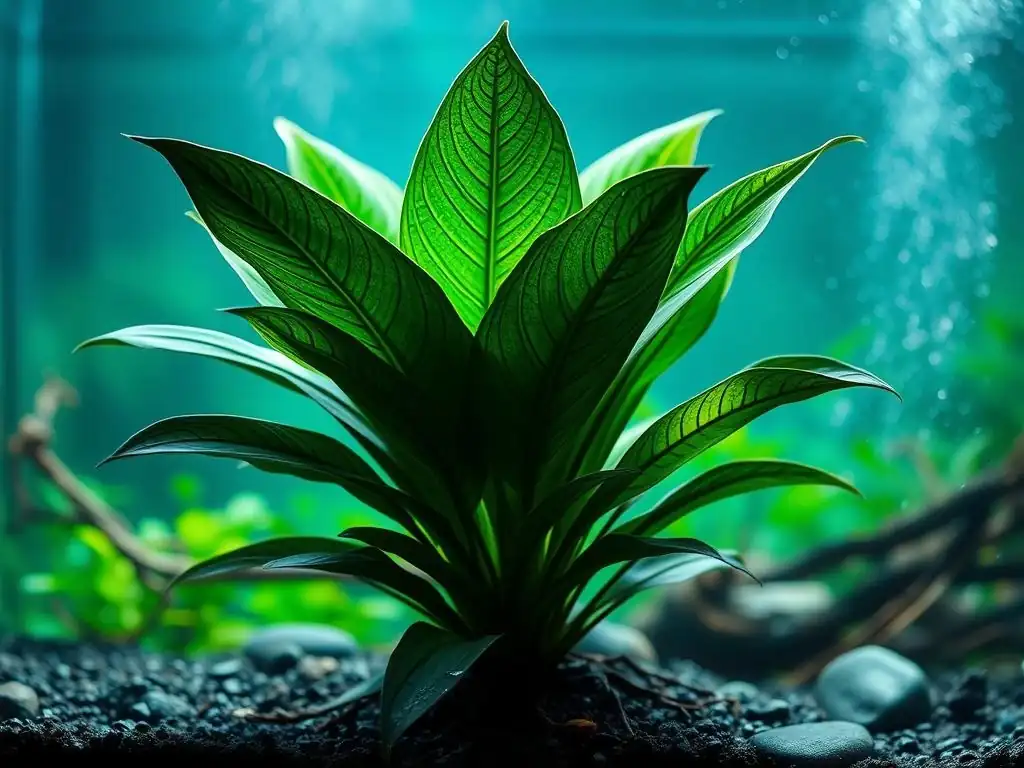
Beyond the immediate impact on fish, a well-calibrated light schedule is indispensable for the photosynthetic processes of aquatic plants and the prevention of detrimental algae growth. Plants require specific durations and intensities of light to convert light energy into chemical energy, promoting robust growth and nutrient uptake. Without an optimal aquarium lighting schedule, plants may become stunted, yellow, or even die, leading to an imbalance in the tank's nutrient cycle.
This imbalance often results in rampant algae proliferation, which competes with plants for essential nutrients and can quickly overwhelm an aquarium, turning water green or coating surfaces in unsightly films. Maintaining a consistent 8-12 hour photoperiod, for example, is a common guideline that supports vigorous plant growth while minimizing the conditions favorable for most common nuisance algae.
Replicating Natural Light Cycles in Your Fish Tank
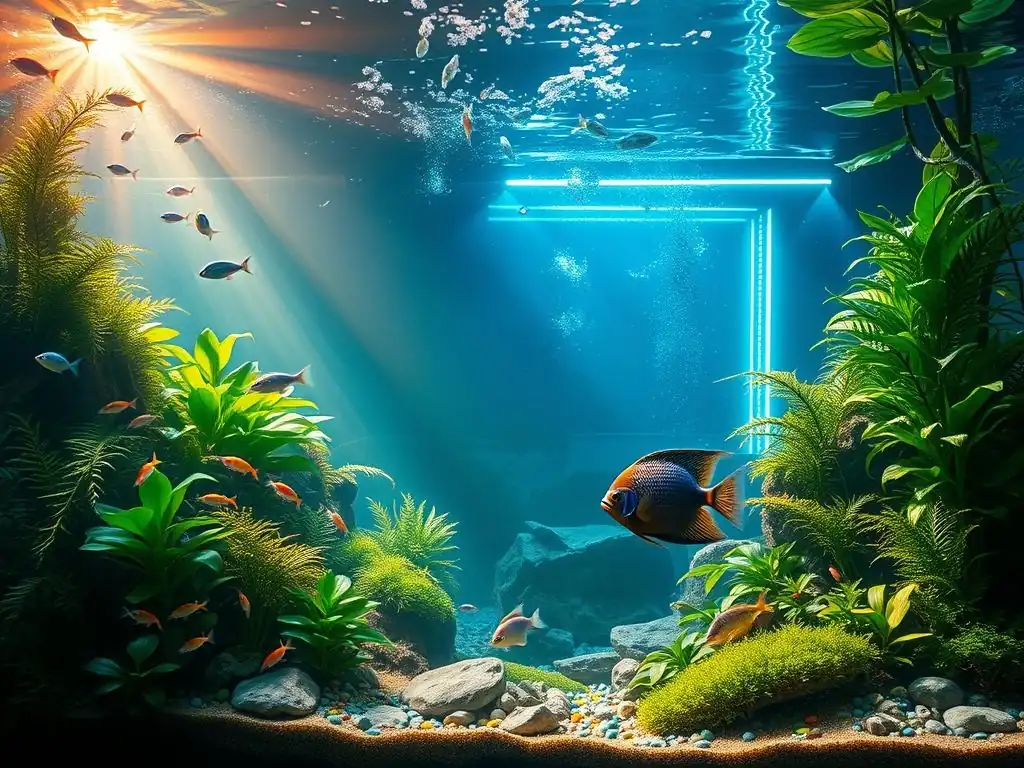
Replicating the natural light cycles found in the wild is a sophisticated approach to aquarium husbandry that significantly enhances the health and aesthetic appeal of a tank. In nature, light does not simply "turn on" or "turn off"; it gradually intensifies from dawn, reaches a peak at midday, and slowly diminishes through dusk, followed by a period of darkness, often punctuated by moonlight. Mimicking this gradual transition reduces stress on fish, allowing them to acclimate gently to changing light levels, much as they would in a river or lake.
This approach prevents the startled reactions often observed when aquarium lights abruptly switch on, which can disorient fish and even cause them to jump. Modern dimmable LED systems, for example, can be programmed to simulate a sunrise over 30 to 60 minutes, slowly bringing the tank from darkness to full illumination.
Furthermore, the replication of natural light cycles contributes to a more stable and resilient plant ecosystem. Plants adapt their photosynthetic processes to the gradual changes in light intensity, making more efficient use of available light and carbon dioxide. Advanced aquarium lighting controllers allow aquarists to program not just the duration but also the intensity profile throughout the day, creating a sophisticated optimal aquarium lighting schedule.
For instance, some setups might include a "midday siesta" where light intensity is slightly reduced for an hour or two, which can help mitigate algae growth by disrupting its continuous photosynthetic cycle while having minimal negative impact on most aquatic plants. This level of control allows for a truly dynamic and biologically appropriate lighting environment that closely mirrors the natural world.
Frequently Asked Questions
How important is light for a freshwater aquarium?
Light is crucial for plant growth and the overall health of your aquarium. It fuels photosynthesis, providing oxygen and consuming carbon dioxide. Insufficient light can lead to algae blooms and unhealthy plants.
What is an optimal aquarium lighting schedule for a planted tank?
Generally, a schedule of 8-12 hours of light per day is recommended. It's best to maintain a consistent schedule to minimize stress on the fish and plants. Avoid exceeding 12 hours, as this can encourage excessive algae growth.
Can I use natural sunlight instead of artificial aquarium lights?
While sunlight can provide light, it's difficult to control and can lead to severe algae blooms. Artificial aquarium lights offer more consistent and controllable light levels.
How do I choose the right type of light for my specific aquarium?
Consider the needs of your plants and the depth of your tank. LED lights are popular for their efficiency and adjustable spectrum, while fluorescent lights are a more budget-friendly option. Research the lighting requirements of the species you plan to keep.
What are some signs that my aquarium lighting schedule isn't working?
Signs include excessive algae growth, pale or stunted plant growth, and fish exhibiting unusual behavior. You may need to adjust the duration or intensity of the light depending on the specific issue.
Final Reflection: Illuminating the Path to Thriving Aquariums
The journey to understanding optimal aquarium lighting schedules is more than just a technical exercise; it's a commitment to replicating the delicate balance of nature within our glass-walled ecosystems. In a world increasingly disconnected from the natural rhythms of the sun and moon, the ability to recreate these cycles becomes paramount for the health and well-being of our aquatic inhabitants.
This pursuit of natural simulation has profoundly influenced the aquarium hobby, shifting the focus from mere aesthetics to a deeper understanding of biological needs. Witnessing the vibrant colors of corals under a meticulously crafted lighting schedule, or observing the natural spawning behaviors triggered by seasonal light changes, underscores the power of this knowledge. In nature, light is life. In the aquarium, we become the sun, and with that power comes great responsibility.
This responsibility compels us to continually refine our understanding and application of optimal lighting schedules.
As you consider the information presented, remember that the most successful aquariums are not just beautiful displays, but thriving ecosystems. Take the time to observe your own aquatic world, experiment with different lighting approaches, and fine-tune your schedule to meet the unique needs of your inhabitants. Let the principles of natural light guide your hand, and you will be rewarded with a vibrant, healthy, and truly captivating underwater landscape.
Ignite Your Aquarium's Brilliance: Begin Your Lighting Journey!
Thanks for diving deep into the world of aquarium lighting! We hope you've gained the knowledge to create a thriving aquatic environment. Now, it's time to put that understanding into action and truly elevate your aquarium.
Here are some actionable steps to take:
- Refine your lighting schedule: Make one small adjustment to your current lighting schedule based on what you learned, and observe the impact on your plants and fish over the next week. This is the most direct way to apply your new knowledge!
- Explore different lighting spectrums: Research the specific lighting needs of your aquarium inhabitants and consider experimenting with bulbs that offer a more tailored spectrum.
- Share your lighting setup secrets: Head over to our community forum and describe your current lighting setup, including the type of lights you use, your schedule, and any challenges you're facing. Help others learn from your experience!
What's one small tweak you'll implement in your aquarium's lighting schedule this week to better mimic nature?