
Snails as Indicators: What Their Health Reveals About Your Water Quality

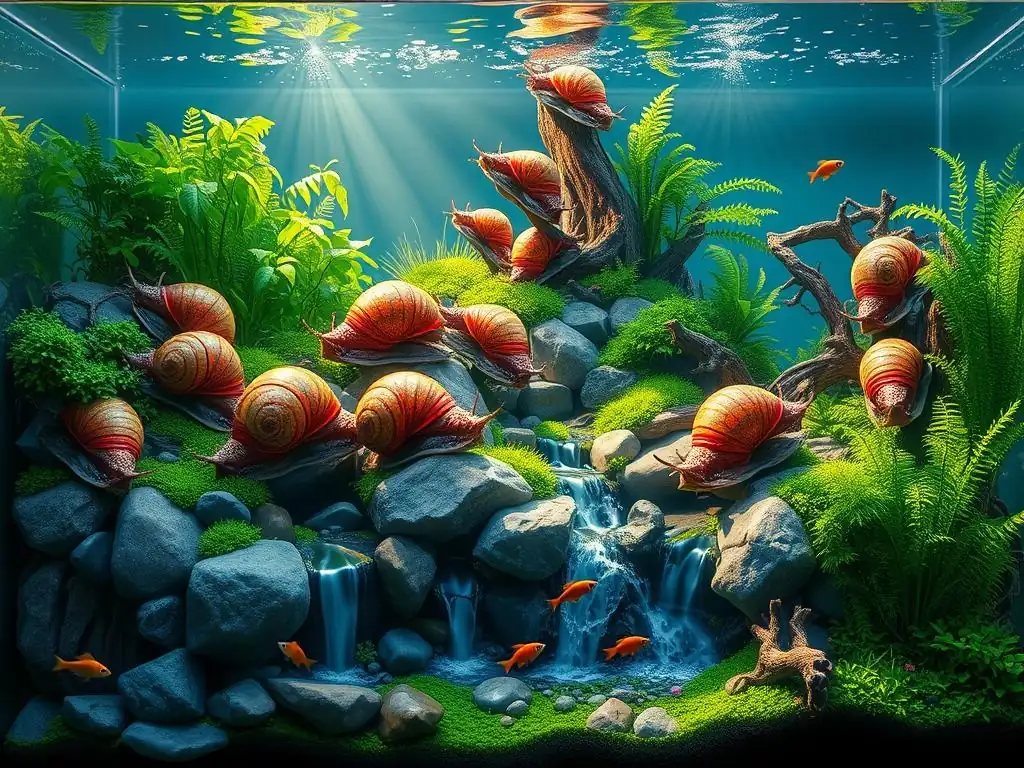
Welcome to Aquarium Mastery!
Ever wondered what your aquarium snails are really trying to tell you? This month, we dive deep into the fascinating connection between healthy snails and good water quality. Discover how these often-overlooked invertebrates can act as vital indicators of your tank's overall health. Read on to unlock the secrets they hold and ensure a thriving aquatic ecosystem!
- Introduction: The Canary in the Aquarium – Snails and Water Quality
- Why Snails are Excellent Bio-Indicators for Aquarium Health
- Understanding Ideal Water Parameters for Healthy Snails
-
Common Snail Health Problems as Indicators of Poor Water Quality
- Shell Erosion and Pitting: Signs of Acidic Water
- Slow Growth or Stunted Development: Nutrient Deficiencies and Water Quality
- Lethargy and Inactivity: Potential Toxicity from Ammonia or Nitrites
- Excessive Algae Growth on Shells: Imbalance in Nutrient Levels
- Snail Mortality Rate and Water Quality Concerns
-
Specific Water Quality Issues Revealed by Snail Behavior
- High Ammonia Levels: Snails Clustering at the Water Surface
- Elevated Nitrite Levels: Snails Becoming Sluggish and Losing Color
- Nitrate Accumulation: Increased Algae Growth and Potential Snail Shell Weakness
- pH Imbalances: Snails Retreating into Their Shells or Shell Degradation
- Copper Toxicity: Rapid Snail Deaths
-
Identifying and Addressing Water Quality Problems Based on Snail Indicators
- Testing Your Aquarium Water: A Comprehensive Guide
- Water Changes: A Fundamental Solution for Most Water Quality Issues
- Improving Filtration: Biological, Mechanical, and Chemical Filtration
- Adjusting pH Levels Safely: Methods and Precautions
- Maintaining Proper Water Hardness: Adding Minerals and Buffers
- Controlling Ammonia and Nitrite Spikes: Cycling and Beneficial Bacteria
- Case Studies: Real-World Examples of Snails Indicating Water Problems
- Preventing Water Quality Issues to Ensure Healthy Snails
- Conclusion: Healthy Snails, Good Water Quality – A Symbiotic Relationship.
-
Frequently Asked Questions
- How can the appearance of my snails indicate poor water quality?
- What specific water parameters should I monitor if my snails are behaving unusually?
- Are there specific snail species that are more sensitive to poor water quality than others?
- Besides water chemistry, what other factors might contribute to unhealthy snails in my aquarium?
- How frequently should I test my aquarium water to ensure my snails stay healthy?
- Final Reflection: The Silent Guardians of Our Waters
- Dive Deeper: Safeguard Your Aquarium's Harmony!
Introduction: The Canary in the Aquarium – Snails and Water Quality
In the intricate ecosystems of freshwater aquariums, every inhabitant plays a role, and some, like snails, serve as silent sentinels. Often admired for their algae-eating prowess or unique beauty, snails are far more than just tank cleaners; they are remarkably sensitive bio-indicators of water quality. Just as canaries once warned miners of dangerous gases, the health and behavior of your aquarium snails can provide crucial insights into the unseen chemical conditions of your tank, often before fish show any signs of distress.
Understanding what your snails are telling you about their environment is paramount for maintaining a thriving aquatic habitat. Observing their activity, shell condition, and even their mortality rate offers a continuous, natural monitoring system that complements your regular water testing. Ultimately, the presence of healthy snails, good water quality go hand-in-hand, reflecting a balanced and stable environment that benefits all aquatic life.
Why Snails are Excellent Bio-Indicators for Aquarium Health
Sensitivity of Snails to Water Parameters
Snails are particularly susceptible to changes in water chemistry due to their unique physiology. Unlike many fish, shelled snails rely heavily on dissolved minerals, particularly calcium, for the continuous growth and maintenance of their shells. Their permeable bodies also make them vulnerable to even subtle shifts in pH, hardness, and the presence of dissolved toxins. For instance, a sudden drop in pH from 7.5 to 6.0, while potentially survivable for some hardy fish, can cause immediate and visible stress to shelled snails like Mystery Snails or Nerites, leading to retraction or reduced activity within hours.
This inherent sensitivity means that snails often react to deteriorating conditions much faster than other aquarium inhabitants. Their slower metabolism and sedentary nature can sometimes make them accumulate toxins more readily or be less able to escape unfavorable conditions, making their distress a clear signal. The well-being of your snails is a direct reflection of the water's suitability, making healthy snails a strong indicator of an optimal aquatic environment.
Early Warning System: Detecting Issues Before They Affect Fish
One of the most valuable roles snails play is acting as an early warning system. Because of their heightened sensitivity to certain parameters, snails may exhibit signs of distress—such as lethargy, loss of appetite, or abnormal climbing behavior—hours or even days before fish begin to show similar symptoms. For example, an ammonia spike, even at concentrations as low as 0.25 parts per million (ppm), might cause a snail to retract into its shell and remain inactive, while a fish might not display signs of stress until ammonia levels exceed 0.5 ppm or higher.
This crucial lead time allows aquarists to intervene promptly, conducting necessary water changes or addressing filtration issues, before the water quality deteriorates to a point where it harms more sensitive or valuable fish species. By diligently observing your snails, you gain a natural, continuous monitor that helps you prevent crises, ensuring that you maintain good water quality and protect your entire aquarium ecosystem.
Cost-Effective and Natural Water Quality Monitoring
Beyond their sensitivity, snails offer a remarkably cost-effective and natural method of ongoing water quality monitoring. While liquid test kits and digital meters are indispensable tools for precise measurements, they provide snapshots of conditions at specific moments. Snails, however, are always present, continuously reacting to their environment, offering a real-time, living indicator of your tank's health without any additional financial outlay.
Observing the consistent presence of healthy snails provides a free, passive, yet highly effective way to assess the stability and safety of your aquarium water. Their normal activity, vibrant coloration, and intact shells are constant affirmations of good water quality. This natural monitoring system complements routine testing, providing an immediate visual cue that can prompt further investigation, thereby saving time and potentially preventing the need for expensive treatments or replacement of livestock.
Understanding Ideal Water Parameters for Healthy Snails
The Importance of pH Levels for Snail Shell Development
The pH level of aquarium water is a critical factor directly impacting the health and structural integrity of snail shells. Snails, particularly those with hard shells like Mystery Snails (Pomacea bridgesii) or Nerite Snails (Neritina spp. ), require water that is neutral to slightly alkaline, typically within a pH range of 7.0 to 8.0.
This is because their shells are primarily composed of calcium carbonate, which can dissolve in acidic conditions. If the pH consistently drops below 7.0, especially below 6.5, the water becomes corrosive to their shells, leading to erosion, pitting, and a weakening of their protective outer layer.
Maintaining a stable pH within the optimal range is essential for preventing shell degradation and promoting robust growth. Fluctuations outside this range can stress snails, making them more susceptible to disease and hindering their ability to repair and grow their shells effectively. Therefore, ensuring an appropriate pH is a foundational step towards cultivating healthy snails and reflecting good water quality.
Ammonia, Nitrite, and Nitrate: Toxicity Levels for Snails
The nitrogen cycle byproducts—ammonia, nitrite, and nitrate—are significant indicators of water quality and directly affect snail health. Ammonia (NH3/NH4+) and nitrite (NO2-) are highly toxic to snails, even at very low concentrations. Ammonia levels as low as 0.25 parts per million (ppm) can cause significant stress, leading to lethargy, retraction, and eventually death for many snail species. Nitrite, while slightly less acutely toxic than ammonia, can still cause severe respiratory distress and mortality at concentrations above 0.5 ppm, interfering with the snail's ability to absorb oxygen.
Nitrates (NO3-), the final product of the nitrogen cycle, are considerably less toxic but can still pose problems at high concentrations, generally above 40-60 ppm. While not immediately lethal, sustained high nitrate levels can contribute to overall stress, weaken immune systems, and promote excessive algae growth on snail shells, indirectly impacting their well-being. Keeping these compounds at minimal levels (ammonia and nitrite at 0 ppm, nitrates below 20 ppm) is crucial for maintaining healthy snails and signifying good water quality.
Water Hardness (GH and KH) and Snail Health
Water hardness, specifically General Hardness (GH) and Carbonate Hardness (KH), is paramount for the health and development of shelled snails. GH measures the concentration of dissolved calcium and magnesium ions, which are vital building blocks for snail shells. A GH level below 4 dGH (degrees of General Hardness) often indicates insufficient calcium, leading to thin, brittle, or eroded shells, even if the pH is adequate. Most shelled snails thrive in water with a GH between 8 and 12 dGH.
KH, or Carbonate Hardness, measures the water's buffering capacity—its ability to resist sudden changes in pH. A stable KH, typically between 4 and 8 dKH, is essential for preventing dangerous pH swings that can shock and stress snails. Without sufficient KH, even minor organic decay can cause pH crashes, directly impacting shell integrity and overall snail vitality. Therefore, monitoring and maintaining appropriate GH and KH levels are fundamental to ensuring healthy snails and robust good water quality.
Maintaining Stable Water Temperature for Optimal Snail Activity
Water temperature plays a significant role in the metabolism and overall activity levels of freshwater snails. Most common aquarium snails, such as Mystery Snails, Nerite Snails, and Ramshorn Snails, are tropical species and thrive in stable temperatures ranging from 22°C to 28°C (72°F to 82°F). Within this range, their metabolic processes, including feeding, growth, and reproduction, operate optimally, contributing to healthy snails.
Sudden or extreme fluctuations in temperature can cause significant stress, leading to lethargy, reduced feeding, and increased susceptibility to disease. Temperatures below their optimal range can slow down their metabolism, causing inactivity and stunted growth, while excessively high temperatures can accelerate their life cycle, leading to shorter lifespans, or even be directly lethal. Maintaining a consistent temperature within the preferred range for your specific snail species is therefore vital for their long-term well-being and is a key component of good water quality.
Common Snail Health Problems as Indicators of Poor Water Quality
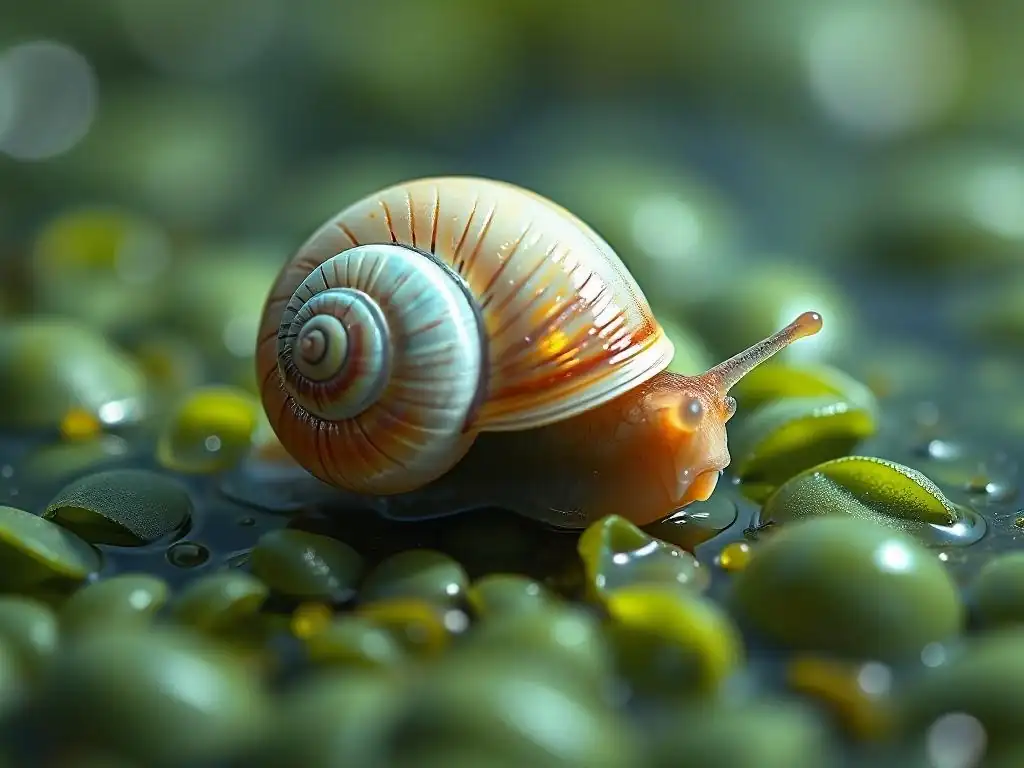
Shell Erosion and Pitting: Signs of Acidic Water
One of the most unmistakable signs of poor water quality affecting snails is shell erosion and pitting. This condition manifests as rough, dull, or visibly dissolving areas on the snail's shell, particularly around the apex or older growth. It is primarily caused by insufficient calcium availability or, more commonly, by acidic water (pH consistently below 7.0), which actively dissolves the calcium carbonate that forms the shell. For instance, a pH of 6.5, maintained over several weeks, can lead to noticeable shell degradation in species like Mystery Snails.
The presence of shell erosion is a strong indicator that your water's pH is too low, or its General Hardness (GH) is inadequate, preventing the snail from acquiring or retaining the necessary minerals for shell repair and growth. Addressing this requires immediate attention to pH and hardness levels, as prolonged exposure to acidic conditions will severely compromise the snail's protective layer, making it vulnerable and ultimately leading to mortality. Observing this issue is a clear signal that the conditions are not conducive to healthy snails and that good water quality is compromised.
Slow Growth or Stunted Development: Nutrient Deficiencies and Water Quality
If your juvenile snails are growing at an unusually slow rate, or adult snails appear stunted compared to their typical size, it often points to underlying water quality issues or nutrient deficiencies. While genetics play a role, consistent slow growth is frequently a symptom of insufficient calcium and magnesium (low GH), which are essential for shell formation, or a generally stressful environment caused by fluctuating or suboptimal water parameters. For example, snails in water with a GH consistently below 4 dGH will struggle to develop robust shells, even if fed adequately.
Beyond mineral deficiencies, overall poor water quality, characterized by chronic low levels of ammonia or nitrite, or persistently high nitrates, can create a stressful environment that diverts the snail's energy from growth to survival. This chronic stress hinders their metabolic processes, resulting in stunted development and a failure to thrive. Therefore, observing slow growth patterns in your snails should prompt a thorough review of your water chemistry to ensure the conditions support healthy snails and good water quality.
Lethargy and Inactivity: Potential Toxicity from Ammonia or Nitrites
A sudden onset of lethargy and inactivity in your snails is a critical warning sign that points to potential acute toxicity in the water. Healthy snails are generally active, constantly grazing, climbing, and moving around the tank. When snails become sluggish, remain retracted into their shells for extended periods, or hang limply without responding to stimuli, it often indicates the presence of harmful levels of ammonia or nitrite. These compounds interfere with oxygen uptake and cellular functions, effectively poisoning the snail.
Even low concentrations, such as 0.25-0.5 ppm of ammonia or nitrite, can cause this behavior within hours of exposure. If you notice your snails exhibiting such symptoms, it demands immediate action, including comprehensive water testing and likely a large water change. This behavior is a clear and urgent signal that your tank's good water quality has rapidly deteriorated and requires immediate intervention to prevent further harm to all inhabitants.
Excessive Algae Growth on Shells: Imbalance in Nutrient Levels
While some minor algae growth on snail shells is natural, excessive or thick coatings of algae can indicate an imbalance in the aquarium's nutrient levels, specifically high nitrates and phosphates. Snails themselves are often adept algae eaters, but if the algae growth on their shells is overwhelming, it suggests that nutrient levels are consistently elevated beyond what the snails and other tank inhabitants can consume, or that lighting conditions are too intense or prolonged. For example, nitrate levels consistently above 40-50 ppm can fuel significant algae blooms throughout the tank, including on snail shells.
Though not directly harmful to the snail's physiological health in the short term, excessive algae can impede the snail's movement, make it difficult for them to feed effectively, and is a visual cue of an underlying water quality issue. It suggests that your tank's nutrient export mechanisms (filtration, water changes, live plants) may be insufficient, preventing the establishment of good water quality and indirectly impacting the long-term well-being of your healthy snails.
Snail Mortality Rate and Water Quality Concerns
An increasing or sudden snail mortality rate is perhaps the most dire indicator of severe water quality issues. While individual snail deaths can occur due to old age or isolated incidents, multiple deaths within a short period, or a consistent pattern of snails dying off, strongly points to critical problems with the aquatic environment.
Sudden, mass snail deaths are often indicative of acute poisoning, such as the accidental introduction of copper (from certain fish medications) or high levels of chlorine/chloramine from tap water if dechlorinator was omitted. Even trace amounts of copper, as low as 0.05 ppm, can be lethal to snails within hours.
Gradual, but consistent, snail deaths might suggest chronic exposure to suboptimal conditions, such as persistently high nitrates, fluctuating pH, or inadequate water hardness over time. Any increase in snail mortality should prompt immediate and thorough water testing for all parameters (ammonia, nitrite, nitrate, pH, GH, KH, and potentially heavy metals), followed by corrective actions. A healthy, stable snail population is a testament to good water quality; conversely, a declining population signals serious trouble.
Specific Water Quality Issues Revealed by Snail Behavior
High Ammonia Levels: Snails Clustering at the Water Surface
One of the most distinct behavioral changes in snails indicative of high ammonia levels is their tendency to cluster at or near the water surface. When ammonia concentrations rise (e.g., above 0.5 ppm), snails, much like fish, will attempt to escape the toxic conditions in the main water column. They will climb the glass, decorations, or plants, often congregating at the waterline where oxygen levels might be slightly higher or where the concentration of dissolved toxins is marginally reduced.
This desperate attempt to avoid the contaminated water is a clear distress signal. It indicates that the biological filtration in your tank may be compromised, or there has been a significant organic overload (e.g., from overfeeding or decaying matter). Observing this behavior in your snails should trigger an immediate water test for ammonia and nitrites, followed by a substantial water change to restore good water quality and protect your healthy snails and other inhabitants.
Elevated Nitrite Levels: Snails Becoming Sluggish and Losing Color
When nitrite levels become elevated (e.g., above 0.5 ppm), snails will often exhibit a noticeable decrease in activity, becoming sluggish and unresponsive. They may remain retracted into their shells for longer periods, move very slowly, or simply lie motionless on the substrate. In some cases, their body coloration might also appear paler or duller than usual, reflecting internal distress. Nitrite interferes with the blood's ability to carry oxygen, leading to a form of internal suffocation, which manifests as lethargy.
This behavior is a strong indicator of a struggling nitrogen cycle, often occurring in newly set up tanks that are still cycling, or in established tanks experiencing a mini-cycle due to filter disruption or overstocking. Prompt action, including water changes and potentially adding beneficial bacteria supplements, is crucial to lower nitrite levels and prevent further harm to your snails and other aquatic life, ensuring the return to good water quality.
Nitrate Accumulation: Increased Algae Growth and Potential Snail Shell Weakness
While nitrates are the least toxic of the nitrogen compounds, their accumulation (typically above 40 ppm) can still be revealed by snail behavior and condition. The most common indicator is an increase in pervasive algae growth, not just on the tank surfaces but also noticeably on the snails' shells. Although snails consume algae, excessive nitrate levels provide an abundant food source for various algae types, leading to blooms that can coat shells and hinder snail movement.
Furthermore, prolonged exposure to very high nitrate levels, combined with other subtle water chemistry imbalances, can indirectly contribute to overall snail stress and potentially impact shell integrity over the long term, making them more susceptible to other issues. While not an acute emergency like ammonia or nitrite, persistent high nitrates signal a need for increased water changes or improved nutrient export to maintain good water quality and support truly healthy snails.
pH Imbalances: Snails Retreating into Their Shells or Shell Degradation
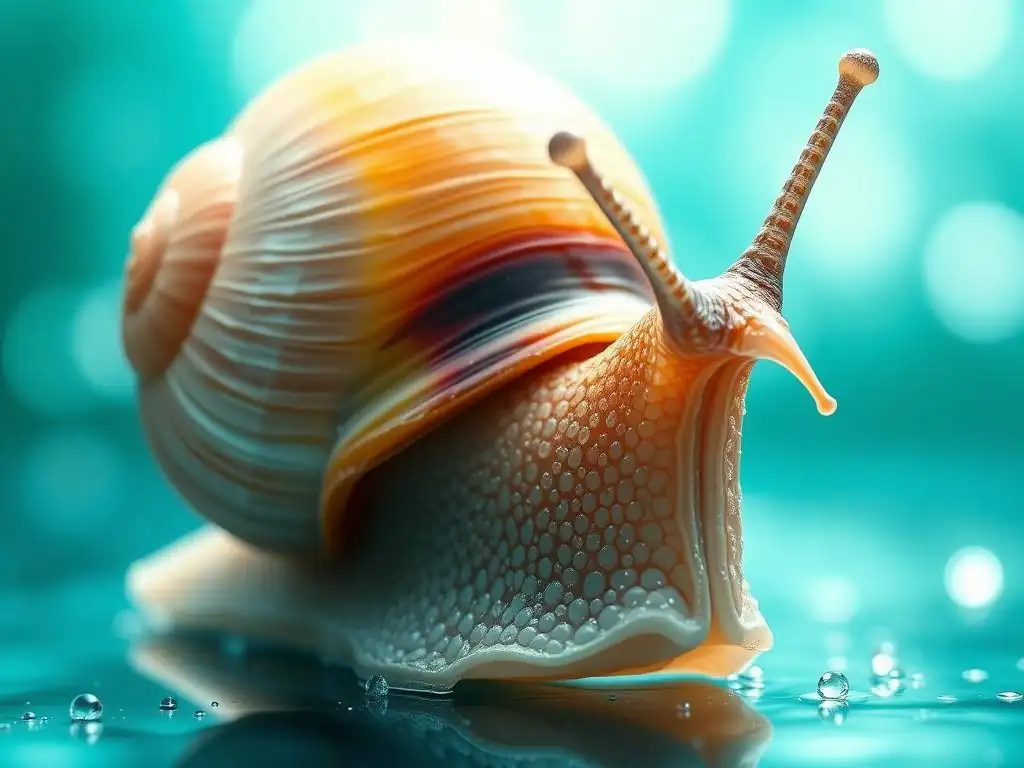
pH imbalances can manifest in two distinct ways through snail behavior. A sudden, significant drop or rise in pH (e.g., a drop from 7.5 to 6.0 within hours) will often cause snails to immediately retract deeply into their shells, sealing themselves off from the perceived threat. They may remain in this state for hours or even days, indicating severe stress and an attempt to protect themselves from the rapid environmental change.
Chronic exposure to an unsuitable pH, particularly acidic conditions (below 7.0), will lead to the more visible and damaging sign of shell degradation, as discussed earlier. The snail's inability to maintain its shell integrity is a direct result of the water chemistry actively dissolving its calcium carbonate structure. Both behaviors signal that the pH is either unstable or outside the optimal range for healthy snails, necessitating careful adjustment to restore good water quality.
Copper Toxicity: Rapid Snail Deaths
Copper toxicity is perhaps the most dramatic and rapid water quality issue revealed by snails. Copper, often found in certain fish medications (especially those for Ich or external parasites), is highly lethal to all invertebrates, including snails, even at very low concentrations. If copper is introduced into the tank, or if a tank previously treated with copper is not thoroughly cleansed, snails will often die very quickly, sometimes within hours of exposure. Even concentrations as low as 0.05 parts per million (ppm) can be fatal to many snail species.
The sudden, unexplained death of multiple snails, especially when other tank inhabitants appear unaffected, is a very strong indicator of copper contamination. This serves as an urgent warning that the water is toxic to sensitive invertebrates and requires immediate, large water changes and the use of activated carbon or a copper-removing chemical filtration media to restore good water quality and prevent harm to any remaining or future invertebrate inhabitants.
Identifying and Addressing Water Quality Problems Based on Snail Indicators
Testing Your Aquarium Water: A Comprehensive Guide
When your snails signal a potential water quality issue, the first and most crucial step is to perform comprehensive water testing. Do not rely solely on visual observations; use a reliable liquid test kit to measure key parameters accurately. Focus on pH, ammonia, nitrite, nitrate, General Hardness (GH), and Carbonate Hardness (KH). For instance, if snails are lethargic, immediately test ammonia and nitrite; if shells are eroding, test pH, GH, and KH.
Regular testing, ideally weekly for new tanks and bi-weekly for established ones, provides a baseline and helps catch issues before they escalate. Record your results to track trends and identify patterns. Understanding the precise chemical parameters is fundamental to diagnosing the problem indicated by your healthy snails and formulating an effective plan to restore good water quality.
Water Changes: A Fundamental Solution for Most Water Quality Issues
Partial water changes are the most immediate and effective solution for addressing a wide range of water quality problems indicated by snails. They dilute accumulated toxins like ammonia, nitrite, and nitrate, and can help stabilize pH and refresh essential minerals. For acute issues, such as high ammonia or nitrite levels detected after observing snail lethargy, a 25-50% water change should be performed immediately, ensuring the new water is dechlorinated and temperature-matched.
For chronic issues like persistently high nitrates or mild pH imbalances, regular weekly or bi-weekly water changes of 20-30% are essential. Always use a gravel vacuum to remove decaying organic matter from the substrate, as this contributes significantly to poor water quality. Implementing consistent water changes is a cornerstone of maintaining good water quality and fostering healthy snails.
Improving Filtration: Biological, Mechanical, and Chemical Filtration
Effective filtration is vital for maintaining stable water parameters and supporting healthy snails. If your snails are showing signs of distress related to water quality, evaluate your filtration system. Ensure adequate biological filtration, which houses beneficial bacteria that convert toxic ammonia and nitrite into less harmful nitrate. If ammonia or nitrite are present, consider adding beneficial bacteria starters or increasing filter media.
Mechanical filtration (e.g., filter floss, sponges) removes particulate waste, preventing it from breaking down and contributing to toxins. Chemical filtration, such as activated carbon, can remove dissolved organic compounds and certain medications, improving clarity and overall water quality. For instance, if copper contamination is suspected due to rapid snail deaths, activated carbon is crucial for removal. Upgrading or properly maintaining your filter is key to ensuring good water quality on an ongoing basis.
Adjusting pH Levels Safely: Methods and Precautions
If snail shell erosion or erratic behavior indicates a pH imbalance, adjustments must be made carefully and gradually. To raise pH for shelled snails, methods include adding crushed coral or aragonite to the substrate or filter, which slowly dissolve and release calcium carbonate, buffering the water. Small, controlled additions of baking soda (sodium bicarbonate) can also temporarily increase KH and pH, but must be done very cautiously to avoid sudden swings.
To lower pH (less common for shelled snails but relevant if it's too high), options include using driftwood, peat moss, or specialized pH-lowering buffers. Regardless of the method, make changes slowly, no more than 0.2 pH units per 24 hours, to prevent shocking your snails and other inhabitants. Rapid pH swings are highly stressful and can negate efforts to achieve good water quality for healthy snails.
Maintaining Proper Water Hardness: Adding Minerals and Buffers
For healthy snails with robust shells, maintaining proper water hardness (GH and KH) is as important as pH. If snails exhibit shell erosion despite adequate pH, or if growth is stunted, low GH is often the culprit. To increase GH, commercial mineral supplements designed for aquariums (e.g., Seachem Equilibrium) or calcium-rich additions like cuttlebone or crushed eggshells can be used. Crushed coral or aragonite also contribute to GH while simultaneously buffering KH and pH.
To increase KH and improve buffering capacity, baking soda can be used in very small, dissolved amounts, or commercial alkalinity buffers. Always test GH and KH regularly after making adjustments to ensure stable levels within the optimal range for your snail species. Providing adequate minerals is fundamental to preventing shell problems and ensuring the long-term well-being of your snails in good water quality.
Controlling Ammonia and Nitrite Spikes: Cycling and Beneficial Bacteria
Ammonia and nitrite spikes, often indicated by snail lethargy or surface clustering, signal a disruption in the nitrogen cycle. The primary long-term solution is to ensure your tank is fully cycled before adding livestock, establishing a robust population of beneficial nitrifying bacteria. If a spike occurs in an established tank, immediate action is required. Perform a large (50% or more) water change to dilute the toxins.
Consider adding a commercial beneficial bacteria starter product to boost the biological filter. Reduce feeding to a minimum to lessen the bioload, and ensure your filter is clean but not sterilized (avoid cleaning filter media with tap water, which contains chlorine). Monitoring these levels daily until they return to zero is crucial. Proactive measures, like proper cycling and avoiding overfeeding, are key to preventing these spikes and maintaining good water quality for healthy snails.
Case Studies: Real-World Examples of Snails Indicating Water Problems
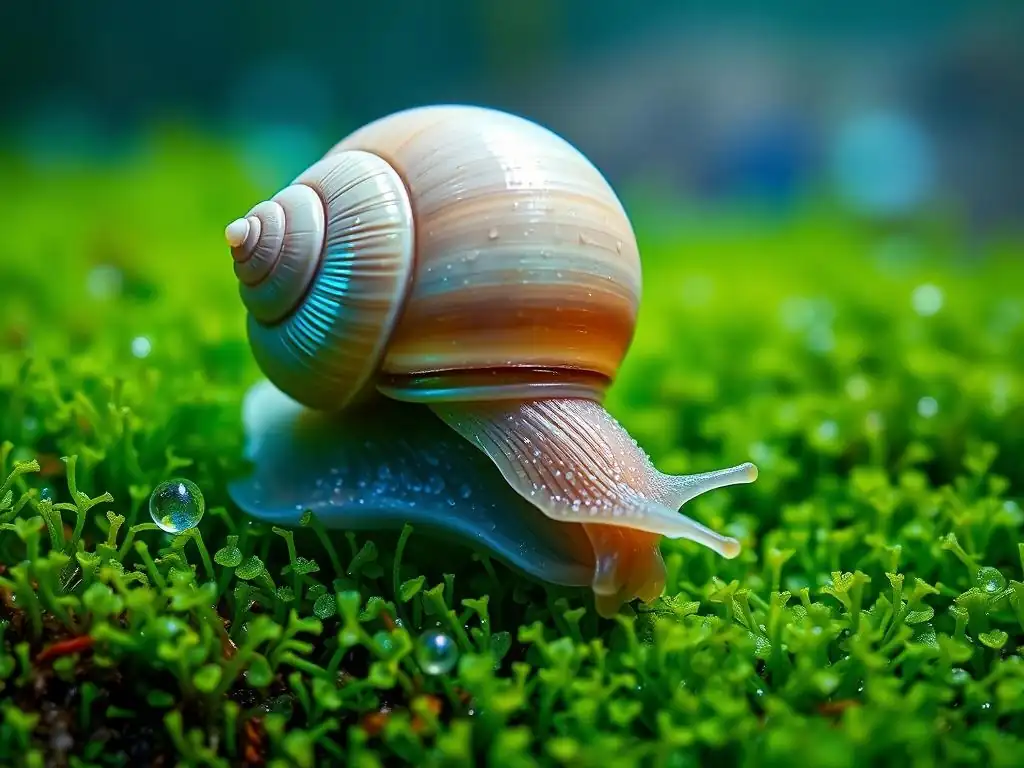
Case Study 1: Shell Erosion and Low pH in a Planted Tank
A hobbyist with a 20-gallon heavily planted aquarium noticed that their Mystery snails (Pomacea bridgesii) were developing rough, pitted shells, particularly on the older growth. The snails were still active but their shells looked increasingly unhealthy. Upon testing, the water parameters revealed a pH of 6.2 and a General Hardness (GH) of only 3 dGH. The tank was using CO2 injection for plant growth, and the tap water was naturally very soft.
Snail Indicator: Visible shell erosion and pitting. Root Cause: The CO2 injection, while beneficial for plants, was lowering the pH too much for the snails' calcium-carbonate shells. Combined with the naturally soft tap water (low GH), there wasn't enough calcium available for shell maintenance, and the acidic water was actively dissolving the existing shells.
Solution: The hobbyist slightly reduced the CO2 injection rate and began adding crushed coral to the filter media bag. They also started supplementing with a commercial GH booster during weekly 25% water changes. Within a month, new shell growth on the snails appeared smooth and healthy, and existing damage showed signs of repair, indicating a successful return to good water quality that supported healthy snails.
Case Study 2: Lethargic Snails and High Ammonia After Overfeeding
A 30-gallon community tank, well-established for over a year, suddenly saw its Nerite snails (Neritina natalensis) become unusually lethargic. They stopped grazing, remained motionless for hours, and a few were observed clinging to the waterline. The fish, surprisingly, showed only mild signs of stress. The owner recalled a recent instance of overfeeding by a house sitter.
Snail Indicator: Lethargy, inactivity, and clustering at the water surface. Root Cause: The excessive uneaten food from overfeeding rapidly decomposed, leading to a significant ammonia spike. A quick test confirmed ammonia at 1.5 ppm and nitrite at 0.5 ppm. The snails, being more sensitive to immediate toxins, reacted before the fish showed severe symptoms.
Solution: The owner immediately performed a 50% water change, thoroughly vacuumed the gravel to remove decaying food, and added a bottle of beneficial bacteria starter. Feeding was halted for 24 hours. Within 12 hours, the snails started showing signs of recovery, resuming their grazing behavior. Subsequent daily water tests showed ammonia and nitrite dropping to zero within 48 hours, demonstrating the restoration of good water quality and the return of healthy snails.
Case Study 3: Snail Deaths and Copper Contamination from Medications
A hobbyist had a 10-gallon quarantine tank that was previously used to treat a fish for Ich with a copper-based medication. After the fish recovered, the tank was emptied, rinsed, and refilled, then used to temporarily house a new batch of Ramshorn snails (Planorbella spp.). Within three hours of introduction, several snails were dead, and the remaining ones were completely retracted.
Snail Indicator: Rapid, unexplained, mass mortality. Root Cause: Copper, even in trace amounts, is highly toxic to invertebrates and can linger in silicone seams or substrate even after rinsing. Although the tank was seemingly clean, residual copper from the previous medication (likely >0.05 ppm) was present, proving lethal to the highly sensitive snails. Solution: All remaining snails were immediately removed and placed in a safe, established tank.
The contaminated tank was then subjected to multiple large water changes (90% daily for three days), treated with a copper-specific remover, and activated carbon was run in the filter for a week. A copper test kit confirmed zero copper levels before any invertebrates were reintroduced. This case highlighted the extreme sensitivity of snails to certain contaminants and underscored their value as an immediate indicator of compromised good water quality.
Preventing Water Quality Issues to Ensure Healthy Snails
Regular Water Testing and Maintenance Schedule
Proactive water quality management is the cornerstone of preventing issues and ensuring healthy snails. Implement a consistent water testing schedule, ideally weekly for parameters like pH, ammonia, nitrite, and nitrate, and bi-weekly or monthly for GH and KH. Record your results to track trends and identify subtle shifts before they become problems.
Complement testing with a regular maintenance schedule: perform partial water changes (e.g., 20-30% weekly) to dilute accumulated toxins and replenish essential minerals. Siphon the substrate to remove decaying organic matter, clean filter media as needed (using old tank water to preserve beneficial bacteria), and wipe down glass to prevent excessive algae buildup. Consistency in these routines is paramount for maintaining good water quality.
Avoiding Overfeeding and Controlling Waste Production
Overfeeding is one of the most common causes of poor water quality in aquariums. Excess food quickly breaks down, releasing ammonia and nitrite, and fueling algae blooms. To prevent this, feed your fish and snails small amounts that can be consumed within 2-3 minutes, once or twice a day. Observe your inhabitants during feeding to ensure food isn't accumulating on the substrate.
Additionally, promptly remove any uneaten food, decaying plant matter, or deceased inhabitants to prevent them from decomposing and polluting the water. Regular substrate vacuuming during water changes further helps control waste production. By minimizing organic waste, you significantly reduce the bioload on your filtration system, directly contributing to stable parameters and good water quality that sustains healthy snails.
Choosing the Right Filtration System for Your Aquarium
Selecting and maintaining an appropriate filtration system is crucial for long-term water quality stability. Ensure your filter is adequately sized for your aquarium's volume and bioload. A robust filtration system should incorporate all three types: mechanical (sponges, floss) to remove particulate waste, biological (bio-rings, ceramic media) to house beneficial bacteria for the nitrogen cycle, and chemical (activated carbon, ammonia removers) for specific purification needs.
Regularly clean mechanical filter media to prevent blockages and maintain flow, but avoid over-cleaning or replacing biological media too frequently, as this can disrupt the bacterial colonies. A well-functioning filter continuously processes waste, prevents toxin buildup, and helps maintain the clear, stable water conditions essential for healthy snails and overall good water quality.
Introducing New Snails Gradually: Quarantine and Acclimation
When introducing new snails to your aquarium, proper acclimation is vital to minimize stress and prevent shock from sudden changes in water parameters. Drip acclimation is highly recommended: slowly add tank water to the bag containing the new snail over a period of 30-60 minutes, allowing the snail to gradually adjust to the new pH, temperature, and hardness.
Consider quarantining new snails in a separate tank for a few weeks before adding them to your main display. This allows you to observe them for any signs of disease or parasites and ensures they are healthy before introducing them to your established community. Gradual introduction and careful observation are key steps in ensuring that new additions thrive and contribute to the overall picture of healthy snails in your tank.
Selecting Snail Species Appropriate for Your Water Parameters
Not all snails thrive in the same water conditions. Before purchasing snails, research their specific requirements for pH, temperature, and hardness. For instance, Mystery Snails and Nerite Snails prefer neutral to slightly alkaline water with adequate hardness for shell development. In contrast, some less common species, like Sulawesi snails, demand very specific, warm, hard, and alkaline conditions.
Attempting to keep snails in water parameters far outside their natural range will inevitably lead to stress, health problems, and reduced lifespans, regardless of your efforts to maintain general cleanliness. By selecting snail species whose requirements align with your existing water parameters, you set them up for success, ensuring they remain healthy snails and serve as reliable indicators of good water quality within a compatible environment.
Conclusion: Healthy Snails, Good Water Quality – A Symbiotic Relationship.
Snails, often underestimated, are invaluable assets in the freshwater aquarium, serving as sensitive and reliable bio-indicators of water quality. Their health, behavior, and shell condition offer continuous, real-time insights into the unseen chemical stability of your tank, often signaling problems long before more resilient fish species show distress. From the tell-tale signs of shell erosion indicating acidic water to the lethargy of an ammonia spike, your snails are constantly communicating the state of their environment.
By diligently observing your snail population and understanding what their various symptoms signify, you gain a powerful, natural tool for proactive aquarium management. Ultimately, the presence of healthy snails is a direct and undeniable reflection of good water quality, underscoring a symbiotic relationship where the well-being of these fascinating invertebrates is intrinsically linked to the overall health and balance of your aquatic ecosystem.
Frequently Asked Questions
How can the appearance of my snails indicate poor water quality?
Changes in a snail's shell, such as cracking or erosion, can be a sign of low pH or calcium deficiency in the water. This can be caused by an imbalance in your aquarium's chemistry.
What specific water parameters should I monitor if my snails are behaving unusually?
You should primarily monitor ammonia, nitrite, and nitrate levels. Elevated levels of these substances are toxic to snails and indicate a problem with your tank's biological filtration.
Are there specific snail species that are more sensitive to poor water quality than others?
Yes, some snail species, like Nerite snails, are known to be more sensitive to changes in water parameters than others, making them early indicators of problems. Observing these snails carefully can help you take action quickly.
Besides water chemistry, what other factors might contribute to unhealthy snails in my aquarium?
In addition to water chemistry, copper from medications or tap water, and lack of proper food, can negatively impact snail health. Ensure your tap water is snail-safe and provide a varied diet.
How frequently should I test my aquarium water to ensure my snails stay healthy?
Regular water testing, ideally once a week, is crucial for maintaining stable water parameters and detecting issues early. This proactive approach prevents problems and ensures snail health.
Final Reflection: The Silent Guardians of Our Waters
The insights shared throughout this article underscore a crucial connection: the health of seemingly insignificant creatures like snails directly reflects the health of our vital water resources. What might appear as a simple observation of nature's microcosm is, in reality, a powerful indicator of the broader environmental well-being that sustains us all. Ignoring these silent guardians is akin to ignoring a critical warning sign about the future of our planet.
This exploration into the world of aquatic snails has profoundly shifted my perspective, highlighting the interconnectedness of ecosystems and the importance of even the smallest organisms. Understanding that these creatures are not merely inhabitants of our waterways, but active participants in maintaining their balance, is a lesson we must all embrace. As the renowned conservationist Baba Dioum wisely stated: In the end, we will conserve only what we love; we will love only what we understand; and we will understand only what we are taught.
Now, I invite you to reflect on your own relationship with the natural world. Consider the water sources in your community and the life they support. Are the snails thriving? Are there any snails at all? Let this newfound awareness inspire you to become a more conscious steward of our environment, advocating for practices that protect these delicate ecosystems and ensuring that the silent guardians of our waters continue to thrive, signaling a future of clean and healthy water for all.
Dive Deeper: Safeguard Your Aquarium's Harmony!
Thank you for exploring the fascinating world of aquatic snails and their vital role in gauging water health. Now that you're equipped with this knowledge, let's put it into action.
Here's how you can contribute to a healthier aquarium ecosystem:
- Implement a Weekly "Snail Check": Make it a routine to carefully observe your snails for shell integrity, activity levels, and any signs of distress. Note any changes, as they could indicate subtle shifts in your water parameters.
- Share your observations: Engage with fellow aquarium enthusiasts on the Aquarium Mastery forums! Discuss what you're noticing, share pictures and let's learn together.
- Surprise your Snail: Supplement your snails diet with cuttlebone and other food items rich in calcium and other essential nutrients to maintain the health of their shells.
What immediate steps will you take to integrate snail health checks into your regular aquarium maintenance routine?