
Electric Blue Crayfish (Procambarus alleni): A Shockingly Beautiful Tank Inhabitant

Welcome to Aquarium Mastery!
Ever been captivated by the vibrant hues of an Electric Blue Crayfish? These miniature freshwater lobsters are truly stunning additions to any aquarium. But are they right for your tank? Dive in and explore our comprehensive guide to Electric Blue Crayfish tank care, uncovering everything you need to know to keep these shockingly beautiful invertebrates thriving. Get ready to unlock the secrets to a vibrant and healthy ecosystem for your new aquatic friend!
- Introduction to the Electric Blue Crayfish
- Electric Blue Crayfish Tank Care: Essential Guidelines
- Electric Blue Crayfish Diet and Feeding
- Electric Blue Crayfish Tank Mates: Compatibility Considerations
- Electric Blue Crayfish Molting Process
- Electric Blue Crayfish Breeding
- Common Health Issues and Treatments for Electric Blue Crayfish
- Enhancing Electric Blue Crayfish Color: Tips and Tricks
- Electric Blue Crayfish: Pros and Cons as a Tank Inhabitant
- Where to Buy Electric Blue Crayfish
- Conclusion: Mastering Electric Blue Crayfish Tank Care
-
Frequently Asked Questions
- What are the basic tank requirements for an Electric Blue Crayfish?
- What is the ideal water chemistry for an Electric Blue Crayfish tank?
- What should I feed my Electric Blue Crayfish?
- Can I keep Electric Blue Crayfish with other fish or invertebrates?
- What are some common health issues to watch out for with Electric Blue Crayfish?
- Final Reflection: Embracing the Electric Blue
- Unveil Your Aquatic Adventure: Dive Deeper!
Introduction to the Electric Blue Crayfish
Unveiling the Beauty of Procambarus alleni
The Electric Blue Crayfish, scientifically known as Procambarus alleni, is a highly sought-after freshwater invertebrate in the aquarium hobby, celebrated for its astonishingly vibrant blue coloration. Native to Florida, USA, this species has captivated aquarists worldwide with its striking appearance, which can range from a brilliant sky blue to a deep, almost iridescent sapphire. Its vivid hue makes it a true centerpiece in any freshwater setup, standing out dramatically against green plants and natural substrates.
Growing to an average size of 4 to 6 inches (approximately 10 to 15 cm) from the tip of its rostrum to the end of its tail, the Electric Blue Crayfish is a robust and active creature. Its powerful claws, though often used for foraging and defense, add to its charismatic presence in the tank. Unlike some other crayfish species, Procambarus alleni maintains its intense blue color throughout its life, provided it receives proper care and nutrition, making it a consistently beautiful addition to a well-maintained aquarium.
Why Choose an Electric Blue Crayfish for Your Aquarium?
Choosing an Electric Blue Crayfish for your aquarium offers a unique blend of aesthetic appeal and engaging behavior. Their vibrant blue makes them an immediate focal point, adding a dynamic splash of color that few other freshwater invertebrates can match. Beyond their beauty, these crayfish are active scavengers, constantly exploring their environment and helping to clean up uneaten food and detritus, thus contributing to the overall health of the tank ecosystem.
Furthermore, the Electric blue crayfish tank care requirements are relatively straightforward, making them a suitable choice for both experienced aquarists and those new to keeping invertebrates. While they do have specific needs regarding water parameters and tank setup, these are generally easy to meet with standard aquarium equipment and consistent maintenance. Their fascinating molting process and occasional territorial displays also provide captivating observations for the dedicated aquarist, adding an educational dimension to the hobby.
Electric Blue Crayfish Tank Care: Essential Guidelines
Setting Up the Ideal Habitat for Electric Blue Crayfish
Establishing the right habitat is the cornerstone of successful Electric blue crayfish tank care. A single adult Electric Blue Crayfish requires a minimum tank size of 20 gallons (approximately 75 liters) to thrive, providing ample space for exploration and territory establishment. For multiple crayfish or a community tank setup, a larger aquarium of 40 gallons or more is highly recommended to minimize aggression and provide adequate hiding spots for all inhabitants.
The tank should be equipped with efficient filtration to maintain excellent water quality, preferably a hang-on-back filter or canister filter that provides both mechanical and biological filtration. While strong water flow is not necessary, good water circulation is important to prevent stagnant areas. Lighting can be standard aquarium lighting, but remember that crayfish are largely nocturnal, so excessive brightness might cause them to hide more during the day. A secure, tightly fitting lid is absolutely crucial, as Electric Blue Crayfish are notorious escape artists and can climb out of surprisingly small openings.
Water Parameters for a Thriving Electric Blue Crayfish Tank
Maintaining stable and appropriate water parameters is paramount for the health and vibrancy of your Electric Blue Crayfish. The ideal water temperature for Procambarus alleni ranges between 65-78°F (18-26°C), with a stable temperature around 72-74°F often being optimal. A pH level between 6.5 and 8.0 is acceptable, but a slightly alkaline to neutral range of 7.0-7.5 is generally preferred, as it helps with shell development and overall well-being.
Water hardness is also important, with a general hardness (GH) of 5-15 dKH being suitable. Moderately hard water provides the necessary minerals, especially calcium, which is vital for the crayfish's exoskeleton during molting. Ammonia and nitrite levels must always be at 0 ppm, and nitrates should be kept below 20 ppm through regular water changes. Consistency in these parameters is a key aspect of superior Electric blue crayfish tank care.
Maintaining Optimal Water Quality for Crayfish Health
Optimal water quality is non-negotiable for the long-term health of your Electric Blue Crayfish. Regular water changes are essential; a 25-30% water change weekly or bi-weekly, depending on your tank's bioload and filtration efficiency, will help keep nitrate levels in check and replenish essential minerals. Always use a reliable liquid-based test kit to monitor ammonia, nitrite, nitrate, pH, and GH levels regularly, especially during the initial setup phase and whenever any issues arise.
Beyond routine changes, ensuring the tank is fully cycled before introducing your crayfish is critical. A cycled tank has a stable nitrogen cycle, meaning beneficial bacteria are present to convert toxic ammonia and nitrite into less harmful nitrates. Consistent monitoring and proactive adjustments to water chemistry prevent stress, disease, and molting complications, making diligent water quality management a cornerstone of effective Electric blue crayfish tank care.
Choosing the Right Substrate and Decorations
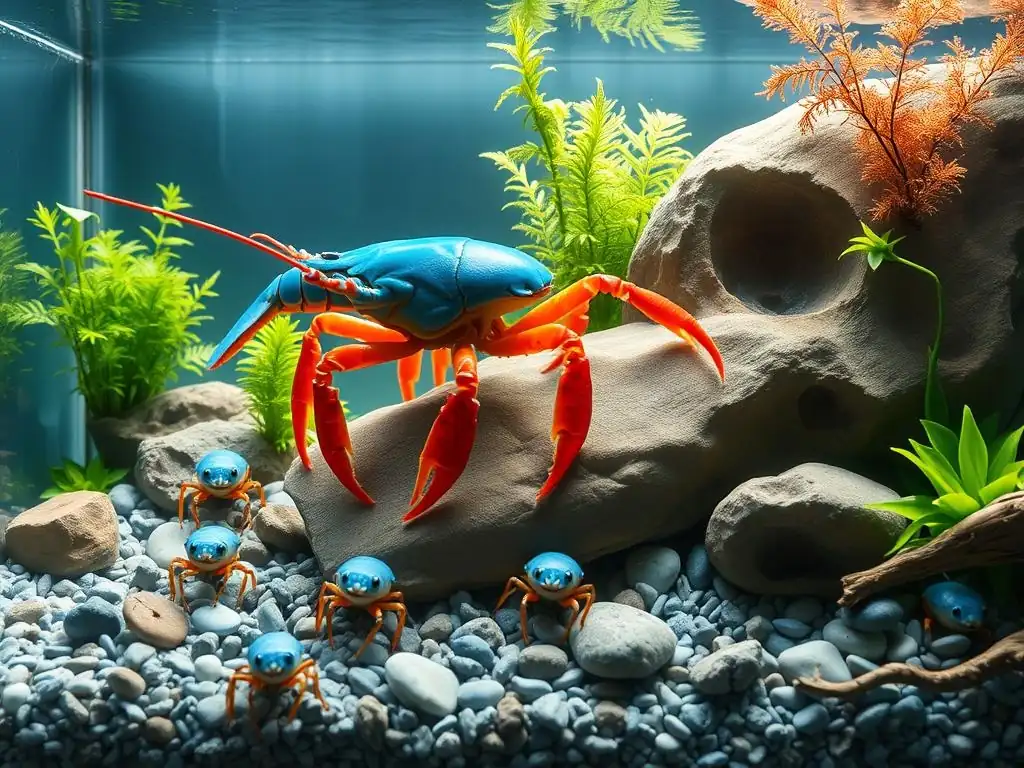
The substrate choice for an Electric Blue Crayfish tank should prioritize safety and comfort. Fine sand or smooth, small-grain gravel is ideal, as it prevents injury to the crayfish's delicate underside and allows them to burrow if they choose. Avoid sharp-edged rocks or coarse gravel, which can scrape or damage their soft tissues, especially during molting when they are most vulnerable. A substrate depth of at least 2-3 inches (5-7.5 cm) is recommended to allow for some digging.
Decorations play a crucial role in providing both enrichment and security for your Electric Blue Crayfish. Driftwood, smooth rocks, ceramic caves, and even PVC pipes can be used to create an intricate landscape. These elements not only enhance the aesthetic appeal of the tank but also serve vital functional purposes for the crayfish.
Providing Hiding Places: Crucial for Crayfish Well-being
Providing ample hiding places is absolutely crucial for the well-being and stress reduction of Electric Blue Crayfish. These invertebrates are naturally shy and nocturnal, and they require secure retreats where they can feel safe, especially during the vulnerable molting process. Without adequate hiding spots, a crayfish can become highly stressed, leading to health issues, aggression, or even death.
Aim to provide at least one dedicated hiding spot per crayfish, plus additional options for exploration and retreat. Good examples include overturned ceramic pots, lengths of PVC pipe (often preferred by crayfish for their smooth, enclosed nature), intricate rock formations, or dense arrangements of driftwood. These structures allow the crayfish to establish territories, escape from perceived threats, and recover in privacy after shedding its exoskeleton, making them an indispensable component of comprehensive Electric blue crayfish tank care.
Electric Blue Crayfish Diet and Feeding
What to Feed Your Electric Blue Crayfish
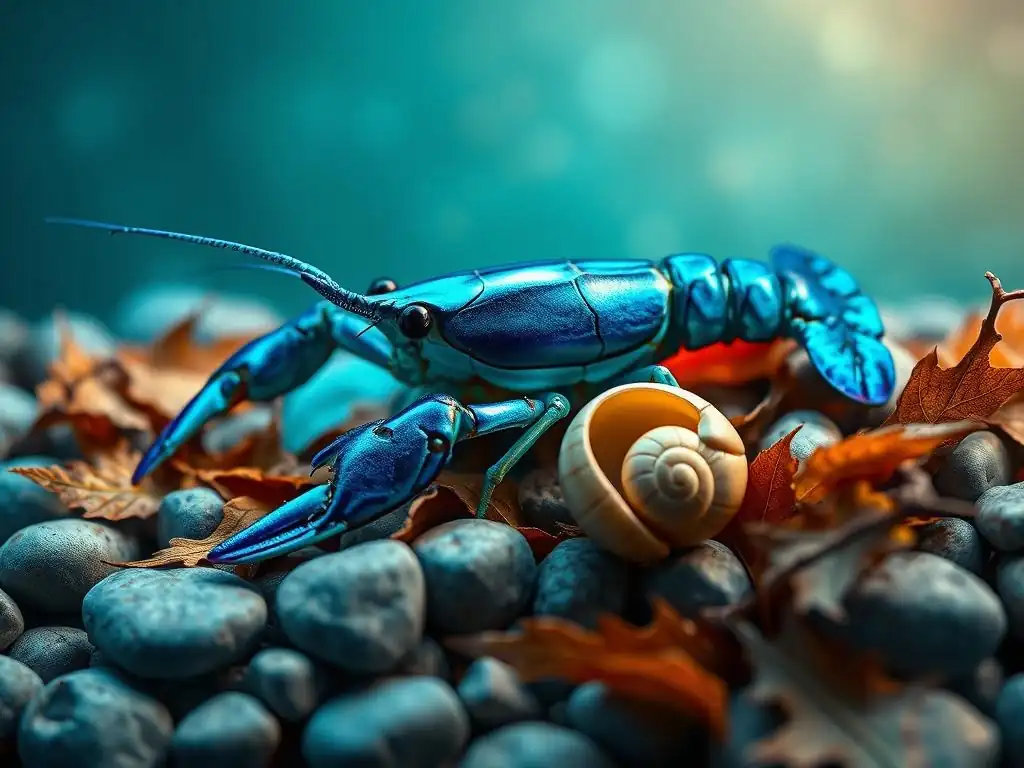
Electric Blue Crayfish are omnivorous scavengers, meaning their diet in the aquarium should be varied and balanced to ensure optimal health, vibrant coloration, and proper growth. A high-quality commercial sinking pellet or wafer specifically formulated for crustaceans or bottom feeders should form the staple of their diet. These often contain essential vitamins, minerals, and calcium vital for their exoskeleton.
Supplementing their diet with fresh vegetables and protein sources is highly beneficial. Blanched vegetables such as zucchini, spinach, peas, and carrots provide necessary fiber and nutrients. For protein, offer small portions of frozen or live foods like bloodworms, brine shrimp, or even small pieces of fish or shrimp. Calcium-rich supplements or foods, such as cuttlebone or calcium-fortified pellets, are particularly important to support their molting cycle and prevent shell deformities.
A Balanced Diet for Vibrant Coloration and Growth
A balanced and varied diet is directly linked to the vibrant blue coloration and healthy growth of your Electric Blue Crayfish. Carotenoids, pigments found in certain foods like spirulina, krill, and some algae, are crucial for intensifying their blue hues. Incorporating spirulina-based pellets or flakes, or even small amounts of cooked shrimp, can significantly enhance their color over time.
Beyond color, a diverse diet ensures the crayfish receives all necessary macronutrients and micronutrients for robust health. Adequate protein supports muscle development and overall growth, while calcium is indispensable for the formation and hardening of their new exoskeleton after molting. Consistent provision of a rich, varied diet is a fundamental aspect of successful Electric blue crayfish tank care, contributing to both their internal well-being and external beauty.
Feeding Schedule and Quantity
Establishing a consistent feeding schedule is important for your Electric Blue Crayfish. Given their nocturnal nature, it is generally best to feed them once a day, typically in the evening or just before lights out. This aligns with their natural activity patterns and ensures they have access to food when they are most active and comfortable foraging.
When feeding, the quantity provided should be carefully managed. Offer only what your crayfish can consume within a short period, typically 5 to 10 minutes. This might translate to 2-3 sinking pellets or a small pinch of other foods per crayfish, depending on their size and appetite. Observing their consumption habits will help you fine-tune the precise amount needed to avoid overfeeding.
Avoiding Overfeeding in Your Crayfish Tank
Overfeeding is a common mistake in aquarium keeping and can lead to significant problems in an Electric Blue Crayfish tank. Uneaten food quickly decomposes, releasing ammonia and nitrites into the water, which are highly toxic to all aquatic life, including crayfish. This degradation also contributes to increased nitrate levels, cloudiness, and can foster the growth of undesirable bacteria and algae.
To prevent overfeeding, always remove any uneaten food after the designated feeding period. This maintains water quality and prevents harmful chemical spikes. If you consistently find uneaten food, reduce the quantity offered at subsequent feedings. Prudent management of food portions is a simple yet effective strategy that significantly contributes to pristine water conditions and overall Electric blue crayfish tank care.
Electric Blue Crayfish Tank Mates: Compatibility Considerations
Suitable Tank Mates for Electric Blue Crayfish
Choosing compatible tank mates for Electric Blue Crayfish requires careful consideration due to their opportunistic and territorial nature. The most suitable companions are small, fast-moving fish that primarily inhabit the upper and middle levels of the water column, staying out of the crayfish's reach. Examples include various species of Tetras (such as Neon Tetras, Ember Tetras), Danios (like Zebra Danios), and some smaller Rasboras.
Other invertebrates such as Amano Shrimp or Nerite Snails can sometimes coexist, but there's always a risk of predation, especially if the crayfish is hungry or during molting. It's generally safer to stick with fish that are too quick or too high in the water column to be easily caught. Providing ample hiding spots for all tank inhabitants can help reduce stress and potential conflicts.
Fish and Invertebrates that Coexist Peacefully
To ensure peaceful coexistence, it is crucial to avoid certain types of fish and invertebrates with your Electric Blue Crayfish. Slow-moving fish, especially those with long, flowing fins like Fancy Guppies, Bettas, or Angelfish, are highly vulnerable to being nipped or captured by the crayfish's claws. Bottom-dwelling fish such as Corydoras catfish or Plecos are also unsuitable as they directly compete for space and food, increasing the likelihood of aggressive encounters.
Similarly, other large, aggressive invertebrates should be avoided to prevent territorial disputes. While some small, fast-moving shrimp might survive in a very large, heavily planted tank, any shrimp small enough to be consumed will likely become a meal. Understanding these dynamics is a critical aspect of responsible Electric blue crayfish tank care and ensures the safety of all tank inhabitants.
Aggression and Territoriality: Managing Crayfish Behavior
Electric Blue Crayfish, while beautiful, are known for their territorial and sometimes aggressive behavior, particularly towards other bottom-dwellers and during feeding times. Males can be especially territorial with each other, making it challenging to keep multiple males in a single tank unless it is exceptionally large and densely decorated with hiding spots. Even females can display aggression towards smaller or weaker tank mates.
To manage their behavior, providing an abundance of hiding places is essential. Each crayfish should have multiple options for retreat, allowing them to establish their own "safe zones" and reduce direct confrontations. Observing their interactions closely, especially during the initial days after introduction, is important. If persistent aggression or predation is observed, it may be necessary to separate the crayfish or remove vulnerable tank mates.
Understanding Crayfish Interactions in a Community Tank
Understanding the nuances of crayfish interactions is vital for maintaining a harmonious community tank. Electric Blue Crayfish are opportunistic predators; if a fish is sick, slow, or sleeps on the bottom, it becomes an easy target. This predatory instinct is particularly evident at night when the crayfish are most active. They may also attempt to clip the fins of unsuspecting fish that venture too close to their territory.
Even if they don't actively hunt, crayfish can be disruptive. They are known for rearranging tank decorations, uprooting plants, and digging in the substrate, which can alter the aquascape and stress more sensitive tank mates. Proper Electric blue crayfish tank care in a community setting involves not just providing appropriate tank mates and hiding spots, but also continuous observation and readiness to intervene if the crayfish's behavior poses a threat to other inhabitants.
Electric Blue Crayfish Molting Process
Understanding the Molting Cycle
The molting process, or ecdysis, is a critical and recurring event in the life cycle of an Electric Blue Crayfish. As an invertebrate with an external skeleton, the crayfish must shed its old, rigid exoskeleton to grow. During this period, the crayfish absorbs water, causing its body to swell and split the old shell, allowing it to crawl out. This process typically takes anywhere from a few minutes to several hours.
The frequency of molting varies with age and growth rate. Juvenile crayfish, which are growing rapidly, may molt every few weeks, while adult crayfish molt less frequently, perhaps every 1 to 3 months. Signs that a molt is approaching include increased hiding, lethargy, a cloudy appearance in their eyes, or a visible gap between their carapace and abdomen. The old shell will often appear translucent and brittle once shed.
Providing Support During Molting
Providing adequate support during the molting process is a crucial aspect of Electric blue crayfish tank care. The most important step is to ensure that your tank's water parameters are impeccably stable and within optimal ranges. Any fluctuations in temperature, pH, or the presence of ammonia/nitrite can severely stress a molting crayfish and lead to complications, such as being unable to fully shed its old shell, a condition known as "molt death."
Once you observe signs of an impending molt, or after the crayfish has shed its shell, it is imperative not to disturb it. The crayfish will be extremely vulnerable with its new, soft exoskeleton. Avoid handling it, performing major tank cleanings, or introducing new tank mates during this sensitive period. It is also beneficial to leave the shed exoskeleton in the tank for a few days, as the crayfish may consume it to reabsorb valuable calcium and other minerals, aiding in the hardening of its new shell.
Ensuring a Safe and Successful Molt
Ensuring a safe and successful molt requires several key considerations. Firstly, adequate calcium levels in the water and through diet are paramount. Calcium is the primary building block for the new exoskeleton, and a deficiency can result in a soft shell, making the crayfish susceptible to injury or predation. Consider using calcium supplements designed for invertebrates if your water is naturally soft, or ensure their diet is rich in calcium.
Secondly, a stress-free environment is vital. This means maintaining consistent water parameters, providing plenty of secure hiding spots, and avoiding aggressive tank mates that might prey on a vulnerable, newly molted crayfish. The recovery period, where the new shell hardens, can take several days. During this time, the crayfish will remain hidden and largely inactive. A successful molt is a strong indicator of overall health and effective Electric blue crayfish tank care.
Electric Blue Crayfish Breeding
Creating Breeding Conditions
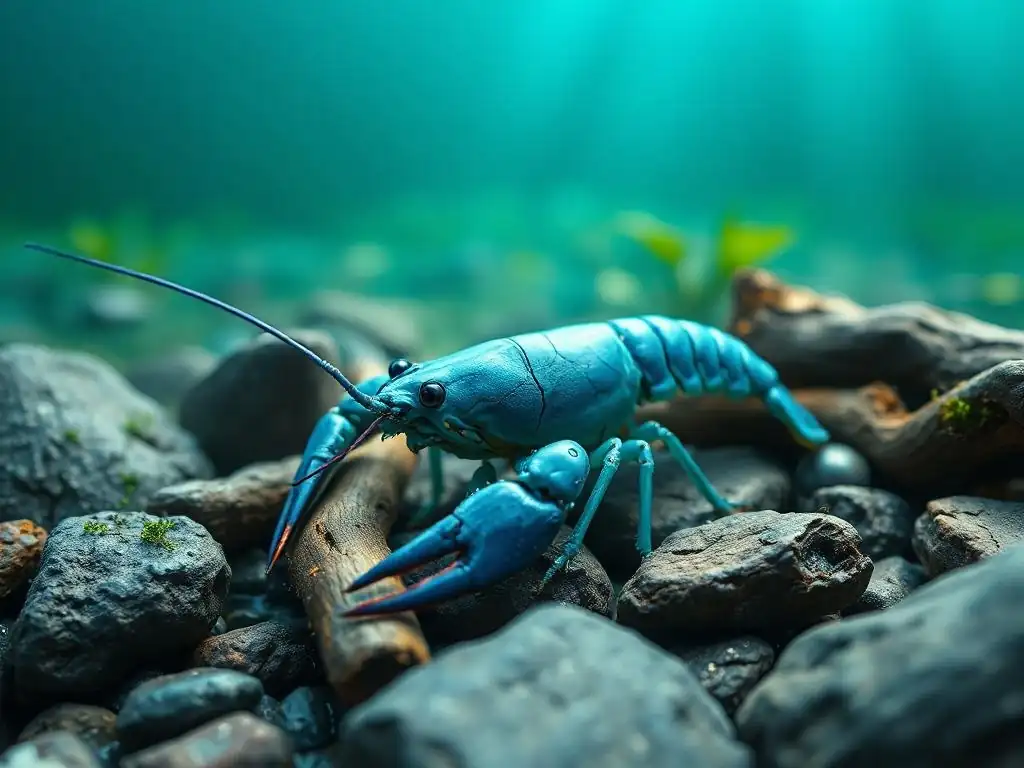
Breeding Electric Blue Crayfish in a home aquarium can be a rewarding experience, provided the right conditions are met. The primary requirements are a healthy, mature male and female, optimal water parameters, and a stable, stress-free environment. A dedicated breeding tank is often recommended to maximize the survival rate of the fry, as adult crayfish, including the parents, may predate on their offspring.
The water parameters for breeding should mirror those for general Electric blue crayfish tank care: temperatures between 70-75°F (21-24°C), a pH of 7.0-7.5, and moderately hard water (GH 8-12 dKH). A consistent and varied diet, rich in protein and calcium, will condition the breeding pair for reproduction. Providing ample hiding spots for the female to retreat after mating and to carry her eggs is also crucial.
Identifying Male and Female Electric Blue Crayfish
Accurately identifying the sex of your Electric Blue Crayfish is essential for successful breeding. Males typically have larger, more robust claws and a more slender body shape compared to females. The most definitive way to distinguish them, however, is by examining their underside, specifically the first pair of swimmerets (pleopods) located between their last pair of walking legs.
In males, these swimmerets are modified into hard, pointed reproductive organs called gonopods, which point forward towards the head. Females, on the other hand, have a broader abdomen and lack these prominent gonopods. Instead, they possess a small, raised opening called the seminal receptacle, located between the bases of their last two pairs of walking legs, where sperm is stored after mating.
Caring for Crayfish Fry
Once the female Electric Blue Crayfish has been successfully bred, she will carry the fertilized eggs underneath her tail (pleopods), a state commonly referred to as being "berried." She will fan the eggs to ensure proper oxygenation and cleanliness. The incubation period typically lasts 3 to 4 weeks, depending on water temperature, after which miniature versions of the adult crayfish will hatch.
Caring for crayfish fry requires meticulous attention to water quality and diet. Initially, the fry will feed on their yolk sac, but they will soon require external food sources. Provide finely crushed flakes, spirulina powder, or specialized fry food. Live foods such as newly hatched brine shrimp nauplii are also excellent for promoting rapid growth and health.
Raising Healthy Baby Crayfish
Raising healthy baby crayfish demands a clean and safe environment. If possible, it is highly recommended to transfer the berried female to a separate breeding or "grow-out" tank. This prevents the adults, including the mother, from preying on the vulnerable fry. Once hatched, the fry are self-sufficient but extremely small and susceptible to predation.
The grow-out tank should have numerous micro-hiding spots, such as dense clumps of java moss, small PVC pipes, or piles of smooth pebbles, to reduce cannibalism among the fry themselves. Maintain pristine water quality with frequent, small water changes (e.g., 10% daily) and ensure a consistent supply of varied, high-quality micro-foods. This diligent Electric blue crayfish tank care for the fry stage significantly increases their survival rate and promotes robust development.
Common Health Issues and Treatments for Electric Blue Crayfish
Recognizing Signs of Illness
Recognizing the early signs of illness in your Electric Blue Crayfish is crucial for prompt intervention and successful treatment. Healthy crayfish are typically active, have a vibrant blue coloration, and all their limbs are intact (though regeneration after a lost limb is common). Signs of distress or illness often include lethargy, prolonged hiding (beyond normal molting periods), loss of appetite, or dulling of their vibrant blue color.
Other physical indicators of health issues can be visible white patches (suggesting fungal infections like porcelain disease), black spots or lesions on the shell (indicative of shell rot), or difficulty during molting, where the old shell is not fully shed. Any unusual growths, discoloration, or persistent inactivity should prompt a closer examination of your crayfish and its environment.
Addressing Common Crayfish Diseases
Addressing common crayfish diseases often begins with identifying the underlying cause, which is frequently poor water quality or stress. For bacterial infections like shell rot, improving water conditions and potentially using broad-spectrum antibiotics (administered carefully as some can harm invertebrates) may be necessary. Fungal infections, such as those causing white fuzzy patches, might respond to antifungal treatments like methylene blue, but always ensure the product is safe for invertebrates.
It is critical to exercise extreme caution with any medications, as many common fish treatments contain copper, which is highly toxic to all invertebrates, including crayfish. Always read labels carefully and opt for invertebrate-safe treatments. The most effective "treatment" for many crayfish ailments is prevention through meticulous Electric blue crayfish tank care.
Preventative Measures for a Healthy Crayfish Population
Preventative measures are by far the most effective approach to maintaining a healthy Electric Blue Crayfish population and avoiding common diseases. The cornerstone of prevention is consistently pristine water quality. This means performing regular water changes (e.g., 25-30% weekly), diligently monitoring water parameters (ammonia, nitrite, nitrate, pH, temperature), and ensuring efficient filtration.
A balanced and nutritious diet, rich in calcium and essential vitamins, significantly boosts their immune system and supports healthy molting. Avoiding overcrowding in the tank reduces stress and aggression, which can weaken a crayfish's defenses. Furthermore, quarantining any new specimens for several weeks before introducing them to your main tank helps prevent the introduction of diseases. These proactive steps form the backbone of excellent Electric blue crayfish tank care and contribute to a thriving, disease-resistant crayfish.
Enhancing Electric Blue Crayfish Color: Tips and Tricks
Factors Affecting Crayfish Coloration
The stunning blue coloration of the Electric Blue Crayfish is influenced by a combination of genetic predisposition, diet, and environmental factors. While genetics play the primary role in determining the base intensity of their blue, external factors can significantly enhance or diminish this vibrancy. A crayfish with strong blue genetics will always have a more intense color potential than one with weaker genetics.
However, even with good genetics, a crayfish's color can fade if its environment is stressful or its diet is lacking. Poor water quality, fluctuating parameters, or inadequate hiding spots can cause stress, leading to a duller appearance. Conversely, a stable, healthy environment allows the crayfish to express its full genetic potential, showcasing its most brilliant hues.
Optimizing Diet for Vibrant Blue Hues
Optimizing the diet is one of the most effective ways to enhance and maintain the vibrant blue hues of your Electric Blue Crayfish. The key lies in providing foods rich in carotenoids, which are natural pigments that contribute to the blue and red coloration in many crustaceans. Astaxanthin, a powerful carotenoid, is particularly beneficial for intensifying blue colors.
Incorporate foods such as spirulina-based pellets, krill, and specialized color-enhancing sinking pellets designed for crustaceans. Examples include Hikari Crab Cuisine or other high-quality invertebrate foods that list spirulina or astaxanthin high on their ingredient list. Feeding these regularly, as part of a balanced diet, can visibly deepen and enrich your crayfish's blue over time, making it an essential component of advanced Electric blue crayfish tank care.
Electric Blue Crayfish: Pros and Cons as a Tank Inhabitant
Advantages of Keeping Electric Blue Crayfish
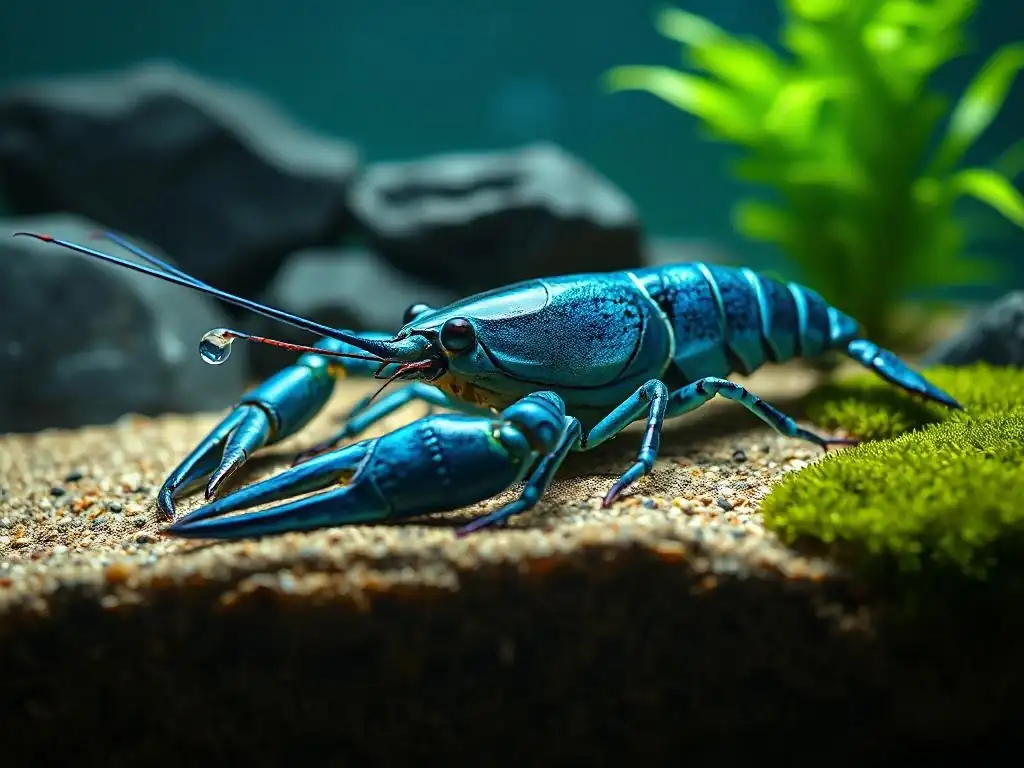
Keeping an Electric Blue Crayfish offers several distinct advantages that make them a popular choice for freshwater aquarists. Their most undeniable benefit is their breathtaking coloration; the vivid blue stands out remarkably in any aquarium, providing a unique aesthetic appeal that few other freshwater invertebrates can match. They are also highly active and engaging to observe, constantly exploring, foraging, and interacting with their environment.
Furthermore, Electric Blue Crayfish are relatively hardy once established in a stable tank with proper Electric blue crayfish tank care. They can tolerate a range of water parameters within their ideal limits and are generally resilient to minor fluctuations. As scavengers, they contribute to the tank's cleanliness by consuming uneaten food and detritus, acting as a natural clean-up crew. Their unique molting process and occasional territorial displays also add an educational and fascinating dimension to the hobby.
Potential Challenges of Crayfish Ownership
Despite their many advantages, owning an Electric Blue Crayfish also comes with potential challenges that aquarists should be aware of. Their opportunistic and territorial nature is a significant consideration; they are prone to aggression towards slow-moving, long-finned, or bottom-dwelling fish, often resulting in nipped fins or even predation. This limits their compatibility in many community tank setups and requires careful selection of tank mates.
Another common challenge is their impressive ability to escape. Electric Blue Crayfish are notorious climbers and can squeeze through surprisingly small gaps, necessitating a very tightly fitting and secure tank lid. They are also known for their landscaping tendencies, often rearranging substrate and uprooting plants, which can be frustrating for aquascaping enthusiasts. Lastly, their vulnerability during the molting process requires a stable, stress-free environment, as complications during molting can be fatal.
Where to Buy Electric Blue Crayfish
Selecting a Healthy Specimen
When purchasing an Electric Blue Crayfish, selecting a healthy specimen is crucial for its long-term well-being and successful integration into your aquarium. Look for crayfish that are active and alert, constantly moving their antennae and exploring their surroundings. Their coloration should be vibrant and uniform, without any dull patches or discoloration, which can indicate stress or illness.
Inspect the crayfish closely for any physical deformities or missing limbs. While crayfish can regenerate lost limbs over successive molts, a specimen with multiple missing limbs might indicate recent stress or poor care. Ensure its eyes are clear and its exoskeleton appears smooth and intact, without any visible lesions, white spots, or signs of shell rot. A healthy crayfish will typically retract quickly if gently prodded, indicating good responsiveness.
Reputable Sources for Procambarus alleni
To ensure you acquire a healthy Electric Blue Crayfish, it is imperative to buy from reputable sources. Local fish stores with a good reputation are a solid option; observe their tanks to see if they are clean, well-maintained, and if their other animals appear healthy and active. Ask staff about their care practices, source of the crayfish, and quarantine procedures.
Online breeders or specialized invertebrate suppliers can also be excellent sources for Procambarus alleni. These suppliers often have extensive experience with crayfish, may offer better genetic strains, and typically provide health guarantees. Research customer reviews and check their policies regarding shipping and live arrival. Regardless of the source, good Electric blue crayfish tank care starts with selecting a robust and healthy individual.
Conclusion: Mastering Electric Blue Crayfish Tank Care
Enjoying the Beauty and Uniqueness of Your Electric Blue Crayfish
Mastering Electric blue crayfish tank care is a rewarding endeavor that allows you to fully enjoy the unique beauty and captivating behaviors of Procambarus alleni. From establishing the ideal habitat with ample hiding spots and pristine water parameters to providing a balanced, carotenoid-rich diet, every aspect of their care contributes to their vibrant coloration and overall health. Understanding their molting process and managing their territorial instincts are key to ensuring a stress-free environment for both your crayfish and any compatible tank mates.
With diligent attention to these essential guidelines, you can create a thriving aquatic environment where your Electric Blue Crayfish will flourish, showcasing its shocking blue hues and engaging personality. This invertebrate offers a truly distinctive addition to the freshwater aquarium, providing endless fascination and a unique splash of color that will undoubtedly become a cherished centerpiece in your aquatic world.
Frequently Asked Questions
What are the basic tank requirements for an Electric Blue Crayfish?
Electric Blue Crayfish need at least a 20-gallon tank with plenty of hiding places like rocks and caves. Ensure the tank has a secure lid, as they are escape artists.
What is the ideal water chemistry for an Electric Blue Crayfish tank?
Maintain a pH between 6.5 and 8.0, a temperature between 65°F and 80°F, and keep ammonia and nitrite levels at zero ppm. Regular water changes are crucial.
What should I feed my Electric Blue Crayfish?
They are omnivores and will eat a variety of foods, including sinking pellets, algae wafers, and occasional treats like blanched vegetables or small pieces of meat. Avoid overfeeding.
Can I keep Electric Blue Crayfish with other fish or invertebrates?
Exercise caution! Electric Blue Crayfish can be aggressive and may prey on smaller fish or invertebrates. Choose tank mates carefully or keep them in a species-only tank.
What are some common health issues to watch out for with Electric Blue Crayfish?
Be aware of shell rot, which can be caused by poor water quality. Also, watch for signs of stress, like lethargy or loss of appetite, which might indicate water parameter issues.
Final Reflection: Embracing the Electric Blue
The journey through understanding electric blue crayfish tank care reveals more than just the practicalities of keeping these vibrant creatures. It highlights our responsibility as aquarists to provide enriching environments that allow these crustaceans to thrive, mirroring their natural habitats as closely as possible. The commitment to proper care translates into a more vibrant and fulfilling life for these captivating inhabitants of our aquatic worlds.
The allure of the electric blue crayfish extends beyond its striking coloration; it's a testament to the beauty and diversity hidden within the underwater realm. This exploration has deepened my appreciation for the delicate balance within an aquarium ecosystem and the profound impact our choices have on the well-being of its inhabitants. In the end, we will conserve only what we love; we will love only what we understand; and we will understand only what we are taught.
- Baba Dioum. This quote resonates deeply, reminding us that informed care is an act of love and a step towards broader conservation efforts.
Now, I invite you to reflect on your own role in the aquatic world. Consider how you can further enhance the lives of your electric blue crayfish, or any aquatic creature under your care. Let the knowledge gained here inspire you to create not just a tank, but a thriving ecosystem, a vibrant testament to the beauty and wonder of the natural world, and a reflection of your commitment to responsible aquarium keeping.
Unveil Your Aquatic Adventure: Dive Deeper!
Thank you for exploring the vibrant world of Electric Blue Crayfish with us! We hope you've gained a new appreciation for these captivating crustaceans and their potential to transform your aquarium. Now, let's turn that inspiration into action!
Here's how you can further your journey:
- Boldly research ethical sourcing to ensure your new Electric Blue Crayfish comes from a reputable breeder.
- Share this article with fellow aquarium enthusiasts and spark a conversation about the pros and cons of keeping crayfish.
- Experiment with creating a special "crayfish cave" using slate or rock for your new blue friend.
What unique habitat designs are you considering to showcase the beauty of your Electric Blue Crayfish?