
Gourami Stress Signals: How to Read Them and Restore Peace

Welcome to Aquarium Mastery! Ever wondered if your gourami is truly happy, or just putting on a brave face? Dive in! This article unlocks the secrets to understanding gourami stress behavior symptoms. Learning to spot these subtle cues can be the key to restoring peace and harmony in your freshwater aquarium. Ready to become a gourami whisperer? Let's get started!
- Understanding Gourami Stress: An Introduction to Anabantoid Wellbeing
-
Decoding Gourami Stress Behavior Symptoms: A Visual Guide
- Loss of Appetite: A Key Indicator of Gourami Distress
- Changes in Coloration: Recognizing Faded or Darkened Gourami Hues
- Erratic Swimming Patterns: Identifying Signs of Agitation and Discomfort
- Hiding and Isolation: When Gouramis Avoid Social Interaction
- Clamped Fins: A Physical Manifestation of Gourami Stress
- Breathing Difficulties: Recognizing Signs of Respiratory Distress in Gouramis
-
Common Causes of Stress in Gouramis: Troubleshooting Your Aquarium
- Poor Water Quality: The Impact of Ammonia, Nitrite, and Nitrate
- Incompatible Tank Mates: Avoiding Aggression and Bullying
- Overcrowding: Providing Adequate Space for Gourami Comfort
- Inadequate Filtration: Maintaining a Healthy Aquarium Ecosystem
- Sudden Changes in Water Parameters: The Importance of Stability
- Improper Temperature: Ensuring Optimal Conditions for Gouramis
- Lack of Hiding Places: Providing Security and Shelter
-
Restoring Peace: Effective Strategies to Reduce Gourami Stress
- Regular Water Changes: Maintaining Pristine Water Quality
- Testing Water Parameters: Monitoring Ammonia, Nitrite, and Nitrate Levels
- Adjusting Tank Temperature: Creating an Ideal Environment
- Providing Adequate Hiding Places: Offering Shelter and Security
- Re-evaluating Tank Mates: Addressing Aggression and Compatibility Issues
- Gradual Acclimation: Minimizing Stress During Introduction
- Feeding a Balanced Diet: Supporting Gourami Health and Immunity
-
Preventing Gourami Stress: Long-Term Aquarium Management
- Choosing the Right Tank Size: Providing Ample Space for Gouramis
- Selecting Compatible Tank Mates: Avoiding Aggression and Competition
- Maintaining a Consistent Water Chemistry: Preventing Fluctuations
- Regular Aquarium Maintenance: Ensuring a Healthy Ecosystem
- Observing Gourami Behavior: Monitoring for Early Signs of Stress
-
Advanced Considerations for Gourami Care and Stress Reduction
- Understanding Gourami Species-Specific Needs: Tank Size and Water Parameter Variations
- The Role of Plants and Decor: Creating a Natural and Calming Environment
- Utilizing Stress-Reducing Additives (Cautiously): Avoiding Melafix and Pimafix
- Quarantine Procedures for New Gouramis: Preventing Disease Introduction
- Conclusion: Promoting a Stress-Free Environment for Thriving Gouramis
-
Frequently Asked Questions
- What are some common Gourami stress behavior symptoms to watch out for?
- How can poor water quality contribute to Gourami stress?
- What impact does tank size have on Gourami stress behavior?
- Can aggressive tank mates cause Gourami stress?
- What is the best way to reduce Gourami stress and restore a peaceful aquarium?
- Final Reflection: Cultivating Calm in the Aquarium
- Unlock a Peaceful Aquarium: Take Action Now!
Understanding Gourami Stress: An Introduction to Anabantoid Wellbeing
Why Gourami Stress Matters: Impacts on Health and Lifespan
Gourami stress is not merely an inconvenience; it's a critical factor that directly impacts their health, vitality, and ultimately, their lifespan. When gouramis experience chronic stress, their immune systems become severely compromised, making them highly susceptible to a range of common aquarium diseases such as Ich (white spot disease), fin rot, and bacterial infections.
This weakened state means that even minor pathogens can become life-threatening, leading to a significant reduction in their natural resilience. For instance, a healthy Dwarf Gourami, under optimal conditions, can live for 5 to 7 years, but prolonged stress can tragically shorten this to just 2 or 3 years.
Beyond disease susceptibility, persistent stress in gouramis can impede proper growth and hinder breeding success. The energy that would normally be allocated to development and reproduction is instead diverted to coping mechanisms. This can manifest as stunted growth, where a young gourami fails to reach its typical adult size, or a complete cessation of breeding behaviors. Furthermore, chronic stress can lead to internal organ damage and metabolic imbalances, progressively weakening the fish from within. Understanding these profound impacts underscores the urgency of recognizing and addressing Gourami stress behavior symptoms promptly.
Identifying Stressed Gouramis: The Importance of Early Detection
Identifying stressed gouramis early is paramount to their well-being and the stability of your entire aquarium ecosystem. Gouramis, as members of the Anabantoid family, possess a labyrinth organ that allows them to breathe atmospheric oxygen, granting them a degree of resilience in less-than-perfect conditions. However, this resilience can sometimes mask subtle signs of distress, making it crucial for aquarists to be vigilant. Early detection allows for immediate intervention, preventing the stress from escalating into critical health issues or widespread problems within the tank.
Ignoring the initial Gourami stress behavior symptoms can have dire consequences. What might start as slight lethargy or faded coloration can rapidly progress to severe illness, leading to a fish's decline within days or weeks, and potentially spreading pathogens to other inhabitants. For example, a gourami showing mild fin clamping might be experiencing initial discomfort, but if left unaddressed, this could quickly develop into a severe bacterial infection requiring extensive treatment. Proactive observation and a keen eye for deviation from normal behavior are the most effective tools in maintaining a healthy, thriving gourami population.
Decoding Gourami Stress Behavior Symptoms: A Visual Guide
Loss of Appetite: A Key Indicator of Gourami Distress
One of the most immediate and telling Gourami stress behavior symptoms is a noticeable loss of appetite. A healthy gourami is typically eager for food, often swimming to the surface or front of the tank during feeding times. A stressed gourami, however, might completely refuse food, take a piece into its mouth only to spit it out, or show absolutely no interest whatsoever, even when its favorite treats are offered. This persistent refusal to eat can lead to rapid weight loss, observable as a sunken belly, and severe nutrient deficiencies, leaving the fish even more vulnerable to disease.
For instance, a healthy Dwarf Gourami will typically consume its portion of food within 30 seconds to a minute of it being introduced to the tank. In contrast, a stressed individual might ignore the food for several minutes, or even an entire feeding cycle, retreating to a hidden spot instead. This lack of caloric intake directly impacts their energy levels and immune function, making it a critical sign that requires prompt attention. Monitoring your gouramis' feeding response daily is a simple yet effective way to gauge their overall health and detect early signs of stress.
Changes in Coloration: Recognizing Faded or Darkened Gourami Hues
Changes in coloration are prominent Gourami stress behavior symptoms that can provide clear visual cues about their well-being. When under stress, many gourami species will lose their vibrant, characteristic hues, appearing noticeably pale, washed out, or dull. For example, the brilliant blue and red stripes of a healthy Dwarf Gourami might fade to a muted grey or brownish tint, losing all their striking appeal. This fading is a physiological response, as the fish's body diverts energy from pigment production to coping with the stressor.
Conversely, some gourami species, particularly in specific stress scenarios like intense territorial disputes or attempts to blend into shadows, might exhibit a significant darkening of their body color, sometimes appearing almost black. This can be a defensive mechanism, an attempt to appear more formidable, or simply a sign of severe distress and discomfort. A Pearl Gourami, renowned for its intricate pearlescent spots, might lose the iridescence of these markings, or its overall body might take on a drab, uniform appearance when stressed, signaling that something in its environment needs immediate attention.
Erratic Swimming Patterns: Identifying Signs of Agitation and Discomfort
Erratic swimming patterns are clear Gourami stress behavior symptoms that indicate agitation, discomfort, or an underlying issue. Unlike their usual graceful and deliberate movements, a stressed gourami might exhibit rapid, jerky darting movements across the tank, often crashing into tank walls or decorations. They might also engage in frantic rubbing or "flashing" against surfaces like substrate, plants, or rocks, which can be an attempt to dislodge parasites or relieve skin irritation, a common symptom of poor water quality or disease.
A healthy gourami typically explores its environment with a calm, flowing motion, using its fins to navigate smoothly through the water column. In contrast, a stressed gourami's movements will appear uncoordinated and panicked. This agitated swimming can also include prolonged periods of hovering listlessly in one spot, followed by sudden bursts of erratic motion, or even swimming vertically. These deviations from normal swimming patterns are strong indicators of distress, signaling that the fish is not at ease in its environment and requires immediate investigation into potential stressors.
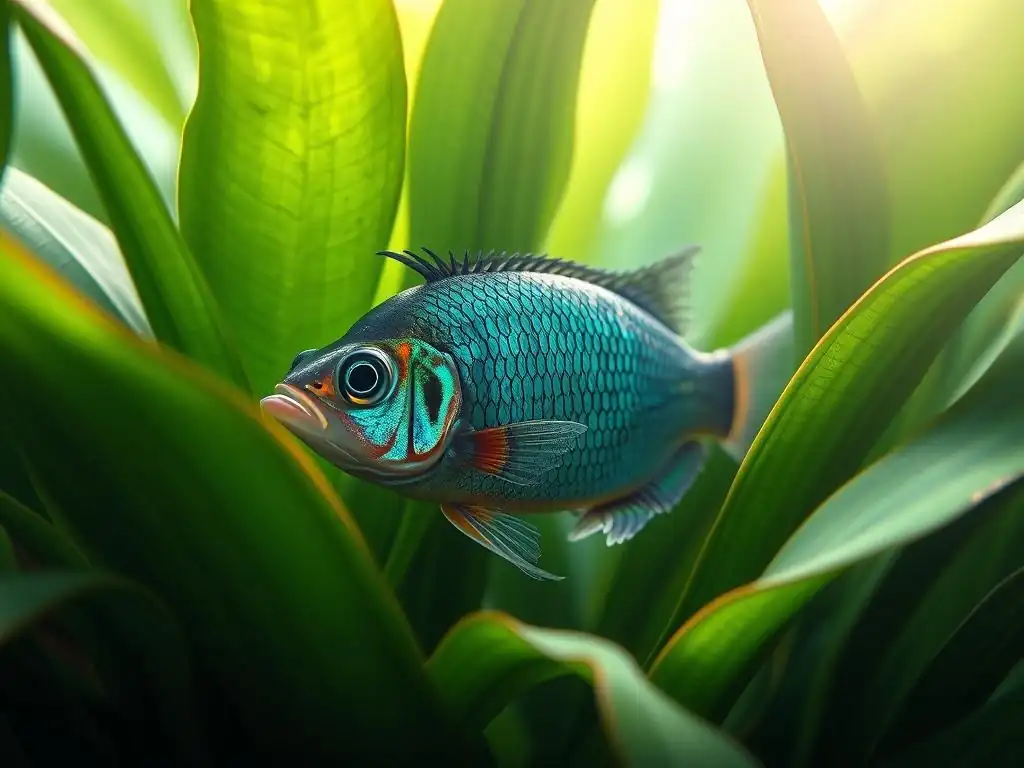
When gouramis avoid social interaction and spend excessive time hiding, it is a significant indicator of stress. Healthy gouramis, while not always highly social, typically explore their tank, interact with their environment, and may occasionally chase or display to tank mates in a non-aggressive manner. However, a stressed gourami will often retreat to the most secluded corners of the aquarium, behind decorations, within dense plant cover, or spend prolonged periods motionless at the bottom or top of the tank, actively avoiding other fish and human presence.
This behavior differs from normal resting periods; it is prolonged and often accompanied by other Gourami stress behavior symptoms. For example, a normally curious Honey Gourami might spend 90% of its day hidden within a large plant cluster, compared to a healthy individual that actively forages and explores for 50-60% of its waking hours. This isolation is a self-preservation instinct, as the fish attempts to reduce perceived threats. Persistent hiding indicates that the gourami feels insecure, threatened, or unwell, and its environment needs to be re-evaluated to provide a sense of security.
Clamped Fins: A Physical Manifestation of Gourami Stress
Clamped fins are one of the most common and easily recognizable physical Gourami stress behavior symptoms. In a healthy gourami, the fins, particularly the dorsal, anal, and caudal (tail) fins, are typically fanned out and held erect, allowing for graceful movement and display. When a gourami is stressed or unwell, it will hold its fins tightly against its body, appearing stiff and constricted rather than open and fluid. This is a general sign of malaise, discomfort, or illness, often accompanying other behavioral changes.
For instance, a healthy Pearl Gourami will elegantly extend its long, flowing ventral fins, using them to explore its surroundings. A stressed Pearl Gourami, however, will keep these delicate fins tucked tightly against its body, making its overall appearance much smaller and less vibrant. This clamping can be a response to poor water quality, incorrect temperature, aggression from tank mates, or the onset of disease. Observing clamped fins, especially when combined with other indicators like lethargy or loss of appetite, should prompt immediate investigation into the potential stressors affecting the gourami.
Breathing Difficulties: Recognizing Signs of Respiratory Distress in Gouramis
Recognizing signs of respiratory distress is crucial, as it often points to severe environmental issues or disease. Gouramis, possessing a labyrinth organ, can breathe atmospheric oxygen, but even they will show signs of difficulty if water quality is poor or oxygen levels are critically low. The most common Gourami stress behavior symptoms related to breathing include rapid gill movements, often described as "gasping," and spending excessive amounts of time at the water surface, even when not actively feeding. While gouramis do surface to gulp air, prolonged and frantic surfacing indicates distress.
A healthy gourami exhibits a steady, calm breathing rate, typically around 60-90 gill movements per minute, depending on species and temperature. A gourami experiencing respiratory distress, however, might exhibit over 120 gill movements per minute, or even appear to be struggling to breathe. This can be caused by high levels of ammonia or nitrite, which damage gill tissue, or by extremely low dissolved oxygen levels, especially in warm, overstocked tanks. It can also indicate gill parasites or bacterial infections. Any observation of labored breathing warrants immediate water quality testing and corrective action to prevent further harm to the gourami.
Common Causes of Stress in Gouramis: Troubleshooting Your Aquarium
Poor Water Quality: The Impact of Ammonia, Nitrite, and Nitrate
Poor water quality is arguably the most prevalent cause of Gourami stress behavior symptoms and overall fish health decline. The accumulation of metabolic waste products—specifically ammonia, nitrite, and nitrate—creates a toxic environment for fish. Ammonia (NH3) and nitrite (NO2-) are highly lethal, even at very low concentrations; for instance, ammonia levels as low as 0.25 parts per million (ppm) can begin to cause gill damage and stress, and higher levels rapidly become fatal. These compounds are byproducts of fish waste, uneaten food, and decaying plant matter, and are converted by beneficial bacteria in the nitrogen cycle.
Nitrate (NO3-), the final product of the nitrogen cycle, is less toxic but still becomes a significant stressor at elevated levels, generally above 20-40 ppm for sensitive fish like gouramis. High nitrates contribute to chronic stress, weakened immune systems, and susceptibility to disease. Consistent monitoring with a reliable liquid test kit and regular partial water changes are essential to keep these parameters at safe levels (Ammonia: 0 ppm, Nitrite: 0 ppm, Nitrate: <20 ppm), thereby preventing a major source of stress for your gouramis.
Incompatible Tank Mates: Avoiding Aggression and Bullying
Incompatible tank mates are a frequent cause of chronic Gourami stress behavior symptoms. Gouramis, particularly species like Dwarf Gouramis, can be shy and peaceful, making them vulnerable to harassment from overly aggressive or boisterous fish.
Examples of problematic tank mates include certain cichlids known for their territorial nature, or fin-nipping species such as Tiger Barbs, which can relentlessly nip at the gourami's delicate fins, leading to injury and persistent anxiety. Even other gourami species can be incompatible due to territoriality; housing two male Dwarf Gouramis in a tank smaller than 20 gallons, for instance, almost guarantees constant aggression and stress for the subordinate fish.
Chronic bullying leads to a range of stress responses, including hiding, refusal to eat, and faded coloration, as the victim spends all its energy trying to avoid confrontation. Studies suggest that fish subjected to constant aggression may experience a 30% reduction in food intake due to stress. Before introducing any new fish, thorough research into species compatibility, temperament, and adult size is crucial to ensure a harmonious environment and prevent unnecessary stress for your gouramis.
Overcrowding: Providing Adequate Space for Gourami Comfort
Overcrowding is a significant stressor that directly impacts gourami comfort and health. When a tank is too small for its inhabitants, it leads to increased territorial disputes, limited hiding spots, and a rapid decline in water quality due to the concentrated waste production. For example, a single Dwarf Gourami requires a minimum of 10 gallons to thrive, while a pair or a small group might need 20 gallons or more to establish their territories without constant conflict. Larger species, such as Pearl Gouramis, typically require a minimum of 30-40 gallons for a pair to feel comfortable and secure.
Beyond territorial issues, overcrowding places an immense strain on the aquarium's filtration system. More fish mean more waste, which translates to faster accumulation of ammonia, nitrite, and nitrate, even with a seemingly adequate filter. This rapid degradation of water quality exacerbates Gourami stress behavior symptoms and increases their susceptibility to disease. Providing ample space is not just about physical room; it's about ensuring a stable, healthy environment where gouramis can exhibit natural behaviors without constant competition or fear.
Inadequate Filtration: Maintaining a Healthy Aquarium Ecosystem
Inadequate filtration is a direct pathway to poor water quality and consequently, high stress levels in gouramis. A filter that is undersized for the tank volume or the bioload (amount of fish waste) will fail to efficiently remove harmful waste products, leading to spikes in ammonia and nitrite, and a rapid buildup of nitrates.
For instance, a 20-gallon tank stocked with gouramis and other community fish might require a filter rated to process at least 100-200 gallons per hour (GPH) to ensure effective mechanical, biological, and chemical filtration. An undersized filter, processing perhaps only 50 GPH, would struggle to keep up, resulting in cloudy water and toxic conditions.
Effective filtration is critical for maintaining a healthy aquarium ecosystem. Mechanical filtration removes particulate matter, keeping the water clear. Biological filtration, provided by beneficial bacteria colonizing the filter media, is essential for converting toxic ammonia and nitrite into less harmful nitrate. Chemical filtration, often utilizing activated carbon, removes odors, discolorations, and certain toxins. A well-maintained and appropriately sized filter ensures stable water parameters, reduces the presence of irritants, and significantly minimizes Gourami stress behavior symptoms caused by environmental degradation.
Sudden Changes in Water Parameters: The Importance of Stability
Sudden changes in water parameters are a profound source of stress for gouramis, leading to what is often referred to as "osmotic shock." Fish are highly sensitive to their aquatic environment, and rapid shifts in factors such as pH, temperature, or hardness can overwhelm their delicate physiological systems. For example, a pH swing of 0.5 or more within a 24-hour period can severely stress a gourami, impacting its ability to regulate its internal salt and water balance. Similarly, large, infrequent water changes, especially with water that significantly differs in temperature or chemistry, can be more detrimental than beneficial.
Maintaining consistent water parameters is crucial for preventing Gourami stress behavior symptoms. This involves performing regular, smaller water changes (e.g., 25-30% weekly) rather than large, infrequent ones. When adding new water, it should be carefully matched to the tank's temperature and treated with a quality water conditioner. Gradual acclimation procedures for new fish are also vital to allow them to slowly adjust to the tank's specific parameters, minimizing the shock and associated stress that can lead to illness or even death.
Improper Temperature: Ensuring Optimal Conditions for Gouramis
Improper water temperature is a direct physiological stressor for gouramis. Most popular gourami species, such as Dwarf, Pearl, and Honey Gouramis, thrive within a specific temperature range, typically 75-82°F (24-28°C). Temperatures outside this optimal range can severely impact their metabolism, immune system, and overall well-being, leading to distinct Gourami stress behavior symptoms. If the water is too cold, gouramis become lethargic, their metabolism slows down, making them more susceptible to diseases like Ich and hindering their digestive processes.
Conversely, if the water is too warm, their metabolism speeds up excessively, leading to increased oxygen consumption in water that holds less dissolved oxygen at higher temperatures. This can cause respiratory distress, rapid breathing, and general exhaustion. Fluctuations in temperature are also highly stressful; a consistent temperature, ideally maintained within a 1-2°F variation, is far more important than hitting an exact number. A reliable aquarium heater and thermometer are indispensable tools for ensuring the stable, optimal thermal environment that gouramis require to thrive.
Lack of Hiding Places: Providing Security and Shelter
A lack of adequate hiding places is a significant environmental stressor for gouramis, particularly for shyer species or those housed with more boisterous tank mates. Gouramis naturally seek shelter to rest, retreat from perceived threats, or establish a sense of territory and security. Without sufficient cover, they feel exposed and vulnerable, leading to chronic anxiety and Gourami stress behavior symptoms such as constant hiding, faded coloration, and reluctance to feed in the open.
Providing a variety of hiding spots is essential. This can include dense live or artificial plant coverage, driftwood with crevices, ceramic caves, or rock formations. A tank with less than 25% plant coverage, for example, often leads to higher stress levels in shy fish compared to a heavily planted tank. For a typical 20-gallon gourami tank, aiming for at least 3-5 distinct hiding spots or areas of dense foliage allows gouramis to feel secure and reduces their stress levels, promoting more natural and confident behavior.
Restoring Peace: Effective Strategies to Reduce Gourami Stress
Regular Water Changes: Maintaining Pristine Water Quality
Regular water changes are the cornerstone of maintaining pristine water quality and are among the most effective strategies to reduce Gourami stress behavior symptoms. Weekly partial water changes, typically ranging from 25% to 30% of the tank volume, are crucial for diluting accumulated nitrates, replenishing essential minerals, and removing dissolved organic compounds that can contribute to poor water quality. This consistent dilution helps to keep harmful nitrogenous waste products at bay, preventing their buildup to toxic levels.
The process involves using a gravel vacuum to remove detritus from the substrate while simultaneously siphoning out tank water. The new water added should be declorinated with a reputable water conditioner and matched as closely as possible to the tank's temperature to avoid shocking the fish. Consistency is key; performing these changes on a fixed schedule, rather than sporadically, ensures stable water parameters, which is vital for the long-term health and stress reduction of gouramis. Skipping or delaying water changes can quickly lead to parameter fluctuations, reintroducing stress.
Testing Water Parameters: Monitoring Ammonia, Nitrite, and Nitrate Levels
Regularly testing water parameters is an indispensable practice for identifying and addressing the root causes of Gourami stress behavior symptoms. Using a high-quality liquid test kit, such as the API Freshwater Master Test Kit, allows aquarists to accurately monitor levels of ammonia, nitrite, and nitrate. Ammonia and nitrite levels should always read 0 parts per million (ppm), as even trace amounts are harmful to fish. Nitrate levels should ideally be kept below 20 ppm for most gourami species, though some aquarists aim for even lower.
Consistent monitoring, perhaps weekly or bi-weekly depending on tank stability, provides objective data on your aquarium's health. If test results indicate elevated levels of any of these compounds, it signals a problem with filtration, overfeeding, or insufficient water changes. Knowing these numbers empowers you to take targeted corrective actions, such as increasing water change frequency or improving filtration, directly addressing the underlying cause of stress rather than merely treating symptoms. This proactive approach is fundamental to maintaining a healthy and stress-free environment for gouramis.
Adjusting Tank Temperature: Creating an Ideal Environment
Adjusting and maintaining the correct tank temperature is fundamental to creating an ideal environment and mitigating Gourami stress behavior symptoms. Most popular gourami species thrive in a stable temperature range of 76-80°F (24-27°C). To achieve this, a reliable aquarium heater with an accurate thermostat is essential, paired with a separate thermometer for verification. Consistent temperature prevents metabolic shock and supports the gourami's immune system.
If the tank temperature needs adjustment, it should always be done slowly and gradually, ideally no more than 1-2 degrees Fahrenheit per hour, to avoid stressing the fish. Rapid temperature changes can severely impact a gourami's physiological processes, making them susceptible to disease like Ich. Regularly checking the thermometer ensures the heater is functioning correctly and the water temperature remains within the optimal range, providing the thermal stability crucial for gouramis to thrive and exhibit their natural, healthy behaviors.
Providing Adequate Hiding Places: Offering Shelter and Security
Providing adequate hiding places is a crucial strategy for reducing Gourami stress behavior symptoms by offering a sense of shelter and security. Gouramis naturally seek cover to retreat when feeling threatened, to rest, or to establish personal space, especially in a community tank. A lack of such retreats can lead to chronic anxiety and timidity. To create a secure environment, incorporate a variety of elements such as dense live plants (e.g., Java Fern, Anubias, Hornwort, or floating plants like Salvinia), intricate driftwood pieces with crevices, or ceramic caves and rock formations.
Aim for a balance between open swimming space and areas of dense cover. For instance, in a 20-gallon tank housing a pair of Dwarf Gouramis, ensuring at least 3-5 distinct hiding spots or areas of thick foliage will allow each fish to retreat when desired. A tank with 50-70% plant coverage, particularly with floating plants that diffuse light, can significantly reduce stress by mimicking their natural shaded habitats and providing visual barriers, promoting more confident and natural behavior from your gouramis.
Re-evaluating Tank Mates: Addressing Aggression and Compatibility Issues
Re-evaluating tank mates is a critical step in addressing and eliminating Gourami stress behavior symptoms caused by aggression or incompatibility. If gouramis are exhibiting signs of stress, such as hiding, fin damage, or reluctance to feed, observe interactions closely to identify any specific fish that might be bullying or harassing them. Aggressive fish, even if seemingly small, can cause chronic stress over time, leading to a decline in the gourami's health.
If a specific aggressor is identified, consider rehoming it to a different tank or, if feasible, adding more visual barriers and hiding spots within the current tank to break lines of sight and reduce confrontations. For example, if a male Betta is relentlessly harassing a Dwarf Gourami, the two species are likely incompatible in your setup, and one will need to be moved to prevent ongoing stress and potential injury.
Thorough research into the temperament and adult size of all potential tank mates before purchase is the best preventive measure to ensure a peaceful and compatible community for your gouramis.
Gradual Acclimation: Minimizing Stress During Introduction
Gradual acclimation is a fundamental practice for minimizing Gourami stress behavior symptoms when introducing new fish to an existing aquarium. Abruptly transferring a fish from its transport bag directly into the tank can cause severe osmotic shock due to sudden differences in water parameters such as temperature, pH, and hardness. This shock can weaken the fish's immune system, making it highly susceptible to disease and leading to immediate signs of distress.
The most recommended methods for acclimation are drip acclimation or the floating bag method. For the floating bag method, float the sealed bag in the tank for 15-20 minutes to equalize temperature. Then, open the bag, roll down the edges, and add a small amount of tank water (e.g., 1/4 cup) every 5-10 minutes over a period of 30-60 minutes, doubling the water volume in the bag.
For drip acclimation, an airline tube is used to slowly drip tank water into a container holding the new fish over an hour or more, allowing for a very gradual adjustment. A sudden change of more than 0.5 pH units can be highly detrimental, highlighting the importance of slow acclimation to promote a stress-free transition.
Feeding a Balanced Diet: Supporting Gourami Health and Immunity
Feeding a balanced and varied diet is essential for supporting gourami health, bolstering their immune system, and directly reducing Gourami stress behavior symptoms. Nutritional deficiencies can weaken a gourami's resilience, making it more susceptible to environmental stressors and diseases. A high-quality diet provides the necessary vitamins, minerals, and proteins for optimal physiological function.
For most omnivorous gouramis, a premium-quality flake or pellet food designed for tropical fish should form the staple of their diet. This should be supplemented with live or frozen foods such as brine shrimp, bloodworms, daphnia, or spirulina flakes a few times a week. These supplements provide essential micronutrients and variety, stimulating their natural foraging instincts.
Overfeeding should be strictly avoided, as excess food quickly decomposes and pollutes the water, creating another source of stress. Offering small meals 1-2 times a day, only what they can consume in 2-3 minutes, ensures proper nutrition without compromising water quality, thereby supporting robust health and immunity against stress.
Preventing Gourami Stress: Long-Term Aquarium Management
Choosing the Right Tank Size: Providing Ample Space for Gouramis
Choosing the right tank size is the most fundamental step in preventing Gourami stress behavior symptoms through long-term aquarium management. Providing ample space is not just about physical room; it's about minimizing territorial disputes, ensuring stable water parameters, and allowing gouramis to exhibit their natural behaviors without feeling confined. For instance, a single Dwarf Gourami requires a minimum of a 10-gallon tank, but a pair or a small group will be significantly less stressed in a 20-gallon or larger aquarium, which offers more swimming space and potential territories.
Larger gourami species, such as Pearl Gouramis, require even more space, with a minimum of 30-40 gallons for a pair. A 20-gallon tank offers approximately 200 square inches of bottom space, while a 10-gallon offers only about 120 square inches, making a substantial difference in perceived territory. While it might seem counterintuitive, larger tanks are generally more stable environments, as their greater water volume dilutes waste more effectively, making them less prone to rapid fluctuations in water chemistry. Investing in an appropriately sized tank from the outset is the best preventive measure against chronic stress.
Selecting Compatible Tank Mates: Avoiding Aggression and Competition
Selecting compatible tank mates is crucial for preventing Gourami stress behavior symptoms and maintaining a harmonious community aquarium. Aggression and competition are common stressors that can lead to chronic health issues in gouramis. Prioritize peaceful, non-aggressive species that share similar water parameter requirements and temperament. Good choices often include smaller schooling fish like various tetras (e.g., Neon Tetras, Rummy Nose Tetras), rasboras, Corydoras catfish, and peaceful loaches.
Conversely, avoid known fin-nippers such as Tiger Barbs, or overly boisterous species that might constantly harass the slower-moving gouramis. It is also wise to avoid housing multiple male gouramis of the same species in tanks under 50 gallons, as they can be highly territorial and aggressive towards each other, almost certainly leading to one being severely stressed or killed. Thorough research into the specific compatibility of each fish species before adding them to your tank is an essential preventive measure to ensure a peaceful environment for your gouramis.
Maintaining a Consistent Water Chemistry: Preventing Fluctuations
Maintaining a consistent water chemistry is paramount for preventing Gourami stress behavior symptoms and promoting long-term health. Fish are sensitive to rapid fluctuations in parameters like pH, temperature, and hardness. Wild gouramis experience relatively stable conditions in their natural habitats, and replicating this stability in an aquarium significantly reduces their stress. This involves adhering to a regular, scheduled maintenance routine, rather than performing large, infrequent interventions that can cause dramatic shifts.
For example, performing weekly 25-30% water changes is far less stressful than a single 50% change every month, as the smaller, more frequent changes minimize parameter swings. Always use a reliable water conditioner that neutralizes chlorine and chloramines, which are toxic to fish, with every water change. Regularly testing your water parameters (ammonia, nitrite, nitrate, pH, temperature) helps monitor for consistency and allows for minor adjustments before they become major problems. Stability in water chemistry is a cornerstone of a low-stress environment for gouramis.
Regular Aquarium Maintenance: Ensuring a Healthy Ecosystem
Regular aquarium maintenance extends beyond just water changes and is vital for ensuring a healthy ecosystem that prevents Gourami stress behavior symptoms. A clean tank environment minimizes the buildup of organic waste, which can quickly degrade water quality and introduce stressors. This includes tasks such as gently rinsing filter media in old tank water (never tap water, which can kill beneficial bacteria) every 2-4 weeks to prevent clogging and maintain efficient filtration. Power filter cartridges might need replacement every 3-4 weeks, depending on the model and bioload.
Other critical maintenance tasks include vacuuming the substrate regularly to remove uneaten food and fish waste, scrubbing algae from tank walls, and trimming live plants. These seemingly small tasks collectively contribute to a cleaner, more stable environment by preventing the accumulation of decaying organic matter that contributes to ammonia and nitrite spikes. A proactive and consistent maintenance schedule significantly reduces the likelihood of water quality issues, which are a primary cause of stress in gouramis.
Observing Gourami Behavior: Monitoring for Early Signs of Stress
Daily observation of gourami behavior is a simple yet incredibly powerful tool for preventing Gourami stress behavior symptoms from escalating. By spending just 5-10 minutes each day watching your fish, particularly during feeding times, you can quickly learn what "normal" looks like for your specific gourami species and individuals. This familiarity makes it much easier to spot subtle deviations that may indicate early signs of stress or illness, such as slight changes in coloration, a decrease in appetite, or unusual swimming patterns.
Early detection allows for prompt investigation and intervention before the stressor causes significant harm. For example, noticing a gourami hiding more frequently than usual or showing slightly clamped fins might prompt you to test water parameters immediately, potentially catching a minor ammonia spike before it becomes toxic. Consistent observation empowers you to be proactive rather than reactive, enabling you to address potential issues quickly and maintain a consistently healthy, stress-free environment for your gouramis.
Advanced Considerations for Gourami Care and Stress Reduction
Understanding Gourami Species-Specific Needs: Tank Size and Water Parameter Variations
While general guidelines apply to gourami care, understanding species-specific needs is an advanced consideration crucial for optimal health and stress reduction. Different gourami species originate from varied natural habitats, leading to distinct requirements for tank size, water parameters, and even décor. For instance, the popular Dwarf Gourami (Trichogaster lalius) typically thrives in slightly acidic to neutral water (pH 6.0-7.5) and prefers temperatures around 75-82°F, requiring at least a 10-gallon tank for a single specimen.
In contrast, the larger Giant Gourami (Osphronemus goramy) can grow over 2 feet long and requires hundreds of gallons, with a preference for slightly harder, more alkaline water. Honey Gouramis (Trichogaster chuna) are smaller and prefer softer, more acidic water (pH 6.0-7.0) with dense planting, while Kissing Gouramis (Helostoma temminckii) are more robust, can grow quite large, and tolerate a wider range of parameters but require substantial space due to their size and potential for territoriality.
Ignoring these specific needs can lead to chronic stress, even if general care guidelines are followed, emphasizing the importance of researching your specific gourami species.
The Role of Plants and Decor: Creating a Natural and Calming Environment
The thoughtful incorporation of plants and decor plays a significant role in creating a natural and calming environment, thereby reducing Gourami stress behavior symptoms. Live plants, in particular, offer multiple benefits: they absorb nitrates, produce oxygen, and provide essential hiding spots and visual barriers. Dense planting, especially with tall background plants and floating plants, mimics the gourami's natural habitat, offering security and areas to retreat, which is crucial for shy species.
Driftwood and rocks also contribute to a natural aesthetic and provide additional hiding places and territories. Driftwood can slowly release tannins, which may slightly lower the pH and add a natural tint to the water, further mimicking blackwater environments where some gouramis thrive. A tank with 50-70% plant coverage, especially utilizing floating plants like Salvinia or Water Lettuce to diffuse overhead lighting, significantly reduces stress by making gouramis feel more secure and less exposed. This naturalistic setup encourages more confident and active behavior, reflecting a low-stress environment.
Utilizing Stress-Reducing Additives (Cautiously): Avoiding Melafix and Pimafix
While various products are marketed as "stress-reducing additives," their use should be approached with extreme caution, and certain products like Melafix and Pimafix should generally be avoided for this purpose in gourami tanks. Many of these products are broad-spectrum antiseptics or antifungals derived from tea tree oil (Melafix) or bay tree oil (Pimafix). While they might have some utility for minor external injuries or infections, their efficacy as general stress reducers is debated, and they do not address the underlying cause of stress.
More importantly, gouramis, being labyrinth fish, breathe air from the surface using their specialized labyrinth organ. Products that create an oily film on the water surface, such as Melafix or Pimafix, can potentially interfere with this essential process, causing respiratory distress and exacerbating Gourami stress behavior symptoms rather than alleviating them. The most effective "stress reducer" is always to identify and rectify the environmental or social stressors (e.g., poor water quality, incompatible tank mates) rather than relying on chemical solutions that may offer little benefit and pose potential risks.
Quarantine Procedures for New Gouramis: Preventing Disease Introduction
Implementing strict quarantine procedures for new gouramis is an advanced yet essential practice for preventing the introduction of diseases and minimizing stress for your existing tank inhabitants. Introducing a new fish directly into your main display tank without a quarantine period carries a significant risk of introducing pathogens like Ich, Velvet, or bacterial infections, which can rapidly spread and devastate your established fish population, causing widespread Gourami stress behavior symptoms and fatalities.
A dedicated quarantine tank, typically 10-20 gallons, equipped with a heater, filter, and basic hiding places, should be used for all new fish for a period of 2-4 weeks. During this time, observe the new gourami for any signs of illness, unusual behavior, or Gourami stress behavior symptoms. If any issues arise, they can be treated in the quarantine tank without exposing or medicating your main display tank. This practice not only protects your established fish but also allows the new gourami to acclimate to your water parameters in a low-stress environment before joining the community.
Conclusion: Promoting a Stress-Free Environment for Thriving Gouramis
Frequently Asked Questions
What are some common Gourami stress behavior symptoms to watch out for?
Gourami stress manifests in several ways, including lethargy, hiding, and loss of appetite. You might also notice faded coloration or erratic swimming.
How can poor water quality contribute to Gourami stress?
Poor water quality, characterized by high ammonia or nitrite levels, is a significant stressor. These toxins burn their gills and make them susceptible to disease.
What impact does tank size have on Gourami stress behavior?
Insufficient tank space can lead to overcrowding and territorial disputes, increasing stress. Gouramis need enough room to establish their own territories and feel secure.
Can aggressive tank mates cause Gourami stress?
Yes, aggressive fish that bully or nip at Gouramis are a major source of stress. Choose tank mates carefully, focusing on peaceful and compatible species.
What is the best way to reduce Gourami stress and restore a peaceful aquarium?
Improving water quality through regular water changes, ensuring adequate tank size, and removing aggressive tank mates are crucial. Also, provide plenty of hiding places with plants and decorations.
Final Reflection: Cultivating Calm in the Aquarium
The insights shared throughout this article, detailing the subtle yet crucial Gourami stress behavior symptoms, are more relevant than ever in today's fast-paced world. Recognizing these signs is not merely about keeping fish alive; it's about fostering a balanced and thriving ecosystem within our homes, a miniature reflection of the delicate balance we strive for in our own lives. Understanding these nuances allows us to move beyond simple fishkeeping and embrace a deeper connection with the natural world.
The ability to interpret these subtle cues has profoundly influenced, and continues to influence, the way we approach aquarium keeping. It's transformed the hobby from a passive observation into an active engagement, a constant dialogue between caretaker and creature. The greatness of a nation and its moral progress can be judged by the way its animals are treated.
- Mahatma Gandhi. This quote, though broad, resonates deeply with the responsibility we undertake when caring for any living being, including our Gouramis.
Now, I invite you to reflect on the lessons learned here. Consider how you can apply this newfound awareness of Gourami stress behavior symptoms not only to your aquarium, but also to your interactions with all living things. By cultivating a mindful approach to observation and care, you can create a more peaceful and harmonious environment, both within your tank and within your own life. Let's strive to be more attentive, more compassionate, and more dedicated to the well-being of the creatures in our care.
Unlock a Peaceful Aquarium: Take Action Now!
Thank you for exploring the world of gourami well-being with us. We hope this article has empowered you with the knowledge to better understand and care for your aquatic friends. Now, let's turn that knowledge into action to create a happier, healthier aquarium!
Here's what you can do next:
- Actively observe your gouramis for stress signals – dedicate just 5 minutes each day to carefully watch their behavior.
- Share this article with fellow aquarists to spread awareness about gourami care and help others create thriving aquatic environments.
- Experiment with enriching your tank with new plants or decorations to provide additional hiding spots and reduce stress levels.
What small change will you implement this week to reduce stress in your gourami's environment and foster a more peaceful aquarium?