
Can You Cycle an Aquarium Too Fast? The Hidden Dangers of Rushing Perfection

Welcome to Aquarium Mastery!
Ever wondered if you could get your aquarium up and running too quickly? We dive deep into a critical topic today: the hidden dangers of fast aquarium cycling. Is rushing the process setting your future fishy friends up for failure? Explore "Can You Cycle an Aquarium Too Fast? The Hidden Dangers of Rushing Perfection" and unlock the secrets to a healthy, thriving aquatic environment. Get ready to learn more and avoid costly mistakes!
- Understanding Aquarium Cycling: The Foundation of a Healthy Aquarium
- The Temptation of Fast Aquarium Cycling: Is it Really Possible?
- The Dangers of Rushing the Aquarium Cycling Process: What Can Go Wrong?
- Fast Cycling Methods Debunked: Separating Fact from Fiction
- Identifying the Signs of an Unstable or Incomplete Aquarium Cycle
- Achieving a Stable and Healthy Aquarium Cycle: Patience is Key
- The Role of Plants in a Balanced Aquarium Ecosystem
- Avoiding "New Tank Syndrome": Proactive Steps for a Successful Setup
-
Frequently Asked Questions
- Can cycling an aquarium too quickly actually be harmful?
- What are the primary dangers associated with a rushed aquarium cycle?
- How does attempting to "fast cycle" affect the beneficial bacteria in the tank?
- What role does water chemistry play in the context of fast aquarium cycling dangers?
- What are some alternative, safer methods for establishing a healthy aquarium cycle?
- Final Reflection: The Patience of Ecosystems
- Dive Deeper: Nurture Your Aquarium's Ecosystem!
Understanding Aquarium Cycling: The Foundation of a Healthy Aquarium
The Nitrogen Cycle: Nature's Aquarium Filter
The nitrogen cycle is the cornerstone of a stable and healthy aquarium, acting as a natural biological filter that neutralizes harmful waste products. This intricate process involves beneficial bacteria converting toxic ammonia, primarily from fish waste, uneaten food, and decaying plant matter, into less harmful substances. Specifically, Nitrosomonas bacteria oxidize ammonia ( NH3) into nitrite ( NO2-), a compound that is still highly toxic to aquatic life, even at concentrations as low as 0.5 parts per million (ppm) for sensitive species.
Following this initial conversion, Nitrobacter and other nitrifying bacteria then take over, transforming the nitrite into nitrate ( NO3-). Nitrate is significantly less toxic than ammonia or nitrite, and while it can accumulate over time and become problematic at high concentrations (e.g., above 40-50 ppm for most freshwater tanks), it can be managed through regular water changes and the presence of live plants that absorb it as a nutrient. This natural progression from ammonia to nitrite to nitrate is what defines a "cycled" aquarium, creating a safe environment for its inhabitants.
Why Aquarium Cycling is Crucial for Fish Health
Aquarium cycling is paramount because it establishes the necessary bacterial colonies to process the constant influx of waste. Without a fully established nitrogen cycle, an aquarium quickly becomes a death trap for fish due to the rapid accumulation of ammonia and nitrite. These compounds directly damage fish gills, impairing their ability to absorb oxygen, leading to severe stress, organ damage, and ultimately, death. This condition is often referred to as "New Tank Syndrome," a common issue faced by novice aquarists who rush the cycling process.
A properly cycled tank ensures that these harmful toxins are continuously converted, maintaining stable and safe water parameters. This stability reduces stress on fish, strengthens their immune systems, and allows them to thrive, exhibiting natural behaviors and vibrant coloration. Investing the typical 4 to 8 weeks required for a full cycle, depending on tank size and setup, is a non-negotiable step for any responsible aquarist aiming for long-term success and the well-being of their aquatic pets.
The Temptation of Fast Aquarium Cycling: Is it Really Possible?
Exploring Methods for Accelerating the Cycling Process
The desire to introduce fish quickly often leads aquarists to seek methods for fast aquarium cycling. One popular approach involves using "bottled bacteria" products, which claim to introduce live nitrifying bacteria directly into the tank, theoretically jumpstarting the cycle. Some products, like Seachem Stability or API Quick Start, can indeed provide a head start by introducing dormant or active bacterial strains, potentially reducing the initial ammonia spike or shortening the overall duration by a few days to a week.
Another method often discussed is using established filter media or substrate from a healthy, already cycled aquarium. This "seeding" technique directly transfers active bacterial colonies, which can significantly reduce cycling time, sometimes cutting it down to 1-2 weeks if a substantial amount of mature media is used. However, this method carries the risk of transferring diseases or pests from the donor tank, making it crucial to source media from a trusted and well-maintained system.
Common Mistakes in Attempting to Speed Up Cycling
While some methods can genuinely shorten the cycling period, many attempts at fast aquarium cycling often lead to critical mistakes that endanger the tank's inhabitants. A primary error is adding too many fish too soon, overwhelming the nascent bacterial colonies and causing dangerous spikes in ammonia and nitrite. For instance, introducing a full stock of community fish to a tank that has only been cycling for a week can result in ammonia levels exceeding 2 ppm within days, which is lethal for most species.
Another common pitfall is relying solely on chemical detoxifiers without understanding the underlying biological process. Products that temporarily neutralize ammonia or nitrite might provide a false sense of security but do not facilitate the growth of the essential nitrifying bacteria. Furthermore, some aquarists attempt to "feed" the cycle with excessive amounts of pure ammonia or overfeeding fish during a fish-in cycle, which can lead to overwhelming ammonia levels that actually inhibit bacterial growth or kill the beneficial bacteria before they can establish. These errors highlight the fast aquarium cycling dangers of impatience.
The Dangers of Rushing the Aquarium Cycling Process: What Can Go Wrong?
Ammonia and Nitrite Toxicity: A Threat to Your Fish
Rushing the aquarium cycling process almost guarantees exposure of fish to dangerously high levels of ammonia and nitrite. Ammonia ( NH3) is highly toxic, even at concentrations as low as 0.05 ppm for sensitive fish like Discus or Neon Tetras. It burns fish gills, causing irreversible damage, leading to labored breathing, lethargy, and a loss of appetite. If ammonia levels rise to 1-2 ppm, fish often suffer severe internal organ damage and widespread mortality within hours or a few days.
Nitrite ( NO2-), the next compound in the nitrogen cycle, is equally, if not more, insidious. It interferes with the fish's blood's ability to carry oxygen, leading to a condition known as "brown blood disease." Nitrite enters the bloodstream through the gills and binds to hemoglobin, preventing oxygen absorption. Even at concentrations of 0.25 ppm, nitrite can cause significant stress and mortality, especially in marine fish or freshwater species like livebearers. The cumulative effect of these toxins during a rushed cycle results in widespread fish loss, often attributed to "New Tank Syndrome."
Imbalanced Ecosystem: The Long-Term Consequences of a Rushed Cycle
Beyond immediate toxicity, a rushed cycle often leads to a chronically unstable and imbalanced aquarium ecosystem. When beneficial bacteria are not given sufficient time to establish robust colonies, they struggle to keep up with the bioload, resulting in persistent fluctuations in water parameters. This instability can manifest as recurring ammonia or nitrite spikes, even after initial fish additions, as the bacterial population struggles to adapt to increasing waste production.
Such an imbalanced environment puts constant stress on fish, weakening their immune systems and making them highly susceptible to diseases like ich, fin rot, and bacterial infections. Furthermore, the lack of a fully functional biological filter can lead to other issues such as excessive algae growth, cloudy water, and persistent odors, making the tank difficult to maintain and less aesthetically pleasing. This cascade of problems underscores the long-term fast aquarium cycling dangers.
The Pitfalls of Adding Fish Too Soon: A Recipe for Disaster
Adding fish to an aquarium before the nitrogen cycle is fully established is perhaps the most significant pitfall and a common cause of suffering and loss for aquarists. When fish are introduced into an uncycled tank, their waste immediately begins producing ammonia. Without sufficient nitrifying bacteria, this ammonia rapidly accumulates to toxic levels, often reaching 1-3 ppm within 24-48 hours, depending on the fish load.
This immediate exposure to high ammonia and subsequent nitrite levels leads to severe stress, organ damage, and often mass fatalities. Even if some fish survive the initial toxic spikes, they are likely to suffer from stunted growth, weakened immune systems, and a shortened lifespan due to the persistent stress and damage incurred. Responsible aquarists understand that patience is not just a virtue but a necessity to avoid these devastating outcomes, making the fish-in cycle, especially with sensitive species, a practice fraught with fast aquarium cycling dangers.
Fast Cycling Methods Debunked: Separating Fact from Fiction
Bottled Bacteria: A Helpful Tool or a False Promise?
Bottled bacteria products are a topic of much debate among aquarists. While some brands genuinely contain live, dormant, or spore-form nitrifying bacteria (e.g., Nitrosomonas and Nitrobacter), many others may contain non-aquatic bacteria or dead cultures, rendering them ineffective. High-quality products, when fresh and properly stored, can indeed provide a head start by introducing a initial seed of bacteria, potentially shortening the cycle by a few days to a week. For instance, some users report seeing nitrite spikes appear slightly earlier, around day 7-10 instead of the typical 10-14 days, when using reputable brands.
However, it's crucial to understand that these products are not an instant fix. They introduce a starter culture, not a fully established ecosystem. The bacteria still need time to colonize surfaces, reproduce, and adapt to the specific water chemistry and bioload of the new tank. Relying solely on bottled bacteria without proper monitoring of water parameters (ammonia, nitrite, nitrate) and allowing sufficient time for natural growth is a common mistake that can lead to fast aquarium cycling dangers. They are best viewed as an aid, not a replacement for the natural cycling process.
Using Established Media: A Shortcut with Potential Risks
Transferring established filter media (e.g., sponges, bio-balls, ceramic rings) or substrate from a healthy, cycled aquarium is arguably the most effective way to accelerate the cycling process. This method directly introduces a significant population of active nitrifying bacteria into the new tank, often reducing cycling time from weeks to just a few days or a week. For example, a 20-gallon tank can often be cycled in 5-7 days if seeded with a handful of mature bio-media from a well-established 50-gallon tank.
However, this shortcut comes with inherent risks. The primary concern is the potential transfer of pathogens, parasites, or undesirable algae from the donor tank to the new setup. If the source tank is not meticulously maintained and known to be disease-free, you risk introducing problems that can plague your new aquarium for months. Furthermore, the transferred bacteria require a continuous ammonia source to survive and multiply; if the new tank doesn't immediately have a bioload or an ammonia source, the transferred bacteria may starve and die off, negating the benefit.
Overfeeding Ammonia: A Dangerous and Ineffective Approach
Some aquarists attempt to "cycle" their tanks by overfeeding fish or by adding excessive amounts of pure ammonia, mistakenly believing that more ammonia will speed up bacterial growth. This approach is dangerous and often counterproductive. While ammonia is indeed the food source for nitrifying bacteria, excessively high concentrations (e.g., above 5 ppm) can actually inhibit or even kill the very bacteria you are trying to cultivate. Nitrosomonas bacteria, for example, can be stressed or killed by ammonia levels consistently above 10 ppm.
Furthermore, overfeeding fish in an attempt to cycle a tank creates a massive amount of decaying organic matter, leading to other water quality issues like cloudy water, bacterial blooms (non-nitrifying), and a buildup of harmful detritus. This method also subjects fish to extreme stress and toxicity, embodying the core fast aquarium cycling dangers. A controlled, measured approach to ammonia dosing (e.g., aiming for 2-4 ppm initially for a fishless cycle) or a very light fish-in cycle with hardy species is far safer and more effective.
Identifying the Signs of an Unstable or Incomplete Aquarium Cycle
Monitoring Water Parameters: Ammonia, Nitrite, and Nitrate Levels
The most critical step in identifying an unstable or incomplete aquarium cycle is diligently monitoring your water parameters, specifically ammonia, nitrite, and nitrate levels, using a reliable liquid test kit. In a properly cycling tank, you will observe a distinct pattern: first, an ammonia spike (e.g., 2-5 ppm), followed by a nitrite spike (e.g., 1-3 ppm) as ammonia is converted, and finally, a rise in nitrate (e.g., 10-40 ppm) with both ammonia and nitrite returning to zero.
If, after several weeks, you still detect measurable levels of ammonia (anything above 0 ppm) or nitrite (anything above 0 ppm), especially after introducing fish, it indicates that your beneficial bacteria colony is not sufficiently established to handle the bioload. For instance, if you add a few small fish and within 24 hours your ammonia jumps to 0.5 ppm, your cycle is likely incomplete. Consistent readings of 0 ppm ammonia and 0 ppm nitrite for at least a week, with measurable nitrate, are the definitive signs of a successfully cycled tank.
Observing Fish Behavior: Signs of Stress and Toxicity
Fish behavior serves as a vital, albeit often belated, indicator of an unstable or incomplete cycle. When exposed to ammonia or nitrite toxicity, fish will display clear signs of stress and discomfort. Common symptoms include gasping at the water surface (due to gill damage impairing oxygen uptake), lethargy, clamped fins, rapid gill movement, and a loss of appetite. In severe cases, fish may develop red streaks on their fins or body, or exhibit erratic swimming patterns.
For example, if you notice your newly added guppies are constantly hovering near the surface or hiding and refusing food, and your water tests reveal 0.25 ppm ammonia, it's a strong sign of cycle instability and fish distress. These behavioral changes are often the first visible warnings that the fast aquarium cycling dangers have become a reality, compelling immediate action such as large water changes to dilute toxins.
Algae Blooms and Other Indicators of Imbalance
Beyond direct toxicity to fish, an incomplete or unstable cycle can manifest in other visual cues within the aquarium, particularly through various types of algae blooms. An abundance of nutrients, especially nitrates and phosphates, coupled with unstable bacterial populations, creates an ideal environment for nuisance algae. For instance, a sudden explosion of green water (suspended algae) or brown diatom algae coating surfaces within the first few weeks after adding fish can indicate an imbalanced ecosystem where the nitrogen cycle is not fully mature.
Other indicators might include persistent cloudy water that isn't resolving, which could be a bacterial bloom (heterotrophic bacteria consuming excess organic matter due to an immature nitrogen cycle), or a persistent foul odor from the tank water. While these signs can have multiple causes, in a newly set up tank, they often point directly to an underlying issue with the nitrogen cycle's stability and the fast aquarium cycling dangers.
Achieving a Stable and Healthy Aquarium Cycle: Patience is Key
The Importance of Gradual Cycling: Allowing Bacteria to Thrive
Achieving a stable and healthy aquarium cycle is fundamentally about patience and allowing nature to take its course. The beneficial nitrifying bacteria, primarily Nitrosomonas and Nitrobacter, are slow-growing organisms.
While they can double their population in ideal conditions within 15-20 hours, establishing a robust colony capable of handling a significant bioload takes time – typically 4 to 8 weeks for a new freshwater tank, and potentially longer for larger or marine setups. This gradual approach ensures that the bacterial colonies have ample time to colonize all available surfaces (filter media, substrate, decor) and build up sufficient numbers to efficiently process ammonia and nitrite as soon as they are produced.
This patient process, often referred to as a "fishless cycle," involves consistently dosing a small amount of an ammonia source (e.g., pure ammonia solution or decaying fish food) to feed the bacteria, while regularly testing water parameters. This allows the bacteria to grow without the added stress of fish in the tank, preventing the fast aquarium cycling dangers. Once ammonia and nitrite consistently read 0 ppm for several days, and nitrates are present, the tank is truly cycled and ready for its first inhabitants.
Proper Water Testing and Adjustments: Maintaining Optimal Conditions
Consistent and accurate water testing is non-negotiable for a successful and stable aquarium cycle. Using a reliable liquid test kit (e.g., API Freshwater Master Test Kit) to monitor ammonia, nitrite, and nitrate levels daily or every other day during the cycling phase provides critical insights into the progress of bacterial colonization. For instance, you should observe ammonia rising, then falling as nitrite rises, and finally nitrite falling to zero as nitrate rises.
If during the cycle, ammonia or nitrite levels become excessively high (e.g., above 5 ppm), a partial water change (e.g., 25-50%) may be necessary to prevent the bacteria themselves from being inhibited by the extreme toxicity. Maintaining stable water temperature (e.g., 75-80°F or 24-27°C) and pH (e.g., 7.0-7.8 for most freshwater tanks) also optimizes bacterial growth. Regular testing ensures that conditions remain favorable for the beneficial bacteria, allowing them to flourish and establish a strong biological filter, effectively mitigating fast aquarium cycling dangers.
Introducing Fish Gradually: Minimizing Stress on the Ecosystem
Even after a successful fishless cycle, introducing fish gradually is crucial for maintaining stability and minimizing stress on the newly established ecosystem. Instead of adding a full complement of fish at once, introduce a small group of hardy species first (e.g., 3-5 small tetras or guppies in a 20-gallon tank). This allows the bacterial colony to gently adapt to the actual bioload of living organisms.
For example, after adding the first batch of fish, continue to monitor ammonia and nitrite levels daily for the first week. If you observe any slight spikes (e.g., 0.25 ppm), perform a small water change. Wait another week or two, continuing to monitor parameters, before adding the next small group of fish. This staggered approach prevents sudden overwhelming increases in ammonia production, giving the bacterial filter time to grow and adjust, ensuring long-term health for your fish and avoiding the common fast aquarium cycling dangers.
The Role of Plants in a Balanced Aquarium Ecosystem
Natural Filtration: How Plants Assist the Nitrogen Cycle
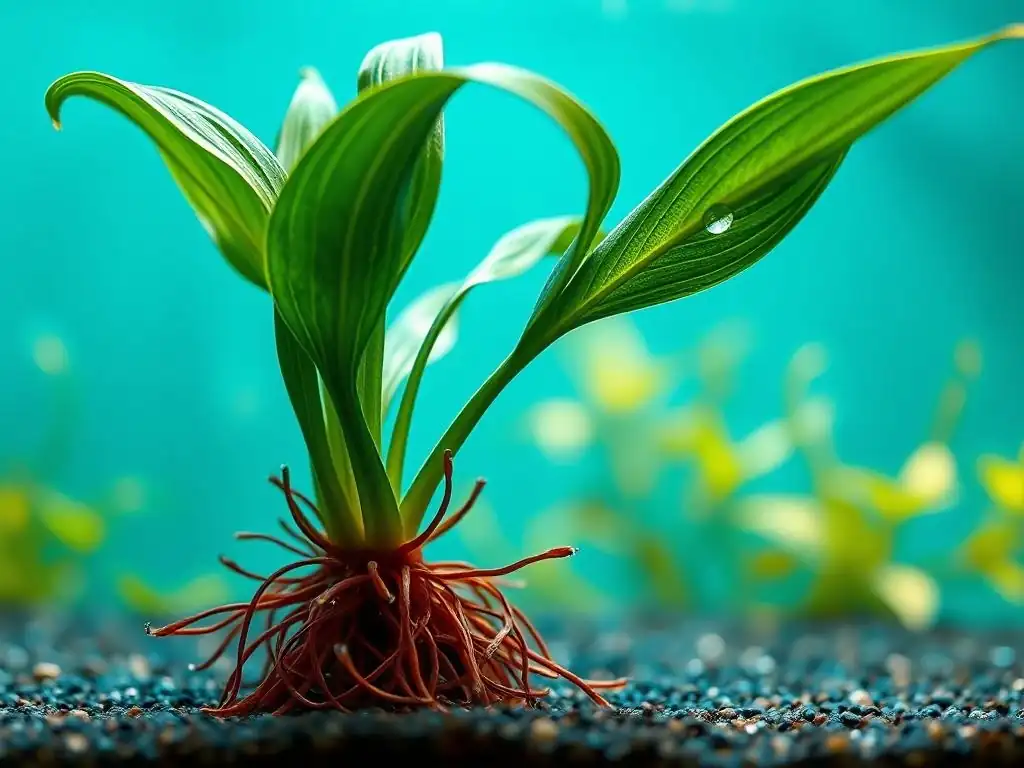
Live aquatic plants play a significant role in creating a balanced and healthy aquarium ecosystem, acting as natural filters that complement the biological filtration provided by nitrifying bacteria. Plants absorb nitrates ( NO3-), the final product of the nitrogen cycle, as a primary nutrient for their growth. This absorption helps to keep nitrate levels low, reducing the frequency of water changes needed to control these compounds, especially in heavily planted tanks. For instance, a tank densely planted with fast-growing species like Hornwort or Water Wisteria can significantly reduce nitrate concentrations from 40 ppm to below 10 ppm in a week.
Beyond nitrate absorption, plants also utilize ammonia ( NH3) and ammonium ( NH4+) directly, particularly during the initial stages of the nitrogen cycle when bacterial colonies are still establishing. This direct uptake can help mitigate the severity of ammonia spikes, providing an additional layer of protection against fast aquarium cycling dangers for fish. Furthermore, plants oxygenate the water through photosynthesis, which is crucial for both fish health and the thriving of aerobic nitrifying bacteria.
Choosing the Right Plants for Your Aquarium
Selecting the appropriate plants for your aquarium depends on various factors, including tank size, lighting conditions, and the specific needs of your fish. For beginners or those looking for robust nitrate removers, fast-growing, low-light plants are excellent choices. Examples include Java Fern ( Microsorum pteropus), Anubias species ( Anubias barteri), and various mosses like Java Moss ( Taxiphyllum barbieri), which are hardy and require minimal care. Floating plants such as Frogbit ( Limnobium laevigatum) or Dwarf Water Lettuce ( Pistia stratiotes) are also highly effective at nutrient absorption due to their direct access to atmospheric CO2.
For aquarists with higher lighting and CO2 injection, stem plants like Rotala or Ludwigia species can provide incredibly efficient nitrate uptake. When choosing plants, consider their potential size, light requirements, and whether they are compatible with your chosen fish species (e.g., some fish might uproot delicate plants). Introducing a good selection of live plants from the start can significantly contribute to the stability and health of your aquarium, making the cycling process smoother and mitigating fast aquarium cycling dangers.
Avoiding "New Tank Syndrome": Proactive Steps for a Successful Setup
Water Changes and Maintenance: Essential Practices for a Healthy Aquarium
Regular water changes and consistent maintenance are paramount to preventing "New Tank Syndrome" and ensuring the long-term health of your aquarium. During the cycling process, especially if performing a fish-in cycle, daily or every-other-day partial water changes (e.g., 25-50% of the tank volume) are often necessary to dilute toxic ammonia and nitrite levels. This proactive approach protects fish from the fast aquarium cycling dangers by keeping toxin concentrations manageable while allowing beneficial bacteria to slowly establish.
Even after the tank is fully cycled, routine maintenance, including weekly or bi-weekly water changes (e.g., 25% of the tank volume), is crucial for removing accumulated nitrates, phosphates, and other dissolved organic compounds that can build up over time. Regular gravel vacuuming to remove uneaten food and fish waste, along with cleaning filter media (gently rinsing in old tank water to preserve bacteria), ensures that the biological filter remains efficient and the water quality consistently high.
Selecting Appropriate Fish for a Newly Cycled Tank: Considering Hardiness and Temperament
The final proactive step in avoiding "New Tank Syndrome" and the associated fast aquarium cycling dangers is to carefully select appropriate fish for your newly cycled tank. Even a perfectly cycled tank experiences slight fluctuations when fish are first introduced. Therefore, starting with hardy, less sensitive species is highly recommended. Good choices for initial stocking in freshwater tanks often include small, robust community fish like Guppies, Platies, Swordtails, or certain types of Tetras (e.g., Neon Tetras, although slightly less hardy than livebearers, are common first fish).
Avoid adding large, messy, or highly sensitive fish (e.g., Oscars, Discus, Arowanas) to a newly cycled tank, as their bioload can easily overwhelm a nascent bacterial colony, even if the tank initially tested at 0 ppm for ammonia and nitrite. Research the specific needs and temperament of each species, ensuring they are compatible with each other and the tank's size.
Introduce fish slowly, in small groups over several weeks, allowing the biological filter to gradually adjust to the increasing bioload. This thoughtful approach significantly reduces stress on both the fish and the ecosystem, paving the way for a thriving aquarium.
Frequently Asked Questions
Can cycling an aquarium too quickly actually be harmful?
Yes, attempting to speed up the aquarium cycling process beyond a natural pace can lead to an unstable ecosystem. This can result in ammonia and nitrite spikes that are toxic to fish.
What are the primary dangers associated with a rushed aquarium cycle?
The rapid introduction of ammonia without a sufficient beneficial bacteria colony can cause ammonia poisoning in fish. This is further exacerbated by a subsequent nitrite spike, also deadly to aquatic life.
How does attempting to "fast cycle" affect the beneficial bacteria in the tank?
Overdoing it can disrupt the natural development of bacteria colonies. Introducing excessive ammonia sources or using harsh chemicals might harm or even kill the delicate bacteria needed for a healthy cycle.
What role does water chemistry play in the context of fast aquarium cycling dangers?
Attempting to manipulate water parameters with chemicals to accelerate cycling can create dangerous imbalances. These imbalances might stress fish and impede the establishment of a stable biological filter.
What are some alternative, safer methods for establishing a healthy aquarium cycle?
Consider using established filter media from a healthy tank. Also, introduce ammonia slowly and monitor water parameters frequently. Patience and gradual introduction of livestock are crucial.
Final Reflection: The Patience of Ecosystems
The journey through understanding the fast aquarium cycling dangers reveals a crucial truth: even in our controlled environments, nature demands respect and time. The pursuit of a pristine, thriving aquarium often leads to a desire for immediate results, yet, as we've explored, rushing this delicate process can have devastating consequences. The balance of a healthy ecosystem, whether in a vast ocean or a small glass tank, hinges on the gradual and harmonious development of its foundational elements.
This exploration has underscored the profound influence of patience on our interactions with the natural world. It reminds us that true mastery lies not in forcing outcomes, but in understanding and nurturing the inherent processes at play. Nature does not hurry, yet everything is accomplished.
This quote, often attributed to Lao Tzu, perfectly encapsulates the essence of successful aquarium cycling and serves as a broader metaphor for life itself. The slow, steady development of beneficial bacteria is a testament to the power of gradual growth and the importance of allowing ecosystems to establish themselves organically.
As you consider the lessons learned about fast aquarium cycling dangers, I invite you to reflect on the broader implications of patience and respect in your own life. How can you apply this understanding to other areas where you seek rapid progress? Embrace the beauty of gradual development, trust in the natural processes at work, and remember that true perfection often emerges not from speed, but from the careful cultivation of a balanced and thriving foundation.
Dive Deeper: Nurture Your Aquarium's Ecosystem!
Thank you for exploring the crucial topic of aquarium cycling with us. Now that you understand the potential pitfalls of rushing the process, it's time to take proactive steps to ensure a thriving aquatic environment for your fish.
Here's how you can nurture your aquarium's ecosystem and avoid the dangers of a rushed cycle:
- Prioritize Patience: Resist the urge to add fish too soon. Regularly test your water parameters (ammonia, nitrite, and nitrate) to confirm the cycle is complete – ammonia and nitrite levels at zero, with measurable nitrates.
- Explore Alternative Cycling Methods: Research and consider using established filter media or beneficial bacteria supplements to accelerate the cycling process naturally, but always monitor water parameters closely.
- Share Your Cycling Journey: Engage with other aquarium enthusiasts online. Document your cycling progress and share tips or challenges you've encountered in online forums to help others learn and succeed.
What innovative methods have you found most effective in establishing a healthy nitrogen cycle in your aquarium?