
Marble Molly: Unique Patterns and Their Care Requirements

Welcome to Aquarium Mastery!
Ever been captivated by the mesmerizing patterns of a Marble Molly? Dive into our comprehensive Marble Molly care guide and unlock the secrets to keeping these beautiful fish thriving in your freshwater aquarium. Discover everything you need to know about their unique needs, from tank setup to breeding habits, and ensure a vibrant and healthy life for your finned friends. Ready to become a Marble Molly master? Let's get started!
- Marble Molly Care Guide: Unique Patterns and Care Requirements
- Understanding the Marble Molly: An Introduction to This Unique Livebearer
- Setting Up the Ideal Aquarium for Marble Mollies
- Water Parameters: Maintaining Optimal Conditions for Marble Molly Health
- Feeding Your Marble Molly: A Balanced Diet for Vibrant Colors and Growth
- Marble Molly Tank Mates: Choosing Compatible Companions
- Marble Molly Breeding: Encouraging Reproduction in Your Aquarium
- Marble Molly Health: Recognizing and Treating Common Diseases
- Marble Molly Color Variations and Patterns: Exploring the Diversity
- Troubleshooting Common Marble Molly Issues
- The Complete Marble Molly Care Guide: Ensuring a Thriving Aquarium
-
Frequently Asked Questions
- What are the key characteristics of Marble Mollies that make them unique?
- What are the ideal water parameters for a Marble Molly aquarium?
- What kind of diet should I provide for my Marble Mollies?
- How often should I perform water changes in a Marble Molly tank?
- What are some common health issues that affect Marble Mollies, and how can I prevent them?
- Final Reflection: Embracing the Art of Marble Molly Keeping
- Dive Deeper into Molly Marvels!
Marble Molly Care Guide: Unique Patterns and Care Requirements
Understanding the Marble Molly: An Introduction to This Unique Livebearer
What is a Marble Molly? Defining the Distinctive Characteristics
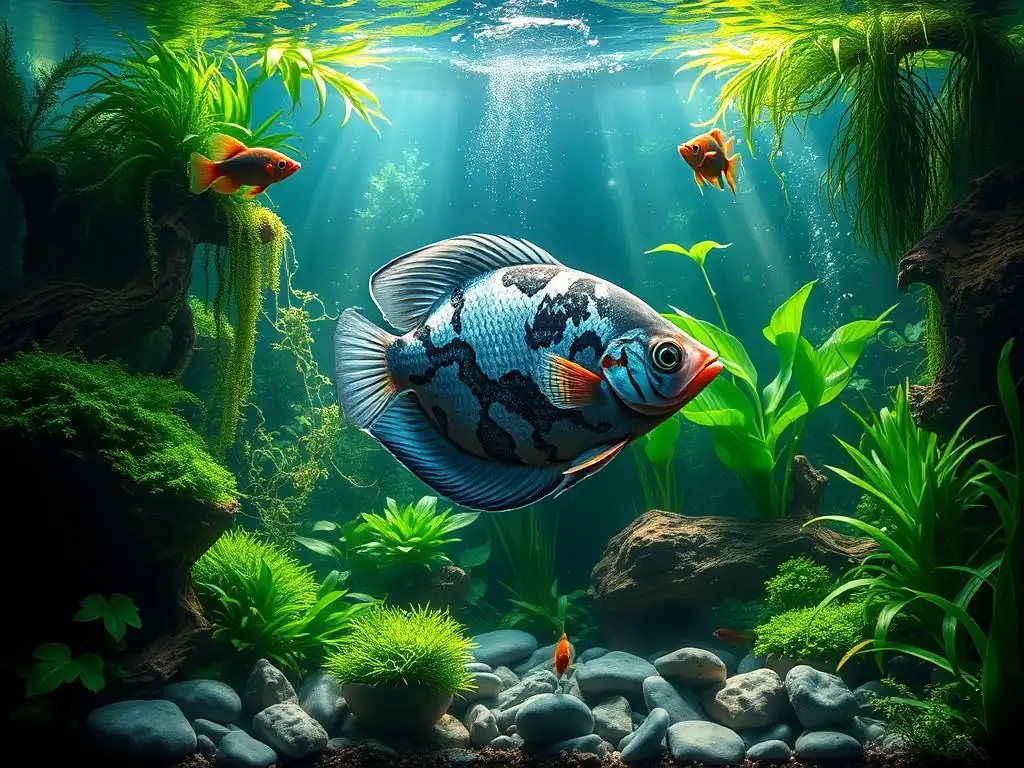
The Marble Molly, a captivating variant of the Poecilia sphenops (short-finned molly) or Poecilia latipinna (sailfin molly), is renowned for its striking, irregular black and white or black and silver patterns that resemble a marble slab. Unlike solid-colored mollies, each Marble Molly possesses a unique mosaic, making no two fish exactly alike. This distinctive coloration is a result of selective breeding over many generations, highlighting the genetic diversity within the molly species. They are livebearers, meaning they give birth to live, free-swimming fry rather than laying eggs, a characteristic that often appeals to aquarists interested in breeding.
These fascinating fish typically reach a size of 2 to 4 inches (5 to 10 cm) in length, with males generally being smaller and possessing a more pointed anal fin (gonopodium) used for reproduction. Their natural habitat spans freshwater and brackish environments in Central and South America, although the Marble Molly specifically is a commercially bred variant. Understanding their origins as a robust and adaptable species is key to providing the best Marble Molly care, as they thrive in conditions that mimic their ancestral preferences for harder, alkaline water.
The Allure of Marble Mollies: Why They're Popular Among Aquarists
Marble Mollies hold a prominent place in the freshwater aquarium hobby due to their vibrant appearance, active swimming behavior, and relatively peaceful temperament. Their unique patterns add a dynamic visual element to any community tank, breaking the monotony of solid-colored fish. Beyond their aesthetic appeal, their hardiness makes them a suitable choice for both novice and experienced aquarists seeking a low-maintenance yet engaging species. Their ability to tolerate a range of water conditions, including slightly brackish environments, further broadens their appeal.
Furthermore, the prolific breeding nature of Marble Mollies contributes significantly to their popularity. For those interested in observing the life cycle of fish or even engaging in small-scale breeding projects, Marble Mollies offer frequent opportunities. A single female can produce anywhere from 20 to 100 fry every 30-40 days under optimal conditions, providing a rewarding experience for aquarists. This ease of breeding, combined with their striking patterns and generally peaceful demeanor, cements the Marble Molly's status as a beloved aquarium inhabitant and a focal point for many a Marble Molly care guide.
Setting Up the Ideal Aquarium for Marble Mollies
Tank Size Considerations for Happy and Healthy Marble Mollies
Establishing an appropriately sized aquarium is fundamental to providing optimal Marble Molly care and ensuring the well-being of these active fish. While a single Marble Molly might survive in a 10-gallon tank, a minimum of 20 gallons (approximately 75 liters) is highly recommended for a small group of 3-5 individuals. This larger volume provides ample swimming space, helps maintain stable water parameters, and reduces stress among the fish, especially if you plan to keep multiple mollies, as they appreciate company.
For a thriving community tank or if you intend to keep a larger group of Marble Mollies and their potential offspring, a 30-gallon (115 liters) or larger aquarium is even more beneficial. The general guideline of allowing at least 1 gallon of water per inch of adult fish is a useful starting point, but for active swimmers like mollies, more space is always better. Overcrowding can lead to increased aggression, poor water quality, and heightened susceptibility to diseases, making proper tank sizing a critical component of any effective Marble Molly care guide.
Essential Equipment for a Marble Molly Tank: Filters, Heaters, and Lighting
Beyond tank size, selecting the right equipment is paramount for a successful Marble Molly aquarium. A reliable filtration system is crucial to maintain pristine water quality, which is vital for the health of your Marble Mollies. Hang-on-back (HOB) filters or canister filters with adequate biological, mechanical, and chemical filtration are excellent choices for tanks over 20 gallons. Sponge filters can also be effective for smaller tanks or breeding setups, providing gentle filtration and a surface for beneficial bacteria.
Given that Marble Mollies are tropical fish, a submersible aquarium heater is indispensable to maintain a stable water temperature between 75-82°F (24-28°C). Fluctuations outside this range can stress the fish and compromise their immune systems. Additionally, while mollies do not have specific lighting requirements beyond what is necessary for plant growth (if desired) and viewing, a standard LED aquarium light for 8-10 hours a day will suffice. This ensures a natural day-night cycle, which is beneficial for the fish's overall well-being and aids in observing their unique Marble Molly patterns.
Substrate and Decoration: Creating a Natural Habitat for Your Marble Mollies
The choice of substrate and decorations significantly impacts the environment within your Marble Molly aquarium, contributing to both their comfort and the aesthetic appeal of the tank. A fine gravel or sand substrate is generally suitable, providing a natural look and allowing for easy cleaning. Mollies are not known for digging, so the substrate primarily serves as a base for plants and decor. Opting for a darker substrate can also help to highlight the vibrant, contrasting patterns of your Marble Mollies.
Incorporating live plants, such as Anubias, Java Fern, or Vallisneria, is highly recommended. These plants not only enhance the tank's natural beauty but also provide essential benefits: they help absorb nitrates, produce oxygen, and offer hiding spots for the fish, especially for female mollies seeking refuge from persistent males or for newborn fry.
Driftwood, rocks, and caves can further enrich the environment, providing additional shelter and contributing to a sense of security for your Marble Mollies. When adding any decor, ensure it has no sharp edges that could injure the fish and that it does not significantly alter water parameters, especially pH, which is a key consideration in Marble Molly care.
Water Parameters: Maintaining Optimal Conditions for Marble Molly Health
Temperature and pH Levels: Key Factors for Marble Molly Well-being
Maintaining precise water parameters is the cornerstone of effective Marble Molly care. These tropical fish thrive in warm water, with an ideal temperature range of 75-82°F (24-28°C). Consistent temperature within this range is crucial, as sudden fluctuations can cause stress and make them susceptible to common diseases like Ich. Using a reliable aquarium heater with a thermostat is essential to ensure stability.
Beyond temperature, pH levels are equally critical. Marble Mollies prefer hard, alkaline water, with an optimal pH range of 7.0 to 8.5. Many aquarists find that a pH between 7.5 and 8.0 is ideal for promoting vibrant colors and robust health. Unlike many freshwater fish, mollies can also tolerate, and sometimes even thrive in, slightly brackish conditions (adding a small amount of aquarium salt), which can boost their immunity and vibrancy. Regularly testing both temperature and pH with accurate aquarium test kits is vital to ensure these parameters remain within the healthy range for your Marble Mollies.
Water Changes: A Crucial Aspect of Marble Molly Care
Regular water changes are arguably the most important maintenance task for sustaining a healthy Marble Molly aquarium. Over time, fish waste, uneaten food, and decaying plant matter accumulate, leading to a build-up of nitrates and other undesirable compounds. While a good filtration system helps, it cannot entirely remove nitrates. Performing weekly water changes of 25-30% of the tank's volume is generally recommended to dilute these pollutants and replenish essential minerals.
When conducting water changes, always use dechlorinated water that is as close as possible to the tank's current temperature and pH. Sudden drastic changes in water chemistry or temperature can shock the fish, leading to stress or even death. For Marble Molly care, consistency is key; establishing a routine for water changes will significantly contribute to the long-term health, vitality, and impressive patterns of your fish, preventing many common health issues before they even begin.
Avoiding Common Water Quality Issues in Marble Molly Aquariums
Preventing water quality issues is far more effective than treating their symptoms. The most common problems encountered in Marble Molly aquariums relate to the nitrogen cycle: ammonia, nitrite, and nitrate. Ammonia and nitrite are highly toxic to fish and should always be at zero parts per million (ppm). Nitrates, while less toxic, become harmful in high concentrations, typically above 20-40 ppm. Ensuring your tank is fully cycled before introducing fish, using a good filter, and avoiding overfeeding are primary preventative measures.
Another common issue is insufficient water hardness or alkalinity, which can cause mollies to become lethargic or develop health problems. If your tap water is naturally soft, you may need to use buffering agents or add crushed coral to the substrate to raise the carbonate hardness (KH) and pH. Regular testing with a comprehensive liquid test kit for ammonia, nitrite, nitrate, pH, and KH will help you identify and address potential water quality issues proactively, ensuring your Marble Molly care routine fosters a stable and healthy environment.
Feeding Your Marble Molly: A Balanced Diet for Vibrant Colors and Growth
What Do Marble Mollies Eat? Understanding Their Dietary Needs
Marble Mollies are omnivores, meaning their natural diet consists of both plant matter and small invertebrates. In the wild, they graze on algae, detritus, and small insect larvae. This dietary flexibility means that a varied diet is crucial for their health and the vibrancy of their unique Marble Molly patterns in an aquarium setting. While they readily accept flake foods, relying solely on one type of food can lead to nutritional deficiencies over time.
A balanced diet for Marble Mollies should emphasize their herbivorous tendencies. Foods rich in spirulina or other plant-based ingredients are highly beneficial. Supplementing their diet with occasional protein-rich options ensures they receive all necessary amino acids for proper growth and development. Understanding these dietary needs is a fundamental aspect of comprehensive Marble Molly care, contributing directly to their longevity and disease resistance.
Recommended Foods for Marble Mollies: Flakes, Live Foods, and Vegetables
To provide a complete and balanced diet, a combination of high-quality commercial foods and fresh supplements is recommended. A good staple diet should consist of premium flake food or pellets specifically formulated for omnivorous tropical fish, with a significant vegetable content. Look for brands that list spirulina, algae, or other plant-based ingredients high on their list.
Supplementing this staple with blanched vegetables like zucchini slices, shelled peas, or spinach can greatly enhance their diet and provide essential fiber. These can be offered a few times a week. For protein, occasional feedings of live or frozen foods such as brine shrimp, daphnia, or bloodworms are excellent. These provide vital nutrients and stimulate natural foraging behaviors. Always ensure that any live foods are sourced from reputable suppliers to avoid introducing diseases into your Marble Molly aquarium.
Feeding Schedule: How Often to Feed Your Marble Mollies
Establishing a consistent feeding schedule is important for the health and well-being of your Marble Mollies. It is generally recommended to feed them small amounts 2 to 3 times a day, rather than one large meal. This approach prevents overfeeding, which can lead to uneaten food decaying and polluting the water, contributing to ammonia and nitrite spikes.
The amount of food given at each feeding should be what your Marble Mollies can consume entirely within 2-3 minutes. Any food left floating or sinking to the bottom after this time indicates overfeeding and should be removed promptly to maintain water quality. Observing your fish during feeding will help you gauge the appropriate portion size. A well-managed feeding regimen is a simple yet critical part of ensuring excellent Marble Molly care and maintaining a pristine aquatic environment.
Marble Molly Tank Mates: Choosing Compatible Companions
Ideal Tank Mates for Marble Mollies: Peaceful and Similarly Sized Fish
Choosing the right tank mates is crucial for a harmonious Marble Molly aquarium. Marble Mollies are generally peaceful and social fish, thriving in community settings with other non-aggressive species. Ideal companions include other livebearers such as Guppies, Platies, and Swordtails, as they share similar water parameter preferences and temperaments. These fish often school together, creating a vibrant and active display.
Beyond livebearers, many peaceful schooling fish are excellent choices. Tetras like Neon Tetras, Cardinal Tetras, and Rummy-nose Tetras, along with peaceful bottom dwellers such as Corydoras catfish, make great additions. Dwarf Gouramis and Bristlenose Plecos can also coexist peacefully. The key is to select fish that are similarly sized, have calm dispositions, and prefer the same hard, alkaline water conditions as your Marble Mollies to ensure a stress-free environment for all inhabitants.
Fish to Avoid: Incompatible Tank Mates for Marble Mollies
While Marble Mollies are generally docile, certain fish species are incompatible and should be avoided in a Marble Molly care setup. Highly aggressive or territorial fish, such as most Cichlid species (e.g., Convict Cichlids, Jack Dempseys), can harass, injure, or even kill your mollies. Their aggressive nature makes them unsuitable for a peaceful community tank.
Additionally, very small or delicate fish might become targets for bullying or simply be outcompeted for food by the more robust mollies. Fish known for fin-nipping, such as Tiger Barbs or certain types of larger Barbs, can stress and injure your Marble Mollies, leading to secondary infections like fin rot. It's also wise to avoid extremely large fish that could view mollies as prey. Careful research into species compatibility is a vital step in planning your Marble Molly aquarium.
Considerations for Community Tank Setup with Marble Mollies
When setting up a community tank with Marble Mollies, several considerations go beyond simple compatibility. Adequate tank size is paramount; even peaceful fish can become stressed or aggressive in overcrowded conditions. A 30-gallon tank is often a good starting point for a mixed community, allowing sufficient space for multiple species to establish territories and swim freely.
Ensuring that all chosen species share similar water parameter requirements (temperature, pH, hardness) is also critical to prevent stress and health issues. Providing ample hiding spots with plants, driftwood, and rock formations can help reduce potential conflicts and provide a sense of security for all fish. Lastly, closely observing the interactions between your Marble Mollies and their tank mates, especially during the first few days after introduction, will help you identify and address any potential issues promptly, ensuring a thriving and harmonious Marble Molly care environment.
Marble Molly Breeding: Encouraging Reproduction in Your Aquarium
Sexing Marble Mollies: Identifying Males and Females
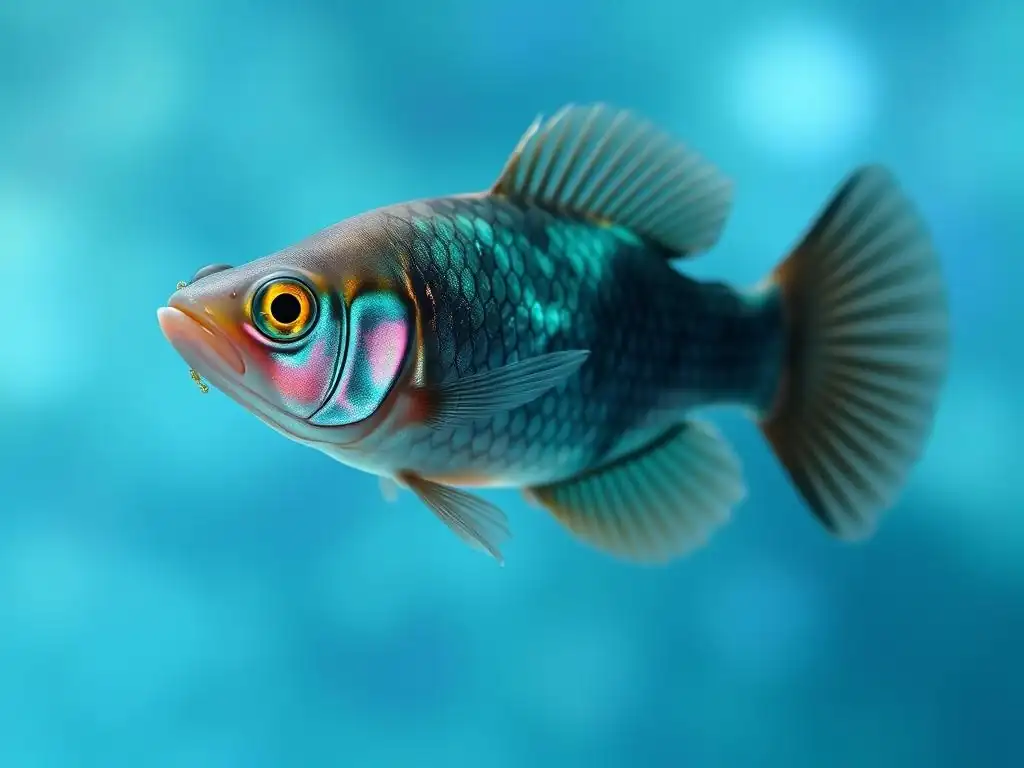
Identifying the sex of Marble Mollies is relatively straightforward, a key aspect for those interested in Marble Molly breeding. Males are generally smaller and more slender than females. The most distinguishing feature, however, is the anal fin. In male mollies, the anal fin is modified into a pointed, rod-like organ called a gonopodium, which is used for internal fertilization. This structure is easily visible and makes sexing quite simple even for beginners.
Female Marble Mollies, on the other hand, have a fan-shaped anal fin, which is much broader and rounded than the male's gonopodium. Females also tend to be larger and more robust, especially when gravid (pregnant), exhibiting a noticeable gravids spot near their anal fin, which darkens as the fry develop. Understanding these differences is essential not only for breeding purposes but also for maintaining an appropriate male-to-female ratio, typically 1 male to 2-3 females, to reduce stress on the females from constant male attention.
Breeding Behavior: What to Expect When Marble Mollies Mate
Marble Mollies are prolific livebearers, meaning they breed continuously and give birth to live, free-swimming fry. Once a male fertilizes a female, she can store sperm for several months, allowing her to produce multiple batches of fry without further male interaction. The gestation period typically ranges from 20 to 40 days, depending on factors like water temperature and the female's health.
During the later stages of pregnancy, a gravid female will appear noticeably fuller, and the gravid spot near her anal fin will darken. She might also become more reclusive or seek out hiding spots. When birth is imminent, she may exhibit labor signs such as rapid breathing or remaining stationary.
A single female can produce anywhere from 20 to 100 or more fry in one batch. While adults will often prey on their offspring, providing dense plant cover (like Java moss) or using a breeding box can help increase fry survival rates, which is a common goal in Marble Molly care for breeders.
Raising Marble Molly Fry: Caring for the Newborns
Caring for Marble Molly fry requires specific attention to ensure their survival and healthy development. Immediately after birth, the fry are tiny but fully formed and capable of swimming and feeding on their own. However, they are highly vulnerable to predation by adult fish, including their parents. To maximize survival, many aquarists choose to move the gravid female to a separate breeding tank or use a breeding box within the main aquarium just before she gives birth.
Once the fry are born, they should be fed small, frequent meals of specialized fry food, crushed high-quality flake food, or newly hatched brine shrimp. Feeding 3-4 times a day is ideal to support their rapid growth. Maintaining pristine water quality is equally important for fry; small, daily water changes (around 10-15%) using a siphon that won't suck up the tiny fry are recommended.
As they grow, they can be gradually introduced to the main tank once they are large enough to avoid being eaten, usually around 1-2 months old. This dedicated Marble Molly care for fry ensures a new generation of these beautiful fish.
Marble Molly Health: Recognizing and Treating Common Diseases
Common Marble Molly Diseases: Identifying Symptoms and Causes
Marble Mollies, while generally hardy, are susceptible to several common freshwater aquarium diseases if water quality is poor or they are stressed. One of the most prevalent is Ich (Ichthyophthirius multifiliis), also known as White Spot Disease, characterized by small, white, salt-like spots on the fish's body and fins. It's often caused by sudden temperature fluctuations or the introduction of infected new fish. Another common ailment is Fin Rot, where fins appear frayed, ragged, or develop a white, fuzzy edge; this is typically a bacterial infection stemming from poor water quality or injury.
Velvet disease (Oodinium) presents as a fine, dusty, yellowish or brownish coating on the fish, often accompanied by rapid breathing and scratching. This parasitic infection is highly contagious and can be fatal if not treated promptly. Swim Bladder Disorder, which causes the fish to struggle with buoyancy (swimming upside down, on its side, or unable to dive), can be due to bacterial infections, poor diet (constipation), or physical trauma. Recognizing these symptoms early is crucial for effective Marble Molly care and intervention.
Preventing Diseases: Maintaining a Healthy Environment
Prevention is the best approach to Marble Molly care when it comes to fish diseases. The vast majority of ailments can be avoided by maintaining stable, pristine water parameters within their preferred ranges (temperature 75-82°F, pH 7.0-8.5). Regular weekly water changes of 25-30% are essential to keep nitrate levels low and replenish vital minerals. Overfeeding should be avoided as it leads to decaying food and ammonia spikes, directly contributing to poor water quality.
A balanced and varied diet, as previously discussed, strengthens the fish's immune system, making them more resilient to pathogens. Quarantining all new fish for at least 2-4 weeks in a separate tank before introducing them to the main aquarium is a critical preventative measure. This allows you to observe new fish for signs of disease and treat them without risking the health of your existing Marble Mollies. Minimizing stress by providing adequate tank size, appropriate tank mates, and plenty of hiding spots also significantly reduces susceptibility to illness.
Treating Sick Marble Mollies: Effective Medications and Remedies
If your Marble Mollies do fall ill, prompt and accurate treatment is vital. For Ich, increasing the water temperature gradually to 82-84°F (28-29°C) for several days (if compatible with tank mates) and adding aquarium salt (1 tablespoon per 5 gallons, dissolved first) can be effective. Specific Ich medications containing malachite green or formalin are also available. For Fin Rot, improving water quality immediately through significant water changes is the first step, followed by broad-spectrum antibacterial medications if symptoms persist.
Velvet disease often requires specific copper-based medications or acriflavine, combined with dimming the lights, as the parasite is photosynthetic. Swim Bladder Disorder can sometimes be resolved by fasting the fish for 2-3 days, then feeding blanched, deshelled peas, which act as a natural laxative. If it's bacterial, specific antibiotics may be needed. Always remove activated carbon from your filter before adding medications, as it will absorb them. Following product instructions carefully and, if possible, treating fish in a separate hospital tank will ensure the most effective Marble Molly care and recovery.
Marble Molly Color Variations and Patterns: Exploring the Diversity
Different Marble Molly Patterns: From Classic to Rare Variations
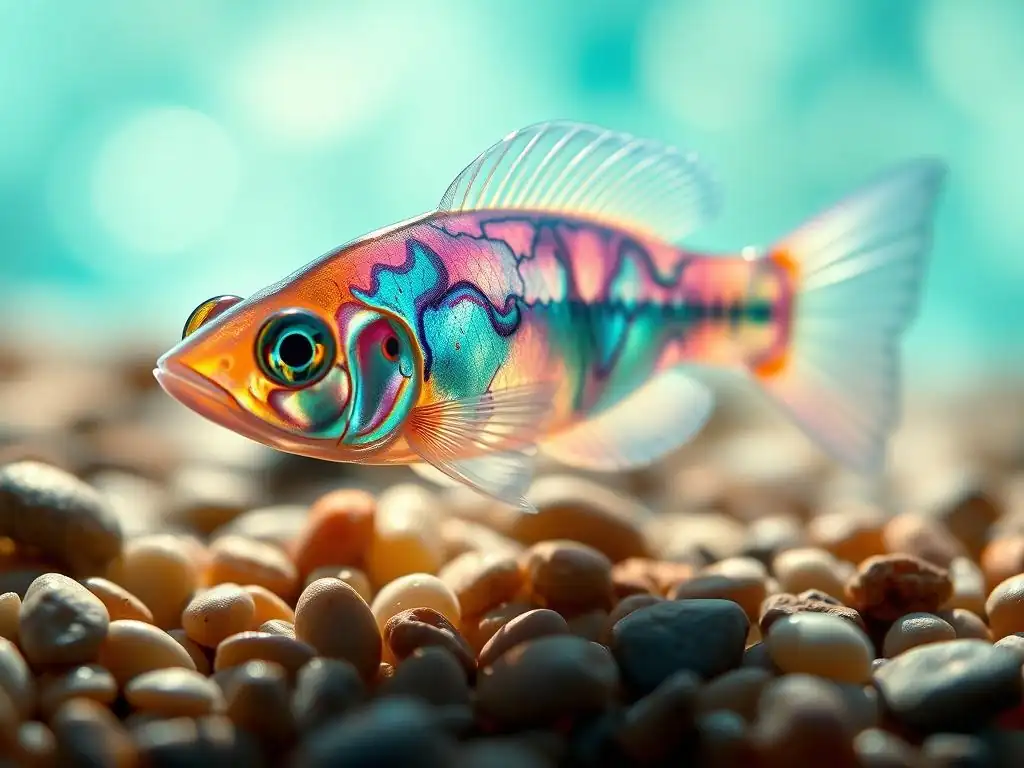
The Marble Molly is celebrated for its incredible diversity in patterns and forms, making each fish a unique living artwork. The classic Marble Molly pattern typically features a stark contrast of black and white or black and silver patches, resembling a fractured mosaic. However, selective breeding has led to a fascinating array of variations. Some exhibit a more "Dalmatian" pattern, with smaller, more numerous black spots on a lighter body, creating a speckled appearance.
Beyond the standard marbled body, these fish also come in various fin types, such as the Lyretail Molly, with elongated, flowing fins that add an elegant dimension to their marbled bodies. Balloon Mollies, characterized by their short, rounded bodies, can also display the marble pattern, offering a more compact and endearing form. Less common variations might include subtle hints of orange or yellow within the marbled patches, though these are rarer. Exploring these diverse Marble Molly patterns is a joy for enthusiasts and a key aspect of appreciating this beautiful fish.
Maintaining Color Vibrancy: Tips for Enhancing Marble Molly Colors
To ensure your Marble Mollies display their most vibrant and striking patterns, several factors in their care regimen are crucial. Foremost among these is providing a high-quality, balanced diet rich in spirulina and other plant matter. Foods containing natural color enhancers, such as astaxanthin, can help intensify black and orange pigments, though the marble pattern itself is genetic. A varied diet ensures they receive all necessary nutrients for overall health, which directly translates to better coloration.
Pristine water quality is another non-negotiable aspect. Stable water parameters (warm temperature, high pH, and hardness) and consistent weekly water changes reduce stress and prevent disease, allowing the fish to allocate energy towards maintaining their brilliant coloration. A dark substrate and background can also visually enhance the contrast of their black and white patterns, making them appear even more striking. By adhering to these Marble Molly care tips, you can ensure your fish remain a vibrant focal point in your aquarium.
Choosing the Right Marble Molly for Your Aquarium: Considering Appearance and Health
When selecting Marble Mollies for your aquarium, it's important to consider both their aesthetic appeal and their overall health. While the unique Marble Molly patterns are undoubtedly attractive, prioritize healthy specimens to ensure a thriving addition to your tank. Look for fish that are active and alert, swimming freely and not hiding excessively. Their fins should be fully extended and free from tears, nips, or signs of fin rot.
Observe their body for any visible spots (like Ich), fungal growths, or unusual swellings. Their eyes should be clear and bright, not cloudy or sunken. A healthy Marble Molly will have a full, well-rounded body (unless it's a Balloon Molly) and consistent coloration without faded patches that might indicate stress or illness. Inquiring about the fish's source and quarantine practices at the pet store can also provide valuable insight. Taking these steps ensures you bring home not just a beautiful fish, but a healthy one that will thrive with proper Marble Molly care.
Troubleshooting Common Marble Molly Issues
Marble Molly Fin Rot: Causes, Symptoms, and Treatment
Fin Rot is a common bacterial infection that often affects Marble Mollies, particularly when water quality is poor or fish are stressed. The primary symptoms include the edges of the fins appearing ragged, frayed, or disintegrating. The affected areas may also become cloudy, white, or red, and in severe cases, the fins can entirely rot away, potentially exposing the body. Causes typically include high ammonia or nitrite levels, infrequent water changes, overcrowding, or physical injury that allows bacteria to enter.
Treating Marble Molly Fin Rot primarily involves addressing the underlying cause. Begin by performing a significant water change (30-50%) and thoroughly cleaning the substrate to improve water quality. Ensure your filtration is adequate and avoid overfeeding. For mild cases, consistent clean water may be sufficient for recovery. For more advanced cases, over-the-counter antibacterial medications specifically for Fin Rot, such as those containing furan-2 or erythromycin, may be necessary. Always follow medication instructions carefully and consider treating in a separate hospital tank to protect other inhabitants.
Marble Molly Ich (White Spot Disease): Identification and Management
Ich, or White Spot Disease, is a highly common and highly contagious parasitic infection that can affect Marble Mollies. It is caused by the parasite Ichthyophthirius multifiliis. The most recognizable symptom is the appearance of small, white, salt-like spots scattered across the fish's body, fins, and gills. Affected Marble Mollies may also exhibit flashing (rubbing against tank decorations), clamped fins, lethargy, and rapid breathing due to gill irritation. Stress, sudden temperature changes, or the introduction of infected new fish are common triggers.
Treating Ich in Marble Mollies involves a multi-pronged approach. Gradually raise the water temperature to 82-84°F (28-29°C) over 24 hours, as higher temperatures accelerate the parasite's life cycle, making it more vulnerable to treatment. Add aquarium salt at a concentration of 1 tablespoon per 5 gallons (dissolved first) to aid in gill function and help kill the parasite. Additionally, use an Ich-specific medication containing malachite green or formalin, following the manufacturer's instructions precisely. Continue treatment for several days after visible spots disappear to eradicate all life stages of the parasite, ensuring a complete Marble Molly care recovery.
Marble Molly Swim Bladder Disorder: Understanding and Addressing the Issue
Swim Bladder Disorder is a condition that affects a Marble Molly's ability to control its buoyancy, leading to difficulty swimming normally. Symptoms vary but often include the fish swimming upside down, on its side, struggling to stay upright, or being unable to dive below the surface. This disorder is not a disease itself but rather a symptom of an underlying problem affecting the swim bladder organ. Common causes include overfeeding, which can lead to constipation and pressure on the swim bladder; a diet too high in dry, low-fiber foods; bacterial infections; or physical trauma.
Addressing Swim Bladder Disorder in your Marble Molly often begins with dietary adjustments. Fast the affected fish for 2-3 days to clear its digestive system. After fasting, feed blanched, deshelled peas, which are high in fiber and can help alleviate constipation. If the issue persists or if other symptoms of bacterial infection are present, a broad-spectrum antibacterial medication may be necessary. Ensuring a balanced diet with sufficient plant matter and avoiding overfeeding are key preventative measures in Marble Molly care to minimize the occurrence of this frustrating condition.
The Complete Marble Molly Care Guide: Ensuring a Thriving Aquarium
Frequently Asked Questions
What are the key characteristics of Marble Mollies that make them unique?
Marble Mollies are known for their unique, marbled color patterns, which vary greatly between individuals. These patterns are a result of genetic variations and contribute to their distinctive appearance in the aquarium. They are also generally peaceful fish.
What are the ideal water parameters for a Marble Molly aquarium?
Marble Mollies thrive in slightly alkaline water, typically with a pH between 7.0 and 8.0. The water temperature should be maintained between 72°F and 78°F (22°C to 26°C). Stable water parameters are crucial for their health.
What kind of diet should I provide for my Marble Mollies?
Marble Mollies are omnivores and require a balanced diet of both plant-based and protein-rich foods. High-quality flake food, supplemented with algae wafers and occasional treats like brine shrimp, is ideal. Variety in their diet is key to their well-being.
How often should I perform water changes in a Marble Molly tank?
Regular water changes are essential to maintain water quality. A 25% water change should be performed every one to two weeks, depending on the tank size and bioload. Monitoring water parameters helps determine the necessary frequency.
What are some common health issues that affect Marble Mollies, and how can I prevent them?
Common issues include ich, fin rot, and swim bladder disease. Maintaining excellent water quality, providing a balanced diet, and avoiding overcrowding are crucial for prevention. Quarantine new fish to prevent disease outbreaks.
Final Reflection: Embracing the Art of Marble Molly Keeping
The intricate patterns and captivating beauty of Marble Mollies, as we've explored, are not merely aesthetic; they represent a delicate balance of genetics and environment. Understanding their unique care requirements, as detailed in this Marble Molly care guide, is crucial for ensuring their health and longevity, allowing us to truly appreciate the artistry of nature within our own aquariums. The growing popularity of these fish underscores a broader trend: a desire for unique and rewarding aquatic companions.
The journey of understanding Marble Molly care extends beyond simply maintaining water parameters. It's about fostering a deeper connection with the natural world and appreciating the delicate interplay of life within our aquariums. My own experience with these fish has taught me patience, observation, and the profound responsibility that comes with caring for another living being. In the end, we will conserve only what we love; we will love only what we understand; and we will understand only what we are taught.
- Baba Dioum. This quote resonates deeply, highlighting the importance of education and understanding in preserving the beauty and diversity of our planet, starting with the small ecosystems we create in our homes.
Now, armed with the knowledge from this guide, I encourage you to reflect on your own approach to aquarium keeping. Consider how you can create an environment that not only meets the basic needs of your Marble Mollies but also allows them to thrive and express their full potential. Embrace the challenge, celebrate the successes, and remember that every ripple in your tank is a testament to your dedication and care. Let the vibrant patterns of your Marble Mollies inspire you to cultivate beauty and harmony in all aspects of your life.
Dive Deeper into Molly Marvels!
Thank you for exploring the fascinating world of Marble Mollies with us! We hope you’ve gained a newfound appreciation for their unique beauty and care needs. Now it's time to take your knowledge to the next level!
- Start observing your own Mollies right now! Pay close attention to their behavior and fin condition to ensure their health. This is the best way to refine your care and guarantee long and happy lives for your fish.
- Share your knowledge! Post a picture of your Marble Molly on social media using #AquariumMastery and tag us to showcase your fish.
- Consider documenting your own molly breeding experiments (if you keep both genders). Submit the results to fishkeeping community to potentially help others.
What subtle changes have you noticed in your Molly's patterns since you began keeping them, and how are you adjusting their care to reflect these changes?