
Jumping Barbs: Why They Leap and How to Prevent Escapes

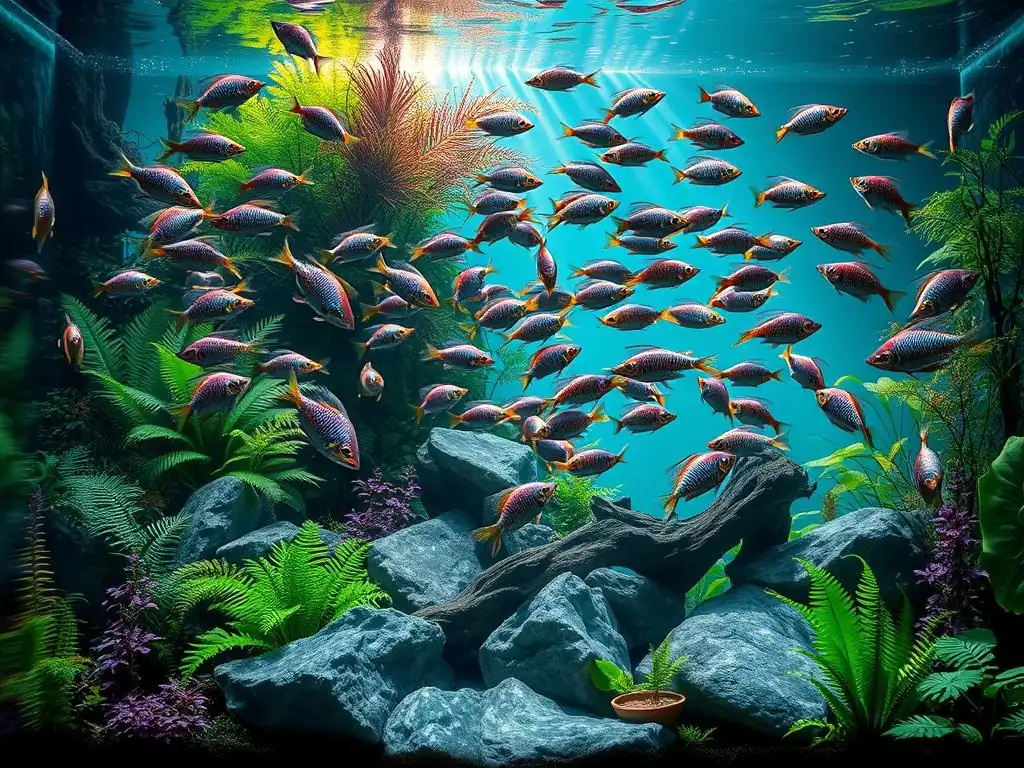
Welcome to Aquarium Mastery! Ever wondered why your energetic barbs are suddenly airborne? This article dives deep into the surprising reasons behind their leaps and offers practical solutions to prevent those aquarium escape acts. Discover the secrets to a secure and thriving barb environment and learn how to keep your finned friends happily inside the tank. Read on to master Jumping Barbs escape prevention!
- Fish Jumping: Understanding and Preventing Aquarium Escapes
- Understanding Fish Jumping Behavior: An Aquarium Guide
- Why Do Fish Jump? Exploring the Reasons Behind Aquarium Escapes
- Identifying Fish Species Prone to Jumping
-
Preventing Fish Escapes: Practical Strategies for Aquarium Safety
- Secure Aquarium Lids: The First Line of Defense Against Jumping Fish
- Maintaining Optimal Water Parameters to Reduce Fish Jumping
- Creating a Stress-Free Environment to Minimize Fish Leaping
- Ensuring Proper Oxygenation to Prevent Fish Escapes
- Lowering the Water Level: A Temporary Solution for Jump-Prone Fish [Considerations and Risks]
- What To Do If Your Fish Jumps Out of the Tank
- Advanced Fish Escape Prevention Techniques
- Conclusion: Keeping Your Fish Safe and Secure in Your Aquarium
- Frequently Asked Questions
- Final Reflection: Embracing the Art of Responsible Fishkeeping
- Unleash Your Barb's Potential!
Fish Jumping: Understanding and Preventing Aquarium Escapes
Understanding Fish Jumping Behavior: An Aquarium Guide
Fish jumping from an aquarium is a distressing event for any aquarist, often leading to injury or even death for the fish. While it might seem like a random act, fish jumping is almost always a response to an underlying environmental stressor or a strong instinctual drive. Understanding these triggers is the first critical step in implementing effective jumping barbs escape prevention strategies and ensuring the safety of your aquatic inhabitants.
Many fish species, including various types of barbs like Tiger Barbs or Rosy Barbs, possess a natural inclination to leap, whether to escape predators, catch insects, or find new water sources in their natural habitats. When confined to an aquarium, this instinct can manifest as an attempt to escape conditions they perceive as unfavorable or threatening. Recognizing the subtle signs of discomfort or distress in your fish can preempt a jump, allowing you to address the root cause before an escape attempt occurs.
Why Do Fish Jump? Exploring the Reasons Behind Aquarium Escapes
Poor Water Quality as a Trigger for Fish Jumping
Suboptimal water quality is one of the most common and critical factors contributing to fish jumping. When water parameters deviate significantly from a fish's ideal range, or when toxic compounds accumulate, fish become highly stressed and may attempt to escape what they perceive as a harmful environment. This includes elevated levels of ammonia, nitrite, or nitrate, extreme pH values, or sudden, drastic temperature fluctuations.
For instance, a sudden ammonia spike, perhaps due to overfeeding or a filter malfunction, can cause barbs to exhibit erratic swimming, gasping at the surface, and ultimately, an increased propensity to jump. Research indicates that even slight elevations in ammonia, such as 0.25 ppm, can cause behavioral changes and gill irritation in sensitive species, making them desperate to leave the tank. Maintaining pristine water conditions is paramount for jumping barbs escape prevention.
Stress and Fish Jumping: Identifying Stressors in the Aquarium
Stress can manifest in various ways in fish, and jumping is a dramatic symptom of severe unease. Common stressors in an aquarium environment include overcrowding, incompatible tank mates, lack of adequate hiding spots, constant loud noises or vibrations, and excessive lighting. These factors can create an environment where fish feel constantly threatened or uncomfortable, compelling them to seek refuge outside the tank.
Consider a tank with too many Tiger Barbs in a confined space, for example, more than 8-10 individuals in a 20-gallon tank. This can lead to heightened aggression and territorial disputes, causing the less dominant barbs to become chronically stressed and look for an escape route. Similarly, if a single, aggressive fish constantly harasses its tank mates, the bullied fish may attempt to jump to escape the relentless persecution, making stress reduction a key part of jumping barbs escape prevention.
The Role of Oxygen Levels in Fish Jumping
Insufficient dissolved oxygen (DO) levels in aquarium water are a significant trigger for fish jumping. Fish require adequate oxygen for respiration, and when levels drop too low, they will gasp at the surface, a clear sign of distress, and may attempt to jump out in search of more oxygenated water. Factors contributing to low DO include high water temperatures, overstocking, decaying organic matter, and inadequate surface agitation.
A healthy freshwater aquarium typically maintains dissolved oxygen levels above 5 mg/L. If these levels fall below 3 mg/L, most fish species, including active barbs, will begin to show severe signs of oxygen deprivation, such as rapid gill movement and staying exclusively at the water's surface. In extreme cases, this oxygen deficit can directly lead to desperate jumping attempts, underscoring oxygenation's importance in jumping barbs escape prevention.
Fish Jumping and Aggression: Bullying and Escape Attempts
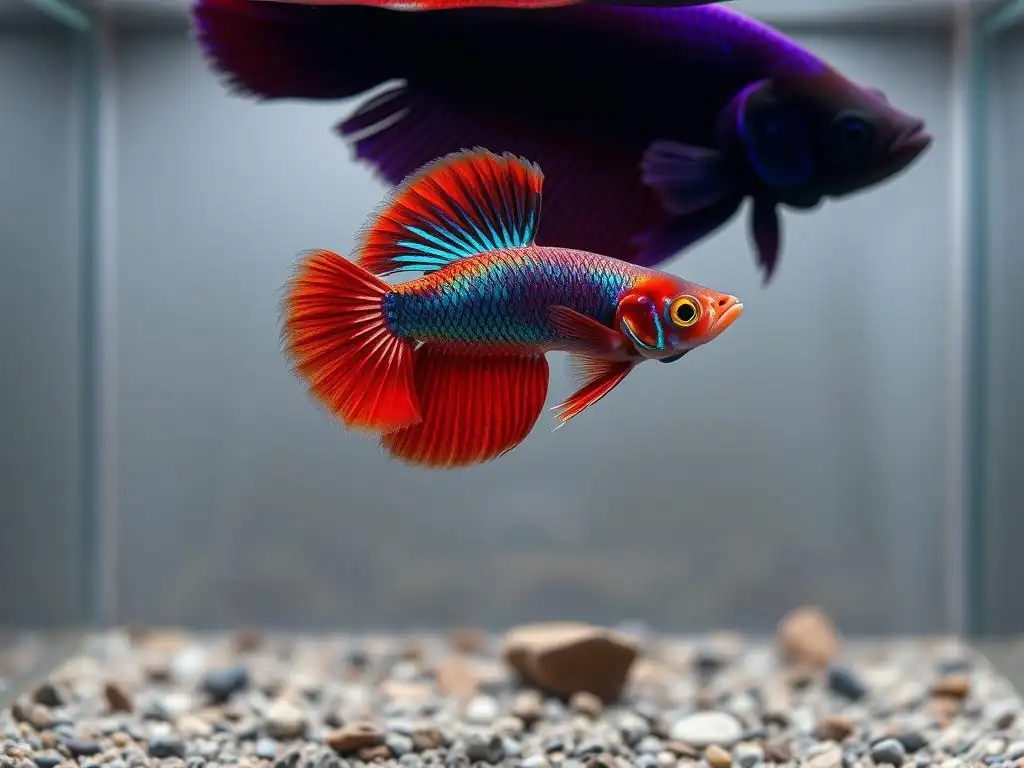
Aggression, whether inter-species or intra-species, can be a direct cause of fish jumping. When a fish is constantly harassed, chased, or nipped by more dominant tank mates, it can become highly stressed and view jumping as its only viable escape mechanism. This is particularly relevant for schooling fish like barbs, where a disrupted pecking order or an inappropriate mix of species can lead to relentless bullying.
For instance, if a school of Rosy Barbs is housed with a known fin-nipper like a single, overly aggressive Tiger Barb, the Rosy Barbs, despite their resilience, may become targets. The constant stress and physical nips can lead them to attempt desperate leaps from the tank. Even within a single species, an overly dominant male or female can relentlessly chase weaker individuals, prompting them to try and escape the perceived threat, making tank mate compatibility crucial for jumping barbs escape prevention.
Investigating Other Potential Causes of Fish Leaping
Beyond the primary factors, several other environmental stimuli can prompt fish to jump. Sudden loud noises, vibrations from external sources (e.g., slamming doors, heavy foot traffic, nearby construction), sudden changes in lighting, or even the introduction of a new, unfamiliar object into the tank can startle fish, triggering a panic-induced leap. These are often immediate, reactive jumps rather than prolonged distress responses.
For example, a sharp, unexpected noise near the aquarium, such as a dropped item or a loud clap, can cause a sudden flight response in fish, leading them to jump out of the water in an instant. Similarly, fish may jump if they perceive a shadow or movement above the tank as a predator, a deeply ingrained instinct. Even a strong current from a newly installed filter, if too powerful, can disorient fish and make them seek an escape from the turbulent water, highlighting the need for a stable and predictable environment for jumping barbs escape prevention.
Identifying Fish Species Prone to Jumping
While this article focuses on barbs, understanding other notorious jumpers helps in general aquarium safety. Many active, surface-dwelling, or naturally skittish species are more prone to jumping, necessitating extra precautions regardless of the specific trigger.
Hatchetfish: Understanding Hatchetfish Jumping Behavior
Hatchetfish are perhaps the most renowned jumpers in the aquarium hobby, and for good reason. Their unique, deep bodies and powerful pectoral fins are specifically adapted for "flying" short distances above the water surface in their natural Amazonian habitats. This behavior serves as a primary defense mechanism against predators and allows them to catch terrestrial insects.
In captivity, this strong instinct remains. Species like the Marbled Hatchetfish (Carnegiella strigata) are known to leap several feet out of the water if startled or if water conditions are not to their liking. Even a tiny gap in an aquarium lid can be an invitation for these agile fish to escape, making a completely sealed lid an absolute necessity for their safety, alongside any jumping barbs escape prevention measures.
Killifish and Jumping: What You Need to Know
Many species of Killifish, particularly those found in temporary or seasonal pools, exhibit a strong jumping tendency. This behavior is often linked to their natural survival strategy: if their current water source begins to dry up or becomes unsuitable, they will jump to find a new, more favorable body of water. This innate drive makes them highly prone to escaping even from seemingly secure tanks.
For example, annual Killifish species from genera like Nothobranchius are adapted to life in ephemeral habitats. Their instinct to jump and burrow into substrate if water disappears is deeply ingrained. Even non-annual Killifish, such as the Golden Wonder Killifish ( Fundulopanchax gardneri), are opportunistic jumpers, especially if water quality is poor or they are startled. Therefore, a secure lid is paramount for any Killifish setup, much like for effective jumping barbs escape prevention.
Loaches and Escapes: Preventing Loach Leaps
While not as universally known for jumping as Hatchetfish or Killifish, several loach species are surprisingly adept escape artists. Their slender, often flexible bodies allow them to squeeze through incredibly small gaps, and their inquisitive nature, combined with a strong instinct to explore or hide, can lead them to jump if conditions are not ideal or if they feel threatened.
Clown Loaches ( Chromobotia macracanthus), for instance, are known for their ability to squeeze into tight spaces and can jump if water quality deteriorates or if they are stressed by incompatible tank mates. Other species like Kuhli Loaches ( Pangio kuhlii) are also notorious for finding tiny openings in lids or filter cutouts, especially when new to a tank or feeling insecure. Ensuring a tight-fitting lid and providing ample hiding spots are crucial for preventing loach leaps and complementing jumping barbs escape prevention efforts.
Preventing Fish Escapes: Practical Strategies for Aquarium Safety
Proactive measures are always more effective than reactive ones when it comes to fish safety. By addressing the root causes of jumping behavior and securing the aquarium environment, you can significantly reduce the risk of escapes.
Secure Aquarium Lids: The First Line of Defense Against Jumping Fish
A tightly fitting aquarium lid is arguably the single most important component in preventing fish escapes. Even the most resilient fish can succumb to the urge to jump if given the opportunity. Lids come in various forms, including glass canopies, plastic hoods, and mesh covers, each offering different levels of security and functionality.
It is crucial to ensure there are no gaps around filtration equipment, heaters, airline tubing, or feeding ports. A gap of just half an inch (approximately 1.25 cm) can be sufficient for a determined small barb or other active fish to squeeze through. Many experienced aquarists opt for custom-cut glass tops or DIY mesh screens that cover the entire surface, leaving no potential escape routes open. This provides the most robust jumping barbs escape prevention.
Maintaining Optimal Water Parameters to Reduce Fish Jumping
Consistent and optimal water quality is fundamental to the health and well-being of your fish and directly reduces their inclination to jump. Stable parameters minimize stress and ensure fish feel comfortable and secure in their environment.
For most common barb species, maintaining a stable pH between 6.0 and 7.5, a temperature range of 72-79°F (22-26°C), and a carbonate hardness (KH) of 4-8 dKH (70-140 ppm) will provide a suitable environment. Regular testing with reliable liquid test kits (e.g., for ammonia, nitrite, nitrate, pH) allows for proactive adjustments, ensuring conditions remain ideal and reducing the need for jumping barbs escape prevention interventions.
Regular Water Changes for Happy and Healthy Fish
Routine water changes are essential for diluting accumulated toxins, replenishing essential minerals, and maintaining overall water stability. Neglecting water changes leads to a gradual degradation of water quality, which can stress fish and prompt jumping.
Performing a 25-30% water change weekly or bi-weekly, depending on stocking levels and filtration, is a standard recommendation for most freshwater aquariums. For a 40-gallon tank, this means removing and replacing 10-12 gallons of water each week. This consistent maintenance prevents the buildup of harmful nitrates and other pollutants, significantly contributing to the overall health and contentment of your fish, thereby reducing jumping barbs escape prevention concerns.
Monitoring Ammonia, Nitrite, and Nitrate Levels
Understanding and managing the nitrogen cycle is critical for water quality. Ammonia and nitrite are highly toxic to fish and should always be at 0 ppm. Nitrates, while less toxic, can become problematic at high concentrations and should be kept below 20 ppm, ideally even lower for sensitive species.
Regularly testing these parameters using a liquid-based test kit provides an accurate snapshot of your water's health. If ammonia or nitrite are detected, immediate action (e.g., large water change, adding beneficial bacteria) is necessary. Consistent monitoring and proactive measures to keep these levels in check are vital for creating a safe environment and are a core strategy for jumping barbs escape prevention.
Creating a Stress-Free Environment to Minimize Fish Leaping
A comfortable and secure environment is crucial for preventing fish from attempting to escape. This involves careful consideration of tank size, stocking levels, and the provision of adequate shelter.
Ensure your aquarium is appropriately sized for the species and number of fish you intend to keep. Overcrowding leads to increased competition for resources, heightened aggression, and chronic stress. For instance, a school of 6-8 Tiger Barbs ideally requires a minimum of a 30-gallon tank to provide adequate swimming space and reduce territorial disputes among the group, which helps mitigate jumping barbs escape prevention issues stemming from stress.
Providing Adequate Hiding Places for Fish
Fish need places to retreat when they feel threatened, stressed, or simply need a break from social interaction. A lack of hiding spots can make fish feel constantly exposed and vulnerable, leading to anxiety and a higher propensity to jump.
Incorporate a variety of decor elements that offer shelter, such as dense live plants (e.g., Java Fern, Anubias), driftwood, rock caves, or ceramic ornaments. These provide visual barriers and secure retreats, allowing fish to de-stress. For example, a densely planted area on one side of the tank can serve as a safe zone for a bullied barb, significantly reducing its urge to flee the tank.
Choosing Compatible Tank Mates
Incompatible tank mates are a major source of stress and aggression in an aquarium. Housing aggressive species with peaceful ones, or keeping fish with vastly different environmental needs, can lead to constant harassment and bullying, prompting the victimized fish to jump.
Thoroughly research the temperament, size, and specific needs of all fish before introducing them to your community tank. While Tiger Barbs can be notorious fin-nippers, housing them in a large school (6+) and with other fast-moving, similarly sized fish (e.g., Danios, other robust barb species) can help diffuse their aggression. Conversely, pairing them with slow-moving, long-finned fish like Angelfish or Bettas will almost certainly result in stress and potential jumping attempts from the harassed fish, underscoring the importance of careful selection for jumping barbs escape prevention.
Ensuring Proper Oxygenation to Prevent Fish Escapes
Adequate dissolved oxygen is essential for fish respiration. Low oxygen levels cause significant distress, forcing fish to gasp at the surface and increasing the likelihood of jumping in search of a more oxygenated environment.
Ensure proper surface agitation, which facilitates the exchange of gases between the water and the air. This can be achieved through various methods, including filter outflow, air stones, or powerheads. Regularly checking your fish for signs of oxygen deprivation, such as rapid gill movement or constant surfacing, is a good indicator of whether your tank's oxygen levels are sufficient.
Using Air Stones and Powerheads for Oxygen Circulation
Air stones, powered by an air pump, release a stream of fine bubbles that create surface agitation, significantly increasing oxygen transfer. Powerheads can be strategically placed to create strong currents that circulate water and break the surface tension, also boosting oxygen levels.
For a typical 55-gallon community tank, a medium-sized air stone connected to a quiet air pump can provide ample surface agitation and aeration. Alternatively, positioning the filter outflow to create a gentle ripple across the entire water surface is also effective. These simple additions are highly effective in maintaining healthy oxygen levels, which is a critical aspect of jumping barbs escape prevention.
Planted Aquariums and Oxygen Production
Live aquatic plants contribute significantly to oxygen production during daylight hours through photosynthesis. A heavily planted aquarium can, therefore, have naturally higher dissolved oxygen levels during the day.
However, it's important to note that plants consume oxygen during the night through respiration. In a densely planted tank, especially in warmer water, oxygen levels can drop overnight. Therefore, supplemental aeration, such as an air stone, may still be necessary, particularly at night, to ensure consistent oxygen levels and prevent any oxygen-related jumping barbs escape prevention issues.
Lowering the Water Level: A Temporary Solution for Jump-Prone Fish [Considerations and Risks]
As a temporary, short-term measure for highly jump-prone fish or during periods of acute stress, lowering the water level by a few inches (e.g., 2-4 inches from the rim) can create a physical barrier that deters jumping. This provides additional vertical space above the water surface, making it harder for a fish to clear the tank rim.
However, this strategy comes with significant considerations and risks. Reducing the water volume means less stable water parameters, as pollutants will concentrate more quickly, and temperature fluctuations can be more extreme. For instance, lowering the water level by 3 inches in a standard 30-gallon tank can effectively reduce its volume by approximately 3-4 gallons, thereby increasing the concentration of waste products. This method should only be employed as a temporary fix while you identify and rectify the underlying cause of the jumping behavior, and it is not a long-term solution for jumping barbs escape prevention.
What To Do If Your Fish Jumps Out of the Tank
Even with the best prevention strategies, accidents can happen. Knowing how to react quickly and appropriately can significantly increase a fish's chances of survival after an escape.
Immediate Actions to Take After a Fish Escape
Speed is paramount. If you discover a fish outside the tank, immediately locate it. Handle the fish with wet hands or, ideally, use a wet, soft net to gently scoop it up. Dry hands can damage the fish's delicate slime coat, leaving it vulnerable to infection.
Once retrieved, gently place the fish back into the aquarium, preferably near the water surface. The longer a fish is out of water, the lower its chances of survival. For small freshwater fish, survival time can range from a few minutes to perhaps an hour, depending on humidity and species resilience. Studies suggest that survival rates drop dramatically after just 5-10 minutes for most common aquarium species, making immediate action crucial.
Assessing the Fish's Condition and Providing Care
After returning the fish to the tank, carefully observe its condition. Look for any visible injuries, such as scrapes, torn fins, or damage to the scales or eyes. The fish will likely be in shock and may initially lie motionless or swim erratically.
Provide supportive care: dim the aquarium lights to reduce stress, and consider adding a reputable stress coat product (often containing aloe vera) to the water. These products help replenish the fish's slime coat, which is vital for disease resistance and often damaged during an escape. Monitor the fish closely over the next few days for signs of secondary infections (e.g., fungal growths, bacterial lesions) and be prepared to treat if necessary. A separate, well-cycled quarantine tank can be beneficial for observation and recovery.
Advanced Fish Escape Prevention Techniques
For particularly active or valuable fish, or in situations where standard lids prove insufficient, more advanced prevention techniques can offer enhanced security.
Using Aquarium Canopies for Added Security
Aquarium canopies provide a more robust and often aesthetically pleasing solution for preventing fish escapes compared to standard glass lids or plastic hoods. These are typically full enclosures that sit flush on the tank rim, often incorporating built-in lighting. They create a more sealed environment, leaving minimal gaps for escape.
Canopies effectively prevent all but the most determined jumpers by completely covering the tank opening. They also have the added benefits of reducing water evaporation and light spill. While they might be a larger investment, a well-designed and properly fitted canopy offers superior jumping barbs escape prevention, especially crucial for species like Hatchetfish or large, powerful barbs that are known for their leaping prowess.
Implementing a Quarantine Process for New Fish [To Identify Potential Issues]
A robust quarantine process for all new fish introductions is an underutilized but highly effective strategy for overall aquarium health and jumping barbs escape prevention. By housing new fish in a separate, smaller tank for 2-4 weeks before introducing them to the main display, you can observe their behavior without risking the established inhabitants.
During quarantine, you can identify if a new fish is excessively stressed, aggressive, or exhibits unusual jumping tendencies. For instance, if a newly acquired Barb constantly attempts to jump during its quarantine period, it signals an underlying issue (e.g., poor water conditions in the quarantine tank, inherent skittishness) that can be addressed before it potentially stresses the entire community in the main aquarium. This proactive approach prevents a new addition from becoming an escape risk or a source of stress for other fish.
Conclusion: Keeping Your Fish Safe and Secure in Your Aquarium
Preventing fish from jumping out of an aquarium is a multifaceted endeavor that requires a proactive approach and a deep understanding of fish behavior and their environmental needs. By prioritizing secure lids, maintaining pristine water quality, creating a stress-free habitat, ensuring adequate oxygenation, and carefully selecting compatible tank mates, aquarists can significantly reduce the risk of tragic escapes.
Implementing robust jumping barbs escape prevention strategies not only protects your fish but also contributes to their overall health and well-being, fostering a thriving and dynamic aquatic environment. A vigilant eye and consistent care are the cornerstones of responsible fish keeping, ensuring your aquatic companions remain safe and secure within their watery home.
Frequently Asked Questions
Why do Barbs jump out of the aquarium?
Barbs often jump due to stressful conditions such as poor water quality, overcrowding, or being startled. They may also jump to escape from aggressive tank mates or if there's a significant change in water parameters.
What are the best ways to prevent Barbs from jumping?
The most effective methods include using a secure aquarium lid, maintaining optimal water parameters, and providing a stress-free environment. Ensuring adequate space and appropriate tank mates is also crucial.
What water parameters are crucial for preventing Barbs from jumping?
Maintaining stable and appropriate water parameters is essential. Specifically, keep ammonia and nitrite levels at 0 ppm, nitrate levels low, and ensure a consistent pH level suitable for the barb species you keep.
How important is tank size when it comes to jumping Barbs?
Tank size is very important. Overcrowding leads to stress, which increases the likelihood of jumping. Ensure your Barbs have adequate space to swim and establish territories, reducing stress-related behaviors.
What should I do if I find a Barb that has jumped out of the aquarium?
If you find a Barb that has jumped, immediately return it to the aquarium. Observe it closely for any signs of injury or stress. Monitor water parameters to identify and correct any issues that may have caused the jumping.
Final Reflection: Embracing the Art of Responsible Fishkeeping
The insights shared throughout this article on Jumping Barbs Escape Prevention highlight a crucial aspect of responsible fishkeeping: understanding and respecting the natural behaviors of our aquatic companions. It's not merely about containing them within a glass box, but about creating an environment where they feel safe, secure, and less inclined to seek an escape. The prevalence of jumping behavior underscores the importance of proactive measures and a deeper understanding of the specific needs of Barb species.
This journey into the world of jumping Barbs has underscored the profound responsibility we undertake when bringing these vibrant creatures into our homes. It's a constant reminder that our actions directly impact their well-being, and that a little extra care and attention can make all the difference. The greatness of a nation and its moral progress can be judged by the way its animals are treated.
- Mahatma Gandhi. This quote, though often applied to larger animals, resonates deeply with the ethos of responsible fishkeeping, urging us to consider the ethical implications of our choices.
As you reflect on the information presented, consider how you can apply these principles to your own aquarium setup. Are there areas where you can improve the security of your tank? Are you providing the optimal environment for your Barbs to thrive? Let this be an invitation to not only prevent escapes but to cultivate a deeper connection with your aquatic world, fostering a harmonious and enriching experience for both you and your finned friends.
Unleash Your Barb's Potential!
Thanks for exploring the fascinating world of barbs and their jumping antics! We hope you've gained valuable insights into keeping your finned friends safe and happy. Now, let's put that knowledge into action.
Here are some steps you can take to prevent future leaps and ensure a thriving aquarium:
- Secure your aquarium with a tight-fitting lid or cover. This is the most effective way to prevent escapes and maintain a stable environment.
- Observe your barbs closely for signs of stress, such as rapid breathing or erratic swimming. Early detection can help you address underlying issues before they lead to jumping.
- Surprise your barbs with a new, enriching environment! Add some different plants or decorations and rearrange their space to make them interested to explore.
What's the first improvement you'll make to your barb's habitat to ensure their safety and happiness?