
Line Breeding Koi Swordtails: Perfecting Pattern and Color Separation

Welcome to Aquarium Mastery!
Ever wondered how breeders achieve those stunning koi swordtails with perfectly separated colors and patterns? Dive in and unlock the secrets to successful line breeding koi swordtails. This is your guide to mastering the art of selective breeding, ensuring your swordtails are the envy of every aquarist! Ready to transform your breeding program?
- Understanding Koi Swordtails and Line Breeding Principles
- Setting Up for Successful Koi Swordtail Line Breeding
- The Koi Swordtail Line Breeding Process: A Step-by-Step Guide
-
Refining Color and Pattern in Koi Swordtails Through Line Breeding
- Understanding Koi Swordtail Genetics: Color, Pattern, and Fin Shape Inheritance
- Selecting for Specific Color Variations: Enhancing Red, White, and Black Pigmentation
- Optimizing Pattern Definition: Achieving Sharp, Distinct Koi Patterns
- Avoiding Common Pitfalls in Koi Swordtail Color and Pattern Development
- Maintaining Genetic Diversity in Line Bred Koi Swordtails
- Common Challenges and Troubleshooting in Koi Swordtail Line Breeding
- Documenting Your Koi Swordtail Line Breeding Program
- Advanced Techniques for Koi Swordtail Improvement
- Conclusion: The Art and Science of Line Breeding Koi Swordtails
-
Frequently Asked Questions
- How does line breeding help in perfecting the pattern and color separation of Koi Swordtails?
- What are the primary considerations when selecting Koi Swordtails for a line breeding program?
- What are the potential risks or downsides to line breeding Koi Swordtails?
- How many generations of line breeding are typically required to see significant improvements in Koi Swordtail patterns and color?
- What resources does AquariumMastery.com offer to help aquarists successfully line breed Koi Swordtails?
- Final Reflection: The Art of Refinement
- Dive Deeper: Sculpt Your Perfect Koi Swordtail!
Understanding Koi Swordtails and Line Breeding Principles
What are Koi Swordtails? A Brief Overview of Their Unique Characteristics
Koi Swordtails are a visually stunning cultivated variety of the Xiphophorus hellerii species, renowned for their distinctive coloration that mimics the patterns of popular Koi carp. These freshwater fish typically exhibit a tri-color pattern, predominantly featuring stark contrasts of red, white, and black pigmentation across their bodies. Unlike many other swordtail varieties that focus on solid colors or simple patterns, the Koi Swordtail's appeal lies in its irregular, blotchy patches of color, particularly the deep reds (often orange-red) and jet blacks against a white or silver base, making each individual unique.
Beyond their captivating patterns, Koi Swordtails retain the classic swordtail physique, characterized by a slender body and, in males, an elongated caudal fin extension resembling a "sword." They generally reach an adult size of about 3-4 inches for females and 3-5 inches for males, including the sword. Their active nature and robust health, when properly cared for, make them a popular choice for community aquariums and a fascinating subject for dedicated breeders aiming to enhance specific aspects of their unique "koi" pattern and vibrant colors.
The Basics of Line Breeding in Fish Keeping: Focusing on Swordtail Genetics
Line breeding is a systematic approach in aquaculture aimed at enhancing specific desirable traits within a closed population of fish, typically over multiple generations. In the context of swordtail genetics, this involves carefully selecting individuals that best express the desired characteristics—such as vibrant red and black patterns, crisp white backgrounds, or specific fin shapes—and breeding them together. The core principle is to concentrate the genes responsible for these traits, thereby increasing the likelihood of their expression in future offspring. This method differs from random breeding by introducing a high degree of control and selective pressure.
For Koi Swordtails, line breeding strategies often focus on isolating and intensifying the genes responsible for their unique coloration and pattern distribution. For instance, a breeder might select for swordtails with more defined black patches or a richer red hue. Over generations, by consistently breeding individuals exhibiting these superior traits, the genetic pool becomes increasingly refined, leading to a higher percentage of offspring displaying the desired quality. This process requires meticulous record-keeping and a keen eye for subtle variations, as even minor improvements can contribute significantly to the overall aesthetic quality of the line.
Why Line Breed Koi Swordtails? Goals and Benefits for Exhibitions and Personal Collections
The primary goal of line breeding koi swordtails is to consistently produce fish that exhibit superior aesthetic qualities, particularly in their pattern definition, color intensity, and overall body conformation. For breeders targeting fish exhibitions, line breeding is crucial for developing a recognizable and consistent "strain" that adheres to specific show standards, such as a balanced distribution of red, white, and black, or a perfectly straight and elongated sword. This systematic approach allows for the creation of truly "show-quality" specimens that stand out among more common varieties, often commanding higher prices and prestige within the aquarist community.
Beyond competitive exhibition, line breeding offers significant benefits for personal collections and the broader hobby. It allows enthusiasts to develop unique, stable lines of Koi Swordtails that consistently reproduce their desired characteristics, ensuring a continuous supply of beautiful fish for their own tanks or for sharing with other hobbyists.
This focused breeding also contributes to a deeper understanding of swordtail genetics, enabling breeders to predict outcomes and troubleshoot issues more effectively. Furthermore, maintaining a strong, selectively bred line can help preserve specific desirable traits that might otherwise be diluted or lost through indiscriminate breeding, contributing to the diversity and quality of swordtail varieties available.
Setting Up for Successful Koi Swordtail Line Breeding
Choosing Your Foundation Stock: Selecting Show-Quality Koi Swordtail Breeders
The success of any line breeding program hinges critically on the quality of its foundation stock. For Koi Swordtails, selecting show-quality breeders means identifying individuals that exemplify the ideal traits you aim to propagate. Look for fish with vibrant, well-defined red and black patterns against a clean white or silver background, ensuring the colors are rich and do not appear faded or muddy. Observe their body shape for robustness and symmetry, avoiding any signs of spinal curvature or deformities. Males should have a straight, elongated sword, and both sexes should exhibit healthy, undamaged fins.
When choosing foundation stock, it is advisable to start with at least 2-3 unrelated pairs, or even better, trios (one male to two females) from different reputable sources if possible. This helps to introduce a broader genetic base initially, reducing the immediate risk of inbreeding depression while still allowing for the concentration of desired traits through subsequent generations.
A thorough inspection for any signs of disease or stress is also paramount; healthy fish are more likely to breed successfully and pass on their vigor to their offspring. Investing in premium initial stock, though potentially more expensive, can save significant time and effort in the long run by providing a stronger genetic starting point.
Creating Separate Breeding Tanks for Controlled Line Breeding
Effective line breeding necessitates a controlled environment to manage genetic crosses and track offspring accurately. This means setting up dedicated breeding tanks, separate from your main display or community aquariums. For Koi Swordtails, a 10-gallon tank can suffice for a single breeding pair or trio, though a 20-gallon long tank offers more space and stability, especially for raising fry. These tanks should be sparsely decorated with floating plants like Hornwort or Water Sprite, which provide hiding places for fry immediately after birth, increasing their survival rate.
Each breeding tank should have its own filtration system, preferably a sponge filter, which offers excellent biological filtration without posing a risk to delicate fry. A reliable heater is essential to maintain a stable temperature, typically between 75-78°F (24-26°C), which encourages consistent breeding. Having multiple such setups allows for parallel breeding projects or the separation of different generations and experimental crosses. This structured approach ensures that you know precisely which parents produced which offspring, a critical component for accurate record-keeping and successful genetic selection in line breeding.
Maintaining Optimal Water Parameters for Koi Swordtail Health and Vibrant Colors
Maintaining pristine and consistent water parameters is fundamental for the health, breeding success, and vibrant coloration of Koi Swordtails. These fish thrive in moderately hard, alkaline water, with a general hardness (GH) range of 10-25 dGH and a carbonate hardness (KH) of 10-20 dKH. The pH should be stable between 7.0 and 8.0. Regular water testing with reliable kits is crucial to monitor these levels, alongside ammonia, nitrite, and nitrate concentrations. Ammonia and nitrite should always be at zero, while nitrates should be kept below 20 ppm through consistent water changes.
Weekly water changes of 25-30% are recommended to keep nitrate levels low and replenish essential minerals. Using a dechlorinator is vital to remove chlorine and chloramines from tap water. Stable temperatures, ideally between 75-78°F (24-26°C), are also important for metabolism and breeding activity. Providing optimal nutrition through high-quality flake foods, supplemented with live or frozen foods like brine shrimp or bloodworms, significantly enhances their color intensity and overall vitality. Stress from poor water quality can dull their colors, reduce breeding success, and make them more susceptible to disease, undermining the entire line breeding effort.
The Koi Swordtail Line Breeding Process: A Step-by-Step Guide
Step 1: Initial Selection and Pairing of Superior Koi Swordtails
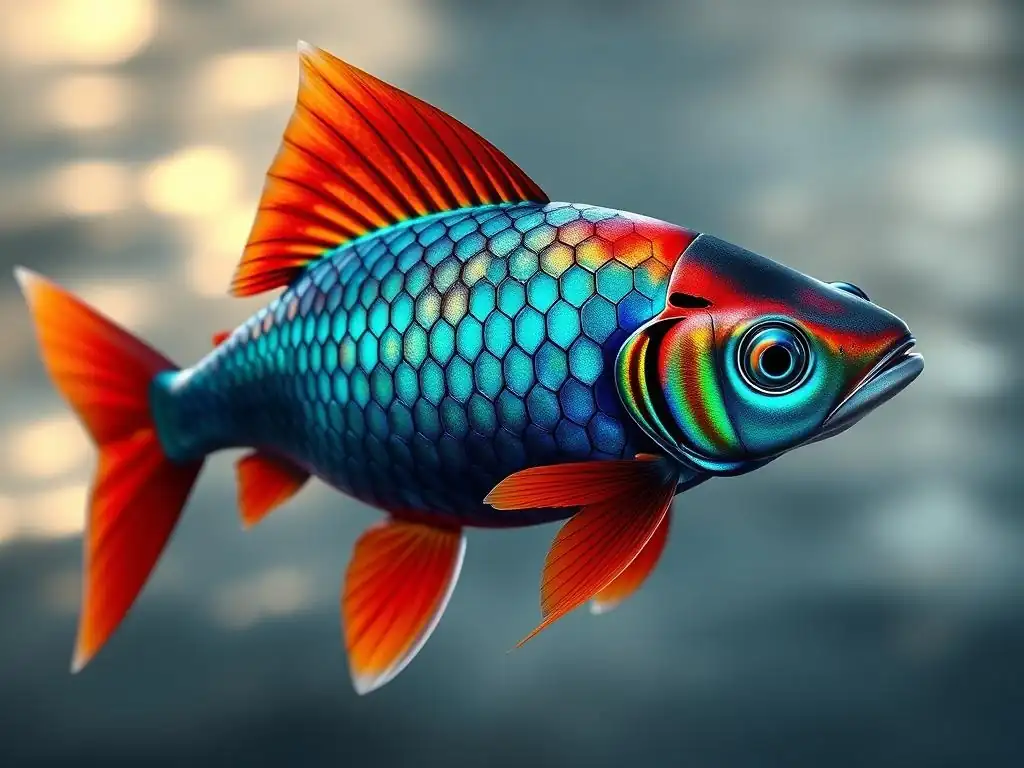
The first critical step in line breeding Koi Swordtails is the meticulous selection and pairing of your foundation stock. From your initial group of show-quality individuals, identify the male and female that most perfectly embody the desired traits for your breeding line, such as distinct red, white, and black pattern separation, excellent body conformation, and strong fin development. For example, if your goal is to enhance the intensity of the red pigmentation, select individuals with the deepest, most vibrant red markings.
Pair one female with one male in a dedicated breeding tank to ensure controlled parentage. While a male with two females (a trio) can increase fry yield, a single pair allows for clearer observation of genetic contributions from each parent.
Before pairing, observe the chosen individuals for several weeks to ensure they are healthy, active, and free from any signs of stress or disease. Males should exhibit strong courtship behavior without being overly aggressive towards the female. Ensure the female is robust and well-fed, as she will bear the burden of gestation and fry production. Document the specific traits of each parent, including their pattern, color, fin shape, and any unique markings, as this initial record will be invaluable for tracking genetic progress and making future breeding decisions.
Step 2: Raising the Fry: Ensuring Healthy Growth and Optimal Fin Development
Once the Koi Swordtail fry are born, often numbering between 30 and 80 per brood from a healthy female, their proper care is paramount for healthy growth and optimal fin development. Immediately upon birth, the tiny fry are vulnerable to predation by adult fish, including their parents, necessitating the use of ample floating plants or a breeder box for protection. After a few days, it's ideal to move them to a dedicated grow-out tank, typically a 10-20 gallon aquarium, heavily planted with fine-leaved plants like Java Moss to provide cover and micro-organisms for grazing.
Feeding is critical during this stage. Fry require frequent, small meals of high-quality, finely powdered fry food, newly hatched brine shrimp, or microworms, fed 3-5 times a day. This consistent nutrition promotes rapid growth and strong fin development. Maintaining pristine water quality through daily small water changes (10-15%) is essential, as fry are highly sensitive to ammonia and nitrite. Consistent temperature (around 78°F or 26°C) and gentle aeration via a sponge filter will further support their development, ensuring they mature into robust, healthy specimens ready for the next selection phase.
Step 3: Evaluating and Selecting the Next Generation for Breeding
As the Koi Swordtail fry mature, typically reaching a size where their patterns and finnage become discernible (around 2-3 months of age, though some traits might take longer), the crucial process of evaluation and selection begins. This is where you identify which individuals from the brood will carry your line forward. Dedicate ample time to observe each fish, comparing them against your breeding goals and the traits of their parents. It's often helpful to separate fish into smaller observation groups to make this process more manageable.
Identifying Desirable Traits: Body Shape, Fin Extension, and Pattern Definition
When evaluating the next generation of Koi Swordtails, focus on the specific traits you are trying to enhance. For pattern definition, look for crisp, well-defined patches of red, white, and black, ensuring the colors are vibrant and do not bleed into each other. The "koi" pattern should be distinct and aesthetically pleasing, not mottled or chaotic. Pay close attention to body shape, aiming for robust, streamlined bodies without any signs of stunting or deformities.
In males, the sword extension should be long, straight, and proportionate to the body. For example, a male with a prominent, unblemished black sword against a clear white body and vibrant red patches would be a prime candidate. Evaluate finnage for size, symmetry, and lack of tears or nips, ensuring dorsal and caudal fins are well-formed and full.
Culling Undesirable Fish: Removing Swordtails with Imperfections
Culling, or the removal of undesirable fish from the breeding pool, is an indispensable part of line breeding. This process is not about discarding fish but about maintaining the genetic integrity and quality of your line. Any Koi Swordtail fry or juvenile exhibiting significant genetic defects such as spinal deformities (e.g., scoliosis), missing or malformed fins, or chronic health issues should be culled. Additionally, fish that do not display the desired pattern or color intensity, or those with faded colors, muddy patterns, or poor body shape, should also be removed from the breeding program.
A common culling ratio might see a breeder retaining only the top 10-20% of a brood for further breeding, while the rest are either kept as pets, sold as non-breeding stock, or humanely euthanized if severely deformed. This rigorous selection ensures that only the strongest, healthiest, and most aesthetically pleasing individuals contribute to the next generation, thereby intensifying the desired traits and reducing the propagation of genetic weaknesses. While it can be challenging, consistent culling is key to making tangible progress in line breeding koi swordtails.
Step 4: Repeating the Process: Refining Desired Traits Over Generations
Line breeding is an iterative process, requiring patience and persistence over multiple generations to achieve significant refinement of desired traits in Koi Swordtails. Once you have selected your best individuals from the first generation (F1), these become the foundation for the F2 generation. You will typically either breed the best F1 siblings together (in-breeding) to intensify traits or cross them back to a superior parent (back-crossing) to reinforce specific characteristics. The choice depends on your observations of the F1 generation and your breeding goals.
Each subsequent generation (F2, F3, F4, and so on) involves repeating Steps 1-3: careful selection of the best individuals, controlled breeding, meticulous raising of fry, and rigorous culling. With each cycle, the proportion of fish exhibiting your target traits should increase, and the quality of those traits should improve.
For example, if you started with a Koi Swordtail line where only 30% showed distinct black patches, after three generations of dedicated line breeding, you might find 70-80% of offspring displaying this characteristic with greater clarity and intensity. Consistent documentation of each generation's progress is vital to track success and identify areas needing further focus.
Refining Color and Pattern in Koi Swordtails Through Line Breeding
Understanding Koi Swordtail Genetics: Color, Pattern, and Fin Shape Inheritance
The intricate beauty of Koi Swordtails is a result of complex genetic interactions governing their color, pattern, and fin morphology. Their characteristic red, white, and black coloration is often influenced by multiple genes, some of which are likely autosomal (not sex-linked) while others, particularly those affecting fin shape and certain color expressions, can be sex-linked.
For example, the presence of the "sword" is a sex-linked trait exclusive to males, and its length and shape are also genetically determined. The distinct "koi" pattern, with its irregular blotches, is likely polygenic, meaning multiple genes contribute to its expression, making its precise inheritance somewhat challenging to predict but highly rewarding to refine through line breeding.
Understanding these genetic principles, even at a basic level, empowers the breeder to make more informed decisions. For instance, knowing that certain fin shapes might be recessive means that two parents carrying the recessive gene, even if they don't express the trait themselves, could produce offspring with that fin shape. Similarly, if a specific pattern appears to be dominant, breeding individuals with that pattern will likely result in a high percentage of offspring exhibiting it. Careful observation of offspring phenotypes (observable traits) across generations is crucial for deciphering these genetic puzzles and guiding selective breeding efforts.
Selecting for Specific Color Variations: Enhancing Red, White, and Black Pigmentation
To enhance the vibrant red, crisp white, and deep black pigmentation in Koi Swordtails through line breeding, a focused selection strategy is essential. When evaluating a brood, prioritize fish that display the most intense and saturated red hues, ensuring the color is not dull or faded. For the white areas, select individuals with the cleanest, brightest white base color, free from yellowing or muddiness. The black pigmentation should be rich, jet-black, and form distinct, well-defined patches rather than diffuse or smudged markings.
A common technique is to establish separate breeding lines if you wish to refine one color component more than others. For example, one line might focus on maximizing red coverage, while another concentrates on increasing the contrast of black patches. However, for the classic Koi pattern, the goal is often harmonious balance and definition among all three colors. Breeders might employ a "culling ratio" where they select only the top 15-20% of a brood that best exhibit the desired color intensity and separation, ensuring that only the most genetically superior individuals contribute to the next generation's color palette.
Optimizing Pattern Definition: Achieving Sharp, Distinct Koi Patterns
Optimizing pattern definition in Koi Swordtails is arguably the most challenging and rewarding aspect of their line breeding. The goal is to achieve sharp, distinct patterns of red, white, and black, reminiscent of a quality Koi carp, rather than blurred or indistinct markings. This involves selecting individuals where the boundaries between colors are clear and the patches are irregularly yet aesthetically pleasingly distributed across the body. Avoid fish with overly uniform spots or stripes, as this deviates from the desired "koi" aesthetic.
When selecting, look for a balanced distribution of all three colors. For instance, a fish with a large, solid red patch complemented by distinct black spots on a clean white background would be highly desirable. Conversely, fish with patterns that appear sparse, overly crowded, or messy should be excluded from the breeding pool.
Some breeders might even use a scoring system, assigning points for criteria like pattern clarity, color saturation, and overall balance, to objectively select the best specimens. This meticulous focus on pattern through consistent selection over several generations can transform a mediocre pattern into a truly exceptional one, distinguishing a high-quality line of line breeding koi swordtails.
Avoiding Common Pitfalls in Koi Swordtail Color and Pattern Development
Several common pitfalls can hinder the development of optimal color and pattern in Koi Swordtails, often stemming from environmental factors or inadequate selection. One significant issue is faded or dull coloration, which can result from poor water quality, inadequate diet, or stress. For instance, if nitrates consistently exceed 40 ppm, the vibrancy of red and black pigments can diminish noticeably. Ensuring a diet rich in color-enhancing foods, such as those containing astaxanthin, can significantly boost red pigmentation, while a lack thereof can lead to washed-out colors.
Another pitfall is the degradation of pattern definition, where the distinct patches become blurry or merge over generations. This often occurs due to insufficient culling of individuals with sub-par patterns or introducing new genetic material without careful evaluation. Overcrowding in grow-out tanks can also stunt growth and affect color development, as fish compete for resources and experience higher stress levels.
For example, maintaining more than 10-15 swordtail juveniles in a 10-gallon grow-out tank can lead to stunted growth and less vibrant colors. To avoid these issues, maintain strict water parameters, provide optimal nutrition, practice rigorous culling, and ensure adequate space for development at all stages of the line breeding process.
Maintaining Genetic Diversity in Line Bred Koi Swordtails
The Importance of Strategic Outcrossing to Prevent Inbreeding Depression
While inbreeding is a core component of line breeding, essential for concentrating desired traits, excessive or unmanaged inbreeding can lead to a phenomenon known as inbreeding depression. This manifests as a reduction in overall vigor, fertility, and health within a line, making the fish more susceptible to disease, exhibiting slower growth rates, and producing fewer, weaker offspring.
For Koi Swordtails, signs of inbreeding depression might include increased instances of spinal deformities, reduced brood sizes (e.g., a healthy female typically produces 30-80 fry, but an inbred one might consistently yield fewer than 20), or a general fragility that makes them harder to keep alive.
Strategic outcrossing, the process of introducing new genetic material from an unrelated or distantly related individual into your established line, is crucial to counteract inbreeding depression. This infusion of fresh genes reintroduces heterozygosity, boosting the overall genetic health and vitality of the line. It's a delicate balance; outcrossing too frequently can dilute the very traits you've worked hard to concentrate, but neglecting it can lead to the collapse of your breeding program. The key is to perform outcrosses judiciously and with a clear purpose, typically after several generations of inbreeding have stabilized the desired traits.
When and How to Introduce New Genetic Material Responsibly
The timing and method of introducing new genetic material are critical for successful outcrossing in Koi Swordtail line breeding. Generally, an outcross is considered when a line shows signs of reduced vitality, diminished fertility, or an increase in genetic abnormalities after 4-6 generations of intense inbreeding. Alternatively, an outcross can be performed to introduce a new desirable trait that is absent from your current line, such as a different fin mutation or a particularly strong color gene from a different, high-quality Koi Swordtail strain.
When performing an outcross, select a single, unrelated individual (either male or female) that is of exceptional quality, ideally possessing the specific trait you wish to introduce or lacking any of the defects present in your line. Breed this outcross candidate with one of your best, most stable individuals from your established line. The resulting F1 generation will be a mix of your line's traits and the outcross's traits.
You will then need to backcross the most promising F1 individuals back to your original line for several generations, meticulously selecting offspring that retain your line's desired characteristics while benefiting from the increased vigor and new genes from the outcross. This careful, multi-generational process ensures that the benefits of outcrossing are realized without compromising the integrity of your established line.
Selecting Outcross Candidates: Balancing New Traits with Established Genetic Lines
Selecting the right outcross candidate for your Koi Swordtail line is a meticulous process that demands a keen eye and a clear understanding of your breeding goals. The ideal candidate should be of impeccable health, free from any genetic defects, and, crucially, should either introduce a missing desirable trait or simply provide a boost in overall vigor and fertility without introducing unwanted characteristics. For example, if your line breeding koi swordtails are showing excellent pattern but reduced fertility, an outcross candidate might be a robust, fertile swordtail with a less perfect pattern, chosen primarily for its vigor.
It is paramount to choose an outcross fish that, while unrelated, still aligns genetically as closely as possible with the general characteristics of your line to minimize the introduction of undesirable genes. For instance, if you are line breeding for a specific type of red pigmentation, avoid outcrossing with a fish known for producing orange or yellow hues.
The goal is to balance the need for genetic diversity with the preservation of your established line's unique traits. Thoroughly quarantine any new fish for at least 4-6 weeks before introducing them to your breeding tanks to prevent the introduction of diseases.
Common Challenges and Troubleshooting in Koi Swordtail Line Breeding
Dealing with Genetic Defects and Deformities: Scoliosis, Fin Defects
Genetic defects and deformities are unfortunate but common challenges in intensive line breeding of Koi Swordtails, primarily due to the increased homozygosity from inbreeding. The most prevalent issues include spinal deformities like scoliosis (a curved spine), which can range from a slight bend to a severe S-shape, significantly impacting the fish's quality of life and appearance. Other common fin defects include short or malformed swords in males, split fins that don't heal, or underdeveloped dorsal/caudal fins. These defects are often indicative of a genetic predisposition within the line.
When such deformities appear, rigorous culling is the primary troubleshooting method. Any fish exhibiting a noticeable genetic defect should be immediately removed from the breeding pool to prevent the perpetuation of the undesirable gene. If a high percentage of a brood (e.g., over 20-30%) consistently shows the same defect across multiple generations, it indicates a strong genetic component.
In such cases, a strategic outcross with a completely unrelated, healthy individual free of that defect becomes essential to dilute the problematic genes and restore the line's vitality. Careful record-keeping of defect occurrences helps identify which breeding pairs might be contributing most to these issues.
Preventing and Treating Common Swordtail Diseases in Breeding Tanks
Breeding tanks, with their higher density of fish and sensitive fry, can be susceptible to common swordtail diseases if proper preventative measures are not in place. Common ailments include Ich (white spot disease), Velvet, Fin Rot, and bacterial infections. Ich, caused by Ichthyophthirius multifiliis, often manifests as tiny white spots resembling salt grains on the fish's body and fins, particularly when water quality fluctuates or temperatures drop. Fin Rot, a bacterial infection, causes the fins to appear ragged and frayed, sometimes with a reddish inflammation at the base.
Prevention is key: maintaining pristine water quality through regular small water changes (e.g., 25% twice a week), stable temperatures (75-78°F), and providing a high-quality, varied diet significantly boosts the fish's immune system. Overcrowding must be avoided, as it stresses fish and increases waste, leading to poor water conditions. If a disease does occur, prompt treatment is crucial.
For Ich, raising the temperature to 82°F (28°C) and adding aquarium salt (1 tablespoon per 5 gallons) can often be effective. Bacterial infections like Fin Rot typically require broad-spectrum antibiotics or antibacterial treatments available at aquarium stores. Always quarantine new fish for 4-6 weeks before adding them to breeding tanks to prevent introducing pathogens.
Managing Aggression and Competition Among Koi Swordtails
While generally peaceful, Koi Swordtails, especially males, can exhibit aggression and competition, particularly in breeding setups. Male swordtails are known for their territorial behavior and may harass or relentlessly pursue females, sometimes to the point of exhaustion or injury. In grow-out tanks, competition for food and space can also lead to stunted growth and nipped fins among juveniles. This aggression can be particularly problematic when line breeding koi swordtails, as stressed fish are less likely to breed successfully or display their full potential.
To manage aggression, provide ample space. For a single breeding trio, a 20-gallon long tank is preferable over a 10-gallon, offering more room for the female to escape the male's advances. Incorporate plenty of live or artificial plants and decorations to break up lines of sight and create hiding spots.
When keeping multiple males, ensure the tank is large enough (e.g., 30-40 gallons for 3-4 males) to dilute aggression, or keep only one male per tank. For grow-out tanks, monitor feeding to ensure all fry get enough food, and consider separating larger, more dominant individuals from smaller, more timid ones if stunting becomes an issue. Regular observation allows for early intervention, ensuring a more harmonious breeding environment.
Documenting Your Koi Swordtail Line Breeding Program
Keeping Detailed Records of Breeding Pairs, Lineage, and Offspring Traits
Meticulous record-keeping is the backbone of any successful line breeding program for Koi Swordtails. Without detailed documentation, it's impossible to track genetic progress, identify successful crosses, or troubleshoot issues effectively. For each breeding pair, create a comprehensive record that includes:
- Parent IDs: Unique identifiers for the male and female (e.g., "Male A-1," "Female B-3").
- Date of Pairing/Brood: When the pair was set up and the date of each subsequent brood.
- Brood Size: The number of fry produced.
- Offspring Traits: Detailed notes on the proportion of fry exhibiting desired traits (e.g., 60% excellent pattern, 20% good, 20% poor) and any defects observed (e.g., 5% scoliosis).
- Culling Decisions: How many were culled and why.
- Selection for Next Generation: IDs of the offspring chosen to carry the line forward.
These records, ideally kept in a physical notebook or a digital spreadsheet, allow you to trace the lineage of every fish in your line, identify the most productive and genetically sound breeders, and make informed decisions for future pairings. For example, if "Male A-1" consistently produces offspring with superior pattern definition, you would prioritize using his offspring for future breeding.
Using Photography and Videography to Track Progress and Document Improvements
Beyond written records, photography and videography are invaluable tools for visually documenting the progress of your Koi Swordtail line breeding program. High-quality images and short videos provide an objective visual history of your fish's development and the evolution of your line's traits over generations. Capture clear, well-lit photographs of your foundation stock, key breeding pairs, and selected offspring at various developmental stages (e.g., juveniles at 2 months, adults at 6 months).
Focus on capturing the specific traits you are refining: the clarity of the red, white, and black pattern, the intensity of colors, and the shape and length of fins. For instance, comparing a photo of an F1 generation Koi Swordtail with an F4 generation fish can vividly illustrate improvements in pattern definition or color saturation.
Videography can capture swimming behavior, fin movement, and the overall vigor of the fish. Organizing these visual records by lineage and generation allows for easy comparison and serves as a powerful testament to your line breeding achievements, offering insights that written notes alone might miss.
Engaging with the broader aquarist community, particularly other swordtail breeders and experts, is an enriching and beneficial aspect of documenting your Koi Swordtail line breeding program. Sharing your results, whether through online forums, social media groups, or local aquarium clubs, provides opportunities for feedback, collaboration, and learning. Presenting your documented progress, including your breeding records and visual evidence, can solicit valuable critiques and advice from experienced breeders who may have encountered similar challenges or discovered effective techniques.
This exchange of knowledge is bidirectional. You can learn from the successes and failures of others, gaining insights into advanced breeding techniques, disease prevention, or specific genetic nuances of swordtails. For example, another breeder might share their experience with a specific diet that enhances red pigmentation or a method for managing aggressive males. Similarly, your documented successes and insights can inspire and educate new breeders, contributing to the collective knowledge base and fostering a more informed and responsible breeding community. This collaborative spirit helps elevate the standards of line breeding koi swordtails within the hobby.
Advanced Techniques for Koi Swordtail Improvement
Selective Breeding for Specific Fin Types: Lyretail, Hi-Fin, and Standard
Beyond color and pattern, line breeding Koi Swordtails can also focus on refining specific fin types, such as the Lyretail, Hi-Fin, and standard finnage. The standard fin type is the wild form, with typically shorter, rounded fins. The Lyretail mutation results in elongated, flowing fins, particularly the dorsal and caudal fins, which can add a dramatic elegance. The Hi-Fin mutation, on the other hand, causes an exaggeratedly tall dorsal fin, often extending significantly above the body. These fin types are generally inherited genetically, with Lyretail often being recessive and Hi-Fin potentially dominant or co-dominant depending on the specific gene.
To selectively breed for a specific fin type, you must first acquire foundation stock that exhibits or carries the desired fin mutation. For instance, if aiming for Lyretail Koi Swordtails, you would need to breed two Lyretail individuals or a Lyretail with a carrier of the recessive gene. Subsequent generations would involve rigorous culling of fish with less desirable finnage and selecting only those with the most pronounced and symmetrical expressions of the target fin type.
This requires careful observation from a young age, as fin development can take time. For example, a Lyretail male's sword will also be elongated and often develop into a double sword, requiring selection for perfect symmetry and length.
Enhancing Body Shape and Size Through Optimized Nutrition and Line Selection
Optimizing body shape and size in Koi Swordtails through line breeding involves a two-pronged approach: meticulous line selection and superior nutritional management. Genetically, fish inherit predispositions for certain body shapes (e.g., robustness, length) and maximum adult size. Therefore, when selecting breeders, choose individuals that display the desired compact yet elongated body for swordtails, with no signs of stunting or spinal issues. Consistently selecting the largest, healthiest, and best-proportioned fish from each brood for your breeding stock will gradually increase the average size and improve the overall conformation of your line over generations.
Complementing genetic selection, providing an optimized diet from fry stage to adulthood is crucial. High-protein foods (e.g., newly hatched brine shrimp, microworms, high-quality flake foods with at least 40% protein) fed frequently in small amounts will fuel rapid and healthy growth. For instance, feeding fry 4-5 times a day for the first month significantly impacts their adult size.
Maintaining pristine water quality and stable temperatures further reduces stress and allows fish to allocate more energy to growth. A combination of strong genetics and optimal environmental conditions ensures that your line bred Koi Swordtails reach their maximum potential in terms of size and exhibit the ideal robust body shape.
Combining Line Breeding with Selective Breeding for Compound Trait Improvement
For truly exceptional Koi Swordtails, advanced breeders often combine the principles of line breeding with broader selective breeding techniques to achieve compound trait improvement. Line breeding focuses on intensifying specific traits within a closed genetic pool, while selective breeding encompasses the broader strategy of choosing which individuals to breed based on any desired characteristic, including those that might require outcrossing. For instance, a breeder might be line breeding for a perfect red-white-black Koi pattern but simultaneously selectively breeding for a Lyretail fin, a trait that might have been introduced via an outcross.
This approach requires a highly organized system of record-keeping and often multiple breeding tanks to manage different sub-lines or experimental crosses. The process involves identifying individual fish that excel in multiple desired areas—e.g., a male with an impeccable Koi pattern and a well-formed Lyretail fin. These "elite" individuals are then prioritized for breeding.
The challenge lies in ensuring that the pursuit of one trait (e.g., fin shape) does not inadvertently dilute another (e.g., pattern definition). This advanced strategy, while complex, can lead to the development of truly unique and award-winning strains of line breeding koi swordtails that combine multiple highly sought-after characteristics.
Conclusion: The Art and Science of Line Breeding Koi Swordtails
The Rewards of Dedicated Line Breeding: Creating Award-Winning Swordtails
Dedicated line breeding of Koi Swordtails is a challenging yet profoundly rewarding endeavor that combines the precision of science with the aesthetic judgment of art. The ultimate reward lies in the ability to consistently produce fish that not only embody the ideal characteristics of the Koi Swordtail—vibrant, well-defined red, white, and black patterns, robust body shapes, and elegant finnage—but also surpass the quality typically found in commercially available stock. This systematic approach allows breeders to create a unique, stable genetic line, often leading to specimens that are truly "award-winning" in competitive exhibitions.
Beyond the accolades, the satisfaction of seeing generations of your fish improve, with each new brood exhibiting a higher percentage of desirable traits, is immense. For example, transforming a line where only 20% of fry show a clear Koi pattern into one where 80% or more display exceptional pattern definition is a tangible testament to the breeder's skill and dedication. This journey of refinement deepens one's understanding of fish genetics and the intricate beauty of these captivating creatures, fostering a profound connection to the hobby.
Continuing the Legacy: Sharing Your Knowledge and Promoting Responsible Breeding
The art and science of line breeding Koi Swordtails extend beyond personal achievement; they encompass a responsibility to contribute to the broader aquarist community and promote ethical breeding practices. Sharing your documented journey, including your successes, challenges, and the specific techniques that yielded results, is invaluable. This can involve mentoring new breeders, publishing articles, or actively participating in forums and clubs, providing insights into the nuances of line breeding koi swordtails.
By sharing your knowledge, you help elevate the standards of the hobby, encouraging others to pursue thoughtful, systematic breeding rather than indiscriminate reproduction. Promoting responsible breeding also means advocating for the humane care of all fish, proper culling practices, and the importance of maintaining genetic diversity to ensure the long-term health and vitality of swordtail strains. Ultimately, the legacy of a dedicated line breeder is not just the beautiful fish they produce, but the knowledge they impart and the commitment they inspire in others, ensuring the continued appreciation and responsible stewardship of these magnificent aquatic creatures.
Frequently Asked Questions
How does line breeding help in perfecting the pattern and color separation of Koi Swordtails?
Line breeding allows aquarists to selectively breed individuals with desirable traits over generations. This concentrates the genes responsible for those traits, leading to more predictable and enhanced patterns and colors.
What are the primary considerations when selecting Koi Swordtails for a line breeding program?
Focus on individuals exhibiting the most desirable color patterns and the strongest overall health. Also, consider the genetic history if available, to avoid introducing unwanted traits.
What are the potential risks or downsides to line breeding Koi Swordtails?
The most significant risk is inbreeding depression, which can lead to reduced fertility, weaker immune systems, and increased susceptibility to diseases. Careful record keeping is crucial to avoid breeding closely related individuals.
How many generations of line breeding are typically required to see significant improvements in Koi Swordtail patterns and color?
Visible improvements can often be seen within 3-5 generations of consistent selective breeding. However, achieving perfected and stabilized traits may require several more generations.
What resources does AquariumMastery.com offer to help aquarists successfully line breed Koi Swordtails?
AquariumMastery.com provides detailed guides on fish genetics, breeding techniques, and water chemistry management. The site also includes troubleshooting articles addressing common issues encountered during the breeding process.
Final Reflection: The Art of Refinement
The journey into line breeding Koi Swordtails reveals more than just a scientific process; it unveils an artistic pursuit. What began as a quest to perfect pattern and color separation has evolved into a testament to the power of selective breeding and the dedication required to unlock the hidden potential within a single species. The meticulous record-keeping, the careful selection, and the unwavering patience all culminate in a living canvas, a testament to the breeder's vision.
This dedication to refining the Koi Swordtail not only enhances the aesthetic appeal of these fish but also underscores the broader impact of selective breeding on our understanding of genetics and the beauty of biodiversity. The ability to shape and enhance natural traits through careful intervention highlights the profound connection between human ingenuity and the natural world. The goal of life is living in agreement with nature.
- Zeno. This quote reminds us that even in our attempts to refine nature, we are ultimately working in harmony with its inherent possibilities.
As you consider the intricate process of line breeding Koi Swordtails, I invite you to reflect on the power of dedication and the beauty of refinement in your own life. What aspects of your own "breed" – your skills, your passions, your character – can you selectively cultivate to achieve a more vibrant and fulfilling existence? Embrace the patience, the precision, and the unwavering vision required to perfect your own unique masterpiece.
Dive Deeper: Sculpt Your Perfect Koi Swordtail!
Thank you for exploring the art of line breeding koi swordtails with us. We hope you’ve gained valuable insights into refining pattern and color separation in these stunning fish. Now, it's time to put that knowledge into action and contribute to the vibrant world of aquarium keeping.
Here are a few ways you can continue your journey:
- Begin your own selective breeding project: Choose a starting pair with desirable traits and meticulously document each generation's progress to truly master the craft.
- Share your newfound knowledge! Enthusiastically discuss these breeding techniques with fellow hobbyists on forums and social media groups.
- Research the genetics of other color variations! Explore how to introduce new colors or patterns into your Koi Swordtail line.
Ready to start crafting your own masterpiece of fin and scale? What's the first characteristic you'll focus on improving in your Koi Swordtail line?