
Pink Kissing Gourami vs. Green: Understanding the Variations and Care

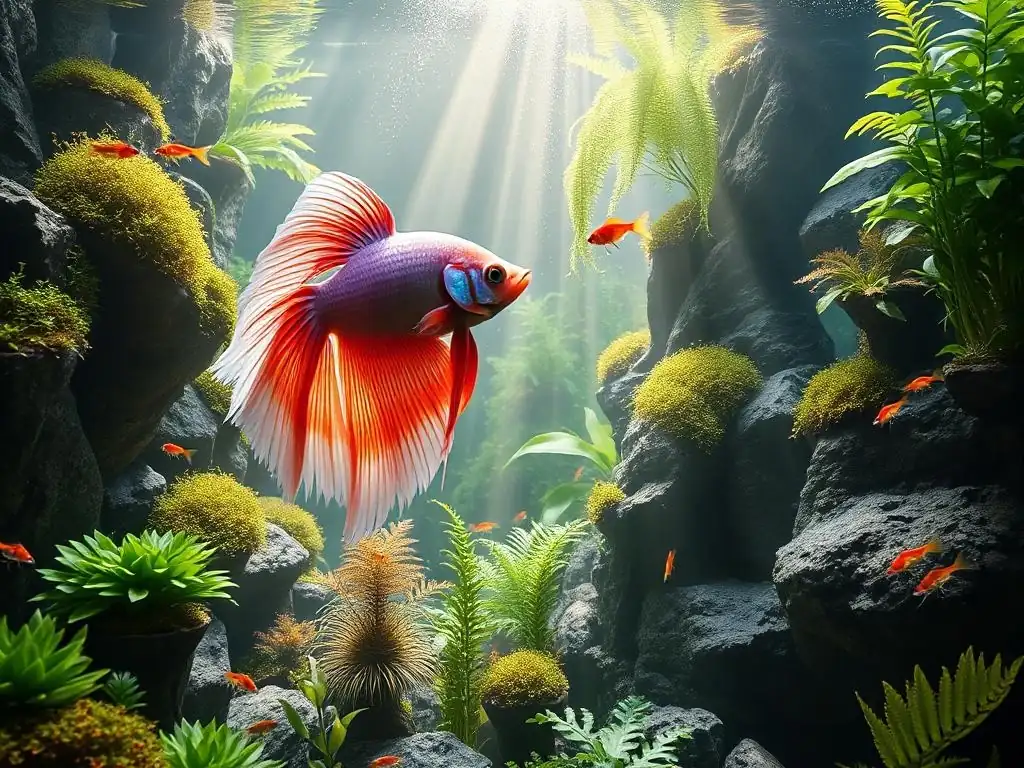
Welcome to Aquarium Mastery! Ever wondered if there's more to a pink kissing gourami than just its adorable puckering lips? Dive in! This article unravels the mysteries behind the pink and green variations of this fascinating fish, offering essential Pink Kissing Gourami Care Tips and so much more. Ready to unlock the secrets to keeping your kissing gourami happy and healthy? Let's get started...
- Kissing Gourami Care: Exploring Color Variations & Comprehensive Guide
- Introduction to Kissing Gouramis: Variations & Overview
- Tank Setup: Creating the Ideal Habitat
- Water Parameters: Maintaining Optimal Conditions
- Feeding: Diet and Nutrition
- Behavior and Compatibility
- Health Issues and Prevention
- Breeding: A Challenging Endeavor
- Troubleshooting
- Conclusion
-
Frequently Asked Questions
- What are the key differences between Pink and Green Kissing Gouramis?
- What are some essential care tips for Pink Kissing Gouramis?
- Are Pink Kissing Gouramis compatible with other fish in a community aquarium?
- What are some common health issues that affect Pink Kissing Gouramis?
- How often should I feed my Pink Kissing Gourami, and what should I feed them?
- Final Reflection: Embracing the Nuances of Aquatic Harmony
- Dive Deeper: Transform Your Aquarium into a Gourami Paradise!
Kissing Gourami Care: Exploring Color Variations & Comprehensive Guide
Introduction to Kissing Gouramis: Variations & Overview
What are Kissing Gouramis? An Overview
Kissing Gouramis, scientifically known as Helostoma temminckii, are fascinating freshwater fish native to Southeast Asia, specifically found in Thailand, Cambodia, Vietnam, and Indonesia. Their most distinctive feature, and the origin of their common name, is their large, fleshy lips which they frequently use in a unique "kissing" behavior. These fish are known for their potential to grow quite large, often reaching lengths of 10 to 12 inches (25-30 cm) in a well-maintained aquarium, and can live for 5 to 7 years, sometimes even longer, if provided with excellent Pink kissing gourami care tips.
Beyond their prominent mouths, Kissing Gouramis possess an elongated, somewhat compressed body shape and are equipped with a labyrinth organ, allowing them to breathe atmospheric air directly from the surface. This adaptation enables them to survive in oxygen-poor waters in their natural habitat. Their generally peaceful, yet sometimes territorial, disposition makes them a unique addition to larger community tanks, provided their specific needs regarding space and water quality are met.
Color Variations: Exploring Pink, Silver-Green, and Gold Types
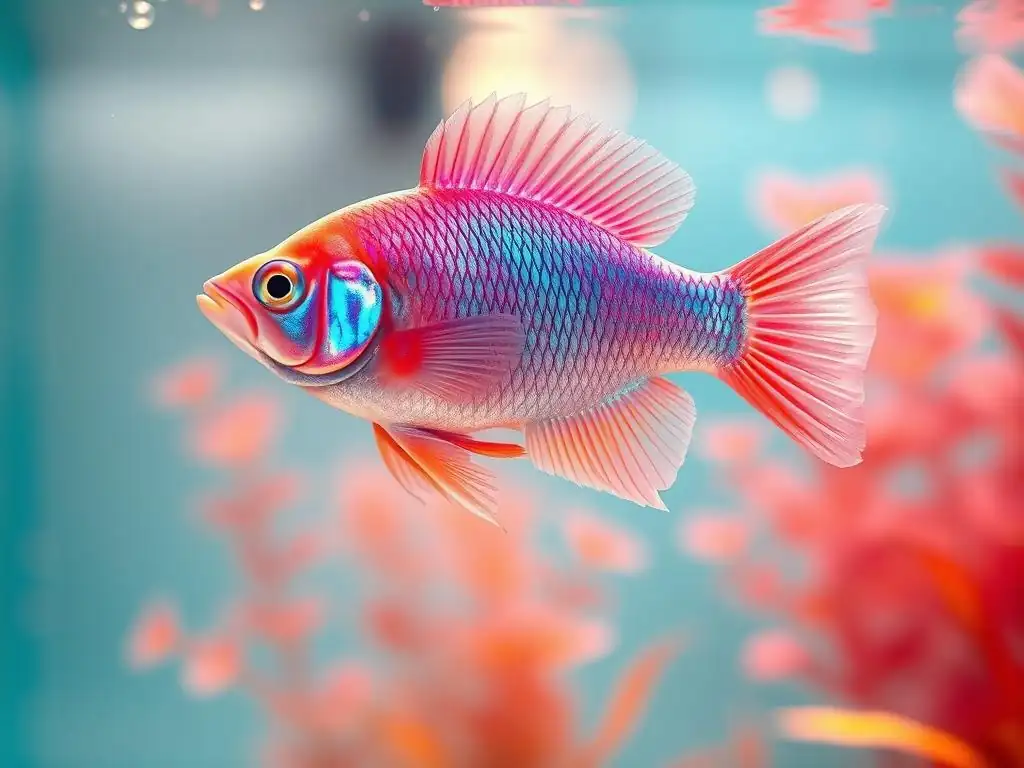
While the wild type of Kissing Gourami typically exhibits a silvery-green or olive coloration, selective breeding has introduced several popular color morphs into the aquarium trade. The most widely recognized variation is the Pink Kissing Gourami, often referred to as the "albino" or "leucistic" form due to its pale pink to orange-pink body and often translucent fins. This striking coloration makes them a popular choice among aquarists, and understanding their specific needs is key to successful Pink kissing gourami care tips.
In addition to the wild silver-green and the cultivated pink forms, a less common gold variation also exists, presenting a more vibrant yellow-orange hue. Despite these aesthetic differences, the fundamental care requirements, including diet, water parameters, and tank setup, remain remarkably consistent across all color morphs. Therefore, Pink kissing gourami care tips are largely applicable to their green and gold counterparts, emphasizing that color primarily influences visual appeal rather than husbandry.
Importance of Understanding Variations for Aquarium Care
Understanding the color variations of Kissing Gouramis is primarily important for aesthetic preference and for recognizing the origin of a particular specimen. For instance, the Pink Kissing Gourami is a captive-bred strain, meaning it has adapted over generations to aquarium life, though its core needs remain tied to its wild ancestors. Recognizing these variations helps aquarists choose fish that fit their tank's aesthetic and manage expectations regarding their appearance.
While the care requirements for the various color forms are largely identical, knowing the specific morph can sometimes offer subtle insights into their resilience or genetic predispositions, although these are generally minor. The core Pink kissing gourami care tips, focusing on tank size, water quality, and diet, are universally vital for the health and longevity of all Helostoma temminckii specimens, regardless of their hue. This knowledge allows aquarists to provide consistent and effective care for any Kissing Gourami they choose to keep.
Tank Setup: Creating the Ideal Habitat
Minimum Tank Size for Adult Kissing Gouramis
Given their potential to reach lengths of 10 to 12 inches (25-30 cm) and their active swimming nature, Kissing Gouramis require a substantial amount of space. For a single adult Kissing Gourami, a minimum tank size of 75 gallons (approximately 284 liters) is highly recommended. This provides adequate room for swimming and helps mitigate potential territorial disputes.
For a pair or a small group of three to four individuals, a tank of 125 gallons (around 473 liters) or larger is essential to reduce aggression and ensure sufficient territory for each fish. Providing ample space is a cornerstone of effective Pink kissing gourami care tips.
Importance of Horizontal Space for Swimming
Kissing Gouramis are not primarily vertical swimmers; they prefer to cruise horizontally across the tank. Therefore, when selecting an aquarium, prioritize tanks with a longer footprint rather than just depth or height. A tank measuring at least 48 inches (122 cm) in length for a single specimen, and ideally 72 inches (183 cm) or more for multiple individuals, allows them to exhibit natural swimming patterns and reduces stress. This emphasis on horizontal space is crucial for their well-being and is a key consideration in Pink kissing gourami care tips.
Considerations for Community Tanks
When integrating Kissing Gouramis into a community aquarium, tank size considerations become even more critical. Their potential for semi-aggressive behavior, particularly towards conspecifics or similar-looking fish, necessitates a larger environment. A tank of 150 gallons (568 liters) or more is advisable for a diverse community tank that includes Kissing Gouramis, allowing sufficient space for all inhabitants to establish territories and retreat when necessary. Overcrowding is a common cause of stress and aggression, making generous tank sizing paramount for successful Pink kissing gourami care tips in a mixed species setup.
Substrate, Decor & Plants: Enhancing the Gourami Environment
Choosing Safe Substrates for Bottom Feeding
Kissing Gouramis often sift through the substrate with their unique mouths, particularly when searching for food particles or grazing on algae. Therefore, selecting a safe and appropriate substrate is vital for their health. Fine gravel or sand is highly recommended over coarser gravel, as sharp edges can potentially injure their delicate lips and mouths. A smooth, non-abrasive substrate also makes it easier for them to forage naturally without risk of abrasion, contributing to optimal Pink kissing gourami care tips.
Decorating with Rocks, Wood & Caves for Shelter
While Kissing Gouramis are large fish, they still benefit from a well-decorated environment that offers visual breaks and potential hiding spots. Incorporating smooth rocks, driftwood, and artificial or natural caves can provide essential shelter and reduce stress, especially in a community tank or when managing potential aggression among gouramis. Ensure that any decor items are stable, smooth, and do not have sharp edges that could harm the fish. Strategic placement of decor can also help break up lines of sight, further reducing territorial disputes.
Live Plant Options for Water Quality and Enrichment
Live plants are an excellent addition to a Kissing Gourami tank, offering both aesthetic appeal and significant benefits for water quality and fish enrichment. Robust plant species like Anubias, Java Fern, and Amazon Swords are ideal, as their sturdy leaves can withstand the Gouramis' occasional grazing or accidental uprooting. While Kissing Gouramis are known to nibble on softer plant leaves, providing a variety of hardy plants offers cover, helps absorb nitrates, and creates a more natural and stimulating environment, all of which are valuable Pink kissing gourami care tips.
Essential Equipment: Filtration, Heating, and Lighting
Filtration: Maintaining Water Quality and Clarity
Given their large size and substantial bioload, Kissing Gouramis require robust and efficient filtration to maintain pristine water quality. A high-capacity canister filter or a powerful hang-on-back (HOB) filter with strong mechanical, biological, and chemical media is essential. This setup helps remove particulate matter, convert harmful ammonia and nitrite into less toxic nitrate, and absorb undesirable organic compounds. Adequate filtration is a non-negotiable aspect of successful Pink kissing gourami care tips, ensuring clear water and a healthy environment.
Heating: Ensuring Optimal Temperature Stability
Kissing Gouramis are tropical fish and thrive in warm, stable water temperatures. The ideal temperature range for Helostoma temminckii is between 75-82°F (24-28°C). To achieve and maintain this stability, a reliable aquarium heater, appropriately sized for the tank volume, is crucial. For larger tanks, multiple heaters might be necessary to ensure even heat distribution. Consistent temperature is vital for their metabolism, immune system, and overall well-being, making it a key component of comprehensive Pink kissing gourami care tips.
Lighting: Supporting Plant Growth and Natural Behavior
The lighting setup for a Kissing Gourami tank should primarily support the growth of any live plants and simulate a natural day-night cycle for the fish. Moderate lighting, typically 8-10 hours per day, is generally sufficient for the hardy plant species recommended for these tanks. Excessive lighting can contribute to undesirable algae growth, while insufficient light can stress plants. A timer can be used to ensure a consistent photoperiod, promoting natural behavior patterns and overall health, which are important considerations in providing the best Pink kissing gourami care tips.
Water Parameters: Maintaining Optimal Conditions
Ideal Temperature, pH & Hardness Levels
Recommended Temperature Range for Kissing Gouramis
Maintaining the correct water temperature is paramount for the health and vitality of Kissing Gouramis. These tropical fish thrive in a consistent temperature range of 75-82°F (24-28°C). Temperatures outside this range can stress the fish, weaken their immune system, and make them more susceptible to diseases. Using a reliable aquarium heater and thermometer is essential to ensure stable conditions, providing a crucial element of effective Pink kissing gourami care tips.
Optimal pH Levels for Health and Reproduction
Kissing Gouramis are relatively adaptable regarding pH, tolerating a range from slightly acidic to slightly alkaline conditions. An optimal pH level for their long-term health and potential breeding endeavors falls between 6.8 and 8.0. While they can adapt to slight variations, sudden or drastic pH fluctuations should be avoided, as these can cause significant stress. Regular monitoring of pH with a liquid test kit is recommended to maintain stability within this preferred range.
Water Hardness Considerations
In terms of water hardness, Kissing Gouramis prefer soft to moderately hard water, typically ranging from 5-15 dGH (degrees of General Hardness). While they can tolerate slightly harder water, maintaining conditions within this range is conducive to their overall well-being and can reduce stress. Aquarists should test their tap water and, if necessary, use water conditioners or filtration methods to adjust hardness to suit these fish. Consistent water parameters are a cornerstone of exceptional Pink kissing gourami care tips.
Water Changes: Crucial for Gourami Health
Frequency and Volume of Water Changes
Regular water changes are arguably the most critical aspect of maintaining a healthy environment for Kissing Gouramis, given their significant bioload. A weekly water change of 25-30% of the tank volume is highly recommended. For larger tanks or those with a higher fish density, two smaller water changes per week (e.g., 15-20% twice weekly) might be more beneficial to keep nitrate levels consistently low. This diligent schedule is a fundamental component of effective Pink kissing gourami care tips.
Importance of Dechlorination and Temperature Matching
When performing water changes, it is absolutely vital to treat all new water with a high-quality dechlorinator to neutralize chlorine and chloramines, which are toxic to fish. Furthermore, the temperature of the new water should closely match that of the tank water, ideally within 1-2 degrees Fahrenheit (0.5-1 degree Celsius). Introducing water with a significant temperature difference can cause temperature shock, severely stressing the fish and potentially leading to illness or death.
Monitoring Water Parameters After Changes
After each water change, it is a good practice to re-test key water parameters such as ammonia, nitrite, and nitrate, especially if you are new to the hobby or suspect any issues. While water changes are designed to improve water quality, monitoring helps confirm that the process is effective and that the tank's nitrogen cycle remains stable. This proactive approach ensures that water changes are truly beneficial and contribute positively to long-term Pink kissing gourami care tips.
Monitoring Water Quality: Testing for Ammonia, Nitrite, and Nitrate
Importance of Regular Water Testing
Regular water quality testing is indispensable for successful aquarium keeping, particularly for larger fish like Kissing Gouramis. Using a reliable liquid-based test kit to monitor ammonia, nitrite, and nitrate levels at least once a week provides critical insights into the health of the aquarium's nitrogen cycle. Early detection of imbalances allows for timely intervention, preventing stress and disease in your fish. This proactive monitoring is a core element of comprehensive Pink kissing gourami care tips.
Understanding Ammonia and Nitrite Toxicity
Ammonia (NH3) and nitrite (NO2) are highly toxic compounds that are produced as fish waste and decaying organic matter break down in the aquarium. In a healthy, cycled tank, beneficial bacteria rapidly convert ammonia into nitrite, and then nitrite into less harmful nitrate. Any detectable levels of ammonia or nitrite (i.e., above 0 ppm) indicate an issue with the biological filtration and pose an immediate threat to your Kissing Gouramis' health. Even slight traces can cause gill damage, stress, and lead to fatal conditions over time.
Managing Nitrate Levels Through Water Changes
Nitrate (NO3) is the end product of the nitrogen cycle and is significantly less toxic than ammonia or nitrite. However, high concentrations of nitrate can still be detrimental to fish health, contributing to stress, stunted growth, and increased susceptibility to disease. For Kissing Gouramis, the goal is to keep nitrate levels consistently below 20 ppm. Regular and sufficient water changes are the primary method for controlling nitrate accumulation, effectively removing it from the water column and preventing it from reaching harmful concentrations.
Feeding: Diet and Nutrition
Varied Diet: Flakes, Pellets, and Live/Frozen Foods
Commercial Flake and Pellet Food Options
A high-quality commercial flake or pellet food should form the staple of a Kissing Gourami's diet. Look for brands that list fish meal or other animal proteins as the primary ingredients, supplemented with vegetable matter. Flakes are suitable for younger, smaller gouramis, while larger pellets are more appropriate for adult specimens, as they are easier for them to consume efficiently. Feeding a varied base diet is crucial for providing balanced Pink kissing gourami care tips.
Supplementing with Live or Frozen Foods (e.g., Bloodworms, Brine Shrimp)
To ensure a complete and enriched diet, it is highly recommended to supplement commercial foods with live or frozen options several times a week. Excellent choices include bloodworms, brine shrimp, daphnia, and Mysis shrimp. These protein-rich foods provide essential nutrients, boost their immune system, and encourage natural foraging behaviors. Always thaw frozen foods before feeding and avoid overfeeding to prevent water pollution.
Algae Consumption and Supplementation
Kissing Gouramis are natural grazers and will consume algae that grows on tank surfaces. While they can help control mild algae growth, it's important not to rely solely on this for their nutritional needs. Supplementing their diet with algae wafers or blanched vegetables like zucchini, spinach, or peas ensures they receive adequate plant-based nutrition, which is vital for their digestive health and overall well-being. This dual approach to their diet is a key aspect of successful Pink kissing gourami care tips.
Feeding Frequency and Portion Control
Recommended Feeding Schedule for Adults and Juveniles
For adult Kissing Gouramis, feeding once or twice daily is generally sufficient. Juveniles, which are still growing, may benefit from two to three smaller feedings per day. The key is to provide small portions that can be consumed within 2-3 minutes to prevent overfeeding and maintain water quality. Establishing a consistent feeding routine helps regulate their metabolism and encourages natural feeding behaviors.
Avoiding Overfeeding and Food Waste
Overfeeding is a common mistake in aquarium keeping and can lead to serious water quality issues. Uneaten food decomposes rapidly, releasing ammonia and nitrite, which are highly toxic to fish. Furthermore, overfeeding can lead to obesity and digestive problems in the gouramis themselves. It is always better to underfeed slightly than to overfeed, especially when providing specialized Pink kissing gourami care tips.
Recognizing Signs of Overfeeding
Signs of overfeeding include uneaten food accumulating on the substrate or floating on the surface after feeding time, cloudy water, and an increase in nuisance algae growth. Additionally, if your Kissing Gouramis appear bloated or unusually lethargic, it could be an indication of overfeeding or an improper diet. Adjusting portion sizes and observing your fish's appetite and waste production are crucial steps in maintaining a healthy feeding regimen.
Supplementing with Algae: Natural Grazing and Nutrition
Providing Algae Wafers or Veggies
As natural grazers, Kissing Gouramis benefit significantly from a diet supplemented with plant-based foods. High-quality algae wafers designed for bottom feeders are an excellent way to ensure they receive adequate vegetable matter. Alternatively, blanched fresh vegetables such as zucchini slices, cucumber, spinach, or shelled peas can be offered a few times a week. These provide essential fiber and nutrients that contribute to digestive health and overall vitality, making them important Pink kissing gourami care tips.
Encouraging Natural Algae Growth in the Tank
Allowing a controlled amount of natural algae to grow on specific surfaces within the tank, such as on rocks or the back glass, can provide additional grazing opportunities for your Kissing Gouramis. This encourages their natural foraging behavior and offers a continuous source of supplemental nutrition. However, care must be taken to ensure algae growth does not become excessive, which can indicate nutrient imbalances in the water.
Benefits of Algae in Their Diet
The inclusion of algae and other plant matter in a Kissing Gourami's diet offers numerous benefits. It provides essential vitamins, minerals, and fiber, which aid in digestion and prevent issues like constipation. Regular grazing on algae also mimics their natural feeding habits in the wild, contributing to their psychological well-being and reducing boredom. This holistic approach to nutrition is vital for ensuring robust health and vibrant coloration, rounding out comprehensive Pink kissing gourami care tips.
Behavior and Compatibility
Understanding "Kissing" Behavior: Dominance or Cleaning?
Differentiating Between Aggressive and Cleaning Kisses
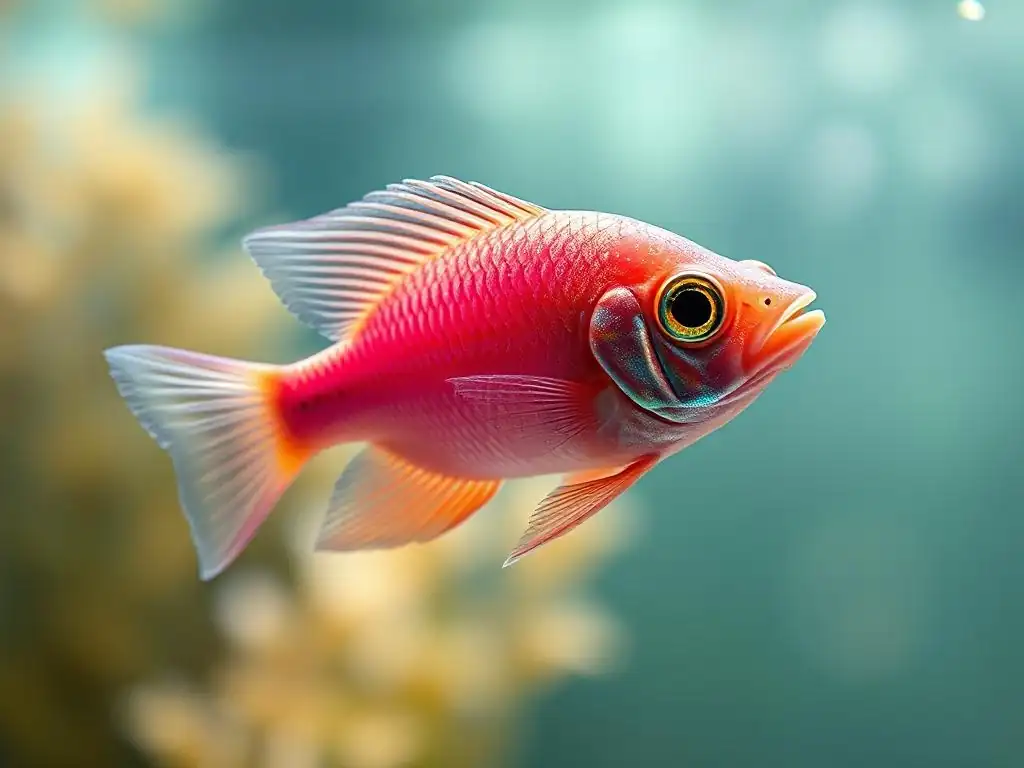
The iconic "kissing" behavior of Kissing Gouramis is often misinterpreted by aquarists. While it might appear affectionate or even like they are cleaning each other, it is predominantly a display of dominance or territoriality. Two gouramis will lock lips and push against each other, a test of strength to establish hierarchy within their group. True cleaning behavior is rare and not the primary reason for this interaction. Observing the context, such as flared fins or chasing after the "kiss," can help distinguish a dominance display.
Factors Influencing Kissing Behavior
Several factors can influence the frequency and intensity of kissing behavior. Tank size plays a significant role; in smaller tanks, limited space can lead to more frequent and aggressive encounters as individuals compete for territory. The presence of multiple Gouramis, particularly males, can also increase these dominance displays. Stress, overcrowding, and even the introduction of new fish can trigger more frequent kissing bouts as the social structure is re-established.
Managing Aggression Through Tank Design
While kissing behavior is natural, excessive or prolonged aggression can lead to stress and injury. Effective tank design is crucial for mitigating this. Providing ample space, especially horizontal swimming room, helps reduce territorial disputes. Incorporating numerous hiding spots and visual barriers using plants, rocks, and driftwood can break up lines of sight, allowing less dominant fish to retreat and find refuge. A well-designed environment is a cornerstone of peaceful Pink kissing gourami care tips.
Tank Mates: Choosing Compatible Species
Suitable Tank Mates for Peaceful Community Tanks
When selecting tank mates for Kissing Gouramis, prioritize species that are large, peaceful, and robust enough to hold their own. Good choices include larger, peaceful schooling fish like Silver Dollars, Giant Danios, or various species of larger tetras such as Congo Tetras. Other suitable companions might include peaceful, similarly sized catfish (e.g., Bristlenose Plecos) or certain non-aggressive, larger cichlids like Kribensis Cichlids, provided the tank is sufficiently spacious. Selecting appropriate tank mates is a vital part of comprehensive Pink kissing gourami care tips.
Fish to Avoid Due to Aggression or Competition
Avoid housing Kissing Gouramis with very small, delicate, or slow-moving fish, as the gouramis might bully or stress them. Similarly, highly aggressive or fin-nipping species should be avoided, as they could injure the gouramis or escalate territorial conflicts. Fish with long, flowing fins, such as angelfish or bettas, might also be targets for nipping. Extremely boisterous fish that constantly outcompete the gouramis for food should also be considered carefully.
Considerations for Size and Temperament
The primary considerations for tank mate selection are size and temperament compatibility. Ensure that potential tank mates are roughly the same size or larger than the Kissing Gourami to prevent them from being seen as food or being easily intimidated. Also, select species with a generally peaceful disposition, avoiding those known for extreme aggression or territoriality. A diverse tank that offers plenty of space and hiding spots for all inhabitants will contribute to a harmonious environment.
Managing Aggression: Space, Hiding Places, and Tank Mates
Providing Ample Space to Reduce Territoriality
Aggression in Kissing Gouramis, particularly their "kissing" dominance displays, is often exacerbated by insufficient space. Providing a generously sized aquarium, ideally 125 gallons or more for multiple individuals, allows each fish to establish and maintain its own territory without constant conflict. This ample room reduces the perceived competition for resources and personal space, significantly lowering stress levels and minimizing aggressive encounters. A spacious environment is perhaps the most critical element in managing their behavior.
Creating Hiding Places with Plants and Decorations
A well-aquascaped tank with numerous hiding spots and visual barriers is essential for diffusing aggression among Kissing Gouramis. Dense plantings, particularly tall, sturdy plants like Amazon Swords or Vallisneria, along with driftwood, rocks, and artificial caves, can break up lines of sight. This allows less dominant fish to retreat and hide from more aggressive individuals, reducing stress and preventing prolonged bullying. These structural elements are key Pink kissing gourami care tips for behavioral management.
Choosing Tank Mates That Can Defend Themselves
If aggression persists or if you are keeping a group of Kissing Gouramis, selecting tank mates that are robust and can defend themselves is advisable. Avoid very docile, slow-moving, or small fish that could easily be intimidated or targeted. Instead, opt for species that are similarly sized, active, and can hold their own in a semi-aggressive environment. This strategic selection of companions helps ensure that no single fish becomes an easy target, contributing to a more balanced and peaceful community tank.
Health Issues and Prevention
Identifying Signs of Illness
Observing Changes in Behavior, Appetite, and Appearance
Early detection of illness is crucial for successful treatment and preventing the spread of disease. Aquarists should regularly observe their Kissing Gouramis for any changes in their normal behavior, such as lethargy, hiding more than usual, or unusual swimming patterns like darting or rubbing against objects. A sudden loss of appetite or refusal to eat is also a strong indicator of underlying health issues. Additionally, changes in appearance, including faded coloration, clamped fins, or visible spots, lesions, or growths, warrant immediate attention.
Recognizing Symptoms of Common Diseases
Familiarity with the symptoms of common fish diseases is vital for prompt diagnosis. For instance, white spots resembling salt grains on the body and fins often indicate Ich (Ichthyophthirius multifiliis). Frayed or rotting fins are classic signs of Fin Rot, often caused by poor water quality. Swelling, bulging eyes (Popeye), or difficulty swimming normally can point to internal bacterial infections or organ failure. Recognizing these specific symptoms allows for targeted and timely Pink kissing gourami care tips for treatment.
Common Diseases: Ich, Fin Rot, and Parasites
Ich (White Spot Disease): Symptoms and Treatment
Ich, or White Spot Disease, is one of the most common and recognizable parasitic infections in freshwater aquariums. Symptoms include small, white, salt-like spots scattered across the fish's body and fins, accompanied by increased respiration, flashing (rubbing against tank objects), and lethargy. Treatment typically involves gradually raising the tank temperature to 82-86°F (28-30°C) over 24-48 hours, along with the use of an anti-parasitic medication such as malachite green or formalin-based treatments. Salt baths can also be beneficial in some cases.
Fin Rot: Causes, Prevention, and Treatment
Fin Rot is a bacterial infection characterized by the deterioration of a fish's fins, which may appear ragged, frayed, or discolored (often red or black at the edges). It is frequently caused by poor water quality, overcrowding, stress, or injuries. Prevention relies heavily on maintaining pristine water conditions through regular water changes and efficient filtration. Treatment involves correcting water quality issues immediately and administering broad-spectrum antibacterial medications, often combined with aquarium salt.
Parasitic Infections: Identification and Medication
Kissing Gouramis can be susceptible to various internal and external parasitic infections, beyond just Ich. External parasites like flukes (Dactylogyrus and Gyrodactylus) can cause excessive mucus production, labored breathing, and flashing. Internal parasites, such as intestinal worms, may lead to weight loss despite eating, stringy white feces, or bloating. Diagnosis often requires careful observation of symptoms. Treatment typically involves specific anti-parasitic medications, either added to the water or incorporated into food, depending on the type of parasite.
Prevention: Proactive Care Strategies
Maintaining Clean Water: The Foundation of Fish Health
The single most effective preventative measure against disease in Kissing Gouramis is maintaining consistently clean and stable water parameters. Regular weekly water changes (25-30%), combined with robust filtration, prevent the buildup of harmful ammonia, nitrite, and nitrate. This proactive approach minimizes stress, which is a major contributor to weakened immune systems, and ensures a healthy environment where pathogens are less likely to thrive. Pristine water is the bedrock of all good Pink kissing gourami care tips.
Proper Nutrition: Boosting Immunity and Preventing Deficiencies
A varied and balanced diet is crucial for bolstering a Kissing Gourami's immune system and preventing nutritional deficiencies. Feeding a high-quality staple food supplemented with live, frozen, and vegetable matter provides all the necessary vitamins, minerals, and proteins. A well-nourished fish is more resilient to disease and can recover more effectively if it does fall ill. Avoid overfeeding, as this can lead to digestive issues and water quality degradation.
Regular Observation: Early Detection of Potential Issues
Daily observation of your Kissing Gouramis is an invaluable preventative strategy. Spending a few minutes each day watching their behavior, checking their appetite, and scrutinizing their physical appearance allows for the early detection of subtle changes that might indicate the onset of illness. Prompt identification of symptoms enables quick intervention, often before a disease becomes severe or spreads to other tank inhabitants. This vigilant monitoring significantly increases the chances of successful treatment and overall tank health.
Breeding: A Challenging Endeavor
Creating Breeding Conditions
Setting Up a Separate Breeding Tank
Breeding Kissing Gouramis in a community tank is highly unlikely due to their size and the potential for egg predation. A dedicated breeding tank, ideally 50-75 gallons (190-284 liters), is necessary. This tank should be sparsely decorated with fine-leaved plants or spawning mops for egg deposition, and it should have a gentle sponge filter to avoid harming the delicate fry. Dim lighting and a tight-fitting lid are also beneficial.
Water Parameters: Temperature, pH, and Softness
To induce spawning, specific water parameters are often required. The temperature should be gradually raised to the upper end of their preferred range, around 80-82°F (27-28°C). The pH should be slightly acidic to neutral, ideally between 6.5-7.0, and the water should be soft, with a general hardness (dGH) of 3-8. These conditions mimic their natural spawning environment and help stimulate reproductive activity.
Providing Floating Plants for Nest Building
Unlike many other gourami species which are bubble nesters, Kissing Gouramis are egg scatterers. They do not build elaborate bubble nests. Instead, they typically scatter their adhesive eggs among fine-leaved plants, often near the surface. Providing a dense cluster of floating plants like Water Sprite, Hornwort, or Java Moss in the breeding tank offers ideal sites for egg deposition and provides initial cover for the newly hatched fry.
Inducing Spawning
Raising Temperature to Stimulate Spawning
Once the breeding tank is set up with optimal parameters, a gradual increase in temperature can act as a trigger for spawning. Slowly raising the temperature from 78°F to 82°F (26.5-28°C) over a few days can simulate seasonal changes that encourage breeding. This temperature elevation, combined with rich feeding, signals to the fish that conditions are favorable for reproduction.
Introducing a Breeding Pair to the Tank
Select a well-conditioned, healthy male and female Kissing Gourami for the breeding tank. Males are typically more slender and have a slightly more pointed dorsal fin, while females are fuller-bodied, especially when gravid. Feed them a high-protein diet of live and frozen foods for several days prior to introduction to ensure they are in peak breeding condition. Observe them closely for signs of compatibility and spawning behavior.
Observing Spawning Behavior
Spawning typically occurs in the morning. The male and female will engage in a courtship ritual, which includes circling and gentle "kissing" displays. The female will release eggs, usually in batches, which are then fertilized by the male. The adhesive eggs will typically sink and stick to the plants or substrate. After spawning, which can last for several hours and produce hundreds to thousands of eggs, it is crucial to remove the adult fish, as they may consume the eggs.
Caring for Fry
Feeding Fry Infusoria or Liquid Fry Food
Kissing Gourami fry are extremely small upon hatching, which typically occurs within 24-36 hours at 80°F (27°C). Their initial food source must be microscopic. Infusoria, a culture of microscopic organisms, is an ideal first food. Alternatively, commercial liquid fry foods or highly concentrated powdered fry foods designed for egg-laying fish can be used. Feed tiny amounts frequently throughout the day to ensure all fry have access to food.
Gradual Introduction of Small Live Foods
As the fry grow, usually within a few days to a week, they will be able to consume slightly larger foods. Gradually introduce newly hatched brine shrimp nauplii, microworms, or vinegar eels. These live foods provide essential nutrients for rapid growth and development. Continue to offer these small live foods for several weeks, transitioning to finely crushed flake food as they grow larger and can accept it.
Maintaining Water Quality and Temperature
Maintaining pristine water quality is absolutely critical for the survival of Kissing Gourami fry. Due to their delicate nature and the need for frequent feeding, small, frequent water changes (e.g., 10-15% daily or every other day) are necessary to prevent the buildup of waste. Use an air stone with very gentle aeration or a sponge filter to avoid strong currents. Consistent water temperature within the optimal range for adults is also vital for the fry's development and health.
Troubleshooting
Addressing Aggression: Solutions for Tank Disputes
Providing More Space and Hiding Places
Aggression in Kissing Gouramis, particularly their "kissing" dominance displays, often stems from insufficient space. The most effective solution is to provide a larger aquarium, ideally 125 gallons or more for a pair or small group. This allows each fish to establish a clearer territory, reducing the perceived need to compete. Additionally, ensuring ample hiding spots and visual barriers using dense plants, driftwood, and rock formations can break up lines of sight, allowing less dominant fish to retreat and find refuge, significantly lowering stress levels.
Re-arranging Tank Decorations to Disrupt Territory
If aggression becomes a persistent issue in an established tank, a temporary solution can be to completely re-arrange the tank decorations. This disrupts any pre-established territories and forces the fish to re-evaluate their environment, often leading to a temporary truce or a new, less aggressive hierarchy. While not a permanent fix for underlying space issues, it can provide immediate relief and reduce conflict, giving you time to implement more comprehensive solutions.
Separating Aggressive Individuals
As a last resort, if aggression becomes severe and leads to injury or chronic stress for other tank inhabitants, it may be necessary to separate the most aggressive individual. This can involve moving the problematic gourami to its own dedicated tank or rehoming it. While not ideal, it ensures the well-being of all fish in the aquarium and prevents further harm. This extreme measure highlights the importance of proactive Pink kissing gourami care tips regarding tank size and compatibility.
Managing Algae Overgrowth: Causes and Solutions
Controlling Lighting and Nutrients
Algae overgrowth is typically a symptom of an imbalance in the aquarium, most commonly excessive light or high nutrient levels. To address this, first, reduce the duration of your tank's lighting to 8-10 hours per day. Avoid direct sunlight hitting the tank. Secondly, ensure you are not overfeeding your Kissing Gouramis, as uneaten food breaks down into nutrients that fuel algae. Regular and sufficient water changes (25-30% weekly) are crucial for removing excess nitrates and phosphates, which are primary algae nutrients.
Introducing Algae-Eating Tank Mates
Certain algae-eating species can be introduced as compatible tank mates to help control algae. Otocinclus catfish, Nerite snails, or Amano shrimp are excellent choices that are generally peaceful and effective at consuming various types of algae. However, always research their specific care requirements and ensure they are compatible with your Kissing Gouramis before adding them to the tank. Remember, these are supplementary solutions, not substitutes for proper nutrient control.
Manual Algae Removal
For immediate relief and to maintain a clean appearance, manual algae removal is often necessary. Use an aquarium scraper or magnet cleaner to remove algae from the glass. For decor and plants, you can gently wipe or scrub the affected surfaces during water changes. Removing as much algae as possible physically helps reduce the existing biomass and allows other control methods to be more effective in the long run.
Difficulty Eating: Causes and Solutions
Checking for Mouth Injuries or Infections
If a Kissing Gourami is having difficulty eating, the first step is to visually inspect its mouth for any signs of injury, infection, or fungal growth. Their unique mouthparts are susceptible to abrasions from sharp substrate or decor. Look for redness, swelling, cottony growths, or visible lesions. If an injury or infection is suspected, isolate the fish if possible and consult a fish health guide for appropriate treatment, such as antibacterial or antifungal medications.
Offering Softer Foods or Smaller Portions
Sometimes, difficulty eating can be due to the type or size of food offered. If the gourami appears to be trying to eat but struggling, try offering softer foods like blanched peas (shelled), small pieces of bloodworms, or high-quality gel foods. If using pellets, ensure they are appropriately sized for the fish's mouth and consider pre-soaking them to soften. Offering smaller, more frequent portions can also make it easier for a struggling fish to consume enough food without becoming overwhelmed.
Ensuring Adequate Tank Space and Reduced Competition
Chronic stress can suppress a fish's appetite and lead to difficulty eating. In Kissing Gouramis, stress often arises from inadequate tank space or aggressive tank mates. Ensure your aquarium meets the minimum size requirements for these fish and that there are plenty of hiding spots. If competition for food is an issue, consider spreading food across a wider area of the tank during feeding times, or temporarily separating the affected fish during meals to ensure it gets enough to eat. Addressing underlying stress factors is crucial for their recovery and overall Pink kissing gourami care tips.
Conclusion
The Rewards of Keeping Kissing Gouramis
Keeping Kissing Gouramis can be an incredibly rewarding experience for the dedicated aquarist. Their unique "kissing" behavior, striking coloration – especially the popular Pink Kissing Gourami – and impressive size make them a captivating centerpiece in a large freshwater aquarium. With proper Pink kissing gourami care tips, including ample space, pristine water quality, and a balanced diet, these fish can thrive for many years, offering a fascinating glimpse into their social dynamics and robust nature. Their longevity and distinct personality truly enrich the aquatic hobby.
Further Resources for Gourami Enthusiasts
For those passionate about Kissing Gouramis and other labyrinth fish, a wealth of information is available to deepen your understanding. Reputable online forums dedicated to specific fish species, comprehensive aquarium husbandry guides, and scientific journals often provide detailed insights into their biology, behavior, and advanced care techniques. Joining local aquarium clubs can also connect you with experienced aquarists who can offer practical advice and share their personal experiences, enhancing your Pink kissing gourami care tips.
Promoting Responsible Aquarium Keeping
As with all aquatic inhabitants, responsible aquarium keeping is paramount. This involves committing to providing the necessary tank size, maintaining optimal water parameters, offering a varied and nutritious diet, and understanding their specific behavioral needs. By adhering to these principles, aquarists ensure the health and well-being of their Kissing Gouramis, contributing to a sustainable and ethical hobby. Promoting responsible care helps guarantee that these remarkable fish can continue to thrive in home aquariums for generations to come.
Frequently Asked Questions
What are the key differences between Pink and Green Kissing Gouramis?
The main differences are coloration and availability. Pink Kissing Gouramis are generally more common in the aquarium trade, while Green Kissing Gouramis can be harder to find. Both have the same kissing behavior.
What are some essential care tips for Pink Kissing Gouramis?
Pink Kissing Gouramis require a spacious tank (at least 30 gallons), clean water maintained through regular water changes, and a balanced diet including flakes, algae wafers, and occasional live or frozen foods.
Are Pink Kissing Gouramis compatible with other fish in a community aquarium?
They can be semi-aggressive, especially towards fish of similar size or shape. Careful tank mate selection is crucial. Avoid small or slow-moving fish that could be bullied.
What are some common health issues that affect Pink Kissing Gouramis?
Common issues include ich (white spot disease), fin rot, and parasitic infections. Maintaining good water quality and providing a stress-free environment are vital for preventing these problems.
How often should I feed my Pink Kissing Gourami, and what should I feed them?
Feed them once or twice a day with an amount they can consume in a few minutes. Offer a variety of foods, including high-quality flake food, algae wafers, and occasional live or frozen foods like bloodworms.
Final Reflection: Embracing the Nuances of Aquatic Harmony
The journey into understanding the subtle differences between Pink and Green Kissing Gouramis, as we've explored, underscores a larger truth: attention to detail unlocks deeper appreciation and success in any endeavor. Just as recognizing the specific needs of each color variation enhances their well-being, so too does mindful observation enrich our understanding of the world around us. This extends far beyond the aquarium, reminding us that seemingly minor distinctions can hold significant implications.
This exploration of Kissing Gourami care has profoundly influenced how I view responsible pet ownership and the interconnectedness of ecosystems. It's a reminder that even seemingly simple acts, like choosing the right food or maintaining optimal water parameters, contribute to a larger picture of environmental stewardship. The greatness of a nation and its moral progress can be judged by the way its animals are treated.
- Mahatma Gandhi. This quote resonates deeply, highlighting the ethical responsibility we bear towards all living creatures, whether they swim in our tanks or roam the wild.
Now, I invite you to reflect on the lessons learned. Consider how the principles of observation, adaptation, and responsible care, so crucial for thriving Kissing Gouramis, can be applied to your own life. Are there areas where a more nuanced understanding could lead to greater harmony and success? Embrace the challenge of deeper understanding, and cultivate a world where every creature, great and small, can flourish.
Dive Deeper: Transform Your Aquarium into a Gourami Paradise!
Thank you for exploring the fascinating world of Pink Kissing Gourami and their vibrant variations! We hope this article has illuminated the subtle differences and care nuances that make these fish so captivating. Now, let's put that knowledge into action!
Here are some ways you can continue your Gourami journey:
- Identify the perfect Pink Kissing Gourami morph that complements your aquarium's existing ecosystem and aesthetic! Consider the long-term compatibility with your other fish.
- Share this article with fellow aquarium enthusiasts to spark a conversation about the best practices for caring for these unique fish.
- Research locally sourced, sustainable plants that provide the ideal environment for Pink Kissing Gourami to thrive.
What specific challenges are you facing in creating the ideal habitat for your Gourami, and what innovative solutions are you considering?