
Common Oscar Fish Diseases: Prevention, Symptoms & Expert Treatments

Welcome to Aquarium Mastery!
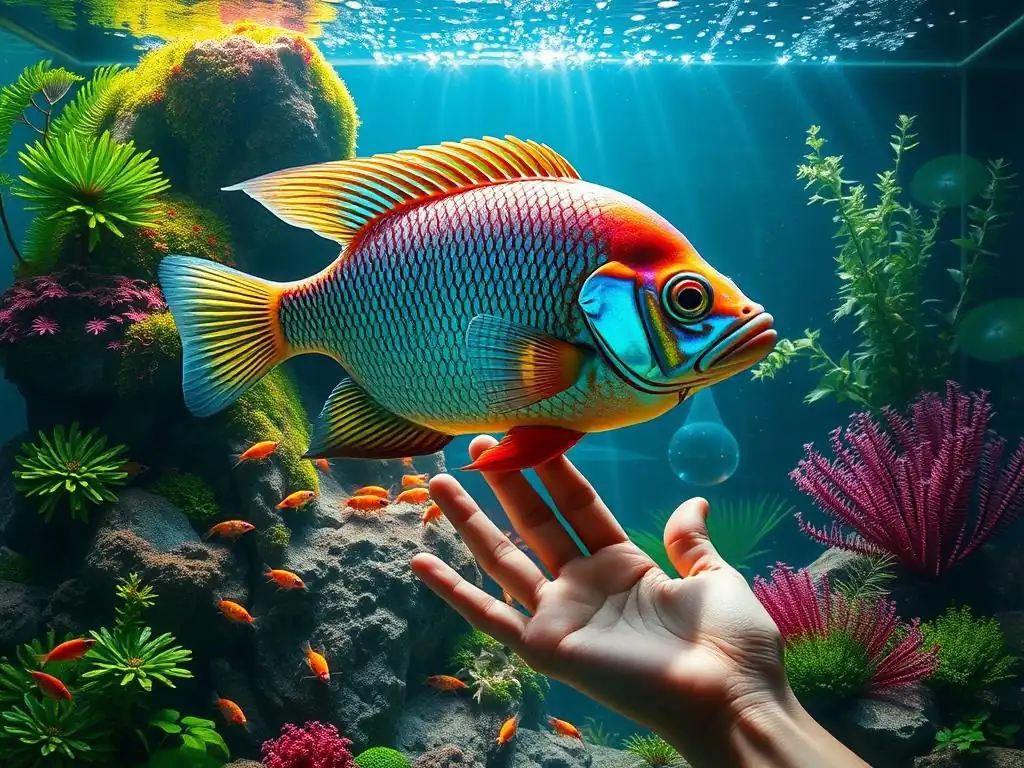
Ever wondered if that subtle change in your Oscar's behavior could be a sign of something more? Dive deep into our expert guide on Oscar fish disease treatment, where we unravel the mysteries behind common ailments and equip you with the knowledge to keep your majestic Oscar thriving. Learn how to spot the early warning signs and master effective treatment strategies – your journey to a healthier aquarium starts now!
- Common Oscar Fish Diseases: Prevention, Symptoms & Treatments
- Understanding Oscar Fish Health: A Comprehensive Guide
- Identifying Common Oscar Fish Diseases: Early Detection is Key
- Bacterial Infections in Oscar Fish: Causes and Solutions
- Fungal Infections in Oscar Fish: Diagnosis and Treatment
- Other Common Oscar Fish Ailments
- Oscar Fish Disease Treatment: Effective Methods and Medications
- Oscar Fish Disease Prevention: Maintaining a Healthy Aquarium Environment
- Recognizing Stress in Oscars: A Key Factor in Disease Prevention
- Seeking Expert Advice for Oscar Fish Health Issues
-
Frequently Asked Questions
- What are some of the most common diseases that affect Oscar fish?
- How can I prevent Oscar fish diseases in my aquarium?
- What are the key symptoms to look for that indicate my Oscar fish is sick?
- What is the best treatment for Ich (white spot disease) in Oscar fish?
- How do I treat Hole-in-the-Head Disease (HLLE) in my Oscar fish?
- Final Reflection: Nurturing the Health of Our Aquatic Companions
- Unlock Your Oscar's Full Potential!
Common Oscar Fish Diseases: Prevention, Symptoms & Treatments
Understanding Oscar Fish Health: A Comprehensive Guide
Oscar fish (Astronotus ocellatus) are robust and intelligent cichlids, known for their distinct personalities and impressive size, often reaching 10-14 inches in captivity. Despite their hardy nature, Oscars are susceptible to a range of diseases, particularly when their environment is compromised. Maintaining optimal water quality, providing a balanced diet, and ensuring a stress-free habitat are fundamental pillars of Oscar fish health, significantly reducing the likelihood of illness. Understanding the nuances of their well-being is the first step in effective Oscar fish disease treatment and prevention.
Identifying Common Oscar Fish Diseases: Early Detection is Key
Early detection is paramount when dealing with any ailment in aquarium fish, especially for Oscars, whose large size and active nature can sometimes mask subtle symptoms. Observing daily behavior, appetite, and physical appearance can provide crucial clues. Changes such as lethargy, clamped fins, unusual swimming patterns, or visible lesions warrant immediate attention. Proactive monitoring allows for timely intervention, which is often the difference between a swift recovery and a prolonged, potentially fatal, illness, making the process of Oscar fish disease treatment far more manageable and successful.
Recognizing External Parasites on Oscars
External parasites are among the most frequently encountered health issues in Oscar fish, often manifesting as visible spots, lesions, or behavioral changes such as flashing against tank decor. These microscopic or macroscopic organisms attach to the fish's skin, fins, or gills, feeding on their tissues or blood. Common culprits include Ich, anchor worms, and fish lice, each presenting unique challenges for Oscar fish disease treatment. Their presence often indicates stress, poor water quality, or the introduction of infected new fish without proper quarantine protocols.
The visible nature of external parasites generally aids in their early identification, allowing aquarists to initiate specific Oscar fish disease treatment promptly. For instance, Ich appears as tiny white spots, while anchor worms are more prominent, resembling small threads protruding from the fish. Regular observation during feeding times and routine tank maintenance can help spot these invaders before they proliferate and cause widespread distress or secondary infections, which can be more challenging to eradicate.
Ich (White Spot Disease) in Oscar Fish: Symptoms and Treatment Options
Ichthyophthirius multifiliis, commonly known as Ich or White Spot Disease, is a highly contagious protozoan parasite that appears as small, white, salt-grain-sized spots scattered across the Oscar's body and fins. Affected Oscars may also exhibit rapid gill movement, clamped fins, loss of appetite, and frequent "flashing" or rubbing against tank objects in an attempt to dislodge the parasites. This parasite has a complex life cycle, with the visible white spots representing mature trophonts embedded in the fish's skin.
Effective Oscar fish disease treatment for Ich typically involves raising the water temperature gradually to 82-86°F (28-30°C) over 24 hours (if compatible with tank mates and aeration is increased), alongside the use of anti-parasitic medications containing malachite green or formalin. A common approach is a 50% daily water change before re-dosing to reduce the free-swimming tomite stage. Treatment usually lasts for 7-14 days to ensure all stages of the parasite's life cycle are eliminated, even after visible spots disappear.
Anchor Worms on Oscar Fish: Identification and Removal
Anchor worms (Lernaea spp.) are crustacean parasites that burrow into the fish's flesh, leaving a visible, thread-like body protruding from the skin, often with a green or reddish inflammation around the attachment site. These parasites can cause significant irritation, leading to secondary bacterial or fungal infections at the wound site. Oscars with anchor worms may appear lethargic, develop sores, or exhibit erratic swimming patterns. They typically enter the aquarium via infected new fish or live foods.
Manual removal of anchor worms is possible for individual parasites using tweezers, but care must be taken to extract the entire worm, including the "anchor" embedded in the flesh. Following removal, the wound should be treated with an antiseptic like povidone-iodine or a topical antibiotic to prevent secondary infections. For widespread infestations, chemical Oscar fish disease treatment using medications containing dimilin (diflubenzuron) or potassium permanganate may be necessary, often requiring multiple doses over several weeks to target newly hatched larvae.
Fish Lice (Argulus) Affecting Oscars: Diagnosis and Eradication
Fish lice, primarily Argulus species, are flattened, disc-shaped crustaceans, typically 5-10 mm in diameter, that are visible to the naked eye. They attach to the Oscar's skin using suckers and feed on blood and mucus, causing red lesions, inflammation, and potential secondary infections. Infected Oscars may appear agitated, flash against surfaces, or show signs of anemia. Their presence often indicates poor water quality or introduction from infected pond fish or live food sources.
Diagnosis involves observing these disc-shaped parasites directly on the fish's body. Oscar fish disease treatment for Argulus can involve manual removal with tweezers, similar to anchor worms, followed by topical antiseptic application. For widespread infestations, antiparasitic medications such as those containing potassium permanganate, trichlorfon (Dylox), or lufenuron can be effective. It's crucial to treat the entire tank and potentially repeat doses to break the life cycle, as eggs can hatch over several weeks.
Spotting Internal Parasites in Oscar Fish
Internal parasites are often more challenging to diagnose than external ones because they reside within the Oscar's digestive tract or internal organs, making direct observation impossible without a microscopic examination of feces or tissue samples. Symptoms are typically non-specific and can mimic other illnesses, including chronic lethargy, severe weight loss despite eating, bloated abdomen, stringy white feces, or a general decline in health. These parasites can lead to nutrient malabsorption, organ damage, and a weakened immune system, predisposing the Oscar to secondary infections.
Effective Oscar fish disease treatment for internal parasites relies heavily on accurate diagnosis, which often requires a process of elimination or, ideally, veterinary consultation. Common internal parasites include flagellates like Hexamita and various types of worms (nematodes, cestodes). Administering medicated foods is often the preferred method, as it ensures the medication reaches the parasite directly within the digestive system, minimizing impact on the beneficial bacteria in the aquarium's biological filter.
Hexamita (Hole-in-the-Head Disease) in Oscars: Causes and Treatment Protocols
Hexamita, a flagellate protozoan, is widely believed to be a primary cause of "Hole-in-the-Head" disease, particularly in cichlids like Oscars. While the exact pathogenesis is complex and likely multifactorial, involving nutritional deficiencies (especially vitamin C and D), poor water quality, and chronic stress, Hexamita is often found in the lesions. Symptoms include eroded pits and lesions on the head and lateral line, white stringy feces, loss of appetite, and overall emaciation. Early stages may only show slight discoloration or small depressions.
Oscar fish disease treatment for Hexamita typically involves administering metronidazole, either orally via medicated food or by dissolving it directly into the aquarium water. Oral administration is generally more effective as it targets the parasites directly in the gut. Treatment usually lasts for 5-10 days. Concurrently, it is critical to improve water quality (e.g., performing large water changes, ensuring zero ammonia/nitrite, low nitrates below 20 ppm), enhance diet with vitamin-enriched foods, and reduce stressors to prevent recurrence and support the fish's immune system.
Internal Worms in Oscars: Detection and Medication
Oscars can suffer from various internal worms, including nematodes (roundworms), cestodes (tapeworms), and trematodes (flukes). Symptoms are often subtle and non-specific, such as chronic weight loss despite a good appetite, emaciation, lethargy, distended abdomen, or abnormal feces (e.g., long, thin, or segmented). In severe cases, worms may even be visible protruding from the fish's anus. These parasites are commonly introduced through live foods, wild-caught fish, or contaminated feeder fish.
Diagnosing internal worms often requires examining fish feces under a microscope, though this is rarely feasible for home aquarists. Therefore, Oscar fish disease treatment often relies on observation of persistent symptoms. Medications like fenbendazole (for nematodes) or praziquantel (for cestodes and trematodes) are commonly used, often administered through medicated food for optimal delivery to the digestive tract. Treatment duration varies but typically ranges from 3-7 days, with follow-up doses recommended to target any newly hatched larvae. It's crucial to clean the tank thoroughly to remove any expelled worm segments or eggs.
Bacterial Infections in Oscar Fish: Causes and Solutions
Bacterial infections are a significant threat to Oscar fish health, often emerging as secondary invaders when a fish's immune system is weakened by stress, poor water quality, or primary parasitic infestations. These infections can manifest externally as fin rot, ulcers, or cloudy eyes, or internally as systemic issues like septicemia. Common culprits include Aeromonas, Pseudomonas, and Flexibacter species, which are naturally present in the aquarium but become pathogenic under adverse conditions.
Effective Oscar fish disease treatment for bacterial infections necessitates prompt action and often involves broad-spectrum antibiotics. However, addressing the underlying environmental stressors is equally crucial to prevent recurrence. This includes meticulous water quality management, ensuring stable temperatures, and providing a nutritious diet. Without correcting these foundational issues, even successful antibiotic treatments may only offer temporary relief.
Fin Rot in Oscars: Identifying and Treating Bacterial Fin Infections
Fin rot is a common bacterial infection characterized by the gradual deterioration of an Oscar's fins, which appear frayed, ragged, and sometimes inflamed at the edges. The tissue may become opaque, white, or red, and in severe cases, the fins can completely erode, exposing the fin rays. This condition is almost always a secondary infection, often triggered by poor water quality (high ammonia/nitrite, fluctuating pH), fin nipping by tank mates, physical injury, or prolonged stress, which compromises the fish's immune response to opportunistic bacteria like Aeromonas and Pseudomonas.
Oscar fish disease treatment for fin rot typically involves improving water quality drastically, starting with large daily water changes (e.g., 25-50% for several days) and ensuring optimal parameters (ammonia and nitrite at 0 ppm, nitrates below 20 ppm). Alongside environmental improvements, broad-spectrum antibacterial medications containing ingredients like erythromycin, minocycline, or Furan-2 can be administered. Treatment duration usually spans 5-10 days, and it's essential to continue treatment for a few days after visible improvement to ensure complete eradication and prevent relapse.
Body Ulcers in Oscars: Causes, Prevention, and Treatment Strategies
Body ulcers are open sores or lesions on an Oscar's skin, often appearing as red, inflamed areas that can progress to deep craters, sometimes exposing muscle or bone. These severe skin infections are typically caused by pathogenic bacteria, frequently Aeromonas hydrophila, which exploit compromised skin barriers due to physical injury, parasitic infestations (like anchor worms or fish lice), or prolonged exposure to poor water conditions. Ulcers are not only painful but also leave the fish highly vulnerable to secondary fungal infections or systemic bacterial invasion.
Effective Oscar fish disease treatment for body ulcers requires a multi-pronged approach. Initially, isolate the affected Oscar in a hospital tank to prevent spread and allow for focused treatment. Treat the water with broad-spectrum antibiotics (e.g., kanamycin, nitrofurazone, or oxytetracycline) either as a bath treatment or, for severe cases, through medicated food. Topical application of antibiotics or antiseptics (like povidone-iodine diluted 1:10 with tank water) directly onto the ulcer can also be beneficial. Simultaneously, maintain pristine water quality and a stable environment to support the fish's immune system and healing process.
Septicemia in Oscars: Recognizing Systemic Bacterial Infections
Septicemia, or blood poisoning, is a severe systemic bacterial infection where pathogens enter the bloodstream and spread throughout the Oscar's body. This condition is often a progression of untreated external infections or a direct result of extreme stress and severely compromised water quality. Symptoms are widespread and can include lethargy, loss of appetite, dark coloration, red streaks on the body or fins (hemorrhaging), pop-eye, abdominal swelling (dropsy), and rapid gill movement. It is a life-threatening condition requiring immediate and aggressive intervention.
Oscar fish disease treatment for septicemia is challenging due to the advanced nature of the infection. It typically involves strong broad-spectrum antibiotics, ideally administered orally via medicated food to ensure systemic absorption. Injectable antibiotics, if feasible and administered by a veterinarian, can also be highly effective. Medications containing oxytetracycline, kanamycin, or trimethoprim-sulfamethoxazole are often considered. Simultaneously, water parameters must be meticulously optimized, and the temperature should be gradually raised (if appropriate) to support the fish's metabolism and immune response. Prognosis is guarded, especially in advanced stages.
Fungal Infections in Oscar Fish: Diagnosis and Treatment
Fungal infections are opportunistic diseases in Oscar fish, rarely occurring in healthy fish with intact slime coats. They typically arise as secondary infections on sites of injury, parasitic infestation, or bacterial lesions, particularly when water quality is poor or organic waste is abundant. The most common fungal pathogens belong to the Saprolegnia and Achlya genera, often manifesting as white, cotton-like growths on the fish's body, fins, or gills.
While fungal infections are generally less aggressive than bacterial ones, they can quickly spread and weaken the fish further if left untreated, potentially leading to widespread tissue damage or secondary bacterial complications. Effective Oscar fish disease treatment for fungal issues involves addressing the underlying cause (e.g., improving water quality, treating primary injuries), alongside the use of antifungal medications. Prompt intervention is key to preventing the fungus from spreading and causing severe damage to the fish's delicate tissues.
Saprolegnia (Cotton Wool Disease) in Oscars: Identification and Treatment
Saprolegnia, commonly known as Cotton Wool Disease, presents as fuzzy, white, grey, or brownish cotton-like growths on the Oscar's skin, fins, or eyes. This fungus often colonizes areas where the fish's protective slime coat has been damaged by injury, stress, or other infections (e.g., parasitic wounds, bacterial ulcers). The fungal mycelium penetrates the underlying tissue, causing irritation, tissue necrosis, and potentially secondary bacterial infections if not addressed promptly. It thrives in tanks with high organic loads and fluctuating temperatures.
Oscar fish disease treatment for Saprolegnia involves a combination of environmental improvements and antifungal medications. First, perform significant water changes (e.g., 30-50%) and ensure all water parameters are optimal, especially ammonia and nitrite at 0 ppm. Then, administer antifungal agents such as malachite green, methylene blue, or phenoxyethanol. Salt baths (using aquarium salt at 1-3 tablespoons per 5 gallons for short durations, or 1 tablespoon per 10 gallons for prolonged treatment) can also be beneficial in inhibiting fungal growth and aiding slime coat regeneration. Treatment usually continues for 3-7 days or until symptoms resolve.
Gill Rot in Oscars: Addressing Fungal Infections of the Gills
Gill rot, often caused by fungal pathogens (though bacterial and parasitic causes also exist), specifically affects the delicate gill filaments of Oscar fish. Infected gills may appear pale, discolored, or covered in a fuzzy, white growth. Affected Oscars will typically show severe respiratory distress, including rapid gill movement, gasping at the surface, lethargy, loss of appetite, and clamped fins. The damage to gill tissue impairs oxygen uptake, leading to suffocation if left untreated. This condition is often exacerbated by poor water quality, particularly high ammonia levels.
Oscar fish disease treatment for gill rot requires immediate attention. Begin by performing large water changes (50% or more) to reduce irritants and improve oxygen levels. Increase aeration in the tank significantly. Antifungal medications containing formalin, malachite green, or acriflavine are commonly used as bath treatments. Additionally, a short-term salt bath (e.g., 2-3 tablespoons of aquarium salt per gallon for 10-20 minutes, monitoring the fish closely) can help clear the gills and reduce stress. Ensure the water parameters remain pristine throughout the treatment period to facilitate healing and prevent secondary infections.
Other Common Oscar Fish Ailments
Beyond parasitic, bacterial, and fungal infections, Oscar fish can suffer from a variety of other non-infectious ailments, often linked to environmental factors, diet, or genetic predispositions. These conditions, while not contagious in the same way as pathogens, can severely impact an Oscar's quality of life and longevity. Recognizing these distinct issues is crucial for providing appropriate Oscar fish disease treatment and management, ensuring a comprehensive approach to their overall well-being.
These ailments often manifest with specific physical symptoms or behavioral changes that differ from infectious diseases. For instance, issues like swim bladder disease directly impact buoyancy and swimming, while cloudy eye primarily affects vision and eye health. Addressing these conditions typically involves adjusting husbandry practices, modifying diet, or providing supportive care rather than administering broad-spectrum medications, though secondary infections can sometimes arise.
Swim Bladder Disease in Oscars: Causes and Treatment
Swim bladder disease is a common ailment in many fish, including Oscars, where the swim bladder (an internal gas-filled organ that helps maintain buoyancy) malfunctions. Symptoms include difficulty swimming, floating uncontrollably, sinking to the bottom, swimming on their side or upside down, and loss of appetite. Causes are varied but often include overfeeding (leading to digestive blockages), poor diet (e.g., too many dry, expanding foods), rapid temperature fluctuations, or internal bacterial infections affecting the swim bladder itself.
Oscar fish disease treatment for swim bladder issues depends on the underlying cause. If digestive issues are suspected, cease feeding for 2-3 days, then offer blanched, deshelled peas (a natural laxative) or high-fiber foods. Ensure water quality is pristine and stable, with temperatures in the upper end of their preferred range (e.g., 80-82°F or 27-28°C) to aid digestion. If a bacterial infection is suspected, broad-spectrum antibiotics may be necessary. In severe, chronic cases, the condition may be irreversible, but supportive care can improve comfort.
Cloudy Eye in Oscars: Identifying the Cause and Implementing Solutions
Cloudy eye in Oscar fish is characterized by one or both eyes appearing hazy, opaque, or covered in a white film. This condition can stem from multiple causes, including poor water quality (high ammonia/nitrite, extreme pH), physical injury during tank activities or aggression, nutritional deficiencies (especially vitamin A), or bacterial/fungal infections. If left untreated, it can lead to blindness and secondary infections, significantly impacting the Oscar's ability to locate food and navigate its environment.
Oscar fish disease treatment for cloudy eye begins with a thorough assessment of water parameters; immediate large water changes (e.g., 50%) are often necessary to correct any imbalances. If an injury is evident, maintaining pristine water and adding aquarium salt (1 tablespoon per 10 gallons) can support healing. For suspected bacterial causes, broad-spectrum antibiotics (e.g., erythromycin or Furan-2) can be administered as a bath treatment. If fungal, antifungal agents may be needed. Ensuring a diet rich in vitamins and minimizing tank stressors are crucial for long-term prevention and recovery.
Oscar Fish Disease Treatment: Effective Methods and Medications
When an Oscar fish falls ill, prompt and appropriate Oscar fish disease treatment is crucial for recovery. This often involves a multi-faceted approach, combining environmental adjustments with the judicious use of medications. The choice of treatment method and specific medication depends heavily on an accurate diagnosis of the ailment, as treating a bacterial infection with an antifungal, for instance, would be ineffective and potentially harmful.
A well-executed Oscar fish disease treatment plan prioritizes minimizing stress on the already compromised fish while effectively targeting the pathogen. This typically includes setting up a dedicated quarantine or hospital tank, carefully selecting the right medication based on symptoms, and rigorously maintaining optimal water quality throughout the treatment period. Understanding the nuances of medication dosages and potential side effects is also vital to ensure the safety and efficacy of the intervention.
Quarantine Tank Setup for Treating Sick Oscars
A quarantine or hospital tank is an indispensable tool for effective Oscar fish disease treatment and prevention. This separate tank, typically 20-40 gallons for a juvenile Oscar (or larger for an adult), allows for isolated treatment without exposing the main tank's inhabitants or beneficial bacteria to medication. It should be equipped with a heater, an air stone for ample oxygenation, and a simple sponge filter or small HOB filter (without carbon, as carbon removes medications). Substrate is usually omitted for easier cleaning and monitoring.
Setting up the quarantine tank properly involves cycling it in advance if possible, or using established filter media from the main tank to provide immediate biological filtration. Maintain stable water parameters identical to the main tank initially, then adjust as needed for treatment protocols (e.g., raising temperature for Ich). Daily water changes (25-50%) are often necessary during treatment to remove waste and replenish medication, especially for water-soluble treatments. This dedicated space reduces stress, allows for precise dosing, and prevents disease spread, significantly improving the chances of successful Oscar fish disease treatment.
Medications for Oscar Fish: A Guide to Effective Treatments
Selecting the correct medication is a critical step in Oscar fish disease treatment. For external parasites like Ich, malachite green and formalin are common active ingredients, often combined in commercial remedies. For anchor worms and fish lice, dimilin or potassium permanganate may be effective. Internal flagellates like Hexamita respond well to metronidazole, preferably administered via medicated food. For internal worms, praziquantel or fenbendazole are typically used. Always follow manufacturer's dosing instructions precisely, as overdosing can be fatal and underdosing ineffective.
Bacterial infections often require broad-spectrum antibiotics such as erythromycin, nitrofurazone, kanamycin, or oxytetracycline. These are available as bath treatments or medicated foods; medicated food is generally preferred for internal bacterial infections. Fungal infections like Saprolegnia are often treated with malachite green, methylene blue, or phenoxyethanol. It's crucial to remove activated carbon from the filter during medication, as it will absorb the active ingredients. Monitor the fish closely for adverse reactions and perform water changes as prescribed by the medication's instructions or to maintain water quality.
Water Quality Management During Oscar Fish Disease Treatment
Maintaining impeccable water quality is arguably the most crucial aspect of effective Oscar fish disease treatment, regardless of the ailment. Compromised water parameters (e.g., elevated ammonia, nitrite, or nitrate levels) severely stress fish, suppress their immune system, and can negate the effects of medication. During treatment, fish may be more sensitive to toxins, and some medications can impact the beneficial bacteria in the biological filter, leading to ammonia spikes.
Regular and significant water changes (e.g., 25-50% daily or every other day, depending on the medication and tank size) are essential to dilute waste products, reduce pathogen load, and replenish medication. Always dechlorinate new water. Test water parameters daily (ammonia, nitrite, nitrate, pH) and adjust as needed. Increased aeration via an air stone is highly recommended, as sick fish require more oxygen, and some medications can deplete oxygen levels. Optimal water quality provides the best possible environment for the Oscar to recover and allows medications to work effectively, enhancing the overall success of Oscar fish disease treatment.
Oscar Fish Disease Prevention: Maintaining a Healthy Aquarium Environment
Preventing diseases is always preferable to pursuing Oscar fish disease treatment. A proactive approach focuses on creating and maintaining an optimal environment that supports the Oscar's natural immunity and reduces exposure to pathogens. This involves a holistic understanding of their needs, from the water they live in to the food they consume and the social dynamics of their tank.
The cornerstone of disease prevention for Oscar fish lies in consistent, high-quality husbandry. This includes vigilant water parameter monitoring, providing a balanced and varied diet, adhering to a strict aquarium maintenance schedule, and carefully quarantining any new additions. By minimizing stressors and fostering a robust immune system, aquarists can significantly reduce the incidence of common Oscar fish diseases, ensuring their long-term health and vibrancy.
Maintaining Optimal Water Parameters for Oscars
Maintaining precise and stable water parameters is the single most critical factor in preventing diseases in Oscar fish. Oscars thrive in tropical freshwater conditions with a pH range of 6.5-7.5, a temperature range of 74-81°F (23-27°C), and soft to moderately hard water (dH 5-15). Crucially, ammonia and nitrite levels must always be 0 ppm, and nitrates should be kept below 20 ppm, ideally much lower. High levels of nitrogenous waste are a primary stressor, directly compromising the fish's immune system and making them susceptible to nearly all common ailments.
Regular testing with reliable liquid test kits (not strips) is essential to monitor these parameters. For Oscars, given their significant bioload, it is common to perform weekly water changes of 25-50% to dilute nitrates and replenish essential minerals. Investing in a robust filtration system (mechanical, biological, and chemical) sized well above the tank's stated capacity is also vital. Consistent water quality creates a stable environment that reduces stress and strengthens the Oscar's natural defenses, effectively minimizing the need for intensive Oscar fish disease treatment.
Proper Oscar Fish Nutrition and Feeding Practices
A balanced and varied diet is fundamental to preventing nutritional deficiencies and bolstering an Oscar's immune system against disease. Oscars are omnivores with a carnivorous bias, requiring a diet rich in protein. High-quality cichlid pellets or flakes formulated specifically for large cichlids should form the staple, providing essential vitamins and minerals. Supplement this with a variety of nutritious foods such as krill, bloodworms, earthworms, and occasional blanched vegetables like peas or spinach. Avoid feeding live feeder fish, as they can introduce parasites and diseases, negating any preventative measures.
Overfeeding is a common mistake that can lead to digestive issues, swim bladder problems, and, more importantly, rapid deterioration of water quality. Oscars should be fed 1-2 times daily, only offering an amount they can consume entirely within 2-3 minutes. Any uneaten food should be promptly removed. A well-nourished Oscar with a strong immune system is far more resilient to environmental fluctuations and opportunistic pathogens, significantly reducing the likelihood of requiring Oscar fish disease treatment.
Regular Aquarium Maintenance for Oscar Fish Health
Beyond water changes, a comprehensive regular aquarium maintenance schedule is indispensable for preventing Oscar fish diseases. This includes weekly gravel vacuuming to remove uneaten food and detritus, which are major sources of ammonia and nitrate. Cleaning filter media regularly (rinsing in old tank water to preserve beneficial bacteria) is also crucial to ensure efficient mechanical and biological filtration. Avoid cleaning all filter media at once, as this can crash the nitrogen cycle.
Routine maintenance also involves checking all equipment (heater, filter, air pump) for proper function, inspecting decor for sharp edges that could injure fish, and observing the Oscars closely for any subtle changes in behavior or appearance. Consistent cleaning prevents the build-up of organic waste, which fuels bacterial and fungal growth, and maintains a clean, stable environment. This proactive approach significantly reduces stress on the fish and minimizes the conditions under which diseases thrive, thereby reducing the need for reactive Oscar fish disease treatment.
Recognizing Stress in Oscars: A Key Factor in Disease Prevention
Stress is a silent killer in aquarium fish, including Oscars, and acts as a significant precursor to disease. When an Oscar is stressed, its immune system becomes suppressed, making it highly vulnerable to opportunistic pathogens that would otherwise be harmless. Understanding and mitigating stressors in their environment is therefore a fundamental component of effective disease prevention, often more impactful than any Oscar fish disease treatment.
Symptoms of stress in Oscars can be subtle or overt, ranging from dull coloration and clamped fins to hiding excessively, erratic swimming, or refusing food. Identifying the underlying stressors, whether environmental (e.g., poor water quality, incorrect temperature), social (e.g., bullying, overcrowding), or nutritional, is crucial. Addressing these root causes is the first and most important step in restoring an Oscar's health and preventing the onset of serious illness.
Identifying Stressors in the Oscar Fish Aquarium
Numerous factors can induce stress in Oscar fish. Environmental stressors are paramount and include fluctuating or incorrect water parameters (ammonia, nitrite, nitrate spikes, unstable pH), inappropriate temperature (too cold or too hot, or rapid changes), insufficient tank size (Oscars require at least a 75-gallon tank for a single adult, preferably 125+ gallons for a pair), and inadequate filtration. Overcrowding also significantly contributes to stress by increasing bioload and territorial disputes.
Social stressors, such as aggressive tank mates or a lack of suitable hiding spots, can also cause chronic stress. Oscars are territorial, and constant harassment from other fish can lead to physical injuries and psychological distress. Poor nutrition, including a monotonous or low-quality diet, can also be a chronic stressor by depriving the fish of essential nutrients needed for a robust immune system. Even excessive noise, vibrations, or sudden movements outside the tank can contribute to stress, making the Oscar more susceptible to needing Oscar fish disease treatment.
Reducing Stress in Oscar Fish: Creating a Calm and Stable Environment
Reducing stress in Oscar fish involves meticulously optimizing their habitat. This begins with providing a spacious aquarium (a minimum of 75 gallons for one Oscar, with 125 gallons or more for a pair) to accommodate their large size and territorial nature. Ensure stable water parameters through powerful filtration, regular large water changes, and consistent temperature maintenance. Use a reliable heater and thermometer. Providing plenty of hiding spots and visual barriers with driftwood, rocks, or large plants (if they won't uproot them) can help reduce aggression and provide security.
Careful selection of tank mates is also vital; choose peaceful, similarly sized fish that won't compete aggressively for space or food, or opt for a species-only tank. Feed a high-quality, varied diet to ensure complete nutrition. Minimize sudden changes in lighting, noise, or activity around the tank. By proactively creating a calm, stable, and appropriately sized environment, aquarists can significantly reduce stress levels, which in turn fortifies the Oscar's immune system and dramatically lowers the incidence of diseases, lessening the need for Oscar fish disease treatment.
The Link Between Stress and Disease in Oscar Fish
The connection between stress and disease in Oscar fish is profound and well-documented. When an Oscar experiences chronic stress, its body releases corticosteroids, hormones that suppress the immune system. This suppression makes the fish highly vulnerable to pathogens (bacteria, fungi, parasites) that are naturally present in the aquarium environment but typically kept in check by a healthy immune response. For example, a fish stressed by poor water quality might easily succumb to an Ich outbreak or develop fin rot, even if the pathogens are at low levels.
Furthermore, stress can directly damage the fish's protective slime coat, making it easier for external parasites and bacteria to attach and penetrate the skin. It can also lead to digestive issues, nutrient malabsorption, and a general decline in physical condition, further weakening the fish's resilience. Understanding this direct link is critical: addressing and eliminating stressors is often the most effective preventative measure against illness and forms the foundational first step in any successful Oscar fish disease treatment strategy, as it allows the fish's natural defenses to recover.
Seeking Expert Advice for Oscar Fish Health Issues
While many common Oscar fish diseases can be managed by experienced aquarists, there are instances where professional guidance becomes indispensable. Unresponsive symptoms, rapidly deteriorating conditions, or the inability to accurately diagnose a complex ailment warrant seeking expert advice. Attempting multiple ineffective Oscar fish disease treatments without a clear understanding of the problem can further stress the fish and delay appropriate care, potentially leading to irreversible damage.
Knowing when and where to seek qualified help can significantly improve the prognosis for a sick Oscar. This might involve consulting an aquatic veterinarian, reaching out to reputable online forums or experienced local fish stores, or delving into specialized scientific literature. Accessing reliable information and professional opinions ensures that the chosen Oscar fish disease treatment plan is both accurate and effective, providing the best possible chance for recovery.
When to Consult a Veterinarian for Your Oscar Fish
Consulting an aquatic veterinarian is advisable in several scenarios. If symptoms are severe, rapidly progressing, or defy common treatments, a professional diagnosis is crucial. Veterinarians can perform diagnostic tests such as skin scrapes, fin clips, fecal exams, or even necropsies to identify specific pathogens or underlying conditions. They can also prescribe prescription-strength medications, including injectable antibiotics, that are not available over-the-counter.
Furthermore, if multiple fish are affected, or if a valuable or beloved Oscar's life is at stake, the investment in professional veterinary care is often worthwhile. Veterinarians specializing in aquatic animals possess in-depth knowledge of fish physiology, pathology, and pharmacology, enabling them to formulate precise Oscar fish disease treatment plans tailored to the specific ailment and species. They can also offer guidance on complex husbandry issues that might be contributing to recurrent health problems.
Finding Reliable Information on Oscar Fish Diseases and Treatment
In the vast landscape of online information, discerning reliable sources for Oscar fish diseases and treatment is paramount. Reputable websites, such as university extension programs (e.g., those from the University of Florida's Tropical Aquaculture Laboratory), established aquarium forums with experienced moderators, and peer-reviewed scientific articles, offer evidence-based advice. Avoid relying solely on anecdotal evidence or general pet forums without cross-referencing information.
Look for sources that provide detailed explanations of symptoms, causes, and treatment protocols, often including specific medication recommendations and dosages. Prioritize information that emphasizes water quality management and stress reduction as foundational elements of any Oscar fish disease treatment plan. While online resources are valuable, remember that they cannot replace professional veterinary diagnosis, especially for complex or severe cases. Diligent research empowers aquarists to make informed decisions for their Oscar's health.
Frequently Asked Questions
What are some of the most common diseases that affect Oscar fish?
Oscar fish are prone to several diseases, including Ich (white spot disease), Hole-in-the-Head Disease (HLLE), and various bacterial infections. Proper water quality is crucial for prevention.
How can I prevent Oscar fish diseases in my aquarium?
Prevention is key! Maintaining pristine water conditions through regular water changes and proper filtration is paramount. Also, quarantine any new fish before introducing them to your established tank.
What are the key symptoms to look for that indicate my Oscar fish is sick?
Watch for changes in behavior, such as lethargy, loss of appetite, or erratic swimming. Physical symptoms include white spots, lesions, or cloudy eyes.
What is the best treatment for Ich (white spot disease) in Oscar fish?
Ich is typically treated with commercially available anti-parasitic medications specifically designed for aquariums. Raising the water temperature slightly can also accelerate the parasite's life cycle and improve treatment efficacy.
How do I treat Hole-in-the-Head Disease (HLLE) in my Oscar fish?
HLLE is often linked to poor water quality and nutritional deficiencies. Treatment involves improving water conditions, providing a varied diet rich in vitamins, and using medications if secondary infections are present.
Final Reflection: Nurturing the Health of Our Aquatic Companions
The prevalence of Oscar fish diseases underscores a crucial responsibility we bear as aquarists: to understand and proactively address the health needs of these intelligent and captivating creatures. The information presented, from preventative measures to recognizing symptoms and implementing effective treatments, is not merely academic; it's a vital tool for ensuring the well-being and longevity of Oscars in our care, a responsibility that extends beyond simple ownership.
The enduring popularity of Oscars as pets highlights the deep connection we forge with these aquatic companions. This connection necessitates a commitment to their health, recognizing that their vibrant presence enriches our lives. The greatness of a nation and its moral progress can be judged by the way its animals are treated.
- Mahatma Gandhi. This quote, while often applied to land animals, resonates deeply with the ethical considerations surrounding aquarium keeping. We must strive to provide environments that promote health and happiness, treating disease not as an inconvenience, but as a call to action.
As you navigate the complexities of Oscar fish care, remember that knowledge is your most powerful weapon against disease. Let the insights shared here empower you to create thriving aquatic ecosystems, fostering a deeper appreciation for these remarkable fish and ensuring their continued health and vitality. Embrace the challenge, observe closely, and act decisively. Your dedication will not only benefit your Oscars but also contribute to a more informed and compassionate approach to aquarium keeping as a whole.
Unlock Your Oscar's Full Potential!
Thank you for diving into the world of Oscar health! We hope you've gained valuable insights into recognizing and preventing common Oscar diseases. Now, it's time to take action and ensure your Oscar thrives.
Here are some actionable steps you can take right now:
- Implement a consistent water testing schedule immediately to catch imbalances before they impact your Oscar.
- Share this article with fellow Oscar enthusiasts on your favorite aquarium forum to spread awareness and help others.
- Consider creating a "sick bay" tank for potential quarantine and treatment, preparing you for any future health challenges.
What proactive step will you take today to ensure your Oscar remains a happy and healthy member of your aquarium family?