
Ideal Tank Setup for Zebra Danios: Creating a Haven for Active Swimmers

Welcome to Aquarium Mastery!
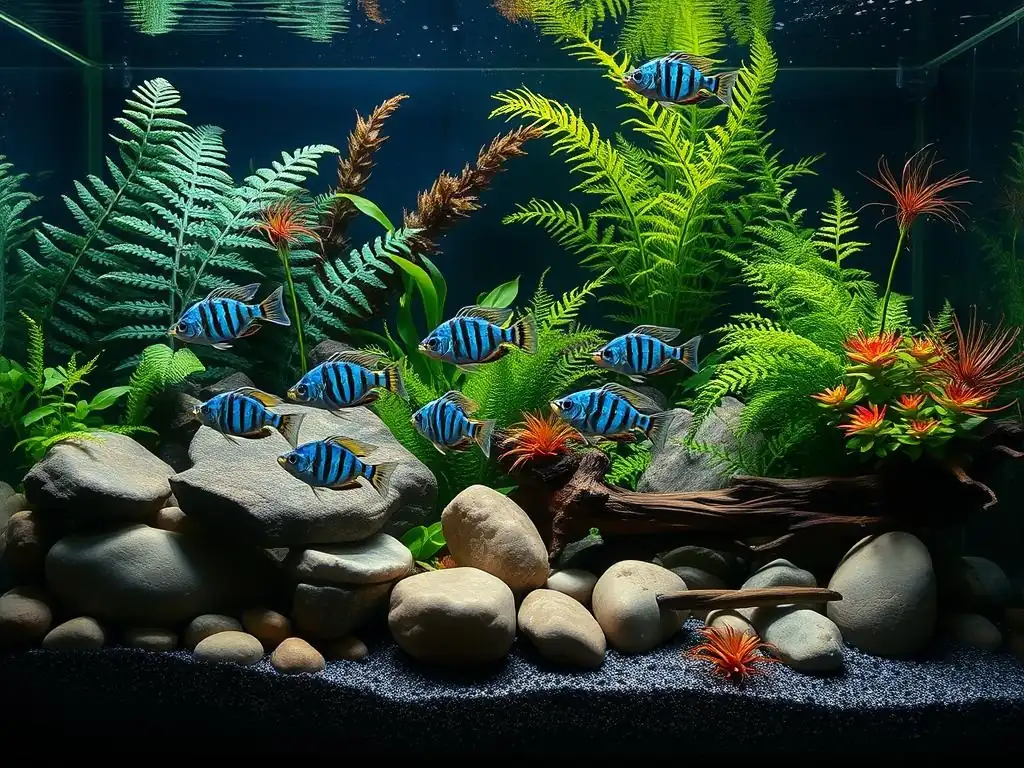
Ever wondered how to create the perfect underwater haven for those vibrant, energetic zebra danios? You've come to the right place! Dive into our Zebra Danio Tank Setup Guide and discover the secrets to a thriving aquarium where these dazzling fish can truly flourish. Get ready to unlock the key to a happy and healthy danio community – let's get started!
- Understanding Zebra Danios: A Profile for Optimal Tank Setup
-
Essential Elements of a Zebra Danio Tank Setup
- Tank Size for Zebra Danios: Providing Adequate Swimming Space
- Water Parameters for Zebra Danios: Maintaining a Healthy Aquarium Environment
- Filtration for Zebra Danio Tanks: Keeping the Water Clean and Clear
- Substrate Selection for Zebra Danios: Options for the Bottom of the Tank
- Lighting for Zebra Danio Aquariums: Illuminating Your Active Swimmers
- Heating for Zebra Danios: Maintaining Consistent Water Temperature
- Decorating a Zebra Danio Tank: Creating a Natural Environment
- Step-by-Step Zebra Danio Tank Setup Guide
- Maintaining a Healthy Zebra Danio Tank: Regular Care and Maintenance
- Common Problems and Solutions in Zebra Danio Tanks
- Choosing Tank Mates for Zebra Danios: Creating a Peaceful Community Aquarium
- Frequently Asked Questions
- Final Reflection: Cultivating Thriving Aquatic Ecosystems
- Ignite Your Danio Dream: Build the Perfect Tank!
Understanding Zebra Danios: A Profile for Optimal Tank Setup
Zebra Danios (Danio rerio) are renowned for their highly active and schooling nature, making them a vibrant addition to any freshwater aquarium. They thrive in groups, exhibiting natural behaviors such as synchronized swimming and playful chasing when kept in sufficient numbers. A minimum school of 6-10 individuals is recommended to ensure their well-being, though a group of 10 or more will allow them to display their schooling instincts most effectively, reducing stress and enhancing their natural coloration.
When isolated or kept in small numbers, Zebra Danios can become stressed, leading to shy behavior, aggression towards other tank inhabitants, or susceptibility to disease. Their peaceful temperament, when properly schooled, makes them excellent community fish, primarily occupying the mid to upper levels of the water column. Providing ample horizontal swimming space is crucial to accommodate their energetic movements and ensure they can dart and weave freely within their environment, a key consideration for any comprehensive Zebra danio tank setup guide.
Size and Lifespan: Planning for the Long Term in Your Zebra Danio Tank
Zebra Danios are relatively small fish, typically reaching an adult size of about 1.5 to 2 inches (approximately 4 to 5 centimeters). Despite their modest size, their active lifestyle and schooling requirements mean they benefit significantly from a spacious environment. This small stature also means they have a relatively small bioload, but their constant movement still demands efficient filtration and regular maintenance.
With proper care, a Zebra Danio can live for a surprisingly long time, generally between 3 to 5 years, and in optimal conditions, some individuals have been known to live up to 7 years. This longevity requires aquarists to commit to consistent, high-quality care over several years. Understanding their lifespan is an important aspect of planning your Zebra danio tank setup, as it underscores the need for a stable and healthy environment from the outset to support their entire life cycle.
Essential Elements of a Zebra Danio Tank Setup
Tank Size for Zebra Danios: Providing Adequate Swimming Space
While a minimum tank size of 10 gallons can house a small school of 6-8 Zebra Danios, a 20-gallon long aquarium is highly recommended as the ideal starting point for a healthy Zebra danio tank setup. The "long" dimension is crucial because it provides more horizontal swimming space, which is essential for these active, mid-to-upper dwelling fish who love to dart back and forth across the tank. Taller tanks of the same volume offer less suitable swimming area for Danios.
For larger schools of 10-15 fish or for a community tank setup, a 29-gallon or even a 40-gallon breeder tank would be even more beneficial. Larger tanks offer increased stability in water parameters, dilute waste more effectively, and reduce potential aggression or stress within the school. Providing ample room ensures the fish can express their natural schooling behaviors without feeling cramped, contributing significantly to their overall health and vitality.
Water Parameters for Zebra Danios: Maintaining a Healthy Aquarium Environment
Ideal Water Temperature for Zebra Danios
Zebra Danios are known for their hardiness and adaptability, tolerating a relatively wide range of temperatures. However, to ensure their optimal health and activity, the ideal water temperature for a Zebra danio tank setup should be maintained between 64-74°F (18-24°C). While they can withstand slightly cooler temperatures, consistently stable conditions within this range will minimize stress and reduce susceptibility to common fish diseases like Ich.
Sudden or drastic temperature fluctuations can be highly detrimental to Zebra Danios, leading to thermal shock and weakening their immune systems. It is crucial to use a reliable aquarium heater with a thermostat to maintain a consistent temperature, especially in homes with fluctuating ambient temperatures. Always monitor the water temperature daily with an accurate thermometer to ensure it remains within the optimal range.
pH Levels for Zebra Danios: Creating the Right Balance
The optimal pH range for Zebra Danios is generally between 6.5 and 7.5, which spans from slightly acidic to slightly alkaline conditions. This wide tolerance makes them adaptable to various water sources, but consistency within this range is far more important than hitting an exact number. Wild Zebra Danios are found in diverse water conditions across South Asia, reflecting their adaptability.
Maintaining a stable pH prevents stress and ensures the fish's metabolic processes function correctly. Extreme pH levels, either too high or too low, can cause severe health problems and even death. Regular testing with a liquid test kit is essential to monitor pH levels, and any adjustments should be made slowly and cautiously to avoid shocking the fish. For most aquarists, simply using dechlorinated tap water that falls within this range will suffice.
Water Hardness: Understanding GH and KH for Zebra Danios
Water hardness, measured by General Hardness (GH) and Carbonate Hardness (KH), also plays a role in a stable Zebra danio tank setup. Zebra Danios thrive in a GH range of 5-19 dGH (degrees of general hardness), which translates to approximately 80-320 parts per million (ppm). This indicates their preference for moderately soft to moderately hard water.
Carbonate Hardness (KH), also known as alkalinity, is crucial for buffering the pH and preventing drastic pH swings. An ideal KH range for Zebra Danios is 3-8 dKH (approximately 50-140 ppm). Maintaining adequate KH levels ensures that the pH remains stable over time, protecting the fish from sudden drops in acidity that can be highly stressful. Regular testing of both GH and KH, alongside pH, is vital for ensuring long-term water quality.
Filtration for Zebra Danio Tanks: Keeping the Water Clean and Clear
Choosing the Right Filter for a Zebra Danio Aquarium
Effective filtration is paramount for a healthy Zebra danio tank setup, as these active fish produce a fair amount of waste. For tanks 10-20 gallons, a hang-on-back (HOB) filter is a popular and efficient choice, providing good mechanical, chemical, and biological filtration. For larger tanks (29 gallons and up) or those with a higher bioload, a canister filter offers superior filtration capacity and flow rates.
When selecting a filter, consider its Gallons Per Hour (GPH) rating, aiming for a filter that can process the tank's volume at least 4-6 times per hour. Ensure the filter provides all three types of filtration: mechanical to remove particulate waste, chemical (like activated carbon) to remove impurities and odors, and most importantly, biological filtration, which houses beneficial bacteria to convert toxic ammonia and nitrite into less harmful nitrates.
Maintaining Your Zebra Danio Tank Filter
Proper filter maintenance is critical to the ongoing health of your Zebra danio tank setup. Mechanical filter media, such as sponges or floss, should be rinsed weekly or bi-weekly in old tank water removed during water changes, never in chlorinated tap water, to preserve the beneficial bacteria colony. This prevents clogging and maintains efficient debris removal.
Chemical filter media, if used (e.g., activated carbon), typically needs to be replaced every 3-4 weeks as it becomes saturated and loses effectiveness. Biological media, such as ceramic rings or bio-balls, should be disturbed as little as possible and only rinsed gently in old tank water if visibly fouled. Avoid replacing all filter media at once, as this can crash the nitrogen cycle and lead to dangerous ammonia and nitrite spikes.
Substrate Selection for Zebra Danios: Options for the Bottom of the Tank
Gravel vs. Sand for Zebra Danios: Which is Best?
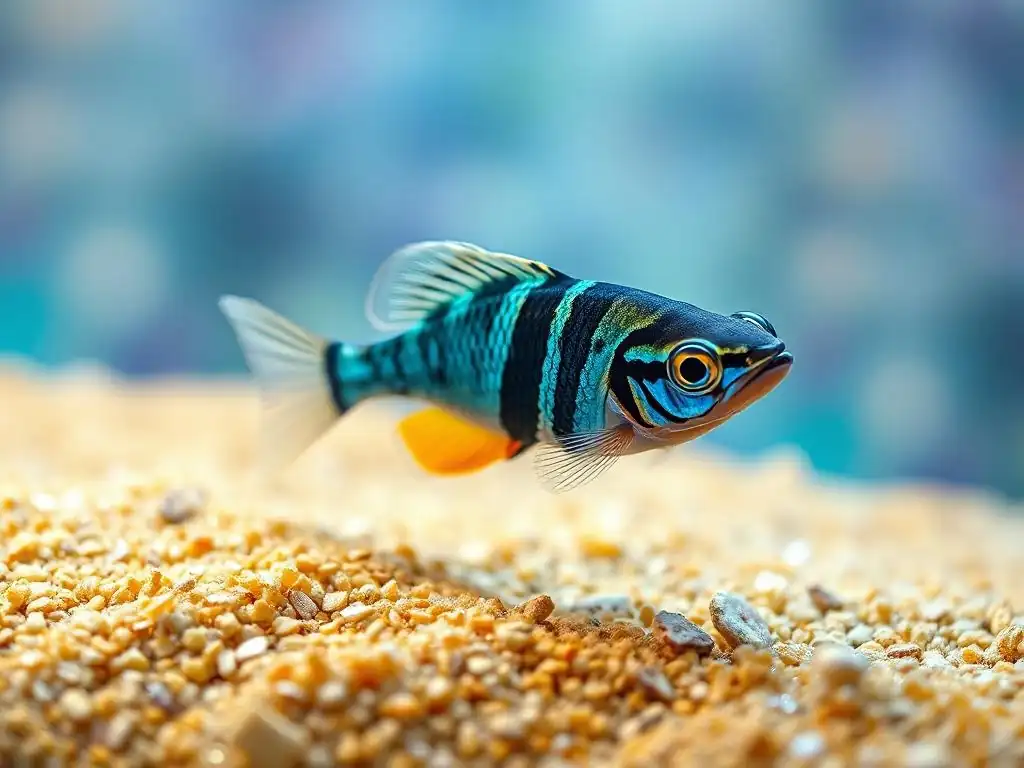
Both gravel and sand are suitable substrates for a Zebra danio tank setup, and the choice largely depends on aesthetic preference and whether live plants will be kept. Gravel, typically with a grain size of 2-3mm, is easy to clean with a gravel vacuum as waste settles between the pieces. However, it can trap detritus deep within the bed if not cleaned thoroughly.
Sand, particularly fine-grained aquarium sand, provides a very natural look and is often preferred for planted tanks or if bottom-dwelling tank mates like Corydoras are included. Waste tends to sit on top of sand, making it easier to siphon during cleaning, but it can compact over time. Since Zebra Danios primarily inhabit the mid to upper water column, the substrate choice impacts tank aesthetics and maintenance more than their direct interaction. Consider a darker substrate color, as it can help Danios feel more secure and display more vibrant coloration.
Cleaning Your Zebra Danio Tank Substrate
Regular substrate cleaning is a vital part of maintaining water quality in your Zebra danio tank setup. For gravel, use an aquarium gravel vacuum during weekly water changes to siphon out detritus and fish waste that settles within the substrate. Push the vacuum deep into the gravel in sections until about 25-30% of the tank's water has been removed.
When cleaning sand, hover the gravel vacuum just above the sand surface. This allows the vacuum to lift and remove waste without sucking up excessive amounts of sand. If the sand becomes compacted, gently agitate it with a stir stick or your fingers during water changes to release trapped gases and prevent anaerobic pockets. Consistent substrate cleaning prevents the buildup of organic matter, which can lead to elevated ammonia and nitrite levels.
Lighting for Zebra Danio Aquariums: Illuminating Your Active Swimmers
The Role of Lighting in a Zebra Danio Tank
Lighting in a Zebra danio tank setup serves several purposes: it allows for clear viewing of your vibrant fish, supports the growth of live plants if present, and establishes a natural day-night cycle for the fish. Zebra Danios themselves do not have highly specific lighting requirements, but a consistent light period is important for their circadian rhythm and overall well-being.
An appropriate light cycle, typically 8-10 hours per day, helps prevent excessive algae growth, which can be a common nuisance in aquariums. Too much light can stress fish, promote rapid algae proliferation, and potentially lead to an imbalanced ecosystem. A timer can be highly beneficial in maintaining a consistent lighting schedule, ensuring a predictable environment for your active swimmers.
Types of Aquarium Lighting Suitable for Zebra Danios
For a Zebra danio tank setup, various lighting options are suitable. LED lights are highly recommended due to their energy efficiency, long lifespan (often tens of thousands of hours), and ability to provide a wide spectrum of light, which is beneficial for plant growth and enhances fish coloration. Many LED fixtures also offer customizable light intensities and colors.
Fluorescent lights (T5 or T8) are another viable option, offering good light output at a reasonable cost. When choosing lighting, ensure it is appropriately sized for your tank and provides sufficient illumination for any live plants you intend to keep. Avoid excessively powerful lights unless you are specifically setting up a high-tech planted tank, as this can lead to algae issues and stress for the fish.
Heating for Zebra Danios: Maintaining Consistent Water Temperature
Selecting the Right Heater for Your Zebra Danio Tank
Maintaining a consistent water temperature within the optimal range of 64-74°F (18-24°C) is crucial for a healthy Zebra danio tank setup, especially if your ambient room temperature fluctuates. The general rule of thumb for heater wattage is 5 watts per gallon for a typical home environment. For example, a 20-gallon tank would generally require a 100-watt submersible, adjustable heater.
It is advisable to choose a reputable brand of heater known for its reliability and safety features, such as automatic shut-off if it overheats or if water levels drop. Place the heater in an area of the tank with good water flow, such as near the filter output, to ensure even heat distribution throughout the aquarium and prevent hot or cold spots that could stress your fish.
Monitoring and Adjusting Water Temperature
Once your heater is installed, consistent monitoring of the water temperature is essential for the long-term success of your Zebra danio tank setup. Use a reliable aquarium thermometer—whether a simple stick-on, floating, or digital model—to check the water temperature daily. This vigilance helps ensure the heater is functioning correctly and maintaining the desired range.
If adjustments are needed, make them gradually, typically no more than 1-2 degrees Fahrenheit per day, to avoid shocking the fish with sudden temperature changes. Rapid fluctuations in temperature can weaken the fish's immune system, making them susceptible to diseases like Ich. A stable thermal environment is a cornerstone of a stress-free and healthy aquarium.
Decorating a Zebra Danio Tank: Creating a Natural Environment
Plants for Zebra Danio Tanks: Providing Shelter and Enhancing Water Quality
Best Live Plants for Zebra Danios
Live plants are an excellent addition to a Zebra danio tank setup, offering numerous benefits for both the fish and the aquarium ecosystem. While Zebra Danios are active swimmers and appreciate open space, they also benefit from densely planted areas along the back and sides of the tank, which provide security, hiding spots, and visual breaks.
Excellent choices for a Danio tank include hardy, fast-growing species such as Java Fern (Microsorum pteropus), Anubias (Anubias barteri), Hornwort (Ceratophyllum demersum), Water Wisteria (Hygrophila difformis), and various stem plants like Rotala or Ludwigia. These plants are adaptable to a range of water conditions and lighting.
Beyond aesthetics, live plants actively contribute to water quality by absorbing nitrates and other waste products produced by fish, thereby helping to keep the water cleaner and more stable. They also release oxygen during the day, further enhancing the aquatic environment. A well-planted tank mimics the natural habitat of Zebra Danios, reducing stress and encouraging more natural behaviors, making them an invaluable component of a thriving aquarium.
Artificial Plants: A Low-Maintenance Option for Zebra Danio Aquariums
For aquarists who prefer a lower-maintenance approach or have lighting conditions unsuitable for live plants, high-quality artificial plants are a viable alternative for a Zebra danio tank setup. When selecting artificial plants, opt for those made of silk rather than hard plastic, as silk plants are softer and less likely to have sharp edges that could potentially injure the delicate fins of active Danios.
While artificial plants do not offer the biological benefits of live plants, such as nitrate absorption or oxygenation, they still provide essential visual barriers, hiding spots, and structure within the aquarium. They come in a wide variety of shapes, sizes, and colors, allowing for creative aquascaping. Ensure any artificial decorations are specifically designed for aquarium use and are free of toxic dyes or materials that could leach into the water.
Rocks and Wood for Zebra Danios: Adding Structure and Visual Appeal
Safe Rocks and Wood for Aquarium Use
Incorporating rocks and driftwood into your Zebra danio tank setup can create a more natural and visually appealing environment, providing structure and interest. When selecting these elements, it is crucial to ensure they are aquarium-safe and will not leach harmful substances or significantly alter water chemistry. Examples of safe rocks include slate, lava rock, petrified wood, and certain types of quartz. Avoid rocks with sharp edges or those that might contain metals or unknown minerals.
For driftwood, popular choices include Mopani wood, Malaysian driftwood, and Cholla wood. Always prepare new driftwood by boiling it for several hours or soaking it for an extended period (weeks, with regular water changes) to release tannins that can stain the water and to ensure it becomes waterlogged and sinks. Never use wood collected from outdoors unless you are absolutely certain it is safe and has been properly sterilized, as it can introduce pathogens or harmful chemicals.
Arranging Decor for Optimal Zebra Danio Swimming Space
When arranging rocks, wood, and plants in your Zebra danio tank setup, the primary consideration should be to provide ample open swimming space, particularly in the mid and upper sections of the tank where Danios are most active. While they appreciate cover and hiding spots, too much clutter can restrict their energetic movements and cause stress.
Aim for a balance: create densely decorated areas along the back and sides of the tank, perhaps forming caves or shaded retreats, while leaving the central foreground clear. This allows your Zebra Danios to dart freely across the tank, showcasing their natural schooling behavior, but also provides them with areas to retreat to if they feel threatened. Thoughtful aquascaping enhances both the aesthetic appeal of the tank and the well-being of its inhabitants.
Step-by-Step Zebra Danio Tank Setup Guide
Step 1: Setting Up the Empty Tank
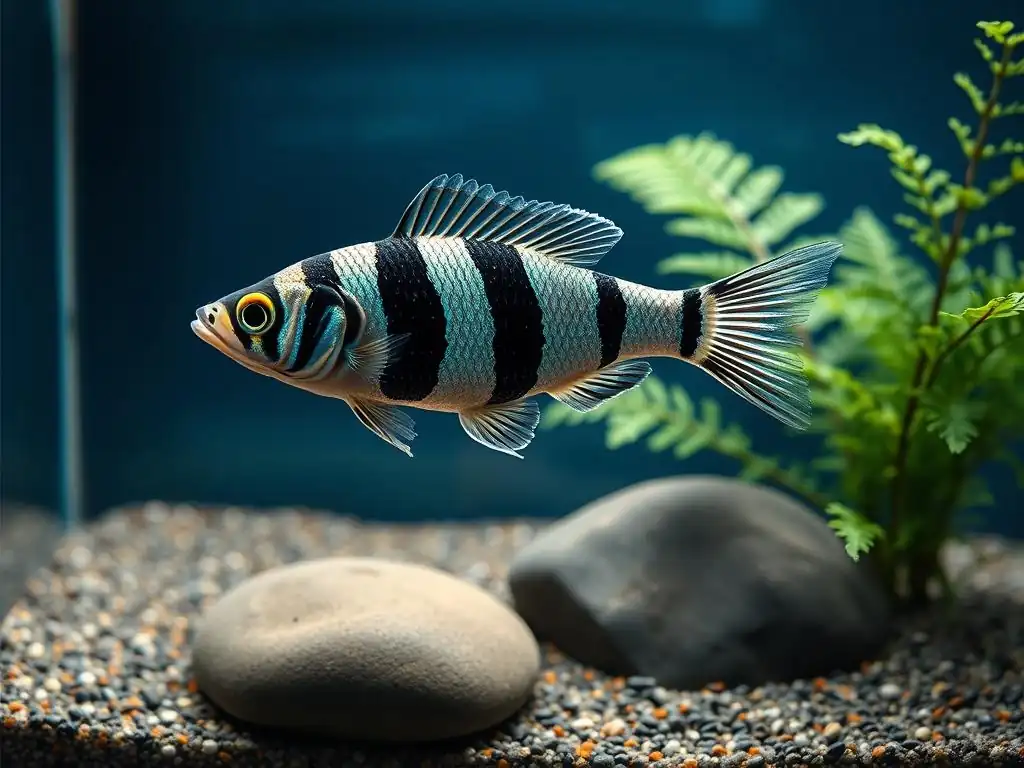
The first step in your Zebra danio tank setup guide is to choose a suitable location for your aquarium. Select a sturdy, level surface or dedicated aquarium stand capable of supporting the immense weight of a filled tank (approximately 10 pounds per gallon, plus the weight of the tank itself and decorations). Position the tank away from direct sunlight, which can promote excessive algae growth and cause temperature fluctuations, and away from drafts or high-traffic areas.
Before adding anything, thoroughly clean the empty tank. Use only plain water and a clean, dedicated sponge or cloth. Avoid using soaps, detergents, or chemical cleaners, as residues can be highly toxic to fish. Ensure the tank is completely dry before proceeding. For larger tanks, placing a thin foam or rubber mat underneath can help distribute weight evenly and prevent stress cracks on the glass bottom.
Step 2: Adding Substrate and Decorations
Once the tank is clean and in place, the next step in your Zebra danio tank setup is to prepare and add the substrate. Rinse your chosen substrate (gravel or sand) thoroughly under running water until the water runs clear. This removes dust and debris that can cloud the tank water. Add a layer of 1-2 inches (2.5-5 cm) to the bottom of the tank, optionally sloping it slightly higher towards the back for a sense of depth.
After the substrate is in place, position your larger decorations such as rocks and driftwood. It is crucial to place these heavy items directly on the tank bottom, before adding more substrate around them, to ensure stability. This prevents them from shifting later and potentially cracking the tank glass or trapping fish. Arrange your plants and smaller decor, keeping in mind the need for open swimming space for your active Danios.
Step 3: Installing Filtration, Heating, and Lighting
With the substrate and decorations in place, proceed to install the essential equipment for your Zebra danio tank setup. Mount your chosen filter (HOB, canister, or internal) according to the manufacturer's instructions. Position the aquarium heater in an area where there is good water circulation, typically near the filter output, to ensure even heat distribution throughout the tank. Attach your thermometer to a visible spot.
Finally, place the lighting fixture on top of the tank or suspend it above, depending on its design. Double-check that all electrical cords are routed safely and include drip loops to prevent water from traveling down the cords to outlets. Crucially, do not plug in any electrical equipment until the tank is completely filled with water, as running heaters or filters dry can cause damage or create an electrical hazard.
Step 4: Cycling the Tank: Establishing a Beneficial Bacteria Colony
This is arguably the most critical step in any Zebra danio tank setup guide: cycling the tank. After filling the tank with dechlorinated water, you must establish the nitrogen cycle. This process involves cultivating a colony of beneficial bacteria in your filter media and substrate that convert toxic ammonia (from fish waste and decaying food) into less toxic nitrite, and then nitrite into relatively harmless nitrate.
There are several methods, including "fishless cycling" using a pure ammonia source or "seeded cycling" with established filter media from another tank. During this 4-6 week process, you must regularly test water parameters (ammonia, nitrite, and nitrate) using a liquid test kit. The cycle is complete when both ammonia and nitrite consistently read 0 ppm, and nitrates are present. Only then is the tank safe for fish.
Step 5: Acclimating Your Zebra Danios to Their New Home
Once your tank is fully cycled and water parameters are stable and safe, you can introduce your Zebra Danios. When you bring your fish home, float the sealed bag containing them in your aquarium water for 15-20 minutes. This allows the water temperature in the bag to gradually equalize with the tank water, preventing thermal shock.
After temperature equalization, open the bag, roll down the top edge, and begin adding small amounts (about 1/4 cup) of your tank water into the bag every 5-10 minutes over a period of 30-60 minutes. This slowly acclimates the fish to your tank's water chemistry. Finally, use a clean net to gently transfer the fish from the bag into your aquarium, discarding the bag water to prevent introducing any potential pathogens or unwanted substances into your pristine Zebra danio tank setup.
Maintaining a Healthy Zebra Danio Tank: Regular Care and Maintenance
Water Changes: Keeping the Water Fresh and Clean
Regular water changes are the single most important maintenance activity for a healthy Zebra danio tank setup. A weekly water change of 25-30% of the tank's volume is generally recommended. This practice effectively removes accumulated nitrates, phosphates, and other dissolved organic compounds that can build up over time, while also replenishing essential trace minerals.
Always use a gravel vacuum during water changes to simultaneously clean the substrate and siphon out detritus. Ensure that the fresh water added back into the tank is dechlorinated and temperature-matched to the aquarium water to prevent shocking the fish. Consistent weekly water changes are paramount for preventing water quality issues and maintaining a stable environment for your Zebra Danios.
Monitoring Water Parameters: Regular Testing is Essential
Consistent monitoring of water parameters is a non-negotiable aspect of maintaining a healthy Zebra danio tank setup. At a minimum, weekly testing for ammonia, nitrite, nitrate, and pH is crucial, especially after water changes or if you observe any signs of stress or illness in your fish. A reliable liquid-based aquarium test kit provides the most accurate results compared to test strips.
Keeping a log of your water parameters can help you identify trends, troubleshoot potential issues early, and understand how your tank's ecosystem is behaving. Prompt identification of elevated ammonia or nitrite levels, for instance, allows for immediate corrective action (such as an emergency water change), preventing severe harm to your fish.
Feeding Zebra Danios: Providing a Balanced Diet
Best Foods for Zebra Danios
Zebra Danios are omnivorous and generally unfussy eaters, readily accepting a variety of foods. A high-quality flake food formulated for tropical fish should serve as the staple of their diet, providing essential vitamins and minerals. To ensure a balanced diet and enhance their vibrant coloration, supplement their diet with small live or frozen foods.
Excellent supplementary options include brine shrimp, daphnia, micro worms, and finely chopped bloodworms. Spirulina flakes or other vegetable-based foods can also be offered to provide necessary plant matter. Providing a varied diet mimics their natural foraging behavior and ensures they receive a full spectrum of nutrients for optimal health and vitality in your Zebra danio tank setup.
Feeding Schedule for Zebra Danios
Given their high metabolism and active nature, Zebra Danios benefit from being fed small amounts multiple times a day, typically 2-3 times. The key is to offer only what they can consume entirely within 2-3 minutes. This approach prevents overfeeding, which is a common cause of poor water quality and can lead to health issues like swim bladder problems or fatty liver disease in fish.
Overfeeding leads to uneaten food decaying in the tank, contributing to elevated ammonia and nitrite levels, and fueling algae growth. A consistent feeding schedule helps regulate their metabolism and encourages their natural schooling behavior during feeding times. Observe your fish during feeding to gauge how much they consume and adjust quantities as needed to maintain a clean and healthy Zebra danio tank setup.
Common Problems and Solutions in Zebra Danio Tanks
Ich (White Spot Disease): Identification and Treatment
Ichthyophthirius multifiliis, commonly known as Ich or White Spot Disease, is one of the most prevalent parasitic infections in freshwater aquariums, often affecting stressed or newly introduced fish. It manifests as small, white, salt-grain-like spots on the fish's body, fins, and gills. Infected fish may also exhibit flashing (rubbing against tank decor), rapid gill movement, and clamped fins.
Treatment typically involves slowly raising the tank temperature to 82-84°F (28-29°C) over 24 hours and maintaining it for 7-10 days, if all tank inhabitants can tolerate it. This accelerates the parasite's life cycle, making it vulnerable to treatment. Concurrently, using an aquarium-safe Ich medication, strictly following manufacturer instructions, is often recommended. Increased aeration during treatment is vital as warmer water holds less oxygen. Maintaining stable water parameters and avoiding sudden temperature changes are key to preventing Ich in your Zebra danio tank setup.
Fin Rot: Causes and Prevention
Fin rot is a common bacterial infection that causes the fins of fish to appear frayed, ragged, or dissolved, sometimes accompanied by a red or white discoloration at the edges. It is typically a secondary infection, meaning it usually occurs when a fish is already stressed or has compromised immunity due to poor water quality, bullying, injury, or overcrowding.
Prevention is primarily focused on maintaining pristine water quality through regular water changes (25-30% weekly) and efficient filtration, which are fundamental to any good Zebra danio tank setup guide. Ensuring adequate space and compatible tank mates also reduces stress. Treatment involves daily partial water changes to improve water conditions and the use of broad-spectrum antibacterial medications designed for aquarium use, following the product's instructions precisely. Early intervention significantly improves the chances of recovery.
Water Quality Issues: Addressing Ammonia, Nitrite, and Nitrate
Poor water quality is the leading cause of health problems and mortality in aquarium fish. Elevated levels of ammonia and nitrite are highly toxic and indicate an incomplete nitrogen cycle, overfeeding, or a malfunctioning filter. Ammonia poisoning can cause gill damage, lethargy, and rapid breathing, while nitrite poisoning prevents blood from carrying oxygen effectively. High nitrate levels, while less acutely toxic, indicate a buildup of waste and can lead to chronic stress and weaken fish immunity.
To address ammonia and nitrite spikes, perform immediate, large (50% or more) water changes using dechlorinated, temperature-matched water. Increase aeration and consider adding a beneficial bacteria supplement. For consistently high nitrates, increase the frequency or volume of your weekly water changes and ensure your filter is adequately maintained. Regular testing of these parameters is crucial for proactive management and maintaining a healthy, stable environment in your Zebra danio tank setup.
Choosing Tank Mates for Zebra Danios: Creating a Peaceful Community Aquarium
Compatible Fish Species for Zebra Danios
Zebra Danios are generally peaceful, active, and hardy schooling fish, making them excellent candidates for a community aquarium, provided their tank mates are chosen carefully. They thrive with other small, peaceful, non-aggressive species that share similar water parameter requirements. Good companions include other small rasboras (e.g., Harlequin Rasboras), various species of Corydoras catfish (which occupy the bottom layer), peaceful tetras (such as Neon Tetras, Cardinal Tetras, or Black Skirt Tetras), platies, mollies, and swordtails.
When selecting tank mates for your Zebra danio tank setup, ensure that the chosen species are not prone to fin-nipping themselves and are not overly slow-moving or long-finned, as the Danios' energetic nature might stress them. Always consider the overall tank size to prevent overcrowding, which can lead to stress and aggression even among otherwise peaceful fish. A well-chosen community promotes a vibrant and harmonious aquarium ecosystem.
Fish to Avoid with Zebra Danios
While Zebra Danios are generally peaceful, their active and sometimes nippy nature (especially if not kept in a large enough school) means certain fish species are not suitable tank mates. Avoid housing them with large, aggressive, or predatory fish that could view the small Danios as food. This includes many types of Cichlids (unless in very large, species-specific setups), large Gouramis, or larger Barbs known for aggression.
Furthermore, it is generally best to avoid pairing Zebra Danios with very slow-moving fish or those with long, flowing fins, such as Betta fish (Siamese Fighting Fish) or certain types of Angelfish. The constant darting and potential fin-nipping behavior of the Danios can cause immense stress to these more delicate species, leading to fin damage, illness, or even death. A successful Zebra danio tank setup prioritizes compatibility to ensure the well-being of all inhabitants.
Frequently Asked Questions
How big of a tank do Zebra Danios need?
Zebra Danios are active swimmers and require ample space. A minimum of 10 gallons is recommended for a small group, but a 20-gallon long tank is ideal to allow them to thrive.
What are the ideal water parameters for Zebra Danios?
Zebra Danios are relatively hardy, but they prefer a water temperature between 64°F and 74°F (18°C and 23°C), a pH between 6.5 and 7.5, and soft to moderately hard water.
What type of filtration is best for a Zebra Danio tank?
A reliable filter is crucial for maintaining water quality. A hang-on-back (HOB) filter or a sponge filter are both good options, providing both mechanical and biological filtration. Ensure the filter flow isn't too strong, as Zebra Danios prefer calmer waters.
What kind of substrate and decorations should I include in a Zebra Danio tank?
Use a smooth gravel or sand substrate to avoid injuring their barbels. Include plenty of plants, rocks, and driftwood to provide hiding places and create a natural environment. Ensure decorations are safe and non-toxic.
What should I feed my Zebra Danios?
Zebra Danios are omnivores and will accept a variety of foods. Offer them a high-quality flake food as their staple diet, supplemented with live or frozen foods like daphnia, bloodworms, and brine shrimp for optimal health and color.
Final Reflection: Cultivating Thriving Aquatic Ecosystems
The principles outlined in this guide, while focused on the specific needs of Zebra Danios, underscore a broader truth: thoughtful and informed aquarium keeping fosters vibrant ecosystems and enriches the lives of both the fish and the observer. Understanding the delicate balance of water parameters, tank size, and social dynamics is not merely about following a checklist, but about creating a thriving haven where these active swimmers can truly flourish.
This journey into the ideal Zebra Danio tank setup has highlighted the profound impact we can have on the well-being of these creatures. It's a reminder that responsible pet ownership extends beyond simply providing food and water; it requires a commitment to understanding and meeting their complex needs. The greatness of a nation and its moral progress can be judged by the way its animals are treated.
- Mahatma Gandhi. This quote resonates deeply, reminding us that our compassion and care for even the smallest creatures reflect our own humanity.
As you embark on, or continue, your journey in aquarium keeping, I invite you to reflect on the principles discussed here. Consider how you can apply this knowledge to create not just a tank, but a thriving ecosystem that supports the health and happiness of your Zebra Danios. Let's strive to be conscientious stewards of these aquatic lives, ensuring they have the opportunity to swim, school, and thrive in a haven of our creation.
Ignite Your Danio Dream: Build the Perfect Tank!
Thank you for diving into the world of Zebra Danios with us! We hope you found this guide helpful in understanding their needs and planning their ideal habitat. Now, let's translate that knowledge into action!
Here are a few things you can do to create the ultimate danio haven:
- Start Planning Your Tank Layout: Begin designing the aquascape for your danios, focusing on open swimming spaces and densely planted areas for refuge. This is the most important thing you can do to improve their quality of life.
- Explore Local Fish Stores: Visit stores to get a sense of real plants and tank decorations available.
- Share Your Danio Vision: Post your tank plans or inspiration images on aquarium forums and gather feedback from experienced keepers.
Ready to create a thriving underwater world for your Zebra Danios? What's the first element you'll be adding to your danio paradise?