
Line Breeding Variegated Variatus: Mastering Mottled Masterpieces

Welcome to Aquarium Mastery!
Ever wondered how to unlock the secrets behind those stunning, mottled patterns in your Variegated Variatus? Dive in, because we're about to reveal the art and science of Variegated Variatus breeding techniques. Prepare to embark on a journey into the world of line breeding, where you'll learn how to cultivate and enhance those captivating colors and patterns. Ready to master the mottled masterpiece? Let's get started!
- Understanding Variegated Variatus: A Comprehensive Guide
- Variegated Variatus Breeding Techniques: A Step-by-Step Approach
- Raising Variegated Variatus Fry: From Birth to Maturity
- Advanced Variegated Variatus Breeding: Refining Your Techniques
- Troubleshooting Common Variegated Variatus Breeding Problems
- The Future of Variegated Variatus Breeding: Trends and Innovations
-
Frequently Asked Questions
- How does line breeding specifically benefit variegated variatus?
- What are the essential steps to prepare variegated variatus for breeding?
- What water parameters are crucial for successful variegated variatus breeding?
- What are the common challenges in line breeding variegated variatus, and how can they be addressed?
- How can I identify and select the best variegated variatus fry for future breeding programs?
- Final Reflection: Unlocking the Secrets of Living Art
- Unleash Your Inner Fish Artist!
Understanding Variegated Variatus: A Comprehensive Guide
Defining Variegated Variatus Coloration
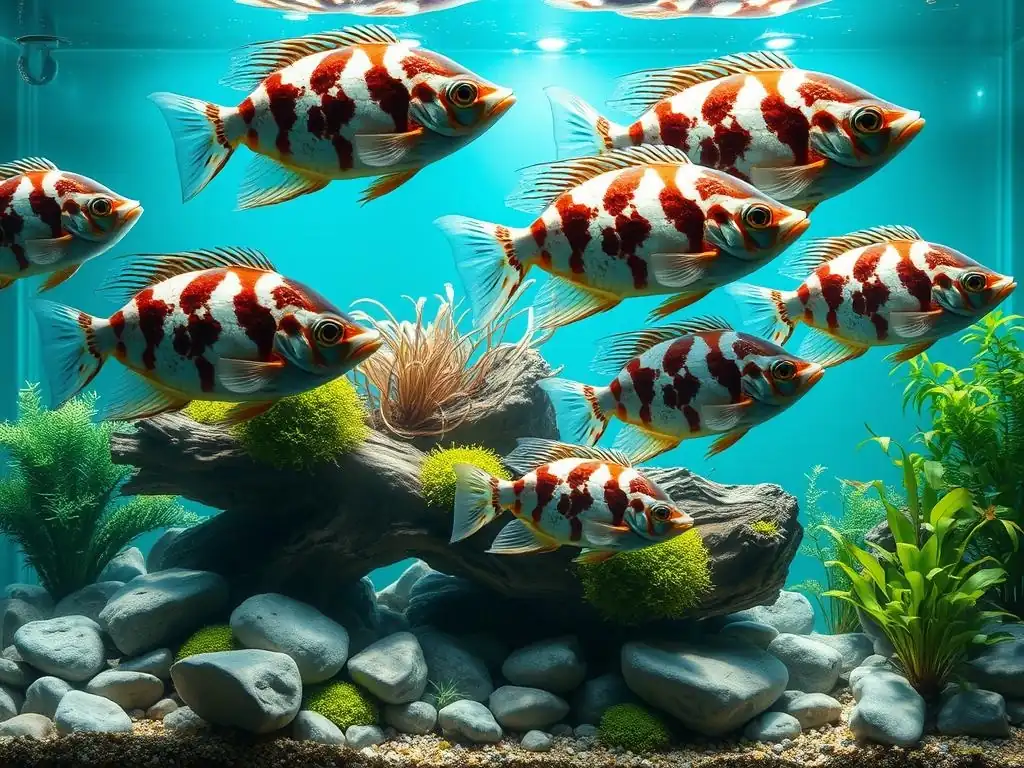
Variegated Variatus, scientifically known as Xiphophorus variatus, are prized for their distinctive, irregular mottled patterns that deviate significantly from the solid or simple colorations seen in many other livebearers. This variegation typically manifests as a mosaic of black, red, orange, and yellow pigments, often appearing as splashes, speckles, or blotches across the body and fins. Unlike uniform color strains, the beauty of variegated variatus lies in their unpredictable and unique distribution of these colors, making each individual a potential work of art.
The term "variegated" specifically refers to this multi-colored, patchy appearance, which is a key characteristic that breeders aim to enhance and stabilize through various variegated variatus breeding techniques. This coloration is not merely a random occurrence but a heritable trait, making it a fascinating subject for dedicated aquarists keen on genetic manipulation and selective breeding. The goal is often to produce fish with vibrant, high-contrast patterns that are consistent across generations, showcasing the potential of well-executed variegated variatus breeding techniques.
Genetic Basis of Variegation in Variatus
The genetic mechanisms behind variegation in Xiphophorus variatus are complex, often involving multiple genes (polygenic inheritance) or specific dominant alleles that influence pigment cell (chromatophore) development and distribution. While not as straightforward as a single dominant-recessive gene pair, the expression of variegation is largely controlled by an interplay of factors that dictate where melanophores (black), erythrophores (red), and xanthophores (yellow/orange) develop and spread on the fish's body. For instance, some theories suggest a "spotting" gene, similar to those found in other Xiphophorus species, might be involved, which causes a patchy distribution rather than uniform coloration.
Effective variegated variatus breeding techniques hinge on understanding these underlying genetic principles. Breeders often observe that certain pairings consistently produce higher percentages of variegated offspring with desirable patterns, indicating a strong genetic predisposition. By carefully selecting parents that exhibit the most intense and aesthetically pleasing mottling, breeders can concentrate these genetic factors within their line, gradually intensifying the variegation over successive generations.
Importance of Line Breeding for Variegated Variatus
Line breeding is a crucial strategy for anyone serious about mastering variegated variatus breeding techniques, primarily because it allows for the stabilization and enhancement of desired traits, such as the intricate mottled patterns. Unlike random breeding, which can lead to diluted or inconsistent color expressions, line breeding systematically focuses on reinforcing specific genetic characteristics within a closed population. This method involves carefully selecting individuals from a single lineage that best exemplify the desired variegation and breeding them together, often with a degree of inbreeding, to fix these traits.
The meticulous nature of line breeding ensures that the unique and often complex genetic blueprint for variegation is passed down consistently, reducing the incidence of plain or poorly patterned offspring. Through generations of careful selection, breeders can not only maintain the vibrant, mottled look but also develop new, more striking variations of the variegated pattern, pushing the boundaries of what is possible with variegated variatus breeding techniques. Without line breeding, achieving consistent, high-quality variegated patterns would be largely a matter of chance rather than deliberate genetic improvement.
Variegated Variatus Breeding Techniques: A Step-by-Step Approach
Selecting Ideal Variegated Variatus Breeding Stock
Choosing Healthy and Vibrant Variegated Variatus
The foundation of successful variegated variatus breeding techniques begins with the careful selection of your breeding stock. Prioritize fish that exhibit robust health, indicated by active swimming, bright eyes, clear fins free of nips or tears, and a strong appetite. Avoid any individuals showing signs of disease, such as clamped fins, white spots (ich), fungal growths, or lethargy, as these conditions can be hereditary or compromise the overall health of the breeding tank, impacting fry survival rates.
Beyond general health, look for fish that are fully mature but not overly old, typically 4-6 months of age for optimal breeding vigor. Males should display well-developed gonopodia and vibrant coloration, while females should appear plump, indicating readiness for reproduction. Selecting only the healthiest and most vigorous specimens ensures a strong genetic starting point for your variegated variatus breeding techniques, leading to more prolific spawns and resilient fry.
Identifying Desirable Variegation Patterns
When focusing on variegated variatus breeding techniques, the aesthetic quality of the variegation is paramount. Carefully observe each prospective breeder for the intensity, distribution, and contrast of their mottled patterns. Desirable patterns often include a clear separation of colors, such as distinct patches of black against a vibrant orange or red background, rather than a muddy or faded appearance. Look for patterns that are well-distributed across the entire body and fins, avoiding fish where the variegation is concentrated only in a small area.
Consider the specific "look" you aim to achieve in your line. Do you prefer a fine speckling, large blotches, or a balance of both? Selecting parents that exemplify your desired aesthetic ensures that you are consistently reinforcing these traits in subsequent generations, making your variegated variatus breeding techniques more targeted and effective. Documenting the patterns of your chosen breeders with photographs can be incredibly helpful for future reference and comparison.
Understanding Genetic Traits for Successful Breeding
A deeper understanding of the genetic traits at play is crucial for advanced variegated variatus breeding techniques. While the exact genes for variegation in Xiphophorus variatus are not fully mapped for hobbyists, observing the offspring from various pairings can provide valuable insights into inheritance patterns. For instance, if a pair consistently produces a high percentage of intensely variegated fry, it suggests that both parents carry strong genes for the trait. Conversely, if variegated parents produce many plain offspring, it indicates recessive genes for non-variegated traits are present.
To optimize your variegated variatus breeding techniques, try to select breeders whose lineage, if known, has consistently produced the desired patterns. If lineage is unknown, observe several generations of their offspring. This practical genetic assessment allows you to predict outcomes with greater accuracy and make informed decisions about which individuals to breed together to enhance specific variegated characteristics, solidifying your breeding goals.
Setting Up a Dedicated Breeding Tank for Variatus
Optimizing Water Parameters for Variatus Reproduction
For successful variegated variatus breeding techniques, providing an optimal environment is critical. Variatus are livebearers and generally adaptable, but for breeding, consistent and favorable water parameters significantly increase success rates. Aim for a pH range of 7.0 to 8.0, which is slightly alkaline, and moderate to hard water with a general hardness (GH) of 10-25 dGH (175-450 ppm). Carbonate hardness (KH) should ideally be between 5-15 dKH (90-270 ppm) to ensure buffering capacity and stable pH.
Regular testing of these parameters is essential, as fluctuations can stress the fish and inhibit breeding. Performing small, frequent water changes (e.g., 25% twice a week) with dechlorinated water that matches the tank's parameters helps maintain water quality and stimulates spawning activity. Consistent water quality is a cornerstone of effective variegated variatus breeding techniques, ensuring the health and productivity of your breeding stock.
Providing Adequate Hiding Places for Fry Survival
One of the biggest challenges in variegated variatus breeding techniques is ensuring the survival of the fry, as adult variatus, like many livebearers, will readily prey on their own offspring. To mitigate this, the breeding tank must be densely furnished with ample hiding places. Live plants such as Java moss, hornwort, guppy grass, or floating plants like water sprite provide excellent shelter where newborn fry can escape predation.
Alternatively, spawning mops made from synthetic yarn or plastic mesh can be used, offering dense, fine strands that fry can navigate while adults cannot. A breeding box or trap can also be employed, but these can be stressful for the female and are generally recommended only for short periods. Providing numerous refuges drastically increases fry survival rates, which is a key objective of efficient variegated variatus breeding techniques.
Temperature and Lighting Considerations for Breeding
Maintaining a stable and appropriate temperature is vital for encouraging reproduction in variatus. An ideal temperature range for breeding is typically between 75-79°F (24-26°C). Consistency is more important than extreme heat; sudden temperature swings can stress fish and prevent spawning. Use a reliable aquarium heater to maintain this range consistently.
Lighting should be moderate and consistent, mimicking natural daylight cycles. A photoperiod of 10-12 hours per day is generally sufficient. Excessive or insufficient lighting can impact fish health and breeding behavior. While specific light intensity isn't a primary factor in inducing spawning for these variegated variatus breeding techniques, a regular day-night cycle helps regulate their biological rhythms and promotes overall well-being, contributing to successful reproduction.
Implementing Line Breeding Strategies for Variatus
Inbreeding vs. Outcrossing: Balancing Genetic Diversity
Line breeding for variegated variatus breeding techniques often involves a delicate balance between inbreeding and outcrossing. Inbreeding, which is the mating of closely related individuals (e.g., parent-offspring, sibling-sibling), is highly effective at concentrating and fixing desired traits, such as specific variegation patterns, within a line. However, prolonged or excessive inbreeding can lead to "inbreeding depression," characterized by reduced vigor, smaller size, lower fertility, increased susceptibility to disease, and genetic deformities.
To counteract inbreeding depression and maintain genetic diversity, strategic outcrossing is essential. This involves introducing a high-quality, unrelated variegated variatus into your breeding line every few generations. The goal is to bring in fresh genes to restore vigor and health without diluting the desired variegation pattern. A common approach in variegated variatus breeding techniques is to establish multiple sub-lines from your original stock and occasionally cross them, or introduce an unrelated individual that closely matches your ideal phenotype.
Tracking Pedigrees and Maintaining Detailed Records
Meticulous record-keeping is an indispensable component of successful variegated variatus breeding techniques. Without detailed records, it becomes impossible to track lineage, assess the effectiveness of specific pairings, or identify patterns of inheritance. For each breeding pair, record:
- Parent IDs: Unique identifiers for the male and female.
- Date of spawning: When fry were first observed.
- Number of fry: An approximate count.
- Fry survival rate: How many reached maturity.
- Phenotypic observations: Detailed notes on the variegation patterns, health, and vigor of the offspring.
- Culling decisions: Which fry were removed and why.
This comprehensive data allows you to create a pedigree chart for your line, enabling you to trace desired traits and identify potential genetic bottlenecks or issues like inbreeding depression. Effective variegated variatus breeding techniques rely heavily on this systematic documentation to guide future breeding decisions and ensure continuous improvement.
Selective Breeding for Enhanced Variegation Traits
Selective breeding is the core mechanism by which variegated variatus breeding techniques yield improved patterns over generations. Once fry reach a size where their patterns are discernable (typically 1-2 months), a rigorous selection process begins. This involves "culling" or removing individuals that do not meet your breeding goals. Fry with faded colors, poor variegation, deformities, or stunted growth should be removed from the breeding pool.
Conversely, individuals that exhibit the most vibrant, distinct, and aesthetically pleasing variegation patterns should be identified and marked as potential future breeders. For instance, if your goal is large, contrasting black patches on an orange body, you would select fry showing those specific characteristics. By consistently selecting only the very best individuals for the next generation, you progressively intensify and refine the desired variegated traits within your line, solidifying your mastery of variegated variatus breeding techniques.
Raising Variegated Variatus Fry: From Birth to Maturity
Caring for Newborn Variegated Variatus Fry
Initial Feeding Strategies for Fry
The first few days of a variegated variatus fry's life are critical, and proper nutrition is paramount for their survival and development. Newborn fry are tiny and require microscopic food sources. Infusoria, a culture of microscopic organisms, is an excellent first food, providing easily digestible nutrients. Liquid fry foods, specifically formulated for livebearer fry, are also a convenient option and can be fed a few times a day in very small amounts to avoid fouling the water.
After the first 3-5 days, or as soon as they are large enough, introduce newly hatched brine shrimp (Artemia nauplii). These are highly nutritious and stimulate rapid growth. Feed brine shrimp 2-3 times daily, ensuring all food is consumed within a few minutes to prevent water quality issues. This initial feeding regimen is a vital part of successful variegated variatus breeding techniques.
Maintaining Optimal Water Quality for Fry Growth
Newborn variegated variatus fry are highly susceptible to poor water quality, making diligent maintenance essential for their survival. Their small size means they are easily stressed by ammonia, nitrite, and high nitrate levels. Perform small, frequent water changes, typically 10-20% daily or every other day, using dechlorinated water that matches the temperature and parameters of the fry tank.
Vacuuming the substrate gently to remove uneaten food and waste is also crucial. A sponge filter, which provides both mechanical and biological filtration without posing a risk to tiny fry, is ideal for a fry tank. Consistent water quality is a non-negotiable aspect of effective variegated variatus breeding techniques for ensuring robust fry development.
Preventing Common Fry Diseases
Preventing diseases in variegated variatus fry is primarily achieved through excellent husbandry and proactive measures. The most common cause of disease outbreaks in fry is poor water quality and overcrowding. Maintain pristine water conditions through regular water changes and avoid overfeeding, which can quickly foul the water. Ensure the temperature remains stable within the optimal range (75-79°F or 24-26°C).
Quarantining new breeding stock before introducing them to your main breeding setup can prevent the introduction of pathogens. If a disease does appear, early detection is key. For example, ich (white spot disease) can be devastating to fry; maintaining stable temperatures and good water quality often prevents it. Chemical treatments should be used with extreme caution, as fry are very sensitive to medications. Prioritizing prevention is a cornerstone of successful variegated variatus breeding techniques.
Promoting Healthy Growth and Vibrant Colors in Variegated Variatus Juveniles
Gradual Introduction to Adult Food
As variegated variatus fry grow, typically around 3-4 weeks old, they will be large enough to begin accepting finely crushed flake foods and micro-pellets. This transition should be gradual. Continue feeding brine shrimp or other live foods alongside the new dry foods for a week or two to ensure they are getting sufficient nutrition. Gradually increase the particle size of the dry food as the juveniles grow.
A varied diet is key to promoting vibrant colors and strong growth. Supplement flake foods with frozen options like daphnia, cyclops, or bloodworms (cut into small pieces for larger juveniles). High-quality protein content in their diet is crucial for developing robust bodies and intensifying the variegation patterns, directly supporting your variegated variatus breeding techniques.
Providing Adequate Space for Growth
Overcrowding is a significant impediment to healthy growth and color development in variegated variatus juveniles. As fry grow, they quickly produce more waste and require more swimming space. A 10-gallon tank might initially house 30-50 newborn fry, but within a month or two, they will need considerably more room. For instance, by the time they are 1-2 inches long, a 20-gallon long or even a 40-gallon breeder tank might be necessary for a group of 20-30 juveniles to prevent stunting.
Stunted growth due to overcrowding can permanently affect the fish's size and vibrancy, potentially compromising their future breeding potential. Regularly assess the population density and be prepared to move juveniles to larger grow-out tanks as they mature. Providing ample space is a vital, yet often underestimated, aspect of successful variegated variatus breeding techniques.
Monitoring Water Parameters and Performing Regular Water Changes
Consistent monitoring of water parameters and diligent water changes remain crucial as variegated variatus transition from fry to juveniles. While slightly more resilient than newborns, juveniles still thrive in pristine conditions. Continue to test pH, ammonia, nitrite, and nitrate levels regularly. Ammonia and nitrite should always be at zero, and nitrates should be kept below 20 ppm, ideally much lower.
Perform regular water changes, perhaps 25-30% two to three times a week, depending on tank size and stocking density. These frequent changes replenish essential minerals, remove accumulated waste, and help maintain stable water chemistry, which is vital for both growth and the vivid expression of their variegated patterns. This continuous commitment to water quality is fundamental to all successful variegated variatus breeding techniques.
Advanced Variegated Variatus Breeding: Refining Your Techniques
Addressing Common Challenges in Variegated Variatus Line Breeding
Combating Inbreeding Depression
As you delve deeper into variegated variatus breeding techniques, managing inbreeding depression becomes a primary concern. Prolonged inbreeding, while effective for fixing traits, can lead to reduced fertility, smaller size, deformities (e.g., bent spines, fin deformities), and a weakened immune system. To combat this, strategic outcrossing is essential. This involves introducing an unrelated, high-quality variegated variatus into your line every few generations (e.g., every 3-5 generations).
The key is to select an outcross individual that closely matches your desired phenotype, minimizing the risk of diluting your established patterns. After the outcross, carefully select the offspring that exhibit both renewed vigor and the desired variegation, then continue your line breeding with these new, genetically refreshed individuals. This careful integration of new blood is a critical advanced variegated variatus breeding technique to maintain the long-term health and stability of your line.
Managing Unwanted Color Variations
Despite careful selection, unwanted color variations or patterns can occasionally emerge within a variegated variatus breeding line. This might include fish that revert to a plain color, develop an undesirable pattern, or exhibit duller hues. Effective management involves rigorous culling of any fry or juveniles that do not meet your specific aesthetic criteria for variegation. This means removing them from your breeding pool, either by rehoming them as non-breeding stock or humanely culling them.
Maintaining strict selection pressure is paramount. If you allow individuals with undesirable traits to remain in your breeding tanks, they can pass on those genes, making it harder to achieve your breeding goals in future generations. Consistent culling, even of seemingly minor deviations, is a hallmark of refined variegated variatus breeding techniques and is necessary to maintain the integrity and quality of your line.
Maintaining Genetic Diversity within the Line
While line breeding focuses on specific traits, maintaining a healthy level of genetic diversity within your overall population is crucial for long-term success in variegated variatus breeding techniques. Over-reliance on a very small number of foundational breeders can lead to a "genetic bottleneck," reducing the gene pool and increasing the risk of inbreeding depression. One strategy is to run multiple, slightly divergent breeding lines concurrently.
For example, you might have Line A and Line B, both stemming from your initial stock but bred independently. Every few generations, you could cross individuals from Line A with Line B to introduce some genetic refreshment without resorting to completely unrelated outside stock. Another method is to maintain a slightly larger breeding group, ensuring that a broader range of desirable genes is retained. These proactive measures ensure the resilience and vitality of your variegated variatus breeding program.
Genetic Considerations for Advanced Variegated Variatus Breeders
Understanding Gene Expression and Phenotype
For the advanced hobbyist engaged in variegated variatus breeding techniques, a deeper understanding of gene expression and phenotype is invaluable. Genotype refers to the genetic makeup of an individual, while phenotype is the observable physical manifestation of those genes (e.g., the variegated pattern). It's important to recognize that not all genotypes express themselves identically; environmental factors such as diet, water quality, and stress levels can influence how strongly and vividly a variegated pattern develops.
For instance, a fish with the genetic potential for brilliant variegation might appear dull if kept in poor conditions or fed an inadequate diet. Therefore, optimizing husbandry alongside genetic selection is crucial. Observing how different environmental factors impact the expression of variegation in your variatus can help you refine your breeding conditions to maximize the phenotypic display of your desired traits, making your variegated variatus breeding techniques truly comprehensive.
Exploring Mutation and Selective Breeding
The world of variegated variatus breeding techniques is dynamic, with the potential for spontaneous mutations to introduce novel color morphs or pattern variations. While rare, a mutation can lead to an entirely new and desirable trait, such as a unique shade of red or an exceptionally intricate black overlay. Advanced breeders are always on the lookout for such anomalies within their fry batches.
When a promising mutation is observed, the challenge lies in stabilizing it through further selective breeding. This often involves carefully breeding the mutated individual back to a parent or sibling to see if the trait is heritable and how it expresses in subsequent generations. If the mutation proves stable and desirable, it can form the foundation of an entirely new variegated variatus line, pushing the boundaries of what is achievable with dedicated variegated variatus breeding techniques.
Documenting and Sharing Your Variegated Variatus Breeding Success
Creating a Visual Record of Your Line
For serious breeders employing sophisticated variegated variatus breeding techniques, a visual record is as important as written pedigrees. Regularly photographing and even video recording your breeding stock and their offspring at different stages of development allows you to visually track the evolution of your variegated patterns over generations. This visual diary can help identify subtle improvements or regressions in coloration, pattern intensity, and overall form.
Organize these records by generation and specific breeding pair. For example, photos of "F1-Pair A offspring" followed by "F2-Pair B offspring" allow for direct comparison. This visual documentation serves as an invaluable tool for assessing the success of your variegated variatus breeding techniques and for showcasing your achievements to others, providing concrete evidence of your progress.
Contributing to the Variatus Breeding Community
Sharing your knowledge and successes is a hallmark of an advanced breeder and strengthens the variegated variatus breeding community as a whole. This can involve participating in online forums, local aquarium club meetings, or even publishing articles about your specific variegated variatus breeding techniques. Sharing detailed accounts of your methods, challenges, and breakthroughs can inspire and educate other hobbyists, accelerating collective progress.
Furthermore, contributing high-quality, excess stock to other reputable breeders or hobbyists can help propagate desirable traits and ensure genetic diversity across a broader population. This collaborative spirit not only fosters a thriving community but also helps to preserve and enhance the genetic integrity of the variegated variatus for future generations, reflecting responsible and sustainable variegated variatus breeding techniques.
Troubleshooting Common Variegated Variatus Breeding Problems
Identifying and Resolving Breeding Inactivity
One common frustration in variegated variatus breeding techniques is when fish fail to reproduce despite appearing healthy. Several factors can contribute to breeding inactivity. First, check your male-to-female ratio; an ideal ratio is typically one male to two or three females. Too many males can lead to excessive harassment of females, causing stress and inhibiting breeding. Conversely, too few females might not provide enough targets for the male, or the female might simply not be receptive.
Second, re-evaluate water parameters and temperature. Even slight deviations from the optimal ranges (pH 7.0-8.0, GH 10-25 dGH, temperature 75-79°F or 24-26°C) can suppress breeding. Ensure a varied and high-quality diet, including live or frozen foods, as proper nutrition stimulates reproductive readiness. Lastly, observe for signs of stress from tank mates or an overly exposed environment; providing more hiding spots or moving aggressive fish can often resolve inactivity.
Addressing Low Fry Survival Rates
Low fry survival rates are a frequent challenge in variegated variatus breeding techniques, often indicating issues within the breeding setup or care routine. The primary culprit is often predation by adult fish, including the parents themselves. Ensure the breeding tank has ample, dense hiding places like Java moss, hornwort, or spawning mops where fry can take refuge immediately after birth.
Poor water quality in the fry tank is another major factor. Ammonia and nitrite should be zero, and nitrates kept very low through small, frequent water changes (daily or every other day). Overfeeding, which leads to decaying food and poor water, is a common mistake. Ensure fry are receiving appropriate, easily consumable food sources like infusoria or newly hatched brine shrimp. Lastly, check for signs of disease among the fry; healthy conditions are the best preventative.
Managing Genetic Defects and Deformities
The appearance of genetic defects and deformities (e.g., bent spines, missing fins, stunted growth, or severe swim bladder issues) in variegated variatus fry is a serious concern in line breeding. This is a strong indicator of inbreeding depression, where the gene pool has become too small and harmful recessive genes are expressing themselves. When such deformities become prevalent (e.g., consistently affecting 10-20% or more of a brood), it's a clear sign that your variegated variatus breeding techniques need immediate adjustment.
The primary solution is to introduce new, unrelated bloodlines. Acquire high-quality, healthy variatus from a different source that ideally possesses similar desirable variegation patterns. Breed these new individuals into your existing line to broaden the genetic diversity and dilute the concentration of undesirable recessive genes. Additionally, rigorously cull any fry exhibiting deformities to prevent them from inadvertently contributing to future generations, reinforcing the integrity of your breeding program.
The Future of Variegated Variatus Breeding: Trends and Innovations
Exploring New Color Morphs and Patterns
The future of variegated variatus breeding techniques holds immense potential for the development of novel color morphs and intricate patterns. As breeders continue to refine their selective breeding processes, they may inadvertently or deliberately uncover new genetic combinations that result in previously unseen variations. This could include variegation with less common base colors, more sharply defined blotches, or even unique iridescent qualities within the mottled areas.
For example, a dedicated breeder might focus on enhancing the yellow pigments to create a "lemon variegated" variatus or on intensifying the black to achieve a "sooty variegated" look. Through meticulous observation and targeted breeding, hobbyists can push the boundaries of Xiphophorus variatus aesthetics, making the exploration of new and exciting variations a key trend in advanced variegated variatus breeding techniques.
Utilizing Advanced Genetic Testing Techniques
While currently more prevalent in commercial aquaculture or highly specialized research, the future may see advanced genetic testing techniques become more accessible for dedicated hobbyists engaged in variegated variatus breeding techniques. Imagine being able to DNA test your breeding stock to identify specific genes responsible for certain variegation patterns, disease resistance, or even sex determination before breeding.
Such technology could revolutionize the precision of selective breeding, allowing breeders to make informed pairing decisions based on genetic markers rather than solely on observable phenotypes. This would significantly reduce the guesswork and accelerate the development of new, stable lines, minimizing undesirable traits and maximizing the efficiency of variegated variatus breeding techniques. While still largely aspirational for the average hobbyist, the potential impact of genetic testing is profound.
Promoting Responsible and Sustainable Breeding Practices
As the popularity of variegated variatus breeding techniques grows, there is an increasing emphasis on promoting responsible and sustainable practices within the hobby. This includes prioritizing the health and welfare of the fish above all else, avoiding overpopulation, and ensuring that all breeding efforts contribute positively to the species' genetic diversity. Responsible breeding means culling humanely when necessary and ensuring that surplus fish are rehomed into appropriate environments, rather than being discarded or released into non-native habitats.
Furthermore, sustainable practices involve maintaining diverse genetic lines to prevent inbreeding depression and ensuring that new bloodlines are introduced responsibly. Breeders are encouraged to share their knowledge and collaborate, fostering a community that values ethical treatment and the long-term vitality of the variegated variatus. These principles ensure that the pursuit of beautiful mottled masterpieces through variegated variatus breeding techniques is conducted in an ethical and enduring manner.
Frequently Asked Questions
How does line breeding specifically benefit variegated variatus?
Line breeding, when applied to variegated variatus, helps to concentrate desired genes responsible for the mottled patterns. This allows breeders to consistently produce fish with more striking and predictable variegation. It also helps to reduce undesirable traits over time.
What are the essential steps to prepare variegated variatus for breeding?
Preparation involves selecting healthy, mature fish with the most desirable variegated patterns. Provide a suitable breeding tank with plenty of hiding places and stable water parameters. Ensure a nutrient-rich diet to promote optimal health and spawning readiness.
What water parameters are crucial for successful variegated variatus breeding?
Maintaining a stable temperature between 72-78°F is vital, along with a pH of 7.0-7.5. Water hardness should be moderate, around 8-12 dGH. Regular water changes are essential for removing nitrates and maintaining water quality.
What are the common challenges in line breeding variegated variatus, and how can they be addressed?
Common challenges include inbreeding depression and the potential for genetic defects. To mitigate this, carefully track lineage and occasionally introduce unrelated individuals. Consistent monitoring of offspring for any abnormalities is also key.
How can I identify and select the best variegated variatus fry for future breeding programs?
Select fry exhibiting the most pronounced and desirable variegation patterns. Choose individuals that are healthy, active, and free from deformities. Keep detailed records of each fish's lineage and growth to inform future breeding decisions.
Final Reflection: Unlocking the Secrets of Living Art
The journey into variegated variatus breeding reveals not just the science of genetics, but also the art of shaping living masterpieces. Understanding and applying these techniques, as we've explored, is more relevant than ever, allowing aquarists to push the boundaries of beauty and create truly unique fish that captivate and inspire. This isn't just about breeding fish; it's about understanding the intricate dance of heredity and expressing creativity through living organisms.
This exploration has underscored the profound impact that selective breeding, particularly line breeding, has on the aesthetic landscape of the aquarium hobby. The dedication required to refine these mottled patterns, generation after generation, speaks volumes about our enduring fascination with beauty and our desire to participate in its creation. The desire to create is one of the deepest yearnings of the human soul.
- Dieter F. Uchtdorf. This quote perfectly encapsulates the driving force behind the meticulous work of variatus breeders, who are, in essence, artists wielding genetics as their brush.
Now, armed with this knowledge of variegated variatus breeding techniques, I invite you to reflect on the potential within your own aquarium. Consider the possibilities that lie dormant within your fish, waiting to be unlocked through careful observation, patient selection, and a touch of artistic vision. Embrace the challenge, experiment with line breeding, and contribute to the ongoing evolution of these living jewels. The future of variegated variatus lies in the hands of passionate aquarists like you, ready to transform the ordinary into the extraordinary.
Unleash Your Inner Fish Artist!
Thanks for diving deep into the world of line breeding Variatus! We hope you've gained valuable insights into creating your own mottled masterpieces. Now it’s time to put that knowledge into action and share your passion with the community.
Here are a few ways to get started:
- Start Your Breeding Project: Begin selecting your best Variatus specimens and meticulously document each generation.
- Share Your Progress: Post your breeding journal and photos on our Aquarium Mastery community forum. We want to see your mottled masterpieces in the making!
- Explore Advanced Techniques: Research other line breeding strategies or gene expressions to push the boundaries of Variatus coloration.
Ready to breed your own stunning, uniquely patterned Variatus? What's the first color combination you're hoping to achieve, and how will you track your progress?