
Euphyllia paraancora (Hammer Coral): Aquarium Care & Stunning Varieties

Welcome to Aquarium Mastery!
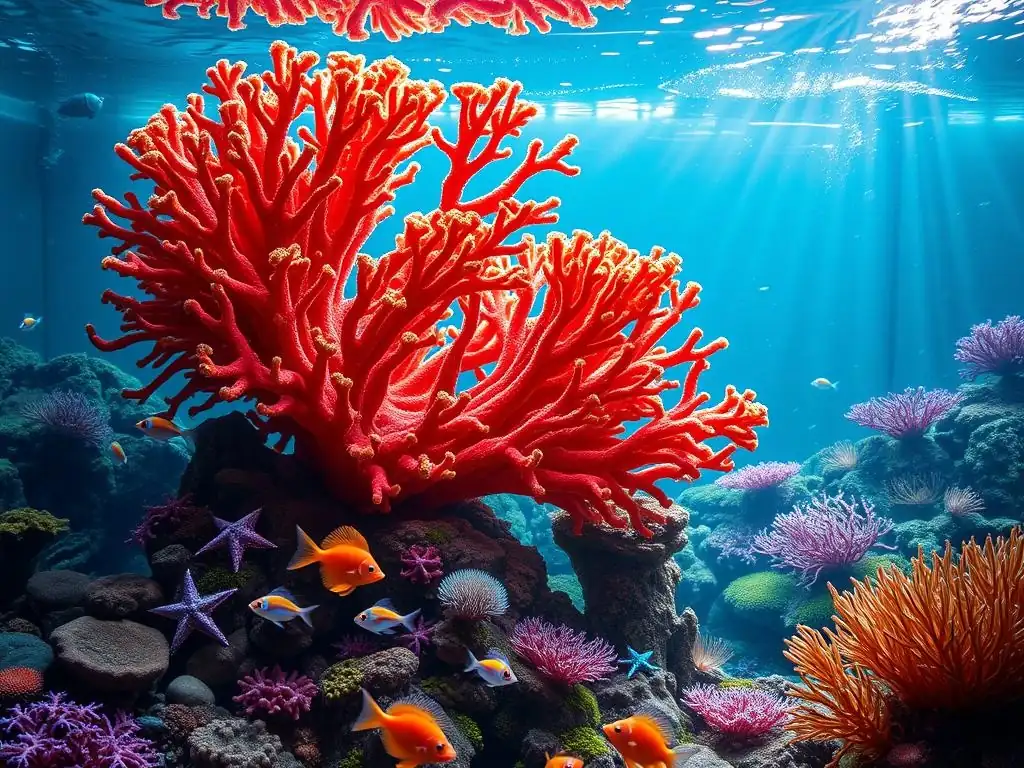
Intrigued by the mesmerizing sway of Hammer corals? You've come to the right place! This article dives deep into Euphyllia paraancora, offering essential hammer coral care tips to ensure your own stunning specimen thrives. Discover the secrets to a vibrant reef and unlock the beauty of this captivating LPS coral. Ready to learn more and create the perfect environment for your Hammer coral? Let's get started!
- Introduction to Hammer Corals (Euphyllia paraancora)
- Hammer Coral Care Tips: A Comprehensive Guide
- Maintaining a Healthy Hammer Coral: Preventing Common Issues
- Stunning Varieties of Hammer Corals: A Visual Guide
- Propagating Hammer Corals: Fragging for Growth
- Choosing the Right Hammer Coral for Your Aquarium: A Buying Guide
- Troubleshooting Common Hammer Coral Problems
- Conclusion: Mastering Hammer Coral Care for a Thriving Reef Tank
-
Frequently Asked Questions
- How difficult is it to care for Hammer Corals in a reef aquarium?
- What are the ideal water parameters for keeping Hammer Corals healthy?
- What type of lighting is best for Hammer Corals?
- How often should I feed my Hammer Coral?
- What are some common issues that can affect Hammer Corals in an aquarium?
- Final Reflection: Embracing the Delicate Dance of Reef Keeping
- Ignite Your Reef Tank's Beauty!
Introduction to Hammer Corals (Euphyllia paraancora)
What is a Hammer Coral? Understanding Euphyllia
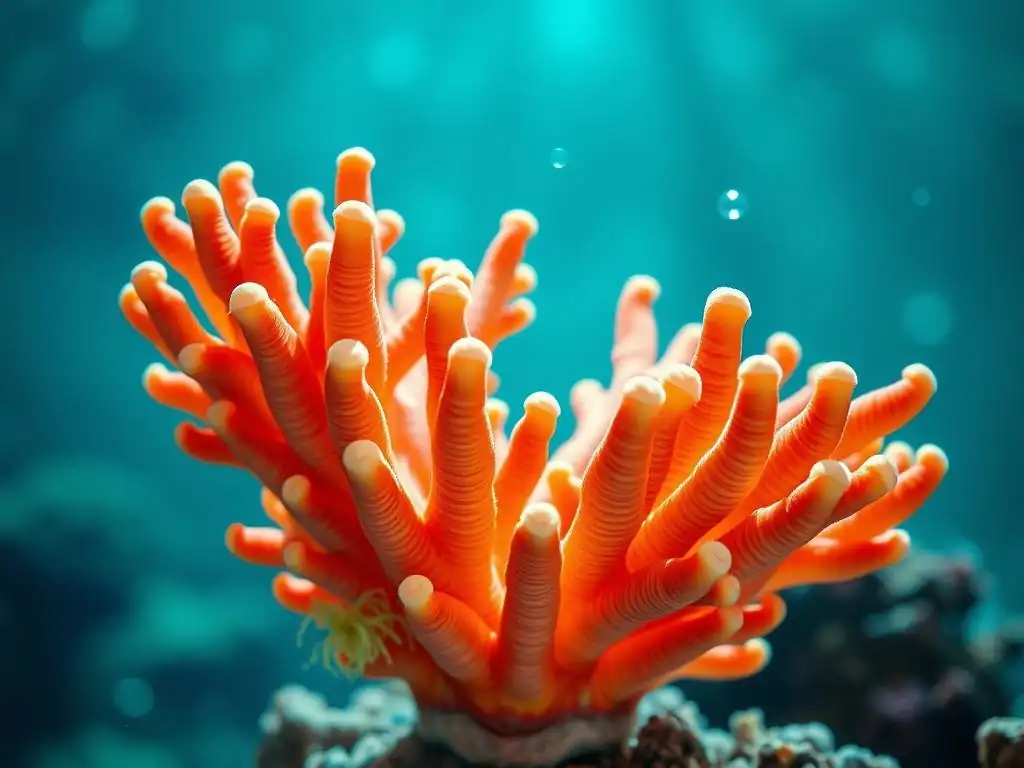
The Hammer Coral, scientifically known as Euphyllia paraancora, is a captivating large polyp stony (LPS) coral highly prized in the reef aquarium hobby. It derives its common name from its distinctive hammer-shaped or anchor-shaped tentacles, which extend gracefully from a solid, stony skeleton. These tentacles, often vibrant in color, sway gently with the water flow, adding dynamic movement and visual appeal to any reef tank.
Naturally found across the Indo-Pacific reefs, Euphyllia paraancora typically inhabits shallow to moderate depths, where it can access ample light for its symbiotic zooxanthellae. These microscopic algae, residing within the coral's tissues, perform photosynthesis, providing the coral with the majority of its nutritional requirements. This photosynthetic capability makes the Hammer Coral a relatively self-sufficient inhabitant of a reef aquarium, though supplemental feeding can significantly boost its growth and overall vitality.
Why Choose a Hammer Coral for Your Reef Tank?
Choosing a Hammer Coral for your reef tank brings a striking aesthetic appeal that few other corals can match. Their vibrant colors, ranging from classic greens to dazzling golds and purples, coupled with the mesmerizing movement of their polyps, create a focal point in any aquarium. They offer a unique blend of beauty and dynamic presence, making them a favorite among both novice and experienced aquarists.
Beyond their undeniable beauty, Hammer Corals are considered moderately easy to care for compared to some more demanding SPS (small polyp stony) corals, making them an excellent choice for intermediate aquarists looking to expand their LPS collection. They exhibit a moderate growth rate, allowing hobbyists to observe their colonies expand and mature over time, potentially forming impressive, multi-headed structures. Their resilience, combined with proper hammer coral care tips, ensures they can thrive and contribute significantly to the biodiversity and overall health of a well-maintained reef environment.
Hammer Coral Care Tips: A Comprehensive Guide
Optimal Water Parameters for Hammer Coral Health
Temperature and Salinity for Euphyllia
Maintaining stable temperature and salinity levels is paramount for the health and longevity of Euphyllia paraancora. The ideal temperature range for Hammer Corals is typically between 75-80°F (24-27°C). While they can tolerate slight fluctuations, rapid swings can induce significant stress. For instance, a temperature variation exceeding 2°F (approximately 1°C) within a 24-hour period can lead to polyp retraction and, in severe cases, tissue recession.
Salinity should be kept stable within a specific gravity of 1.024-1.026, or 34-35 parts per thousand (ppt). Consistency is key; even small, abrupt changes in salinity can shock the coral. Regular testing with a reliable refractometer or hydrometer, ideally daily or every other day, helps ensure these critical parameters remain within their optimal ranges, providing a stable foundation for your hammer coral's well-being.
Alkalinity, Calcium, and Magnesium Levels
Alkalinity, calcium, and magnesium are the fundamental building blocks for the Hammer Coral's stony skeleton and overall physiological processes. Alkalinity, measured in dKH (degrees of carbonate hardness), should ideally be maintained between 8-12 dKH. This parameter is crucial for the coral's ability to calcify and grow its skeleton. Fluctuations outside this range, particularly sudden drops, can lead to tissue recession and inhibit growth. Many successful reef tanks target a stable 8.5-9.5 dKH, performing weekly tests to monitor and adjust as needed.
Calcium levels are equally vital, with an optimal range of 400-450 ppm. Calcium is the primary component of the aragonite skeleton that Hammer Corals form. A healthy, actively growing hammer coral colony can consume significant amounts of calcium, potentially depleting 10-20 ppm per week in a mature reef system.
Lastly, magnesium, ideally at 1250-1350 ppm, plays a critical role in maintaining the stability of both alkalinity and calcium, preventing their precipitation and ensuring they remain bioavailable for the coral. Consistent monitoring and supplementation, often through two-part dosing systems or calcium reactors, are essential hammer coral care tips for robust growth.
Lighting Requirements for Hammer Corals
PAR Levels and Light Spectrum for Hammer Corals
Hammer Corals require moderate lighting to thrive, primarily relying on their symbiotic zooxanthellae for energy. The ideal Photosynthetically Active Radiation (PAR) levels for Euphyllia paraancora typically range from 75 to 150 PAR. Placing them in areas with PAR readings below this range can result in dull coloration and slower growth, as the zooxanthellae may not produce enough energy. Conversely, exposure to excessively high PAR levels (e.g., above 200 PAR) can lead to bleaching, where the coral expels its zooxanthellae, turning pale or white.
In terms of light spectrum, a broad spectrum light, with a strong emphasis on the blue spectrum (around 450-470nm), is highly beneficial. Blue light penetrates deeper into the water column and is efficiently utilized by zooxanthellae for photosynthesis, also enhancing the coral's vibrant fluorescent colors. Many hobbyists find success running LED fixtures at 30-50% intensity for 10-12 hours daily, ensuring a good balance of intensity and spectrum for optimal hammer coral care tips.
Preventing Bleaching Through Proper Lighting
Preventing bleaching is a critical aspect of hammer coral care tips, and proper lighting acclimation is key. When introducing a new Hammer Coral to your aquarium, it's crucial to gradually acclimate it to your tank's lighting. Start by placing the coral in a lower light area, or by reducing your light intensity, and slowly increase the PAR exposure over several weeks. This allows the coral's zooxanthellae to adjust to the new light conditions without stress.
Signs of bleaching include a noticeable loss of color, making the coral appear pale or translucent. If you observe these symptoms, immediately reduce the light intensity or move the coral to a shadier spot in the tank. Even sudden changes in light type or intensity, such as upgrading a light fixture, can trigger bleaching. Implementing a gradual ramp-up schedule for new lights or new corals is a fundamental practice to ensure the long-term health and vibrant coloration of your Euphyllia paraancora.
Water Flow and Placement Considerations for Euphyllia paraancora
Ideal Water Flow for Hammer Corals
For optimal health, Hammer Corals require moderate, indirect water flow. The ideal flow pattern for Euphyllia paraancora is turbulent or chaotic, mimicking the natural surge of reef environments, rather than a direct, laminar blast. This type of flow gently sways the coral's polyps, which aids in respiration, waste removal, and the capture of particulate food. You should observe the polyps extending fully and swaying gracefully; if they appear to be struggling against a strong current or are retracted, the flow is likely too intense.
Conversely, insufficient water flow can be detrimental. Areas with stagnant or very low flow can lead to detritus accumulation on the coral's tissue, increasing the risk of bacterial infections or tissue necrosis, particularly at the base. Aim for a flow that keeps the coral clean without causing its polyps to be constantly pressed against the skeleton or the rockwork. Many aquarists achieve this with powerheads placed to create indirect, random currents across the tank.
Strategic Placement in Your Reef Aquarium
Strategic placement is a vital component of successful hammer coral care tips, especially due to their aggressive nature. Hammer Corals possess potent sweeper tentacles that can extend significantly, often up to 6-8 inches (15-20 cm) or more, particularly at night. These tentacles pack a strong sting and can severely damage or even kill neighboring corals if they come into contact. Therefore, ensure ample clearance around your Euphyllia paraancora to prevent aggression.
It is generally recommended to place Hammer Corals on stable rockwork rather than directly on the sandbed. Placing them on the sand can expose them to irritation from detritus, sand particles, or burrowing invertebrates, which can lead to tissue damage or recession. Consider the coral's lighting needs when choosing its height in the tank – higher for lower PAR, lower for higher PAR – but always prioritize giving it enough personal space to fully extend without harming other inhabitants.
Feeding Your Hammer Coral: What to Feed and How Often
Target Feeding Euphyllia for Optimal Growth
While Hammer Corals are primarily photosynthetic, deriving most of their energy from light via their symbiotic zooxanthellae, supplemental target feeding can significantly enhance their growth rates, coloration, and overall vitality. Target feeding allows the coral to directly consume nutrients, which can be particularly beneficial for larger colonies or those showing signs of slow growth. This method involves using a pipette or turkey baster to deliver food directly to the coral's extended polyps, ideally when they are fully open and receptive.
The best time for target feeding is typically after the main tank lights have dimmed or turned off, as this is when the coral's polyps are most extended and its feeding response is heightened. Aim to feed your Hammer Coral 1-2 times per week. Consistent, small feedings are generally more effective than infrequent, large ones, as they prevent overfeeding and maintain water quality. This regular nutritional boost is a key hammer coral care tip for robust and vibrant specimens.
Recommended Foods for Hammer Corals
When it comes to feeding Euphyllia paraancora, a variety of small, meaty foods are highly recommended to provide a comprehensive nutritional profile. Excellent choices include finely chopped mysis shrimp, brine shrimp, or finely minced silversides. These provide essential proteins and lipids that support tissue growth and overall health. For smaller polyps or more convenient feeding, specialized coral-specific pellet foods, such as Fauna Marin LPS Grow and Reef-Roids, are also highly effective.
In addition to solid foods, liquid coral foods or phytoplankton can be broadcast fed into the water column, although target feeding remains the most efficient method for larger particulate foods. A typical feeding session might involve offering 2-3 mysis shrimp per individual polyp head. Observing how readily your hammer coral accepts the food and retracts its tentacles to consume it will help you gauge the appropriate portion size and frequency. Diversifying the diet contributes significantly to the long-term success and stunning appearance of your hammer coral.
Maintaining a Healthy Hammer Coral: Preventing Common Issues
Identifying and Treating Hammer Coral Diseases
Brown Jelly Disease in Hammer Corals
Brown Jelly Disease is one of the most feared and rapidly destructive ailments that can affect Hammer Corals. It manifests as a brown, slimy, necrotic mass that quickly spreads across the coral's tissue, often starting from a small injury or area of stress. This disease is typically caused by a ciliate or bacterial infection and can decimate a healthy colony within hours if left untreated. Prompt action is crucial for hammer coral care tips when dealing with this issue.
Treatment requires immediate removal of the affected coral from the main display tank. Gently siphon off the brown jelly using an airline tube. A freshwater dip for 30-60 seconds (with pH and temperature matched to tank water) or a coral dip in an iodine solution (e.g., Lugol's solution, following manufacturer's instructions) can help. In severe cases, fragging off any visibly healthy parts of the coral, well away from the infected area, may be the only way to save a portion of the colony. Prevention involves maintaining pristine water quality, avoiding physical damage to the coral, and ensuring stable parameters.
Flatworm Infestations and Their Impact
Flatworm infestations can be a persistent nuisance for Hammer Corals, though they are generally less immediately life-threatening than Brown Jelly Disease. These tiny, reddish-brown flatworms (often Convolutriloba retrogemma) can be seen crawling on the coral's tissue, particularly when the polyps are retracted. While they don't directly consume coral tissue, their presence can irritate the coral, causing it to retract its polyps, reducing light exposure and feeding opportunities, and leading to chronic stress and potential tissue loss over time.
Treatment typically involves the use of coral dips specifically formulated to target flatworms (e.g., Flatworm Exit, Revive Coral Dip). It's important to perform the dip in a separate container, not in the main tank, as dead flatworms can release toxins. Multiple dips may be necessary over several weeks to eradicate newly hatched flatworms. Biological control, such as introducing a Six-line Wrasse ( Pseudocheilinus hexataenia) or a Yellow Coris Wrasse ( Halichoeres chrysus), can sometimes help manage populations, though they are not guaranteed to eliminate the problem.
Dealing with Pests That Affect Hammer Corals
Nudibranchs and Their Control
Specific species of nudibranchs can be highly specialized predators of Euphyllia corals, including Hammer Corals. These small, often camouflaged sea slugs can be incredibly difficult to spot, blending seamlessly with the coral's texture and color. They feed directly on the coral tissue, leading to localized tissue loss, retraction, and eventual decline of the colony. Signs of their presence often include unexplained tissue damage or the nudibranchs themselves, which might be visible around the base or within the polyps.
Controlling nudibranchs primarily involves diligent manual removal. Use tweezers or a siphon to carefully remove any visible nudibranchs. The most effective preventative measure for hammer coral care tips is a strict quarantine protocol for all new corals, lasting at least 4-6 weeks. During quarantine, regular inspection and prophylactic dips with coral-specific products can help identify and eliminate these pests before they enter the main display tank. Repeat dips are often necessary to target newly hatched eggs.
Red Bugs and Their Control
Red Bugs ( Tegastes acroporanus) are tiny, reddish-orange copepods that are notoriously problematic for SPS (small polyp stony) corals, particularly Acropora. While they primarily infest SPS, high populations in a mixed reef tank can sometimes irritate LPS corals like Hammers, causing them to retract or show signs of stress, though they do not typically feed on Euphyllia tissue. Their presence on Hammer Corals might indicate a broader infestation within the reef system.
Control methods for Red Bugs often involve specific treatments, such as the use of milbemycin oxime (commonly found in products like Interceptor, though this is an off-label use and requires careful dosing). Such treatments are highly effective but necessitate careful removal of carbon filtration and often require a significant water change post-treatment to remove the dead pests and any released toxins. As with nudibranchs, strict quarantine procedures for all new corals are the best defense against introducing Red Bugs into your aquarium, safeguarding your hammer coral and other inhabitants.
Preventing Hammer Coral Recession and Tissue Necrosis
Preventing hammer coral recession and tissue necrosis is a cornerstone of effective hammer coral care tips, as these issues often signal chronic stress or a severe underlying problem. Recession refers to the coral tissue pulling away from its skeleton, typically starting at the base, while necrosis is the death of tissue, which can appear as white patches or areas of decay. Both can lead to the rapid decline of a colony if not addressed promptly.
Common causes include unstable or poor water quality (e.g., ammonia spikes, persistently low alkalinity), insufficient or excessive lighting/flow, aggression from neighboring corals (sweeper tentacles), pests, diseases (like Brown Jelly Disease), or sudden, drastic environmental changes. To prevent these issues, maintain consistently stable water parameters as outlined previously, ensure adequate and appropriate lighting and water flow, and provide sufficient spacing between corals. Regularly observe your Euphyllia paraancora for any subtle changes. Early intervention, such as adjusting placement, performing a water change, or administering a coral dip, can often halt progression and save the coral.
Stunning Varieties of Hammer Corals: A Visual Guide
Branching Hammer Corals vs. Wall Hammer Corals
Hammer Corals are broadly categorized into two main growth forms: branching and wall. Branching Hammer Corals, often species of Euphyllia paraancora or Euphyllia glabrescens, grow in distinct branches, with multiple individual polyps or "heads" emerging from each branch. This growth pattern makes them generally easier to frag, as individual branches can be cleanly cut, allowing for propagation without extensive damage to the parent colony. A common example of a branching Euphyllia often confused with a Hammer due to its similar care requirements is the Frogspawn coral ( Euphyllia divisa).
In contrast, Wall Hammer Corals, primarily Euphyllia ancora, grow as a solid, monolithic colony where polyps emerge from a shared, continuous skeleton, forming a "wall" structure. Fragging wall Hammers is significantly more challenging than branching forms, often requiring specialized tools like a wet tile saw to cut through the dense, continuous skeleton. While both forms exhibit the characteristic hammer or anchor-shaped polyps and share similar hammer coral care tips, their structural differences influence their propagation methods and how they integrate into aquascapes.
Popular Color Morphs of Euphyllia paraancora
Gold Hammer Corals: A Prized Variety
Gold Hammer Corals are among the most coveted and visually striking varieties of Euphyllia paraancora. These highly prized morphs feature polyps with vibrant, iridescent gold or bright yellow tips, often contrasted by a base of green or brown. Their brilliant coloration makes them a standout addition to any reef aquarium, catching the light and adding a luxurious glow. The intensity and purity of the gold color can vary significantly, with deeper, more saturated hues commanding higher prices.
Due to their stunning appearance and relative rarity compared to common green varieties, Gold Hammer Corals typically fetch a higher price point in the hobby. A medium-sized frag (1-3 heads) can range anywhere from $80 to over $300, depending on the specific morph, coloration intensity, and source. Their desirability stems from their ability to create a focal point with their radiant, metallic sheen, making them a worthy investment for aquarists seeking to elevate their reef tank's aesthetic.
Green Hammer Corals: A Classic Choice
Green Hammer Corals represent the classic and most widely available variety of Euphyllia paraancora. They come in a diverse range of green shades, from bright lime green to deep emerald, sometimes with subtle blue or brown undertones. Their widespread availability and relatively lower price point make them an excellent entry-level Hammer Coral for aquarists looking to experience the beauty and movement of Euphyllia without a significant initial investment.
Despite being common, Green Hammer Corals are far from mundane. Their rich green hues provide a lush, natural appearance, and their graceful swaying polyps add essential movement to the reef scape. A typical medium-sized frag (1-3 heads) of a Green Hammer Coral can range from $40 to $150, making them accessible to a broad range of hobbyists. They are a resilient choice, and with proper hammer coral care tips, they can grow into impressive, multi-headed colonies, providing a vibrant foundation for any LPS-dominated reef tank.
Purple Hammer Corals: Adding Royalty to Your Reef
Purple Hammer Corals are a less common but incredibly captivating variety of Euphyllia paraancora, offering a unique and regal splash of color to the reef aquarium. These morphs typically feature polyps with distinct purple tips or an overall purple coloration, sometimes with subtle green or blue highlights that shimmer under actinic lighting. Their sophisticated hue provides a stark contrast to the more common green and gold varieties, adding depth and visual interest.
Due to their unique and often rarer coloration, Purple Hammer Corals tend to command higher prices than their green counterparts. A medium frag can often range from $100 to over $400, depending on the intensity of the purple, the specific morph, and the availability. Their ability to introduce a royal and distinct color palette makes them highly sought after by collectors and aquarists aiming to create a truly diverse and visually stunning reef tank.
Torch Hammer Corals: A Unique Hybrid
The term "Torch Hammer Coral" often refers to certain morphs of Euphyllia glabrescens or Euphyllia paraancora that exhibit exceptionally long, flowing tentacles, blurring the lines between a traditional Hammer and a Torch coral. While not a true biological hybrid in the sense of two different species being crossed, this descriptive term captures their unique aesthetic, combining the distinct hammer/anchor-shaped tip with the dramatically extended tentacle length characteristic of Torch corals.
These "Torch Hammer" varieties typically feature the classic hammer or anchor-shaped tips, but their tentacles are noticeably longer and more undulating than those of typical Hammer Corals. This elongated form provides an even more dynamic and elegant appearance in the water flow, creating a mesmerizing display. They generally share the same hammer coral care tips as other Euphyllia species, making them a fascinating and highly desirable addition for aquarists seeking a truly unique and flowing centerpiece for their LPS collection.
Propagating Hammer Corals: Fragging for Growth
The Basics of Hammer Coral Fragging
Propagating Hammer Corals, commonly known as fragging, is a popular practice among reef hobbyists for several reasons: to create new colonies, share with fellow enthusiasts, or to manage the growth of an overgrown colony within a confined tank space. Fragging allows for sustainable growth of corals, reducing reliance on wild-caught specimens. The process, while seemingly daunting, is straightforward with the right tools and precautions.
Essential tools for fragging Euphyllia paraancora include a Dremel with a diamond cutting wheel, specialized bone cutters, or a wet tile saw, depending on whether you are fragging a branching or wall type. Safety glasses and gloves are absolutely crucial to protect against coral slime, potential stings, and cutting hazards. It's imperative that the mother colony is healthy and stress-free before attempting to frag, as the process can be taxing on the coral. Proper preparation and a clean environment minimize stress and promote successful healing.
Step-by-Step Guide to Fragging Euphyllia paraancora
Fragging Euphyllia paraancora requires a methodical approach to ensure the health of both the mother colony and the new frag. First, gather all necessary tools: your cutting implement, a container of tank water for dipping, and frag plugs or small pieces of live rock for mounting. Carefully remove the mother colony from the aquarium and place it in a separate container of tank water.
For branching Hammer Corals, use bone cutters to cleanly snip off a branch that contains at least one healthy polyp. Make the cut swiftly and precisely to minimize tissue damage. For wall Hammer Corals, a wet saw is typically required to cut a section of the continuous skeleton.
After cutting, dip both the new frag and the mother colony in an antiseptic coral dip (e.g., a diluted iodine solution like Lugol's or a commercial coral dip) for the recommended duration. This helps prevent bacterial infections and aids in the healing process. Finally, mount the new frag onto a plug or rock using coral glue and place it in a designated recovery area in your tank.
Caring for Hammer Coral Frags
Caring for newly fragged Hammer Corals is crucial for their successful recovery and growth into thriving new colonies. After fragging and dipping, the new frags will be stressed and may take several days to several weeks to fully extend their polyps. During this recovery period, maintaining stable and pristine water parameters is paramount. Closely monitor alkalinity, calcium, and magnesium, as these are vital for skeletal growth and tissue regeneration.
Initially, place the hammer coral frags in an area of your aquarium with lower light and gentler water flow than their final intended placement. This reduced stress environment allows them to heal and acclimate without being overwhelmed. As they show signs of recovery, such as consistent polyp extension, you can gradually move them to their desired location with appropriate light and flow. Small, frequent target feedings can also significantly aid in the recovery process, providing essential nutrients for tissue repair and new growth. Patience and consistent hammer coral care tips are key to successfully growing out your new frags.
Choosing the Right Hammer Coral for Your Aquarium: A Buying Guide
Evaluating Hammer Coral Health Before Purchase
When selecting a Hammer Coral for your aquarium, a thorough evaluation of its health is one of the most important hammer coral care tips. Look for corals with fully extended polyps that are vibrant in coloration, indicative of a healthy and happy specimen. The tissue should appear plump and firm, with no signs of recession, tears, or white patches (necrosis). Avoid corals that have retracted polyps, appear pale, bleached, or have any visible slime or brown jelly, as these are strong indicators of stress, disease, or poor health.
Additionally, inspect the coral for any visible pests, such as nudibranchs or flatworms, which can be difficult to spot but are crucial to identify before introduction to your main tank. Don't hesitate to ask the seller about the coral's history, including the water parameters it was kept in and how long it has been in their care. A healthy-looking coral from a well-maintained system is far more likely to thrive in your home aquarium.
Selecting Reputable Sources for Hammer Corals
Choosing a reputable source for your Hammer Corals is as important as evaluating the coral's health itself. Reputable local fish stores (LFS) are a great option; look for stores with clean, well-maintained display tanks, knowledgeable staff, and healthy-looking livestock across the board. An LFS that prioritizes coral health will typically have a good turnover of stock and be transparent about their quarantine and acclimation procedures.
When purchasing online, research reviews extensively and opt for retailers with strong reputations and clear live arrival guarantees. Inquire about their packaging methods, shipping protocols, and what steps they take to ensure the coral's health during transit. Private sellers or hobbyists, often found through local reef clubs or online forums, can sometimes offer well-acclimated, tank-raised frags, which are often more robust. However, always ensure you can inspect the coral in person or request detailed, recent photos and videos to verify its condition.
Acclimation Tips for New Hammer Corals
Proper acclimation is a crucial step in ensuring the long-term success of new Hammer Corals in your aquarium. Upon arrival, the coral will be stressed from shipping and the change in water parameters. Drip acclimation is highly recommended for at least 30-60 minutes, allowing the coral to slowly adjust to your tank's temperature, pH, and salinity. This gradual process minimizes shock compared to simply floating the bag and dropping the coral in.
Following acclimation, always perform a coral dip using a commercial coral-specific dip solution (e.g., Revive Coral Dip, CoralRx) to remove any potential pests, parasites, or harmful bacteria that may be hitchhiking on the coral. This is a critical preventative measure in hammer coral care tips to protect your existing tank inhabitants. After dipping, place the new Hammer Coral in a lower light, lower flow area of your tank for a few days to a week.
This allows it to recover from the stress of transit and dipping before gradually moving it to its final, desired location where it will receive optimal light and flow. Observe it closely for any signs of stress or issues during this initial period.
Troubleshooting Common Hammer Coral Problems
Hammer Coral Not Opening: Potential Causes and Solutions
A Hammer Coral that refuses to open its polyps is a clear indicator of stress or an underlying issue, requiring prompt investigation. Common causes include stress from recent shipping or acclimation to a new tank, poor or unstable water parameters (such as low alkalinity, fluctuating salinity, or detectable ammonia/nitrite), insufficient or excessive light, or improper water flow. Aggression from tank mates, like nipping fish or stinging corals, can also cause retraction.
To troubleshoot, immediately test all your water parameters to ensure they are within the optimal ranges for Euphyllia paraancora. Check for any physical damage or visible pests on the coral. Ensure the water flow is moderate and indirect, and that lighting is appropriate for its placement. If the coral is new, allow it several days to acclimate. If the issue persists and no obvious environmental factors are present, consider performing a coral dip to address potential unseen pests or bacterial issues. Often, patience combined with consistent, stable conditions will allow the coral to recover and extend its polyps.
Hammer Coral Losing Color: Identifying the Issue
When a Hammer Coral begins to lose its vibrant coloration, becoming pale or translucent, it's a sign that its symbiotic zooxanthellae are stressed or being expelled, a process known as bleaching. The primary culprits behind this issue are typically related to lighting or nutrient levels. Too much light (excessively high PAR) can cause the coral to expel its zooxanthellae to protect itself, resulting in a pale appearance. Conversely, too little light can lead to the zooxanthellae dying off or becoming less efficient, also causing the coral to lose color and appear dull or dark.
Another common cause is nutrient deficiency, where nitrates and phosphates are driven to undetectable levels. While low nutrients are generally desired, zero nutrients can starve the zooxanthellae. Aim for low, detectable levels, such as 5-10 ppm nitrates and 0.03-0.08 ppm phosphates. To resolve, assess your lighting intensity and duration, adjusting as needed.
If too bright, move the coral to a shadier spot or reduce light output. If too dim, increase light or move to a brighter area. Ensure all water parameters, including alkalinity, calcium, and magnesium, are stable and within optimal ranges, as fluctuations can also contribute to color loss.
Receding Gums: Identifying and Treating the Problem
The term "receding gums" in Hammer Corals refers to the tissue pulling away from the skeleton, often starting at the base of the coral. This is a severe symptom that indicates chronic stress, an infection, or significant environmental distress, and it can quickly lead to the complete loss of the coral if not addressed. It can sometimes be a precursor to more aggressive issues like Brown Jelly Disease.
The causes of receding gums are varied but often include persistently poor water quality, unstable or incorrect water parameters, physical damage, bacterial infections, or prolonged exposure to aggressive tank mates. To treat, immediate action is required. Begin by performing a large water change (e.g., 25-30%) to improve water quality and stabilize parameters. Test all parameters comprehensively.
Consider an antiseptic coral dip (such as Lugol's iodine solution) to address potential bacterial issues. If the recession is localized to a small area, and the rest of the coral appears healthy, carefully fragging off the healthy part of the colony may save it. Ensure the coral is not being stung by neighboring corals and that its placement provides adequate, non-direct flow. Consistent observation and swift intervention are critical hammer coral care tips for recovery.
Conclusion: Mastering Hammer Coral Care for a Thriving Reef Tank
Mastering hammer coral care tips is a rewarding endeavor that culminates in a vibrant, thriving reef tank adorned with one of the most captivating LPS corals. The journey involves a diligent commitment to maintaining stable water parameters, including precise control over temperature, salinity, alkalinity, calcium, and magnesium. Providing appropriate, moderate lighting and gentle, indirect water flow is equally crucial, ensuring the Euphyllia paraancora receives the energy it needs while preventing tissue damage.
Regular, supplemental feeding with small, meaty foods further enhances their growth and coloration, complementing their primary photosynthetic diet. Vigilance against common diseases like Brown Jelly Disease and pests such as flatworms or nudibranchs, coupled with strict quarantine protocols, is essential for preventing widespread issues. By understanding their specific needs and responding proactively to any signs of stress or disease, aquarists can cultivate stunning Hammer Coral colonies that bring dynamic beauty and life to their reef aquariums for years to come.
Frequently Asked Questions
How difficult is it to care for Hammer Corals in a reef aquarium?
Hammer corals are considered moderately difficult to care for. They require stable water parameters and proper lighting, making them best suited for aquarists with some experience maintaining reef tanks.
What are the ideal water parameters for keeping Hammer Corals healthy?
Maintaining stable water parameters is crucial. Ideal parameters include a temperature of 72-78°F, a salinity of 1.024-1.026, and a pH of 8.1-8.4. Regular water testing is highly recommended.
What type of lighting is best for Hammer Corals?
Hammer corals thrive under moderate lighting. While they can adapt to different intensities, moderate PAR levels are typically recommended to prevent bleaching or excessive algae growth.
How often should I feed my Hammer Coral?
While Hammer corals can obtain nutrients through photosynthesis, supplemental feeding is beneficial. Target feeding with small pieces of meaty foods once or twice a week can promote growth and vibrant colors.
What are some common issues that can affect Hammer Corals in an aquarium?
Common issues include brown jelly disease, bleaching (caused by stress), and damage from aggressive tankmates. Maintaining optimal water quality and observing your coral regularly are key to preventing problems.
Final Reflection: Embracing the Delicate Dance of Reef Keeping
The journey into understanding Euphyllia paraancora, or Hammer Coral, reveals more than just aquarium care tips; it unveils the intricate beauty and fragility of our marine ecosystems. The knowledge shared here, from water parameters to lighting requirements, serves as a crucial foundation for responsible reef keeping, ensuring these stunning creatures thrive in our care and continue to captivate us with their mesmerizing movements.
This exploration into Hammer Coral care has profoundly influenced my perspective on the interconnectedness of life, both within the aquarium and beyond. Witnessing the delicate balance required to maintain a healthy reef environment underscores the importance of conservation efforts in the wild. In the end, we will conserve only what we love; we will love only what we understand; and we will understand only what we are taught.
- Baba Dioum. This quote perfectly encapsulates the responsibility we bear as aquarists to not only appreciate but also to actively protect these vital ecosystems.
Now, I invite you to reflect on your own connection to the ocean and its inhabitants. Consider how you can apply the principles of responsible care, learned through understanding Hammer Corals, to broader environmental stewardship. Let us all strive to be informed and conscientious custodians of our planet, ensuring that future generations can also marvel at the breathtaking beauty of the reef.
Ignite Your Reef Tank's Beauty!
Thank you for diving into the world of Hammer Corals! We hope you found the information enriching and are ready to elevate your reef aquarium. Now, let's bring that knowledge to life.
Here are some actionable steps you can take:
- Visit your local aquarium store and hand-select a Euphyllia paraancora that captivates you. Observe its health, color, and polyp extension.
- Share your newfound knowledge! Tell your friends about the captivating world of Hammer Corals and inspire them to explore reef keeping.
- Experiment with placement! Try different spots in your tank to find the ideal flow and light conditions for your new Hammer Coral.
What stunning Euphyllia paraancora color morph are you most excited to add to your reef?