
Breeding Neon Tetras: Unlocking the Secrets to Tiny, Shimmering Rainbows

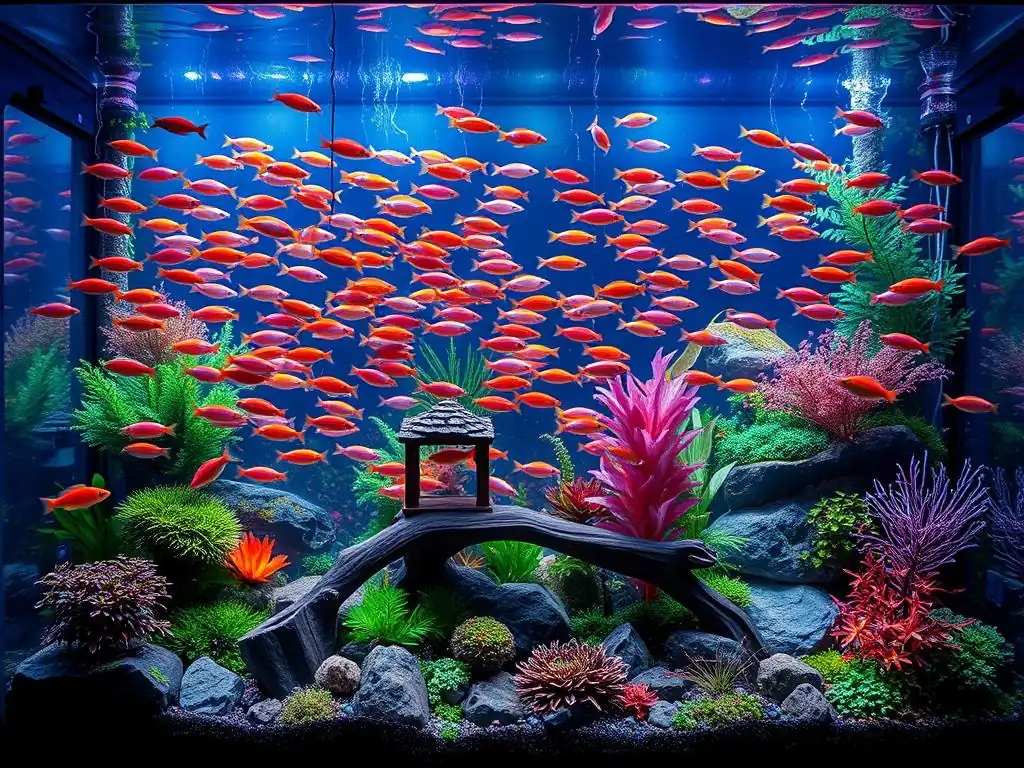
Welcome to Aquarium Mastery!
Ever wondered how to unlock the secrets to neon tetra breeding success? These shimmering, tiny rainbows aren't as difficult to breed as you might think! Dive in and discover the expert tips and tricks that will guide you through every stage, from setting up the perfect breeding tank to raising healthy fry. Get ready to witness the magic – your journey to neon tetra breeding success starts now!
- Understanding Neon Tetra Breeding: A Complete Guide
- Creating the Ideal Breeding Environment for Neon Tetras
- Selecting and Preparing Neon Tetra Breeding Stock
- The Neon Tetra Spawning Process: What to Expect
- Hatching and Raising Neon Tetra Fry: A Step-by-Step Guide
- Troubleshooting Neon Tetra Breeding Problems
- Achieving Neon Tetra Breeding Success: Expert Tips and Tricks
-
Frequently Asked Questions
- How difficult is it to achieve Neon Tetra breeding success in a home aquarium?
- What are the ideal water parameters for Neon Tetra breeding?
- What type of tank setup is best for breeding Neon Tetras?
- How do I identify a female Neon Tetra ready to breed?
- How long does it take for Neon Tetra eggs to hatch, and what do the fry eat?
- Final Reflection: Embracing the Art of Patience and Precision
- Unleash Your Inner Breeder!
Understanding Neon Tetra Breeding: A Complete Guide
Why is Neon Tetra Breeding So Challenging?
Breeding Neon Tetras (Paracheirodon innesi) in a home aquarium setting is widely considered one of the more difficult feats for even experienced aquarists. The primary challenge stems from their highly specific environmental requirements during spawning, which often differ significantly from typical community tank conditions. Unlike some other aquarium fish that readily breed with minimal intervention, Neon Tetras demand precise water parameters, a secluded environment, and particular dietary conditioning to even consider spawning.
Furthermore, their eggs are extremely sensitive to light and water quality. They are non-adhesive and scatter freely, making them vulnerable to fungal infections and predation, even by the parents themselves. The fry are also incredibly small and delicate, requiring microscopic first foods and pristine, stable water conditions to survive their initial critical weeks. These combined factors contribute to the low success rates often observed when attempting Neon tetra breeding success.
Neon Tetra Breeding Difficulty: Separating Fact from Fiction
The perceived difficulty of Neon tetra breeding success often leads to common misconceptions. While it is challenging, it's not impossible, and many experienced hobbyists have achieved it by meticulously replicating their natural Amazonian blackwater habitats. One common myth is that Neon Tetras will never breed in captivity; this is false, but they require conditions far removed from a typical tap-water-filled community tank.
Another misconception is that any soft, acidic water will suffice. The reality is that extremely soft water (near 0-3 dGH) and very acidic water (pH 5.0-5.5) are crucial, alongside specific temperature ranges (around 75-80°F or 24-27°C). Without these precise parameters, the eggs may not be fertilized, or they may fail to hatch. The delicate balance of these factors, combined with the need for a dedicated breeding setup and rigorous post-spawning care for the fry, truly defines the challenge rather than any inherent inability of the fish to reproduce.
Creating the Ideal Breeding Environment for Neon Tetras
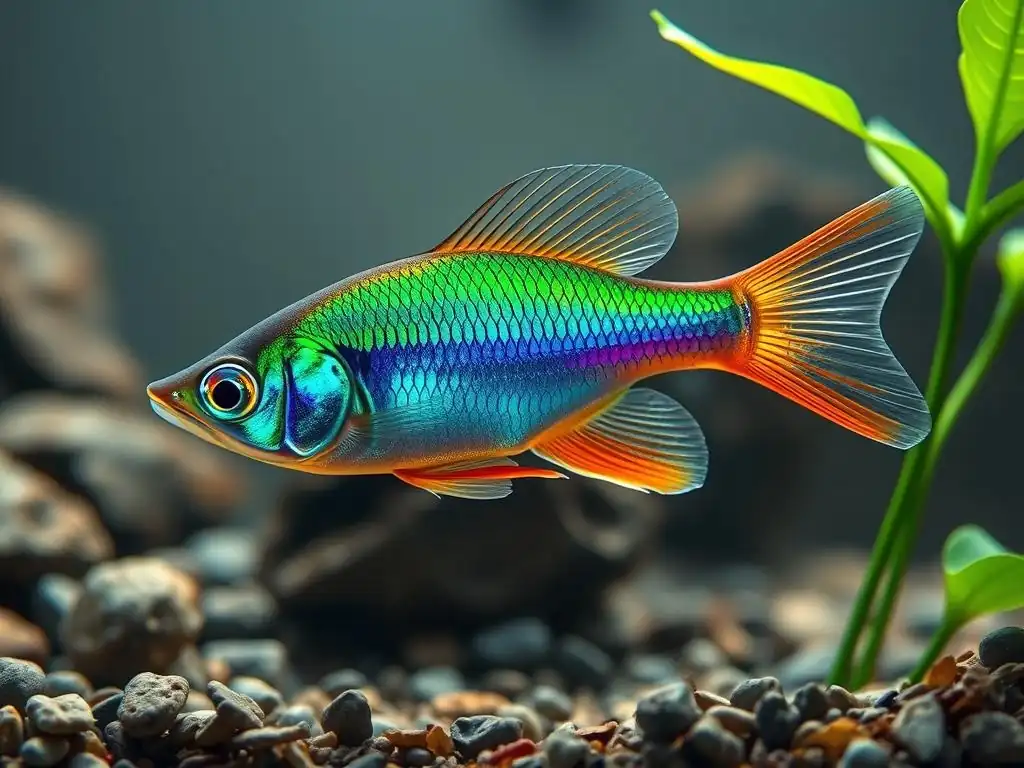
Setting Up a Dedicated Neon Tetra Breeding Tank
To maximize your chances of Neon tetra breeding success, a dedicated breeding tank is indispensable. A small, 5-10 gallon (19-38 liter) aquarium is typically sufficient, allowing for easier control over water parameters and observation. This tank should be placed in a quiet area, away from direct sunlight and high traffic, to minimize disturbance to the breeding pair. The tank should be thoroughly cleaned and sterilized, but avoid harsh chemicals; a simple rinse with dechlorinated water is usually adequate.
The setup should include spawning mops (made from nylon or yarn) or fine-leaved plants like Java moss, which provide a substrate for egg deposition and offer some protection for the delicate eggs. A bare bottom is often preferred to make egg collection easier and prevent detritus buildup. Dim lighting is crucial, as Neon Tetra eggs are highly photosensitive; covering the tank with dark paper or cloth after spawning can significantly improve hatching rates by preventing light exposure.
Essential Water Parameters for Successful Neon Tetra Spawning
Achieving precise water parameters is paramount for Neon tetra breeding success. These fish originate from blackwater rivers in South America, characterized by extremely soft, acidic, and warm water. Replicating these conditions is the cornerstone of successful spawning. Consistency is key; sudden fluctuations can stress the fish and prevent spawning or harm the eggs.
Achieving the Correct Water Hardness (GH) and Acidity (pH)
For Neon tetra breeding, water hardness (GH) should be exceptionally low, ideally between 0-3 dGH (degrees of General Hardness), and carbonate hardness (KH) should be negligible, often 0-1 dKH. This can be achieved by using reverse osmosis (RO) water or distilled water, then remineralizing it slightly if necessary to provide essential trace elements without increasing hardness. The pH should be acidic, ranging from 5.0 to 5.5.
This low pH helps prevent bacterial and fungal growth on the eggs. Achieving and maintaining such low pH and hardness often requires the use of peat filtration, Indian almond leaves, or specific buffering agents designed for soft-water fish, always monitored with reliable test kits.
Maintaining Pristine Water Quality for Neon Tetra Breeding
Beyond specific hardness and pH, overall water quality must be pristine. Even small amounts of nitrates, ammonia, or nitrites can be detrimental to delicate Neon Tetra eggs and fry. Regular, small water changes with aged, pre-conditioned RO water are essential before and after spawning. The water should be kept at a stable temperature between 75-80°F (24-27°C). Overfeeding must be avoided to prevent organic waste buildup, which can quickly foul the water. A mature filter media from an established tank can be used to seed the breeding tank's filter, providing beneficial bacteria without introducing excessive flow.
Substrate and Lighting: Replicating the Neon Tetra's Natural Habitat
The choice of substrate and lighting in a Neon Tetra breeding tank significantly impacts spawning behavior and egg viability. A bare bottom tank is generally recommended for breeding Neon Tetras. This simplifies the process of siphoning out uneaten food and detritus, which can quickly degrade water quality and harm sensitive eggs. While some aquarists use a thin layer of dark, inert gravel, a bare bottom is often preferred for hygiene and ease of egg collection.
Lighting should be dim and subdued. In their natural habitat, Neon Tetras spawn in heavily shaded areas under dense vegetation. Bright lighting can inhibit spawning and is detrimental to their highly light-sensitive eggs, which can be damaged or fail to hatch if exposed to intense light. After spawning, it's common practice to completely darken the tank for the first 24-48 hours to protect the developing embryos, often by covering the tank with a towel or dark paper.
Filtration for a Neon Tetra Breeding Tank: A Delicate Balance
Filtration in a Neon Tetra breeding tank requires a delicate balance between maintaining water quality and avoiding strong currents that can harm eggs or fry. A powerful filter designed for a community tank would be entirely unsuitable. Instead, very gentle filtration is necessary. A small sponge filter driven by an air pump is the most common and recommended choice.
A sponge filter provides biological filtration without creating strong water flow. The gentle aeration also helps oxygenate the water, which is beneficial for the eggs and newly hatched fry. Ensure the air flow is minimal, just enough to create a gentle ripple on the surface. Avoid power filters or hang-on-back filters that produce significant current or suction, as these can easily damage or suck up the tiny eggs and fry. Regular cleaning of the sponge filter is also important, but always rinse it in old tank water to preserve beneficial bacteria.
Selecting and Preparing Neon Tetra Breeding Stock
Identifying Male and Female Neon Tetras for Breeding
Distinguishing male and female Neon Tetras, especially when they are not actively breeding, can be subtle but is crucial for successful pairing. Generally, female Neon Tetras are slightly larger and noticeably plumper, especially when viewed from above, due to carrying eggs. Their iridescent blue-red stripe, which runs horizontally along their body, often appears straighter.
Male Neon Tetras, in contrast, are typically slimmer and smaller. Their iridescent stripe may appear to have a slight bend or curve, particularly in the mid-section, which is less pronounced in females. Observing a group of healthy, well-fed Neon Tetras over time can help in identifying these subtle differences. Selecting robust, active fish that are at least 6-8 months old for breeding ensures they are mature enough to spawn successfully.
Conditioning Neon Tetras for Optimal Spawning
Conditioning the chosen breeding pair is a vital step that significantly increases the likelihood of Neon tetra breeding success. This process involves providing a high-quality, varied diet and simulating environmental cues that trigger spawning in their natural habitat. Proper conditioning can take several weeks and should be done in a separate conditioning tank or a well-maintained community tank before moving them to the dedicated breeding setup.
Diet and Nutrition for Breeding Neon Tetras
A rich and varied diet is essential for conditioning Neon Tetras for spawning. Live foods are particularly effective in stimulating egg production in females and improving sperm quality in males. Excellent choices include live brine shrimp, daphnia, micro worms, and small amounts of finely chopped bloodworms. These provide the necessary proteins, fats, and micronutrients.
Supplement this with high-quality frozen foods like cyclops or bloodworms, and premium flake or pellet foods specifically formulated for small tropical fish. Feeding small amounts multiple times a day is better than one large feeding, as it mimics their natural feeding behavior and prevents overfeeding, which can foul the water. Continue this conditioning diet for at least one to two weeks before attempting to move them to the breeding tank.
Simulating Seasonal Changes to Trigger Spawning
In their natural environment, Neon Tetras often spawn during the rainy season, when water parameters change and food sources become more abundant. Replicating these "seasonal changes" in the aquarium can help trigger spawning. This typically involves gradually lowering the water temperature slightly (to around 72-74°F or 22-23°C) for a few days, then slowly raising it to the optimal breeding temperature of 75-80°F (24-27°C) as you introduce them to the breeding tank.
Additionally, performing small, daily water changes with cooler, softer, and more acidic water (prepared using RO water and peat extract, for example) can simulate the influx of fresh rainwater. Dimming the lights for extended periods or providing a dark environment, as mentioned earlier, also mimics the natural conditions of heavily shaded spawning grounds. These combined environmental cues can significantly enhance the chances of Neon tetra breeding success.
The Neon Tetra Spawning Process: What to Expect
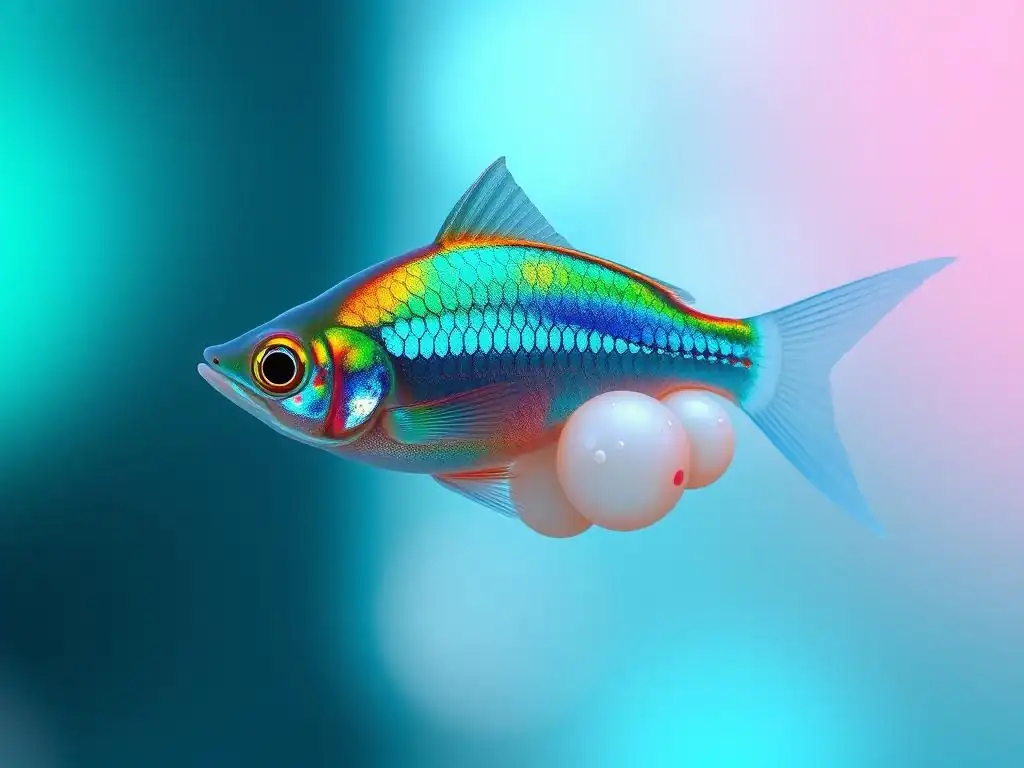
Observing the Neon Tetra Mating Ritual
Once the breeding pair is introduced to the prepared breeding tank with optimal conditions, patience is key. Spawning usually occurs in the early morning hours, often just as dawn breaks or shortly after the lights come on (if they've been kept dark). The male will typically initiate the mating ritual by chasing the female, often nudging her gently. This can appear quite vigorous, but it is usually a normal part of their courtship.
The pair will then swim together, often side-by-side, into the spawning mop or fine-leaved plants. The female will release a few eggs at a time, which the male will immediately fertilize. This process is repeated multiple times over several hours. A single female can lay anywhere from 50 to 100 eggs, though typically fewer survive to hatching. The eggs are tiny, clear, and non-adhesive, scattering among the plants or falling to the bare bottom.
Protecting Neon Tetra Eggs from Predation
Neon Tetras, like many other egg-scattering fish, are notorious egg eaters. Once spawning is complete, the parents will often begin to consume their own eggs. Therefore, it is critical to remove the adult fish from the breeding tank immediately after spawning is observed. This is usually done by carefully netting them out and returning them to their main community tank or a separate recovery tank.
To further protect the eggs, using a bare-bottom tank or a tank with a spawning grid (a mesh layer placed above the bottom) can allow eggs to fall through, out of reach of the parents. The eggs are extremely delicate and sensitive to light, so after removing the adults, it is paramount to darken the tank completely by covering it with a thick towel or black plastic. This protection from light is crucial for successful incubation and to prevent fungal growth, which can quickly decimate the clutch.
Hatching and Raising Neon Tetra Fry: A Step-by-Step Guide
The Incubation Period: From Egg to Fry
After successful spawning and the removal of the parent fish, the incubation period for Neon Tetra eggs is relatively short, typically lasting between 24 to 36 hours at an optimal temperature of 75-80°F (24-27°C). The eggs are clear and very small, making them difficult to spot initially. As they develop, you might notice tiny dark specks forming within them, which are the developing embryos.
It's common for some eggs to turn white and opaque; these are infertile or fungused eggs and should be carefully siphoned out to prevent the fungus from spreading to healthy eggs. Some aquarists add a very small amount of methylene blue to the water to prevent fungal infections, though this must be done sparingly as it can stain the tank and is not always necessary if water quality is pristine. Once hatched, the fry are almost invisible, often clinging to the sides of the tank or plants, surviving on their yolk sacs for the first few days.
First Foods for Neon Tetra Fry: Infusoria and Beyond
The most critical challenge in raising Neon Tetra fry is providing their initial food. They are incredibly tiny when they first become free-swimming (usually around 3-5 days post-hatch) and require microscopic food sources. Standard fry foods or even newly hatched brine shrimp are too large for their mouths.
Culturing Infusoria for Neon Tetra Fry
Infusoria, which are microscopic organisms like paramecia, are the ideal first food for Neon Tetra fry. These can be easily cultured at home by placing decaying organic matter, such as dried banana peels, lettuce leaves, or even a few grains of rice, in a jar of aged aquarium water. Allow this culture to sit for several days in a warm, well-lit area until the water becomes cloudy; this indicates a thriving population of infusoria. A few milliliters of this culture can be added to the fry tank multiple times a day.
Alternatively, commercial liquid fry foods often contain concentrated infusoria or similar microscopic nutrients. However, culturing your own provides a continuous and abundant supply crucial for the first week or two of the fry's life. Consistent feeding is vital, as the fry have high metabolisms and need to eat almost constantly to grow.
Transitioning to Baby Brine Shrimp and Micro Worms
After approximately one to two weeks, once the Neon Tetra fry have grown noticeably (they will still be very small, perhaps 2-3mm), they can begin to accept slightly larger foods. Newly hatched brine shrimp nauplii are an excellent next step. They are highly nutritious and their jerky swimming motion attracts the fry's attention. Hatching brine shrimp requires a separate setup and consistent effort, but it's well worth it for the rapid growth it promotes.
Micro worms are another suitable transition food. These small nematodes are easy to culture and provide a good protein source. Introduce these new foods gradually, ensuring the fry are consuming them before discontinuing infusoria entirely. Overfeeding must still be avoided, as uneaten food will quickly foul the water and endanger the delicate fry. Continue to offer small amounts multiple times a day to support their rapid development.
Maintaining Water Quality for Neon Tetra Fry Development
Maintaining pristine and stable water quality is paramount for the survival and healthy development of Neon Tetra fry. Their tiny size makes them exceptionally sensitive to even minute fluctuations in parameters or the presence of ammonia, nitrite, or nitrate. A gentle sponge filter is essential for biological filtration, but ensure the current is minimal to avoid stressing or sweeping away the fry.
Small, frequent water changes are critical, typically 10-20% daily or every other day, using aged, temperature-matched, soft, and acidic water (RO water is ideal). Siphon only from the bottom to remove any uneaten food or waste, taking extreme care not to suck up any fry. A small air stone with very gentle bubbling can help maintain oxygen levels. Consistent monitoring of pH, GH, and temperature using reliable test kits is non-negotiable during this delicate stage of Neon tetra breeding success.
Preventing Common Diseases in Neon Tetra Fry
Neon Tetra fry are highly susceptible to diseases, primarily due to their underdeveloped immune systems and sensitivity to environmental stressors. The most common issues are fungal infections, often affecting eggs and newly hatched fry, and bacterial infections if water quality deteriorates. Ich (white spot disease) and other parasitic infections can also occur, though less common in a clean, dedicated breeding setup.
Prevention is the best strategy. Strict adherence to pristine water parameters, consistent small water changes with aged RO water, and meticulous removal of uneaten food are crucial. Ensure all equipment (nets, siphons) are sterile and dedicated to the fry tank to avoid introducing pathogens. If fungal infections appear on eggs, carefully siphoning them out immediately can prevent spread. For bacterial issues, improving water quality is the first and most effective response. Avoid using harsh medications unless absolutely necessary and prescribed by an expert, as fry are extremely sensitive to chemicals.
Troubleshooting Neon Tetra Breeding Problems
Why Aren't My Neon Tetras Spawning? [Troubleshooting Guide]
If your Neon Tetras aren't spawning despite your best efforts, it's often due to one or more factors in their environment or conditioning. Here's a troubleshooting guide:
- Water Parameters Incorrect:
- Issue: pH too high (above 6.0), GH too high (above 3 dGH), or water too hard.
- Solution: Re-test water parameters with accurate kits. Ensure you are using RO or distilled water, remineralized minimally. Use peat filtration or Indian almond leaves to lower pH and soften water further.
- Temperature Fluctuations/Incorrect:
- Issue: Temperature is too low or unstable.
- Solution: Maintain a stable temperature between 75-80°F (24-27°C). Consider a small, reliable heater for the breeding tank.
- Lack of Proper Conditioning:
- Issue: Fish are not adequately fed with live/high-quality foods.
- Solution: Intensify feeding with live brine shrimp, daphnia, and micro worms for at least 1-2 weeks prior to attempting spawning.
- Insufficient Privacy/Security:
- Issue: Tank is too bright, in a high-traffic area, or lacks adequate spawning media.
- Solution: Dim the lighting, cover the tank, place it in a quiet location. Provide plenty of fine-leaved plants or spawning mops for egg deposition.
- Unsuitable Breeding Stock:
- Issue: Fish are too young, too old, or not a true pair (e.g., two males).
- Solution: Ensure fish are mature (6-8 months old). Observe carefully to confirm you have a male and a plump female. Try rotating different males or females if you have a group.
- Water Quality Issues:
- Issue: Even low levels of ammonia, nitrite, or nitrate.
- Solution: Perform small daily water changes with pristine, aged water. Ensure the tank is cycled, or use mature filter media from an established tank.
Dealing with Fungal Infections in Neon Tetra Eggs
Fungal infections are a common problem with Neon Tetra eggs and can quickly wipe out an entire clutch. These infections typically manifest as a white, fuzzy growth on the egg surface. They primarily affect infertile eggs or those that have been damaged, but can rapidly spread to healthy, viable eggs.
To prevent and manage fungal infections, several strategies are effective. Firstly, maintaining extremely soft and acidic water (pH 5.0-5.5) is crucial, as fungus struggles to thrive in such conditions. Secondly, after spawning, carefully remove any white, opaque eggs as soon as they are spotted using a pipette or small baster; these are either infertile or already infected and will spread fungus.
Some aquarists use a very dilute solution of methylene blue (following product instructions carefully) as a prophylactic measure, which can inhibit fungal growth. However, this should be used cautiously as it can be strong. Ensuring the tank is completely dark after spawning also helps, as light can promote fungal growth on sensitive eggs.
High Fry Mortality Rates: Identifying and Addressing the Causes
High mortality rates among Neon Tetra fry are a disheartening but common challenge. The extreme fragility of the fry means that even minor environmental stressors or nutritional deficiencies can lead to significant losses. Identifying the root cause is critical for future Neon tetra breeding success.
- Starvation: This is perhaps the most common reason. Neon Tetra fry are incredibly small and require microscopic foods like infusoria for their first 1-2 weeks. If the food source is insufficient in quantity or too large for their mouths, they will starve. Solution: Ensure a continuous, abundant supply of infusoria or high-quality liquid fry food for the first week, transitioning to newly hatched brine shrimp and micro worms as they grow.
- Poor Water Quality: Fry are highly sensitive to ammonia, nitrite, and even low levels of nitrate. Accumulation of waste from uneaten food or insufficient water changes can be lethal. Solution: Perform small, daily water changes (10-20%) with aged, temperature-matched, RO water. Gently siphon out any uneaten food or detritus from the bare bottom. Maintain very gentle filtration (sponge filter).
- Incorrect Water Parameters: Fluctuations in pH, hardness, or temperature can stress and kill fry. Solution: Consistently maintain stable parameters (pH 5.0-5.5, GH 0-3 dGH, Temp 75-80°F). Use reliable test kits to monitor regularly.
- Disease: While less common in a sterile setup, bacterial or parasitic infections can decimate a batch of fry. Solution: Strict hygiene, quarantine new fish before adding to main tank (if applicable), and avoid introducing pathogens. Focus on prevention through optimal water quality.
- Predation/Aggression: If parent fish were not removed promptly, they will eat the eggs or fry. Other tank inhabitants, if present, will also predate. Solution: Remove parents immediately after spawning. Use a dedicated breeding tank with no other inhabitants.
Achieving Neon Tetra Breeding Success: Expert Tips and Tricks
The Importance of Patience and Observation
Achieving Neon tetra breeding success is less about a single trick and more about meticulous attention to detail, combined with significant patience and keen observation. These fish are sensitive to changes and require precise conditions, which often means multiple attempts before success is achieved. Don't be discouraged by initial failures; each attempt provides valuable learning.
Observe your fish closely during conditioning and in the breeding tank. Note their behavior, feeding patterns, and any subtle changes in coloration or body shape. Are they chasing each other? Are females plumping up? Are they interacting with the spawning mop? These observations provide clues about their readiness to spawn or what might be inhibiting them. Patience is crucial, as it can take days or even weeks for a pair to spawn once introduced to the breeding tank, and then several more weeks to successfully raise the fry.
Maintaining a Breeding Log for Future Success
A detailed breeding log is an invaluable tool for Neon tetra breeding success, especially given the challenges involved. Documenting every aspect of your breeding attempts allows you to identify patterns, pinpoint successful strategies, and troubleshoot failures effectively. This methodical approach transforms trial-and-error into a structured learning process.
For each breeding attempt, record:
- Date of Setup: When the breeding tank was prepared.
- Water Parameters: Exact pH, GH, KH, and temperature at setup and daily.
- Conditioning Diet: Specific foods and feeding frequency for the parent fish.
- Parent Fish Details: Age, size, and any identifying marks.
- Spawning Date/Time: When spawning was observed.
- Egg Count/Appearance: Approximate number of eggs, color, and any signs of fungus.
- Fry Hatch Date: When fry became free-swimming.
- Fry Food & Schedule: What was fed, how much, and how often.
- Fry Mortality: Daily counts or estimates of losses.
- Water Change Schedule: Dates and amounts of water changes.
- Observations: Any notable behaviors, issues, or successes.
- Changes Made: Any adjustments to the setup or routine.
Utilizing Blackwater Extracts to Enhance Spawning
Replicating the natural blackwater conditions of the Amazon basin is a significant factor in promoting Neon tetra breeding success. Blackwater extracts, often derived from peat or Indian almond leaves (Terminalia catappa), are highly beneficial for this purpose. These extracts release humic acids, tannins, and other organic compounds that lower pH, soften water, and provide a natural anti-fungal and anti-bacterial effect.
Adding a small amount of blackwater extract or placing a few Indian almond leaves directly into the breeding tank can help create the dark, acidic, and tannin-stained water that Neon Tetras prefer for spawning. The tannins also provide a subtle visual cue that mimics their natural environment, potentially making the fish feel more secure and inclined to reproduce. Always monitor water parameters closely when using these additives to ensure the pH and hardness do not drop too rapidly or too low, maintaining the target ranges of pH 5.0-5.5 and GH 0-3 dGH for optimal results.
Frequently Asked Questions
How difficult is it to achieve Neon Tetra breeding success in a home aquarium?
While rewarding, breeding Neon Tetras can be challenging. It requires very specific water parameters and a dedicated breeding tank to mimic their natural environment and encourage spawning behavior.
What are the ideal water parameters for Neon Tetra breeding?
Neon Tetras need very soft and acidic water. Aim for a pH between 5.5 and 6.5, and a very low general hardness (GH) and carbonate hardness (KH). Maintaining pristine water quality is also crucial.
What type of tank setup is best for breeding Neon Tetras?
A small, dimly lit breeding tank with fine-leaved plants or spawning mops is ideal. The tank should have a bare bottom or a mesh to prevent the parents from eating the eggs. Excellent filtration is also key.
How do I identify a female Neon Tetra ready to breed?
Female Neon Tetras are typically plumper than males, especially when carrying eggs. Look for a slightly rounded abdomen. However, visual cues alone aren't always reliable; optimal water conditions are the primary trigger.
How long does it take for Neon Tetra eggs to hatch, and what do the fry eat?
Neon Tetra eggs typically hatch within 24-36 hours. The fry are very small and require infusoria or liquid fry food for the first few days, followed by newly hatched brine shrimp as they grow. Consistent feeding schedules are vital.
Final Reflection: Embracing the Art of Patience and Precision
The journey into Neon tetra breeding success reveals more than just the technical steps; it unveils a profound appreciation for the delicate balance of life and the rewarding nature of patience. What began as a pursuit of replicating nature's artistry in our own aquariums has blossomed into a deeper understanding of the intricate ecosystems we strive to emulate, highlighting the importance of meticulous care and unwavering dedication.
This endeavor has not only enriched our understanding of aquatic life but has also subtly reshaped our perspective on the natural world. Witnessing the fragile beauty of newly hatched neon tetras underscores the interconnectedness of all living things and the responsibility we bear as custodians of our planet. The best way to observe a fish is to become a fish.
- Jacques Cousteau. This quote resonates deeply, reminding us that true understanding comes from empathy and a willingness to immerse ourselves in the world we seek to comprehend.
Now, as you close this article, consider the lessons learned from the pursuit of Neon tetra breeding success. Let the patience, precision, and dedication required in this endeavor inspire you to approach other challenges in your life with the same thoughtful care. Embrace the beauty of the small details, nurture the potential within, and remember that even the tiniest of beings can illuminate the world with their shimmering brilliance.
Unleash Your Inner Breeder!
Thanks for diving into the world of Neon Tetra breeding! Hopefully, you've gleaned some valuable insights to help you on your fish-keeping journey. Now, it's time to put that knowledge into action!
- Start Small: Begin with a manageable breeding tank setup following the guidelines discussed – this is your primary action for success!
- Share your biggest takeaway from this article on social media, tagging Aquarium Mastery – let's spread the knowledge!
- Research a less common breeding challenge in another fish species and compare the difficulties – what surprises did you find?
What's the first step you'll take to create the perfect Neon Tetra breeding environment?