
Is My New Fish Healthy? A Quarantine Observation Guide for Aquarists

Welcome to Aquarium Mastery!
Bringing new fish into your aquarium is exciting, but is that vibrant newcomer truly healthy? Dive into "Is My New Fish Healthy? A Quarantine Observation Guide for Aquarists" and learn how to spot potential new fish quarantine symptoms before they jeopardize your entire aquatic ecosystem. Discover the secrets to successful quarantine and ensure a thriving, healthy aquarium for years to come!
- Why Quarantine New Fish is Crucial for a Healthy Aquarium
- Understanding New Fish Quarantine Symptoms: A Comprehensive Guide
- Observing Your New Fish: What to Look for During Quarantine
- The Quarantine Process: A Step-by-Step Observation Schedule
- Treating Sick Fish in Quarantine: Medications and Water Quality
- Moving Your Fish to the Main Tank: Ensuring a Safe Transition
- Troubleshooting Common Quarantine Issues
- Conclusion: Mastering Fish Quarantine for a Thriving Aquarium
-
Frequently Asked Questions
- ### What are the key benefits of quarantining new fish before introducing them to my main aquarium?
- ### What are some common new fish quarantine symptoms I should watch out for?
- ### How long should I quarantine a new fish before introducing it to my main aquarium?
- ### What type of aquarium setup is best for quarantining new fish?
- ### What should I do if I observe symptoms of illness in my quarantined fish?
- Final Reflection: The Vigilant Gaze of the Aquarist
- Dive Deeper: Chart Your Fish's Health Journey!
Why Quarantine New Fish is Crucial for a Healthy Aquarium
Preventing Disease Introduction: The Importance of Fish Quarantine
Introducing new aquatic life to an established aquarium carries an inherent risk of disease transmission. Fish, even those appearing healthy, can be carriers of various pathogens, parasites, and bacteria from their previous environments, such as breeding farms, wholesalers, or retail stores. These microscopic invaders can easily hitchhike on seemingly robust specimens, waiting for the stress of a new environment to trigger an outbreak. For instance, many fish carry dormant forms of Ich (white spot disease) or bacterial pathogens, which can become active under new conditions.
Once introduced into a closed system like an aquarium, these diseases can spread rapidly to the existing inhabitants, many of whom may have no natural immunity to the specific strain of pathogen. A single infected fish can quickly lead to a widespread outbreak, potentially decimating an entire tank. For example, a severe Ich infestation can lead to a mortality rate of 50-100% in an untreated community tank within a week or two, depending on the temperature and species susceptibility. Quarantine acts as a vital buffer, isolating potential threats before they can compromise the entire aquatic ecosystem.
Protecting Existing Fish: Minimizing Aquarium Health Risks
The primary purpose of a dedicated quarantine period is to safeguard your existing fish population. Established aquariums develop a delicate balance, and the introduction of new pathogens can severely disrupt this equilibrium. Existing fish, even if healthy, can become stressed by the arrival of new tank mates, which can weaken their immune systems and make them more vulnerable to diseases carried by the new arrivals. This stress can manifest in various ways, from subtle behavioral changes to a noticeable decline in appetite, further compromising their health.
The financial and emotional cost of a tank-wide disease outbreak can be significant. Treating an entire display tank often requires large quantities of expensive medications, which can also harm beneficial bacteria in the filter or sensitive invertebrates and plants. Furthermore, replacing numerous fish lost to preventable diseases can quickly add up, potentially costing hundreds of dollars or more, not to mention the emotional distress of losing beloved pets. A proper quarantine protocol, typically lasting 2-4 weeks, is a small investment of time and effort that yields immense long-term benefits by preventing such costly and heartbreaking scenarios.
Quarantine Tank Setup: Essential Equipment and Considerations
Setting up an effective quarantine tank does not require elaborate equipment, but rather a functional and easily maintainable environment. Essential items include a tank of appropriate size (a 10-gallon or 20-gallon tank is sufficient for most small to medium fish), a reliable heater to maintain stable temperatures, and a simple filter. A sponge filter or a small hang-on-back filter with established media from an existing tank is ideal, as it provides biological filtration without excessive current or complexity, ensuring stable water parameters. An air stone is also highly recommended to provide ample oxygenation, especially if medications might be used.
Simplicity is key in a quarantine tank. Avoid substrates like gravel or sand, as they can trap pathogens and medication, making cleaning difficult. Similarly, elaborate decor is unnecessary; a simple PVC pipe or a plastic plant offers a hiding spot without complicating observation or maintenance.
Crucially, the quarantine tank should be cycled or inoculated with beneficial bacteria from an established filter to prevent ammonia and nitrite spikes, which are highly stressful and dangerous for new fish. Daily water parameter testing (ammonia, nitrite, nitrate, pH, temperature) is imperative to ensure a healthy environment for observation and potential treatment of any new fish quarantine symptoms.
Understanding New Fish Quarantine Symptoms: A Comprehensive Guide
Recognizing Early Signs of Illness in New Fish
Identifying early signs of illness in new fish during quarantine is paramount for successful intervention. Subtle changes often precede overt physical symptoms. Aquarists should observe for slight lethargy, where the fish is less active than expected for its species, or spends an unusual amount of time resting near the bottom or surface. Clamped fins, where the fins are held tightly against the body instead of being spread normally, are another common early indicator of stress or discomfort. Minor discoloration, such as a dulling of vibrant colors or the appearance of stress stripes, can also signal a problem.
Beyond physical appearance, behavioral cues are critical. A slight loss of appetite, where the fish is less enthusiastic about food or ignores it altogether, can be an early warning. Similarly, unusual gasping at the surface, even in well-oxygenated water, might indicate gill irritation or internal issues. These initial new fish quarantine symptoms might be fleeting, appearing for only a few hours before seemingly resolving. However, consistent daily observation allows aquarists to detect these subtle changes and begin monitoring more closely, often providing a critical 24-48 hour head start on diagnosing and treating potential diseases before they become severe.
Identifying Common New Fish Diseases During Quarantine
The quarantine period serves as a controlled environment to specifically identify and treat common diseases that new fish might carry. These diseases generally fall into categories such as parasitic, bacterial, or fungal infections. Parasitic infections like Ich (white spot disease) and Velvet (Oodinium) are among the most prevalent. Bacterial infections often manifest as fin rot, columnaris (mouth rot), or body sores. Fungal infections, though less common as primary issues, often appear as cotton-like growths on injuries or stressed areas. The isolated nature of the quarantine tank allows for precise diagnosis without the risk of contaminating the main display tank.
The advantage of identifying new fish quarantine symptoms in isolation is that treatments can be targeted and effective. Unlike a main tank, where medications might harm beneficial bacteria, invertebrates, or live plants, a bare-bottom quarantine tank can be medicated aggressively if necessary. For instance, if a fish shows clear signs of a bacterial infection, a broad-spectrum antibiotic can be administered without concern for a shrimp colony or sensitive plants. This focused approach greatly increases the success rate of treatment and prevents the spread of pathogens, protecting the health and stability of the entire aquarium.
Ichthyophthirius multifiliis (Ich): Symptoms, Treatment, and Prevention
Ichthyophthirius multifiliis, commonly known as Ich or white spot disease, is one of the most widespread and recognizable parasitic infections in freshwater aquariums. The classic symptom is the appearance of small, white spots resembling grains of salt scattered across the fish's body and fins. Other common new fish quarantine symptoms include rapid breathing (due to gill irritation), flashing (fish rubbing or scratching against tank decor), lethargy, and clamped fins. The parasite has a complex life cycle involving free-swimming stages (theronts) that infect fish, and encysted stages (tomites) that multiply in the substrate or on tank surfaces.
Treatment for Ich typically involves a combination of elevated temperature and medication. For tropical fish, slowly raising the water temperature to 82-84°F (28-29°C) can accelerate the parasite's life cycle, making it more susceptible to medication. Common Ich medications contain active ingredients like malachite green or formalin.
These are effective against the free-swswimming theronts. Treatment usually lasts 7-10 days, with daily or every other day dosing, often requiring water changes between doses. Prevention is best achieved through a strict quarantine protocol of at least 2-3 weeks for all new fish, observing for any new fish quarantine symptoms before introduction to the main tank.
Columnaris (Mouth Rot): Symptoms, Treatment, and Prevention
Columnaris, caused by the bacterium Flavobacterium columnare, is a highly contagious and often rapidly fatal bacterial infection that is frequently mistaken for a fungal infection due to its appearance. Common new fish quarantine symptoms of Columnaris include white or grayish lesions around the mouth, which can look like cottony growths or a fungal infection, but are typically more defined and rapidly erode tissue. Other signs include frayed or disintegrating fins, saddle-back lesions on the body (white patches on the dorsal area), and rapid breathing. The disease progresses quickly, often leading to death within 24-72 hours if left untreated.
Treatment for Columnaris requires prompt action with antibiotics. Medications containing active ingredients like Furan-2 (nitrofurazone), Erythromycin, or Kanamycin are often effective. It is crucial to maintain pristine water quality during treatment, as poor conditions exacerbate the disease. Frequent, small water changes (e.g., 25% daily) and excellent aeration are vital. Since Columnaris thrives in warm, dirty, and high-pH water, ensuring optimal water parameters and minimizing stress are key preventative measures. A thorough quarantine period is essential for early detection and treatment of these severe new fish quarantine symptoms before they can spread to the entire aquarium.
Observing Your New Fish: What to Look for During Quarantine
Behavioral Observations: Identifying Abnormal Fish Behavior
Observing the behavior of your new fish is a critical component of a successful quarantine process. Healthy fish, after an initial period of acclimation, should display behaviors typical for their species: active swimming, curiosity, and responsiveness to feeding. Any significant deviation from these norms should be noted. For instance, a normally schooling fish that isolates itself, or a bottom-dweller that spends all its time at the surface, indicates distress. These behavioral new fish quarantine symptoms often precede visible physical signs of illness, providing an early warning.
Consistent daily observation, ideally at least twice a day, allows aquarists to establish a baseline for normal behavior and quickly identify abnormalities. Pay attention during feeding times, as a sudden lack of appetite or refusal to eat is a strong indicator of underlying issues. Also, note interactions with other fish in the quarantine tank (if any) or reactions to external stimuli. Changes in swimming patterns, breathing rate, or even subtle shifts in body posture can provide valuable clues to the fish's health status, prompting further investigation into potential new fish quarantine symptoms.
Lethargy and Inactivity: Signs of a Sick Fish
Lethargy and unusual inactivity are among the most common and concerning new fish quarantine symptoms. A healthy fish, depending on its species, should exhibit a certain level of energy and movement. Lethargy manifests as reduced swimming, spending prolonged periods resting on the tank bottom, hiding in decor without emerging, or remaining motionless near the water surface. While some fish species naturally rest or have periods of lower activity, persistent lethargy that lasts for several hours or days, especially when coupled with other symptoms, is a clear red flag.
It is important to differentiate between normal resting and true lethargy. A fish might rest briefly after a meal or during the night. However, if a fish is unresponsive to external stimuli, such as your hand approaching the tank or food being offered, or if it struggles to maintain its position in the water column, it is likely experiencing significant discomfort or illness. This symptom often accompanies a wide range of ailments, from internal parasites to bacterial infections, indicating a general state of distress that requires immediate attention and investigation into its underlying cause.
Erratic Swimming: Possible Neurological Issues or Parasites
Erratic swimming patterns are highly indicative of underlying health problems in new fish. This can include darting rapidly around the tank without apparent reason, spiraling, swimming upside down, or exhibiting uncoordinated movements. Such behaviors might suggest neurological damage, severe stress, or the presence of internal parasites affecting the fish's balance and orientation. For example, a fish constantly swimming against the glass or attempting to jump out of the water could be severely disoriented or experiencing extreme discomfort.
Specific types of erratic swimming can point to particular issues. "Shimmying," where a fish sways from side to side without making much forward progress, often indicates water parameter stress (e.g., pH shock, temperature fluctuations) or external parasites like gill flukes. "Flashing," where a fish rapidly rubs or scrapes its body against tank objects like rocks or substrate, is a classic sign of external parasites such as Ich or Velvet, as the fish attempts to dislodge the irritants. Any sustained pattern of erratic movement warrants close examination for other new fish quarantine symptoms.
Isolation and Hiding: Stress or Illness Indicators
While some initial hiding is normal for new fish adjusting to a foreign environment, prolonged isolation and excessive hiding are significant new fish quarantine symptoms. Most healthy fish, even shy species, will eventually emerge to explore their surroundings, especially during feeding times. If a fish remains hidden for days, refuses to come out even for food, or actively avoids interaction with other fish (if applicable) or the aquarist, it suggests a deeper problem than simple shyness.
New fish commonly hide for the first 24-48 hours due to the stress of transport and acclimatization. However, if this behavior persists beyond 3-4 days, particularly when combined with other subtle signs like reduced appetite or clamped fins, it strongly indicates that the fish is either severely stressed or actively ill. A fish that is constantly attempting to hide, even when no perceived threat is present, is likely feeling vulnerable and unwell, making it a crucial observation point during the quarantine period.
Physical Observations: Examining Your Fish for Visible Symptoms
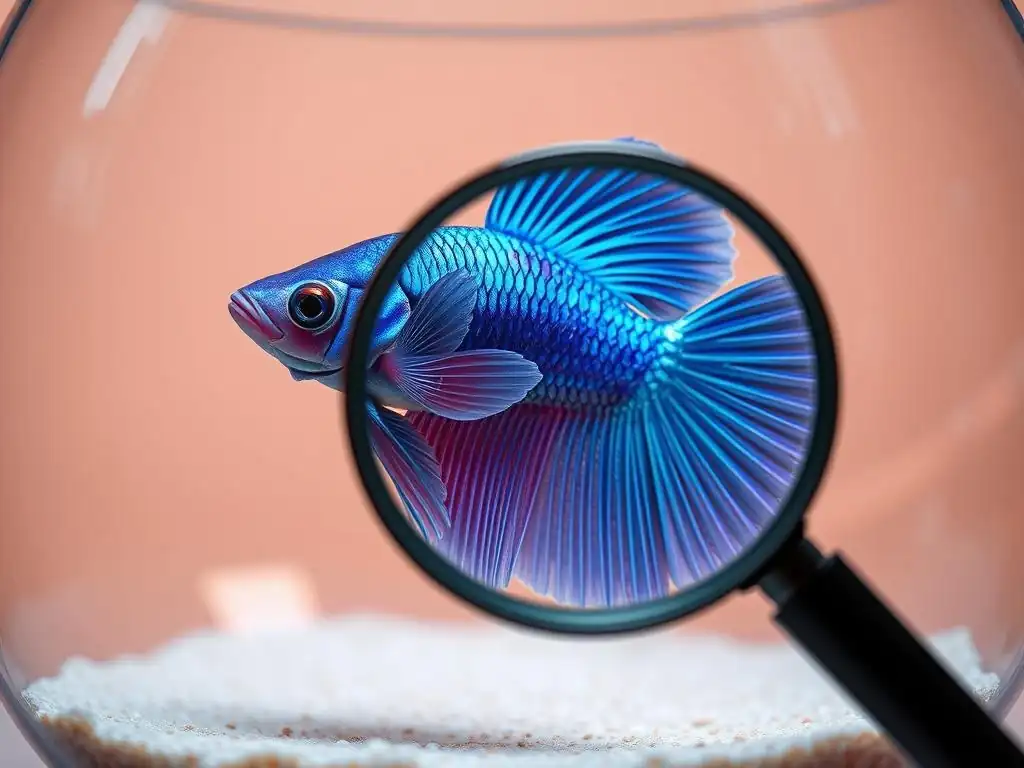
Beyond behavior, a thorough daily physical examination of your new fish is indispensable during quarantine. This involves looking closely at the fish's body, fins, gills, and eyes for any visible abnormalities. Use good lighting to ensure you don't miss subtle changes.
Fin Rot and Damage: Identifying Bacterial Infections
Fin rot is a common bacterial infection that manifests as frayed, ragged, or disintegrating fins. The edges of the affected fins may appear white, reddish, or inflamed. In severe cases, the infection can progress from the fin edges towards the body, potentially leading to complete loss of fins and even death if left untreated. This condition is often caused by opportunistic bacteria such as Aeromonas or Pseudomonas species, which thrive in poor water conditions or when fish are stressed and their immune systems are compromised.
Early detection of fin rot new fish quarantine symptoms is crucial for effective treatment. It can be triggered by physical injury during transport or aggression from tank mates, which then allows bacteria to invade. Maintaining pristine water quality in the quarantine tank, with zero ammonia and nitrite, is the first step in treatment. If the condition persists or worsens, antibiotics like Furan-2 or Kanamycin are typically used. Prompt intervention can often reverse the damage and allow the fins to regenerate.
Ich (White Spot Disease): Recognizing Parasitic Infestation
Ich (Ichthyophthirius multifiliis) is characterized by the distinctive appearance of small, raised white spots on the fish's body and fins, resembling grains of salt or sugar. These spots are actually encapsulated parasites (trophonts) burrowed under the fish's skin or gill membranes. While the spots are the most obvious new fish quarantine symptoms, affected fish may also exhibit flashing (rubbing against tank objects), rapid gill movements, clamped fins, and lethargy. The number of spots can vary from just a few to covering the entire fish.
It is important to use good lighting when inspecting for Ich, as sparse spots can be difficult to see, especially on lighter-colored fish or on transparent fins. The spots typically appear within 3 to 7 days of exposure in warmer tropical waters, making the quarantine period ideal for their manifestation. If even a single spot is observed, it indicates an active infection requiring immediate treatment, as the parasite's life cycle will quickly lead to more widespread infestation if not addressed.
Cloudy Eyes: Indicating Poor Water Quality or Infection
Cloudy eyes are a concerning physical symptom where one or both of the fish's eyes appear hazy, milky, or opaque. This condition can range from a slight film to complete opacity, significantly impairing the fish's vision. Cloudy eyes are often a new fish quarantine symptom of underlying problems, including poor water quality, bacterial infections, or physical injury. High levels of ammonia or nitrite, or extreme pH fluctuations, are common culprits that irritate sensitive tissues.
If cloudy eyes are observed, the first step is to rigorously test and correct water parameters, ensuring ammonia and nitrite are at zero. If water quality is optimal and the condition persists or worsens, it strongly suggests a bacterial infection. Broad-spectrum antibiotics, such as those containing erythromycin or minocycline, may be necessary. Prompt treatment is important, as untreated cloudy eyes can lead to permanent blindness, secondary infections, or even death if the underlying cause is severe systemic illness.
Body Sores and Ulcers: Signs of Bacterial or Fungal Issues
Body sores and ulcers are open wounds, red spots, or raised lesions that appear on the fish's skin, often indicating serious bacterial or fungal infections. These new fish quarantine symptoms can vary widely in size and appearance, from small red abrasions to large, deep, necrotic lesions. Bacterial infections, particularly from Aeromonas or Pseudomonas species, are common causes, often originating from a minor injury that becomes infected due to stress or poor water quality. Fungal infections, typically Saprolegnia, often appear as fuzzy, cotton-like growths on existing wounds or stressed areas.
Detection of body sores or ulcers during quarantine requires immediate attention. These are often signs of advanced disease or severe underlying stress. Treatment typically involves targeted antibiotics for bacterial sores (e.g., Kanamycin, Furan-2) or anti-fungal medications for fungal growths (e.g., Malachite Green). Maintaining pristine water conditions is paramount during treatment to aid healing and prevent secondary infections. Without prompt intervention, these lesions can quickly lead to systemic infection and fish mortality.
The Quarantine Process: A Step-by-Step Observation Schedule
Day 1-3: Initial Observation and Acclimation
Upon arrival, the first 1 to 3 days of quarantine are dedicated to gentle acclimation and initial observation. The fish should be slowly acclimated to the quarantine tank's water parameters, ideally using a drip acclimation method for 30-60 minutes to minimize osmotic shock and stress. During this period, avoid excessive interaction to allow the fish to settle into its new environment. Observe for immediate signs of severe stress, such as rapid breathing, extreme color loss, or erratic darting.
Daily water parameter testing (ammonia, nitrite, nitrate, pH, temperature) is crucial to ensure the quarantine tank remains stable. Offer small amounts of high-quality food, but do not be alarmed if the fish does not eat immediately; appetite often returns once the fish feels secure. Note any initial new fish quarantine symptoms like clamped fins or temporary hiding. The goal for these first few days is to provide a stable, low-stress environment while establishing a baseline for the fish's normal behavior.
Day 4-7: Monitoring for Subtle Changes and Abnormal Behavior
From day 4 to day 7, the focus shifts to more detailed monitoring for subtle changes and abnormal behavior that might indicate emerging health issues. By this point, most fish should have settled in, started eating, and begun to display more typical behaviors. This is a critical window for the manifestation of common external parasites like Ich, whose free-swimming stage can become visible. Observe closely for new fish quarantine symptoms such as flashing, shimmying, or persistent lethargy.
Conduct thorough visual inspections several times a day, paying close attention to fins, gills, eyes, and body for any developing spots, lesions, or discoloration. Continue to maintain impeccable water quality with regular partial water changes if needed, and ensure the fish is consistently eating. If any suspicious signs emerge, begin researching potential diagnoses, but generally, hold off on medication unless symptoms are clear and worsening, allowing the fish's immune system a chance to fight off minor issues naturally.
Day 8-14: Comprehensive Examination and Treatment (If Necessary)
The period from day 8 to day 14 is often the most revealing for many common fish diseases, particularly those with a life cycle around 7-10 days, like Ich at typical tropical temperatures. This is when many new fish quarantine symptoms become undeniable. Conduct comprehensive daily examinations, looking for any progression of earlier subtle signs or the appearance of new, clear symptoms such as widespread Ich spots, advanced fin rot, or cottony growths.
If clear symptoms of a specific disease are present, this is the time to initiate appropriate treatment. Based on the identified new fish quarantine symptoms, select a targeted medication and follow the manufacturer's instructions precisely regarding dosage and duration. During treatment, continue to monitor water quality rigorously, as some medications can negatively impact beneficial bacteria. Be prepared for daily water changes and re-dosing to maintain therapeutic levels of medication. For many aquarists, a 14-day symptom-free period is considered the minimum before moving a fish.
Day 15-30: Extended Observation and Final Assessment
For many aquarists, especially those dealing with particularly sensitive fish or those from unknown sources, an extended quarantine period of 15 to 30 days is standard. This longer duration ensures that slower-developing diseases, or those with longer incubation periods (such as certain internal parasites or specific bacterial infections), have ample time to manifest their new fish quarantine symptoms. Throughout this period, continue with daily observations, ensuring the fish remains completely symptom-free and healthy.
If the fish has completed treatment for any initial issues and has remained entirely symptom-free for the remainder of the quarantine period, it is then deemed ready for transfer to the main tank. Some aquarists opt for a prophylactic deworming or a final broad-spectrum preventative treatment during the last week of quarantine, although this practice is debated and depends on the aquarist's philosophy and the fish's origin. The final assessment should confirm robust health, good appetite, and active, species-appropriate behavior.
Treating Sick Fish in Quarantine: Medications and Water Quality
Choosing the Right Medication for Specific New Fish Quarantine Symptoms
Accurate diagnosis is the cornerstone of effective treatment in a quarantine tank. Using the wrong medication is not only ineffective but can also add unnecessary stress to an already compromised fish, potentially worsening its condition. When new fish quarantine symptoms are identified, aquarists must research and match those symptoms to known fish diseases. For example, white spots clearly indicate Ich, while cottony growths might point to Columnaris or a fungal infection. Consulting reliable fish disease diagnostic charts and experienced aquarists can be invaluable in this process.
Once a probable diagnosis is made, select a targeted medication. Avoid using broad-spectrum medications "just in case" unless multiple, non-specific symptoms are present, or a clear diagnosis is impossible. For instance, if Ich is confirmed, an Ich-specific treatment is far more effective than a general "cure-all." Always read and strictly follow the medication manufacturer's instructions regarding dosage, frequency, and duration. Overdosing can be fatal, while underdosing can lead to resistant pathogens. The quarantine tank's isolated nature makes it the ideal place for precise and potent treatment without harming the main aquarium's ecosystem.
Maintaining Optimal Water Quality During Treatment
Maintaining pristine water quality is absolutely critical when treating sick fish in a quarantine tank, as many medications can add stress and impact the water parameters. Some medications can kill beneficial bacteria, leading to dangerous ammonia and nitrite spikes, which further compromise the fish's health and ability to recover. Therefore, frequent, small water changes (e.g., 25% daily or every other day) are often necessary to dilute accumulated toxins and maintain a healthy environment. Remember to re-dose the medication for the volume of water removed to ensure consistent therapeutic levels.
Ensure excellent aeration in the quarantine tank by using an air stone, as some medications can reduce dissolved oxygen levels, stressing already sick fish. Continuously monitor ammonia, nitrite, and nitrate levels using a reliable test kit. If ammonia or nitrite levels begin to rise, perform an immediate larger water change (e.g., 50%) and consider using an ammonia-detoxifying water conditioner. A healthy water environment significantly improves the fish's chances of recovery and reduces the overall stress of the treatment process.
Malachite Green: Dosage, Administration, and Side Effects
Malachite green is a widely used and effective dye-based medication for treating various parasitic infections, including Ich and Velvet (Oodinium), as well as some fungal infections. A common dosage for treating Ich is approximately 0.15 mg per liter (or 0.6 mg per gallon), often administered daily or every other day, typically for 3 to 7 days, with partial water changes between doses. It works by disrupting the life cycle of external parasites, particularly their free-swimming stages.
While effective, malachite green does have side effects and considerations. It can permanently stain silicone, plastic, and decor in the aquarium, which is less of a concern in a bare quarantine tank. More importantly, it can be highly toxic to scaleless fish such as loaches, catfish, and certain tetras, requiring reduced dosages for these species (often half the standard dose). It is also sensitive to light, so it's advisable to turn off aquarium lights during treatment periods to maintain its efficacy. Always ensure adequate aeration when using this medication.
Erythromycin: Dosage, Administration, and Side Effects
Erythromycin is an antibiotic commonly used in aquariums to treat a range of gram-positive bacterial infections, including Columnaris (mouth rot), some forms of fin rot, and certain internal bacterial infections. A typical dosage involves adding 200 mg of erythromycin per 10 gallons of water, administered every 24-48 hours for a course of 5-7 days. It works by inhibiting bacterial protein synthesis, thereby stopping their growth and reproduction.
One significant side effect of erythromycin is its potential to harm the beneficial nitrifying bacteria in the aquarium filter, which can lead to dangerous ammonia and nitrite spikes. Therefore, during treatment with erythromycin, it is crucial to monitor water parameters daily and be prepared to perform frequent, large water changes (e.g., 50% daily) to mitigate any ammonia or nitrite accumulation. Additionally, erythromycin can cause temporary cloudiness in the water. It is generally not effective against gram-negative bacteria, which are responsible for many common fish diseases, so accurate diagnosis of new fish quarantine symptoms is essential before its use.
Moving Your Fish to the Main Tank: Ensuring a Safe Transition
Gradual Acclimation to Main Tank Water Parameters
Even after a successful quarantine period, the transition from the quarantine tank to the main display tank must be handled with care. While the quarantine tank's water parameters should ideally have been matched to the main tank, subtle differences in temperature, pH, hardness, and dissolved minerals can still exist. A sudden transfer can induce osmotic shock, a severe form of stress that compromises a fish's immune system and makes it highly susceptible to any latent pathogens or environmental stressors in the new environment.
Therefore, gradual acclimation is crucial. The drip acclimation method, where water from the main tank is slowly dripped into the fish's container over 30-60 minutes (or even longer for very sensitive species), is highly recommended. This allows the fish to slowly adjust to the main tank's specific water chemistry, minimizing stress and ensuring a smooth physiological transition. This final step is as important as the initial acclimation to the quarantine tank in preventing any new fish quarantine symptoms from emerging post-transfer.
Monitoring for Stress After Introduction to the Main Tank
Once the fish has been successfully acclimated and released into the main tank, continuous monitoring for stress and integration issues is vital. For the first 48-72 hours, observe the new fish closely for any signs of discomfort or abnormal behavior. This includes excessive hiding, rapid breathing, clamped fins, or a lack of interest in food. Also, pay attention to interactions with existing tank mates; aggression or relentless chasing can cause significant stress to the new arrival.
Ensure the new fish quickly finds food and begins to explore its new surroundings. Providing ample hiding spots and visual breaks in the main tank can significantly reduce initial stress and allow the new fish to feel secure. While some initial shyness is normal, prolonged stress can weaken the fish's immune system, making it vulnerable to disease. If severe stress symptoms persist, consider ways to alleviate them, such as rearranging decor to break up territories or providing more cover.
Post-Quarantine Observation: Continued Vigilance for Disease
A successful quarantine significantly reduces the risk of disease introduction, but it is not a 100% guarantee. Some diseases have exceptionally long incubation periods, or their manifestation might be triggered by the stress of moving to a new environment. Therefore, continued vigilance for any new fish quarantine symptoms in the newly introduced fish, as well as the entire main tank, is essential for several weeks following the transfer.
Regular daily observations during feeding times are particularly useful for assessing the health of all tank inhabitants. Look for any changes in appetite, behavior, or physical appearance. Maintaining excellent water quality, providing a balanced and nutritious diet, and avoiding overcrowding are ongoing practices that support the overall health and resilience of your aquarium. Early detection of any post-quarantine issues remains paramount for prompt intervention and preventing a wider outbreak.
Troubleshooting Common Quarantine Issues
Ammonia Spikes in the Quarantine Tank: Causes and Solutions
Ammonia spikes are a common and dangerous issue in quarantine tanks, primarily due to inadequate biological filtration. Unlike established display tanks, quarantine setups often lack sufficient beneficial bacteria to process fish waste, leading to rapid accumulation of highly toxic ammonia. Other causes include overfeeding, which produces excess waste, or the use of certain medications that can harm the existing nitrifying bacteria. Even low levels of ammonia (e.g., 0.25 ppm) can cause significant stress, gill damage, and make fish more susceptible to disease.
Immediate action is required to resolve ammonia spikes. The most effective solution is a large water change, typically 50-75%, to dilute the ammonia concentration. Using an ammonia-detoxifying water conditioner can temporarily neutralize ammonia while the biological filter catches up. To prevent future spikes, ensure the quarantine filter is seeded with established media from a healthy, cycled tank, or use a bottled beneficial bacteria product. Reduce feeding to minimal amounts, and consider adding a small, cycled sponge filter. Consistent daily testing for new fish quarantine symptoms and water parameters is crucial.
Stress in Quarantine: Minimizing Anxiety and Promoting Recovery
The quarantine environment itself can be a source of significant stress for new fish, which are already vulnerable from transport and relocation. Stress weakens a fish's immune system, making it more susceptible to any pathogens it might be carrying. Common stressors include lack of hiding spots, excessive light, constant disturbance, fluctuating water parameters, and aggression from other quarantine tank inhabitants. Recognizing and minimizing these stressors is vital for the fish's recovery and accurate disease diagnosis.
To minimize anxiety and promote recovery, provide a simple hiding spot such as a PVC pipe or a ceramic cave. Keep the quarantine tank in a quiet, low-traffic area, and avoid sudden movements or loud noises. Maintain stable water parameters (temperature, pH, hardness) and ensure excellent water quality. Limit interaction to essential feeding and observation. Dimming the lights or providing a natural day-night cycle can also help. A calm and consistent environment encourages the fish to feel secure, reducing the likelihood of stress-induced new fish quarantine symptoms and allowing its immune system to function optimally.
False Positives: Differentiating Between Stress and Disease
One of the challenges in quarantine is differentiating between genuine new fish quarantine symptoms of disease and behaviors or appearances caused by stress alone. Many early signs of illness, such as hiding, clamped fins, or slight color loss, can also be direct results of the stress from transport and acclimation. Rushing to medicate based on stress symptoms can be counterproductive, as medications themselves are stressors and can harm fish that are not actually sick.
The key differentiator is persistence and worsening over time. Stress-induced symptoms often improve within 24-48 hours if the water quality is pristine and the environment is stable and calm. If, however, symptoms persist beyond this initial period, or if new, more specific signs of disease (like visible spots, lesions, or specific erratic swimming patterns) begin to emerge, then it is more likely an active infection. Careful, patient observation is paramount to avoid false positives and ensure that treatment is only initiated when clear and undeniable new fish quarantine symptoms of disease are present.
Conclusion: Mastering Fish Quarantine for a Thriving Aquarium
The Long-Term Benefits of Proper Quarantine Practices
Mastering the art of fish quarantine is arguably the single most effective preventative measure an aquarist can adopt to ensure the long-term health and stability of their aquarium. It acts as an essential safeguard, preventing the introduction of pathogens, parasites, and diseases that can devastate an entire established tank. By isolating new arrivals for a dedicated observation period, aquarists gain the invaluable opportunity to identify any new fish quarantine symptoms, diagnose potential illnesses, and administer targeted treatments in a controlled environment.
Beyond disease prevention, proper quarantine also allows new fish to acclimate to their new water parameters and diet without the added stress of integrating into an existing social hierarchy. This significantly reduces overall stress on the fish, promoting a stronger immune system and a smoother transition into the main display tank. Ultimately, this proactive approach safeguards your existing aquatic inhabitants, saves considerable money on medication and replacement fish, and contributes to a more stable, healthier, and enjoyable aquarium ecosystem for years to come.
Resources for Further Learning About New Fish Health
The field of fish health and disease is vast and constantly evolving, making continuous learning an essential part of responsible fishkeeping. For aquarists looking to deepen their understanding of new fish quarantine symptoms, disease diagnosis, and treatment, numerous reputable resources are available. Online forums dedicated to fish health, academic papers on aquatic veterinary medicine, and detailed guides from experienced aquarists or professional fish breeders can provide invaluable insights.
Keeping a detailed logbook during each quarantine period is also highly beneficial. Documenting the species, date of arrival, observed new fish quarantine symptoms, water parameters, any treatments administered, and the outcome creates a valuable personal reference. This record-keeping helps aquarists build experience, recognize patterns, and make more informed decisions when facing future fish health challenges. Proactive education and diligent record-keeping are powerful tools in maintaining a thriving and disease-free aquarium.
Frequently Asked Questions
### What are the key benefits of quarantining new fish before introducing them to my main aquarium?
Quarantining protects your existing fish from potential diseases and parasites that new fish might carry. It also allows you to closely observe the new arrival for any signs of illness and treat them effectively in a controlled environment.
### What are some common new fish quarantine symptoms I should watch out for?
Observe for symptoms like erratic swimming, loss of appetite, white spots on the body (Ich), clamped fins, and labored breathing. Any unusual behavior or physical abnormality warrants further investigation.
### How long should I quarantine a new fish before introducing it to my main aquarium?
A standard quarantine period is typically 3-6 weeks. This allows sufficient time for any latent diseases to manifest and be treated effectively.
### What type of aquarium setup is best for quarantining new fish?
A smaller, bare-bottom tank is ideal. This makes observation easier and simplifies cleaning. You'll also need a filter, heater, and air pump to maintain proper water quality.
### What should I do if I observe symptoms of illness in my quarantined fish?
First, identify the specific illness if possible. Then, research appropriate treatments and administer medication according to instructions. Regular water changes are crucial to maintain water quality during treatment.
Final Reflection: The Vigilant Gaze of the Aquarist
The journey of introducing new life into an established ecosystem is fraught with responsibility, and as we've explored, vigilant observation is paramount to ensuring the health and well-being of our aquatic companions. The principles outlined in this guide, from recognizing subtle behavioral changes to understanding the nuances of water chemistry, are not merely suggestions, but rather a commitment to ethical aquascaping and the preservation of aquatic life.
This dedication to quarantine and observation extends beyond the individual tank, shaping the very culture of responsible fishkeeping. The act of patiently monitoring a new arrival, of meticulously tracking its health, is a testament to our respect for these delicate creatures and the intricate ecosystems they inhabit. The greatness of a nation and its moral progress can be judged by the way its animals are treated.
- Mahatma Gandhi. This quote, while broad, resonates deeply with the aquarist's responsibility to provide a safe and healthy environment for their fish.
Now, armed with the knowledge of quarantine best practices and the ability to recognize potential ailments, I urge you to embrace the role of the vigilant aquarist. Observe closely, learn constantly, and act decisively to protect the health of your new fish and the stability of your established aquarium. Let your dedication to responsible fishkeeping inspire others, creating a ripple effect of care and compassion throughout the aquascaping community.
Dive Deeper: Chart Your Fish's Health Journey!
Thank you for exploring the essential steps of fish quarantine with us! You've now gained valuable insights into ensuring your new aquatic friends are healthy and ready to thrive in your established aquarium. Now, let's put that knowledge into action!
Here's what you can do next:
- Prioritize observation: Dedicate focused time daily to observe your quarantined fish, noting any changes in behavior, appetite, or physical appearance. Keeping a log is highly recommended.
- Explore complementary preventative measures: Research and implement gentle, fish-safe treatments during quarantine to minimize the risk of introducing parasites or diseases to your main tank.
- Share your quarantine experience: Join the Aquarium Mastery community forum and post a picture of your new fish in quarantine, detailing your observation process and any concerns you may have.
What unique quarantine strategy will you employ to ensure the health and happiness of your new aquatic companions?