
Remote Aquarium Monitoring: Keep an Eye on Your Tank From Anywhere


Welcome to Aquarium Mastery!
Ever wonder if you could truly relax on vacation knowing your prized aquarium is thriving? Dive in and discover how to set up a remote aquarium monitoring system, ensuring your underwater world is healthy and happy, no matter where you are. This guide, within our Aquarium Equipment section, is your key to unlocking peace of mind. Ready to take control of your aquarium's health from afar? Let's get started!
- Introduction to Remote Aquarium Monitoring Systems
- Setting Up Your Remote Aquarium Monitoring System: A Step-by-Step Guide
- Essential Parameters to Monitor Remotely
- Troubleshooting Common Issues with Remote Aquarium Monitoring
- Advanced Features and Integration Options
- The Future of Remote Aquarium Monitoring in Aquariums
- Cost Analysis of Implementing a Remote Monitoring System
- Maintaining Your Remote Aquarium Monitoring System
- Conclusion: Embracing Remote Monitoring for a Thriving Aquarium
-
Frequently Asked Questions
- What is a remote aquarium monitoring system?
- Why should I consider setting up a remote aquarium monitoring system?
- What are the essential components of a remote aquarium monitoring system setup?
- How difficult is it to set up a remote aquarium monitoring system?
- What are some common troubleshooting steps for a remote aquarium monitoring system?
- Final Reflection: The Ever-Watching Eye
- Dive Deeper: Transform Your Aquarium Hobby Today!
Introduction to Remote Aquarium Monitoring Systems
Why Remote Monitoring is Essential for Aquarium Health
Maintaining a stable and healthy aquarium environment is a continuous challenge for any aquarist, regardless of experience level. Water parameters can shift rapidly due to various factors like equipment malfunction, overfeeding, or even just daily biological processes. A sudden temperature spike from a stuck heater, a rapid pH drop due to CO2 over-injection, or a power outage affecting filtration can lead to catastrophic losses of fish and invertebrates in just a few hours if unnoticed. Traditional manual testing, while important, only provides snapshots, leaving long periods where critical issues can develop undetected, especially when aquarists are away from home.
Remote aquarium monitoring systems provide a crucial layer of protection by offering continuous surveillance and immediate alerts. For instance, a heater malfunction in a 75-gallon freshwater tank can raise the water temperature by 5-10°F in less than three hours, causing severe stress or even death for sensitive species like Discus or Fancy Guppies.
With a remote system, an alert is sent instantly, allowing the aquarist to intervene by remotely shutting off the heater or arranging for someone to check the tank, preventing a potential disaster. This proactive approach significantly reduces the risk of emergencies and ensures the well-being of the aquatic inhabitants.
Understanding the Benefits of Real-Time Aquarium Data
Real-time data from a remote aquarium monitoring system offers unparalleled insight into the dynamic conditions of your tank. Unlike manual test kits that provide only a momentary reading, these systems continuously log parameters such as temperature, pH, and salinity, presenting the information instantly via a smartphone app or web interface. This constant stream of data allows aquarists to observe trends, identify subtle deviations, and understand the daily cycles within their aquatic ecosystem, which is vital for fine-tuning the environment for optimal health and growth.
The benefits extend beyond just early problem detection. Access to consistent, historical data empowers aquarists to make informed decisions that lead to improved fish health, reduced stress, and even optimized plant growth in planted tanks.
For example, consistent pH data might reveal a gradual decline over several days, indicating a depletion of alkalinity or excessive CO2, allowing for proactive intervention with buffer additions or CO2 adjustments before a critical pH crash occurs. This level of data-driven management helps maintain the precise conditions required for thriving aquatic life, such as the stable pH range of 7.8-8.4 crucial for most reef tanks, or the consistent 75-82°F temperature range preferred by many tropical freshwater species.
Setting Up Your Remote Aquarium Monitoring System: A Step-by-Step Guide
Step 1: Choosing the Right Remote Aquarium Monitoring Device
The first and most critical step in establishing a robust remote aquarium monitoring system setup is selecting the appropriate device. The market offers a wide spectrum of options, ranging from basic units that simply monitor temperature to sophisticated controllers capable of overseeing multiple parameters and automating various tank functions.
It's essential to assess your specific needs, considering factors like the size and type of your aquarium (freshwater, saltwater, reef, planted), the parameters you deem most critical to monitor, and your budget. Researching reputable brands known for their reliability and customer support, such as Neptune Systems (Apex), GHL (Profilux), or Hydros, is highly recommended.
When making your choice, consider the initial investment. A basic remote temperature monitor might cost as little as $60-$100, while a comprehensive multi-parameter system with advanced automation capabilities can range from $500 to over $1500. Understanding the long-term value and expandability of the system is also key. Some systems allow for the addition of more sensors and control modules over time, providing a scalable solution as your needs or tank complexity evolve. Always read user reviews and compare features to ensure the chosen device aligns perfectly with your "Remote aquarium monitoring system setup" goals.
Considerations for Selecting a Monitoring System
- Tank Size and Type: Freshwater, saltwater, or reef aquariums have different monitoring needs (e.g., salinity is crucial for marine setups).
- Parameters to Monitor: Decide if you need basic temperature alerts or advanced monitoring for pH, ORP, salinity, dissolved oxygen, and water levels.
- Budget: Systems vary widely in price, from entry-level temperature-only units to high-end, comprehensive controllers.
- Connectivity: Look for reliable Wi-Fi or Ethernet connectivity for seamless data transmission and remote access.
- Ease of Use/App Interface: A user-friendly app with clear dashboards and intuitive controls is paramount for effective remote management.
- Expandability and Automation Potential: Consider if the system allows for adding more sensors, control modules, or integrates with dosing pumps and other equipment in the future.
Key Features to Look For in a Remote Monitor
- Multiple Sensor Inputs: Capability to connect various probes (temperature, pH, salinity, etc. ).
- Customizable Alert Thresholds: Ability to set specific high/low limits for each parameter, triggering notifications.
- Historical Data Logging: Stores past readings, allowing for trend analysis and diagnostics over days, weeks, or months.
- Battery Backup/Power Outage Notifications: Alerts you if the power goes out, a critical feature for preventing equipment damage or fish loss.
- Remote Control Capabilities: Some advanced systems allow you to remotely turn equipment (heaters, pumps, lights) on or off.
- Compatibility with Existing Equipment: Ensure the system can integrate with or control your current aquarium gear.
Step 2: Installing the Monitoring System Components
Once you've selected your remote aquarium monitoring device, the next phase of the "Remote aquarium monitoring system setup" involves the physical installation of its components. Begin by carefully unboxing all parts and identifying each sensor, probe, and the main control unit. Before placing anything in the tank, ensure your hands are clean and free of any contaminants. Position the main control unit in a dry, easily accessible location near your aquarium, ideally within reach of power outlets and your home network connection. Take care to manage cables neatly to prevent tripping hazards and ensure a clean, organized appearance.
The actual installation time can vary; a basic temperature-only setup might take as little as 15-30 minutes, while a comprehensive multi-parameter system with numerous probes and control modules could require several hours for proper placement and wiring. Always refer to the manufacturer's specific instructions for the precise placement of each sensor to ensure accurate readings.
For example, pH probes require specific calibration steps and should be placed in an area with stable water flow, away from CO2 diffusers or substrate disturbances that could skew readings. Secure all probes and wires using suction cups or cable ties to prevent them from interfering with tank inhabitants or equipment.
Sensor Placement for Accurate Readings
- Temperature Probe: Place away from heaters, chillers, or direct flow from powerheads to get an average tank temperature.
- pH Probe: Position in a stable flow area, avoiding direct bubbles from air stones or CO2 diffusers, and away from the substrate.
- Salinity Probe: In saltwater tanks, ensure full submersion in a high-flow area, often in the sump or overflow.
- Water Level Sensor: Install at the desired water line, typically in the sump or overflow, to monitor evaporation or detect overflows.
- Leak Detector: Place on the floor directly beneath the tank stand, sump, or any potential leak points.
Connecting the System to Your Home Network
- Wi-Fi Connection: Ensure your main unit is within strong Wi-Fi signal range. Many units operate on the 2.4 GHz band for better penetration through walls.
- Ethernet Connection: For maximum stability, connect the unit directly to your router via an Ethernet cable if available.
- Router Configuration: In rare cases, you might need to adjust router settings (e.g., port forwarding), but most modern cloud-based systems simplify this process.
- App Pairing: Follow the instructions within the monitoring system's mobile app to discover and pair your device with your account.
Step 3: Configuring the Monitoring Software and App
With the hardware installed, the next vital step in your remote aquarium monitoring system setup is configuring the accompanying software and mobile application. Begin by downloading the official app for your chosen system from your smartphone's app store. Once installed, you will typically be prompted to create a user account and then pair your physical monitoring device with your account. This process usually involves following on-screen instructions, which might include scanning a QR code on the device or entering a serial number. Modern apps are designed for user-friendliness, guiding you through each step.
After successful pairing, you'll gain access to the system's dashboard, where you can name each sensor (e.g., "Main Tank Temp," "Sump pH"), set initial parameters, and customize your viewing preferences. This is where you define the critical alert thresholds for each monitored parameter.
For example, you might set a temperature alert if it drops below 76°F or rises above 80°F for tropical freshwater fish, or a pH alert for a reef tank if it falls below 8.0 or rises above 8.4. Take the time to explore all the app's features, including historical data graphs, event logs, and notification settings, to fully leverage your new monitoring capabilities.
Setting Up Alerts and Notifications
- Thresholds: Define precise acceptable ranges for each parameter (e.g., temperature 76-78°F, salinity 1.025-1.026 specific gravity).
- Notification Types: Choose your preferred method for receiving alerts, such as push notifications to your mobile device, email, or SMS messages.
- Urgency Levels: Differentiate between critical alerts (e.g., power outage, major temperature swing) that require immediate attention and informational alerts (e.g., minor pH drift).
Customizing Your Monitoring Dashboard
- Layout: Arrange widgets for your most important parameters for quick visibility on the main screen.
- Graphing: Utilize historical data graphs to visualize trends over periods like 24 hours, 7 days, or 30 days.
- Event Log: Review a chronological log of all alerts, system activities, and parameter changes.
- Multi-Tank Support: If you manage multiple aquariums, ensure the app allows you to easily switch between and monitor each tank independently.
Essential Parameters to Monitor Remotely
Temperature Monitoring for a Healthy Aquarium
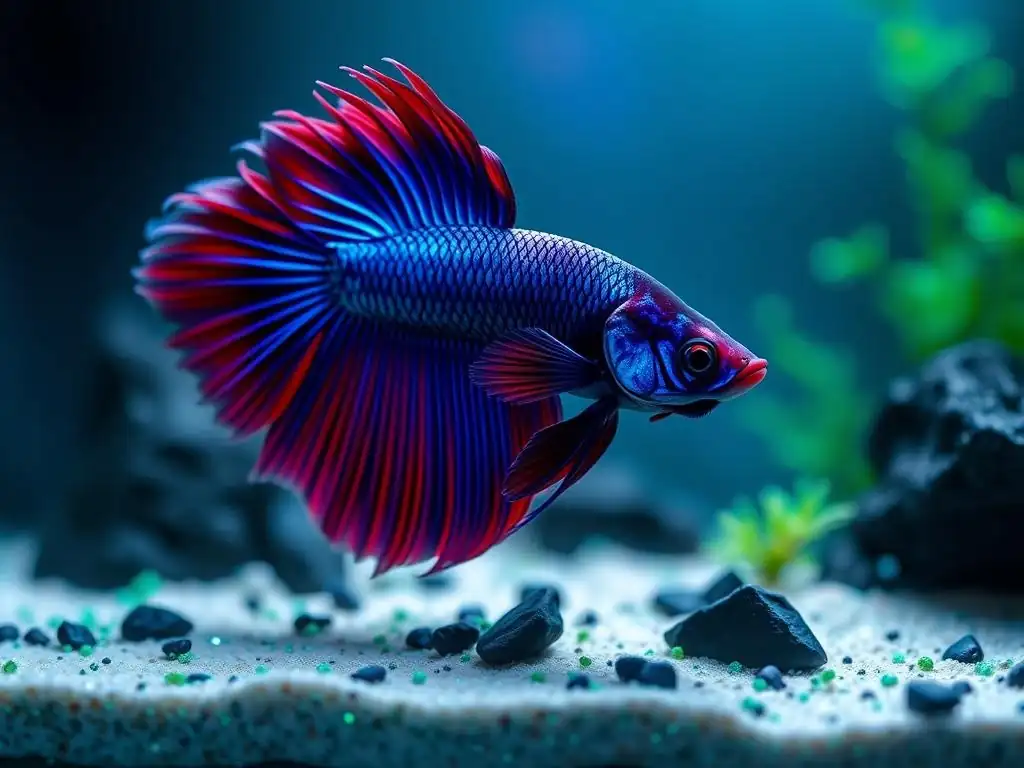
Temperature stability is perhaps the most critical parameter for the health and well-being of aquarium inhabitants. Most aquatic species, whether freshwater or saltwater, thrive within a narrow temperature range, and even minor fluctuations can induce stress, weaken immune systems, and make them susceptible to disease. For instance, common tropical freshwater fish typically require temperatures between 75-82°F (24-28°C), while marine reef tanks are often maintained at a more stable 76-78°F (24.4-25.5°C). Manual checks are prone to missing rapid changes, especially during power outages or equipment malfunctions.
Remote temperature monitoring provides continuous, real-time data, allowing for immediate detection of critical issues like a heater sticking "on" and overheating the tank, or a chiller failing and allowing temperatures to rise. A temperature swing of just 2-3°F can cause significant stress for sensitive fish like Discus, while a sustained change of 5°F or more can be lethal. With remote alerts, you are notified instantly, enabling you to take corrective action, such as remotely shutting off a malfunctioning heater or activating a cooling fan, before irreversible damage occurs to your valuable aquatic ecosystem.
pH Level Monitoring and Adjustment
The pH level, a measure of acidity or alkalinity, is fundamental to the biochemical processes within an aquarium and directly impacts the health of fish, invertebrates, and plants. Different aquatic environments have distinct pH requirements: freshwater tanks often range from 6.0-7.5, while saltwater and reef tanks typically require a more alkaline pH of 8.0-8.4. Fluctuations in pH can be caused by various factors, including CO2 injection, organic decay, water changes, or the depletion of buffering capacity in the water.
Remote pH monitoring allows aquarists to track subtle shifts and long-term trends that might otherwise go unnoticed. For example, a gradual decline in pH can indicate low alkalinity, signaling the need for buffer additions to prevent a dangerous pH crash. Conversely, a sudden spike could point to an issue with CO2 injection or external contamination. Continuous monitoring enables proactive adjustments, such as automatically triggering a dosing pump to add alkalinity supplements when pH drops below a set threshold, ensuring the stability crucial for sensitive corals and fish that are highly intolerant to pH swings.
Salinity Monitoring in Saltwater Aquariums
For saltwater aquariums, particularly reef tanks, maintaining a stable salinity level is paramount to the survival and health of marine organisms. Salinity, typically measured as specific gravity (SG) or parts per thousand (ppt), directly influences the osmotic balance of fish and invertebrates. The ideal range for most reef tanks is a specific gravity of 1.024-1.026, or 33-35 ppt. Evaporation constantly increases salinity as pure water leaves the system, concentrating the dissolved salts, making continuous monitoring essential.
Remote salinity sensors provide continuous readings, alerting the aquarist to any deviations from the desired range. This is especially critical for systems relying on automatic top-off (ATO) units, as a malfunctioning ATO could lead to dangerously high or low salinity. For instance, if an ATO system fails to replenish evaporated water, salinity could climb from 1.025 to 1.030 SG in a 50-gallon tank within a few days, causing severe osmotic stress to corals and fish. Remote monitoring ensures that these vital parameters remain within the narrow, life-sustaining window, preventing stress, disease, and potential loss of marine life.
Water Level Monitoring and Leak Detection
Consistent water levels are crucial for the proper functioning of aquarium equipment and the overall stability of the tank, especially in systems with sumps or overflows where evaporation is significant. Low water levels can expose heaters, leading to overheating and potential fire hazards, or cause pumps to run dry, leading to equipment failure. Conversely, overfilling can lead to spills or overflows, which can damage floors, furniture, and electronics.
Remote water level sensors provide real-time alerts for deviations, ensuring that the water volume remains within safe operating parameters. Even more critical is the integration of leak detection sensors. These small, unobtrusive devices are placed on the floor around the tank stand, sump, or any potential overflow areas.
In the event of a leak, even a small drip, the sensor detects the presence of water and immediately sends an alert to your device. This early warning can prevent extensive water damage, which could cost thousands of dollars in repairs; for instance, a leak from a 100-gallon tank could release over 800 pounds of water, causing significant structural damage to a home if left undetected.
Dissolved Oxygen Monitoring and Its Importance
Dissolved oxygen (DO) is a vital parameter for the respiration of fish and invertebrates, as well as for the health of beneficial aerobic bacteria that break down waste. Healthy DO levels typically range from 5-8 mg/L. Factors such as high water temperatures, overfeeding, excessive organic load, or power outages (which stop filtration and aeration) can rapidly deplete dissolved oxygen, leading to hypoxic conditions that stress or even suffocate aquatic life.
Remote DO sensors provide continuous insight into the tank's oxygenation levels, offering an early warning system for potential problems. A sudden drop in DO could indicate a filter blockage, a malfunctioning air pump, or an excessive biological load.
For example, if a powerhead fails in a heavily stocked 125-gallon tank, DO levels could plummet from 7 mg/L to below 3 mg/L within hours, causing fish to gasp at the surface. With remote monitoring, aquarists can be alerted to these critical changes and take immediate action, such as increasing aeration or performing an emergency water change, before fish suffer irreversible damage or death from oxygen deprivation.
Troubleshooting Common Issues with Remote Aquarium Monitoring
Connectivity Problems and Solutions
One of the most frequent issues encountered with a remote aquarium monitoring system setup is connectivity problems, where the device fails to communicate with your home network or the cloud server. This can lead to missed alerts and inaccurate data. Common culprits include a weak Wi-Fi signal, interference from other electronic devices, or an unstable internet connection.
Begin by checking the status lights on your monitoring unit; a blinking light often indicates a connection issue. Ensure the unit is placed within optimal range of your router and that there are no major obstructions like thick walls or metal shelving blocking the signal.
If the signal appears strong, try basic troubleshooting steps such as restarting your home router and the monitoring device itself. Many remote systems prefer the 2.4 GHz Wi-Fi band, so ensure your router is configured to broadcast on this frequency and that your device is connected to it, especially in dual-band networks.
In some cases, firewall settings on your router might be blocking the device's access to the internet, requiring a temporary adjustment or adding the device to a "trusted" list. Regularly updating your router's firmware and the monitoring device's firmware can also resolve known connectivity bugs and improve stability.
Sensor Calibration and Maintenance
To ensure the accuracy of your remote aquarium monitoring system setup, regular sensor calibration and maintenance are absolutely essential. Probes, particularly for pH and ORP (Oxidation-Reduction Potential), are electrochemical sensors that naturally drift over time due to aging or fouling and require periodic calibration using standardized buffer solutions. pH probes, for instance, typically need recalibration every 2-4 weeks for critical accuracy, and replacement every 12-24 months. Neglecting calibration can lead to wildly inaccurate readings, rendering the entire monitoring system unreliable and potentially causing incorrect interventions.
Beyond calibration, routine maintenance of the probes is crucial. This involves carefully cleaning the sensor tips to remove any biological film, algae, or mineral deposits that can accumulate and interfere with readings. Use distilled water or a manufacturer-recommended cleaning solution and a soft cloth or brush, avoiding abrasive materials that could damage the delicate sensor membrane. Always store probes in their appropriate storage solution when not in use to prevent them from drying out, which can permanently damage them. Consistent cleaning and calibration ensure your remote monitoring system provides the precise data needed for optimal aquarium management.
Data Accuracy and Interpretation
Even with proper sensor calibration and maintenance, understanding data accuracy and how to interpret the readings from your remote aquarium monitoring system is key. Several factors can influence the precision of the data, including sensor aging, improper placement within the tank (e.g., a pH probe too close to a CO2 diffuser), or even external electrical interference. It is always a good practice to periodically cross-reference your remote readings with a reliable manual test kit, perhaps once a month, to confirm the system's accuracy. If there's a significant discrepancy, recalibrate the sensor immediately.
Interpreting the data effectively means looking beyond isolated readings and focusing on trends. A single slightly elevated temperature reading might be an anomaly, but a consistent upward trend over several hours or a full day warrants immediate investigation, as it could indicate a failing chiller or a stuck heater.
Similarly, a slow, consistent decline in pH over several days is more indicative of a real problem, like depleting alkalinity, than a sudden, brief dip. Learning to identify these patterns allows you to proactively address potential issues before they escalate into critical problems, making your "Remote aquarium monitoring system setup" a truly powerful diagnostic tool.
Advanced Features and Integration Options
Integrating with Smart Home Systems
Modern remote aquarium monitoring systems are increasingly designed with open APIs and connectivity protocols, allowing for seamless integration with broader smart home ecosystems. Platforms like Google Home, Amazon Alexa, or Apple HomeKit can become central hubs for your aquarium's data and controls. This integration means you can use voice commands to query your tank's status, asking "Alexa, what's the temperature of my reef tank?" or "Hey Google, what's the pH of my freshwater aquarium?" without needing to open a specific app.
Beyond simple voice queries, advanced integrations can create powerful automations. For instance, you could set up a routine where if your aquarium's temperature exceeds a critical threshold, a smart plug connected to a cooling fan automatically activates. Or, when your aquarium lights turn off for the night, your smart home system could automatically dim the surrounding room lights to create a more natural evening ambiance. This level of interconnectedness not only simplifies monitoring but also enhances the overall smart home experience by making your aquarium an intelligent, responsive part of your connected living space.
Automated Dosing and Control Systems
One of the most significant advancements in remote aquarium monitoring is the integration with automated dosing and control systems, which transforms passive monitoring into active management. When a remote sensor detects a parameter deviation, such as a drop in alkalinity or calcium in a reef tank, the system can automatically trigger a connected dosing pump to administer precise amounts of supplements. This eliminates the need for manual dosing, ensures consistent water chemistry, and prevents the "roller coaster" effect often seen with infrequent manual additions.
Beyond dosing, these advanced systems can control various pieces of aquarium equipment based on real-time data. For example, if the temperature sensor registers a rise above the safe limit, the system can automatically activate a chiller or turn off a malfunctioning heater. If a water level sensor detects excessive evaporation, it can trigger an automatic top-off (ATO) pump to replenish the tank with fresh water. This level of automated control, driven by your "Remote aquarium monitoring system setup," provides unparalleled stability and reduces the daily chore load for the aquarist, ensuring optimal conditions around the clock.
Using Data Analytics to Optimize Aquarium Conditions
The continuous data logging capabilities of remote aquarium monitoring systems provide a treasure trove of information that can be leveraged through data analytics to optimize aquarium conditions. Beyond simply alerting to problems, the historical data allows aquarists to identify long-term trends, correlate various parameters, and fine-tune their husbandry practices. For example, by analyzing nitrate levels against feeding schedules, you might discover that reducing feeding frequency by 10% or switching to a lower-protein food significantly decreases nitrate accumulation, leading to fewer water changes.
Another practical application involves correlating lighting schedules with algae growth or plant health. Analyzing pH fluctuations in a planted tank against CO2 injection times can help optimize the CO2 delivery for maximum plant growth without stressing fish. For reef tanks, tracking alkalinity and calcium consumption rates provides precise data for calibrating dosing pumps, ensuring stable levels for coral growth. This data-driven approach moves aquarium keeping from an art to a science, allowing aquarists to make informed decisions that lead to a more stable, healthier, and thriving aquatic environment.
The Future of Remote Aquarium Monitoring in Aquariums
Emerging Technologies in Aquarium Automation
The landscape of remote aquarium monitoring is rapidly evolving, driven by advancements in sensor technology, miniaturization, and wireless communication. Emerging technologies promise even more seamless and comprehensive solutions for aquarists. We are seeing the development of more robust, long-lasting, and self-calibrating probes that reduce maintenance burdens and improve accuracy over extended periods. Wireless, battery-powered sensors that can be placed anywhere in or around the tank, transmitting data without cumbersome wires, are becoming more prevalent, simplifying the "Remote aquarium monitoring system setup."
Further innovations include integrated water testing labs that can analyze multiple chemical parameters (like nitrates, phosphates, and alkalinity) automatically, on a set schedule, providing a full chemical profile of the water without manual test kits. Miniaturized components and improved power efficiency will lead to more compact and discreet monitoring devices that blend seamlessly into the aquarium setup. The focus is shifting towards "set and forget" systems that not only monitor but also predict and prevent issues, making sophisticated aquarium management accessible to a wider range of hobbyists.
Integration with Artificial Intelligence for Predictive Maintenance
The most transformative future development in remote aquarium monitoring lies in the integration of Artificial Intelligence (AI) and machine learning. AI algorithms can analyze vast datasets collected from individual aquariums, and potentially from a network of thousands of tanks, to identify complex patterns and predict issues before they even manifest. For example, an AI could learn the unique daily pH fluctuations of your specific tank and alert you not just when pH drops below a threshold, but when its pattern deviates, indicating an impending problem like a buffer crash or CO2 system malfunction days in advance.
AI could also revolutionize predictive maintenance for equipment. By analyzing power consumption data, operational cycles, and sensor readings, AI might predict the imminent failure of a heater, pump, or chiller, allowing the aquarist to replace it proactively rather than reactively after a breakdown. Furthermore, AI could offer personalized recommendations for water parameter adjustments, feeding schedules, or even suggest specific fish species compatibility based on your tank's historical data and current conditions. This shift towards intelligent, predictive systems will elevate remote aquarium monitoring from a reactive alert system to a truly proactive, self-optimizing aquarium management platform.
Cost Analysis of Implementing a Remote Monitoring System
Initial Investment and Ongoing Expenses
Implementing a remote aquarium monitoring system setup involves both an initial investment and potential ongoing expenses. The initial cost for the hardware can vary significantly based on the system's complexity and the number of parameters it monitors. Basic systems, often focusing solely on temperature and perhaps a single other parameter like pH, typically range from $150 to $400.
Mid-range systems, which might include salinity, ORP, and basic control capabilities, can cost between $500 and $1000. High-end, comprehensive systems from brands like Neptune Systems or GHL, offering extensive automation, multiple probe inputs, and robust control modules, can easily exceed $1500, with some advanced setups reaching $2500 or more.
Beyond the upfront hardware cost, aquarists should factor in ongoing expenses. The most common recurring cost is the replacement of probes, particularly pH and ORP probes, which have a limited lifespan of typically 12-24 months and can cost $50-$100 each. Calibration solutions, necessary for maintaining sensor accuracy, might cost $10-$20 per set and are needed periodically. Some systems may also have optional subscription fees for cloud storage of data, advanced analytics features, or premium alert services, which could range from $5-$15 per month, though many offer free basic tiers that are sufficient for most hobbyists.
Comparing Different System Options Based on Price
When considering a remote aquarium monitoring system setup, it's helpful to categorize options by their price points and corresponding features. At the entry-level, simple Wi-Fi thermometers like the Inkbird ITC-308 Wi-Fi ($60-$80) provide basic temperature alerts and remote control of a heating/cooling device, ideal for smaller, less complex tanks. Moving up, systems like the Kamoer X2 Dosing Pump with pH monitoring ($250-$350) offer more integrated solutions for specific needs.
For hobbyists seeking comprehensive monitoring and control, mid-range to high-end systems are the standard. Brands like GHL (Profilux Mini or Profilux 4) or Neptune Systems (Apex Jr. or Apex EL) fall into the $500-$1000 range, offering modules for temperature, pH, ORP, and salinity, along with multiple power outlets for equipment control and extensive data logging.
The top-tier systems, such as the full Neptune Apex or GHL Profilux 4 setups (starting at $800 and going up to $2000+ with all accessories), provide unparalleled expandability, advanced automation, and integration with a wide array of accessories like automatic feeders, dosing pumps, and flow sensors, justifying their higher price tag for large, complex reef or planted aquariums where precision and redundancy are paramount.
Maintaining Your Remote Aquarium Monitoring System
Regular Checks and Maintenance Procedures
Just like your aquarium equipment, your remote aquarium monitoring system setup requires routine checks and maintenance to ensure its continued reliability and accuracy. This goes beyond just calibrating probes; it involves a holistic approach to the system's health. Regularly inspect all sensor cables for any signs of wear, kinks, or damage, as these can lead to intermittent readings or complete signal loss. Ensure that all connections to the main unit are secure and free of corrosion. Visually inspect the main control unit for any signs of moisture ingress, dust buildup, or overheating, and keep its ventilation ports clear.
It's also crucial to regularly check for and install firmware updates for your monitoring device and app updates for the software. Manufacturers frequently release updates that improve performance, fix bugs, enhance security, and add new features. Ignoring these updates can leave your system vulnerable or lead to suboptimal performance. A good practice is to perform a quick visual inspection of all components and check for updates monthly. This proactive maintenance schedule ensures that your remote monitoring system remains a dependable guardian of your aquatic environment.
Replacing Sensors and Other Components
Over time, certain components of your remote aquarium monitoring system, particularly the probes, will need to be replaced due to natural wear and tear or decreased accuracy. pH and ORP probes, being electrochemical, have a finite lifespan, typically lasting 12-24 months before their readings become unreliable, even with regular calibration. Temperature probes are generally more durable but can fail if exposed to extreme conditions or physical damage. It's wise to keep spare probes on hand, especially for critical parameters, to minimize downtime.
The replacement process for most sensors is relatively straightforward, often involving simply unplugging the old probe and plugging in the new one, followed by a necessary recalibration. Always use OEM (Original Equipment Manufacturer) replacement parts or high-quality compatible alternatives recommended by the system manufacturer to ensure optimal performance and compatibility. While the initial "Remote aquarium monitoring system setup" is a one-time effort, budgeting for these periodic component replacements is essential for the long-term effectiveness and accuracy of your system, ensuring your aquatic life remains under constant, reliable surveillance.
Conclusion: Embracing Remote Monitoring for a Thriving Aquarium
Ensuring the Well-being of Your Aquatic Pets with Technology
The advent of remote aquarium monitoring systems has fundamentally transformed the way aquarists maintain their tanks, moving from a reactive approach to a proactive, data-driven strategy. By providing continuous, real-time insights into critical water parameters like temperature, pH, and salinity, these systems offer an unparalleled level of peace of mind.
They empower aquarists to detect even subtle deviations, identify potential issues before they escalate into emergencies, and intervene swiftly, even when miles away from home. This technological leap ensures that the well-being of your aquatic pets is constantly safeguarded, minimizing stress and maximizing their chances for a long, healthy life.
Ultimately, investing in a robust remote aquarium monitoring system setup is an investment in the health and longevity of your aquatic ecosystem. It allows hobbyists to enjoy their passion with greater confidence, knowing that a dedicated guardian is constantly watching over their underwater world.
From preventing catastrophic equipment failures to optimizing water chemistry for thriving corals and fish, remote monitoring makes the complex art of aquarium keeping more manageable, more precise, and ultimately, more rewarding. Embracing this technology is not just about convenience; it's about providing the best possible environment for your aquatic companions, ensuring they thrive under optimal conditions, always.
Frequently Asked Questions
What is a remote aquarium monitoring system?
A remote aquarium monitoring system allows you to track key parameters of your aquarium from anywhere with an internet connection. This includes temperature, pH, salinity, and other crucial factors that affect your aquatic life. It provides peace of mind and helps prevent potential disasters.
Why should I consider setting up a remote aquarium monitoring system?
Setting up a remote system allows for early detection of problems, preventing potential losses of livestock. It also offers convenience and control, enabling you to make adjustments remotely and maintain a stable environment even when you're away.
What are the essential components of a remote aquarium monitoring system setup?
Typically, you'll need sensors to measure key parameters, a controller or hub to process the data, and a Wi-Fi connection to transmit the information to your smartphone or computer. Some systems also include automated dosing pumps for remote adjustments.
How difficult is it to set up a remote aquarium monitoring system?
The difficulty varies depending on the system's complexity. Basic systems are generally easy to install and configure, often with user-friendly apps. More advanced setups might require some technical knowledge and calibration.
What are some common troubleshooting steps for a remote aquarium monitoring system?
First, check your Wi-Fi connection and ensure the system is properly connected to the internet. Then, verify the sensor readings are accurate and recalibrate if necessary. Finally, consult the manufacturer's documentation for specific troubleshooting steps.
Okay, here's a final reflection designed to close your article "Remote Aquarium Monitoring: Keep an Eye on Your Tank From Anywhere," optimized for the keyword "Remote aquarium monitoring system setup," and following the structure you provided:
Final Reflection: The Ever-Watching Eye
The ability to monitor our aquariums remotely, once a futuristic dream, is now a readily accessible reality. This shift, driven by advancements in technology and a growing passion for aquatic life, has fundamentally changed how we interact with our underwater ecosystems. No longer are we confined to the physical presence of our tanks; we can now ensure their health and stability from anywhere in the world, offering peace of mind and proactive intervention when needed.
This evolution in aquarium keeping has profoundly impacted the hobby, fostering a deeper connection with our aquatic inhabitants and promoting responsible ownership. The ease with which we can now track vital parameters like temperature, pH, and water levels empowers us to be better stewards of these delicate environments. As Jacques Cousteau eloquently stated, The sea, once it casts its spell, holds one in its net of wonder forever.
This "net of wonder" is now woven with threads of technology, allowing us to observe and protect the magic within our tanks with unprecedented precision.
Now, as you consider the possibilities a remote aquarium monitoring system setup offers, take a moment to reflect on the responsibility that comes with this power. Embrace the technology, but never lose sight of the living ecosystem you are entrusted to care for. Let this knowledge inspire you to create a thriving and sustainable aquatic environment, knowing that you have the tools and the awareness to ensure its well-being, wherever you may be.
Dive Deeper: Transform Your Aquarium Hobby Today!
Thanks for exploring the world of remote aquarium monitoring with us! We hope you’ve discovered how technology can revolutionize your fish-keeping experience. Now, it's time to take control and ensure your aquatic friends thrive, no matter where you are.
Here are a few things you can do next:
- Start Building Your Own Remote Monitoring System: Research available sensors and controllers that fit your aquarium's needs and your budget. Don't be afraid to start small and expand later!
- Explore local aquarium clubs or online forums to share your setup ideas and learn from fellow enthusiasts.
- Share this article with other aquarium lovers who could benefit from remote monitoring solutions.
Ready to embrace the future of aquarium keeping and create a more stress-free hobby?