
Fuzzy Dwarf Lionfish (Dendrochirus brachypterus): A Compact Predator Profile

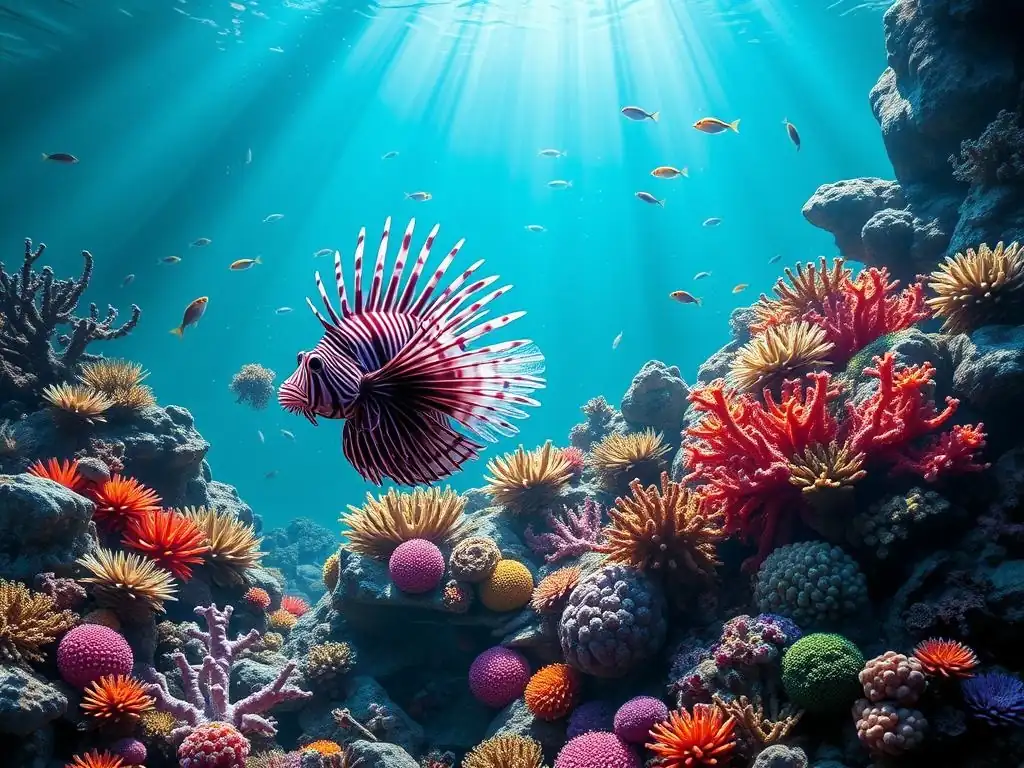
Welcome to Aquarium Mastery!
Ever been captivated by the allure of a miniature predator? Delve into the fascinating world of the Fuzzy Dwarf Lionfish with our in-depth guide. Discover crucial dwarf lionfish care tips and unlock the secrets to successfully keeping these captivating creatures in your saltwater aquarium. Are you ready to master the art of providing a thriving environment for your own Dendrochirus brachypterus? Let's begin!
- Introduction to the Fuzzy Dwarf Lionfish for Saltwater Aquariums
- Understanding Fuzzy Dwarf Lionfish Care Requirements
- Setting Up the Ideal Habitat for Your Dwarf Lionfish
- Dwarf Lionfish Care Tips: Ensuring a Long and Healthy Life
- Breeding Fuzzy Dwarf Lionfish in Captivity
- Fuzzy Dwarf Lionfish vs. Other Lionfish Species: Key Differences
- Troubleshooting Common Issues with Fuzzy Dwarf Lionfish
- Conclusion: The Allure of the Fuzzy Dwarf Lionfish for the Discerning Aquarist
-
Frequently Asked Questions
- What are the basic tank requirements for a Fuzzy Dwarf Lionfish?
- What do Fuzzy Dwarf Lionfish eat, and how often should they be fed?
- Are Fuzzy Dwarf Lionfish reef-safe?
- What are some common health problems that affect Fuzzy Dwarf Lionfish?
- Are Fuzzy Dwarf Lionfish difficult to care for, and are they suitable for beginner aquarists?
- Final Reflection: Embracing the Delicate Balance
- Dive Deeper: Unlock the Secrets of Reef Keeping!
Introduction to the Fuzzy Dwarf Lionfish for Saltwater Aquariums
Overview of Dendrochirus brachypterus: A Beginner-Friendly Lionfish?
The Fuzzy Dwarf Lionfish, scientifically known as Dendrochirus brachypterus, is a captivating addition to many saltwater aquariums, particularly appealing due to its relatively compact size compared to its larger lionfish relatives. Typically reaching a maximum length of 7 to 8 inches in the wild, specimens in home aquariums often mature to about 5 to 6 inches.
This species is renowned for its striking appearance, featuring elaborate, feathery fins, often adorned with vibrant reds, oranges, browns, and whites, which provide excellent camouflage in their natural reef habitats. Despite their alluring beauty, it's crucial to remember that all lionfish possess venomous dorsal spines, requiring careful handling.
While venomous, the Fuzzy Dwarf Lionfish is generally considered one of the more docile and less aggressive lionfish species, making it a surprisingly viable option for the dedicated beginner aquarist. Their slow-moving, deliberate nature and tendency to perch or hover rather than actively swim make them less prone to causing chaos in a well-planned tank. However, successful dwarf lionfish care tips revolve around understanding their specific needs, including stable water parameters, a suitable diet, and appropriate tank mates, all of which are moderate in difficulty but essential for their long-term well-being.
Why Choose a Fuzzy Dwarf Lionfish for Your Reef-Safe Predator Tank
Opting for a Fuzzy Dwarf Lionfish allows aquarists to experience the unique allure of a predatory fish without the massive tank requirements of species like the Volitan Lionfish ( Pterois volitans). Their smaller adult size, typically around 5-6 inches, means they can thrive in tanks as small as 30 gallons for a single specimen, though a 50-gallon or larger system is highly recommended to provide ample space for rockwork and ensure greater water stability. Their graceful movements and distinctive appearance make them a focal point in any aquarium, offering a dynamic visual appeal.
Furthermore, the Fuzzy Dwarf Lionfish is generally considered "reef-safe" in terms of corals and sessile invertebrates. Unlike some other predatory fish, they typically show no interest in nipping at corals or anemones.
Their predatory instincts are focused on small fish and crustaceans, meaning that while they will consume any tank mate small enough to fit into their mouth, they pose no threat to the coral landscape. This characteristic makes them an excellent choice for aquarists who wish to combine a vibrant coral display with the intriguing presence of a compact predator, provided careful attention is paid to dwarf lionfish care guidelines regarding tank mate selection.
Understanding Fuzzy Dwarf Lionfish Care Requirements
Essential Parameters for Fuzzy Dwarf Lionfish Tank Setup
Tank Size Recommendations for Fuzzy Dwarf Lionfish
For a single Fuzzy Dwarf Lionfish, a minimum tank size of 30 gallons is often cited, allowing for basic movement and the establishment of some rockwork. However, to truly ensure the long-term health, stability, and enrichment of this species, a 50-gallon or larger aquarium is strongly recommended. A larger tank provides more swimming space, allows for more intricate aquascaping with ample hiding spots, and significantly contributes to greater water volume, which helps dilute waste products and maintain more stable water parameters.
If an aquarist considers keeping more than one Fuzzy Dwarf Lionfish, the tank size requirements escalate dramatically. While generally solitary, some very large aquariums (100 gallons or more) with extensive rockwork and visual barriers might allow for multiple specimens if introduced simultaneously and carefully. However, for most home aquarists, a single Fuzzy Dwarf Lionfish is the most practical and stress-free option, ensuring optimal dwarf lionfish care and minimizing territorial disputes.
Ideal Water Chemistry for Maintaining Healthy Dwarf Lionfish
Maintaining pristine and stable water chemistry is paramount for the health and longevity of Fuzzy Dwarf Lionfish. The specific gravity (salinity) should be kept within a range of 1.020 to 1.025, with an optimal target around 1.023. Temperature should be consistently maintained between 72-78°F (22-26°C), ideally around 75°F (24°C), as sudden fluctuations can cause significant stress and compromise their immune system.
The pH level in the aquarium should remain stable between 8.1 and 8.4. Crucially, ammonia and nitrite levels must be undetectable (0 ppm), as even trace amounts are highly toxic to marine fish. Nitrate levels should be kept as low as possible, ideally below 10-20 ppm, through regular partial water changes (e.g., 10-20% every two to four weeks) and efficient filtration. Consistent monitoring of these parameters with reliable test kits is a foundational aspect of robust dwarf lionfish care.
Diet and Feeding Habits of the Fuzzy Dwarf Lionfish
What to Feed Your Fuzzy Dwarf Lionfish: Live and Frozen Foods
Fuzzy Dwarf Lionfish are obligate carnivores and predatory by nature, primarily consuming small fish and crustaceans in their natural habitat. In captivity, while they may initially require live ghost shrimp to entice feeding, the goal should be to transition them as quickly as possible to frozen, vitamin-enriched foods. Suitable frozen options include mysis shrimp, larger varieties of brine shrimp, krill, and chopped silversides. It is vital to offer a varied diet to ensure they receive all necessary nutrients.
It is strongly advised against feeding feeder goldfish or other freshwater feeder fish, as these lack essential marine nutrients, can lead to dietary deficiencies, and often carry diseases or parasites that can be detrimental to the lionfish's health. Prioritizing a diverse diet of high-quality frozen marine foods is a critical dwarf lionfish care tip that contributes significantly to their vitality and long-term health.
Feeding Frequency and Techniques for Optimal Dwarf Lionfish Health
The feeding frequency for Fuzzy Dwarf Lionfish depends on their size and age. Younger or smaller specimens may benefit from daily or every-other-day feedings, while larger, well-established adults can thrive on a schedule of 2-3 times per week. It is important to observe the fish; a slightly sunken belly indicates hunger, while a distended belly suggests satiation. Overfeeding can lead to poor water quality and digestive issues.
To ensure the lionfish receives adequate nutrition and to minimize the risk of accidental stings to the aquarist, it is highly recommended to use a feeding stick or tongs to present food directly to the fish. This technique also prevents faster tank mates from snatching the food, ensuring the lionfish gets its share. This direct and controlled feeding method is an indispensable part of comprehensive dwarf lionfish care, promoting both the fish's health and the aquarist's safety.
Setting Up the Ideal Habitat for Your Dwarf Lionfish
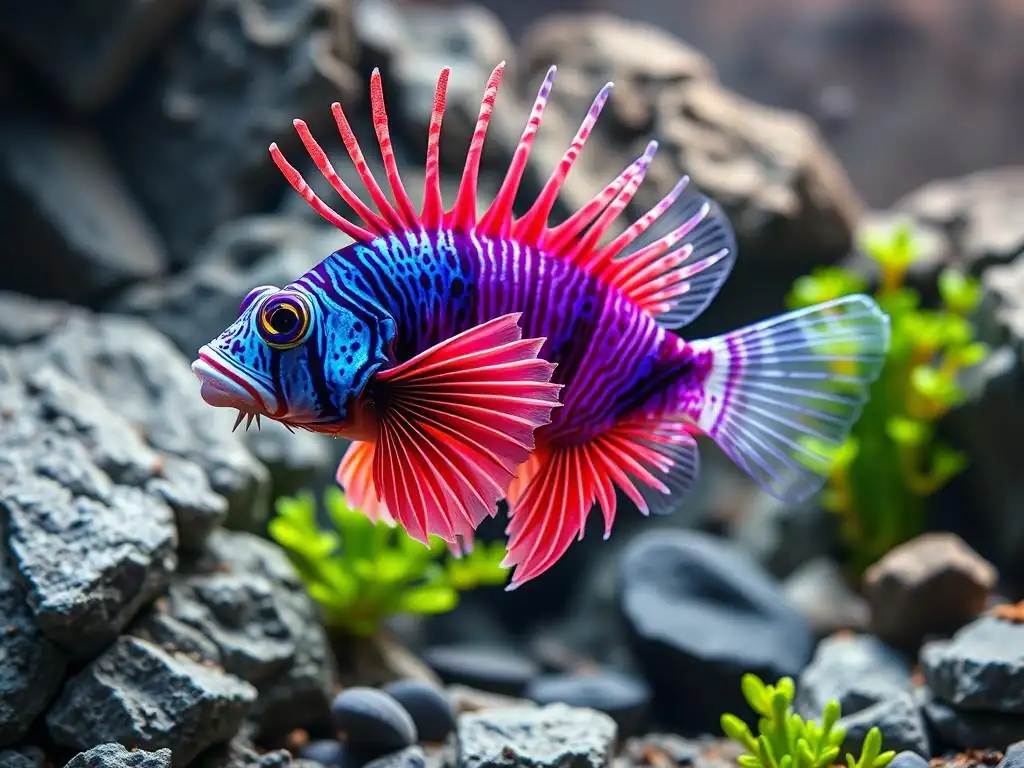
Creating a Natural Environment: Rockwork and Substrate
Creating a naturalistic and stimulating environment is crucial for the well-being of a Fuzzy Dwarf Lionfish. They thrive in aquariums with ample live rock arranged to form numerous caves, overhangs, and crevices. These structures provide essential hiding spots where the lionfish can retreat, feel secure, and also serve as ambush points for their predatory feeding style. A general guideline of approximately 1 pound of live rock per gallon can help achieve a suitable aquascape, offering both visual appeal and functional space.
While Fuzzy Dwarf Lionfish are not known for digging, a soft sandy substrate is suitable and can contribute to the overall aesthetic of a reef environment. Ensure that all rock structures are stable and securely placed, preventing any potential collapses that could injure the fish. The provision of diverse and complex rockwork is a fundamental element of effective dwarf lionfish care, promoting natural behaviors and reducing stress.
Lighting and Filtration Needs for a Healthy Dwarf Lionfish Aquarium
Fuzzy Dwarf Lionfish do not have highly specific lighting requirements beyond what is typical for a standard saltwater or reef aquarium. Moderate lighting levels are generally preferred, as these fish often inhabit shaded areas of the reef in the wild. Excessive bright light might cause them to seek constant refuge, potentially impacting their activity levels and overall comfort.
Robust and efficient filtration is absolutely critical for maintaining the pristine water quality that Fuzzy Dwarf Lionfish require. A high-quality protein skimmer is strongly recommended to efficiently remove organic waste before it breaks down into harmful compounds. Mechanical filtration, such as filter socks or sponges, should be cleaned or replaced regularly to prevent nitrate buildup.
Biological filtration, provided by live rock and potentially supplemental bio-media, is essential for converting toxic ammonia and nitrite into less harmful nitrates. While adequate water movement is necessary, avoid strong, direct currents, as lionfish are not powerful swimmers and can become stressed by turbulent flow. These comprehensive filtration measures are vital dwarf lionfish care tips.
Choosing Compatible Tank Mates for Fuzzy Dwarf Lionfish
Best Tank Mates for Community Reef Aquariums with Fuzzy Dwarf Lionfish
When selecting tank mates for a Fuzzy Dwarf Lionfish, the primary consideration is size: any fish small enough to fit into the lionfish's mouth will likely become a meal. Therefore, compatible tank mates must be significantly larger than the lionfish's mouth, generally at least 2-3 inches longer than the lionfish itself, and not overly aggressive. Good choices include larger clownfish, certain tangs (e.g., Yellow Tang, Kole Tang), larger gobies, and peaceful wrasses that are not susceptible to predation.
It is also beneficial to choose tank mates that occupy different parts of the water column to minimize competition for space. For instance, a bottom-dwelling goby and a mid-water swimming tang can coexist harmoniously with a lionfish that tends to perch or hover. While Fuzzy Dwarf Lionfish are generally passive towards larger tank mates, careful observation after introduction is always advised to ensure peace and success in your dwarf lionfish care strategy.
Fish to Avoid: Aggressive or Predatory Tank Mates
Several types of fish should be strictly avoided as tank mates for Fuzzy Dwarf Lionfish. Any small, "bite-sized" fish, such as most damsels, smaller gobies, or cardinalfish, will inevitably be perceived as prey and consumed. Similarly, small ornamental shrimp (e.g., cleaner shrimp, peppermint shrimp) are at very high risk of predation, though larger shrimp might survive if introduced when the lionfish is very small and consistently well-fed.
Furthermore, overly aggressive or fin-nipping species pose a threat to the slow-moving and somewhat vulnerable lionfish. Fish like large triggers, certain puffers, or highly territorial angelfish can harass, injure, or even kill a Fuzzy Dwarf Lionfish. Even seemingly peaceful fish can become problematic if the tank is too small or if the lionfish is perceived as a threat during feeding. Understanding these incompatibilities is a crucial part of responsible dwarf lionfish care.
Dwarf Lionfish Care Tips: Ensuring a Long and Healthy Life
Preventing and Treating Common Diseases in Fuzzy Dwarf Lionfish
Recognizing Early Signs of Illness
Early detection of illness is paramount for successful treatment and ensuring the long-term health of your Fuzzy Dwarf Lionfish. Aquarists should diligently observe their fish daily for any deviations from normal behavior or appearance. Common signs of illness include clamped fins, rapid or labored breathing, a noticeable loss of appetite, abnormal swimming patterns (e.g., erratic movements, listlessness), scratching or rubbing against rocks, cloudy eyes, or the appearance of visible spots, lesions, or unusual growths on the body. Any of these symptoms warrant immediate investigation and potential intervention.
The most common ailments encountered in marine aquariums, such as marine ich ( Cryptocaryon irritans), velvet ( Amyloodinium ocellatum), and various bacterial infections, can rapidly worsen if left untreated. Stress, often induced by poor water quality, unsuitable tank mates, or improper diet, significantly compromises a lionfish's immune system, making them highly susceptible to these pathogens. Proactive monitoring and maintaining optimal conditions are key preventative dwarf lionfish care tips.
Quarantine Procedures for New Lionfish
Implementing a strict quarantine procedure for all new Fuzzy Dwarf Lionfish before introducing them to the main display tank is one of the most effective preventative dwarf lionfish care tips. A separate quarantine tank, ideally 10-20 gallons, should be set up with a heater, air stone, and simple PVC pipes for hiding spots. It should be bare-bottom to facilitate cleaning and observation. New fish should be kept in quarantine for at least 3-4 weeks.
During this period, observe the lionfish closely for any signs of disease, allow it to acclimate to captivity without the stress of existing tank mates, and ensure it begins readily accepting frozen foods. This isolation prevents the introduction of potential diseases and parasites into your established system, protecting your entire aquarium population. Medicate only if specific symptoms are observed, following appropriate treatment protocols. This rigorous approach is fundamental to safeguarding your aquarium's health.
Maintaining Water Quality for Optimal Health
Consistent and high-quality water parameters are the cornerstone of successful dwarf lionfish care and contribute significantly to their longevity and vitality. Regular partial water changes, typically 10-20% every 2-4 weeks, are essential. These changes help to replenish vital trace elements that are consumed over time and, more importantly, remove accumulated nitrates and other undesirable pollutants that can build up even with robust filtration. Always use high-quality marine salt mixed with RO/DI (Reverse Osmosis/Deionized) water to avoid introducing impurities.
Weekly testing of key water parameters, including ammonia, nitrite, and nitrate, is crucial. Invest in reliable test kits to ensure accuracy. Beyond water changes, ensuring your filtration system is operating at peak efficiency is vital. A properly sized and maintained protein skimmer, along with effective mechanical and biological filtration, will manage the bioload and prevent the buildup of harmful compounds. A clean, stable, and well-maintained environment is the best defense against stress and disease for your Fuzzy Dwarf Lionfish.
Breeding Fuzzy Dwarf Lionfish in Captivity
The Challenges of Breeding Dendrochirus brachypterus
Breeding Fuzzy Dwarf Lionfish ( Dendrochirus brachypterus) in home aquariums is an exceedingly rare and highly challenging endeavor, with very limited success reported within the hobbyist community. While some public aquariums or specialized research facilities may have achieved isolated instances of spawning and larval rearing, widespread or commercially viable captive breeding has not been established for this species. This contrasts sharply with the relative ease of breeding many other popular marine aquarium fish.
The primary challenges stem from several factors, including the difficulty in reliably identifying sexes outside of spawning activity, the specific environmental cues required to induce spawning, and the immense hurdles associated with larval rearing. The eggs and subsequent larvae are often pelagic (free-floating) and extremely small, requiring microscopic live feeds and exceptionally precise water parameters to survive their delicate developmental stages.
Breeding Difficulty and Lack of Success
The lack of widespread success in breeding Fuzzy Dwarf Lionfish largely attributes to the demanding requirements of their larval stage. The newly hatched larvae are minuscule, typically measuring just a few millimeters, and require specific sizes and types of live phytoplankton and zooplankton (such as rotifers and copepods) for their initial nutrition. Providing these live feeds in sufficient quantities and maintaining their culture can be a significant logistical challenge for the average aquarist.
Furthermore, the larvae are incredibly sensitive to water quality fluctuations, requiring pristine and stable conditions that are difficult to replicate and maintain in a small breeding setup. Survival rates in early larval stages are often extremely low, even in controlled laboratory environments. Consequently, nearly all Fuzzy Dwarf Lionfish available in the aquarium trade are wild-caught specimens, highlighting the inherent difficulty and lack of consistent success in their captive propagation despite ongoing advancements in marine aquaculture.
Fuzzy Dwarf Lionfish vs. Other Lionfish Species: Key Differences
Size and Temperament Comparison
The most significant distinguishing factor between the Fuzzy Dwarf Lionfish ( Dendrochirus brachypterus) and other more commonly encountered lionfish species, such as the Volitan Lionfish ( Pterois volitans) or the Devil Lionfish ( Pterois miles), is their mature size. While Fuzzy Dwarf Lionfish typically reach an adult length of 5 to 7 inches, their larger counterparts can grow considerably, with Volitan Lionfish often exceeding 15 inches and sometimes reaching up to 18 inches. This size disparity directly impacts tank size requirements, with Fuzzy Dwarfs fitting into 30-50 gallon tanks, while larger species demand 100 gallons or more.
In terms of temperament, Fuzzy Dwarf Lionfish are generally more docile and less active swimmers. They tend to spend much of their time perched on rockwork or hovering in a single spot, waiting for prey. While still predatory towards any fish or crustacean small enough to fit in their mouth, they are less overtly aggressive or territorial towards larger, non-prey tank mates compared to some of the more boisterous larger lionfish. This makes them a more manageable and peaceful option for many community reef aquariums, provided dwarf lionfish care guidelines are followed diligently.
Care Complexity and Suitability for Beginner Aquarists
The care complexity of the Fuzzy Dwarf Lionfish is generally considered moderate, making it one of the more accessible lionfish species for dedicated beginner aquarists who are prepared to meet its specific needs. Their smaller size means they produce less bioload than larger lionfish, simplifying water quality management to some extent. Once acclimated and transitioned to frozen foods, their dietary requirements are straightforward, primarily involving regular feedings of varied marine-based frozen items.
In contrast, larger lionfish species present a significantly higher care complexity. Their immense size necessitates very large aquariums, often 100 gallons or more, which can be challenging and costly to set up and maintain. They consume a much greater volume of food, leading to more waste production and requiring even more robust filtration and more frequent, larger water changes. The compact nature and slightly more forgiving nature of the Fuzzy Dwarf Lionfish simplify many aspects of dwarf lionfish care, making them a more practical choice for aquarists with limited space or experience with predatory marine fish.
Troubleshooting Common Issues with Fuzzy Dwarf Lionfish
Addressing Feeding Problems and Picky Eaters
One of the most common challenges with newly acquired Fuzzy Dwarf Lionfish is their reluctance to accept frozen foods, as they are often accustomed to live prey in the wild or in holding facilities. To address this, begin by offering live ghost shrimp, then gradually introduce frozen alternatives.
A common technique involves placing a piece of frozen food near a live shrimp to encourage the lionfish to associate the new food with its natural prey. Some aquarists also report success by scenting frozen foods with garlic extract or using a "feeding frenzy" approach with very small, frequent offerings to stimulate appetite.
Patience and persistence are crucial. If a lionfish refuses food for several days, try different types of frozen foods, such as mysis shrimp, krill, or finely chopped silversides, to find what it prefers. Ensure that water quality is pristine, as poor conditions can suppress appetite. Avoid overfeeding, which can also lead to refusal. Consistency in offering appropriate foods and observing their feeding response are vital dwarf lionfish care tips for overcoming picky eating habits.
Managing Aggression and Territoriality
While generally considered docile, Fuzzy Dwarf Lionfish can exhibit aggression or territoriality under specific circumstances, particularly towards conspecifics (other lionfish) or similar-looking fish, especially if the aquarium is too small or lacks sufficient hiding places. For most home aquariums, it is highly recommended to keep only one Fuzzy Dwarf Lionfish per tank to avoid potential disputes and stress.
If aggression occurs among tank mates, first assess the aquarium size and the amount of available rockwork and visual barriers. Adding more hiding spots or rearranging the existing aquascape can sometimes help diffuse tension by creating new territories and breaking up lines of sight. It is also crucial to ensure that all other tank mates are significantly larger than the lionfish's mouth to prevent predation, which is a natural feeding behavior rather than aggression. Proper tank mate selection and providing ample space are fundamental dwarf lionfish care elements that minimize behavioral issues.
Conclusion: The Allure of the Fuzzy Dwarf Lionfish for the Discerning Aquarist
Recap of Essential Dwarf Lionfish Care Tips
The Fuzzy Dwarf Lionfish offers a truly captivating and unique presence in a saltwater aquarium, making it an appealing choice for aquarists seeking a manageable predator. To ensure a long and healthy life for this fascinating species, several essential dwarf lionfish care tips must be meticulously followed.
These include maintaining stable and pristine water parameters, specifically a specific gravity of 1.020-1.025, a consistent temperature between 72-78°F (22-26°C), a pH of 8.1-8.4, and undetectable levels of ammonia and nitrite, with nitrates kept below 20 ppm. Providing a minimum 30-gallon tank, though 50+ gallons is highly recommended, is crucial for adequate space and stability.
A varied diet of high-quality, vitamin-enriched frozen marine foods, offered regularly via a feeding stick, is paramount for their nutritional needs. Proper aquascaping with ample live rock and hiding spots, careful selection of tank mates (ensuring they are too large to be consumed), and diligent daily observation for any signs of illness are also vital. Implementing strict quarantine procedures for all new additions will safeguard the health of your entire aquarium. Adhering to these comprehensive measures will ensure your Fuzzy Dwarf Lionfish thrives, becoming a stunning centerpiece in your aquatic display.
Where to Purchase Healthy Fuzzy Dwarf Lionfish
When deciding to add a Fuzzy Dwarf Lionfish to your aquarium, the source of your fish plays a critical role in its initial health and subsequent success. It is highly advisable to seek out reputable local fish stores or well-regarded online vendors who have a proven track record of ethical collection practices and maintaining healthy livestock. Avoid purchasing fish from sources with questionable reputations or visibly unhealthy tanks.
Before making a purchase, meticulously observe the lionfish for any signs of stress, illness, or injury. Look for clear eyes, vibrant coloration, intact fins (though some minor damage from shipping is possible), and a lack of visible spots, lesions, or rapid breathing. Inquire about the fish's feeding habits at the store; ideally, it should already be accepting frozen foods, which indicates it has acclimated well to captivity. Prioritizing a healthy, well-adjusted specimen from a reliable source establishes the best possible foundation for successful dwarf lionfish care and a rewarding experience.
Frequently Asked Questions
What are the basic tank requirements for a Fuzzy Dwarf Lionfish?
Fuzzy Dwarf Lionfish require a minimum tank size of 30 gallons and should have plenty of live rock for hiding. They also need pristine water conditions, typical of a saltwater aquarium.
What do Fuzzy Dwarf Lionfish eat, and how often should they be fed?
These lionfish are carnivorous predators that primarily eat small fish and invertebrates. They should be fed 2-3 times per week with appropriately sized food.
Are Fuzzy Dwarf Lionfish reef-safe?
Generally, Fuzzy Dwarf Lionfish are not considered reef-safe. They will prey on small fish and invertebrates that are commonly kept in reef tanks.
What are some common health problems that affect Fuzzy Dwarf Lionfish?
Common health issues include bacterial infections and parasitic infestations. Maintaining good water quality and providing a proper diet are crucial for their health.
Are Fuzzy Dwarf Lionfish difficult to care for, and are they suitable for beginner aquarists?
While relatively hardy, Fuzzy Dwarf Lionfish require specific care, making them not ideal for beginners. Their predatory nature and specific feeding needs demand experienced aquarists.
Final Reflection: Embracing the Delicate Balance
The journey into understanding the Fuzzy Dwarf Lionfish, as we've explored, underscores the critical responsibility that comes with keeping any wild creature in our care. From meticulous water parameters to carefully considered diets, the intricacies of Dendrochirus brachypterus husbandry highlight the delicate balance we strive to maintain in our aquariums – a microcosm reflecting the larger, more fragile ecosystems of our planet.
This exploration has not only provided practical "Dwarf lionfish care tips," but also illuminated the profound impact our choices have on the lives of these fascinating creatures. The commitment to responsible aquascaping and ethical sourcing is paramount, ensuring the well-being of these animals and the preservation of their natural habitats. In the end, we will conserve only what we love; we will love only what we understand; and we will understand only what we are taught.
- Baba Dioum's words resonate deeply, reminding us that knowledge is the foundation of conservation.
As you consider welcoming a Fuzzy Dwarf Lionfish into your home, remember that you are not just acquiring a pet, but becoming a steward of a small piece of the ocean. Let the insights shared here inspire you to cultivate a deeper understanding and appreciation for the natural world, ensuring that future generations can marvel at the beauty and wonder of these compact predators, both in our aquariums and in the wild.
Dive Deeper: Unlock the Secrets of Reef Keeping!
Thank you for exploring the fascinating world of the Fuzzy Dwarf Lionfish with us! We hope this glimpse into its unique care requirements has been both informative and inspiring. Now, it's time to put that knowledge into action.
Here's how you can take your aquarium hobby to the next level:
- Start Planning: Carefully research and design your own reef-safe aquarium specifically tailored for a Fuzzy Dwarf Lionfish, considering tank size, compatible tankmates, and optimal water parameters.
- Share the Wonder: Spread the word! Share this article with fellow aquarium enthusiasts to enlighten them about this captivating species and responsible pet ownership.
- Embrace the Unconventional: Explore lesser-known, reef-safe invertebrate species to create a truly biodiverse and stunning underwater ecosystem.
Ready to transform your aquarium into a thriving miniature reef and welcome the Fuzzy Dwarf Lionfish into your care?