
The Essential Guide to Choosing Small, Charismatic Fish for Your Nano Saltwater Tank

Welcome to Aquarium Mastery!
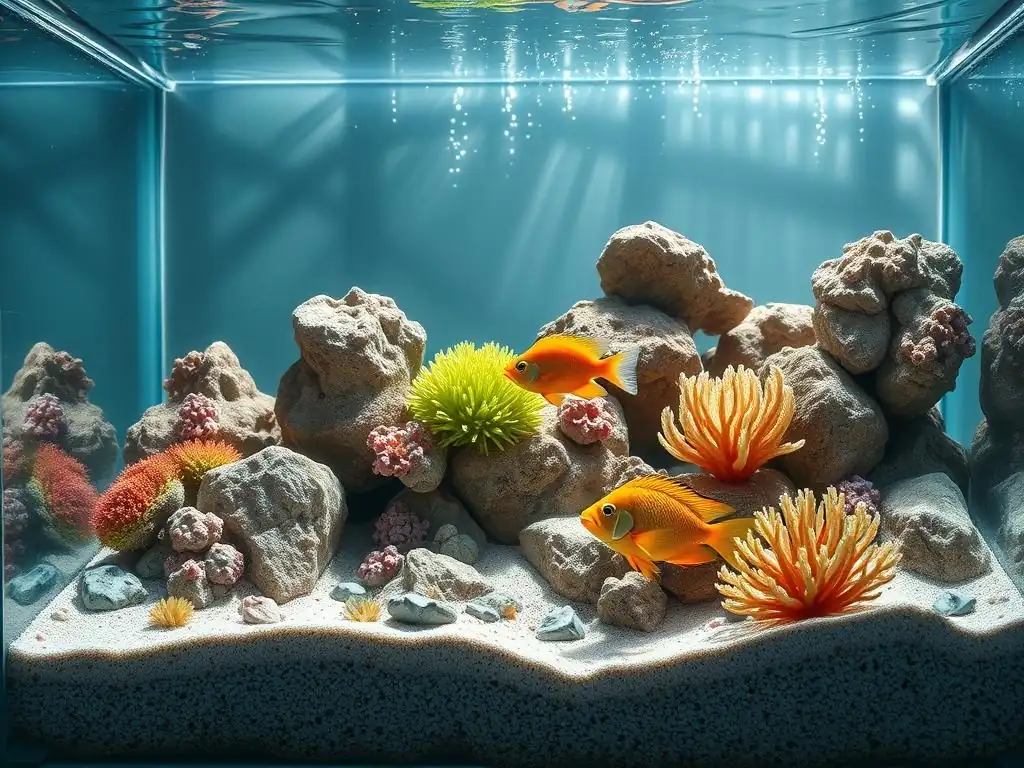
Ever dreamt of a vibrant, miniature ocean teeming with life right in your home? The possibilities are endless, but choosing the right inhabitants for your nano saltwater aquarium is crucial. Dive into our essential guide and unlock the secrets to successful nano saltwater fish selection, ensuring a thriving and captivating underwater world. Ready to discover the perfect small, charismatic fish for your tank? Let's get started!
- Introduction to Nano Reef Aquariums and Nano Saltwater Fish Selection
- Key Considerations for Choosing Nano Saltwater Fish
- Top Nano Saltwater Fish Species for Beginner Reef Keepers
- Setting Up Your Nano Reef for Success: Preparing for Your Fish
- Common Mistakes to Avoid When Choosing Nano Saltwater Fish
- Advanced Nano Reef Fish Keeping: Beyond the Basics
- Conclusion: Creating a Thriving Nano Reef Community with Careful Fish Selection
-
Frequently Asked Questions
- What exactly defines a "nano" saltwater tank and why is fish selection crucial for them?
- What are some of the most popular and recommended fish species for nano saltwater tanks?
- How important is it to consider the temperament of fish when stocking a nano saltwater tank?
- What role does proper filtration and water chemistry play in the success of a nano saltwater tank, especially concerning fish health?
- Besides size and temperament, what other factors should aquarists consider when selecting fish for a nano saltwater tank?
- Final Reflection: The Vibrant Depths of Miniature Worlds
- Dive Deeper: Transform Your Nano Tank Today!
Introduction to Nano Reef Aquariums and Nano Saltwater Fish Selection
Understanding the Appeal of Nano Reef Tanks
Nano reef aquariums, typically ranging from 5 to 30 gallons, have surged in popularity among aquarists. Their appeal lies in their compact footprint, making them ideal for smaller living spaces, and often a lower initial investment compared to larger marine setups. These miniature ecosystems offer a unique challenge and a deeply rewarding experience, allowing enthusiasts to create intricate underwater worlds with a focus on specific, small marine species and delicate coral formations.
The intimate nature of nano tanks allows for an unparalleled appreciation of the subtle beauty and complex behaviors of marine life up close. Aquarists can observe the intricate details of a tiny goby darting between rocks or the delicate polyps of a coral swaying in the current. This focused approach underscores the critical importance of careful nano saltwater fish selection, as every inhabitant plays a significant role in the tank's delicate balance.
The Importance of Careful Nano Saltwater Fish Selection
The process of nano saltwater fish selection is paramount for the long-term success and stability of these small ecosystems. Due to their limited water volume, nano tanks have less buffering capacity against fluctuations in water parameters and accumulation of waste products. A single poor choice, whether it's an overly aggressive fish or one that grows too large, can rapidly destabilize the entire system, leading to stress, disease outbreaks, and potential tank crashes.
Beyond the technical challenges, there is an ethical responsibility to ensure that chosen fish will not only survive but truly thrive in their confined environment. This requires thorough research into each species' adult size, temperament, specific dietary needs, and compatibility with other tank inhabitants, including corals and invertebrates. Diligent nano saltwater fish selection is the cornerstone of a healthy, vibrant, and sustainable nano reef aquarium.
Key Considerations for Choosing Nano Saltwater Fish
Tank Size and Stocking Density: A Critical Factor
When planning your nano reef, tank size dictates the possibilities for nano saltwater fish selection. Tanks typically range from 5 gallons (e.g., a Fluval Spec V) to 20 or 30 gallons (e.g., an Innovative Marine NUVO Fusion 20 or Red Sea Reefer 170). Stocking density is paramount because limited water volume directly impacts waste accumulation and oxygen levels. A general guideline, often cited but highly variable, suggests no more than 1 inch of adult fish per 5 gallons of water for very small, peaceful species; however, quality over quantity is always the rule.
For instance, a 10-gallon nano tank might comfortably house a single small goby or blenny, or perhaps a pair of very diminutive, peaceful fish like a pair of Clown Gobies. A 20-gallon tank offers slightly more flexibility, potentially accommodating 2-3 small, peaceful species, provided their adult sizes and temperaments are compatible. Overstocking is the leading cause of elevated nitrates, increased aggression, and chronic stress, directly undermining the success of any nano saltwater fish selection.
Compatibility with Other Nano Reef Inhabitants (Corals & Invertebrates)
The "reef-safe" designation is a crucial aspect of nano saltwater fish selection. Many fish species are known to nip at or consume corals, sessile invertebrates (like anemones or clam mantles), or even mobile invertebrates (such as snails and shrimp). Common culprits to avoid in mixed reef setups include many angelfish, certain large wrasses, and triggerfish, even if they start small. Their natural diets often include coral polyps or small crustaceans.
Conversely, many gobies, blennies, and cardinalfish are widely considered reef-safe and coexist peacefully with corals and invertebrates. When considering nano saltwater fish selection, always research a species' specific behavior towards corals. For example, while most blennies are excellent algae grazers, some like the Midas Blenny can occasionally nip at corals. Similarly, some larger gobies might attempt to consume small cleaner shrimp, so careful pairing is essential for a harmonious community.
Temperament and Behavior of Potential Nano Fish Species
Even small fish can exhibit significant aggression, especially in the confined quarters of a nano tank. Territoriality is a common issue; species like certain Dottybacks or even some Blennies can stake out a portion of the tank and aggressively defend it against newcomers or other inhabitants. This constant stress can lead to fin nipping, hiding, refusal to eat, and ultimately, weakened immune systems in the bullied fish.
Consider specific examples: an Orchid Dottyback ( Pseudochromis fridmani), while stunning, can be territorial, especially if housed with other purple or similarly shaped fish. It often thrives best as the sole Dottyback in a 15-gallon tank or larger, paired with faster-moving, dissimilar species. In contrast, most Clown Gobies ( Gobiodon okinawae) are generally peaceful, making them a safer choice for multi-species nano setups. Proper nano saltwater fish selection based on temperament prevents constant stress and ensures all inhabitants can thrive.
Water Parameter Stability in Nano Saltwater Tanks
Maintaining stable water parameters is inherently more challenging in nano saltwater tanks due to their small volume. Fluctuations in salinity, temperature, pH, alkalinity, calcium, and magnesium can occur rapidly with evaporation, frequent feeding, or even slightly off-target water changes. For instance, a small amount of evaporation in a 10-gallon tank can significantly increase salinity within a day if not topped off.
To counteract this, daily top-offs with purified RODI (Reverse Osmosis Deionized) water are essential to maintain consistent salinity, ideally automated with an auto top-off (ATO) system. Regular, precise testing of key parameters using reliable test kits (e.g., Salifert, Hanna Instruments) is also critical. Small, frequent water changes, such as 10-20% weekly for a 10-20 gallon tank, are far more effective at diluting waste and replenishing trace elements than larger, infrequent changes. Fish health is inextricably linked to stable parameters, making this a paramount consideration in nano saltwater fish selection.
Diet and Feeding Requirements for Small Saltwater Fish
Understanding the specific dietary needs of your chosen nano saltwater fish selection is vital for their long-term health. Small marine fish exhibit diverse feeding habits: some are primarily herbivores (e.g., many blennies that graze on algae), while others are carnivores (e.g., many gobies that hunt small crustaceans), and some are omnivores. Offering a varied diet is crucial, including high-quality marine flakes, small pellets, and various frozen foods such as mysis shrimp, brine shrimp, and spirulina-enriched preparations.
A significant challenge in nano tanks is avoiding overfeeding, which rapidly degrades water quality. It is far better to feed very small amounts multiple times a day than one large meal. Some popular but challenging nano fish, like the Mandarinfish ( Synchiropus splendidus), have highly specialized diets consisting almost exclusively of live copepods. Unless you have a well-established, mature tank with a thriving copepod population, or are prepared to culture them constantly, such species are generally poor choices for initial nano saltwater fish selection in new or smaller nano setups.
Top Nano Saltwater Fish Species for Beginner Reef Keepers
Gobies: The Undisputed Kings of Nano Reefs
Gobies are arguably the most popular and suitable choice for nano saltwater fish selection. Their small adult size, generally peaceful demeanor, and fascinating behaviors make them ideal inhabitants. Many species are bottom-dwellers, which helps reduce competition for space in the water column and allows for a diverse community.
Their adaptability and wide variety of species mean there's a goby for almost every nano tank setup. Many gobies also form symbiotic relationships with pistol shrimp, creating a captivating display as the shrimp maintains a burrow while the goby stands guard. This unique interaction adds an extra layer of interest to the nano reef environment.
Clown Gobies ( Gobiodon okinawae): Small, Colorful, and Peaceful
Clown Gobies are an excellent choice for nano saltwater fish selection, typically reaching an adult size of just 1.5 to 2 inches. Their vibrant yellow coloration makes them stand out against live rock and corals. They are known for perching on SPS (Small Polyp Stony) corals, such as Acropora or Montipora, which can be a charming sight, though ensure your corals are robust and well-established to prevent any stress from their perching.
These gobies are generally peaceful and have a very small bioload, making them suitable for tanks as small as 5 gallons. They are reef-safe and readily accept a diet of high-quality frozen foods like mysis shrimp and brine shrimp, as well as small marine pellets. While peaceful towards other fish, they can be territorial towards other Clown Gobies in very small tanks, so a single specimen or a well-matched pair in a larger nano tank (10+ gallons) is often recommended.
Yasha Haze Goby ( Stonogobiops yasha): A Striking Nano Reef Addition
The Yasha Haze Goby is a highly sought-after species for nano saltwater fish selection due to its striking appearance and engaging behavior. Reaching up to 2.5 inches, it features a slender body adorned with elegant red and white stripes and a distinctive, elongated dorsal fin ray. This species is famous for its symbiotic relationship with pistol shrimp, such as the Candy Cane Pistol Shrimp ( Alpheus randalli).
To accommodate this partnership, a tank with a sand bed is essential for burrowing. The goby acts as a lookout while the shrimp maintains their shared home. Yasha Haze Gobies are peaceful but can be shy, so a calm tank environment is best. They thrive on a diet of small frozen foods like mysis shrimp and enriched brine shrimp. They are best suited for tanks 10 gallons and larger, where they can establish their burrow system without disturbance.
Yellow Watchman Goby ( Cryptocentrus cinctus): A Functional and Engaging Choice
The Yellow Watchman Goby is a classic and popular choice for nano saltwater fish selection, growing up to 4 inches. It is easily recognizable by its bright yellow body adorned with numerous small brown spots. Like the Yasha Haze Goby, it is well-known for forming a symbiotic relationship with a pistol shrimp (e.g., Tiger Pistol Shrimp, Alpheus bellulus), where the shrimp digs an intricate burrow system and the goby stands guard at the entrance.
This goby requires a sand bed of at least 2-3 inches for burrowing. While generally peaceful with other fish, it can be territorial towards other bottom-dwelling gobies or similar species. Yellow Watchman Gobies are hardy and readily accept a varied diet of frozen mysis shrimp, brine shrimp, and high-quality pellets. They are best suited for tanks 15 gallons or larger, providing enough space for their burrow and territory, and offering a truly engaging display.
Blennies: Algae Grazers and Personality Powerhouses
Blennies are another excellent group for nano saltwater fish selection, celebrated for their distinct personalities and often comical antics. Many species are superb algae grazers, actively contributing to the cleanliness and health of the tank by consuming nuisance algae from rocks and glass surfaces.
These fish are typically benthic, meaning they spend much of their time perching on rocks or within crevices, observing their surroundings with curious eyes. While many blennies are reef-safe, it's crucial to research specific species, as some can be known to nip at corals or clam mantles. Their varied diets and interesting behaviors make them a captivating addition to any nano reef.
Tailspot Blenny ( Ecsenius stigmatura): A Reef-Safe Algae Eater
The Tailspot Blenny is a small, charming species that reaches an adult size of approximately 2.5 inches. Its body is typically a muted tan or brown, highlighted by a distinctive black spot at the base of its tail, which gives it its common name. These blennies are known for their inquisitive nature, often perching on prominent rockwork or peering out from small holes.
Primarily herbivorous, the Tailspot Blenny is an excellent choice for natural algae control in a nano tank, actively grazing on filamentous algae and diatoms. They are very peaceful and pose no threat to corals or invertebrates, making them an ideal nano saltwater fish selection for tanks 10 gallons and larger. They will also accept prepared foods like spirulina flakes and small pellets, ensuring a balanced diet even if natural algae sources are limited.
Two Spot Blenny ( Ecsenius bimaculatus): Hardy and Entertaining
The Two Spot Blenny is another suitable blenny for nano saltwater fish selection, growing to about 2.5 inches. It typically displays a mottled brown or tan coloration with two prominent, dark spots on its sides, usually just behind the pectoral fins. This species is recognized for its curious and active nature, often darting between rockwork and exploring its environment.
This blenny is omnivorous, readily accepting a variety of prepared foods such as frozen mysis shrimp, brine shrimp, and high-quality marine pellets, in addition to grazing on algae. The Two Spot Blenny is generally peaceful, though it can exhibit some territoriality towards similar-looking blennies or other benthic fish in very confined spaces. It is a hardy and entertaining choice for tanks 10 gallons and larger, adding character and movement to the aquascape.
Other Charismatic Nano Fish Options
Beyond gobies and blennies, there are a few other charismatic and suitable species that can thrive in nano reef environments, offering aquarists more options for diversifying their tank's inhabitants. These selections are based on their small adult size, peaceful temperament, and adaptability to the typical conditions found in a well-maintained nano aquarium.
When considering these additional options for nano saltwater fish selection, always prioritize species known for their non-aggressive nature and compatibility with the existing tank inhabitants, including any corals and invertebrates. Researching their specific light requirements and feeding habits is also crucial to ensure they will flourish in your particular setup.
Pajama Cardinalfish ( Sphaeramia nematoptera): A Schooling Fish for Larger Nano Tanks
The Pajama Cardinalfish is a distinctive and appealing choice for nano saltwater fish selection, reaching an adult size of up to 3 inches. It boasts a unique pattern of bright yellow eyes, a broad black band mid-body, and a vibrant red spotted tail. While they can be kept singly, Pajama Cardinalfish truly thrive and display their best behavior when kept in small groups of 3-5 individuals, making them an excellent choice for a schooling display.
These cardinalfish are peaceful, relatively hardy, and primarily nocturnal, though they are often visible during the day once acclimated. They readily accept most prepared foods, including flakes, pellets, and small frozen items like mysis shrimp. For a group of Pajama Cardinalfish, a 20-gallon tank or larger is recommended to provide ample swimming space and reduce potential stress from crowding. Their unique appearance and schooling behavior add a dynamic element to the nano reef.
Orchid Dottyback ( Pseudochromis fridmani): Vibrant Color and Reef Compatibility
The Orchid Dottyback is a truly stunning fish, reaching an adult size of approximately 3 inches, renowned for its brilliant, iridescent purple-magenta coloration. This vibrant hue makes it a standout choice for nano saltwater fish selection, adding a pop of intense color to the aquarium. Orchid Dottybacks are known for being bold and active swimmers, often darting in and out of rockwork.
While strikingly beautiful, Orchid Dottybacks can be territorial, particularly towards other dottybacks or fish with similar body shapes and colors. For this reason, they are best kept singly in a nano tank. They are considered reef-safe, posing no threat to corals or most invertebrates, and readily accept a diet of prepared foods, including flakes, pellets, and frozen mysis shrimp. A 15-gallon tank or larger is generally recommended for a single Orchid Dottyback to provide sufficient territory and reduce aggression.
Setting Up Your Nano Reef for Success: Preparing for Your Fish
Essential Equipment for a Thriving Nano Saltwater Aquarium
Establishing a successful nano reef aquarium hinges on selecting the right essential equipment. Unlike larger tanks where minor equipment deficiencies might be buffered by volume, every component in a nano tank plays a critical role in maintaining stability and supporting life. Key components include the aquarium itself, appropriate lighting, a robust filtration system, a reliable heater, and a powerhead for water circulation.
Beyond these core components, an RODI (Reverse Osmosis Deionized) water unit is almost non-negotiable for producing the pure water necessary for top-offs and water changes, preventing the introduction of unwanted contaminants. Furthermore, a comprehensive set of water test kits (for salinity, temperature, pH, alkalinity, calcium, magnesium, nitrates, and phosphates) is vital for regular monitoring. Investing in quality equipment from the outset minimizes future troubleshooting and significantly enhances the long-term success of your nano saltwater fish selection.
Filtration Systems for Nano Reefs
Effective filtration is paramount for maintaining water quality in nano reefs. Aquarists have several viable options: Hang-on-back (HOB) filters, such as the AquaClear 20 or 30, can provide mechanical and chemical filtration, with space for biological media. Small sumps, if the tank is drilled or an all-in-one (AIO) system with built-in filtration compartments, offer more comprehensive and often more aesthetically pleasing solutions. Regardless of the type, biological filtration, primarily provided by live rock and specialized bio-media, is the backbone of nutrient cycling.
Mechanical filtration, typically achieved with filter floss or filter socks, is crucial for removing particulate matter and detritus, which can rapidly break down and pollute the small water volume. Chemical filtration, often using activated carbon to remove dissolved organic compounds and GFO (Granular Ferric Oxide) to absorb phosphates, helps maintain water clarity and control nuisance algae. A well-designed filtration system is fundamental to supporting a healthy environment for your nano saltwater fish selection.
Lighting Requirements for Coral and Fish Health
The lighting requirements for your nano reef will largely depend on whether you plan to keep corals and, if so, what type. For a fish-only (FO) or fish-only with live rock (FOWLR) nano tank, or one with only very forgiving soft corals (e.g., zoanthids, mushrooms), basic LED lights (such as the Kessil A80 or AI Prime 16HD) can provide sufficient illumination. However, if you intend to keep more demanding LPS (Large Polyp Stony) or SPS (Small Polyp Stony) corals, more powerful, full-spectrum, and controllable LED fixtures are necessary to support their photosynthetic needs.
Beyond coral health, appropriate lighting also influences fish behavior and coloration. A consistent photoperiod, typically 8-10 hours per day, is crucial for the tank's biological rhythms and to prevent excessive algae growth. Too much light can lead to persistent nuisance algae issues, while too little can stress corals and dull fish coloration. Carefully matching your lighting to your planned inhabitants is a key step in successful nano saltwater fish selection and coral husbandry.
Maintaining Stable Water Parameters
Achieving and maintaining stable water parameters is the single most critical factor for success in a nano saltwater tank. Due to the small water volume, parameters such as salinity can fluctuate dramatically with even minor evaporation. Implementing an auto top-off (ATO) system (e.g., Tunze Osmolator Nano, Smart ATO Micro) is highly recommended; these devices automatically replenish evaporated water with purified RODI water, ensuring consistent salinity.
Regular and precise testing of key parameters—including salinity (using a calibrated refractometer), temperature (maintained by a reliable heater), alkalinity, calcium, and magnesium (especially if keeping corals), as well as nitrates and phosphates—is essential. Small, frequent water changes (e.g., 10% of the tank volume weekly) are far more effective than large, infrequent changes at diluting accumulated waste products and replenishing essential trace elements. This meticulous attention to water quality directly dictates the health and longevity of your nano saltwater fish selection.
Acclimation Procedures for New Nano Saltwater Fish
Proper acclimation of new fish is a critical step that cannot be rushed, especially for the delicate inhabitants of a nano reef. Rushed acclimation can cause severe stress due to rapid changes in salinity, temperature, and pH, leading to osmotic shock, a weakened immune system, and increased susceptibility to diseases. The goal is to slowly introduce the fish to the new water parameters, allowing their internal systems to adjust gradually.
The general procedure involves first floating the sealed bag containing the fish in the aquarium for 15-20 minutes to equalize the water temperature. After this, the drip acclimation method is highly recommended over simply floating and netting, as it provides a gentler transition to the new water chemistry. This careful process significantly reduces the physiological stress on new additions to your nano saltwater fish selection.
Drip Acclimation: A Gentle Approach
Drip acclimation is the preferred method for introducing new fish to a nano saltwater tank due to its gradual nature. To perform this, place the new fish and its original water into a clean, appropriately sized container (e.g., a clean bucket). Using a piece of airline tubing and an air valve or simple knot, siphon water from your display tank into the container, allowing it to drip slowly. Aim for a drip rate of approximately 1-2 drops per second.
Continue the drip acclimation until the volume of water in the container has at least doubled, or ideally tripled, which typically takes 45-90 minutes. This slow introduction of tank water gradually adjusts the fish to the new salinity and pH. Once acclimated, carefully net the fish and transfer it to the display tank or quarantine tank, discarding the old water from the shipping bag. This gentle process significantly minimizes stress and reduces the risk of shock for your new nano saltwater fish selection.
Quarantine Tank: Protecting Your Existing Livestock
A dedicated quarantine tank (QT) is perhaps the most crucial, yet often overlooked, component of responsible marine fish keeping. This is a separate, simple setup (e.g., a bare-bottom 10-20 gallon tank with a small HOB filter, heater, and airstone) where all new fish should reside for observation and potential treatment before introduction to the main display tank. A standard quarantine period is 4-6 weeks.
The benefits of a QT are manifold: it allows you to observe new fish for signs of disease (such as Marine Ich, Velvet, or bacterial infections) without risking your established livestock. It provides a controlled environment for treating any ailments, as many common medications (e.g., copper, formalin) are toxic to corals and invertebrates in the main display. Skipping quarantine is a high-risk gamble that can lead to devastating disease outbreaks, negating all the careful effort put into your nano saltwater fish selection and established reef.
Common Mistakes to Avoid When Choosing Nano Saltwater Fish
Overstocking: The Number One Nano Reef Killer
Overstocking is by far the most common and detrimental mistake in nano reef keeping. Placing too many fish, or fish that are too large, into a small water volume inevitably leads to rapid accumulation of waste products (ammonia, nitrite, nitrate), depletion of oxygen, and increased aggression due to limited personal space. For example, trying to house more than 2-3 small gobies in a 10-gallon tank, or adding fish that will grow beyond 3-4 inches, can quickly lead to disaster.
This imbalance invariably results in poor water quality, chronic stress for the fish, and a heightened susceptibility to disease outbreaks, such as marine ich ( Cryptocaryon irritans) or velvet ( Amyloodinium ocellatum). Stressed fish have weakened immune systems and are more likely to succumb to pathogens. Ultimately, overstocking completely undermines any careful nano saltwater fish selection and leads to a high rate of fish loss and a perpetually unhealthy aquarium.
Choosing Incompatible Species
Selecting incompatible species is another critical error that can quickly destabilize a nano reef. Incompatibility can manifest in various ways: direct aggression (e.g., an aggressive dottyback constantly harassing a timid goby), competition for food or territory, or even vastly different environmental or dietary needs that cannot be met simultaneously. For instance, pairing a peaceful, slow-moving fish with a fast, boisterous one can lead to the former being outcompeted for food or perpetually stressed.
Thorough research into each potential species' adult size, temperament, and specific care requirements is essential before making a purchase. Understanding how different species interact and ensuring they can coexist peacefully within the confined space of a nano tank is key. This careful approach to nano saltwater fish selection prevents constant stress, fights, and the eventual loss of inhabitants, ensuring a harmonious and thriving community.
Neglecting Water Quality
Neglecting water quality is a direct path to failure in any aquarium, but particularly in a nano reef. Due to their small water volume, nano tanks are highly susceptible to rapid fluctuations and accumulation of undesirable compounds. High nitrates and phosphates fuel nuisance algae blooms, while unstable salinity, low pH, or elevated ammonia/nitrite levels (especially in new or poorly cycled tanks) severely stress fish and make them highly vulnerable to disease.
Consistent and diligent maintenance is therefore non-negotiable. This includes daily top-offs with RODI water to counteract evaporation and maintain stable salinity, weekly water changes (e.g., 10-20% for a 10-20 gallon tank) to dilute pollutants and replenish trace elements, and regular testing of key water parameters. In a nano tank, even a few days of neglect can lead to a rapid decline in water quality and a subsequent crash of the entire system, rendering your nano saltwater fish selection efforts futile.
Ignoring Quarantine Procedures
Ignoring quarantine procedures is a high-risk gamble that can have devastating consequences for an established nano reef. Many newly acquired fish, even if appearing healthy, can carry parasites (like Cryptocaryon irritans or Amyloodinium ocellatum) or bacterial infections asymptomatically. The stress of capture, shipping, and acclimation can trigger an outbreak, and introducing an infected fish directly into your display tank can quickly spread disease to your existing, healthy livestock, potentially wiping out your entire carefully cultivated ecosystem.
A dedicated quarantine tank (QT) is an invaluable investment. It provides a separate, controlled environment where new fish can be observed for 4-6 weeks, treated if necessary, and allowed to de-stress before joining the main display. While setting up a QT requires a small amount of additional equipment and time, it saves significant heartache, effort, and financial loss in the long run. Proper quarantine is fundamental to protecting your nano saltwater fish selection and maintaining a disease-free aquarium.
Advanced Nano Reef Fish Keeping: Beyond the Basics
Dealing with Common Nano Reef Fish Diseases
Despite best efforts, fish in nano tanks can still be susceptible to diseases, often due to stress from unstable parameters, aggression, or a new, unquarantined introduction. Common ailments include Marine Ich ( Cryptocaryon irritans), a highly contagious parasitic infection causing white spots; Velvet ( Amyloodinium ocellatum), a rapidly fatal parasitic disease; and various bacterial infections presenting as fin rot or lethargy.
Early detection is crucial. Observe your fish daily for changes in behavior, appetite, or physical appearance. Treatment should ideally occur in a separate hospital tank, as many effective medications (e.g., copper-based treatments, formalin) are toxic to corals, invertebrates, and the beneficial bacteria in your main display's biological filter. Proactive measures, particularly a robust quarantine protocol for all new nano saltwater fish selection additions, are the most effective defense against widespread disease outbreaks.
Aquascaping for Nano Reef Fish Behavior
Aquascaping in a nano reef is not merely about aesthetics; it plays a vital role in the well-being and natural behavior of your nano saltwater fish selection. Thoughtful rockwork can create crucial hiding spots, establish distinct territories, and provide adequate swimming spaces, which are all essential in the confined environment of a small tank. For bottom-dwelling gobies, creating small caves and flat, open sand areas for burrowing is important. For blennies, providing numerous perching spots on elevated rocks allows them to survey their surroundings.
A well-designed aquascape can also significantly reduce aggression among tank inhabitants by breaking up lines of sight and preventing dominant fish from constantly harassing weaker ones. Utilizing live rock not only provides excellent biological filtration but also offers natural grazing surfaces for herbivorous fish and a substrate for beneficial microfauna. A functional and appealing aquascape enhances the natural behaviors of your fish, contributing to a healthier and more engaging nano reef ecosystem.
Conclusion: Creating a Thriving Nano Reef Community with Careful Fish Selection
The Rewards of a Well-Planned Nano Reef Aquarium
The journey of creating and maintaining a nano reef aquarium, while demanding careful attention to detail, offers immense rewards. Despite the inherent challenges of managing a small water volume, a meticulously planned and diligently maintained nano tank transforms into a stunning, miniature marine ecosystem. It provides an intimate and captivating window into the vibrant underwater world, allowing aquarists to observe the intricate lives of small, charismatic fish and the delicate beauty of corals up close.
The success of such a system is a testament to the aquarist's dedication, patience, and commitment to proper husbandry practices. The vibrant colors, engaging behaviors, and dynamic interactions within a thriving nano reef are a constant source of joy and satisfaction, proving that even a small space can harbor a complete and breathtaking aquatic environment. This success is directly attributable to careful and informed nano saltwater fish selection.
Resources for Further Learning about Nano Saltwater Fish Selection.
The marine aquarium hobby is constantly evolving, and continuous learning is key to long-term success, especially concerning nano saltwater fish selection. There is a wealth of information available to help aquarists refine their knowledge and skills. Reputable online forums such as Reef2Reef and Nano-Reef.com are invaluable resources, offering extensive discussions, species-specific care guides, and opportunities to learn from experienced hobbyists.
Visiting knowledgeable Local Fish Stores (LFS) can also provide expert advice and insights into suitable species for your specific setup. Furthermore, consulting scientific articles, comprehensive aquarium books, and species profiles from trusted sources ensures you have accurate and up-to-date information on fish compatibility, care requirements, and disease prevention. Staying informed allows aquarists to continuously refine their nano saltwater fish selection strategies, ensuring the health and longevity of their cherished marine inhabitants.
Frequently Asked Questions
What exactly defines a "nano" saltwater tank and why is fish selection crucial for them?
A nano saltwater tank is typically considered any tank under 30 gallons. Fish selection is critical because these tanks have a limited bioload capacity, making it crucial to choose small, hardy species.
What are some of the most popular and recommended fish species for nano saltwater tanks?
Some popular choices include clownfish, gobies, and basslets, provided the specific species remains small and peaceful. Always research the mature size of the fish.
How important is it to consider the temperament of fish when stocking a nano saltwater tank?
Temperament is extremely important in nano tanks. Overcrowding and aggression can quickly lead to stress and disease. Choose fish that are known to be peaceful and compatible.
What role does proper filtration and water chemistry play in the success of a nano saltwater tank, especially concerning fish health?
Proper filtration and stable water chemistry are paramount in nano tanks. Small water volumes are more susceptible to rapid changes in parameters, directly affecting fish health.
Besides size and temperament, what other factors should aquarists consider when selecting fish for a nano saltwater tank?
Consider the fish's dietary needs, lighting requirements, and compatibility with other invertebrates you may have in your tank. Research is key to a successful nano aquarium.
Final Reflection: The Vibrant Depths of Miniature Worlds
The journey into nano saltwater aquariums, as we've explored, is more than just setting up a tank; it's about curating a miniature ecosystem, a vibrant slice of the ocean within our homes. The considerations for nano saltwater fish selection are not merely about aesthetics, but about responsibility, compatibility, and the long-term well-being of these captivating creatures. The choices we make today directly impact the delicate balance of these enclosed environments, underscoring the importance of informed and ethical aquascaping.
This exploration of nano saltwater fish selection has, hopefully, illuminated the profound impact even the smallest creatures can have on our understanding of marine life and our connection to the natural world. The dedication required to maintain a thriving nano aquarium is a testament to our capacity for care and attention to detail, fostering a deeper appreciation for the complexities of marine ecosystems. In one drop of water are found all the secrets of all the oceans.
- Kahlil Gibran. This quote perfectly encapsulates the wonder and responsibility that comes with creating and maintaining these miniature underwater worlds.
As you embark on, or continue, your journey into the world of nano saltwater aquariums, remember that each fish represents a life, a responsibility, and an opportunity to learn and grow. Let the knowledge gained here inspire you to make informed choices, to prioritize the well-being of your aquatic inhabitants, and to contribute to the conservation of our planet's precious marine resources. Consider how you can further educate yourself and others about responsible aquascaping and the importance of protecting our oceans, ensuring that these vibrant miniature worlds continue to thrive for generations to come.
Dive Deeper: Transform Your Nano Tank Today!
Thank you for exploring the world of nano saltwater tanks with us! We hope you've discovered the perfect charismatic fish to bring your miniature reef to life. Now, it's time to take the plunge and create the vibrant ecosystem you've been dreaming of.
Here are a few ways to continue your nano tank journey:
- Start Planning Your Tank's Inhabitants: Identify the top three fish species from this article that best fit your tank's size and your personal preferences. Research their specific care requirements to ensure a happy and healthy environment.
- Share Your Dream Tank: Inspire fellow enthusiasts by describing the unique underwater world you envision for your nano tank in the comments below. What kind of rockwork will you use? What colors will dominate?
- Explore Beyond the Fish: Delve into the fascinating world of nano corals and invertebrates to discover complementary species that will enhance your tank's biodiversity and beauty.
What’s the first captivating creature you're adding to your nano reef, and why did it catch your eye?