
Dragonet Tank Mates: Safe Companions for These Delicate Nano Beauties

Welcome to Aquarium Mastery!
Ever wondered if your vibrant dragonet could thrive alongside other stunning inhabitants in your saltwater aquarium? Unlocking the secrets to successful Dragonet tank mate compatibility is crucial for their well-being. Delve into our comprehensive guide and discover the ideal companions for these delicate nano beauties, ensuring a harmonious and thriving underwater world! Ready to create the perfect community?
- Understanding Dragonet Tank Mate Compatibility
- Ideal Tank Mates for Dragonets in a Reef Aquarium
- Fish to Avoid Keeping with Dragonets
- Creating a Harmonious Tank Environment for Dragonets
- Dragonet-Specific Care Considerations: Addressing Common Challenges
- Examples of Successful Dragonet Community Tanks
- Choosing the Right Dragonet Tank Mates: A Step-by-Step Guide
- Maintaining a Peaceful and Thriving Dragonet Aquarium
- Dragonet Compatibility Chart: A Quick Reference Guide
- Conclusion: Building a Successful Dragonet Aquarium Community
-
Frequently Asked Questions
- What makes choosing Dragonet tank mates so important?
- What are some general guidelines for selecting Dragonet tank mates?
- Are there any specific types of fish that should never be kept with Dragonets?
- What about invertebrates – are there any that are good or bad tank mates for Dragonets?
- Besides fish and invertebrates, what other factors impact Dragonet tank mate compatibility?
- Final Reflection: Harmony in the Reef
- Ignite Your Dragonet Dream Tank!
Understanding Dragonet Tank Mate Compatibility
Why Dragonet Tank Mate Selection is Crucial
The selection of appropriate dragonet tank mates is paramount for the long-term health and survival of these unique and delicate fish. Dragonets, particularly popular species like the Green Mandarin ( Synchiropus splendidus) and the Scooter Blenny ( Synchiropus ocellatus), are known for their specialized diet, primarily consisting of live copepods and other microfauna found in a mature reef aquarium.
They are slow, deliberate feeders, often spending hours meticulously hunting for their next meal across the live rock and sand bed. Introducing fast, aggressive, or overly competitive tank mates can directly lead to starvation, as the dragonet simply cannot acquire enough food before it is consumed by other inhabitants.
Beyond direct food competition, poor dragonet tank mate compatibility can induce significant stress. Dragonets are naturally shy and peaceful, preferring a calm environment where they can forage without harassment. The constant presence of boisterous or territorial fish can prevent them from feeding adequately, force them into hiding, and ultimately weaken their immune system, making them susceptible to disease. Therefore, understanding and prioritizing proper dragonet tank mate selection is not just about coexistence; it's about ensuring the very survival and well-being of these captivating nano beauties within the reef ecosystem.
Dragonet Temperament and Tank Dynamics
Dragonets exhibit a distinct temperament that heavily influences their ideal tank dynamics. They are primarily benthic, meaning they spend the majority of their time on or near the substrate, meticulously sifting sand or picking at live rock for their microscopic prey. Their movements are often described as a graceful, almost hovering glide, a stark contrast to the darting speed of many other reef fish. This slow, deliberate nature, combined with their generally non-aggressive disposition, makes them highly vulnerable to bullying or outcompetition.
The tank dynamics, encompassing water flow, rockwork structure, and the activity level of other inhabitants, play a critical role in a dragonet's ability to thrive. A well-scaped tank with ample live rock provides numerous nooks, crannies, and protected foraging grounds, which are essential for a shy dragonet. High, turbulent flow can make it difficult for them to maintain position and forage effectively.
When considering dragonet tank mates, it's vital to choose species that won't disrupt their peaceful foraging, are not overly active or territorial in the benthic zone, and ideally, occupy different water columns to minimize direct interaction and competition. This careful consideration ensures a harmonious environment where the dragonet feels secure enough to feed and display its natural behaviors.
Ideal Tank Mates for Dragonets in a Reef Aquarium
Peaceful Gobies as Dragonet Companions
Peaceful gobies often make excellent dragonet tank mates due to their generally calm demeanor and, in many cases, their preference for different feeding strategies or tank strata. Species such as the Firefish Goby ( Nemateleotris magnifica), Purple Firefish ( Nemateleotris decora), and Helfrich's Firefish ( Nemateleotris helfrichi) are superb choices. These gobies primarily inhabit the mid-water column, hovering above the rockwork and feeding on suspended planktonic foods, which means they rarely compete with dragonets for benthic copepods. Their peaceful nature ensures they won't harass or stress the more timid dragonet.
Other suitable gobies include certain watchman gobies like the Yellow Watchman Goby ( Cryptocentrus cinctus) or Diamond Watchman Goby ( Valenciennea puellaris). While these gobies are also benthic, sifting sand for food, their dietary needs often differ slightly, and their calm disposition generally allows for peaceful coexistence. For instance, a Diamond Watchman Goby's constant sand sifting might even benefit the tank by aerating the substrate, but ensure the dragonet still has ample undisturbed foraging areas. Always confirm the specific dragonet tank mate compatibility for individual goby species, prioritizing those known for their placid temperament and non-aggressive foraging.
Blennies That Coexist Well with Dragonets
Blennies, particularly the smaller, herbivorous or omnivorous varieties, can also be excellent dragonet tank mates, contributing to a diverse and peaceful community. Species like the Tailspot Blenny ( Ecsenius stigmatura), Lawnmower Blenny ( Salarias fasciatus), and Starry Blenny ( Salarias ramosus) are often recommended. These blennies typically spend their time perched on rocks, grazing on algae or picking at detritus, occupying a different ecological niche than the copepod-hunting dragonets. This difference in primary diet and foraging behavior significantly reduces direct food competition, a critical factor for successful dragonet tank mate compatibility.
It is important to select blennies known for their peaceful nature, as some larger or more territorial blenny species could potentially stress a dragonet. For example, while most Ecsenius blennies are mild-mannered, a few individuals might display territoriality. Generally, blennies that are primarily algae grazers and do not actively hunt for microfauna on the substrate are the safest bet. Their calm movements and preference for perching rather than constantly darting around make them ideal companions, allowing the dragonet to forage unhindered and maintain its delicate balance within the aquarium.
Invertebrates: Safe Shrimp and Snail Choices for Dragonet Tanks
Invertebrates are indispensable in a reef aquarium and many species are perfectly safe and even beneficial dragonet tank mates, acting as part of the clean-up crew without posing a threat or competing for food. Cleaner shrimp species, such as the Skunk Cleaner Shrimp ( Lysmata amboinensis) and Peppermint Shrimp ( Lysmata wurdemanni), are excellent choices. They are non-aggressive, contribute to tank hygiene by consuming detritus and uneaten food, and the cleaner shrimp even offer symbiotic cleaning services to fish, which can be a fascinating interaction to observe.
Various snail species, including Turbo Snails, Nassarius Snails, and Cerith Snails, are also highly compatible. These herbivores and detritivores are essential for algae control and substrate aeration, respectively, and are completely ignored by dragonets. Similarly, small, peaceful hermit crabs like Dwarf Blue Leg Hermit Crabs ( Clibanarius tricolor) and Scarlet Reef Hermit Crabs ( Paguristes cadenati) are beneficial scavengers.
When choosing invertebrates as dragonet tank mates, the key is to avoid any large, predatory crabs or mantis shrimp, which could view a small dragonet as prey. The vast majority of commonly available reef-safe invertebrates integrate seamlessly into a dragonet community, enhancing the tank's biodiversity and maintenance.
Fish to Avoid Keeping with Dragonets
Aggressive Fish That Can Outcompete Dragonets
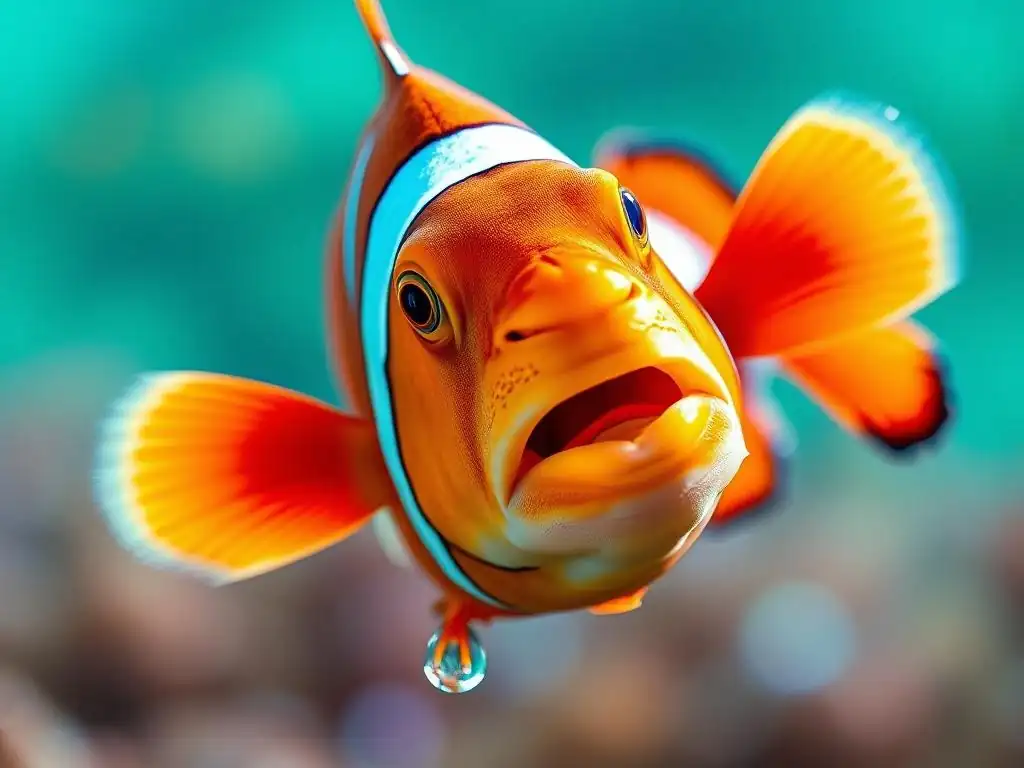
Certain aggressive fish species pose a significant threat to dragonets and should be strictly avoided as tank mates. Damselfish, in particular, are notorious for their territorial and belligerent nature. Species like the Blue Damselfish ( Chrysiptera cyanea) or Yellowtail Damselfish ( Chrysiptera parasema) are fast, highly active, and will often bully or stress slower, shyer fish like dragonets. This constant harassment can prevent the dragonet from feeding, leading to starvation, or force it into hiding, which further exacerbates feeding issues and increases stress. Even seemingly small acts of aggression can have cumulative, detrimental effects on a delicate dragonet.
Similarly, many Dottyback species, while beautiful, can be highly territorial and aggressive, especially in smaller tanks. While some, like the Orchid Dottyback ( Pseudochromis fridmani), are considered among the more peaceful, their assertive nature can still be problematic for a non-confrontational dragonet.
Fast-swimming, boisterous fish that dominate the feeding frenzy, such as many types of wrasses (excluding the very small, peaceful ones like Possum Wrasses, which are still often questionable due to potential copepod competition) or even some larger clownfish if they become particularly dominant, can also outcompete dragonets for food before the dragonet even has a chance to react. Ensuring proper dragonet tank mate compatibility means actively excluding any species known for aggression or hyperactive feeding behavior.
Fish That Prey on Dragonets
Given their small size and slow movements, dragonets can easily become prey for larger, predatory fish. Therefore, any fish species with a mouth large enough to consume a dragonet should be unequivocally avoided as tank mates. This category includes popular but predatory species such as Lionfish (e.g., Pterois volitans), Groupers (e.g., Cephalopholis miniata), and larger Anglerfish or Frogfish (e.g., Antennarius commerson). These fish are ambush predators that will not hesitate to consume any tank mate that fits into their mouth, making them completely incompatible with delicate dragonets.
Even certain larger wrasse species that are not typically considered "predatory" in the same vein as a lionfish, but which grow to a significant size, might pose a risk. For instance, a full-grown Coris Wrasse could potentially view a small dragonet as a snack. The fundamental rule for dragonet tank mate compatibility is to ensure that no potential companion is large enough, or has the predatory instinct, to consume the dragonet. Prioritizing the dragonet's safety from predation is as critical as ensuring it has access to food and a stress-free environment.
Large Fish Incompatible with Nano Reef Tanks
Beyond direct aggression or predation, many large fish are simply incompatible with the typical nano or mid-sized reef tanks where dragonets thrive, making them unsuitable dragonet tank mates regardless of their temperament. Species like Tangs (e.g., Yellow Tang, Zebrasoma flavescens; Blue Tang, Paracanthurus hepatus), large Angelfish (e.g., Emperor Angelfish, Pomacanthus imperator), and many adult Wrasse species require vast swimming spaces that a 30-gallon or even 60-gallon tank simply cannot provide. Keeping such fish in cramped conditions leads to stunted growth, stress, and aggression, often directed at smaller, more vulnerable inhabitants like dragonets.
Furthermore, large fish produce a significantly higher bioload, meaning they generate more waste. In a smaller reef system, this can quickly lead to unstable water parameters, including elevated nitrates and phosphates, which are detrimental to all delicate reef inhabitants, including dragonets.
Their constant activity and sheer size can also physically intimidate or overwhelm a shy dragonet, making it difficult for the dragonet to forage effectively. Therefore, even if a large fish isn't directly aggressive, its environmental requirements and impact on tank dynamics make it an unsuitable choice for maintaining proper dragonet tank mate compatibility in a typical home aquarium setup.
Creating a Harmonious Tank Environment for Dragonets
Tank Size Considerations for Dragonets and Their Companions
The size of the aquarium is a foundational element in creating a harmonious environment for dragonets and their chosen companions, directly impacting dragonet tank mate compatibility. While a single Green Mandarin Dragonet might theoretically survive in a highly mature, well-established 30-gallon tank, a minimum of 50-75 gallons is generally recommended for a thriving dragonet and a few compatible tank mates.
This larger volume provides ample space for the dragonet to forage extensively for its primary food source, copepods, without overly depleting their population. A larger footprint, rather than just height, is particularly beneficial, as it offers more surface area for live rock and sand bed, which are crucial habitats for copepods.
For a community tank featuring a dragonet, a 75-gallon or larger system is often ideal. This increased volume dilutes potential aggression from other fish, provides more hiding spots, and allows for greater diversity of compatible dragonet tank mates. For instance, in a 75-gallon tank, you could comfortably house a dragonet, a pair of Ocellaris Clownfish, a Tailspot Blenny, and various clean-up crew invertebrates, ensuring each species has adequate territory and resources. Adequate space reduces stress for all inhabitants, promoting natural behaviors and significantly improving the chances of long-term success for your dragonet community.
Ensuring Adequate Food Supply for Dragonets and Tank Mates
Ensuring an adequate food supply is perhaps the most critical factor for the long-term survival of dragonets, especially when housed with other fish. Dragonets are highly specialized feeders, relying almost exclusively on a continuous supply of live copepods and other microfauna that naturally proliferate in a mature reef tank. Even the most compatible dragonet tank mates can inadvertently outcompete them if food resources are scarce or if they are faster feeders. To combat this, a robust, mature live rock and sand bed ecosystem (ideally 6+ months established) is essential to cultivate a sustainable copepod population.
Beyond a natural supply, regular supplementation with live copepods is highly recommended, sometimes weekly or bi-weekly depending on tank size and stocking density. Target feeding with frozen foods like enriched Mysis shrimp or finely chopped, vitamin-enriched brine shrimp can also be crucial. Using a turkey baster to deliver food directly to the dragonet's foraging area can help ensure it gets enough, especially when faster fish are present. Monitoring the dragonet's body condition (a plump belly is a good sign) and adjusting feeding strategies accordingly is vital to prevent starvation and maintain the health of all dragonet tank mates.
Maintaining Optimal Water Parameters for Dragonets and Reef Inhabitants
Maintaining consistently optimal water parameters is fundamental for the health and well-being of dragonets and all their reef inhabitants. Stable parameters significantly reduce stress, strengthen immune systems, and create an environment where the delicate biological processes of a reef can thrive. Dragonets, being sensitive fish, are particularly susceptible to fluctuations or poor water quality. Regular testing for parameters such as temperature, salinity, pH, alkalinity, calcium, magnesium, nitrates, and phosphates is essential.
Adhering to a strict maintenance schedule, including regular water changes (e.g., 10-20% every two weeks, or 10% weekly), cleaning the substrate, and ensuring proper filtration (protein skimming, live rock, refugium), helps keep these parameters stable. When the water quality is consistently excellent, all dragonet tank mates, from the smallest copepod to the largest fish, are less prone to disease and more likely to exhibit natural, healthy behaviors. This holistic approach to water quality is a cornerstone of successful dragonet husbandry and overall reef tank health.
Water Parameters: Temperature, Salinity, pH
Specific water parameters are critical for the health of dragonets and their reef ecosystem. For temperature, a stable range of 76-82°F (24-28°C) is generally ideal, with minimal daily fluctuations. Consistent temperature prevents stress and supports metabolic functions for all dragonet tank mates. Salinity should be maintained between 1.023 and 1.026 specific gravity (or 32-35 ppt). This range mimics natural ocean conditions and is crucial for the osmotic regulation of marine fish and invertebrates. Using a reliable refractometer for accurate measurements is highly recommended.
The pH level should consistently remain between 8.1 and 8.4. A stable pH is vital for calcification in corals and invertebrates, and significant swings can be detrimental to fish health. Additionally, alkalinity (dKH 8-12), calcium (400-450 ppm), and magnesium (1250-1350 ppm) are important for coral growth and overall system stability, indirectly benefiting dragonets by supporting a healthy reef environment. Monitoring these parameters weekly and making small, gradual adjustments as needed will ensure a thriving and stress-free habitat for your dragonet and its compatible tank mates.
Dragonet-Specific Care Considerations: Addressing Common Challenges
The Importance of a Mature Reef Tank for Dragonets
The single most critical factor for the long-term success of keeping dragonets, especially popular species like the Green Mandarin, is housing them in a highly mature reef tank. A "mature" tank typically refers to an aquarium that has been established for at least six months, and ideally a year or more, with a thriving population of live rock and a deep sand bed.
This extended period allows for the establishment of a robust and self-sustaining ecosystem, crucial for cultivating the dragonet's primary food source: live copepods and other beneficial microfauna. Without this established micro-ecosystem, a dragonet will quickly starve, even if other food sources are offered.
A mature tank also provides stable biological filtration, minimizing water parameter fluctuations that can stress sensitive dragonets. The extensive surface area of well-cured live rock offers numerous hiding spots, foraging grounds, and surfaces for biofilm growth, which further supports the microfauna. Introducing a dragonet into an immature or "new" tank is one of the most common reasons for their failure to thrive, irrespective of the chosen dragonet tank mates. Prioritizing tank maturity ensures a natural, consistent food supply and a stable environment essential for these delicate creatures.
Preventing Competition for Food: Copepod Populations and Supplementation
Even with the most carefully chosen dragonet tank mates, preventing competition for food remains a significant challenge due to the dragonet's slow and deliberate feeding style. Their primary diet consists of live copepods, which are often quickly consumed by faster, more agile fish. To ensure a continuous supply, maintaining a high density of copepods in the aquarium is paramount.
This involves having a large volume of live rock and a deep sand bed to serve as a natural breeding ground, along with potentially incorporating a refugium connected to the main display tank. A refugium provides a safe, predator-free zone for copepods to multiply, which can then be periodically released into the main tank.
Beyond natural proliferation, regular supplementation with cultured live copepods is often necessary, especially in smaller tanks or those with a higher bioload. Dosing live copepods weekly or bi-weekly helps replenish populations that are being consumed by the dragonet and any other copepod-eating dragonet tank mates. Target feeding with frozen Mysis shrimp or other enriched foods using a turkey baster can also help ensure the dragonet gets enough to eat without being outcompeted. Consistent monitoring of the dragonet's body condition – a full, rounded belly indicates sufficient feeding – is crucial for adjusting supplementation strategies as needed.
Recognizing and Addressing Dragonet Health Issues
Recognizing and promptly addressing dragonet health issues is crucial for their survival, as these delicate fish can quickly succumb to stress or disease. One of the most common issues is starvation, indicated by a sunken belly, lethargy, and faded coloration. If these signs appear, immediate action is required, such as increasing copepod supplementation, target feeding, or even temporarily moving the dragonet to a dedicated feeding tank if competition is severe. Dragonets are also susceptible to common saltwater ich ( Cryptocaryon irritans) and velvet ( Amyloodinium ocellatum), especially when stressed by poor water quality or aggressive dragonet tank mates.
Signs of parasitic infections include white spots (ich), a dusty appearance (velvet), rapid breathing, and scratching against rocks. Due to their scaleless bodies, dragonets are particularly sensitive to many common ich medications containing copper, making treatment challenging and often requiring quarantine in a separate hospital tank with alternative treatments like Chloroquine Phosphate or hyposalinity.
Prevention is always the best approach, which includes strict quarantine protocols for all new fish (including potential dragonet tank mates) and maintaining stable, pristine water parameters to minimize stress and boost immunity. Regular observation of your dragonet's behavior and appearance is key to early detection and successful intervention.
Examples of Successful Dragonet Community Tanks
Case Study 1: Dragonet with Ocellaris Clownfish and Cleaner Shrimp
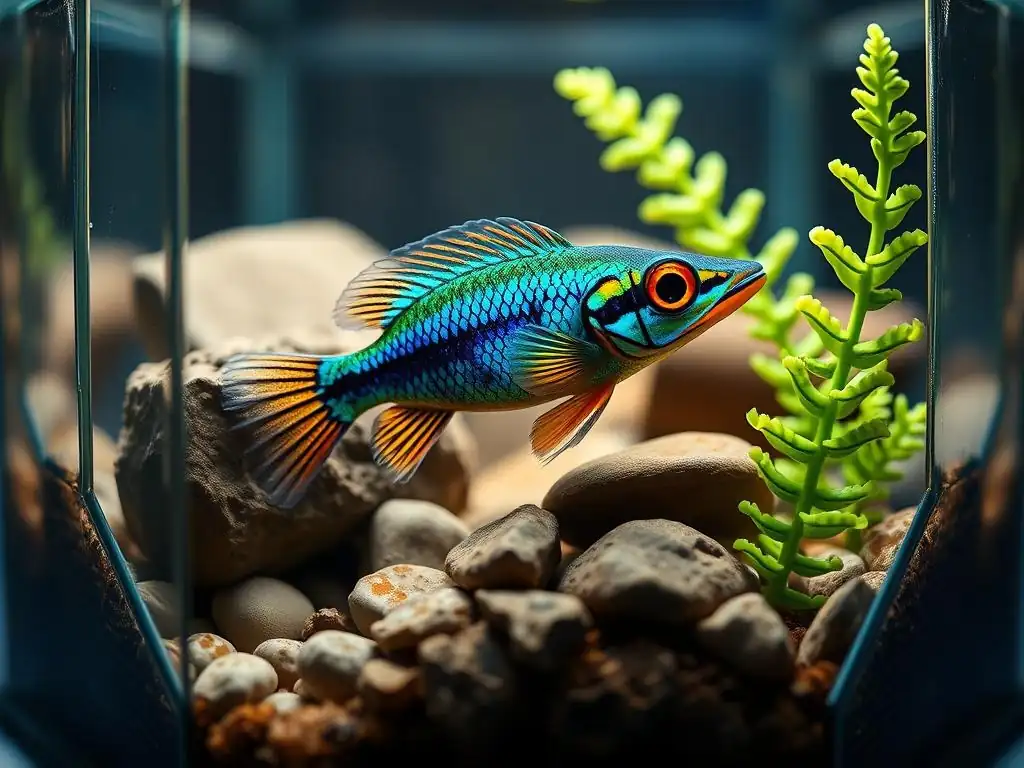
A popular and often successful dragonet community tank setup involves a Green Mandarin Dragonet ( Synchiropus splendidus) coexisting peacefully with a pair of Ocellaris Clownfish ( Amphiprion ocellaris) and a Skunk Cleaner Shrimp ( Lysmata amboinensis) in a 60-gallon reef aquarium. This setup thrives because each species occupies a different niche within the tank. The Ocellaris Clownfish, known for their relatively peaceful nature, typically inhabit the mid-to-upper water column, often hosting in an anemone or a surrogate coral. They readily accept a varied diet of prepared foods, minimizing competition with the benthic-dwelling, copepod-dependent dragonet.
The Skunk Cleaner Shrimp, a beneficial invertebrate, patrols the live rock and sand bed, consuming detritus and uneaten food, and occasionally offering cleaning services to the fish. It poses no threat to the dragonet and does not compete for its specific food source. This careful selection of dragonet tank mates ensures that the Mandarin has ample space and an undisturbed environment to forage for copepods, while the clownfish and shrimp contribute to the tank's biodiversity and cleanliness without stressing or outcompeting the delicate dragonet. Regular copepod supplementation is still advised to maintain a robust food supply.
Case Study 2: Dragonet with Tailspot Blenny and Hermit Crabs
Another excellent example of successful dragonet tank mate compatibility can be found in a 40-gallon breeder reef tank housing a Scooter Blenny ( Synchiropus ocellatus), a Tailspot Blenny ( Ecsenius stigmatura), and a small group of Dwarf Blue Leg Hermit Crabs ( Clibanarius tricolor). This configuration works well due to the distinct dietary preferences and behaviors of each inhabitant. The Scooter Blenny, like its Mandarin cousin, is a benthic microfauna specialist, meticulously hunting for copepods across the substrate.
The Tailspot Blenny, on the other hand, is primarily an herbivore that grazes on algae from the rocks and glass, occasionally picking at small invertebrates. It spends its time perching and darting between crevices, rarely interfering with the Scooter Blenny's foraging activities. The Dwarf Blue Leg Hermit Crabs are diligent scavengers, consuming detritus and algae, further contributing to the tank's cleanliness without competing for the dragonet's specific food source. This arrangement highlights how thoughtful selection of dragonet tank mates based on dietary needs and spatial preferences can create a harmonious and low-stress environment for the delicate dragonet.
Case Study 3: Dragonet with Firefish Goby and Peppermint Shrimp
A 30-gallon nano reef tank, while on the smaller side for a dragonet, can sometimes successfully house a Ruby Red Dragonet ( Synchiropus sycorax) alongside a Firefish Goby ( Nemateleotris magnifica) and a few Peppermint Shrimp ( Lysmata wurdemanni). The Ruby Red Dragonet is a smaller species than the Green Mandarin, making it slightly more suitable for smaller volumes, provided the tank is exceptionally mature and well-stocked with copepods.
The Firefish Goby is an ideal dragonet tank mate because it is extremely peaceful and primarily occupies the mid-water column, feeding on suspended planktonic foods. It rarely ventures to the bottom to compete for benthic microfauna.
The Peppermint Shrimp serve as an excellent clean-up crew, consuming uneaten food and detritus, and are known to sometimes prey on nuisance Aiptasia anemones. They are entirely non-aggressive towards fish and do not compete for the dragonet's food. This specific combination demonstrates that with careful planning, selecting species with non-overlapping niches, and diligent copepod supplementation, a smaller dragonet can thrive. However, continuous monitoring of the Ruby Red Dragonet's condition and ensuring a thriving copepod population is paramount in a tank of this size to maintain successful dragonet tank mate compatibility.
Choosing the Right Dragonet Tank Mates: A Step-by-Step Guide
Assessing Your Dragonet's Personality
Before introducing any new fish, it's crucial to assess the personality and behavior of your existing dragonet. While dragonets are generally shy and peaceful, individual differences can exist. Observe your dragonet's typical behavior: Does it spend most of its time actively foraging, or does it hide frequently?
Is it bold in its movements, or does it retreat at the slightest disturbance? Does it appear plump and well-fed, indicating it's getting enough food without current competition? Understanding these aspects provides valuable insight into how well your dragonet might cope with new additions and helps you refine your dragonet tank mate compatibility choices.
A dragonet that is already timid or appears thin may be under stress or struggling to find enough food, making it a poor candidate for new, potentially competitive tank mates. Conversely, a confident, well-fed dragonet might be more resilient to the introduction of a new, peaceful companion. This initial assessment helps set realistic expectations and informs decisions about the number and type of fish you can safely add, ensuring you prioritize the existing dragonet's well-being above all else.
Researching Potential Tank Mate Compatibility
Thorough research into potential dragonet tank mate compatibility is an indispensable step before making any purchase. Do not rely solely on general compatibility charts; delve deeper into the specific needs and temperaments of each species you are considering. Investigate their adult size, typical aggression levels, preferred tank regions (e.g., benthic, mid-water, pelagic), and, most importantly, their primary dietary requirements. For instance, a fish that is also a copepod specialist, even if peaceful, might directly compete with your dragonet, making it an unsuitable choice.
Utilize reputable sources such as Aquarium Mastery, established forums, and scientific care sheets. Look for information on how the potential tank mate interacts with other peaceful, slow-moving fish. Consider their activity level; a very active fish might stress a dragonet even if it isn't aggressive. By meticulously researching each candidate, you can make informed decisions that significantly increase the likelihood of successful dragonet tank mate compatibility and a harmonious aquarium environment.
Introducing New Fish Gradually
Introducing new fish gradually is a critical step in maintaining a peaceful and stable aquarium, especially when delicate species like dragonets are present. Rushing introductions can stress existing inhabitants and lead to aggression from established fish. The best practice involves a robust quarantine procedure: new fish should be housed in a separate quarantine tank for a minimum of 4-6 weeks. This period allows for observation, deworming, and treatment of any potential diseases (like ich or velvet) before they can be introduced to your main display tank, protecting your dragonet and its current tank mates from illness.
When it's time to move the new fish to the display tank, acclimate them slowly using a drip acclimation method to minimize osmotic shock. Consider turning off the main tank lights for a few hours after introduction to reduce stress and allow the new fish to explore its surroundings without immediate scrutiny from established inhabitants. Observe interactions closely over the following days and weeks. Gradual introduction, coupled with a vigilant quarantine, significantly reduces stress and aggression, paving the way for successful dragonet tank mate compatibility.
Monitoring Interactions and Adjusting as Needed
Once new dragonet tank mates have been introduced, continuous monitoring of their interactions is crucial for maintaining a peaceful and thriving aquarium. Dedicate time daily to observe all fish, paying close attention to signs of aggression, bullying, or stress. Look for chasing, nipping, or any fish being constantly relegated to a corner or hiding spot. For your dragonet, specifically observe its feeding behavior: Is it still actively foraging? Does it appear plump, or is it showing signs of a sunken belly, indicating it's being outcompeted for food?
If any negative interactions or signs of stress are observed, be prepared to adjust as needed. This might involve re-evaluating the compatibility of the new addition, adjusting feeding strategies (e.g., target feeding the dragonet), or, in severe cases, removing the problematic fish. Sometimes, simply rearranging the live rock can disrupt established territories and alleviate minor aggression. Ongoing vigilance and a willingness to intervene are essential for ensuring long-term dragonet tank mate compatibility and the overall well-being of your aquarium community.
Maintaining a Peaceful and Thriving Dragonet Aquarium
Regular Observation and Maintenance
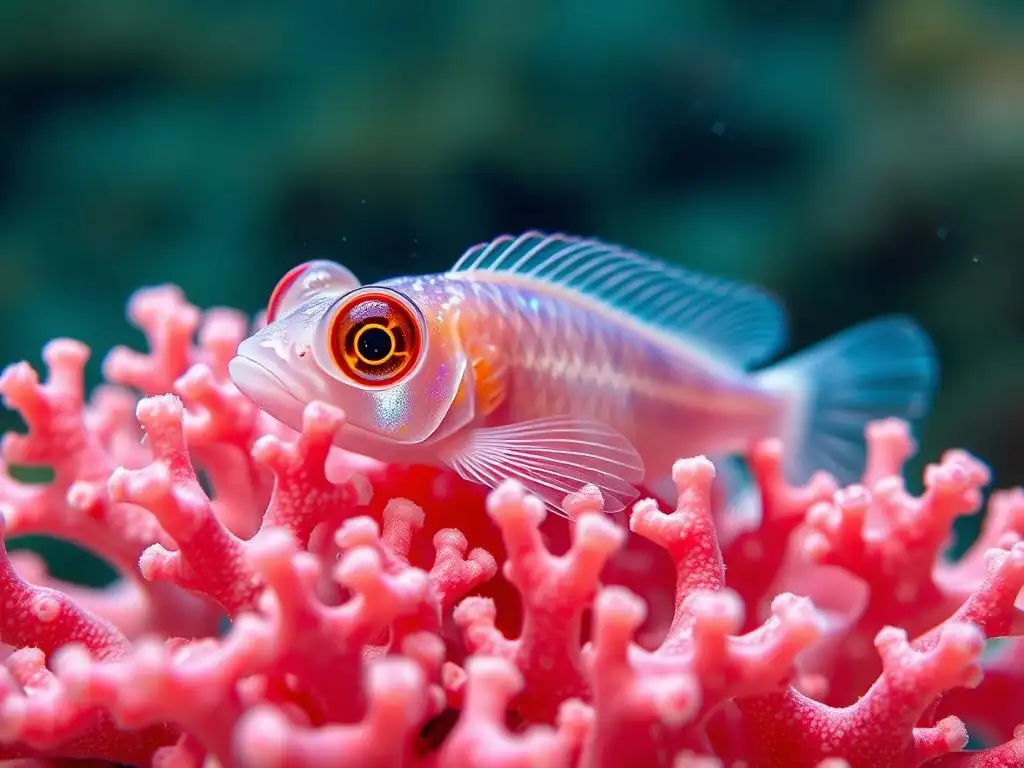
Regular observation and diligent maintenance are the cornerstones of a peaceful and thriving dragonet aquarium. Daily observation of your dragonet and its tank mates allows for early detection of any behavioral changes, signs of stress, or potential health issues. Look for active foraging, healthy coloration, clear fins, and normal breathing in your dragonet. Pay attention to interactions between fish; are there any signs of aggression or outcompetition during feeding? Early detection can prevent minor issues from escalating into major problems.
Beyond daily checks, a consistent maintenance schedule is vital. This includes weekly or bi-weekly water testing for parameters like temperature, salinity, pH, alkalinity, nitrates, and phosphates. Regular water changes (e.g., 10-20% bi-weekly) replenish trace elements and remove accumulated pollutants. Cleaning the glass, siphoning detritus from the sand bed, and inspecting equipment ensure a pristine environment. This meticulous care minimizes stress for all dragonet tank mates, supports a robust copepod population, and significantly contributes to the long-term health and stability of the entire reef system.
Adjusting Feeding Strategies as Needed
Even with a mature tank and compatible dragonet tank mates, it's often necessary to adjust feeding strategies to ensure your dragonet receives adequate nutrition. Dragonets are notoriously slow and deliberate feeders, easily outcompeted by faster fish for prepared foods. If your dragonet appears to be losing weight, has a sunken belly, or is less active, it's a clear sign that its current food intake is insufficient. This often necessitates an increase in the frequency or quantity of live copepod supplementation. Consider dosing live copepods several times a week, especially if you have other copepod-eating fish.
Furthermore, implementing target feeding methods is highly effective. Using a turkey baster or a specialized feeding pipette, directly deliver small amounts of frozen Mysis shrimp (enriched with vitamins) or other suitable foods to the dragonet's foraging area, ideally when other fish are distracted or after the main feeding. This ensures the dragonet gets a portion of food without having to compete. Continuously monitor your dragonet's body condition and adjust the feeding regimen as needed to maintain its health and ensure it thrives alongside its compatible dragonet tank mates.
Preventing and Treating Disease
Preventing disease is paramount in a dragonet aquarium, as these fish are delicate and can be challenging to treat due to their scaleless bodies and sensitivity to many medications. The primary prevention strategy involves rigorous quarantine for all new fish, including potential dragonet tank mates. A dedicated quarantine tank allows you to observe new arrivals for signs of disease, deworm them, and treat any infections (e.g., ich, velvet) before they can spread to your main display tank. A standard quarantine period of 4-6 weeks is highly recommended.
Maintaining stable, pristine water parameters, as discussed earlier, is also a critical preventative measure. Good water quality reduces stress, which in turn strengthens the fish's immune system, making them less susceptible to pathogens. Should a dragonet become ill in the main tank, immediate isolation in a hospital tank is often necessary for treatment, as many common medications are harmful to corals and invertebrates.
Due to their scaleless nature, dragonets are particularly sensitive to copper-based medications; alternative treatments like Chloroquine Phosphate or hyposalinity should be researched and applied carefully. Proactive prevention through quarantine and excellent husbandry is the most effective way to protect your dragonet and its tank mates.
Dragonet Compatibility Chart: A Quick Reference Guide
Compatible and Incompatible Tank Mates
Choosing the right dragonet tank mates is crucial for their survival and well-being. This quick reference guide provides a general overview of compatible and incompatible species. Always research individual species thoroughly.
Highly Compatible Dragonet Tank Mates:
- Peaceful Gobies:
- Firefish Goby ( Nemateleotris magnifica, N. decora, N. helfrichi) – Occupy mid-water, peaceful.
- Yellow Watchman Goby ( Cryptocentrus cinctus) – Mostly sedentary, peaceful benthic.
- Diamond Watchman Goby ( Valenciennea puellaris) – Sand sifter, generally peaceful.
- Peaceful Blennies:
- Tailspot Blenny ( Ecsenius stigmatura) – Algae grazer, peaceful percher.
- Lawnmower Blenny ( Salarias fasciatus) – Primarily herbivorous, peaceful.
- Starry Blenny ( Salarias ramosus) – Algae grazer, peaceful.
- Small, Peaceful Clownfish:
- Ocellaris Clownfish ( Amphiprion ocellaris) – Generally peaceful, mid-water, accepts prepared foods.
- Percula Clownfish ( Amphiprion percula) – Similar to Ocellaris, peaceful.
- Invertebrates (Clean-up Crew):
- Cleaner Shrimp ( Lysmata amboinensis, L. wurdemanni) – Non-aggressive, scavengers.
- Hermit Crabs (Dwarf Blue Leg, Scarlet Reef) – Detritivores, peaceful.
- Snails (Turbo, Nassarius, Cerith) – Algae grazers, detritivores, peaceful.
Incompatible Dragonet Tank Mates (or highly risky):
- Aggressive Fish:
- Damselfish (most species) – Highly territorial, aggressive, fast eaters.
- Dottybacks (many species) – Can be very territorial and aggressive.
- Large or highly aggressive Clownfish – May bully smaller fish.
- Predatory Fish:
- Lionfish, Groupers, Anglerfish/Frogfish – Will consume dragonets.
- Large Wrasses (e.g., Coris Wrasse, unless very specific types and large tank) – Can be predatory or overly active.
- Highly Competitive Feeders:
- Many types of Anthias (unless very large tank with constant feeding) – Too fast for dragonets.
- Some small Wrasses (e.g., Six-Line Wrasse - Pseudocheilinus hexataenia) – Can be aggressive or outcompete for copepods despite their size.
- Large Fish Unsuitable for Nano Tanks:
- Tangs (e.g., Yellow Tang, Blue Tang) – Too large, high bioload, require vast space.
- Large Angelfish – Too large, high bioload, may nip corals, can be aggressive.
- Predatory Invertebrates:
- Mantis Shrimp, large predatory crabs – Will hunt and consume fish.
This chart serves as a general guide. Always assess your specific tank conditions, dragonet's personality, and conduct further research to ensure the best possible dragonet tank mate compatibility.
Conclusion: Building a Successful Dragonet Aquarium Community
Building a successful dragonet aquarium community is a rewarding endeavor that requires careful planning, patience, and a deep understanding of these captivating fish. Dragonets, with their specialized diet and delicate nature, are not suitable for every reef tank. Their reliance on a constant supply of live copepods and their shy, slow-moving demeanor make meticulous dragonet tank mate selection absolutely critical for their long-term survival. Avoiding aggressive, fast-feeding, or predatory species is paramount, as is ensuring ample space and a consistently mature tank environment.
By prioritizing peaceful, non-competitive companions that occupy different niches within the aquarium, such as certain gobies, blennies, and a variety of safe invertebrates, you can create a harmonious ecosystem where your dragonet can thrive. Continuous observation, diligent water parameter maintenance, and proactive feeding strategies are also essential to address their unique challenges. While requiring a dedicated approach, the vibrant colors and unique behaviors of a healthy dragonet make the effort truly worthwhile, culminating in a beautiful and balanced mini-reef teeming with life.
Frequently Asked Questions
What makes choosing Dragonet tank mates so important?
Dragonets are delicate fish with specific dietary needs. Incompatible tank mates can outcompete them for food, leading to starvation and stress. Careful selection is crucial for their survival.
What are some general guidelines for selecting Dragonet tank mates?
Avoid aggressive fish or those that are overly competitive eaters. Opt for peaceful and docile species that won't harass the Dragonet. Consider size; smaller, calmer fish are usually the best bet.
Are there any specific types of fish that should never be kept with Dragonets?
Large, aggressive fish like triggers or puffers are a definite no. Also, avoid fish that are known to compete for copepods, the Dragonet's primary food source, such as certain wrasses. Predatory invertebrates should also be avoided.
What about invertebrates – are there any that are good or bad tank mates for Dragonets?
Many invertebrates are compatible! Shrimp and snails are often good choices, as they won't compete for food. However, avoid invertebrates that might prey on copepods, the Dragonet's food source.
Besides fish and invertebrates, what other factors impact Dragonet tank mate compatibility?
Tank size plays a significant role. Dragonets need a well-established tank with plenty of live rock to support a healthy copepod population. Inadequate tank size can lead to increased competition for resources.
Final Reflection: Harmony in the Reef
The delicate dance of life within a reef aquarium, especially when considering the addition of a Dragonet, demands careful consideration. Understanding Dragonet tank mate compatibility is not merely about avoiding conflict; it's about fostering a thriving ecosystem where each creature can flourish. The choices we make as aquarists directly impact the well-being of these beautiful, yet sensitive, fish and the overall health of the miniature ocean we create.
This pursuit of harmonious coexistence has deeply influenced the aquascaping world. The responsibility we bear in choosing tank mates for Dragonets highlights a broader ethical consideration: our role as stewards of these fragile ecosystems. The ultimate goal of farming isn't the growing of crops, but the cultivation and perfection of human beings.
- Masanobu Fukuoka. This quote, though about farming, resonates deeply with the aquarist's journey, reminding us that our tanks are not just displays, but living, breathing environments that reflect our commitment to ethical and sustainable practices.
Now, as you consider adding a Dragonet to your reef, or even re-evaluating your current setup, I urge you to reflect on the principles of compatibility and balance. Let this knowledge empower you to create not just a visually stunning aquarium, but a haven where every creature, from the smallest copepod to the most vibrant Dragonet, can thrive. Your dedication to responsible aquascaping will not only enrich your own experience, but contribute to the long-term well-being of these captivating creatures.
Ignite Your Dragonet Dream Tank!
Thanks for diving into the world of Dragonets with us! We hope you found some inspiration and gained the confidence to create a stunning, thriving environment for these captivating fish. Now, let's bring that dream to life!
Here's how you can take the next step:
- Start Observing! Spend some time carefully monitoring your current tank (or a prospective one) for existing inhabitants and microfauna populations – crucial for a Dragonet's survival.
- Research Your Local Fish Stores. Visit several stores and talk to aquarists about the best sources of live copepods. Find out if the stores know how to culture copepods or can assist if you don’t have them.
- Share Your Dragonet Inspiration! Post a picture or description of your ideal Dragonet tank setup on social media using #DragonetDreams and inspire others.
Ready to make a splash and create the perfect Dragonet haven? What's the first small step you'll take this week to get started?