
Stype vs. Ltype Rotifers: Which is Critically Right for Your Larvae?

Welcome to Aquarium Mastery!
Ever wondered if you're feeding your baby saltwater fish the absolute best start in life? Dive into our article, " Stype vs. Ltype Rotifers: Which is Critically Right for Your Larvae?" and unlock the secrets to successful fry rearing. Choosing the right rotifer can be the difference between thriving and...well, you'll see. Curious which type will give your precious larvae the edge? Read on to find out!
- Understanding Rotifers for Larval Rearing in Saltwater Aquariums
- Stype Rotifers: A Deep Dive into Small-Strain Rotifer Culture
- Ltype Rotifers: Large-Strain Rotifers for Advanced Larval Development
-
Stype vs. Ltype Rotifers: A Detailed Comparison for Successful Larval Rearing
- Size Comparison: Stype vs. Ltype Rotifers for Optimal Consumption
- Nutritional Value: Which Rotifer Strain Offers the Best Nutrition for your Fish Larvae?
- Culture Stability: Comparing the Ease of Maintaining Stype and Ltype Rotifer Cultures
- Gut Loading: Enhancing the Nutritional Profile of Stype and Ltype Rotifers
-
Choosing the Right Rotifer Strain: Factors to Consider for Your Larvae
- Species-Specific Needs: Selecting the Optimal Rotifer Type for Different Fish Species
- Larval Size and Development Stage: Matching Rotifers to Larval Growth
- Rotifer Density: Achieving the Correct Concentration for Effective Feeding
- Water Quality: Maintaining Ideal Conditions for Rotifer and Larval Health
- Optimizing Rotifer Use for Maximum Larval Survival
- Troubleshooting Common Issues with Rotifers in Larval Rearing
- Conclusion: Mastering Rotifer Selection for Thriving Marine Fish Larvae
-
Frequently Asked Questions
- What are rotifers and why are they important for raising baby fish?
- What is the main difference between S-type and L-type rotifers?
- Which type of rotifer is generally recommended for very small fish fry?
- How can I culture rotifers at home to feed my baby fish?
- Where can I purchase S-type and L-type rotifers to start a culture?
- Final Reflection: Cultivating Life's Building Blocks
- Ignite Your Larval Rearing: Take the Next Step!
Understanding Rotifers for Larval Rearing in Saltwater Aquariums
The Vital Role of Rotifers in Marine Fish Larviculture
Rotifers are microscopic zooplankton that play an absolutely critical role as the initial live food source for the vast majority of marine fish larvae. Their importance stems from a unique combination of small size, slow swimming speed, and high digestibility, making them perfectly suited for the tiny, undeveloped mouths and digestive systems of newly hatched "baby fish." Without an appropriate and readily available food source like rotifers, marine fish larvae often experience catastrophic mortality rates, sometimes exceeding 90% in the first few days post-hatch due to starvation.
Furthermore, rotifers serve as an ideal vehicle for delivering essential nutrients to developing larvae. While their natural nutritional profile may be insufficient, they possess the remarkable ability to rapidly absorb and retain lipids, proteins, and crucial fatty acids—such as DHA (Docosahexaenoic Acid) and EPA (Eicosapentaenoic Acid)—from their diet. This process, known as gut-loading or enrichment, transforms rotifers into a nutritionally complete package, vital for the proper development of larval eyes, nervous system, and overall growth and survival.
Exploring Different Strains of Rotifers for Optimal Larval Growth
The world of rotifers used in aquaculture is primarily dominated by species from the genus Brachionus, with two main strains distinguished by their size: S-type (small) and L-type (large). These size variations are crucial because the mouth gape of newly hatched marine fish larvae can be incredibly small, often less than 100 micrometers, making the selection of the correct rotifer size paramount for successful first feeding. Matching the rotifer size to the larval mouth gape ensures efficient consumption and nutrient uptake, preventing starvation.
The choice between S-type and L-type rotifers, or a combination thereof, depends heavily on the specific marine fish species being reared and the developmental stage of its larvae. For instance, species with exceptionally small larvae, like clownfish or mandarinfish, require the diminutive S-type rotifers for their initial feeding stages, whereas larger larvae or those that have grown for several days might benefit from the more substantial L-type rotifers. Understanding these differences is key to providing the optimal "Rotifers for baby fish" at every stage.
Stype Rotifers: A Deep Dive into Small-Strain Rotifer Culture
Characteristics of Stype Rotifers: Size, Nutrition, and Reproduction
S-type rotifers, typically identified as Brachionus rotundiformis, are characterized by their relatively small size, generally ranging from 90 to 150 micrometers in length. This diminutive stature makes them indispensable for the first-feeding stages of many marine fish species that possess extremely small mouth gapes at hatching. In terms of reproduction, S-type rotifers exhibit a remarkably rapid doubling time, often reproducing within 24 to 48 hours under optimal culture conditions, allowing for the rapid generation of large quantities of feed.
While their size is ideal, the natural nutritional content of S-type rotifers is often insufficient to meet the high demands of developing marine fish larvae, particularly regarding highly unsaturated fatty acids (HUFAs). Therefore, enrichment, or gut-loading, is a non-negotiable step. This involves feeding the rotifers a concentrated diet rich in DHA and EPA for several hours before they are introduced to the larval tanks, transforming them into a nutritionally complete food source for "Rotifers for baby fish" needs.
Advantages of Using Stype Rotifers for First-Feeding Larvae
The primary advantage of S-type rotifers lies in their perfect size match for the initial feeding stage of a vast array of marine fish larvae. Species such as clownfish ( Amphiprion ocellaris), many gobies, and dottybacks (e.g., Pseudochromis fridmani) hatch with mouth gapes often between 70 to 100 micrometers, rendering larger food items impossible to ingest. S-type rotifers ensure that these delicate larvae can begin feeding immediately, drastically improving initial survival rates.
Furthermore, their relatively slow swimming speed makes them easily catchable targets for the undeveloped predatory instincts of newly hatched larvae. This combination of appropriate size and accessibility minimizes energy expenditure for the larvae, allowing them to allocate more resources to growth and development. The ability to culture S-type rotifers at high densities, sometimes exceeding 300 rotifers per milliliter, ensures a consistent and abundant supply of crucial "Rotifers for baby fish" feed.
Culturing Stype Rotifers: A Practical Guide for Aquarium Breeders
Successful S-type rotifer culture hinges on maintaining stable environmental conditions. Ideal parameters include a salinity of 20-30 parts per thousand (ppt), a temperature range of 25-30°C, and a pH between 7.5 and 8.5. For feeding, concentrated live microalgae, such as Nannochloropsis oculata or Tetraselmis chuii, are preferred, or high-quality commercial rotifer feeds can be used, often at a concentration to maintain a light green or brown tint in the culture water.
Cultures are typically maintained in large, aerated containers, with continuous aeration providing oxygen and keeping the rotifers and their food suspended. Daily harvesting and partial water changes are essential to remove waste products and maintain culture health. For instance, a 50% harvest and replenishment with fresh, enriched saltwater and new feed daily can sustain a healthy, productive S-type culture, ensuring a steady supply of "Rotifers for baby fish" for your breeding efforts.
Potential Drawbacks of Stype Rotifers in Larval Rearing
Despite their critical role, S-type rotifers do present certain challenges. Their small size means that as larvae grow, they require an increasingly large number of rotifers to meet their escalating nutritional demands. For example, a single clownfish larva might consume hundreds of S-type rotifers per day in its first week, a number that rapidly increases, demanding immense culture volumes. This can become labor-intensive and resource-intensive for large-scale operations.
Another significant drawback is their inherent nutritional deficiency, particularly in essential fatty acids, if not properly gut-loaded. Without consistent and effective enrichment, larvae fed solely on unenriched S-type rotifers will suffer from poor growth, deformities, and high mortality rates due to nutritional deficiencies. Furthermore, S-type cultures, due to their rapid metabolism and high densities, can crash quickly if environmental conditions fluctuate or contamination occurs, requiring vigilant monitoring and backup cultures.
Ltype Rotifers: Large-Strain Rotifers for Advanced Larval Development
Features of Ltype Rotifers: Growth Rates and Nutritional Profile
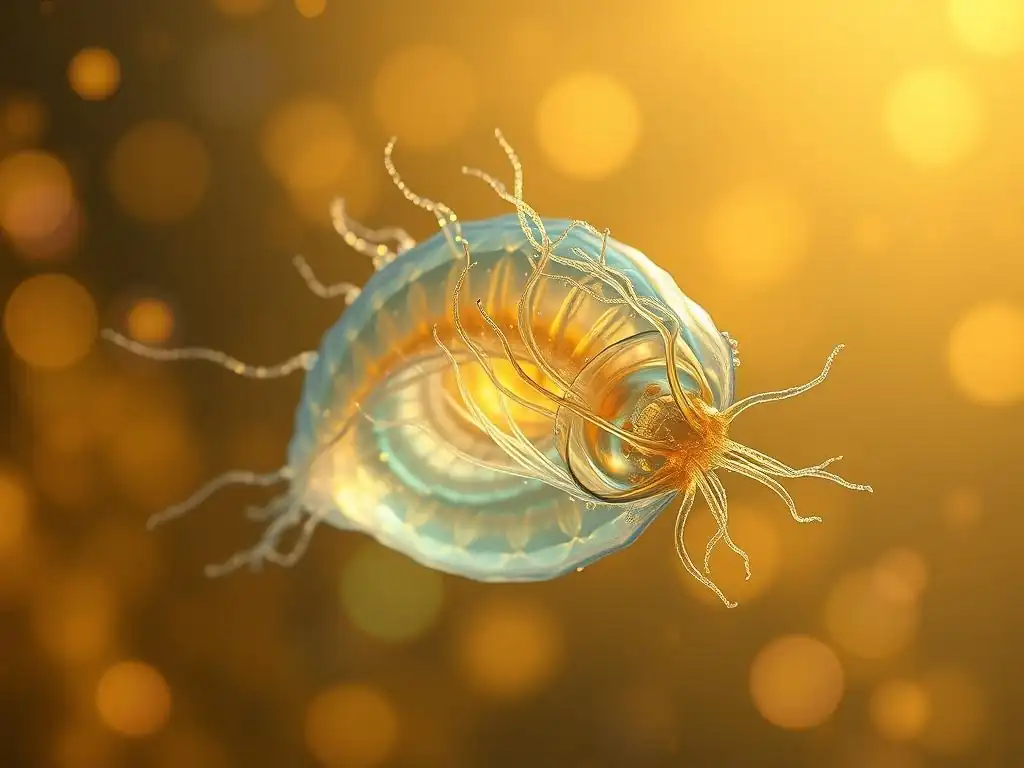
L-type rotifers, primarily Brachionus plicatilis, are the larger counterparts to S-type rotifers, typically measuring between 150 and 300 micrometers in length. Their larger size makes them suitable for marine fish larvae that have developed a slightly larger mouth gape after a few days or for species that hatch with naturally larger mouths. Compared to S-type, L-type rotifers generally exhibit a slower reproduction rate, with doubling times often ranging from 2 to 4 days under optimal conditions, meaning they take longer to build up high densities.
Similar to S-type rotifers, the natural nutritional profile of L-type rotifers is often inadequate for marine fish larvae, particularly concerning essential highly unsaturated fatty acids (HUFAs) like DHA and EPA. Therefore, comprehensive gut-loading with specialized enrichment products is equally vital for L-type rotifers to transform them into a complete and balanced food source for growing "baby fish." This enrichment ensures that the larger biomass of L-type rotifers translates into a greater delivery of critical nutrients.
Benefits of Ltype Rotifers for Older Marine Fish Larvae
L-type rotifers offer distinct advantages once marine fish larvae have grown beyond their initial first-feeding stage. As larvae develop, their mouth gape increases, making it more energetically efficient to consume larger food items. Feeding L-type rotifers to older larvae means they need to consume fewer individual rotifers to meet their caloric and nutritional requirements, reducing the overall feeding effort for the larvae and potentially leading to faster growth rates.
For certain marine fish species that hatch with a comparatively larger mouth gape, L-type rotifers can even serve as the primary first food, bypassing the need for S-type cultures entirely. They also act as an excellent transitional food source, bridging the gap between the initial rotifer diet and larger live feeds such as Artemia nauplii or copepods. This tiered feeding approach ensures a continuous supply of appropriately sized "Rotifers for baby fish" as they mature.
Culturing Ltype Rotifers: Meeting the Demands of Larger Rotifer Cultures
Culturing L-type rotifers follows similar principles to S-type, but often requires larger culture volumes to produce the necessary biomass due to their slower reproduction rate and larger individual size. Optimal culture conditions include a salinity of 25-35 ppt, a temperature range of 20-28°C, and a pH of 7.5-8.5. They are typically fed with concentrated microalgae (e.g., Nannochloropsis, Chlorella) or commercial feeds, often at higher daily feed rates per volume compared to S-type cultures to support their larger size.
Aeration is crucial to keep the rotifers suspended and ensure adequate oxygenation. Regular harvesting, often 25-50% of the culture volume daily, followed by replenishment with fresh saltwater and feed, helps maintain culture health and productivity. While L-type cultures may not reach the same density as S-type (often 50-100 rotifers per milliliter), their larger individual size compensates for this, providing substantial "Rotifers for baby fish" for growing larvae.
Limitations of Ltype Rotifers for Initial Larval Feeding
The primary limitation of L-type rotifers is their size. For the majority of marine fish species, L-type rotifers are simply too large for newly hatched larvae to ingest. Attempting to feed L-type rotifers to first-feeding larvae with small mouth gapes will lead to starvation, as the larvae are physically unable to consume them, despite their presence in the water column. This mismatch can result in complete larval die-offs within a few days post-hatch.
Furthermore, while more robust than S-type in some respects, their slower reproduction rate means that it takes longer to establish and scale up L-type cultures to meet high demand. This can be a challenge for breeders who need a rapid increase in "Rotifers for baby fish" supply. Like S-type, L-type rotifers also require consistent and thorough gut-loading to provide adequate nutrition, adding an extra step to the feeding protocol.
Stype vs. Ltype Rotifers: A Detailed Comparison for Successful Larval Rearing
Size Comparison: Stype vs. Ltype Rotifers for Optimal Consumption
The most significant differentiator between S-type and L-type rotifers is their size, which directly dictates their suitability for different larval stages. S-type rotifers, typically 90-150 µm, are essential for the initial feeding of marine fish larvae that hatch with extremely small mouth gapes, such as clownfish ( ~80-100 µm gape), dottybacks, and many wrasses. These tiny larvae physically cannot ingest anything larger, making S-type the only viable option for preventing starvation.
In contrast, L-type rotifers, ranging from 150-300 µm, are too large for most species' first-feeding stages. They become appropriate as larvae grow and their mouth gape increases, typically after 3-7 days post-hatch, depending on the species. For example, while clownfish transition to L-type after about 5-7 days, some larger-mouthed species like certain groupers might be able to consume smaller L-types sooner, highlighting the need for species-specific research when selecting "Rotifers for baby fish."
Nutritional Value: Which Rotifer Strain Offers the Best Nutrition for your Fish Larvae?
Neither S-type nor L-type rotifers are inherently superior in their natural nutritional profile; both are relatively deficient in essential highly unsaturated fatty acids (HUFAs) like DHA and EPA, which are critical for marine fish larval development. The true nutritional value of either strain comes from the process of gut-loading or enrichment. This involves feeding the rotifers a nutrient-dense diet, such as concentrated microalgae or commercial enrichment products (e.g., Selco, RGComplete), for 6-12 hours before feeding them to larvae.
Through effective gut-loading, the lipid content of rotifers can be boosted from a baseline of 5-10% to over 20%, with a significant increase in DHA and EPA levels. For example, enriched rotifers can contain 30-50 mg/g dry weight of DHA, compared to ~5 mg/g for unenriched ones. Therefore, the choice between S-type and L-type is not about which is naturally more nutritious, but rather which size is appropriate for the larva, and ensuring both are properly enriched to serve as effective "Rotifers for baby fish."
Culture Stability: Comparing the Ease of Maintaining Stype and Ltype Rotifer Cultures
Maintaining stable rotifer cultures, regardless of strain, requires consistent attention, but there are subtle differences in their stability. S-type rotifer cultures, due to their rapid reproduction rates and high densities, can be more prone to sudden crashes if conditions fluctuate even slightly. Overfeeding, under-aeration, or minor temperature swings can quickly lead to a collapse, as their high metabolic activity makes them sensitive to waste accumulation. However, their fast reproduction also means they can recover more quickly if a backup culture is available.
L-type rotifer cultures, while still requiring diligence, are sometimes perceived as slightly more robust due to their slower metabolism and typically lower culture densities. They might not crash as abruptly as S-types, but their slower reproduction also means that recovering from a crash or scaling up production takes more time. Both strains demand meticulous hygiene, consistent feeding, and regular monitoring of parameters to prevent issues and ensure a steady supply of "Rotifers for baby fish."
Gut Loading: Enhancing the Nutritional Profile of Stype and Ltype Rotifers
Gut-loading is an indispensable step for both S-type and L-type rotifers, transforming them from a basic food item into a vital, nutrient-delivery system for marine fish larvae. The process involves feeding the rotifers a concentrated nutritional supplement, typically an emulsion rich in DHA and EPA, for a period of 6 to 12 hours immediately prior to feeding them to the larvae. This allows the rotifers to ingest and store these critical fatty acids within their digestive tracts.
The effectiveness of gut-loading is paramount for larval health. For instance, studies have shown that enriched rotifers can increase the survival rate of certain marine fish larvae by 20-30% compared to unenriched ones, due to the provision of essential nutrients for organ development and energy reserves. Without proper gut-loading, even perfectly sized "Rotifers for baby fish" will fail to provide the necessary building blocks for healthy larval development, leading to deformities, poor growth, and high mortality.
Choosing the Right Rotifer Strain: Factors to Consider for Your Larvae
Species-Specific Needs: Selecting the Optimal Rotifer Type for Different Fish Species
The selection of the appropriate rotifer strain is fundamentally driven by the specific marine fish species you are rearing and, more precisely, the size of its newly hatched larvae. For species like the common clownfish ( Amphiprion ocellaris) or various damselfish, which hatch with exceptionally small mouth gapes (often less than 100 µm), S-type rotifers are the non-negotiable choice for first feeding. Attempting to use L-type rotifers for these species will inevitably lead to starvation.
Conversely, some marine species, such as certain groupers or larger angelfish species, may hatch with slightly larger mouth gapes that can accommodate smaller L-type rotifers from day one, or transition to them much earlier. It is crucial for breeders to research the specific larval gape size and feeding habits of their target species to ensure they are providing the most appropriate "Rotifers for baby fish" from the outset. This foundational decision significantly impacts initial survival rates.
Larval Size and Development Stage: Matching Rotifers to Larval Growth
As marine fish larvae grow, their mouth gape naturally expands, necessitating a transition to larger food items. This makes the larval size and developmental stage a primary factor in choosing rotifers. For most species, the initial 3-7 days post-hatch will require S-type rotifers due to their small size. As the larvae develop and increase in length, often by 1-2 millimeters in the first week, they become capable of ingesting the larger L-type rotifers.
A common strategy involves starting with S-type rotifers and gradually introducing L-type rotifers as the larvae mature, eventually phasing out the S-type altogether. This ensures a continuous supply of appropriately sized food, minimizing the energetic cost of foraging and maximizing nutrient intake. This progressive feeding strategy with different "Rotifers for baby fish" is crucial for supporting the rapid growth phases of marine larvae.
Rotifer Density: Achieving the Correct Concentration for Effective Feeding
Beyond selecting the correct rotifer strain, maintaining the optimal rotifer density in the larval rearing tank is paramount for successful feeding. Too low a density means larvae expend excessive energy foraging and may starve, even if food is technically present. Conversely, too high a density can lead to rapid water quality degradation from uneaten rotifers and their waste products, stressing the delicate larvae and potentially causing culture crashes.
Optimal densities vary significantly by species and larval stage. For many first-feeding marine fish larvae, a density of 5-20 rotifers per milliliter is a common starting point. For example, clownfish larvae often thrive with 10-15 S-type rotifers/mL during their initial feeding days. Regular monitoring of the larval guts for fullness and observing the presence of uneaten rotifers allows breeders to adjust the density, ensuring an efficient supply of "Rotifers for baby fish" without compromising water quality.
Water Quality: Maintaining Ideal Conditions for Rotifer and Larval Health
The success of rotifer culture and subsequent larval rearing is inextricably linked to maintaining pristine water quality for both the rotifers and the larvae themselves. For rotifer cultures, stable salinity (e.g., 25-30 ppt), temperature ( 25-30°C), and pH ( 7.5-8.5) are critical. Fluctuations in these parameters, or the accumulation of ammonia and nitrite from waste products, can lead to rapid rotifer culture crashes, jeopardizing the entire larval rearing effort.
Similarly, in larval rearing tanks, strict water quality control is vital. Elevated ammonia, nitrite, or nitrate levels, often caused by overfeeding or insufficient water changes, can quickly become toxic to delicate larvae. Daily partial water changes (e.g., 20-30% of tank volume) with clean, aged, and temperature-matched saltwater are often necessary. Clean water ensures that the "Rotifers for baby fish" remain viable and that the larvae are not stressed, allowing them to focus their energy on growth and development.
Optimizing Rotifer Use for Maximum Larval Survival
Gradual Introduction: Acclimating Larvae to Rotifer Feed
Introducing rotifers to newly hatched larvae requires a careful, gradual approach to ensure successful first feeding and prevent overwhelming the delicate larval environment. Rather than dumping a large quantity of rotifers into the larval tank immediately after hatching, it is often beneficial to introduce a moderate density of S-type rotifers ( 5-10 rotifers/mL) as soon as the larvae become free-swimming. This ensures that food is present when the larvae's feeding instincts begin to activate.
Over the next 12-24 hours, the density can be slowly increased to the target optimal level (e.g., 15-20 rotifers/mL for clownfish). This gradual acclimation allows the larvae to adjust to the presence of food and begin foraging without the stress of an overly dense food cloud that could rapidly deplete oxygen or foul the water. This careful initial phase sets the stage for efficient consumption of "Rotifers for baby fish."
Monitoring Larval Feeding: Observing Consumption and Adjusting Rotifer Density
Consistent monitoring of larval feeding behavior and gut fullness is crucial for optimizing rotifer delivery. Using a magnifying glass or a low-power microscope, observe a sample of larvae to check if their guts are full. A well-fed larva will typically have a visible, opaque gut. If guts appear empty, it may indicate insufficient rotifer density or that the "Rotifers for baby fish" are too large or small for the larvae.
Conversely, if a significant number of rotifers are observed accumulating on the bottom of the larval tank or dying without being consumed, it suggests that the density is too high, leading to wasted rotifers and potential water quality issues. Adjusting the rotifer density based on real-time larval consumption patterns ensures efficient feeding, minimizes waste, and maintains a healthy environment for both the rotifers and the developing larvae.
Combining Stype and Ltype Rotifers: A Multi-Stage Feeding Strategy
For many marine fish species, a multi-stage feeding strategy involving both S-type and L-type rotifers is the most effective approach to support continuous larval growth. This strategy typically begins with S-type rotifers for the first 3-7 days, catering to the larvae's initial, tiny mouth gape. As the larvae grow and their mouth gape increases, L-type rotifers are gradually introduced, often starting around day 5-7.
This transition can involve feeding a mixture of both S-type and L-type rotifers for several days, allowing larvae to acclimate to the larger food size while still having smaller options available. Eventually, the S-type rotifers can be phased out as the larvae become proficient at consuming L-types, which then serve as a bridge to even larger live feeds like Artemia nauplii. This ensures a consistent supply of appropriately sized "Rotifers for baby fish" throughout critical developmental stages.
Preventing Rotifer Crashes: Maintaining Stable Rotifer Cultures
The continuous supply of rotifers is the lifeblood of marine larval rearing, making the prevention of rotifer culture crashes paramount. Regular maintenance is key: this includes daily or bi-daily partial harvests (e.g., 30-50% of culture volume) followed by replenishment with fresh, clean saltwater and appropriate feed. This practice removes waste products, maintains optimal density, and provides fresh nutrients for the culture.
Consistent aeration, stable temperature ( 25-30°C for S-type), and proper pH ( 7.5-8.5) are also vital. Overfeeding or underfeeding can both lead to crashes; maintaining a light green or brown tint from the algae/feed is often a visual cue for optimal feeding. Furthermore, maintaining backup cultures in separate containers is a highly recommended safeguard. If a primary culture crashes, these backups ensure a continuous supply of "Rotifers for baby fish" and prevent a catastrophic loss of larvae.
Troubleshooting Common Issues with Rotifers in Larval Rearing
Rotifer Culture Crashes: Identifying and Preventing Problems
Rotifer culture crashes are a common and disheartening issue for marine breeders, often leading to immediate larval starvation. Symptoms include a sudden drop in rotifer density, cloudy water, a foul smell, or a shift in the culture's color. Common causes include overfeeding, which leads to bacterial blooms and oxygen depletion; underfeeding, causing rotifers to starve; contamination by ciliates or other protozoa that outcompete or prey on rotifers; extreme temperature fluctuations (e.g., a drop from 28°C to 20°C can decimate a culture); and insufficient aeration.
Prevention relies on meticulous husbandry: consistent feeding schedules based on visual assessment of culture density, regular partial water changes to remove waste, proper sterilization of culture vessels, and maintaining stable environmental parameters. Daily observation for any signs of distress or contamination allows for early intervention. Having multiple, smaller backup cultures is the best defense against a single, catastrophic crash of "Rotifers for baby fish."
Poor Larval Growth: Addressing Nutritional Deficiencies
If marine fish larvae are alive but exhibiting poor growth, deformities, or show a general lack of vigor despite adequate rotifer density, the primary culprit is often nutritional deficiency in the rotifers themselves. This typically stems from insufficient or improper gut-loading. Unenriched rotifers lack the essential highly unsaturated fatty acids (HUFAs) like DHA and EPA, which are critical for larval development, particularly of the nervous system and eyes.
To address this, breeders must re-evaluate their gut-loading protocol. Ensure that the enrichment product is fresh, properly stored, and administered for the recommended duration (e.g., 6-12 hours) before feeding rotifers to larvae. Increasing the concentration of the enrichment product, or switching to a higher-quality one, can also improve the nutritional profile. Additionally, confirm that the "Rotifers for baby fish" are of the correct size; if they are too large or too small, larvae may not be able to consume enough for proper nutrition.
Water Quality Issues: Maintaining a Healthy Environment for Larvae and Rotifers
Poor water quality in larval rearing tanks is a frequent cause of stress, disease, and mortality in marine fish larvae, often exacerbated by rotifer feeding. Excess rotifers that die, uneaten food, and larval waste products rapidly degrade water quality, leading to spikes in ammonia, nitrite, and nitrate. Symptoms in larvae include lethargy, gasping at the surface, clamped fins, and eventually death.
To maintain a healthy environment, daily partial water changes are essential, typically 20-30% of the tank volume, using clean, aged, and temperature-matched saltwater. Gentle aeration or a small sponge filter can help keep water circulating and oxygenated, but strong currents should be avoided. Careful monitoring of rotifer density is also crucial to prevent overfeeding and subsequent water fouling. A clean, stable environment ensures the "Rotifers for baby fish" remain viable and the larvae can thrive.
Conclusion: Mastering Rotifer Selection for Thriving Marine Fish Larvae
Mastering the use of rotifers is undeniably one of the most critical factors in the successful rearing of marine fish larvae. The distinction between S-type and L-type rotifers is not merely academic; it is a fundamental consideration that directly impacts the survival and health of your "baby fish." Understanding the specific size requirements of different larval stages and species, and consequently selecting the appropriate rotifer strain, is the first step towards success.
Beyond selection, consistent and thorough gut-loading of rotifers is paramount to ensure they deliver the essential nutrients vital for robust larval development. Equally important is the meticulous maintenance of stable and clean rotifer cultures, as well as pristine water quality in the larval rearing tanks. By diligently applying these principles—matching rotifer size, enriching their nutritional content, and maintaining optimal culture conditions—aquarium breeders can significantly increase the survival rates and overall success of their marine fish breeding endeavors, ensuring a thriving next generation.
Frequently Asked Questions
What are rotifers and why are they important for raising baby fish?
Rotifers are tiny aquatic invertebrates that serve as an essential first food source for many newly hatched fish larvae. They are small enough for the fry to consume and provide the necessary nutrients for early growth.
What is the main difference between S-type and L-type rotifers?
The primary difference lies in their size. S-type rotifers are significantly smaller than L-type rotifers, making them suitable for even the smallest fish larvae. L-type are larger and better for larger larvae.
Which type of rotifer is generally recommended for very small fish fry?
S-type rotifers are generally recommended for very small fish fry. Their smaller size allows the fry to easily ingest them, ensuring they receive adequate nutrition during their critical first days.
How can I culture rotifers at home to feed my baby fish?
Rotifers can be cultured at home using a simple setup including a container, an airstone, and a food source like greenwater (algae) or commercial rotifer feed. Maintaining stable water parameters is crucial for successful rotifer cultures.
Where can I purchase S-type and L-type rotifers to start a culture?
You can purchase starter cultures of both S-type and L-type rotifers from aquarium supply stores, online retailers, and specialized aquaculture suppliers. Ensure the cultures are healthy and from a reputable source.
Final Reflection: Cultivating Life's Building Blocks
The exploration of rotifer strains and their impact on larval fish development transcends mere scientific inquiry; it's a vital component in ensuring the sustainability and success of aquaculture practices today. Understanding the nuances between S-type and L-type rotifers is not just about optimizing feeding strategies, but about fostering the very foundations of life in our aquatic ecosystems and the food security they provide.
This journey into the microscopic world of rotifers has profoundly underscored the interconnectedness of life. It's a reminder that even the smallest organisms play a crucial role in the grand tapestry of nature, and our understanding of them directly impacts our ability to nurture and sustain life. The care of one life is the care of all.
This quote, though often applied to human compassion, resonates deeply with the responsibility we hold in cultivating the health and vitality of these foundational creatures.
Now, as you consider the implications of these findings, I invite you to reflect on your own role in fostering life, whether in your professional endeavors or personal pursuits. How can you apply this newfound knowledge to cultivate a more sustainable and thriving future for our aquatic ecosystems? Let the lessons learned here inspire you to seek deeper understanding, to embrace innovation, and to champion the well-being of all creatures, great and small.
Ignite Your Larval Rearing: Take the Next Step!
Thank you for diving deep into the world of rotifers! We hope this article has illuminated the subtle, yet crucial, differences between S-type and L-type rotifers, empowering you to optimize your larval rearing efforts. Now, it's time to put that knowledge into action.
Here's how you can further refine your approach:
- Prioritize: Precisely match your rotifer size to your larvae's gape size. This is the golden rule for maximizing survival and growth.
- Explore: Conduct a small-scale feeding trial with both S-type and L-type rotifers, observing larval feeding behavior and growth rates to fine-tune your feeding strategy.
- Share: Discuss your experiences and challenges with rotifer selection in online aquarium communities. Your insights could help fellow aquarists!
What specific methods are you planning to implement right away to ensure your larvae are getting the perfect rotifer size?