
Copepod Power: Culturing & Utilizing These Larval Superfoods Effectively

Welcome to Aquarium Mastery!
Dive in and unlock the secrets to a thriving aquarium ecosystem! Curious about freshwater copepods and their crucial role, even in saltwater setups? You're in the right place. Discover how culturing these tiny organisms can supercharge your larval fish's growth and health. Let's explore the fascinating world of copepod culture and its benefits for your aquatic companions.
- Rotifer Revolution: Culturing & Utilizing These Microfoods Effectively
- Introduction to Rotifers in Saltwater Aquariums: A Larval Rearing Staple
-
Saltwater Rotifer Tank Culture: A Step-by-Step Guide for Aquarists
- Setting Up Your Saltwater Rotifer Culture Tank: Essential Equipment
- Choosing the Right Rotifer Species for Culture: Brachionus plicatilis
- Preparing the Culture Medium: Water Parameters and Salinity
- Feeding Your Rotifer Culture: Optimal Food Sources for Growth
- Maintaining Water Quality in Your Rotifer Culture: Preventing Crashes
- Harvesting Rotifers from Your Culture: Efficient Techniques
- Utilizing Rotifers for Larval Rearing: Feeding Strategies
- Troubleshooting Common Rotifer Culture Issues
- Beyond Larval Rearing: Other Benefits of Rotifers in Saltwater Aquariums
- Advanced Rotifer Culture Techniques for Serious Breeders
- Conclusion: Mastering Rotifer Culture for Aquarium Success
-
Frequently Asked Questions
- How do copepods benefit a freshwater aquarium?
- What are the key requirements for a successful freshwater copepod tank culture?
- What types of containers are best suited for culturing freshwater copepods?
- What do freshwater copepods eat, and how often should they be fed?
- How can I introduce freshwater copepods into my aquarium from the culture?
- Final Reflection: Harnessing the Potential of Copepod Culture
- Unleash Copepod Potential!
Rotifer Revolution: Culturing & Utilizing These Microfoods Effectively
Introduction to Rotifers in Saltwater Aquariums: A Larval Rearing Staple
Why Rotifers are Essential for Marine Fish Larvae
For successful marine fish breeding, providing appropriately sized and nutritious live food to newly hatched larvae is paramount. Marine fish larvae are often incredibly small, with mouthparts measuring as little as 50-100 microns, making most commercially available dry foods unsuitable for their first feeding. Rotifers, particularly the species Brachionus plicatilis, are indispensable due to their diminutive size, typically ranging from 100 to 300 microns, and their relatively slow, jerky swimming motion, which makes them easily catchable targets for even the most delicate fry. Their soft bodies are also highly digestible, minimizing digestive stress on the developing larval gut.
Beyond their physical characteristics, rotifers serve as a crucial vehicle for delivering essential nutrients directly to the larvae. Unlike inert foods, live rotifers can be bioencapsulated, meaning they can be "gut-loaded" with vital compounds like highly unsaturated fatty acids (HUFA) such as Docosahexaenoic Acid (DHA) and Eicosapentaenoic Acid (EPA).
These fatty acids are critical for the proper development of larval fish, influencing everything from visual acuity and nervous system formation to overall growth rates and survival. For many species, including popular aquarium fish like clownfish ( Amphiprion ocellaris) and various gobies, rotifers are often the only viable first food, significantly impacting survival rates from less than 5% to over 80% in controlled breeding programs.
Understanding the Nutritional Value of Rotifers for Marine Fish Fry
The intrinsic nutritional profile of rotifers is commendable, with their dry weight typically comprising 40-50% protein and 10-20% lipids. This foundational composition provides the necessary building blocks for rapid larval growth. However, their true value as a larval superfood lies in their remarkable ability to absorb and retain nutrients from their diet, a process known as bioencapsulation or enrichment. This makes them a living delivery system for complex nutritional requirements that would otherwise be difficult to provide to microscopic larvae.
Through a targeted enrichment process, aquarists can significantly boost the rotifers' content of crucial HUFAs, particularly DHA and EPA, which are often deficient in the natural diet of many captive-bred marine species. For instance, studies on species like the Yellow Tang ( Zebrasoma flavescens) have shown that larvae fed DHA-enriched rotifers exhibit significantly higher survival rates and reduced rates of deformities, such as jaw abnormalities or spinal curvature, compared to those fed unenriched rotifers.
This direct nutritional transfer ensures that the developing fry receive the precise fatty acid ratios necessary for robust immune function, pigment development, and overall physiological health during their most vulnerable life stage.
Saltwater Rotifer Tank Culture: A Step-by-Step Guide for Aquarists
Setting Up Your Saltwater Rotifer Culture Tank: Essential Equipment
Establishing a thriving saltwater rotifer culture begins with selecting the right equipment to provide a stable and conducive environment. A simple setup typically involves clear plastic or glass containers ranging from 5 to 20 gallons, such as dedicated buckets or small aquariums, which allow for easy observation.
Paramount to their survival and reproduction is robust aeration; a strong air pump connected to an air stone placed near the bottom of the culture vessel ensures constant oxygenation and keeps the rotifers and their food suspended, preventing anaerobic conditions that can lead to crashes. Additionally, maintaining a stable temperature is crucial for optimal reproduction, with a submersible heater set to 75-80°F (24-27°C) being ideal for most Brachionus plicatilis strains.
Further essential tools include a reliable thermometer to monitor temperature fluctuations and a refractometer for precise salinity measurements, as consistency in these parameters directly impacts rotifer health. While ambient room light is often sufficient, a low-wattage LED light can be beneficial if you plan to co-culture with live algae.
For harvesting, a fine mesh sieve (typically 50-70 microns) is indispensable, allowing you to separate rotifers from the culture water efficiently. Finally, a dedicated source of clean, de-chlorinated water, ideally RO/DI water mixed with a high-quality marine salt, is necessary for preparing the culture medium and performing water changes, ensuring no harmful contaminants are introduced.
Choosing the Right Rotifer Species for Culture: Brachionus plicatilis
When it comes to marine rotifer culture for aquaculture purposes, Brachionus plicatilis stands as the undisputed industry standard. This species is favored for its rapid reproductive rate, broad tolerance to varying salinity and temperature conditions, and its relatively straightforward culture requirements, making it accessible even for hobbyist breeders.
Within Brachionus plicatilis, two primary morphotypes are commonly cultured: the L-type (large type), which typically measures between 180-300 microns, and the S-type (small type), ranging from 100-180 microns. The S-type is often preferred for first-feeding larvae of very small-mouthed fish species, such as mandarinfish, due to its more diminutive size, while the L-type suits slightly larger larvae or later feeding stages.
Under optimal conditions, including stable temperatures around 25°C and a consistent supply of nutritious food, Brachionus plicatilis populations can exhibit impressive doubling times, often less than 24 hours. Their life cycle predominantly involves asexual reproduction (parthenogenesis), where females produce diploid eggs that hatch into more females, ensuring a continuous and rapid increase in population density. Sexual reproduction, which results in dormant resting eggs, typically occurs under stressful conditions, such as overcrowding or food limitation. Therefore, maintaining stable, ideal conditions is key to promoting constant asexual reproduction and a reliable supply of rotifers for your larval rearing needs.
Preparing the Culture Medium: Water Parameters and Salinity
The foundation of a successful rotifer culture is the preparation of clean, appropriately conditioned saltwater. It is imperative to use water that is free from contaminants such as chlorine, chloramines, heavy metals, and other pollutants commonly found in tap water. Reverse Osmosis/Deionized (RO/DI) water is highly recommended as a base, which should then be mixed with a high-quality marine salt mix specifically designed for reef aquariums.
The target salinity for most Brachionus plicatilis cultures ranges from 1.018 to 1.025 specific gravity (25-34 parts per thousand, ppt), which closely mimics natural marine environments and aligns with the rotifers' optimal physiological range. Consistency in salinity is crucial, as sudden or significant fluctuations can stress the culture and lead to crashes.
Beyond salinity, maintaining stable pH and alkalinity levels is vital for rotifer health and the overall stability of the culture medium. An ideal pH range for Brachionus plicatilis is typically between 7.8 and 8.2, while alkalinity should be maintained between 8-12 dKH (degrees of carbonate hardness).
Proper aeration not only suspends the rotifers but also ensures adequate dissolved oxygen levels, ideally above 6 mg/L, as rotifers are aerobic organisms and require sufficient oxygen for metabolic processes. Regular monitoring of these parameters using reliable test kits and a refractometer allows for prompt adjustments, contributing to a robust and productive rotifer population that is less susceptible to environmental stressors.
Feeding Your Rotifer Culture: Optimal Food Sources for Growth
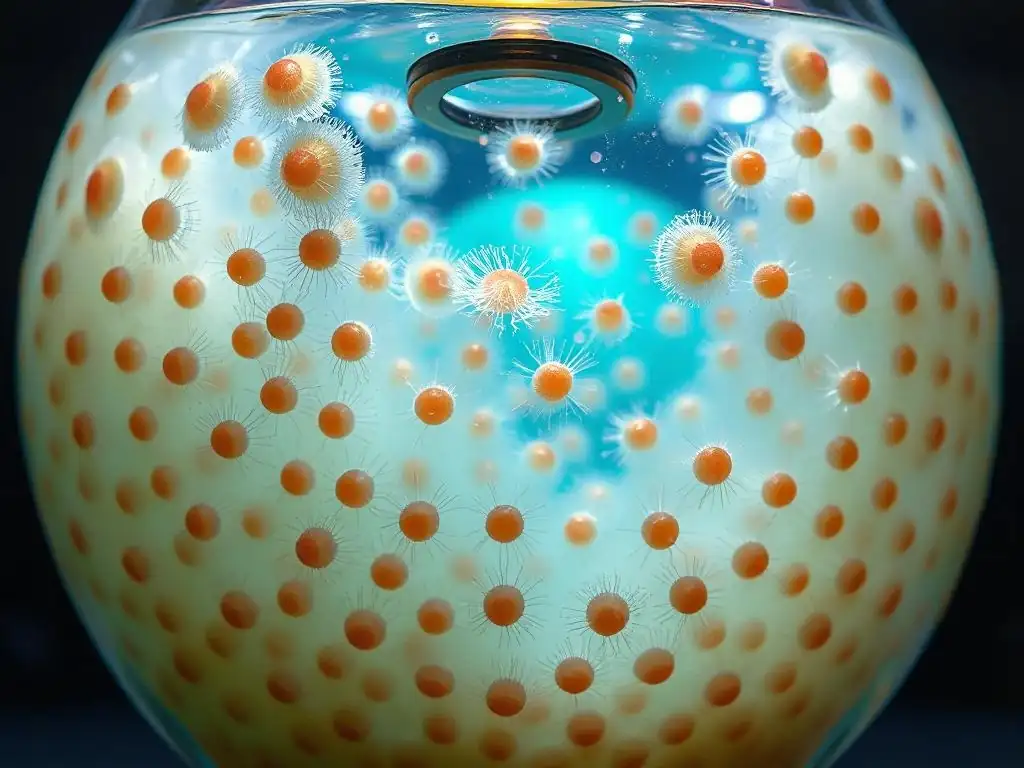
Consistent and appropriate feeding is the cornerstone of a high-density rotifer culture, directly influencing their reproduction rate and nutritional quality. The goal is to provide enough food to support rapid population growth without overfeeding, which can quickly degrade water quality and lead to bacterial blooms or culture crashes. Rotifers are filter feeders, consuming microscopic particles from the water column, making live microalgae or concentrated algae pastes their primary food sources.
Feeding frequency typically ranges from one to three times daily, depending on the culture density and the type of food used. A common visual indicator of adequate feeding is a slight green tint to the culture water, which should gradually clear within a few hours as the rotifers consume the algae. If the water remains green for too long, it suggests overfeeding, while clear water indicates underfeeding. Adjusting the feeding amount based on these observations is crucial for maintaining a healthy balance.
Live Algae for Rotifers: A Superior Food Source
Live marine microalgae, particularly species like Nannochloropsis oculata or Tetraselmis chuii, are widely considered the gold standard for feeding rotifer cultures. These algae provide a complete and balanced nutritional profile, including essential fatty acids, vitamins, and amino acids, which are directly assimilated by the rotifers. This direct consumption of living, photosynthesizing cells ensures that the rotifers themselves are inherently more nutritious, even before specific enrichment with HUFA products.
Beyond their superior nutritional contribution, live algae also play a significant role in maintaining water quality within the rotifer culture. As they photosynthesize, microalgae consume nitrogenous waste products like ammonia and nitrates, helping to keep the culture water cleaner and more stable.
While culturing live algae requires a separate system and adds a layer of complexity to the breeding operation, the benefits of more robust rotifer cultures, higher reproduction rates, and ultimately, more nutritious food for delicate marine fish larvae, often outweigh the effort for serious aquarists. A general guideline for feeding live algae is to add approximately 10-20% of the culture volume in concentrated algae daily, adjusting based on rotifer density and consumption rates.
Concentrated Algae Pastes: When Live Algae Isn't Available
For hobbyists or in situations where maintaining a continuous live algae culture is impractical or has experienced a crash, commercially available concentrated algae pastes offer a convenient and effective alternative. These products, often made from species like Nannochloropsis or a blend of various microalgae, are typically sold in liquid or gel form and have a significantly longer shelf life than live cultures. They eliminate the need for a separate algae cultivation setup, simplifying the overall live food production process.
While concentrated pastes provide a readily available food source, it's important to recognize that they may not always offer the same comprehensive nutritional profile as fresh live algae, particularly concerning certain labile vitamins or the precise balance of HUFAs. When using pastes, always adhere strictly to the manufacturer's recommended dilution and dosage instructions, as overfeeding is a common pitfall.
Excess paste can quickly foul the culture water, leading to bacterial blooms and potential crashes. Despite this, they remain an invaluable tool for ensuring a consistent food supply for rotifers, though subsequent enrichment with specialized HUFA products is even more critical when using pastes to ensure optimal nutritional value for larval fish.
Maintaining Water Quality in Your Rotifer Culture: Preventing Crashes
Maintaining pristine water quality is absolutely paramount for the health, productivity, and longevity of your rotifer culture. The accumulation of metabolic waste products, such as ammonia and nitrite, along with the proliferation of undesirable bacteria, are the primary culprits behind culture crashes. Rotifers are sensitive organisms, and a clean, stable environment directly translates to higher reproduction rates and healthier populations.
Daily visual inspection of your culture is a simple yet effective way to gauge its health. The water should appear relatively clear, with a slight green tint if feeding algae, and should have a fresh, slightly briny smell, not a foul or stagnant odor. Healthy rotifers will be actively swimming throughout the water column, indicating good oxygenation and favorable conditions. Any cloudiness, strong smells, or a noticeable decrease in rotifer activity are red flags that necessitate immediate attention to prevent a complete collapse of the culture.
Regular Water Changes: Frequency and Volume
Regular water changes are an indispensable practice for managing water quality in dense rotifer cultures. This process effectively removes accumulated metabolic waste, uneaten food particles, and excess bacterial populations that can inhibit rotifer growth and reproduction. The frequency and volume of water changes depend on the culture density and feeding rate, but a general guideline is to perform a 25-50% water change every 2-3 days. For very dense cultures or those fed heavily, daily water changes may be necessary to maintain optimal conditions.
When performing water changes, it is crucial to use new saltwater that has been pre-aerated and carefully matched in terms of temperature, salinity, and pH to the existing culture water. Gently siphon out the old water from the bottom of the culture vessel, taking care to avoid disturbing the rotifers or siphoning them out. Slowly add the fresh, conditioned saltwater back into the container. This routine not only prevents the buildup of inhibitory substances but also replenishes essential trace elements that rotifers utilize, contributing to a more robust and continuously productive culture.
Monitoring Ammonia and Nitrite Levels
Ammonia and nitrite are highly toxic to rotifers, even at low concentrations, and their accumulation is a common cause of culture failure. While a healthy rotifer culture with sufficient live algae can process some nitrogenous waste, dense cultures or those with overfeeding issues can quickly overwhelm this natural filtration capacity. Therefore, regular monitoring of ammonia and nitrite levels using standard aquarium test kits is a critical part of rotifer culture management.
Ideally, both ammonia and nitrite should be undetectable (0 ppm) in your rotifer culture water. If test results indicate rising levels, it is an immediate warning sign of compromised water quality, often stemming from overfeeding, insufficient water changes, or a bacterial bloom. Prompt corrective actions, such as performing a large water change (e.g., 50-75%), temporarily reducing feeding, and ensuring vigorous aeration, are essential to mitigate the toxicity and prevent a complete culture crash. Consistent vigilance over these parameters is key to maintaining a stable and productive rotifer supply.
Harvesting Rotifers from Your Culture: Efficient Techniques
Harvesting rotifers involves separating them from their culture water to concentrate them for feeding to larval fish or for the enrichment process. The goal is to collect a clean, dense sample of rotifers while minimizing stress on both the harvested organisms and the remaining culture, ensuring its continued productivity. The frequency of harvesting will depend on the demand for rotifers and the density of your culture, often occurring daily or every other day.
Maintaining sterile practices during harvesting is crucial to prevent the introduction of undesirable bacteria or other contaminants into your larval rearing tank, which is a highly sensitive environment. Tools used for harvesting should be thoroughly cleaned and preferably sterilized, for example, by soaking in a dilute bleach solution followed by a thorough rinse with RO/DI water. Careful handling during harvesting ensures that the rotifers remain viable and nutritious for their intended recipients.
Using a Fine Mesh Net: A Simple Harvesting Method
One of the simplest and most common methods for harvesting rotifers is the use of a specialized fine mesh net. These nets are typically constructed with a mesh size of 50-70 microns, which is small enough to retain the rotifers while allowing the culture water and smaller particles to pass through. To harvest, gently pour a portion of your rotifer culture directly through the net, which is held over a waste receptacle or a clean bucket to collect the filtered water. The rotifers will accumulate as a concentrated mass on the inside of the net.
Once collected, it is advisable to gently rinse the concentrated rotifers with a small amount of clean, fresh saltwater (matched to the larval tank's parameters if feeding directly) to remove any residual culture water. This rinse helps to eliminate potential contaminants, such as excess food particles or undesirable bacteria, from being introduced into the larval rearing tank. This method is quick, efficient, and suitable for most hobbyist-scale rotifer cultures, providing a ready supply of clean rotifers.
Siphon Harvesting: Gentle Removal Technique
Siphon harvesting offers a gentler alternative to pouring through a net, often preferred for larger cultures or when a particularly clean and stress-free harvest is desired. This technique involves using an air line or small diameter tubing to siphon water directly from the rotifer culture tank. The siphoned water is directed through a fine mesh filter (e.g., a 50-70 micron screen or a coffee filter lined with appropriate mesh) placed over a separate container. The rotifers are retained on the filter, while the water passes through.
The primary advantage of siphon harvesting is the reduced physical stress on the rotifers, as they are not subjected to the turbulence of pouring. This method also allows for greater control over the volume of water removed and the density of the harvested rotifers. Furthermore, siphon harvesting can be integrated with routine water changes, where the siphoned water, after rotifer collection, is discarded as part of the water change process. This dual-purpose technique streamlines maintenance and harvesting for a more efficient operation.
Utilizing Rotifers for Larval Rearing: Feeding Strategies
Determining the Right Rotifer Density for Larval Fish
Accurately determining and maintaining the correct rotifer density in a larval rearing tank is a critical factor for the survival and healthy development of marine fish larvae. Underfeeding, characterized by too few rotifers, leads to starvation and high mortality rates, as the microscopic larvae may not encounter enough food particles. Conversely, overfeeding can rapidly degrade water quality in the sensitive larval tank, leading to bacterial blooms, oxygen depletion, and ultimately, larval death.
The optimal density varies significantly depending on the specific fish species, the larval stage (e.g., newly hatched vs. several days post-hatch), and even the lighting conditions. For instance, initial feeding densities might range from 5-10 rotifers per milliliter (rot/mL) for more robust species like clownfish, while very delicate or small-mouthed species might require densities as high as 15-20 rot/mL to ensure sufficient feeding opportunities.
To precisely measure rotifer density, serious breeders often use a counting chamber, such as a Sedgwick-Rafter counting cell or a hemocytometer, under a microscope. This allows for accurate quantification of rotifers per unit volume. Regular monitoring of the larval tank for both rotifer density and larval feeding behavior (e.g., observing plump bellies, active pursuit of food) is essential. As larvae grow, their feeding capacity and requirements increase, necessitating adjustments to the rotifer density and feeding frequency. This continuous assessment and adjustment of feeding protocols are vital for maximizing larval survival and growth rates in a controlled rearing environment.
Introducing Rotifers to the Larval Rearing Tank: Gradual Acclimation
Introducing harvested rotifers to the delicate environment of a larval rearing tank requires a gentle and controlled approach to minimize stress on both the rotifers and the fragile fish larvae. Sudden changes in water parameters between the rotifer culture and the larval tank can shock the rotifers, causing them to become inactive, lose their nutritional value, or even die, rendering them useless as a food source. Therefore, a gradual acclimation process is highly recommended.
Before introduction, ensure that the temperature, salinity, and pH of the concentrated rotifer solution closely match those of the larval rearing tank. A common method is to use a drip acclimation technique, slowly dripping water from the larval tank into the container holding the concentrated rotifers over a period of 30-60 minutes. Alternatively, small aliquots of rotifers can be added to the larval tank at frequent intervals over an hour or two. This gradual introduction allows the rotifers to adjust to the new environment, ensuring they remain active and palatable for the hungry larvae, thereby maximizing feeding success.
Observing Larval Feeding Behavior: Ensuring Adequate Consumption
Direct observation of larval feeding behavior is arguably the most crucial feedback mechanism for successful larval rearing. Simply adding rotifers to the tank isn't enough; one must confirm that the larvae are actively consuming them and receiving adequate nutrition. Daily visual inspections of the larvae are essential: healthy, well-fed larvae typically exhibit plump bellies, indicating recent consumption of rotifers. Their swimming behavior should be active and purposeful, demonstrating an interest in pursuing food particles. Conversely, thin or emaciated larvae, or those exhibiting lethargic behavior, are strong indicators of insufficient food density or poor food quality.
To further assess rotifer density within the larval tank, a flashlight can be used to illuminate the water column, revealing the concentration of swimming rotifers. A healthy population will show numerous rotifers actively moving throughout the tank, while a sparse population suggests the need for immediate additional feeding. This direct, real-time feedback loop allows the aquarist to make precise, on-the-fly adjustments to feeding frequency and quantity, ensuring that the larvae consistently have access to a sufficient supply of nutritious live food, which is paramount for their survival and healthy development.
Troubleshooting Common Rotifer Culture Issues
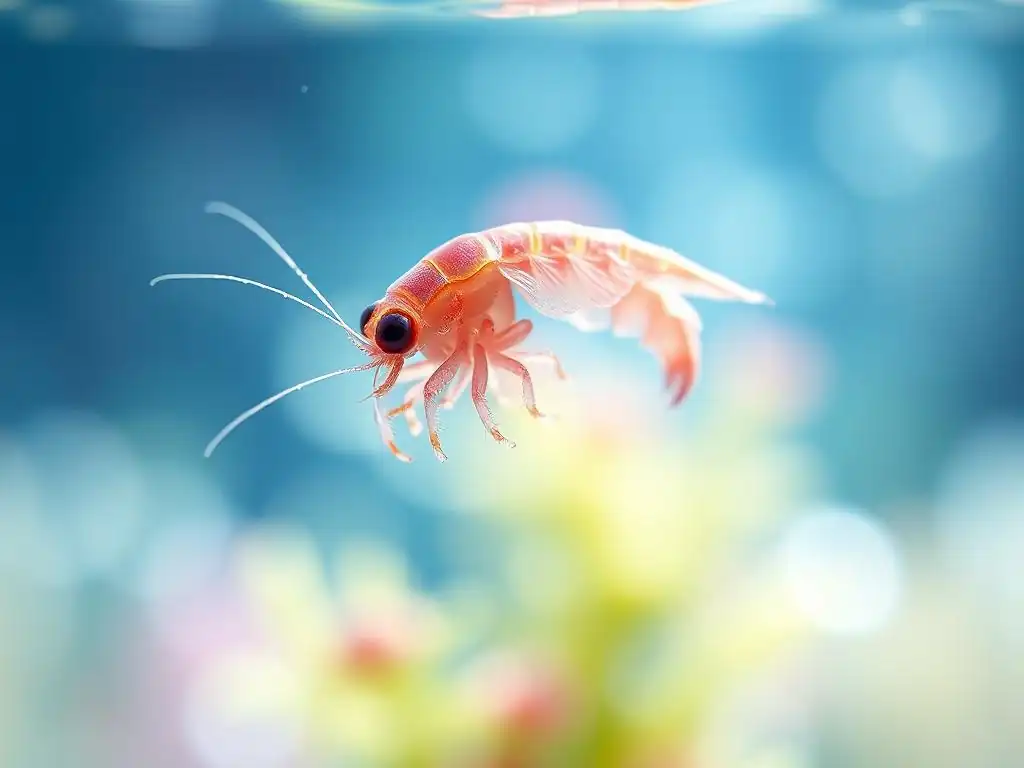
Rotifer Population Crashes: Identifying and Addressing the Cause
Rotifer culture crashes, characterized by a sudden and dramatic decline in population density, cloudy water, or a foul odor, are a common and frustrating challenge for aquarists. Identifying the root cause swiftly is critical for recovery or for preventing future occurrences.
The most frequent culprits include overfeeding, which leads to rapid bacterial blooms that consume oxygen and produce toxins; underfeeding, resulting in starvation and a decline in reproductive rates; rapid fluctuations in temperature or salinity; and contamination by undesirable organisms. For instance, a sudden drop in density coupled with clear water often points to starvation, while milky, foul-smelling water typically indicates a bacterial crash due to overfeeding or insufficient water changes.
Addressing a crash requires immediate and targeted intervention. If overfeeding and bacterial issues are suspected, perform a large water change (50-75%) using fresh, conditioned saltwater, significantly reduce or temporarily halt feeding, and ensure vigorous aeration to boost dissolved oxygen. For underfed cultures, gradually increase the feeding amount while monitoring water clarity.
If contamination by ciliates or other competitors is evident, or if the crash is severe and the cause unclear, it may be necessary to discard the compromised culture and restart with a fresh, clean inoculum from a backup source. Maintaining multiple, smaller cultures is a highly recommended strategy to mitigate the impact of a single culture crash and ensure a continuous supply.
Contamination in Your Rotifer Culture: Prevention and Treatment
Contamination is a persistent threat to rotifer cultures, often leading to competition for food, predation on rotifer larvae, or the introduction of pathogens that can decimate a population. Common contaminants include various ciliates (e.g., Euplotes), unwanted copepod species (particularly wild or opportunistic types not intended for culture), and diverse bacterial strains.
These organisms can rapidly outcompete rotifers for available food resources, physically consume rotifer nauplii, or introduce detrimental bacteria that lead to water quality degradation and culture collapse. For example, a bloom of ciliates will often result in a murky culture and a rapid decline in rotifer numbers as the ciliates consume the same food source and out-reproduce the rotifers.
Prevention is the most effective strategy against contamination. This involves meticulous sterile techniques: thoroughly cleaning and sterilizing all equipment (e.g., with a dilute bleach solution followed by a thorough rinse and de-chlorination), filtering incoming air to prevent airborne spores or organisms, and using only known, clean starter cultures from reputable sources.
If contamination does occur, particularly with persistent ciliates or unwanted copepods, a complete culture restart is often the safest and most effective solution to avoid persistent issues. While some mild chemical treatments exist, they are generally not recommended for hobbyists due to their potential harm to rotifers and the risk of introducing undesirable residues into the larval rearing system.
Slow Rotifer Reproduction: Optimizing Culture Conditions
A noticeable slowdown in rotifer reproduction, where the population density stagnates or declines despite seemingly adequate feeding, is a common indicator that one or more culture conditions are suboptimal. Rotifers are highly sensitive to their environment, and deviations from ideal parameters can significantly impact their metabolic rate and reproductive output.
Key factors that can lead to slow reproduction include temperatures below their optimal range (e.g., consistently below 24°C or 75°F), insufficient or nutritionally inadequate food, poor water quality (elevated ammonia/nitrite, low dissolved oxygen), or salinity levels outside their preferred range. For instance, a drop in temperature by just a few degrees Celsius can halve their reproductive rate.
To address slow reproduction, a systematic review and adjustment of culture conditions are necessary. First, verify and adjust the temperature to the optimal range of 25-27°C. Next, assess feeding: ensure you are providing enough food, and consider switching to a higher quality live algae source if using pastes, as nutritional deficiencies can limit reproduction.
Perform extra water changes to improve water quality and increase aeration to ensure dissolved oxygen levels are high. Finally, double-check the salinity with a refractometer and adjust if necessary. Consistent and precise maintenance of all environmental parameters is crucial for encouraging robust and continuous rotifer reproduction, ensuring a reliable supply for your larval rearing needs.
Beyond Larval Rearing: Other Benefits of Rotifers in Saltwater Aquariums
Rotifers as a First Food for Copepods
While rotifers are primarily known as a first food for marine fish larvae, their utility extends to supporting the cultivation of other live food organisms, particularly certain species of copepods. Many copepod species, especially in their nauplii (larval) and early copepodite stages, are themselves quite small and may not be able to consume larger food particles like phytoplankton or detritus effectively. In such cases, rotifers can serve as an excellent transitional food source, providing a nutrient-rich and appropriately sized meal for these developing copepods. This creates a beneficial trophic link within a multi-stage live food production system.
For aquarists looking to establish a robust copepod tank culture for their reef system, particularly for species like Tisbe or Apocyclops that might have tiny early life stages, culturing rotifers can be a valuable prerequisite. By feeding rotifers to these juvenile copepods, breeders can significantly boost their growth and survival rates, enabling them to transition to larger food sources and establish sustainable breeding populations.
This indirect benefit means that mastering saltwater rotifer culture can be a foundational step for those aiming to produce a diverse range of live foods for their aquarium inhabitants, from filter-feeding invertebrates to specialized fish species.
Rotifers as a Food Source for Filter Feeding Invertebrates
Beyond their role in larval fish and copepod culture, rotifers serve as an excellent supplemental food source for a wide array of filter-feeding invertebrates commonly found in saltwater aquariums, particularly reef tanks. Many soft corals, such as gorgonians, dendronephthya, and some non-photosynthetic corals, rely on capturing microscopic plankton from the water column. Similarly, various bivalves (e.g., juvenile Tridacna clams), feather duster worms, and other sessile filter feeders actively consume small particulate matter.
The small size (100-300 microns) and continuous, suspended presence of rotifers in the water column make them an ideal mimic of natural plankton for these organisms. Dosing rotifers into a reef tank can stimulate polyp extension in corals, enhance growth rates in clams, and generally improve the health and vibrancy of filter-feeding invertebrates, especially in nutrient-poor systems where natural plankton sources may be limited. This regular supplementation with live rotifers provides essential proteins, lipids, and other micronutrients that are difficult to deliver through inert foods, contributing to the overall biodiversity and ecological balance of the aquarium.
Advanced Rotifer Culture Techniques for Serious Breeders
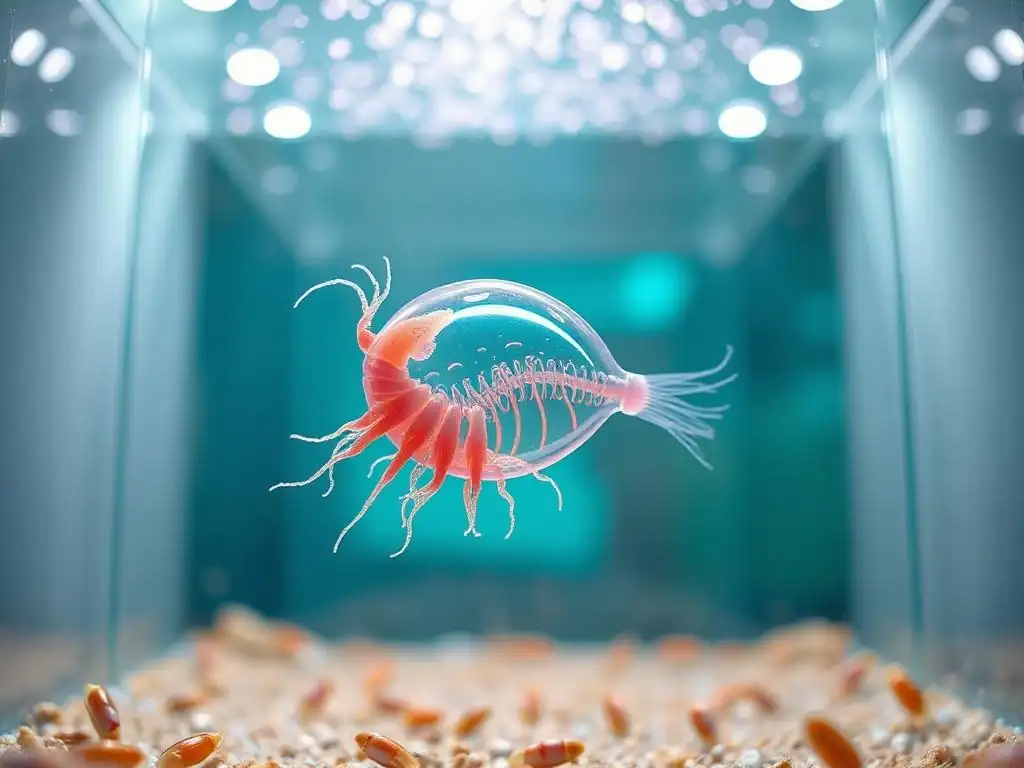
Continuous Culture Systems: Maximizing Production
For serious marine fish breeders or facilities with high demands for live food, transitioning from batch culture to continuous culture systems represents a significant advancement in rotifer production. Batch cultures, where a tank is grown, harvested, and then restarted, can be labor-intensive and lead to inconsistent supply. Continuous systems, conversely, are designed to maintain rotifers in their exponential growth phase indefinitely, maximizing daily output and providing a steady, predictable supply of organisms. These systems often involve a series of interconnected vessels or a single vessel with automated inflows of fresh culture medium and food, and outflows for harvesting rotifers.
Technically, continuous culture systems employ precise dosing pumps to deliver food and fresh saltwater at a consistent rate, maintaining optimal water quality and nutrient levels. An overflow mechanism allows for constant harvesting of dense rotifer populations, ensuring that the culture remains in its most productive phase. While requiring a higher initial investment in equipment and a more complex setup and monitoring, continuous systems drastically reduce the labor per unit of rotifers produced and offer unparalleled consistency in live food availability, which is crucial for large-scale or high-volume larval rearing operations.
Enriching Rotifers with Essential Fatty Acids: Enhancing Nutritional Value
The inherent nutritional value of rotifers, while good, is often insufficient on its own to meet the precise and demanding dietary requirements of developing marine fish larvae, particularly concerning essential fatty acids (EFAs). Therefore, enriching rotifers with highly unsaturated fatty acids (HUFA), primarily DHA (docosahexaenoic acid) and EPA (eicosapentaenoic acid), is an advanced and critical step for serious breeders. This process, often referred to as "gut-loading," ensures that the rotifers become living capsules of these vital nutrients just before being fed to the delicate fry.
The enrichment process typically involves transferring harvested rotifers to a separate, clean container filled with fresh, clean saltwater and a specialized commercial enrichment product. These products are usually lipid emulsions rich in DHA and EPA, often supplemented with vitamins and other micronutrients.
The rotifers are allowed to feed on this enriched diet for a specific period, typically 4 to 12 hours, during which they rapidly incorporate the lipids into their tissues. Maintaining proper temperature and vigorous aeration during this enrichment phase is crucial to ensure rotifer viability and optimal nutrient uptake, thereby maximizing the nutritional impact on the larval fish.
Maintaining Multiple Rotifer Cultures: Ensuring a Consistent Supply
For any serious marine fish breeding endeavor, establishing and maintaining multiple, independent rotifer cultures is not merely a redundancy but a fundamental strategy for ensuring a consistent and uninterrupted supply of live food. Relying on a single culture, no matter how robust, exposes the entire larval rearing effort to significant risk. A sudden culture crash due to unforeseen contamination, a power outage affecting aeration, or an unnoticed parameter swing can decimate an entire batch of larvae if live food becomes unavailable, as many species cannot transition to inert foods immediately.
By maintaining at least two, and ideally three or more, separate rotifer cultures, breeders create a vital backup system. These cultures can be staggered, for instance, by starting a new one every week, ensuring that there are always cultures at different densities and stages of growth.
This provides immense flexibility, allowing the breeder to harvest from the most productive culture while others recover or are initiated. This redundancy is paramount for mitigating the impact of unexpected issues and is a hallmark of professional-level larval rearing, offering peace of mind and significantly increasing the chances of successful, long-term marine fish breeding projects.
Conclusion: Mastering Rotifer Culture for Aquarium Success
The Future of Rotifers in Saltwater Aquarium Keeping
The indispensable role of rotifers in saltwater aquarium keeping, particularly for marine fish breeding, is poised to grow even further. As the hobby shifts towards more sustainable practices and a greater emphasis on captive breeding to reduce pressure on wild populations, the ability to consistently produce high-quality live foods like rotifers becomes paramount.
Ongoing research in aquaculture continues to refine rotifer culture techniques, exploring more efficient enrichment products, developing automated culture systems, and even investigating genetic selection for more robust and nutritionally superior strains of Brachionus plicatilis. These advancements promise to make rotifer culture even more accessible and reliable for hobbyists and commercial breeders alike.
Furthermore, the broader understanding of marine ecosystems within the aquarium community highlights the importance of a diverse planktonic food web. Rotifers will continue to be a cornerstone, not only for first-feeding larvae but also as a foundational element in culturing other live foods such as copepods, and as a direct food source for a variety of filter-feeding invertebrates. Their ease of culture relative to their profound impact on larval survival ensures their enduring relevance, contributing significantly to the continued success and expansion of captive breeding efforts, ultimately fostering a more sustainable and ethical approach to marine aquarium keeping.
Further Resources for Rotifer Culture and Larval Rearing
For aquarists eager to delve deeper into the intricacies of rotifer culture and advanced larval rearing, a wealth of resources is available. Specialized books on aquaculture and marine fish breeding, often authored by experts in the field, provide comprehensive theoretical and practical knowledge. Academic papers published in scientific journals offer insights into the latest research and advancements in live food production and larval nutrition. Online forums and dedicated social media groups focused on marine fish breeding are invaluable platforms for connecting with experienced aquarists, sharing troubleshooting tips, and gaining practical advice from a passionate community.
Additionally, reputable commercial suppliers of live cultures, enrichment products, and specialized equipment are excellent resources, often providing detailed instructions and support for their products. Many public aquariums and marine research facilities also publish educational materials or host workshops that can provide hands-on experience and deeper understanding. The journey of mastering rotifer culture is an ongoing learning process, and actively engaging with these diverse resources and collaborating with fellow enthusiasts will undoubtedly accelerate your success in the challenging yet rewarding field of marine fish breeding.
Frequently Asked Questions
How do copepods benefit a freshwater aquarium?
Copepods serve as a crucial live food source for many fish, particularly small or larval fish, and help control algae by consuming it. They also contribute to a healthy ecosystem by processing organic waste.
What are the key requirements for a successful freshwater copepod tank culture?
Maintaining a stable environment with appropriate salinity, temperature, and sufficient food (like phytoplankton or yeast) are essential. Good aeration and water quality are also crucial.
What types of containers are best suited for culturing freshwater copepods?
Glass or plastic containers are suitable. The size depends on the desired production volume, but a 5-10 gallon tank is a good starting point. Ensure the container is clean and free of harmful chemicals.
What do freshwater copepods eat, and how often should they be fed?
Copepods primarily feed on phytoplankton, yeast, or powdered spirulina. Feeding frequency depends on the density of the culture, but typically every 1-2 days is sufficient, being careful not to overfeed.
How can I introduce freshwater copepods into my aquarium from the culture?
Gently siphon or pour copepod-rich water from the culture tank into your aquarium. Introduce them gradually, especially if your fish are not used to live food. This allows them to acclimate and reduces the risk of shocking your system.
Final Reflection: Harnessing the Potential of Copepod Culture
The journey into understanding and mastering freshwater copepod tank culture reveals more than just a method for providing superior larval nutrition; it unlocks a deeper appreciation for the intricate ecosystems thriving within our aquariums. The ability to cultivate these tiny powerhouses efficiently is not merely a technical skill, but a gateway to enhanced biodiversity and healthier aquatic environments, holding significant relevance in today's push for sustainable aquaculture practices.
This exploration into copepod culture has profoundly influenced my perspective on the interconnectedness of life within aquatic systems. Witnessing the rapid growth and vibrant health of larvae fed on these cultured copepods underscores the importance of natural, live foods in achieving optimal results. The best things in life are free. The second best are very, very expensive.
- Coco Chanel. While not entirely free, the investment in understanding and implementing copepod culture yields returns far exceeding the initial effort, providing a sustainable and superior food source.
Now, I invite you to consider the potential of integrating copepod culture into your own aquatic endeavors. Whether you're a seasoned aquarist, a dedicated researcher, or simply a curious enthusiast, embrace the challenge of cultivating these larval superfoods. By harnessing the power of freshwater copepods, you can contribute to a healthier, more vibrant future for our aquatic ecosystems and unlock a new level of success in your own aquatic pursuits.
Unleash Copepod Potential!
Thanks for diving into the world of copepods and their incredible benefits for your aquarium! Now that you understand their power, it's time to take action and cultivate a thriving ecosystem.
- Start your own copepod culture! It's easier than you think and provides a continuous supply of nutrient-rich food for your demanding larvae.
- Share your newfound knowledge! Post a picture of your copepod culture on social media and inspire other aquarists to join the copepod revolution.
- Explore live feeding strategies! Research unconventional methods of introducing copepods to your tank for enhanced feeding efficiency.
What innovative feeding techniques will you experiment with to maximize the benefits of copepods in your aquarium?