
Ethical Sourcing of Denison Barbs: WildCaught vs. CaptiveBred Considerations

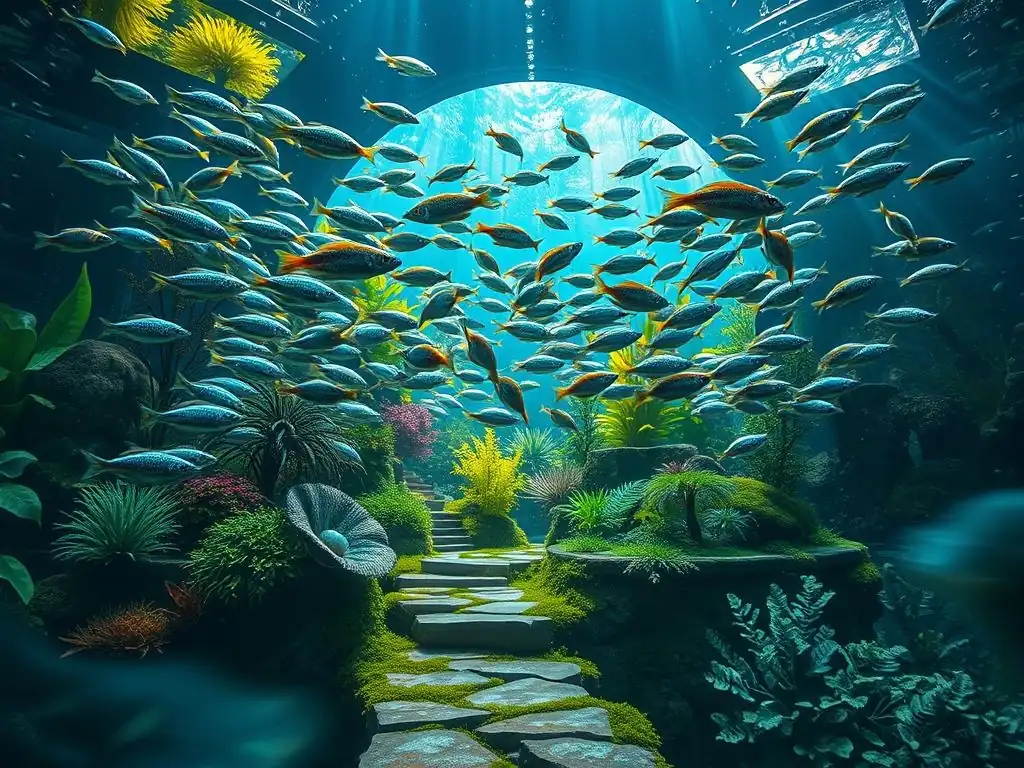
Welcome to Aquarium Mastery!
Ever wondered about the journey your Denison barb takes before it graces your aquarium? Delve into the fascinating world of ethical sourcing as we explore the critical differences between wild-caught and captive-bred Denison barbs. Is captive breeding truly the answer? Join us as we unravel the complexities and ethical considerations surrounding Denison barbs captive breeding ethics, sparking a deeper understanding of responsible aquarist practices. Read on to learn more and ensure your choices contribute to a sustainable future for these stunning fish!
- Understanding Denison Barb Origins: Wild Populations and Aquarium Trade
- Ethical Implications of Wild-Caught Denison Barbs
- Examining Captive Breeding of Denison Barbs
- Comparing Wild-Caught and Captive-Bred Denison Barbs: A Detailed Analysis
- Making Informed Decisions: Ethical Considerations
- Ensuring the Wellbeing of Your Denison Barbs: Care Tips
- The Future of Denison Barbs in the Aquarium Trade: Sustainable Practices
-
Frequently Asked Questions
- How does the availability of captive-bred Denison barbs impact the ethics of purchasing them?
- What are the potential ethical concerns associated with purchasing wild-caught Denison barbs?
- What factors should I consider when determining if a Denison barb is captive-bred?
- Why is captive breeding of Denison barbs considered a more ethical option?
- What can I do to ensure I am supporting ethical practices when purchasing Denison barbs?
- Final Reflection: Navigating the Ethical Waters of Denison Barb Acquisition
- Unleash Responsible Fishkeeping: Take the Next Step!
Understanding Denison Barb Origins: Wild Populations and Aquarium Trade
The Allure of Denison Barbs: Popularity and Conservation Concerns
Denison Barbs, scientifically known as Sahyadria denisonii, have captivated aquarium enthusiasts worldwide with their striking silver bodies adorned with vibrant red and black stripes. Their active schooling behavior and generally peaceful disposition make them a highly sought-after species for larger freshwater aquariums. This allure led to a significant surge in their popularity in the early 2000s, transforming them from a relatively obscure species to a staple in the ornamental fish trade.
However, this popularity has come at a considerable cost to their natural populations. Native exclusively to the fast-flowing rivers and streams of the Western Ghats in Kerala and Karnataka, India, Sahyadria denisonii were extensively collected from the wild to meet global demand. Consequently, the International Union for Conservation of Nature (IUCN) classified the Denison Barb as "Endangered" in 2011, noting a continuing decline in their wild numbers due to over-collection and habitat degradation. The ethical sourcing of these fish, particularly the Denison barbs captive breeding ethics, has become a critical topic for responsible aquarists.
Wild-Caught Denison Barbs: Impact on Natural Populations
The practice of collecting Denison Barbs from their wild habitats has placed immense pressure on their fragile ecosystems. Fishermen often employ methods that, while effective for capture, can be detrimental to the environment and non-target species.
This includes the use of large seine nets that indiscriminately scoop up fish, as well as the potential for more damaging practices in unregulated areas. The concentrated collection efforts in specific river systems, such as the Chalakudy, Periyar, and Pamba rivers in Kerala, have led to a noticeable decline in local populations, with some estimates suggesting a reduction of over 50% in certain areas over the last decade.
Beyond direct removal, the infrastructure and activities associated with wild collection, such as temporary camps and increased human presence, contribute to habitat disturbance. This, combined with broader environmental threats like pollution from agricultural runoff, deforestation leading to increased siltation, and the construction of dams, creates a cumulative negative impact. The ethical implications of supporting the wild-caught trade, therefore, extend beyond the individual fish to the entire ecosystem, making the discussion around Denison barbs captive breeding ethics even more pertinent.
Captive-Bred Denison Barbs: A Sustainable Alternative?
In response to the growing concerns over wild populations, efforts to commercially breed Denison Barbs in captivity began to gain traction in the late 2000s. Initially challenging, breakthroughs in breeding protocols, particularly in countries like Singapore, Indonesia, and parts of Europe, have significantly increased the availability of captive-bred specimens. This shift provides a much-needed sustainable alternative to wild collection, reducing the pressure on native ecosystems and allowing wild populations a chance to recover.
Today, it's estimated that a substantial proportion, perhaps 70-80% or more, of the Denison Barbs available in the global aquarium trade are now captive-bred. This represents a significant positive change from a decade ago when the vast majority were wild-caught. The success of captive breeding not only offers a more ethical supply chain but also ensures a more consistent and healthier supply of fish for hobbyists, directly addressing the Denison barbs captive breeding ethics debate by providing a viable, responsible option.
Ethical Implications of Wild-Caught Denison Barbs
Overfishing and Habitat Degradation in the Western Ghats
The Western Ghats of India, a UNESCO World Heritage site and one of the world's eight "hottest hotspots" of biological diversity, are the sole natural home of the Denison Barb. This region faces severe ecological threats, and the demand for wild-caught ornamental fish exacerbates existing problems. Overfishing specifically targets Denison Barbs, removing vital breeding individuals from the gene pool and severely hindering the population's ability to naturally replenish itself. Studies and anecdotal reports from local communities indicate a significant reduction in fish density in key collection areas, making it harder for collectors to find adult specimens.
Compounding the issue is widespread habitat degradation. Rivers are polluted by agricultural and industrial runoff, leading to decreased water quality. Sand mining, dam construction, and deforestation contribute to altered water flow, increased siltation, and loss of critical riparian vegetation, which are essential for the Denison Barb's survival and reproduction. The combined effect of overfishing and habitat destruction places the species in a precarious position, emphasizing why Denison barbs captive breeding ethics are paramount for the species' future.
The Journey from Wild to Aquarium: Stress and Mortality Rates
For a wild-caught Denison Barb, the journey from its natural riverine habitat to an aquarium thousands of miles away is fraught with immense stress and significant risks. Fish are typically captured, held in temporary facilities, often crowded, then transported over long distances in various stages—from local collectors to exporters, then international distributors, and finally to local fish stores. During this process, they endure fluctuating water parameters, lack of consistent feeding, prolonged confinement, and exposure to various pathogens.
These stressful conditions lead to high mortality rates. While precise global figures are difficult to ascertain due to the decentralized nature of the trade, industry estimates suggest that mortality can range from 20% to as high as 50% or more from the point of capture to arrival at the consumer's tank. Many fish that survive the journey arrive in a weakened state, susceptible to disease, and take a long time to acclimate to their new environment, if they ever fully recover. This humanitarian concern for the individual fish further underscores the importance of Denison barbs captive breeding ethics.
Supporting Sustainable Practices: Consumer Choices and Ethical Responsibility
The choices made by individual aquarium hobbyists have a profound impact on the ornamental fish trade. By consciously opting for captive-bred Denison Barbs, consumers directly reduce the demand for wild-caught specimens, thereby alleviating pressure on natural populations and discouraging destructive collection practices. This shift in consumer preference sends a clear message to suppliers and collectors that ethical sourcing is a priority, influencing market dynamics towards more sustainable practices.
Embracing ethical responsibility means understanding the origin of our aquatic pets and making purchasing decisions that align with conservation values. If a significant percentage of hobbyists consistently choose captive-bred fish—for example, if 90% of all Denison Barb purchases were for captive-bred individuals—the economic incentive for wild collection would drastically diminish, potentially allowing wild populations to rebound. This collective consumer power is a cornerstone of Denison barbs captive breeding ethics, empowering hobbyists to be agents of positive change.
Examining Captive Breeding of Denison Barbs
The Captive Breeding Process: Challenges and Successes
Captive breeding of Denison Barbs initially presented significant challenges due to their specific environmental requirements for spawning. These fast-water cyprinids typically require cool, highly oxygenated water with a strong current to induce breeding. Early attempts often yielded low success rates, with fry survival sometimes less than 10%. Breeders had to overcome hurdles related to conditioning adult fish for spawning, managing egg viability, and providing appropriate nutrition for the delicate fry.
However, dedicated research and advanced aquaculture techniques, particularly in commercial facilities in Southeast Asia and Europe, have led to considerable successes. Many breeders now utilize hormonal induction to stimulate spawning and employ specialized rearing tanks with precise flow rates and filtered water to maximize egg hatching and fry survival. With these refined methods, commercial operations can now achieve fry survival rates upwards of 60-70%, making captive breeding a highly viable and scalable solution. This success is central to the discussion of Denison barbs captive breeding ethics, demonstrating that sustainable alternatives are not only possible but increasingly efficient.
Benefits of Captive-Bred Denison Barbs: Health and Adaptability
The advantages of choosing captive-bred Denison Barbs extend beyond conservation to the direct benefit of the fish and the hobbyist. Captive-bred fish are typically born and raised in controlled aquarium environments, making them inherently more adaptable to home tank conditions. They are accustomed to prepared foods, such as high-quality flakes and pellets, and are generally more robust and less susceptible to the stress-related diseases common in wild-caught imports. For instance, captive-bred individuals show a significantly lower incidence of common external parasites like Ich ( Ichthyophthirius multifiliis) and internal parasites often present in wild specimens.
Furthermore, captive-bred Denison Barbs are generally healthier and exhibit more consistent behavior. They are often less shy and acclimate faster to their new surroundings, quickly joining a school and actively swimming. While a wild-caught fish might take weeks to overcome its initial fear and start feeding regularly, a captive-bred specimen often settles in and begins exhibiting natural schooling behavior within a few days of introduction. This immediate comfort and reduced stress contribute to their overall well-being and longevity, reinforcing the positive aspects of Denison barbs captive breeding ethics.
Identifying Captive-Bred Fish: Key Indicators and Seller Transparency
For the discerning hobbyist, identifying captive-bred Denison Barbs can sometimes be a challenge, as visual differences are not always immediately apparent. However, there are several indicators. Captive-bred fish often exhibit more uniform size within a batch and tend to have pristine fins without the nips or tears commonly seen in wild-caught fish due to crowding and stress during transport. While initial coloration might be slightly less intense than a prime wild specimen, captive-bred fish quickly develop vibrant hues in a stable, well-maintained aquarium.
The most reliable way to ensure you are purchasing captive-bred fish is through seller transparency. Reputable fish stores and online vendors will explicitly label their Denison Barbs as "CB" (captive-bred) or provide information about their source. Don't hesitate to ask your retailer about the origin of their fish. A responsible seller should be able to provide details, such as the breeding facility's location (e.g., "bred in Singapore" or "farm-raised in Florida"). This open communication is a crucial aspect of upholding Denison barbs captive breeding ethics.
Comparing Wild-Caught and Captive-Bred Denison Barbs: A Detailed Analysis
Health and Longevity: Wild-Caught vs. Captive-Bred
When comparing the health and longevity of Denison Barbs from different sources, captive-bred specimens generally hold a significant advantage. Wild-caught fish often arrive at their destination already compromised by the arduous collection and shipping process. They may carry internal or external parasites, bacterial infections, or simply be severely stressed and malnourished, leading to a higher susceptibility to disease once introduced into an aquarium. Even if they survive the initial acclimation, their lifespan in captivity can be significantly reduced. Many wild-caught Denison Barbs may only live for 1-3 years if they overcome the initial trauma, and some perish within weeks.
In contrast, captive-bred Denison Barbs are typically raised in clean, controlled environments, free from wild pathogens. They are accustomed to a consistent diet and stable water parameters, making them more robust and resilient. A well-cared-for captive-bred Denison Barb in an appropriate aquarium environment can thrive for 5-8 years, with some individuals even reaching 10 years of age. This stark difference in potential lifespan underscores a key component of Denison barbs captive breeding ethics—prioritizing the long-term well-being of the animal.
Adaptability to Aquarium Life: Acclimation and Behavior
The transition from a natural river to an enclosed aquarium is a major challenge for any wild-caught fish, and Denison Barbs are no exception. Wild-caught specimens often exhibit extreme shyness and skittishness upon introduction to a new tank. They may hide for extended periods, sometimes for days or even weeks, and can be reluctant to accept prepared foods, preferring live or frozen options initially. This slow acclimation period can be stressful for both the fish and the hobbyist, and some wild-caught individuals never fully adjust, remaining timid and exhibiting sub-optimal schooling behavior.
Captive-bred Denison Barbs, having spent their entire lives in tanks, are already habituated to aquarium conditions. They typically acclimate much faster, often beginning to explore their new environment and accept flake or pellet foods within 24-48 hours. Their comfort with human presence and prepared diets means they are more likely to exhibit their natural schooling behavior sooner, creating a more dynamic and engaging display in the aquarium. This ease of adaptation is a direct benefit of their controlled upbringing and a strong argument in favor of Denison barbs captive breeding ethics.
Environmental Impact: The Ecological Footprint of Each Source
The environmental impact of sourcing Denison Barbs varies significantly between wild-caught and captive-bred origins. Wild collection carries a direct and often irreversible ecological footprint: it depletes natural populations, can involve destructive fishing practices, and contributes to the overall degradation of sensitive ecosystems like the Western Ghats. The transportation of wild-caught fish from remote regions of India to global markets involves multiple stages of air freight and ground transport, contributing a substantial carbon footprint per fish.
While captive breeding operations are not without their own environmental considerations—such as energy consumption for heating, filtration, and lighting, as well as water usage—their overall ecological impact is generally considered to be significantly lower and more manageable. They do not directly deplete wild stocks or contribute to habitat destruction in natural environments. By reducing the demand for wild-caught fish, Denison barbs captive breeding ethics promote a more sustainable approach to the hobby, shifting the environmental burden from fragile natural ecosystems to controlled, managed facilities.
Making Informed Decisions: Ethical Considerations
Supporting Ethical Breeders: Certification and Transparency
Making informed ethical decisions when acquiring Denison Barbs involves actively seeking out and supporting breeders and retailers who prioritize transparency and ethical practices. While specific "Denison Barb" certifications are not widely established for individual species, many reputable breeders adhere to broader aquaculture standards that emphasize animal welfare, responsible waste management, and sustainable production. It is crucial to look for retailers who can provide clear information about the origin of their fish.
Ask direct questions: "Are these Denison Barbs captive-bred or wild-caught?" and "Where were they bred/collected?" A transparent seller will readily provide details, such as indicating that their fish come from a specific commercial breeding facility in Asia or Europe. Supporting businesses that are open about their sourcing helps to build a supply chain where Denison barbs captive breeding ethics are upheld, encouraging others in the industry to adopt similar responsible practices.
The Role of Aquarium Hobbyists in Conservation
Aquarium hobbyists are not merely consumers; they possess significant power to influence the future of ornamental fish species. By making conscious purchasing decisions, hobbyists become active participants in conservation efforts. Every decision to purchase a captive-bred Denison Barb over a wild-caught one directly reduces the market demand for wild-collected specimens, thereby alleviating pressure on the endangered wild populations in India.
The collective impact of hobbyists choosing ethically sourced fish can be immense. For instance, the demand for captive-bred Cardinal Tetras ( Paracheirodon axelrodi) has demonstrably reduced collection pressure on their wild Amazonian populations. A similar widespread shift in preference for Denison Barbs could lead to a significant recovery in their wild numbers, potentially contributing to a re-evaluation of their IUCN status. This active participation in Denison barbs captive breeding ethics transforms the hobby into a force for positive environmental change.
Asking the Right Questions: Ensuring Responsible Sourcing
To ensure you are making the most responsible choice, engaging with your fish supplier is key. Don't be afraid to ask specific questions about the Denison Barbs you intend to purchase. Beyond simply asking if they are captive-bred, inquire about the specific breeding facility or the collection practices if they are wild-caught (though wild-caught should generally be avoided for this species).
Here are some questions to consider:
- "Are these Denison Barbs captive-bred?"
- "If so, where were they bred, and can you tell me about the breeding facility's practices?"
- "If wild-caught, what are the collection methods used, and what are the mortality rates during transport?" (A responsible answer for an endangered species would be to advocate for captive-bred.)
A retailer who is knowledgeable and transparent about their supply chain demonstrates a commitment to Denison barbs captive breeding ethics and responsible sourcing. Their willingness to provide detailed answers empowers you to make an informed decision that aligns with conservation values.
Ensuring the Wellbeing of Your Denison Barbs: Care Tips
Tank Setup for Denison Barbs: Replicating Their Natural Habitat
Providing an optimal environment is paramount for the wellbeing of your Denison Barbs, regardless of their origin. These active, schooling fish thrive in spacious aquariums that mimic their natural riverine habitats. A minimum tank size of 55-75 gallons (approximately 208-284 liters) is recommended for a school of 6-8 individuals, allowing ample swimming space. Larger tanks (100+ gallons) are ideal for bigger schools and to fully appreciate their active nature.
They prefer well-oxygenated water with a strong current, so a robust filtration system and powerheads are beneficial. Water parameters should be kept stable: pH between 6.5-7.5, temperature between 68-79°F (20-26°C), and soft to moderately hard water (dH 5-15). Aquascaping should include smooth rocks, driftwood, and hardy plants (like Anubias or Java Fern) anchored to decor, providing cover without impeding swimming lanes. Replicating their natural environment is an ethical responsibility that complements the Denison barbs captive breeding ethics of their sourcing.
Diet and Nutrition: Providing a Balanced Diet
Denison Barbs are omnivorous and require a varied and balanced diet to maintain their vibrant colors and overall health. A high-quality flake or pellet food designed for omnivorous fish should form the staple of their diet. This should be supplemented regularly with a variety of frozen foods such as bloodworms, brine shrimp, daphnia, and Mysis shrimp. Offering live foods like small worms or insect larvae occasionally can also stimulate their natural foraging instincts and provide additional enrichment.
Feeding small amounts 2-3 times a day is generally more beneficial than one large meal, as it aids digestion and reduces water pollution. A diverse diet not only contributes to their robust immune system but can also significantly enhance their coloration and activity levels, potentially extending their lifespan by several years compared to a monotonous diet. Proper nutrition is a fundamental aspect of responsible care, ensuring the ethical treatment of your fish.
Maintaining Water Quality: Essential for Denison Barb Health
Consistent and pristine water quality is absolutely critical for the health and longevity of Denison Barbs. As fish that naturally inhabit clean, fast-flowing rivers, they are particularly sensitive to accumulating nitrates and other pollutants. A robust filtration system, including mechanical, biological, and chemical filtration, is essential to keep the water clear and free of harmful compounds.
Regular partial water changes are non-negotiable. Performing a 25-30% water change weekly is highly recommended to dilute nitrates and replenish essential trace elements. Regular testing of water parameters—ammonia, nitrite, and nitrate—is vital. Ammonia and nitrite levels should always be 0 ppm, while nitrates should be kept below 20 ppm. Maintaining these pristine conditions significantly reduces stress and susceptibility to diseases, contributing to their overall well-being and fulfilling the commitment inherent in Denison barbs captive breeding ethics.
The Future of Denison Barbs in the Aquarium Trade: Sustainable Practices
Promoting Captive Breeding Programs and Research
The future sustainability of Denison Barbs in the aquarium trade lies squarely with the continued promotion and expansion of captive breeding programs. Further investment in research aimed at optimizing breeding protocols, improving fry survival rates, and reducing production costs will make captive-bred fish even more accessible and competitive in the market. For instance, developing more efficient breeding techniques could lead to survival rates exceeding 90% in commercial operations.
Equally important is research into maintaining genetic diversity within captive populations. Over time, extensive inbreeding can lead to weaker fish with reduced vitality. Genetic studies can help breeders manage their breeding stock to ensure healthy, robust lines are consistently produced, preventing genetic bottlenecks. Supporting these scientific endeavors is a proactive step towards securing the species' presence in the hobby without harming its wild counterparts, reinforcing the core principles of Denison barbs captive breeding ethics.
Supporting Conservation Efforts in India
While captive breeding offers a sustainable supply for the aquarium trade, it does not negate the need for conservation efforts in the Denison Barb's native habitat. Protecting and restoring the natural river systems of the Western Ghats is crucial for the long-term survival of the wild population. This includes combating pollution, preventing destructive practices like sand mining, and reforesting riparian zones.
Aquarium hobbyists can contribute to these efforts by supporting reputable conservation organizations that work directly in India to protect biodiversity in the Western Ghats. Even small donations or spreading awareness about these initiatives can make a difference. Ultimately, a holistic approach that combines responsible captive breeding with active habitat conservation provides the best hope for the species' future, demonstrating a comprehensive understanding of Denison barbs captive breeding ethics and broader ecological responsibility.
The Importance of Education and Responsible Ownership
The cornerstone of a sustainable future for Denison Barbs, and indeed for the entire ornamental fish hobby, is education and responsible ownership. Informed hobbyists are empowered to make ethical choices that directly impact the industry. By understanding the origins of their fish, the environmental implications of their choices, and the proper care requirements, aquarists become advocates for responsible practices.
Sharing knowledge within the hobbyist community, promoting the benefits of captive-bred fish, and encouraging others to ask questions about sourcing can create a powerful ripple effect. Educational campaigns have shown that increased awareness can lead to significant shifts in consumer behavior, with estimates suggesting a measurable increase in demand for ethically sourced animals following comprehensive outreach. This collective commitment to education and responsible ownership is the ultimate guarantor of Denison barbs captive breeding ethics and the long-term health of both the species and the hobby.
Frequently Asked Questions
How does the availability of captive-bred Denison barbs impact the ethics of purchasing them?
The increasing availability of captive-bred Denison barbs significantly reduces the demand for wild-caught specimens, making ethical purchasing more feasible. Supporting captive breeding encourages sustainable practices and protects wild populations.
What are the potential ethical concerns associated with purchasing wild-caught Denison barbs?
Purchasing wild-caught Denison barbs contributes to the decline of wild populations due to overfishing and habitat destruction. It also raises concerns about the welfare of the fish during capture, transport, and acclimation.
What factors should I consider when determining if a Denison barb is captive-bred?
Ask the retailer directly about the source of the fish. Look for documentation or certifications indicating captive breeding, and be wary of suspiciously low prices which could suggest wild-caught origins.
Why is captive breeding of Denison barbs considered a more ethical option?
Captive breeding promotes sustainability and conservation by reducing pressure on wild populations. It also often allows for better monitoring of fish health and welfare compared to wild-caught individuals.
What can I do to ensure I am supporting ethical practices when purchasing Denison barbs?
Prioritize purchasing from reputable breeders or retailers who can provide proof of captive breeding. Research the supplier's practices and support organizations dedicated to sustainable aquarium trade.
The complexities surrounding the ethical sourcing of Denison barbs, as explored in this article, are not merely academic; they represent a microcosm of the larger ethical dilemmas we face in our interactions with the natural world. The choice between supporting wild-caught populations and fostering sustainable captive breeding programs directly impacts the future of this magnificent species and the health of its native ecosystems. Understanding these nuances is crucial for responsible aquarists and conservationists alike, ensuring that our passion for these fish doesn't inadvertently contribute to their decline.
This exploration into Denison barb sourcing has deeply underscored the interconnectedness of our actions and their consequences. It's a reminder that even seemingly small choices, like purchasing a single fish, can have a ripple effect on biodiversity and local communities. The ongoing debate highlights the need for transparency and informed decision-making within the aquarium trade. The greatness of a nation and its moral progress can be judged by the way its animals are treated.
- Mahatma Gandhi. This quote resonates profoundly when considering the ethical responsibilities we bear towards species like the Denison barb.
As we conclude this journey into the ethical considerations of Denison barb acquisition, I invite you to reflect on your own role in this narrative. Consider the impact of your choices, and strive to support sustainable practices that prioritize the well-being of both the fish and their environment. Let us all be mindful consumers, advocating for responsible breeding programs and contributing to a future where the beauty of the Denison barb thrives for generations to come.
Unleash Responsible Fishkeeping: Take the Next Step!
Thanks for diving into the world of ethical Denison Barb sourcing! We hope you found valuable insights into the wild-caught vs. captive-bred debate and its impact on these stunning fish. Now, let's put that knowledge into action!
Here's how you can become a more responsible aquarist:
- Prioritize captive-bred Denison Barbs: Actively seek out and support breeders and retailers who offer captive-bred specimens to help reduce the pressure on wild populations.
- Join the Denison Barb Conversation: Share this article with your fellow aquarists and spark a discussion about responsible sourcing in online forums and local aquarium societies.
- Unexpected Step: Reach out to reputable aquatic retailers in your area. Politely inquire about their sourcing practices for Denison Barbs and share information about the benefits of captive-bred options. This can help influence their purchasing decisions!
What specific questions will you ask your local fish store about their Denison Barb sourcing?