
Dither Fish for Angelfish & Discus: Reducing Shyness & Promoting Activity

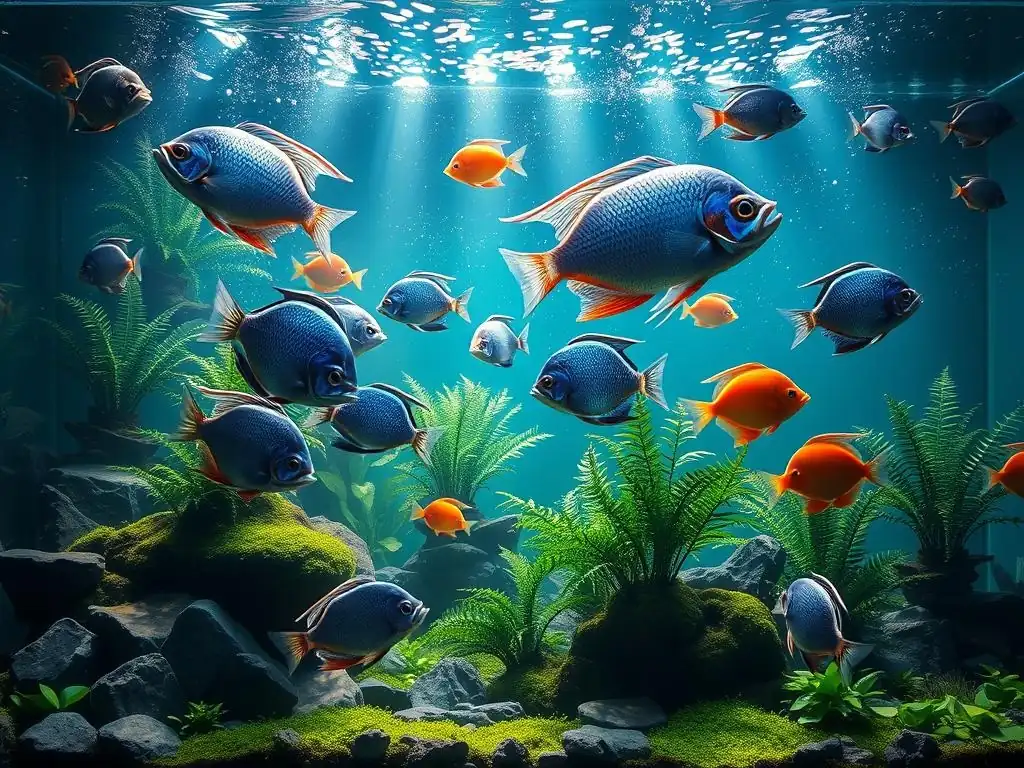
Welcome to Aquarium Mastery!
Ever wondered how to unlock the full, vibrant potential of your Angelfish and Discus aquarium? Discover the secret weapon many experienced aquarists use: dither fish. Learn how these carefully chosen companions can drastically reduce shyness and encourage natural, engaging behaviors in your prized Angelfish and Discus. Intrigued? Dive in to learn everything you need to know!
- Dither Fish for Angelfish & Discus: Reducing Shyness & Promoting Activity in Your Aquarium
- Understanding the Role of Dither Fish in Angelfish and Discus Tanks
- Selecting the Right Dither Fish Species for Angelfish and Discus
- Setting Up Your Aquarium for Angelfish, Discus, and Dither Fish
- Maintaining a Healthy Angelfish, Discus, and Dither Fish Aquarium
- Potential Problems and Solutions When Using Dither Fish
- Alternative Methods to Reduce Shyness in Angelfish and Discus
- Conclusion: Enhancing Angelfish and Discus Behavior with Dither Fish
-
Frequently Asked Questions
- How do dither fish benefit Angelfish and Discus in an aquarium?
- What are some good examples of dither fish suitable for an Angelfish and Discus tank?
- What considerations are important when selecting dither fish for an Angelfish and Discus aquarium?
- How many dither fish should I add to my aquarium with Angelfish and Discus?
- Can the presence of dither fish negatively impact Angelfish or Discus?
- Final Reflection: Unlocking the Potential of Your Aquarium
- Unveil a Bolder, More Vibrant Aquarium!
Dither Fish for Angelfish & Discus: Reducing Shyness & Promoting Activity in Your Aquarium
Understanding the Role of Dither Fish in Angelfish and Discus Tanks
What are Dither Fish and Why are They Important?
Dither fish are typically small, active, and peaceful schooling fish introduced into an aquarium to reduce shyness and encourage natural behavior in larger, more timid species. For delicate and often reclusive fish like angelfish and discus, the presence of these lively companions acts as a constant reassurance that their environment is safe and free from immediate threats. They signal to the main inhabitants that it's clear to come out and explore, mimicking a "safety in numbers" effect observed in wild aquatic environments.
The importance of using dither fish in tanks with species like angelfish and discus cannot be overstated. These show fish, particularly discus, are highly susceptible to stress, which can lead to suppressed appetites, stunted growth, weakened immune systems, and increased susceptibility to disease. By providing a visible indicator of security, Angelfish discus dither fish help these sensitive species feel more comfortable, leading to more active swimming, consistent feeding, and a general improvement in their overall well-being and vibrant coloration.
Benefits of Using Dither Fish with Angelfish and Discus
One of the primary benefits of incorporating dither fish is the significant reduction in stress levels for angelfish and discus. When angelfish or discus are housed alone or with only a few tank mates, they often exhibit shy behavior, hiding behind decorations or in corners. The continuous, confident swimming of a school of dither fish around the tank signals to the larger, more cautious fish that no predators are lurking, encouraging them to emerge and display their natural behaviors. This constant visual reassurance is invaluable for species prone to anxiety.
Furthermore, the presence of dither fish actively promotes increased activity and improved feeding habits in angelfish and discus. Shy fish frequently miss out on food during feeding times because they are too afraid to compete or approach the surface. Dither fish, being more assertive feeders, can draw out the angelfish and discus, making them feel more secure in approaching food sources. This can lead to more consistent and robust feeding, which is crucial for the growth and vitality of these magnificent freshwater fish.
Selecting the Right Dither Fish Species for Angelfish and Discus
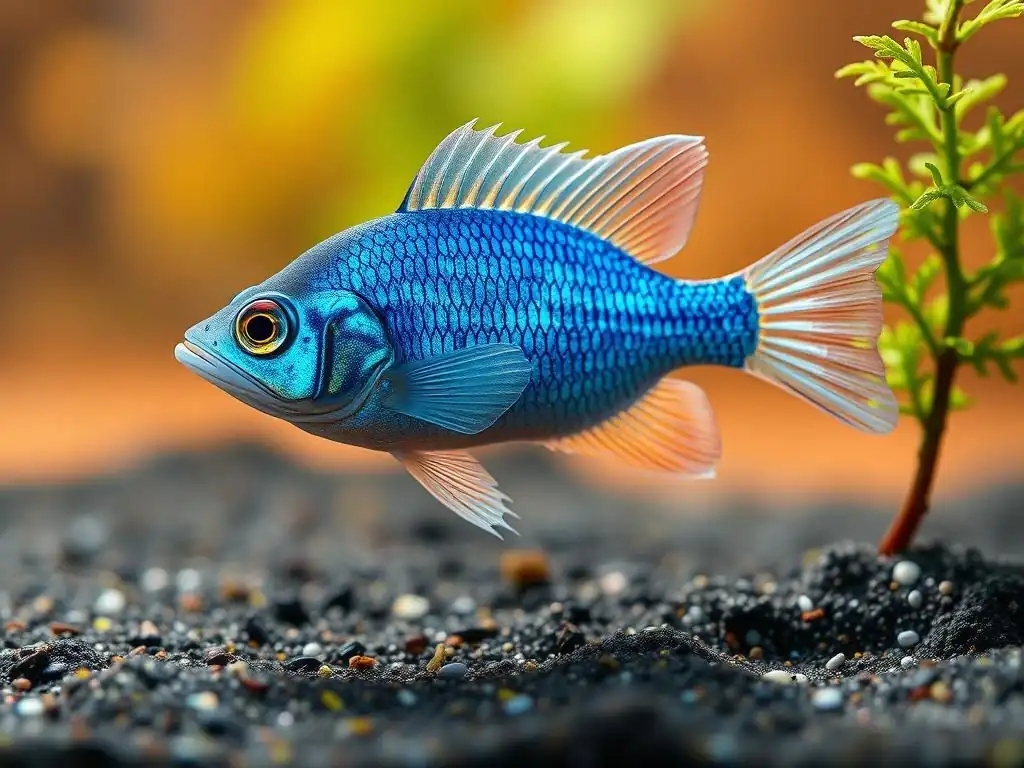
Compatibility Considerations: Angelfish, Discus, and Potential Dither Fish
When selecting Angelfish discus dither fish, compatibility is paramount and requires careful consideration of several factors. Firstly, the dither fish must be peaceful and non-aggressive, ensuring they won't nip fins or harass the slower-moving angelfish or discus. Secondly, their size is crucial; they should be large enough not to be mistaken for food by adult angelfish, yet small enough to remain submissive. A good rule of thumb is to choose dither fish that are at least 1.5 to 2 inches long for adult angelfish and discus.
Crucially, the water parameters required by the dither fish must closely match those preferred by angelfish and discus. Angelfish generally thrive in temperatures between 75-82°F (24-28°C) and a pH range of 6.0-7.5, while discus prefer warmer water, typically 82-86°F (28-30°C), and a slightly more acidic pH of 5.5-7.0. Therefore, any chosen dither fish must tolerate these specific conditions, especially the higher temperatures required for discus. Additionally, their activity level should be consistent and calming, rather than erratic or hyperactive, to provide the desired soothing effect.
Ideal Dither Fish Species for Angelfish Aquariums
For angelfish aquariums, several species make excellent dither fish choices due to their peaceful nature and similar water parameter requirements. Cardinal Tetras ( Paracheirodon axelrodi) are a top recommendation; they are vibrant, school tightly, and thrive in similar soft, acidic water conditions and temperatures around 75-80°F. Their active schooling behavior provides constant reassurance without being overly boisterous, making them ideal Angelfish discus dither fish candidates.
Another highly suitable option is the Rummy-Nose Tetra ( Hemigrammus bleheri). These fish are renowned for their incredibly tight schooling behavior, which is precisely what shy angelfish need to feel secure. They are hardy, peaceful, and adapt well to the 75-82°F temperature range common in angelfish tanks. Other good choices include Lemon Tetras ( Hyphessobrycon pulchripinnis) and Harlequin Rasboras ( Trigonostigma heteromorpha), both of which are peaceful, visually appealing, and generally compatible with the temperament and environmental needs of angelfish.
Top Dither Fish Choices for Discus Tanks
When it comes to discus tanks, the selection of dither fish becomes more stringent due to the discus's demanding high-temperature requirements. Cardinal Tetras are arguably the best Angelfish discus dither fish choice for discus, as they naturally inhabit similar warm, soft, and acidic waters in the Amazon basin, tolerating temperatures up to 84°F (29°C) very well. Their tight schooling and calm demeanor make them perfect for encouraging discus to feel secure and active.
Rummy-Nose Tetras are also highly recommended for discus setups. Like Cardinal Tetras, they are excellent schoolers and can comfortably live in the higher temperature ranges preferred by discus, typically up to 84°F (29°C). Their distinct red nose and black-and-white tail pattern add visual appeal while their consistent schooling provides the necessary dither effect. While other small, peaceful tetras might be considered, it's crucial to verify their temperature tolerance, as many common species may not thrive consistently above 80°F (27°C), which is often the minimum for a healthy discus environment.
Setting Up Your Aquarium for Angelfish, Discus, and Dither Fish
Tank Size and Water Parameters for a Community Aquarium
Establishing a suitable environment is crucial for a thriving Angelfish discus dither fish community. For angelfish, a minimum tank size of 55 gallons is recommended for a pair, with larger tanks (e.g., 75 gallons or more) being ideal for a small group of 4-6 individuals. Discus, being larger and requiring more stable conditions, necessitate a minimum of 75 gallons for a small group of 3-4, with 125 gallons or more preferred for a healthy group of 5-6 adults. The increased volume helps dilute waste products and maintain stable water parameters, which are paramount for these sensitive fish.
Water parameters must be meticulously maintained to ensure the well-being of all inhabitants. A stable temperature between 78-84°F (26-29°C) is a good compromise for a mixed angelfish and discus tank, leaning towards the higher end for discus. The pH should ideally be soft and slightly acidic, ranging from 6.0-7.0. Regular testing for ammonia, nitrite (which should always be zero), and nitrate (kept below 20 ppm) is essential, along with a robust filtration system capable of handling the bioload from a community of Angelfish discus dither fish.
Creating a Stress-Free Environment for All Fish
A stress-free environment is pivotal for encouraging angelfish and discus to overcome their shyness, with dither fish acting as a key component. Aquascaping should include ample hiding spots and visual barriers, which can be achieved through dense planting (e.g., Amazon swords, Anubias, Java fern) and strategically placed driftwood or smooth rocks. While dither fish encourage them to explore, having safe retreats ensures they never feel completely exposed.
Lighting should be moderate and diffused, avoiding harsh, direct illumination that can make shy fish feel vulnerable. Using floating plants or a dimmer light can help achieve this. Water flow should be gentle to moderate, as both angelfish and discus prefer calm waters over strong currents. Finally, the tank's placement within the home should be considered; a location away from high-traffic areas and sudden noises will minimize external disturbances, contributing significantly to the overall tranquility of the Angelfish discus dither fish habitat.
Introducing Dither Fish to a Pre-Existing Angelfish and Discus Tank
Introducing new fish, especially dither fish, to an established angelfish and discus tank requires a careful, methodical approach to prevent stress and the introduction of diseases. The most critical step is a strict quarantine period of at least 2-4 weeks in a separate, fully cycled quarantine tank. During this time, observe the dither fish for any signs of illness, such as Ich (white spots), clamped fins, lethargy, or unusual lesions, and treat them if necessary before they ever enter the main display tank. This proactive measure significantly reduces the risk of infecting your valuable angelfish and discus.
Once the quarantine period is successfully completed, a slow and gradual acclimation process is vital. Drip acclimation, where water from the main tank is slowly added to the dither fish's transport bag or container over 30-60 minutes, is highly recommended to minimize shock from sudden changes in water parameters.
It's often beneficial to introduce the dither fish when the main tank lights are dim or off, allowing them to settle into their new surroundings with less immediate attention from the existing inhabitants. Observing the Angelfish discus dither fish interaction closely for the first few hours and days is crucial to ensure peaceful integration.
Maintaining a Healthy Angelfish, Discus, and Dither Fish Aquarium
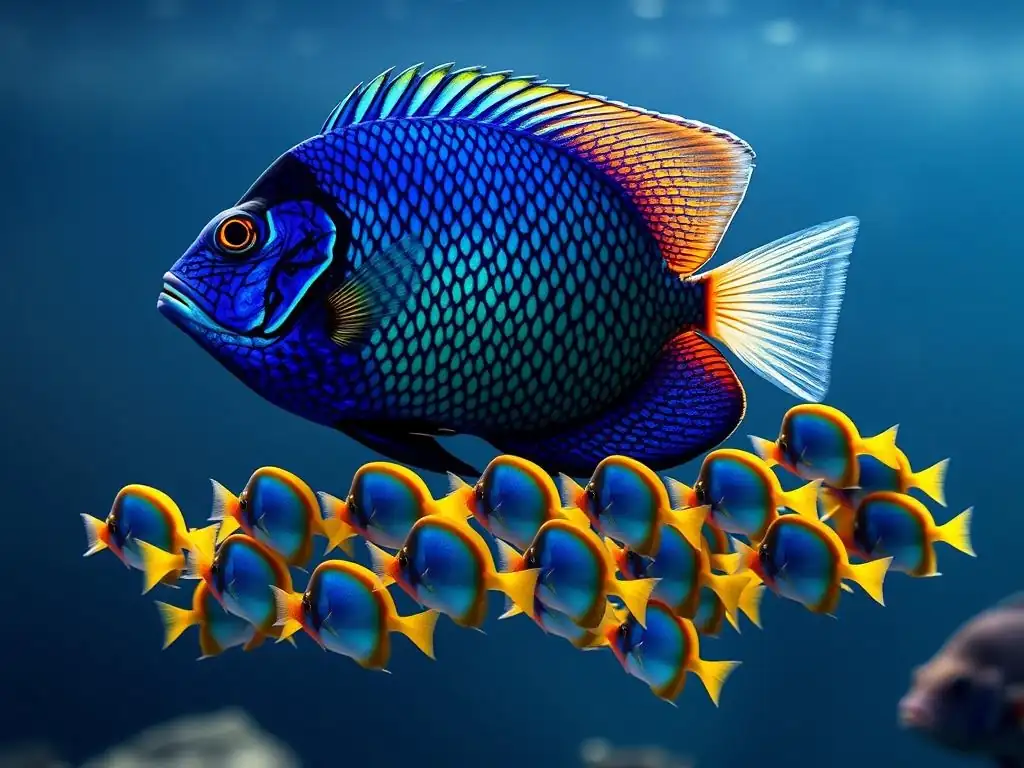
Feeding Strategies for a Mixed Community Tank
Effective feeding strategies are essential to ensure all inhabitants, from the fast-moving dither fish to the often-shy angelfish and discus, receive adequate nutrition. A varied diet is key, consisting of high-quality flakes, small pellets, and a range of frozen foods such as bloodworms, brine shrimp, and mysis shrimp. For discus, specialized discus pellets or beef heart mixes can be beneficial. Feeding multiple small meals throughout the day (e.g., 2-3 times) is more effective than one large meal, as it allows slower feeders more opportunities to eat and reduces overall waste.
To prevent dither fish from outcompeting angelfish and discus for food, consider distributing food across different areas of the tank or using sinking pellets for the bottom dwellers while flakes are fed at the surface. Observing the feeding behavior of your specific Angelfish discus dither fish community is crucial. If certain individuals appear to be missing out, targeted feeding with a long pipette or tongs can ensure they receive their share, especially for very shy discus. Soaking dry foods in tank water or vitamin supplements before feeding can also improve palatability and nutrient absorption.
Monitoring Water Quality and Performing Regular Maintenance
Maintaining pristine water quality is paramount for the health of angelfish, discus, and their dither fish companions. Weekly water testing for ammonia, nitrite, and nitrate levels is non-negotiable. Ammonia and nitrite should always be undetectable, while nitrates should be kept below 20 ppm, ideally closer to 5-10 ppm for discus. Regular, significant water changes are the most effective method for managing nitrate accumulation and replenishing essential minerals. For discus tanks, 25-50% weekly water changes are common, while angelfish may tolerate 20-30% weekly changes.
Beyond water changes, consistent maintenance routines contribute significantly to a healthy aquarium. This includes vacuuming the substrate to remove uneaten food and detritus, which can degrade water quality. Filter media should be cleaned or replaced regularly according to manufacturer recommendations, ensuring biological filtration remains efficient. However, avoid cleaning all filter media at once, as this can crash the beneficial bacterial colony. By diligently adhering to these maintenance practices, you create a stable and healthy environment for your Angelfish discus dither fish community.
Recognizing and Addressing Potential Issues with Dither Fish and Angelfish/Discus
Vigilant observation of your Angelfish discus dither fish community is crucial for early detection and resolution of potential issues. Keep an eye out for signs of aggression, such as fin nipping from dither fish towards the angelfish or discus, or conversely, angelfish preying on smaller dither fish. Aggression often indicates insufficient space, incompatible species, or an imbalanced male-to-female ratio among the angelfish. Addressing this might involve re-evaluating tank size, adding more hiding spots, or rehoming overly aggressive individuals.
Disease recognition is another critical aspect. Symptoms like white spots (Ich), clamped fins, lethargy, loss of appetite, frayed fins, or unusual growths warrant immediate attention. Prompt diagnosis and treatment, often in a separate hospital tank, can prevent the spread of illness throughout the entire community. Additionally, monitor for signs of stress, such as chronic hiding, faded coloration, or rapid breathing, which could indicate poor water quality, overcrowding, or an unsuitable environment that needs immediate adjustment.
Potential Problems and Solutions When Using Dither Fish
Dither Fish Outcompeting Angelfish or Discus for Food
A common challenge when integrating Angelfish discus dither fish is that the dither fish, being generally more agile and less timid, can quickly consume all the food before the slower-moving or shyer angelfish and discus get their share. This can lead to malnutrition and stunted growth in the main display fish, especially discus which require consistent, high-quality feeding. For instance, a school of active Rummy-Nose Tetras might snatch all the flakes at the surface before a shy discus even approaches.
To mitigate this, implement strategies such as feeding multiple times a day in smaller quantities, allowing the food to be distributed more widely. Using different types of food can also help: feed floating flakes for the dither fish, and simultaneously drop sinking pellets or frozen foods directly into areas where angelfish or discus typically reside. Target feeding with a long pipette for particularly shy individuals can also ensure they receive adequate nutrition, preventing the dither fish from monopolizing the food supply.
Dither Fish Becoming Prey for Larger Angelfish
While dither fish are intended to bring comfort, there's a risk they might become a meal, particularly if you're keeping larger, more mature angelfish. Adult angelfish, especially wild-type or larger strains, are opportunistic predators and can easily consume smaller fish like Neon Tetras or very young Cardinal Tetras. This not only results in the loss of your dither fish but can also lead to digestive issues for the angelfish if they consume too many small fish.
The solution lies in careful species selection and considering the size difference between your angelfish and the dither fish. Opt for dither fish that are too large to be easily swallowed by your angelfish, generally those around 1.5 to 2 inches or larger for adult angelfish. For example, instead of Neon Tetras, choose mature Cardinal Tetras or Rummy-Nose Tetras, which are more substantial in size and less likely to be seen as prey by most angelfish. Introducing dither fish to juvenile angelfish can also help them grow up accustomed to their presence.
Dither Fish Introducing Diseases to the Aquarium
One of the most significant risks associated with adding any new fish, including Angelfish discus dither fish, is the potential introduction of diseases or parasites to your established aquarium. Even seemingly healthy fish can carry pathogens that may not affect them but could be devastating to more sensitive species like angelfish and discus, which are particularly susceptible to stress-induced illnesses such as Ich (white spot disease), Velvet, or bacterial infections.
To prevent this, a strict quarantine protocol is absolutely essential. All new dither fish should be housed in a separate, fully cycled quarantine tank for a minimum of 2 to 4 weeks before being introduced to the main display tank. During this period, observe them closely for any signs of illness, and treat any symptoms that appear. This isolation period allows any latent diseases to manifest and be treated, safeguarding your valuable angelfish and discus from potential outbreaks that could wipe out an entire tank.
Alternative Methods to Reduce Shyness in Angelfish and Discus
Improving Tank Decor and Aquascaping
While Angelfish discus dither fish are highly effective, optimizing tank decor and aquascaping offers significant alternative methods to reduce shyness. A bare or sparsely decorated tank provides no sense of security, leaving angelfish and discus feeling exposed and vulnerable, leading them to hide persistently. Conversely, a thoughtfully aquascaped environment with ample cover can dramatically increase their comfort levels.
Incorporating dense live plants, such as large Amazon Swords, Cryptocoryne species, or Anubias, creates natural hiding spots and visual barriers. These plants offer security and break up lines of sight, allowing fish to establish territories without constant confrontation. Additionally, strategically placed driftwood and smooth rock formations can provide caves and crevices for retreat. A darker substrate can also help fish feel more secure, as it reduces reflections and mimics a more natural, shaded riverbed environment.
Adjusting Lighting and Water Flow
Beyond the presence of dither fish, subtle adjustments to lighting and water flow can significantly impact the shyness of angelfish and discus. Both species prefer environments with moderate, diffused lighting rather than harsh, direct illumination. Overly bright lights can make them feel exposed, akin to being in the open without cover from predators. Using a dimmer on your aquarium lights, or incorporating floating plants like Amazon Frogbit or Dwarf Water Lettuce, can help diffuse the light and create a more comfortable, subdued ambiance.
Similarly, the intensity of water flow plays a crucial role. Angelfish and discus originate from slow-moving or still waters and are not adapted to strong currents. Excessive water flow can stress them, causing them to expend unnecessary energy fighting the current and leading to increased shyness or lethargy. Ensuring your filtration system provides gentle water movement, perhaps through a spray bar or by directing outflow towards the tank glass, will contribute to a more serene and less stressful environment for these sensitive fish.
Implementing a Gradual Acclimation Process
A gradual acclimation process is a fundamental, yet often overlooked, method for reducing initial shyness and stress in new angelfish and discus. Rushing new fish into an established tank can cause significant shock due to abrupt changes in water parameters, leading to prolonged periods of hiding and reluctance to feed. This initial stress can have long-term negative effects on their health and confidence.
The drip acclimation method is highly recommended, where water from the display tank is slowly added to the bag or container holding the new fish over a period of 30 minutes to an hour. This allows for a gentle adjustment to the new water temperature, pH, and hardness. Once the fish are introduced, keeping the tank lights off for several hours or even a full day can help them adjust to their new surroundings without immediate visual stress. Patience and minimizing disturbances during this crucial initial period contribute immensely to a well-adjusted and less shy Angelfish discus dither fish.
Conclusion: Enhancing Angelfish and Discus Behavior with Dither Fish
The strategic inclusion of Angelfish discus dither fish offers a powerful and natural method to transform a shy, reclusive aquarium into a vibrant, active display. By providing a constant visual cue of safety, these small, peaceful schooling fish effectively reduce stress, encourage bolder swimming patterns, and promote more consistent feeding in sensitive species like angelfish and discus. This positive impact extends beyond mere aesthetics, contributing significantly to the overall health, vitality, and natural behavior of your prized show fish.
However, the success of an Angelfish discus dither fish community hinges on careful planning and diligent maintenance. Selecting compatible dither fish species that thrive in similar water parameters, ensuring adequate tank size and aquascaping, and implementing rigorous quarantine and acclimation protocols are all non-negotiable steps. When chosen wisely and maintained meticulously, dither fish become invaluable companions, unlocking the full potential for your angelfish and discus to flourish and display their magnificent beauty with confidence in your home aquarium.
Frequently Asked Questions
How do dither fish benefit Angelfish and Discus in an aquarium?
Dither fish can reduce shyness and promote activity in Angelfish and Discus by creating a sense of security. Their presence signals that the environment is safe, encouraging the more sensitive fish to venture out and feed.
What are some good examples of dither fish suitable for an Angelfish and Discus tank?
Suitable dither fish include species like Harlequin Rasboras, Cardinal Tetras, and Rummy Nose Tetras. These fish are generally peaceful, active, and compatible with the water parameters preferred by Angelfish and Discus.
What considerations are important when selecting dither fish for an Angelfish and Discus aquarium?
When selecting dither fish, consider their size, temperament, and environmental needs. They should be large enough not to be eaten, peaceful enough not to nip fins, and able to thrive in the warm, slightly acidic water preferred by Angelfish and Discus.
How many dither fish should I add to my aquarium with Angelfish and Discus?
The number of dither fish depends on the size of your aquarium, but a group of 6-10 individuals is generally recommended. This provides a sufficient shoaling effect without overcrowding the tank.
Can the presence of dither fish negatively impact Angelfish or Discus?
While rare, dither fish can sometimes outcompete Angelfish and Discus for food if not properly managed. Ensure that the Angelfish and Discus are receiving enough food and observe their behavior for any signs of stress or aggression.
Final Reflection: Unlocking the Potential of Your Aquarium
The insights shared throughout this article highlight the profound impact of creating a thriving and balanced ecosystem within your aquarium. Understanding the role of dither fish in reducing shyness and promoting activity in Angelfish and Discus is not just about aesthetics; it's about fostering a healthier, more natural environment that allows these magnificent creatures to truly flourish in our care. This knowledge is particularly relevant today, as the aquarium hobby continues to evolve towards more ethical and sustainable practices.
The introduction of dither fish is more than just a practical solution; it's a reflection of our understanding of fish behavior and their need for social interaction. Witnessing the transformation of a timid Angelfish into a confident and active member of the community is a deeply rewarding experience. It underscores the importance of considering the psychological well-being of our aquatic companions. The greatness of a nation and its moral progress can be judged by the way its animals are treated.
- Mahatma Gandhi. This quote, though not directly about fish, resonates deeply with the responsibility we bear as caretakers of these sensitive creatures.
Now, armed with this knowledge, I encourage you to reflect on your own aquarium practices. Are you providing an environment that truly allows your Angelfish and Discus to thrive? Consider the subtle, yet powerful, impact of dither fish and how they can unlock the full potential of your aquatic world. Embrace the opportunity to create a more enriching and fulfilling life for your fish, and in doing so, enrich your own experience as an aquarist.
Unveil a Bolder, More Vibrant Aquarium!
Thank you for exploring the fascinating world of dither fish and their positive impact on Angelfish and Discus. We hope this article has given you valuable insights into creating a more stimulating and natural environment for your prized fish! Ready to take the next step?
Here are a few ways to transform your aquarium today:
- Carefully select and introduce a small school of appropriate dither fish to your Angelfish or Discus tank, observing their interactions closely to ensure compatibility.
- Dive deeper! Research other beneficial tank mates and explore aquascaping techniques that mimic the natural habitats of your fish.
- Surprise yourself – share your experiences and newfound knowledge with other hobbyists in online forums or local aquarium clubs!
What subtle changes have you noticed after introducing dither fish, and how has it impacted the overall dynamics of your aquarium?