
Why Bristlenose Plecos are a Top Choice: Benefits Over Common Plecos

Welcome to Aquarium Mastery!
Ever wondered if there's a better algae eater than the common pleco? Dive in and discover why the Bristlenose pleco might just be the perfect addition to your freshwater aquarium. This article uncovers the secrets to thriving Bristlenose pleco care, offering practical tips and insights that you won't want to miss. Ready to unlock the full potential of these fascinating fish? Let's get started!
- Introduction to Bristlenose Plecos and Their Popularity
- Understanding Common Plecos: Size, Behavior, and Care Challenges
- Bristlenose Pleco Care Tips: A Detailed Guide for Aquarium Enthusiasts
- Bristlenose Pleco vs. Common Pleco: A Comparative Analysis
- The Benefits of Choosing a Bristlenose Pleco for Your Aquarium
- Setting Up a Bristlenose Pleco Tank: Essential Considerations
- Breeding Bristlenose Plecos: A Rewarding Experience
- Common Bristlenose Pleco Health Issues and Prevention
- Advanced Bristlenose Pleco Care: Optimizing Their Environment
- Conclusion: Why Bristlenose Plecos Are a Top Choice for Algae Control and Aquarium Health
-
Frequently Asked Questions
- What makes Bristlenose Plecos a popular choice for aquariums?
- What are some key Bristlenose Pleco care tips for beginners?
- What size tank is appropriate for a Bristlenose Pleco?
- What type of food should I feed my Bristlenose Pleco?
- What are some common health issues to watch out for with Bristlenose Plecos?
- Final Reflection: The Enduring Appeal of the Bristlenose
- Dive Deeper: Transform Your Tank with Bristlenose Brilliance!
Introduction to Bristlenose Plecos and Their Popularity
Bristlenose plecos, scientifically known as Ancistrus cirrhosus, have rapidly become one of the most popular choices for freshwater aquarium enthusiasts. Their distinctive appearance, characterized by unique fleshy "bristles" or odontodes on their snouts, combined with their manageable size and excellent algae-eating capabilities, makes them highly sought after. Unlike many larger pleco species, Bristlenose plecos remain relatively small, making them suitable for a wider range of home aquariums.
This article delves into the numerous advantages of choosing a Bristlenose pleco over the more commonly available, but often problematic, common pleco. We will explore detailed Bristlenose pleco care tips, compare their attributes head-to-head, and highlight why Ancistrus cirrhosus stands out as a superior choice for maintaining a healthy and aesthetically pleasing aquarium environment.
Understanding Common Plecos: Size, Behavior, and Care Challenges
Common plecos, often sold simply as "plecostomus" or "suckerfish," typically refer to species within the Hypostomus genus, such as Hypostomus plecostomus. These fish are widely available and inexpensive, leading many novice aquarists to purchase them without fully understanding their long-term needs. While they might appear charming and efficient algae eaters as juveniles, their true nature and impressive growth rate quickly present significant challenges.
The Allure of Common Plecos: Initial Appeal and Drawbacks
Common plecos initially attract buyers due to their low price point, often just a few dollars for a juvenile measuring 2-3 inches. Their unique sucker mouths and initial enthusiasm for consuming algae make them seem like a perfect, natural tank cleaner. Many new hobbyists are drawn to the idea of a fish that can help maintain their aquarium's cleanliness without much effort, leading to impulse purchases.
However, this initial appeal quickly wanes as the fish grows. The most significant drawback is their eventual size, which is frequently underestimated or entirely unknown by their owners. Furthermore, as they mature, common plecos often become less interested in algae, preferring more substantial food, and can even become destructive, uprooting plants or knocking over decorations.
Common Pleco Size Considerations for Home Aquariums
The most critical factor distinguishing common plecos from Bristlenose plecos is their adult size. A common pleco, purchased at a mere few inches, can easily reach lengths of 18 to 24 inches (45 to 60 cm) or even larger within just a few years. This massive size necessitates an aquarium of at least 150-200 gallons for a single adult to thrive, a tank volume far beyond what most home aquarists possess or can accommodate.
Keeping a common pleco in an undersized tank leads to severe consequences. Stunted growth, where the external body stops growing but internal organs continue, results in organ failure and premature death. Overcrowding also significantly increases the bioload, leading to poor water quality, increased aggression towards tank mates, and chronic stress, none of which contribute to a healthy, balanced aquarium ecosystem.
Bristlenose Pleco Care Tips: A Detailed Guide for Aquarium Enthusiasts
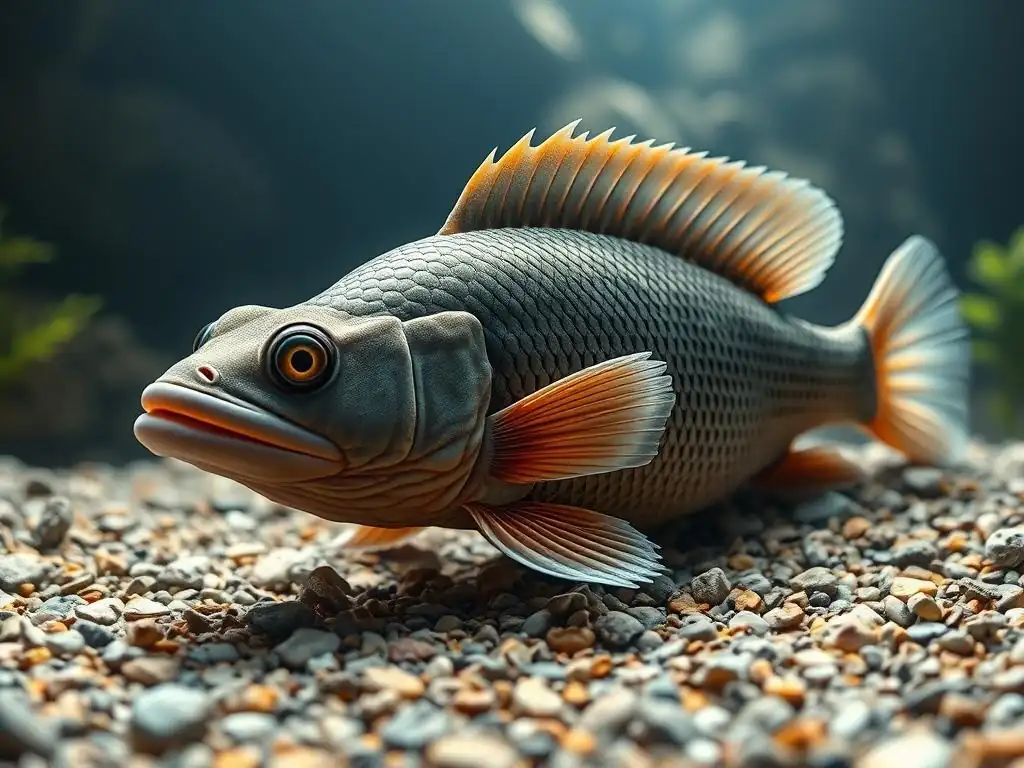
Bristlenose plecos are known for being hardy and relatively easy to care for, provided their specific needs are met. Adhering to proper Bristlenose pleco care tips ensures their health, longevity, and continued effectiveness as algae controllers. Understanding their environmental and dietary requirements is fundamental to their well-being.
Ideal Tank Size for Bristlenose Plecos: Creating a Suitable Habitat
Unlike their common counterparts, Bristlenose plecos are truly dwarf species, typically reaching an adult size of 4 to 5 inches (10 to 13 cm). This makes them an excellent fit for standard home aquariums. A minimum tank size of 20 gallons (approximately 75 liters) is recommended for a single adult Bristlenose pleco, providing adequate space for exploration and territory establishment.
For a pair or a small group, a 30-gallon (approximately 113 liters) or larger aquarium is more suitable, allowing each fish sufficient personal space and reducing potential territorial disputes. When selecting a tank, prioritize footprint over height, as Bristlenose plecos are bottom dwellers and appreciate more horizontal swimming and grazing area. Essential Bristlenose pleco care tips include ensuring ample hiding spots and driftwood, which is crucial for their digestive health.
Water Parameters for Optimal Bristlenose Pleco Health
Maintaining stable and appropriate water parameters is paramount for the health of Bristlenose plecos. They thrive in soft to moderately hard freshwater, with a general hardness (GH) between 2-15 dGH and carbonate hardness (KH) between 3-10 dKH. The ideal pH range is slightly acidic to neutral, typically between 6.5 and 7.5. Water temperature should be kept between 72-80°F (22-27°C).
It is critical to keep ammonia and nitrite levels at 0 ppm at all times, with nitrates below 20 ppm. Regular weekly water changes of 25-30% are essential to maintain pristine water quality and replenish vital minerals. Employing a reliable liquid test kit for regular monitoring of these parameters is a key component of effective Bristlenose pleco care tips, preventing stress and disease.
Diet and Feeding Habits: What Do Bristlenose Plecos Eat?
Bristlenose plecos are primarily herbivorous, known for their excellent algae-eating capabilities. They possess a unique suckermouth with specialized teeth that are highly efficient at scraping algae and biofilm from various surfaces, including glass, rocks, and driftwood. While they are diligent grazers, relying solely on tank algae is often insufficient for their nutritional needs, especially in established, clean aquariums.
Supplementing Their Diet: Algae Wafers and Vegetables
To ensure a balanced diet and optimal health, it is crucial to supplement the Bristlenose pleco's natural grazing with high-quality sinking foods. Algae wafers or spirulina wafers should be offered daily or every other day, ensuring they receive adequate nutrition. These wafers are specifically formulated to provide the necessary vitamins and minerals for plecos.
In addition to commercial foods, fresh blanched vegetables are an excellent dietary supplement. Popular choices include zucchini slices, cucumber, shelled peas, and romaine lettuce. Attach vegetables to a feeding clip or weigh them down to ensure they sink to the bottom. Always remove any uneaten vegetable matter after 12-24 hours to prevent water fouling. These dietary considerations are among the most important Bristlenose pleco care tips.
Bristlenose Pleco vs. Common Pleco: A Comparative Analysis
The choice between a Bristlenose pleco and a common pleco is significant for any aquarist, directly impacting tank maintenance, fish health, and overall aquarium harmony. A direct comparison reveals why Bristlenose plecos consistently emerge as the superior option for the vast majority of home setups.
Size and Space Requirements: Bristlenose Plecos Win on Compactness
The most striking difference lies in their adult size and the corresponding tank requirements. A Bristlenose pleco, maturing at a compact 4-5 inches, can comfortably thrive in a 20-30 gallon aquarium, making it perfectly suited for standard home tanks. This manageable size prevents overcrowding and the ethical dilemmas associated with housing an oversized fish.
In stark contrast, common plecos can easily reach 18-24 inches in length, demanding aquariums of 150-200 gallons or more. Housing them in smaller tanks leads to severe health issues, stunted growth, and a significantly reduced lifespan. The ability to keep a Bristlenose pleco in a modest setup without compromising its well-being is a tremendous advantage for most hobbyists.
Algae Control Efficiency: Which Pleco Cleans Better?
While common plecos are often purchased for their algae-eating prowess, their effectiveness diminishes significantly as they grow. Young common plecos may consume algae, but as they mature, their diet shifts towards more substantial foods, and their interest in scraping algae wanes. Furthermore, their large size and high bioload can actually contribute to algae growth by increasing nutrient levels in the water.
Bristlenose plecos, on the other hand, maintain their diligent algae-eating habits throughout their lives. Their unique mouth structure and continuous grazing make them highly efficient at keeping surfaces clean, tackling various types of algae like diatoms and green spot algae. For consistent, long-term algae control, the Bristlenose pleco is undeniably more effective and less problematic.
Temperament and Compatibility: Bristlenose Plecos as Peaceful Tank Mates
Bristlenose plecos are renowned for their peaceful and shy temperament, making them ideal inhabitants for community aquariums. They primarily spend their time grazing on surfaces and seeking hiding spots, rarely interacting negatively with other fish. They generally coexist well with a wide variety of peaceful freshwater species, including tetras, rasboras, gouramis, and corydoras.
Common plecos, particularly as they mature, can exhibit territorial and aggressive behaviors. They may harass other bottom-dwelling fish or even attach to slower-moving, flat-bodied fish to suck on their slime coat, causing significant stress and injury. Their large size also means they can inadvertently disrupt the tank by uprooting plants or rearranging decor, making them less suitable for harmonious community setups.
Tank Cleaning Comparison: Bristlenose Plecos as Better Algae Eaters
Reiterating their superior cleaning abilities, Bristlenose plecos are genuinely dedicated algae eaters. Their smaller form allows them to access tight crevices and intricate decorations, ensuring thorough cleaning of all surfaces. They consistently graze on biofilm and algae, contributing to a visibly cleaner and healthier tank environment without excessive waste production.
Common plecos, despite their initial reputation, become less effective algae removers with age. Their significant waste output, characterized by large, frequent excretions, adds substantially to the tank's bioload. This increased organic waste can paradoxically fuel the growth of new algae, creating a cycle where the "cleaner" fish contributes to the problem. For consistent and beneficial algae control, Bristlenose plecos are the clear winners.
The Benefits of Choosing a Bristlenose Pleco for Your Aquarium
Selecting a Bristlenose pleco offers a multitude of advantages that contribute to a more enjoyable and manageable aquarium experience. These benefits extend beyond simple aesthetics, impacting tank health, maintenance, and the well-being of all inhabitants.
Superior Algae Control in Smaller Tanks
Bristlenose plecos are exceptional at managing algae growth, even in tanks as small as 20-30 gallons. Their continuous grazing on glass, rocks, and driftwood helps to keep unsightly algae at bay, reducing the need for manual scraping and chemical treatments. This natural method of algae control is both effective and environmentally friendly for the aquarium.
Their precise feeding habits mean they can target specific areas of algae without disturbing the substrate or uprooting delicate plants. This makes them an invaluable asset for planted tanks, where larger, more clumsy bottom dwellers might cause damage. The consistent, efficient cleaning provided by a Bristlenose pleco significantly contributes to the overall cleanliness and clarity of the aquarium.
Reduced Risk of Overgrowing Your Aquarium
One of the most compelling reasons to choose a Bristlenose pleco is their predictable and manageable adult size. Reaching a maximum of 4-5 inches, they are perfectly suited for the tank sizes commonly owned by hobbyists. This eliminates the significant concern of a fish outgrowing its environment, a common and often distressing problem with common plecos.
This predictability means aquarists can confidently plan their tank setup and stocking levels without fear of future ethical dilemmas or the necessity of expensive tank upgrades. It ensures that the fish can live out its full lifespan (typically 5-10 years) in a comfortable and appropriate habitat, fostering a responsible and sustainable approach to fish keeping.
More Peaceful Interactions with Other Fish
The gentle and non-aggressive nature of Bristlenose plecos makes them ideal tank mates for a wide array of peaceful community fish. They rarely bother other species, preferring to quietly go about their business of grazing. This peaceful disposition contributes significantly to a low-stress environment for all aquarium inhabitants.
As bottom dwellers, Bristlenose plecos occupy a specific niche in the aquarium, minimizing competition for space with mid-water or top-dwelling fish. Their shy demeanor means they are unlikely to provoke or be provoked by other species, leading to harmonious coexistence. This makes them a perfect addition to diverse community setups, enhancing the overall tranquility of the tank.
Setting Up a Bristlenose Pleco Tank: Essential Considerations
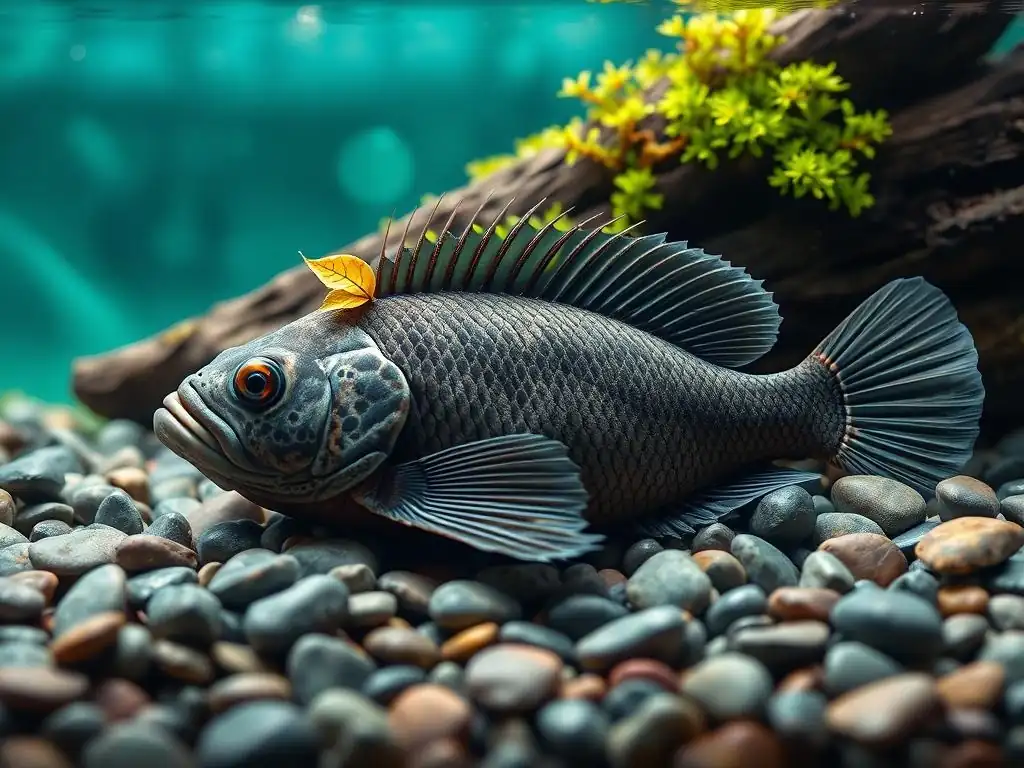
Proper tank setup is crucial for the long-term health and happiness of your Bristlenose pleco. Beyond just size, specific elements of the substrate, decorations, and filtration must be considered to replicate their natural environment and provide optimal Bristlenose pleco care tips.
Substrate and Decorations: Creating a Natural Environment
When setting up an aquarium for Bristlenose plecos, a soft substrate like sand or fine gravel is preferred, as they often sift through it while foraging. The most critical decoration is driftwood, which is not merely aesthetic but essential for their digestive health. Bristlenose plecos rasp on driftwood to ingest lignin and cellulose, which aid their digestion. Provide multiple pieces to ensure they have ample access.
Additionally, offer plenty of hiding spots in the form of caves, rock formations, or ceramic pleco caves. Bristlenose plecos are nocturnal and appreciate secure places to retreat during daylight hours. Live plants, particularly those with broad leaves like Anubias or Java Fern, provide additional cover and surfaces for algae growth, further enriching their habitat.
Filtration and Water Quality: Maintaining a Healthy Ecosystem
Robust filtration is paramount for maintaining the pristine water quality that Bristlenose plecos require. A high-quality hang-on-back (HOB) filter or a canister filter, capable of providing strong mechanical, biological, and chemical filtration, is highly recommended. While Bristlenose plecos are smaller, they still produce a moderate bioload, so efficient ammonia and nitrite conversion is vital.
Beyond filtration, consistent water quality management is a cornerstone of Bristlenose pleco care tips. Perform regular weekly water changes of 25-30% to dilute nitrates and replenish essential minerals. Using a gravel vacuum during water changes will help remove accumulated detritus from the substrate, preventing the build-up of harmful compounds and ensuring a clean, healthy environment.
Tank Mates for Bristlenose Plecos: Compatible Species
Bristlenose plecos are excellent candidates for a wide range of community aquariums due to their peaceful nature. Compatible tank mates include various schooling fish such as Neon Tetras, Rummy Nose Tetras, Harlequin Rasboras, and various species of peaceful Corydoras catfish. Smaller gouramis, like Dwarf Gouramis, and peaceful dwarf cichlids, such as German Blue Rams, can also coexist harmoniously.
It is advisable to avoid highly aggressive or fin-nipping species that might stress or injure your Bristlenose pleco. While generally tolerant, avoid housing them with other highly territorial bottom dwellers in tanks smaller than 30 gallons, to prevent any potential competition for space. Always ensure that all chosen tank mates have similar water parameter requirements to maintain a stable and healthy environment for everyone.
Breeding Bristlenose Plecos: A Rewarding Experience
Breeding Bristlenose plecos can be a highly rewarding experience for the dedicated aquarist. They are cave spawners, and with the right conditions and setup, they will readily reproduce. Understanding their breeding behaviors and care for the fry is essential for success.
Setting Up a Breeding Tank for Bristlenose Plecos
For successful Bristlenose pleco breeding, a dedicated breeding tank of at least 20 gallons is highly recommended, though some success can be achieved in larger community tanks. The breeding tank should be equipped with specific pleco breeding caves, which are typically ceramic tubes or slate caves, providing a secure, dark, and enclosed space for the male to guard the eggs. Provide several options to allow the pair to choose.
Optimal water parameters for breeding typically involve slightly acidic to neutral pH (6.5-7.0) and a temperature range of 72-78°F (22-26°C). Excellent water quality, achieved through a gentle sponge filter and frequent small water changes, is crucial. Conditioning the breeding pair with a rich diet of blanched vegetables and high-quality algae wafers can also encourage spawning.
Identifying Male and Female Bristlenose Plecos
Sexual dimorphism in adult Bristlenose plecos is quite pronounced, making it relatively easy to distinguish between males and females. Males develop prominent, branched "bristles" or odontodes on their snout, often extending to the top of their head and sometimes along the sides. These bristles are a key indicator of masculinity.
Females, in contrast, have much smaller, fewer, or no bristles at all, typically limited to a few tiny projections around the edge of their snout. Males are also often noticeably larger and more robust in build than females of the same age. These distinguishing features become more apparent as the fish mature, usually once they reach about 2-3 inches in length, making identification straightforward for Bristlenose pleco care tips related to breeding.
Caring for Bristlenose Pleco Fry
Once the Bristlenose pleco eggs hatch, typically within 4-7 days depending on temperature, the fry will initially feed on their yolk sacs for the first few days. After this, they become free-swimming and require a constant supply of food. Fine spirulina powder, crushed high-quality algae wafers, blanched zucchini slices, and specialized fry foods are excellent options. It's crucial to provide multiple small feedings throughout the day.
Maintaining pristine water quality is paramount for the survival and healthy development of Bristlenose pleco fry. Perform small, frequent water changes (10-15% daily or every other day), carefully siphoning any uneaten food or detritus from the bottom. Providing plenty of small hiding spots, such as small pieces of driftwood or leaf litter, helps reduce stress and offers additional grazing surfaces for the rapidly growing fry.
Common Bristlenose Pleco Health Issues and Prevention
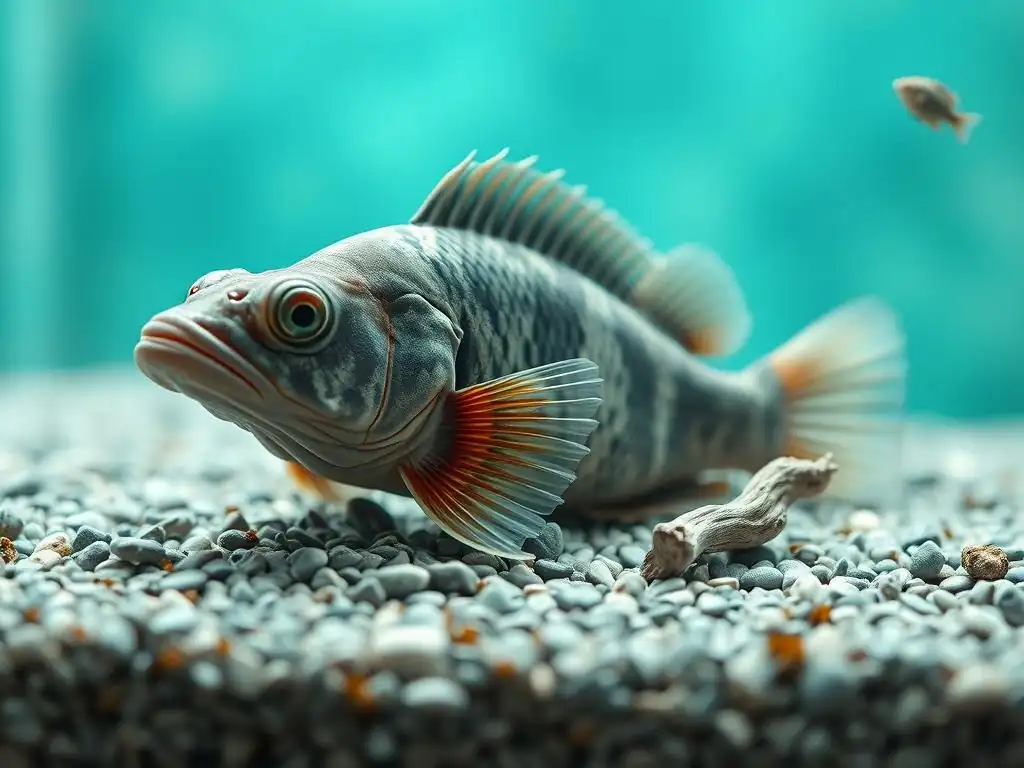
While Bristlenose plecos are generally robust, they can still fall victim to common aquarium diseases if their environment is not optimally maintained. Understanding how to recognize signs of illness and implement preventative measures is a key aspect of comprehensive Bristlenose pleco care tips.
Recognizing Signs of Illness in Bristlenose Plecos
Observing your Bristlenose pleco regularly is crucial for early detection of health issues. Common signs of illness include lethargy, decreased appetite or refusal to eat, clamped fins, rapid or labored breathing, and unusual changes in coloration or appearance, such as faded patches or visible lesions. White spots on the body or fins often indicate Ich (white spot disease), while fuzzy growths suggest a fungal infection.
Behavioral changes can also be indicators of stress or disease; these include excessive hiding, frantic swimming, or rubbing against tank decor. Given their nocturnal nature, it might be beneficial to observe them with a dim light or flashlight after the main tank lights are off. Prompt identification of these symptoms is vital for successful intervention and treatment.
Preventing Common Diseases: Maintaining Water Quality
The most effective way to prevent common diseases in Bristlenose plecos is by consistently maintaining excellent water quality. This involves performing regular weekly water changes of 25-30%, using a reliable filtration system, and avoiding overfeeding, which can quickly lead to high levels of ammonia, nitrite, and nitrate. Stable water parameters reduce stress, which is a major predisposing factor to illness.
Additionally, always quarantine new fish for 2-4 weeks in a separate tank before introducing them to your main aquarium. This practice helps prevent the introduction of diseases from new stock. Providing a varied and nutritious diet bolsters their immune system, and ensuring adequate hiding spots reduces stress, further contributing to their overall resilience against pathogens. These preventative measures are foundational Bristlenose pleco care tips.
Treating Bristlenose Pleco Ailments: Common Treatments and When to Consult a Professional
For common ailments like Ich, gradually raising the tank temperature to 82-84°F (28-29°C) for several days, along with the application of aquarium salt or commercially available Ich medications, can be effective. Fungal infections often respond well to antifungal treatments designed for aquariums. Always read and follow product instructions carefully to ensure safe and effective use.
If your Bristlenose pleco's symptoms persist, worsen, or if you are unsure about the diagnosis, it is always advisable to consult a professional aquarist or a specialized aquatic veterinarian. They can provide more accurate diagnoses and tailored treatment plans, especially for more complex or severe conditions that might not respond to general remedies. Early professional intervention can significantly improve prognosis.
Advanced Bristlenose Pleco Care: Optimizing Their Environment
Beyond the basics, several advanced Bristlenose pleco care tips can further optimize their environment, ensuring they not only survive but truly thrive. These considerations focus on fine-tuning environmental factors to mimic their natural habitat and support their long-term well-being.
Lighting Requirements for Algae Growth and Pleco Health
While Bristlenose plecos are primarily nocturnal and prefer dimmer conditions, appropriate lighting is still important for the overall aquarium ecosystem. A moderate light cycle, typically 8-10 hours per day, is sufficient to encourage healthy algae growth on surfaces, providing a continuous natural food source for your pleco. Excessive or overly intense lighting can stress Bristlenose plecos, making them more reclusive.
It is beneficial to provide shaded areas within the tank using dense plant cover, driftwood, or rock formations. These shaded zones allow the Bristlenose pleco to retreat from brighter conditions during the day, mimicking the safety of their natural, dimly lit riverbeds. Balancing light for plant growth and pleco comfort is a nuanced aspect of Bristlenose pleco care tips.
Maintaining Stable pH and KH Levels
Bristlenose plecos are adaptable to a range of water parameters, but stability is key. They prefer slightly acidic to neutral water, with a pH typically between 6.5 and 7.5. More critical than hitting an exact number is maintaining a stable pH. Sudden fluctuations can cause significant stress. Regularly test your pH and KH (carbonate hardness), as KH acts as a buffer against pH swings. A KH of 3-8 dKH is generally suitable.
If your tap water parameters are naturally unstable, consider methods to buffer the water, such as using appropriate aquarium-safe pH buffers cautiously or incorporating driftwood, which naturally lowers pH and adds beneficial tannins. Regular, consistent water changes also play a vital role in maintaining parameter stability, preventing the accumulation of acids that can drive pH down.
Ensuring a Balanced Aquarium Ecosystem for Bristlenose Plecos
A truly thriving Bristlenose pleco exists within a balanced and mature aquarium ecosystem. This encompasses proper stocking levels to prevent overpopulation and excessive bioload, the presence of healthy live plants that contribute to oxygenation and nutrient absorption, and a robust nitrogen cycle effectively converting harmful waste products. Overstocking is a common pitfall that undermines overall tank health.
A diverse and healthy microfauna within the substrate and filter media also contributes to the stability of the ecosystem, breaking down organic matter. By focusing on the holistic health of the aquarium, including appropriate water flow, oxygenation, and nutrient management, you create the most conducive environment for your Bristlenose pleco to flourish and exhibit its natural behaviors.
Conclusion: Why Bristlenose Plecos Are a Top Choice for Algae Control and Aquarium Health
Bristlenose plecos stand out as a superior choice for virtually any freshwater aquarium enthusiast, offering a multitude of benefits over their larger, more problematic common pleco relatives. Their compact adult size of 4-5 inches makes them perfectly suited for typical home aquariums, eliminating the ethical and logistical challenges associated with oversized fish. This manageable size ensures they can live a full, healthy life without requiring massive tank upgrades.
Beyond their ideal dimensions, Bristlenose plecos are exceptional algae eaters, consistently and efficiently cleaning tank surfaces throughout their lives. Their peaceful temperament makes them excellent community tank inhabitants, coexisting harmoniously with a wide array of other fish. By following detailed Bristlenose pleco care tips, including providing appropriate tank size, stable water parameters, and a varied diet, aquarists can enjoy a clean, balanced, and vibrant aquatic environment. For effective algae control and overall aquarium health, the Bristlenose pleco is undeniably the top choice.
Frequently Asked Questions
What makes Bristlenose Plecos a popular choice for aquariums?
Bristlenose Plecos are popular due to their smaller size compared to common plecos, making them suitable for smaller tanks. They are also efficient algae eaters, helping to keep the aquarium clean.
What are some key Bristlenose Pleco care tips for beginners?
Ensure a well-established tank with plenty of hiding places. Maintain good water quality through regular water changes and provide a diet supplemented with algae wafers and vegetables.
What size tank is appropriate for a Bristlenose Pleco?
A minimum of 20 gallons is recommended for a single Bristlenose Pleco. Larger tanks are always better, especially if you plan to keep other fish.
What type of food should I feed my Bristlenose Pleco?
While they eat algae, supplement their diet with algae wafers, blanched vegetables (like zucchini or cucumber), and sinking pellets. This ensures they receive adequate nutrition.
What are some common health issues to watch out for with Bristlenose Plecos?
Watch out for signs of malnutrition (sunken belly), bacterial infections (fin rot), and parasites. Maintaining excellent water quality is crucial for preventing these issues.
Final Reflection: The Enduring Appeal of the Bristlenose
The information presented throughout this article underscores the practical and aesthetic advantages of choosing Bristlenose Plecos over their common counterparts. In a world increasingly focused on sustainable and efficient aquarium keeping, understanding these nuances is more crucial than ever for responsible hobbyists.
This exploration of Bristlenose Pleco care has, I hope, illuminated not just the practical aspects of keeping these fascinating creatures, but also their profound impact on the aquarium ecosystem. They are more than just algae eaters; they are integral components of a balanced and thriving aquatic environment. In nature, nothing exists alone.
- Rachel Carson. This quote perfectly encapsulates the Bristlenose Pleco's role, reminding us that even the smallest creature contributes to the larger whole.
Now, armed with these insights, I invite you to consider how you can apply these principles of informed decision-making and responsible care to your own aquariums. Whether you're a seasoned aquarist or just beginning your journey, remember that understanding the specific needs of your aquatic companions is the key to creating a truly harmonious and beautiful underwater world. Embrace the joy of learning and the responsibility of stewardship, and let the Bristlenose Pleco inspire you to cultivate a thriving ecosystem that benefits both your fish and your soul.
Dive Deeper: Transform Your Tank with Bristlenose Brilliance!
Thanks for exploring the benefits of Bristlenose Plecos with us! We hope you’ve discovered why they're such a fantastic addition to any aquarium. Now, let's put that knowledge into action.
- Ready to upgrade your cleaning crew? Head to your local aquarium store and select a healthy, active Bristlenose Pleco that fits your tank size.
- Research complementary tank mates to ensure a peaceful community aquarium.
- Share this article with fellow aquarium enthusiasts to spread the word about the wonders of Bristlenose Plecos!
What specific algae-eating habits are you most excited to see in your own aquarium?