
Understanding Severum Behavior: The Peaceful Side of Cichlids Explored

Welcome to Aquarium Mastery!
Ever wondered if the vibrant world of cichlids could include a touch of tranquility? Dive in and discover the surprisingly peaceful side of severums! This article unveils essential peaceful severum care tips for a harmonious aquarium. Intrigued? Let's explore everything you need to know to keep these captivating fish thriving!
- Introduction to Severum Cichlids: A Peaceful Aquarium Addition
- Deciphering Severum Behavior: Key Indicators
- Peaceful Severum Care Tips: Creating a Harmonious Tank Environment
- Severum Aggression: Understanding the Causes and Solutions
- Severum Breeding Behavior: A Natural Form of "Aggression"?
- Advanced Severum Behavior Insights: Observation and Learning
- Conclusion: Appreciating the Peaceful Nature of Severum Cichlids
-
Frequently Asked Questions
- How can I ensure my Severum remains peaceful in my aquarium?
- What size aquarium is recommended for keeping Severums?
- What are some good tank mates for Peaceful Severums?
- What type of diet is best for maintaining the health and temperament of Peaceful Severums?
- What water parameters are ideal for Peaceful Severums?
- Final Reflection: Embracing the Gentle Giant
- Dive Deeper: Unlock the Secrets of Severum Bliss!
Introduction to Severum Cichlids: A Peaceful Aquarium Addition
Severums: Challenging the Cichlid Stereotype
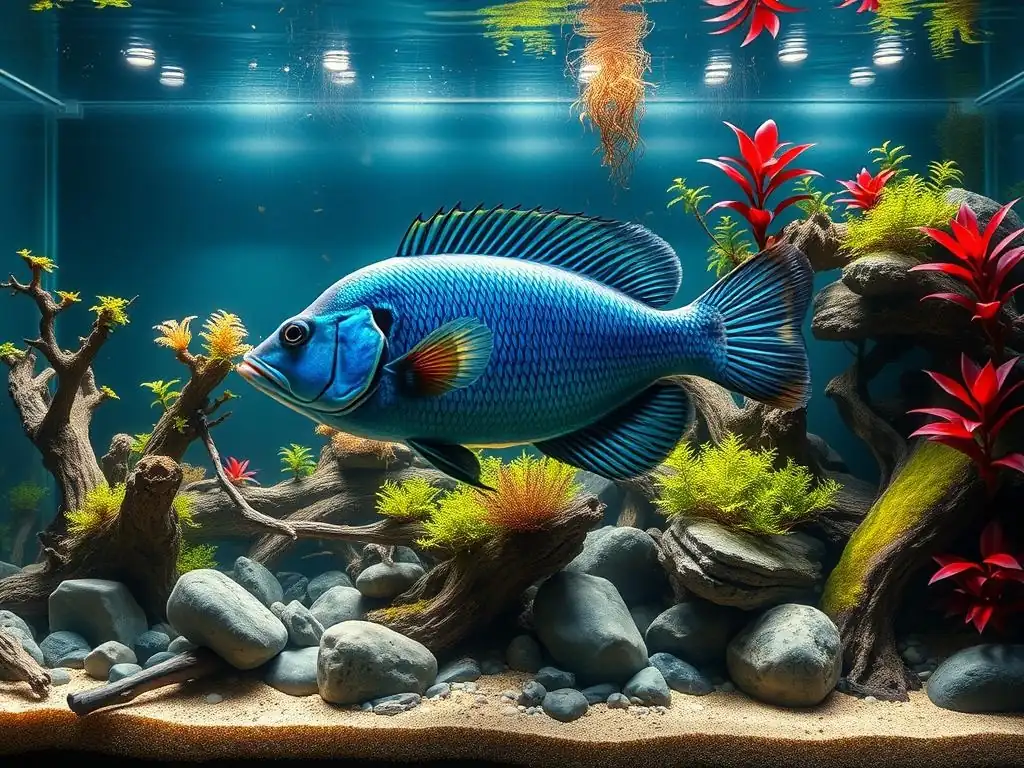
Severum cichlids, scientifically known as Heros severus, are captivating freshwater fish originating from the Amazon and Orinoco River basins in South America. Often growing to an impressive size of 8 to 12 inches (20 to 30 cm) in captivity, they are recognized by their distinctive disc-shaped bodies and a variety of vibrant color morphs, including the popular Green, Gold, and Rotkeil Severums. Despite belonging to the cichlid family, which often carries a reputation for aggression and territoriality, Severums frequently defy this stereotype, exhibiting a notably more docile temperament compared to their more boisterous relatives like Oscars or Midas Cichlids.
Their relatively calm demeanor makes them a compelling choice for aquarists looking to house a large, intelligent cichlid without the constant threat of inter-species conflict. While they are certainly capable of displaying aggression, particularly during breeding or when improperly housed, their general disposition leans towards peaceful coexistence. Understanding the nuances of their behavior is key to unlocking their full potential as serene and engaging inhabitants of a well-managed freshwater aquarium, paving the way for truly peaceful severum care tips.
Why Severums Are Considered Peaceful Compared to Other Cichlids
The perception of Severums as peaceful cichlids stems from their lower propensity for unprovoked aggression towards diverse tank mates. Unlike many other large New World cichlids that are notorious for their highly territorial and destructive tendencies, Severums typically direct their aggression primarily towards conspecifics (other Severums) or during the intense period of breeding. Their aggression is often a response to perceived threats to their territory or offspring, rather than a constant, inherent hostility towards other fish species.
This comparatively docile nature allows them to be successfully kept in community aquariums with a wider range of appropriately sized and tempered fish. Their behavioral patterns are heavily influenced by environmental factors; a spacious, well-structured tank with stable water parameters significantly reduces stress and the likelihood of aggressive outbursts, fostering a truly peaceful severum environment. While individual personalities can vary, the species as a whole is celebrated for its ability to integrate into a diverse aquatic community with minimal conflict, provided their specific needs are met.
Deciphering Severum Behavior: Key Indicators
Understanding Severum Body Language: What They're Trying to Tell You
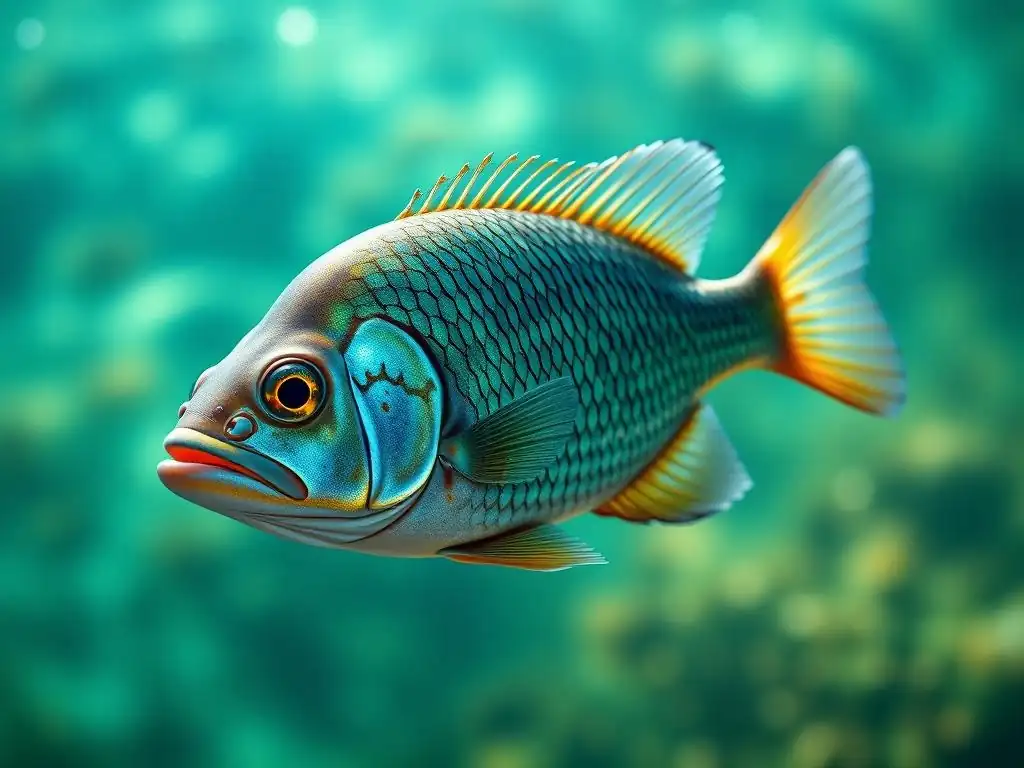
Observing the subtle cues in a Severum's body language is fundamental to understanding their well-being and intentions. When content or engaging in mild social displays, Severums might exhibit vibrant coloration, with their dorsal and anal fins held erect and fanned out, signaling confidence or excitement. This can be seen during feeding times or when exploring new tank decor. During courtship, these displays intensify, often accompanied by mutual fin flaring and body quivering, indicating readiness to breed.
Conversely, signs of discomfort or submission include clamped fins, particularly the dorsal fin, and a noticeable dulling or fading of their vibrant colors. Rapid, darting movements, constant hiding, or staying confined to a corner of the tank can indicate fear or significant stress. Learning to differentiate these subtle shifts is crucial for proactive peaceful severum care tips. For instance, a temporary gill flare might just be a territorial warning, whereas prolonged fin clamping suggests a deeper underlying issue requiring immediate attention.
Recognizing Signs of Stress in Severums: Prevention and Early Intervention
Identifying stress in Severums early can prevent more severe health and behavioral problems. Common indicators of stress include rapid or labored gill movements, indicating respiratory distress, often linked to poor water quality or low oxygen levels. Other signs involve a loss of appetite, erratic swimming patterns (such as darting aimlessly or crashing into tank walls), or repeatedly rubbing their bodies against tank decorations or substrate, which can be a precursor to parasitic infections. A significant fading of their natural coloration, turning pale or mottled, is also a strong stress signal.
Prompt intervention is vital to mitigate stress and maintain a peaceful severum environment. This often begins with a thorough check of water parameters: ensuring ammonia and nitrite levels are at 0 ppm, nitrates are below 20 ppm, and the temperature is stable within their ideal range of 75-82°F (24-28°C). Addressing potential stressors like overcrowding, incompatible tank mates, or insufficient hiding spots can significantly improve their well-being. For example, a Severum continuously harassed by a more aggressive tank mate will exhibit chronic stress, potentially leading to disease or increased aggression of its own.
Severums, especially when kept in groups, will establish a social hierarchy. This often involves minor chasing, fin nipping, or "lip-locking" between individuals, particularly during initial introductions or as they mature. These interactions are generally short-lived and rarely result in significant injury, serving as a way for fish to establish dominance or define personal space. A common occurrence might be a larger Severum gently nudging a smaller one away from a prime feeding spot, which is part of their normal social dynamic.
True aggression, however, is characterized by sustained, relentless attacks that cause visible damage, such as torn fins, missing scales, or deep body wounds. This also includes preventing other fish from accessing food, hiding spots, or specific areas of the tank. For instance, a Severum consistently pinning another fish in a corner for extended periods, or causing it to develop ragged fins over several days, indicates problematic aggression. Distinguishing between these normal social cues and harmful aggression is paramount for maintaining a peaceful severum community and requires careful observation.
Peaceful Severum Care Tips: Creating a Harmonious Tank Environment
Tank Size and Setup for Peaceful Severums: Minimizing Aggression
Providing adequate space is perhaps the most critical factor in fostering a peaceful severum environment. For a single adult Severum, a minimum tank size of 55 to 75 gallons (208 to 284 liters) is recommended to allow ample swimming room and reduce stress. If you plan to keep a pair or a small group of Severums, a tank of 125 gallons (473 liters) or larger becomes essential. Overcrowding is a primary trigger for aggression in these otherwise docile cichlids, as it restricts personal space and intensifies territorial disputes.
The aquascape also plays a crucial role in minimizing conflict. Incorporate plenty of hiding spots and visual barriers using large pieces of driftwood, rock formations, and sturdy live or artificial plants. These elements break up lines of sight, allowing less dominant or stressed fish to retreat and establish their own temporary territories. For example, a large piece of Mopani wood spanning the tank's length can create multiple distinct zones, significantly contributing to the overall tranquility and promoting peaceful severum care tips.
Choosing the Right Tank Mates for Severums: Compatibility Guide
Selecting compatible tank mates is vital for a harmonious Severum aquarium. Good choices include other large, peaceful to semi-aggressive cichlids such as Angelfish (provided they are of a robust size), Keyhole Cichlids, or certain species of Geophagus. Large schooling fish like Silver Dollars, Congo Tetras, or Giant Danios can also make excellent companions, as their speed and size allow them to avoid any potential minor aggression. Peaceful bottom dwellers like various Plecostomus species, large Synodontis catfish, or even some types of loaches can also coexist well.
It is crucial to avoid very small fish that could be perceived as food, such as Neon Tetras or Guppies, as well as highly aggressive or fin-nipping species like many Mbuna cichlids or Tiger Barbs. The general rule is to choose tank mates that are roughly the same size or larger than your Severum's mouth, and whose temperament aligns with the Severum's relatively calm nature. For instance, an adult Severum around 8 inches long would be compatible with a 6-inch Pleco or a group of 4-inch Silver Dollars, ensuring a peaceful severum community.
Water Quality and Peaceful Severum Behavior: The Connection
Pristine and stable water quality is paramount for the health and temperament of Severums. These fish are sensitive to fluctuations and pollutants, which can quickly lead to stress and subsequent aggression or illness. Regular water changes, typically 25-30% weekly, are essential to keep nitrate levels below 20 ppm and ensure ammonia and nitrite remain undetectable (0 ppm). A stable pH between 6.0 and 7.0, mimicking their natural soft, acidic water environment, and a consistent temperature range of 75-82°F (24-28°C) are also critical parameters.
Poor water quality acts as a significant stressor on Severums, weakening their immune systems and making them more susceptible to disease. A fish that is constantly battling poor water conditions will be stressed, irritable, and far more likely to exhibit aggressive behaviors. For example, a sudden spike in nitrates from 20 ppm to 80 ppm can cause lethargy and irritability, leading to increased nipping at tank mates. Maintaining optimal water conditions is therefore a foundational peaceful severum care tip, directly impacting their disposition.
Diet and Peaceful Severum Temperament: Meeting Nutritional Needs
A balanced and varied diet is fundamental to the overall health and temperament of Severum cichlids. As omnivores, their diet should consist of high-quality cichlid pellets or flakes as a staple, supplemented with a variety of live, frozen, or freeze-dried foods. Excellent protein sources include bloodworms, brine shrimp, and mysis shrimp. Vegetable matter is equally important; blanched peas, spirulina flakes, and chopped spinach should be offered regularly to ensure they receive essential vitamins and fiber.
An undernourished or improperly fed Severum can become stressed, leading to a weakened immune system and potentially aggressive behavior. For instance, a diet lacking in essential nutrients might result in stunted growth and a more irritable disposition. Feeding multiple small meals throughout the day, rather than one large meal, can also reduce competition among tank mates and promote a more peaceful severum feeding environment. Ensuring their nutritional needs are met directly contributes to their overall well-being and calm demeanor.
Severum Aggression: Understanding the Causes and Solutions
Common Causes of Aggression in Severums: Identifying Triggers
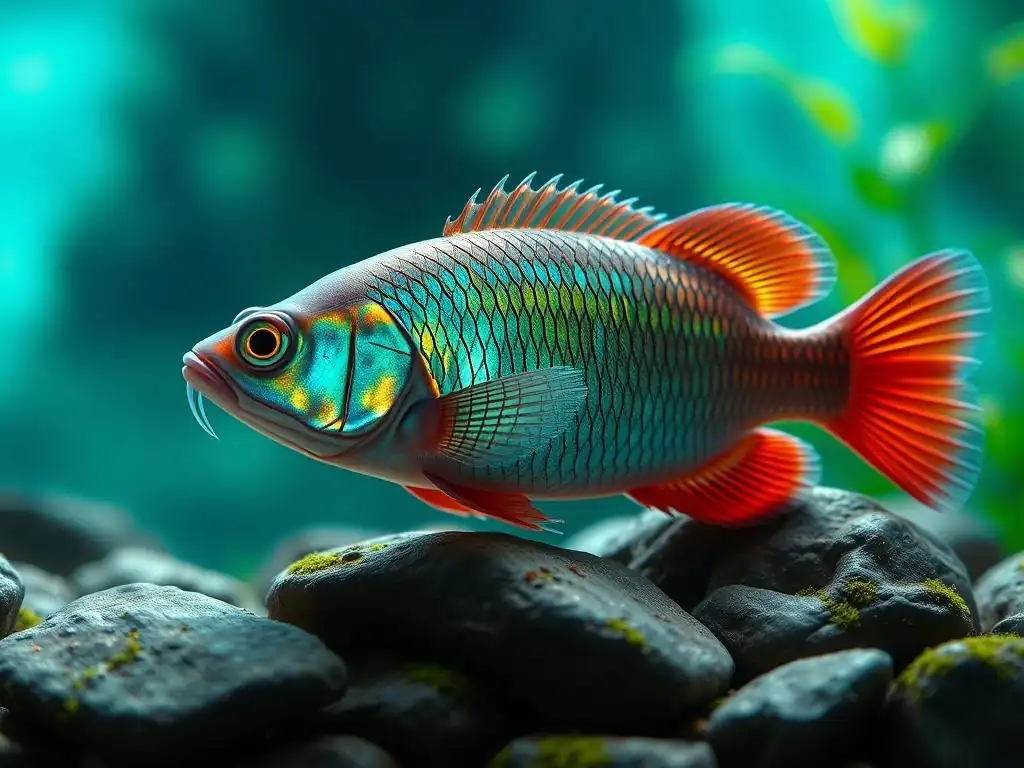
While Severums are generally peaceful, certain conditions can trigger aggressive behavior. The most common causes include insufficient tank size, which leads to cramped conditions and heightened territorial disputes. For instance, housing two adult Severums in a 55-gallon tank will almost certainly lead to conflict due to lack of adequate personal space. Overcrowding with too many fish, even compatible species, can also elevate stress levels. Incompatible tank mates, such as very small fish that are perceived as food, or overly aggressive cichlids that harass the Severums, are frequent culprits.
Furthermore, poor water quality, as previously discussed, is a significant stressor that can make any fish irritable and prone to aggression. Breeding activity is another major trigger; during spawning, a pair of Severums will become intensely territorial and protective of their eggs and fry, often defending an area spanning 12-18 inches around their chosen spawning site against any perceived threat. Understanding these triggers is the first step in maintaining a peaceful severum environment.
Addressing Aggression Issues in Severums: Solutions and Strategies
When aggression arises in a Severum tank, several strategies can be employed. The first step is always to recheck all water parameters to ensure they are optimal; even slight deviations can cause stress. If the tank is undersized or overcrowded, upgrading to a larger aquarium or rehoming some fish should be considered. Rearranging the tank decor, such as driftwood and rocks, can often disrupt established territories and create new hiding spots, effectively "resetting" social dynamics.
Introducing dither fish, which are fast-moving, peaceful schooling fish (like Giant Danios), can sometimes distract the aggressor and make them feel more secure, reducing their need to assert dominance. If a specific Severum is consistently targeting another fish, temporarily removing the aggressor to a separate "time-out" tank for a few days can sometimes break the cycle of aggression. Upon reintroduction, the aggressor may be less dominant, promoting a more peaceful severum coexistence. Adding more visual barriers can also help reduce direct confrontations.
When to Separate Severums: Recognizing Unresolvable Conflict
Despite best efforts, there are instances when aggression among Severums or between a Severum and tank mates becomes unresolvable, necessitating separation. Clear indicators include persistent, unprovoked attacks that result in significant physical injury, such as severe fin nipping leading to infection, deep body wounds, or chronic scale loss. If one fish is constantly being chased, prevented from eating, or forced to hide continuously, its long-term health and survival are at risk.
In such cases, the most humane and practical solution is to permanently separate the aggressive individual into its own tank or rehome it. Attempting to force incompatible fish to coexist can lead to chronic stress, disease, and even death for the targeted fish. For example, if a dominant Severum consistently prevents a submissive one from accessing food for several days, leading to visible emaciation, separation is mandatory. Recognizing these severe signs is a crucial part of peaceful severum care tips to ensure the well-being of all inhabitants.
Severum Breeding Behavior: A Natural Form of "Aggression"?
Understanding Severum Mating Rituals: What to Expect
Severums are substrate spawners and form strong, monogamous pairs during breeding. Their mating ritual involves a period of courtship characterized by mutual fin flaring, body quivering, and often intense lip-locking, which is a display of strength and pair bonding. The pair will then meticulously clean a chosen spawning site, typically a flat rock, a piece of slate, a large leaf, or even the glass wall of the aquarium. This cleaning process can last for several hours, sometimes even a full day, as they prepare the surface for egg deposition.
Once the site is prepared, the female will lay hundreds of eggs, often ranging from 300 to 1000 for a mature pair, in rows, with the male following closely behind to fertilize them. Both parents then assume diligent guardianship over the eggs and, later, the free-swimming fry. This parental care includes fanning the eggs to ensure oxygenation and vigorously defending their territory against any perceived threat. This intense territoriality, while aggressive, is a natural and essential part of their reproductive cycle, ensuring the survival of their offspring.
Protecting Fry from Tank Mates: Ensuring Successful Severum Breeding
In a community aquarium setting, the survival rate of Severum fry is typically very low due due to predation from other tank inhabitants, despite the parents' best defensive efforts. Even other "peaceful" fish, and sometimes even the Severum parents themselves if stressed, may consume the eggs or fry. The parents will become highly territorial, aggressively chasing away any fish that ventures too close to their spawning site, which might be a 15-inch radius around their chosen spot.
For successful breeding and to ensure the highest survival rate of the fry, it is highly recommended to move the breeding pair to a dedicated breeding tank, typically 75 gallons or larger, once courtship begins. This allows the parents to focus solely on their brood without the added stress of defending against other tank mates.
Once the fry are free-swimming, after about 5-7 days post-hatching, they can be fed specialized fry food or finely crushed flakes. A dedicated breeding setup is a key peaceful severum care tip for propagation, as it removes external stressors and allows the natural parental instincts to flourish.
Advanced Severum Behavior Insights: Observation and Learning
Developing a Deeper Understanding of Your Severum's Personality
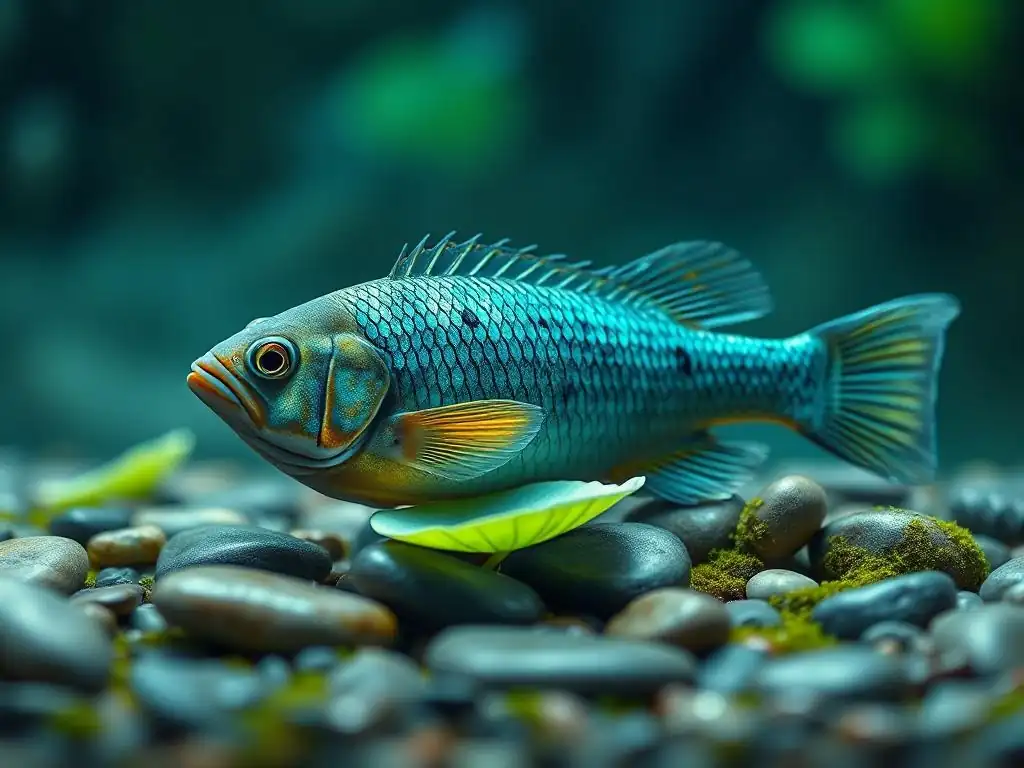
Beyond general species characteristics, each Severum possesses a unique personality. Some individuals may be bolder and more outgoing, readily approaching the front of the tank for food and interacting with their environment. Others might be shyer, preferring to spend more time in hiding spots and only emerging when they feel secure. Regular, attentive observation of your Severums' daily routines, their responses to feeding, and their interactions with specific tank mates can provide invaluable insights into their individual temperaments and preferences.
Over time, an experienced aquarist can learn to differentiate between a Severum's usual "moods" and true signs of distress, illness, or impending conflict. For example, a typically active Severum becoming lethargic for a day, or a normally shy one suddenly becoming aggressive, are clear deviations from their baseline behavior. This nuanced understanding allows for proactive adjustments to the tank environment or care routine, ensuring tailored peaceful severum care tips and fostering a deeper bond with your fish.
Documenting and Sharing Your Severum Observations: Contributing to Aquarium Mastery
Maintaining a detailed log of your Severum's behavior, water parameters, feeding habits, and any changes in the tank environment can be an incredibly useful practice. For example, noting that a particular Severum becomes more assertive after a specific type of food is introduced, or that a slight increase in nitrates correlates with increased fin nipping, can help identify patterns and troubleshoot issues more effectively. Digital notes or a simple notebook can serve this purpose.
Sharing these detailed observations with the broader aquarist community, whether through online forums, local fish clubs, or dedicated aquatic websites, contributes significantly to the collective knowledge base surrounding Severum care. Your unique experiences can provide valuable insights for other enthusiasts seeking peaceful severum care tips, helping them to better understand and manage their own fish. This collaborative approach enriches the hobby and promotes best practices for these fascinating cichlids.
Conclusion: Appreciating the Peaceful Nature of Severum Cichlids
Severum cichlids stand out as truly remarkable and rewarding inhabitants for a freshwater aquarium, challenging the often-aggressive stereotype associated with their cichlid lineage. Their potential for aggression is largely manageable and often situational, stemming from factors such as inadequate space, poor water quality, or the natural protective instincts during breeding. With proper husbandry and a keen understanding of their behavioral cues, Severums consistently demonstrate a surprisingly docile and interactive temperament.
Ultimately, providing ample tank size, maintaining pristine water conditions, offering a balanced and varied diet, and carefully selecting compatible tank mates are the cornerstones of ensuring a peaceful severum environment. By adhering to these essential peaceful severum care tips, aquarists can fully appreciate the fascinating, often serene, personalities of these beautiful fish, allowing them to thrive and become the centerpiece of a harmonious aquatic display.
Frequently Asked Questions
How can I ensure my Severum remains peaceful in my aquarium?
To promote peaceful behavior, provide a spacious tank with plenty of hiding places and choose compatible tank mates. Proper water parameters are also crucial.
What size aquarium is recommended for keeping Severums?
A minimum of 55 gallons is recommended for a single Severum, but larger tanks are better. For a pair or community tank, consider 75 gallons or more.
What are some good tank mates for Peaceful Severums?
Good tank mates include fish of similar size and temperament, such as giant danios, larger tetras, and peaceful catfish. Avoid aggressive or fin-nipping species.
What type of diet is best for maintaining the health and temperament of Peaceful Severums?
Offer a varied diet consisting of high-quality flake food, pellets, and frozen or live foods like bloodworms and brine shrimp. Supplement with vegetable matter to prevent aggression.
What water parameters are ideal for Peaceful Severums?
Maintain a temperature between 75-82°F (24-28°C), a pH level of 6.0-7.5, and perform regular water changes to keep the water clean and stable.
Final Reflection: Embracing the Gentle Giant
The exploration of Severum behavior, as we've seen, unveils a fascinating paradox: a cichlid known for its potential aggression, yet capable of remarkable tranquility. Understanding and nurturing this peaceful side is not just about successful fishkeeping, but about appreciating the complexity of life itself. By applying the care tips discussed, we move beyond mere maintenance and enter a realm of genuine connection with these intelligent creatures.
The journey into peaceful Severum care has profoundly shaped our understanding of aquarium ecosystems and the responsibility we bear as caretakers. It reminds us that even within species categorized as "aggressive," individual temperaments and environmental factors play a crucial role in shaping behavior. The greatness of a nation and its moral progress can be judged by the way its animals are treated.
– Mahatma Gandhi. This quote, though broad, resonates deeply when considering the ethical implications of keeping any animal, including our Severums, and striving to provide them with the best possible lives.
Now, armed with these insights into peaceful Severum care, I invite you to reflect on your own interactions with the natural world. Consider how you can apply the principles of patience, observation, and mindful care to not only your aquarium but to all aspects of your life. Embrace the gentle giant within yourself, fostering environments of peace and understanding wherever you go. Let the tranquility of your Severum's tank be a constant reminder of the harmony we can create, both within our homes and within our world.
Dive Deeper: Unlock the Secrets of Severum Bliss!
Thank you for exploring the fascinating world of Severums with us! Now that you've gained valuable insights into their peaceful nature and captivating behavior, it's time to translate that knowledge into action. Let's create an even better environment for these amazing fish.
Here are a few things you can do to further your Severum journey:
- Prioritize their well-being: Re-evaluate your Severum's tank setup based on what you've learned about their needs. Are there enough hiding places? Is the tank large enough? A happy Severum is a vibrant Severum!
- Observe, document and share: Start a Severum journal (or a digital one) to track their behavior, feeding habits, and interactions with other tank mates. Share these observations with the community!
- Become a Severum ambassador: Share this article with fellow aquarists. Help spread the word about these gentle giants and challenge common misconceptions about cichlids.
What's the first small change you'll implement to improve your Severum's quality of life?