
Raising Shell Dweller Fry: From Egg to Independent Cichlid

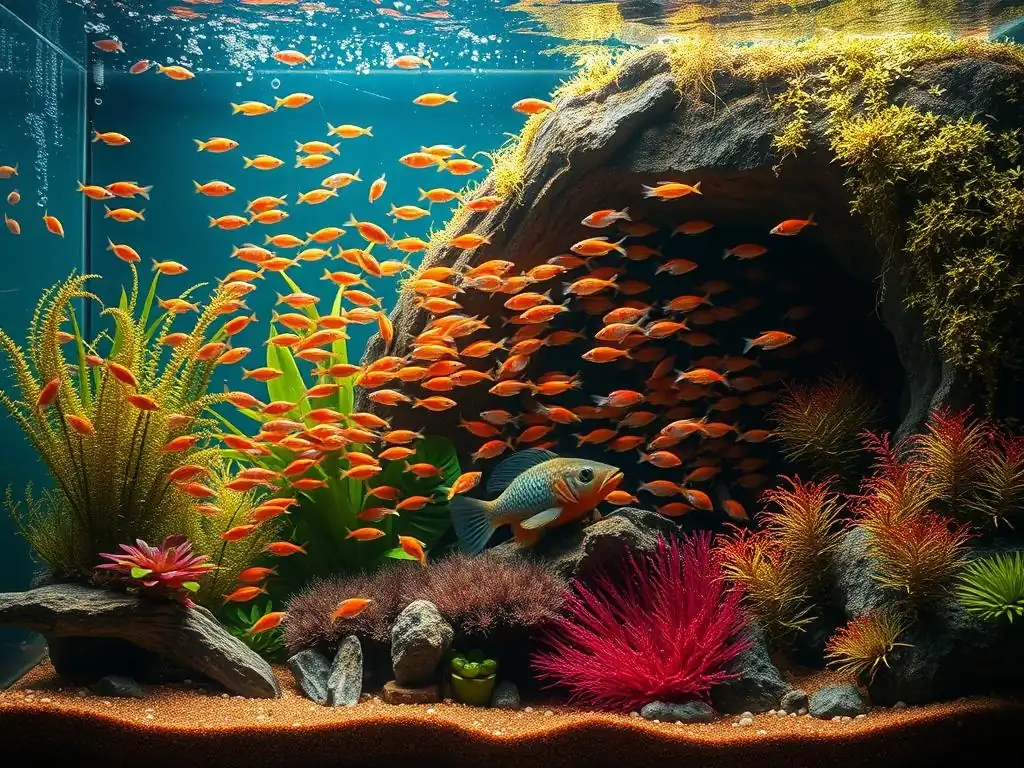
Welcome to Aquarium Mastery!
Ever wondered how to maximize your Cichlid fry hatching success? Prepare to unlock the secrets to raising thriving Shell Dweller fry, from their delicate beginnings as eggs to their first independent swims. Dive in and discover the crucial steps to ensure your tiny cichlids not only survive but flourish! What hidden factors are essential for their growth? Let's explore!
- Raising Neolamprologus multifasciatus Fry: From Egg to Independent Cichlid
- Understanding Neolamprologus multifasciatus Breeding and Fry Development
- Optimizing the Fry Tank Environment for Neolamprologus multifasciatus
- Feeding Neolamprologus multifasciatus Fry: Nutritional Needs for Growth
- Ensuring High Neolamprologus multifasciatus Fry Hatching Success and Survival
- Gradual Transition to Larger Foods and Independence
- Potential Challenges and Solutions in Raising Neolamprologus multifasciatus Fry
- Moving Juvenile Neolamprologus multifasciatus to the Main Tank
- Advanced Techniques for Maximizing Fry Yield
- Conclusion: Mastering Neolamprologus multifasciatus Fry Rearing
-
Frequently Asked Questions
- How long does it typically take for shell dweller cichlid fry to hatch?
- What are the most important water parameters to maintain for optimal cichlid fry hatching success?
- What is the best food to feed newly hatched shell dweller cichlid fry?
- How often should I perform water changes in a tank with shell dweller cichlid fry?
- What are some common reasons for low cichlid fry hatching success rates, and how can I prevent them?
- Final Reflection: Nurturing New Beginnings
- Nurture Your Next Generation: Become a Shell Dweller Breeding Pro!
Raising Neolamprologus multifasciatus Fry: From Egg to Independent Cichlid
Understanding Neolamprologus multifasciatus Breeding and Fry Development
The Unique Breeding Behavior of Neolamprologus multifasciatus
Neolamprologus multifasciatus, commonly known as the "Multis" or "Multifasciatus cichlid," are renowned for their fascinating shell-dwelling behavior, a direct adaptation to their natural habitat in Lake Tanganyika, Africa. These small cichlids establish colonies in vast beds of empty snail shells, primarily those of Neothauma tanganyicense. The female selects a shell for spawning, laying her eggs deep inside, while the male typically guards the immediate vicinity, creating a complex and secure breeding territory. This intricate social structure and their reliance on shells are fundamental to their reproductive success.
Their breeding strategy involves the female laying a relatively small clutch of eggs, typically ranging from 20 to 50 eggs, though highly prolific females in optimal conditions might lay up to 100. The eggs are adhesive and are meticulously attached to the inner surface of the chosen shell. Both parents exhibit a strong degree of parental care; the female remains inside or at the shell's entrance, fanning the eggs and later guarding the newly hatched wrigglers, while the male defends the larger territory against intruders. This dedicated parental investment significantly contributes to high initial cichlid fry hatching success rates.
Identifying Egg Laying and Initial Fry Stages
Observing egg laying in Neolamprologus multifasciatus requires close attention to the female's behavior. She will spend an increased amount of time inside a specific shell, often appearing to "fan" the interior with her fins to ensure water circulation over the eggs. The eggs themselves are tiny, typically less than 1 mm in diameter, and possess a translucent, amber hue, making them difficult to spot without carefully examining the shell's interior. At optimal temperatures of 25-27°C (77-80°F), the incubation period for Neolamprologus multifasciatus eggs is usually short, lasting approximately 3 to 5 days before hatching into wrigglers.
Upon hatching, the fry are minuscule, often referred to as "wrigglers" due to their limited mobility, and possess a prominent yolk sac that provides their initial nutrition. They remain hidden deep within the shell for another 5 to 7 days, absorbing this yolk sac.
Once the yolk sac is fully absorbed, they become free-swimming, emerging from the shell as miniature versions of their parents, typically measuring only 2-3 mm in length. At this stage, the female will often be seen guiding her tiny brood in and out of the shell, foraging for microscopic food, a clear sign that the Neolamprologus multifasciatus fry have transitioned to their free-swimming stage.
Factors Influencing Neolamprologus multifasciatus Fry Hatching Success
Maintaining precise and stable water parameters is paramount for robust Neolamprologus multifasciatus fry hatching success. These cichlids thrive in hard, alkaline water, mimicking their natural Lake Tanganyika environment. Optimal parameters include a pH range of 7.8-9.0, general hardness (GH) between 10-20 dGH, and carbonate hardness (KH) between 10-18 dKH. A consistent water temperature of 25-27°C (77-80°F) is also crucial, as fluctuations can stress breeding pairs, potentially leading to egg consumption or reduced viability. Stability over absolute values within these ranges is key to preventing embryo mortality.
Beyond water chemistry, the physical environment plays a significant role. Providing an abundance of suitable shells (e.g., escargot shells, 3-5 cm diameter) ensures multiple options for the female and reduces competition.
A calm, undisturbed tank environment minimizes stress on the breeding pair, which can otherwise lead to parental neglect or even cannibalism of eggs or newly hatched fry. Adequate nutrition for the adult breeding pair, including high-quality flake food supplemented with live or frozen protein sources, also enhances egg quality and vigor, directly impacting the overall Neolamprologus multifasciatus fry hatching success rate and the health of the resulting cichlid fry.
Optimizing the Fry Tank Environment for Neolamprologus multifasciatus
Setting Up a Dedicated Fry Tank: Essential Equipment
For maximizing Neolamprologus multifasciatus fry survival and growth, a dedicated fry tank is highly recommended. A 10-gallon (approximately 38 liters) tank can suffice for a single breeding pair and their initial broods, though a 20-gallon (approximately 75 liters) offers greater stability and space for multiple generations or larger broods. Essential equipment includes a reliable heater to maintain a stable temperature of 25-27°C (77-80°F), ideally with a guard to prevent fry from getting trapped or burned. A precise thermometer is also necessary for accurate temperature monitoring.
The most critical piece of filtration equipment for a fry tank is a small, air-driven sponge filter. These filters provide gentle mechanical and biological filtration without creating strong currents that can overwhelm tiny fry, nor do they pose a risk of sucking in the delicate young fish.
The sponge also provides an excellent surface area for beneficial bacteria to colonize, contributing to water quality, and can even harbor infusoria as a natural food source. A fine sand substrate (like pool filter sand) can be included to mimic their natural environment and allow for digging behavior, but a bare bottom facilitates easier cleaning and removal of uneaten food, which is crucial for young cichlid fry.
Water Parameters for Optimal Neolamprologus multifasciatus Fry Growth
Maintaining the specific water parameters of Lake Tanganyika is paramount for the optimal growth and development of Neolamprologus multifasciatus fry. This means consistently upholding a high pH between 7.8 and 9.0, a general hardness (GH) of 10-20 dGH, and a carbonate hardness (KH) of 10-18 dKH. These hard, alkaline conditions are vital for their physiological well-being, including proper bone and fin development. Any significant deviation or rapid fluctuation in these parameters can cause severe stress, leading to stunted growth, susceptibility to disease, and ultimately, high mortality rates among delicate cichlid fry.
Regular water testing with accurate liquid test kits (e.g., for pH, ammonia, nitrite, nitrate, GH, and KH) is non-negotiable. To achieve and maintain these parameters, aquarists often use African cichlid-specific buffering salts or crushed coral as a substrate or in filter media. While the parents may tolerate slight variations, the fry are far more sensitive, making consistent, stable water chemistry the cornerstone for ensuring robust Neolamprologus multifasciatus fry growth and long-term survival.
Maintaining Water Quality: Preventing Fry Loss
Pristine water quality is arguably the single most important factor in preventing Neolamprologus multifasciatus fry loss. Due to their high metabolic rate and the frequent, small feedings required, fry tanks can quickly accumulate ammonia and nitrite from uneaten food and waste. These nitrogenous compounds are highly toxic to fish, particularly delicate fry. Therefore, small, frequent water changes are essential. Performing 10-15% water changes daily or every other day is often more effective than larger, less frequent changes, as it consistently dilutes pollutants without causing significant parameter shifts.
When performing water changes, use a small airline tube to gently siphon detritus from the tank bottom, being extremely careful not to suck up any fry. Always ensure the replacement water is dechlorinated and matches the tank's temperature and existing parameters as closely as possible to avoid shocking the fry.
Overfeeding must be strictly avoided; only offer what the fry can consume within a few minutes. A well-cycled sponge filter, combined with diligent water changes and responsible feeding, forms a robust system for maintaining the high water quality necessary for excellent cichlid fry survival rates and overall Neolamprologus multifasciatus fry hatching success.
Feeding Neolamprologus multifasciatus Fry: Nutritional Needs for Growth
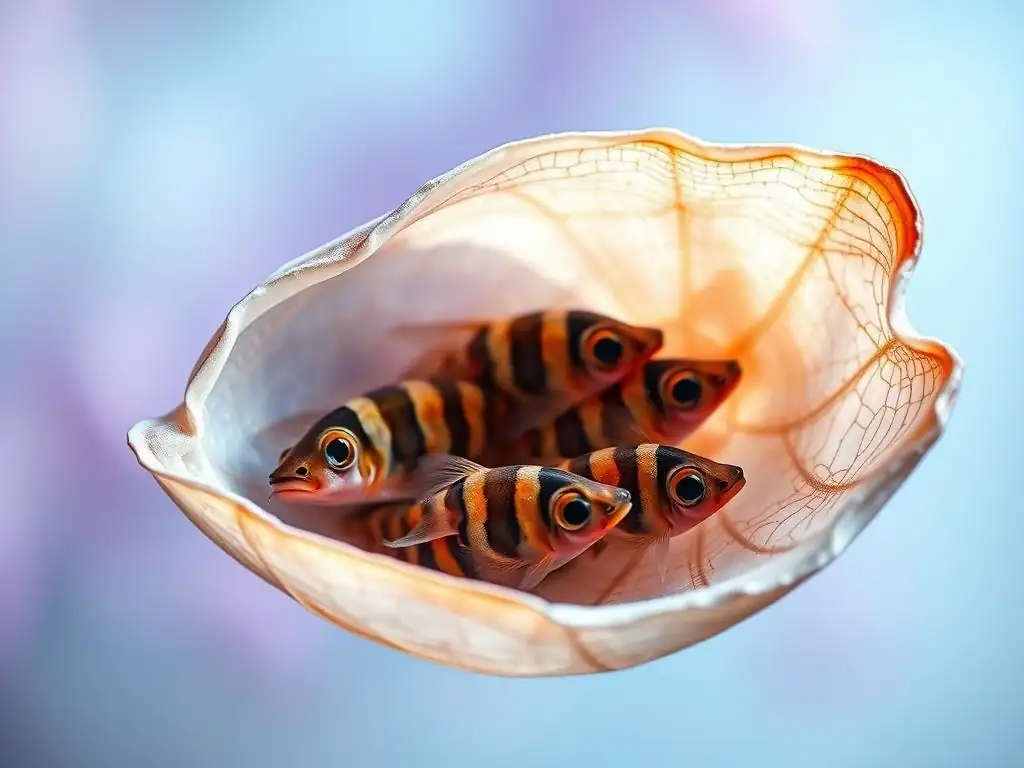
First Foods for Newly Hatched Cichlid Fry
Newly hatched Neolamprologus multifasciatus fry are incredibly small and, for their first 5-7 days post-hatch, rely entirely on their yolk sac for sustenance. Once they become free-swimming and their yolk sac is absorbed, their mouths are tiny, requiring microscopic food particles. Infusoria, a collective term for various protozoa and microscopic organisms, serves as an excellent initial food source. These can be naturally present in a well-established sponge filter or cultured separately. Alternatively, high-quality liquid fry foods designed for egg-laying fish, such as Hikari First Bites or Sera Micron, can provide the necessary nutrition in a readily consumable form.
After approximately 7-10 days of free-swimming, or when the fry reach about 4-5 mm in length, they are typically large enough to consume newly hatched brine shrimp nauplii ( Artemia salina). Brine shrimp nauplii are an ideal next food due to their high protein content (around 60% dry weight) and their enticing swimming motion, which stimulates the fry's feeding response. The live nature of brine shrimp ensures optimal nutrient absorption and digestibility, which is critical for the rapid growth and development of young cichlid fry, significantly contributing to the overall Neolamprologus multifasciatus fry hatching success and survival rates.
Culturing Live Foods: Infusoria, Micro Worms, and Brine Shrimp
Culturing live foods at home is a highly effective way to provide consistent, nutritious meals for Neolamprologus multifasciatus fry. Infusoria can be easily cultured by placing a small piece of lettuce, hay, or a few grains of rice in a jar of aged aquarium water and allowing it to sit for 3-5 days under ambient light. This encourages the growth of microscopic organisms that tiny fry can consume. Micro worms ( Panagrellus redivivus) are another excellent live food, simple to culture on a medium of oatmeal and yeast, providing a protein-rich, non-swimming food source suitable for slightly larger fry.
For brine shrimp, a simple hatchery setup (e.g., a plastic bottle or dedicated cone hatchery) is required. Use non-iodized salt (approximately 2-3 tablespoons per liter of water) and strong aeration. Maintain a temperature of 25-28°C (77-82°F) for optimal hatching, which typically occurs within 24-36 hours. Once hatched, separate the nauplii from the unhatched cysts and feed them immediately. The nutritional superiority and digestibility of live foods, particularly brine shrimp, are unmatched by most prepared foods, making them invaluable for ensuring robust growth and maximizing Neolamprologus multifasciatus fry hatching success.
Supplementing with High-Quality Fry Food
While live foods are undeniably superior for Neolamprologus multifasciatus fry, high-quality powdered fry foods can serve as an excellent supplement or a reliable backup when live cultures are unavailable. Choose products specifically formulated for fry, characterized by a high protein content (ideally over 40-50%) and an extremely fine particle size, often labeled as "micron" or "first bites" food. Brands like Hikari First Bites or Sera Micron are popular choices among aquarists.
When using dry fry foods, it is crucial to introduce them sparingly. Offer only a tiny pinch at a time, ensuring that the fry consume it quickly to prevent the food from fouling the water. Overfeeding dry food is a common mistake that rapidly degrades water quality, leading to toxic conditions lethal to delicate cichlid fry. A balanced diet combining the benefits of live foods with the convenience of high-quality prepared dry foods provides the most comprehensive nutrition, supporting the rapid and healthy development of Neolamprologus multifasciatus fry.
Feeding Schedule and Amounts for Healthy Growth
Neolamprologus multifasciatus fry possess incredibly high metabolic rates and require frequent, small meals to sustain their rapid growth. For newly free-swimming fry, feeding 4-6 times a day is recommended, with some experienced breeders even offering food every 2-3 hours during daylight hours. The key is to provide very small amounts at each feeding, ensuring that all food is consumed within a few minutes, leaving no uneaten particles to decompose and pollute the water. Observe the fry's bellies; they should appear full and rounded, never sunken, indicating adequate nutrition.
As the fry grow, typically reaching 1 cm in length after 2-3 weeks, they can handle slightly larger food particles, and the feeding frequency can gradually be reduced to 3-4 times a day. However, consistency remains paramount. Irregular feeding or insufficient amounts will lead to stunted growth and weakened immune systems, undermining all efforts towards high cichlid fry hatching success. A disciplined feeding regimen is a cornerstone for fostering robust and healthy Neolamprologus multifasciatus fry.
Ensuring High Neolamprologus multifasciatus Fry Hatching Success and Survival
Monitoring Fry Health and Identifying Potential Problems
Diligent monitoring of Neolamprologus multifasciatus fry health is crucial for early intervention and preventing widespread loss. Healthy fry are active, constantly foraging for food, and exhibit natural swimming patterns. Their bodies should appear full and streamlined, and their fins should be held erect, not clamped against their bodies. Any signs of lethargy, abnormal swimming (e.g., spiraling, darting erratically), rapid breathing, or a sudden increase in mortality rates warrant immediate investigation.
Visual cues can also indicate problems: a swollen abdomen might suggest an internal bacterial infection or digestive issues, while white spots on the body or fins are indicative of Ich ( Ichthyophthirius multifiliis). Healthy Neolamprologus multifasciatus fry are typically translucent to a light, yellowish-brown hue. Discoloration or a "fuzzy" appearance can point to fungal or bacterial infections. Prompt identification of these issues, often linked to declining water quality or stress, is vital for maintaining high cichlid fry survival rates.
Preventing and Treating Common Fry Diseases
Prevention is the most effective strategy against diseases in Neolamprologus multifasciatus fry. This primarily involves maintaining impeccable water quality through frequent small water changes, ensuring stable temperatures and parameters, and avoiding overfeeding. Quarantining any new fish or live food cultures (if sourced externally) before introducing them to the fry tank also minimizes the risk of pathogen introduction. Stress, often caused by poor conditions or strong currents, weakens a fry's immune system, making them susceptible to common ailments.
Despite best efforts, diseases can sometimes occur. Ich, characterized by small white spots, is a common parasitic infection. For fry, chemical treatments can be harsh; a gradual temperature increase to 29-30°C (84-86°F) over 24 hours, combined with increased aeration, can sometimes help clear Ich, as the parasite's life cycle is accelerated.
Bacterial infections, often presenting as lethargy, fin rot, or bloating, are typically managed by improving water quality and, in severe cases, with broad-spectrum antibiotics specifically formulated for aquarium use, though extreme caution is advised due to fry sensitivity. Minimizing stressors and optimal conditions are the best defenses for robust Neolamprologus multifasciatus fry hatching success.
Minimizing Stress: Creating a Safe and Stable Environment
Minimizing stress is paramount for the healthy development and survival of Neolamprologus multifasciatus fry. Stressors can include fluctuating water parameters, sudden temperature changes, strong water currents from inappropriate filtration, and excessive light. A consistent environment, with stable temperature (25-27°C) and water chemistry (pH 7.8-9.0, hard water), is fundamental. A gentle sponge filter is ideal, as it provides filtration without creating disruptive currents that can exhaust tiny fry.
Providing ample hiding spots within the fry tank, even beyond the initial breeding shell, offers security as the fry grow. Small, smooth rocks or artificial plants can create additional refuges. Avoiding sudden, drastic changes in lighting (e.g., turning on bright room lights abruptly) can also prevent fright responses. A calm, undisturbed environment, free from aggressive tank mates (if in a community setup), significantly contributes to the overall well-being and high cichlid fry survival rates of Neolamprologus multifasciatus.
Gradual Transition to Larger Foods and Independence
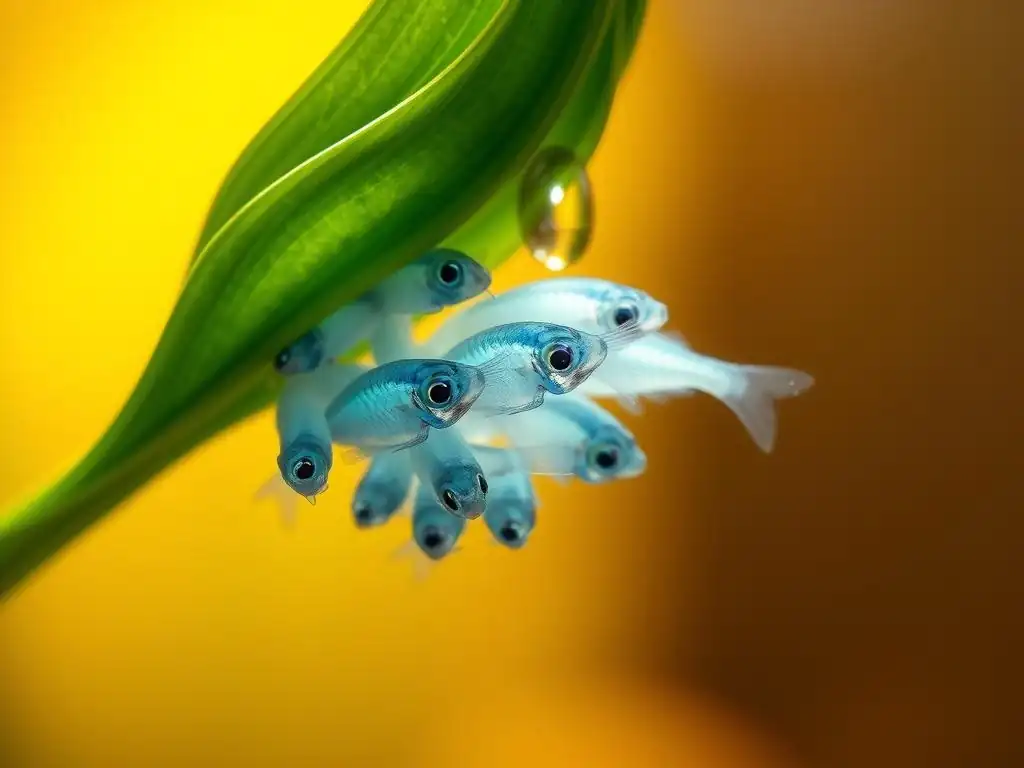
Introducing Larger Food Options: Crushed Flakes and Pellets
Once Neolamprologus multifasciatus fry reach a size of approximately 1.5-2 cm (0.6-0.8 inches), typically around 3-4 weeks post-hatch depending on feeding and conditions, their mouths are large enough to accept finely crushed dry foods. High-quality flake food designed for cichlids or small, slow-sinking micro-pellets are excellent choices. To prepare flake food, simply crush it between your fingers or use a mortar and pestle to achieve a powder or very fine crumble consistency suitable for their small mouths.
It's advisable to continue offering live foods like baby brine shrimp alongside the new dry foods during this transition period. This ensures a varied and highly nutritious diet, preventing any nutritional gaps while the fry adapt to the new food sources. The gradual introduction of different food types is crucial for preparing them for a broader diet as they grow, contributing to the continued success after the initial cichlid fry hatching success.
Observing Feeding Behavior and Adjusting Food Size
When introducing new or larger food items, careful observation of the Neolamprologus multifasciatus fry's feeding behavior is essential. Watch to ensure that all fry are actively consuming the food and that they are not struggling with the particle size. If they appear hesitant or are unable to ingest the food, it indicates that the particles are still too large, and further crushing or a return to smaller foods is necessary.
Conversely, if the fry are readily consuming the food, you can gradually increase the particle size over successive days or weeks. Uneaten food quickly degrades and fouls the water, so always err on the side of underfeeding rather than overfeeding. Adjusting the food size and amount based on the fry's current size and consumption rate ensures optimal nutrition, leading to robust growth and preventing issues like stunted development. Healthy Neolamprologus multifasciatus fry can reach 2-3 cm by 8-10 weeks of age with proper feeding.
Recognizing Signs of Independence and Preparing for Separation
As Neolamprologus multifasciatus fry mature, typically reaching 2-3 cm in length (around 2-3 months old), they exhibit increasing signs of independence from their parents. They will venture further from the protective confines of the shells, actively exploring the tank and demonstrating more characteristic cichlid behaviors, such as sifting sand or interacting with each other. Their reliance on the parents for protection and guidance diminishes significantly at this stage.
At this size and age, the young Neolamprologus multifasciatus are generally self-sufficient and capable of fending for themselves. If they are in a dedicated breeding tank with their parents, it's often advisable to prepare for their transfer to a grow-out tank or, if suitable, a larger community tank. This prevents potential overcrowding, reduces the bioload on the breeding tank, and can mitigate any aggression from the parents as they prepare for subsequent broods, marking a successful rearing cycle from cichlid fry to independent juvenile.
Potential Challenges and Solutions in Raising Neolamprologus multifasciatus Fry
Dealing with Predation in the Fry Tank
While Neolamprologus multifasciatus parents are generally good caregivers, predation remains a significant challenge, especially if breeding occurs in a community tank. Larger tank mates, even other species of cichlids, will readily consume tiny fry. Even the parents, if severely stressed or if the fry are weak, might occasionally consume their own offspring, though this is less common with Neolamprologus multifasciatus compared to some other cichlid species.
The most effective solution to prevent predation is to breed and raise the fry in a dedicated species-only tank. If breeding in a community setup is unavoidable, ensure an abundance of shells (at least 3-5 per fish) and dense rockwork or artificial plants to provide maximum hiding spots for the fry. Some aquarists opt to remove the parents from the fry tank once the fry are free-swimming and well-established (e.g., after 2-3 weeks) to further minimize any potential parental predation or competition for resources, thereby maximizing cichlid fry survival.
Addressing Stunted Growth and Uneven Development
Stunted growth and uneven development among Neolamprologus multifasciatus fry are common issues that can arise from several factors, including poor water quality, insufficient or improper feeding, and overcrowding. Fry that are not growing at an expected rate (e.g., less than 0.5 cm growth per week after the first two weeks of free-swimming) are likely experiencing one or more of these stressors. Competition for food among siblings can also lead to smaller, less dominant fry becoming stunted.
To address stunted growth, immediately review and improve water quality by increasing the frequency and volume of small water changes. Enhance the feeding regimen by offering more frequent meals and incorporating a higher proportion of live, highly nutritious foods like baby brine shrimp. If overcrowding is an issue, consider separating the larger, more dominant fry from the smaller ones into different grow-out tanks. This ensures that the smaller fry have adequate access to food and resources without intense competition, leading to more uniform growth and a higher overall yield of healthy Neolamprologus multifasciatus juveniles.
Managing Water Quality Issues and Ammonia Spikes
Water quality issues, particularly ammonia and nitrite spikes, are a leading cause of mortality in Neolamprologus multifasciatus fry tanks. The combination of frequent feeding, high bioload for the tank size, and the delicate nature of fry makes them highly susceptible to these toxic compounds. Symptoms include rapid gilling, lethargy, refusal to eat, and sudden, unexplained deaths. Even low, prolonged exposure to these toxins can lead to chronic health problems and severely compromise cichlid fry survival.
The primary solution is proactive water quality management. Implement daily 10-15% water changes to dilute pollutants and replenish essential minerals. Ensure a well-cycled sponge filter is in place, providing robust biological filtration to convert ammonia and nitrite into less harmful nitrate. Regularly test water parameters (ammonia, nitrite, nitrate, pH, GH, KH) with a reliable liquid test kit. In an emergency, a small dose of an ammonia detoxifier can provide temporary relief, but the long-term solution lies in addressing the root cause through consistent maintenance and responsible feeding practices for robust Neolamprologus multifasciatus fry hatching success.
Moving Juvenile Neolamprologus multifasciatus to the Main Tank
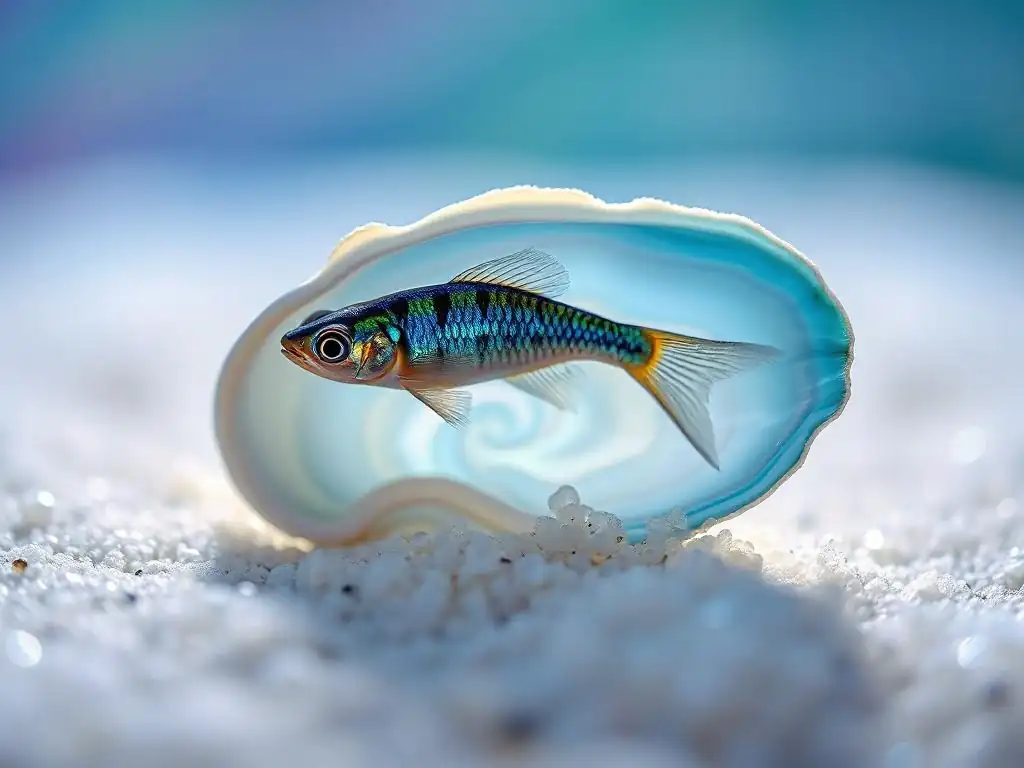
Acclimation Process for Introducing Juveniles
Once Neolamprologus multifasciatus juveniles reach a size of 2-3 cm (approximately 2-3 months old) and exhibit independent behavior, they are generally ready to be moved from a dedicated fry or grow-out tank to a larger display tank. The acclimation process is crucial to minimize stress and prevent shock from changes in water parameters. The drip acclimation method is highly recommended: place the juveniles in a small container with their current tank water, then slowly drip water from the new main tank into the container using airline tubing. This process should take 30-60 minutes, allowing for gradual equalization of parameters.
Before initiating the transfer, ensure the water parameters (especially temperature, pH, GH, and KH) of the main tank are closely matched to those of the fry tank. Even slight differences can cause significant stress to young fish. Once acclimated, gently net the juveniles (or use a cup to scoop them, minimizing direct handling) and release them into the main tank. Avoid pouring them in directly from the acclimation container, as this can introduce unwanted water or debris.
Selecting Suitable Tank Mates for Young Neolamprologus multifasciatus
Selecting appropriate tank mates for young Neolamprologus multifasciatus is critical for their continued survival and integration into a larger community. Avoid any large, aggressive, or predatory fish that could view the juveniles as a food source. Ideal tank mates are other peaceful Tanganyikan cichlids of similar size, or species known to be compatible with shell dwellers. Examples include small species of Julidochromis (e.g., J. transcriptus), or certain small, bottom-dwelling Synodontis catfish that typically ignore shell dwellers.
Even with suitable tank mates, it is imperative to provide abundant hiding spots in the main tank, such as numerous shells, rock piles, and caves. These provide refuges for the juveniles to retreat to if they feel threatened, reducing stress and allowing them to establish their own territories. A well-structured environment is key to minimizing aggression and ensuring the successful integration of your young Neolamprologus multifasciatus into the broader aquarium ecosystem.
Monitoring Behavior After Introduction to the Main Tank
After introducing the juvenile Neolamprologus multifasciatus to the main tank, continuous and close monitoring of their behavior is essential for the first few days and weeks. Observe them for any signs of stress, such as clamped fins, rapid breathing, excessive hiding, or a refusal to eat. Pay particular attention to their interactions with existing tank mates; watch for bullying, chasing, or any signs of physical harm.
Healthy juveniles should eventually begin to explore their new environment, establish small territories around shells, and actively participate in feeding. If persistent aggression or stress is observed, or if the juveniles appear to be struggling to thrive, it may be necessary to remove them and place them back into a dedicated grow-out tank or a more peaceful environment. Successful integration into the main display tank marks the culmination of the diligent process of raising Neolamprologus multifasciatus from tiny cichlid fry to thriving adults.
Advanced Techniques for Maximizing Fry Yield
Using Sponge Filters to Increase Surface Area for Microorganisms
Beyond their primary function of gentle filtration, sponge filters offer an advanced benefit for maximizing Neolamprologus multifasciatus fry yield: they significantly increase the available surface area for the colonization of beneficial bacteria and, crucially, various microscopic organisms like infusoria. These micro-organisms naturally develop on the sponge's porous surface, providing a continuous, natural, and highly accessible food source for newly free-swimming fry. This constant grazing opportunity contributes to faster initial growth rates and higher survival.
To leverage this benefit, it's advantageous to "seed" a new sponge filter by placing it in an established, healthy tank for several weeks before transferring it to the fry tank. This allows it to become fully colonized with mature beneficial bacteria and a diverse microfauna. Some aquarists even gently squeeze an established sponge filter into the fry tank water to introduce these beneficial micro-organisms directly. This method provides a stable, bio-diverse environment that directly supports the delicate early stages of Neolamprologus multifasciatus fry, enhancing their chances of survival and thus boosting overall cichlid fry hatching success.
Implementing Regular Water Changes for Optimal Growth
While small, frequent water changes are standard for fry rearing, an advanced technique for maximizing Neolamprologus multifasciatus fry growth and yield involves even more rigorous water change protocols. Some highly successful breeders perform daily water changes of 15-20%, or even multiple smaller changes (e.g., 5% twice daily). This hyper-dilution strategy ensures that metabolic wastes, particularly nitrates, are kept at near-zero levels, and essential minerals are constantly replenished. This pristine water quality minimizes stress and allows the fry to allocate maximum energy towards growth rather than detoxification.
Executing such a frequent water change schedule requires careful planning. Always use aged or dechlorinated water that precisely matches the tank's temperature and existing parameters to prevent any shock. A dedicated water preparation system, such as large buckets or containers for aging water, can streamline this process. This meticulous attention to water quality provides an exceptionally clean and stable environment, which is a cornerstone for achieving superior growth rates and maximizing Neolamprologus multifasciatus fry hatching success and subsequent development.
Breeding Neolamprologus multifasciatus in a Community Tank
While a dedicated breeding tank offers the highest control and yield, Neolamprologus multifasciatus are unique in their ability to successfully breed and raise some fry even within a well-structured community tank. This advanced approach relies on providing an exceptionally dense and complex environment. The key is to offer an abundance of shells (ideally 3-5 shells per fish, scattered and clustered) and intricate rockwork that creates numerous small territories and hidden passages, giving both adults and fry ample refuge from other tank inhabitants.
In such community setups, the natural fry survival rate will be lower compared to an isolated breeding tank, typically ranging from 10-30% compared to 70-90% in dedicated systems. However, the parents' strong protective instincts and the fry's ability to hide deep within the shells or rock crevices still allow for consistent recruitment of new juveniles into the main population. This method offers a more natural observation of their fascinating social dynamics and contributes to a continuous, albeit lower, cichlid fry hatching success within a diverse aquarium environment.
Conclusion: Mastering Neolamprologus multifasciatus Fry Rearing
Key Takeaways for Successful Cichlid Fry Hatching and Raising
Mastering the art of raising Neolamprologus multifasciatus fry from egg to independent cichlid is a rewarding endeavor that hinges on a few critical principles. First and foremost, maintaining stable and pristine water parameters—specifically a high pH (7.8-9.0), adequate hardness (GH 10-20 dGH, KH 10-18 dKH), and consistent temperature (25-27°C)—is non-negotiable for robust egg viability and fry development. Secondly, a diet rich in appropriately sized, high-quality live foods, starting with infusoria and quickly transitioning to newly hatched brine shrimp nauplii, provides the essential nutrition for rapid growth.
Furthermore, a safe, stress-free environment, ideally a dedicated fry tank with an abundance of shells and gentle filtration (sponge filters are ideal), minimizes external threats and promotes natural behavior. Consistent monitoring for health issues, performing small, frequent water changes to prevent pollutant buildup, and gradually introducing larger food options as the fry grow are also paramount. By meticulously adhering to these guidelines, aquarists can significantly enhance Neolamprologus multifasciatus fry hatching success and ensure the healthy progression of these captivating shell-dwelling cichlids from delicate eggs to thriving juveniles.
Resources for Further Learning About Neolamprologus multifasciatus and Fry Care
For aquarists seeking to deepen their understanding and further refine their techniques for Neolamprologus multifasciatus fry care, a wealth of resources is available. Online forums and communities dedicated to African cichlids, particularly those focusing on Lake Tanganyika species, are invaluable platforms where experienced breeders share their insights, troubleshooting tips, and often provide species-specific breeding logs. These communities can offer direct answers to specific challenges and provide a sense of camaraderie among enthusiasts.
Additionally, comprehensive aquarium books specializing in Lake Tanganyika cichlids offer detailed profiles on Neolamprologus multifasciatus, covering their natural history, specific care requirements, and breeding intricacies. Joining local aquarium clubs can also provide hands-on learning opportunities, access to experienced mentors, and even opportunities to acquire healthy breeding stock or locally bred fry. Leveraging these resources can significantly enhance your knowledge base and contribute to even greater cichlid fry hatching success and the long-term well-being of your Neolamprologus multifasciatus colony.
Frequently Asked Questions
How long does it typically take for shell dweller cichlid fry to hatch?
Shell dweller cichlid eggs usually hatch within three to four days at optimal temperatures. Water temperature is a crucial factor affecting hatching speed.
What are the most important water parameters to maintain for optimal cichlid fry hatching success?
Maintaining stable water parameters is crucial. Key parameters include a pH level between 7.5 and 8.5, a stable temperature around 78-82°F, and low ammonia and nitrite levels.
What is the best food to feed newly hatched shell dweller cichlid fry?
Newly hatched fry require very small food particles. Infusoria and liquid fry food are excellent initial options. As they grow, you can transition to baby brine shrimp.
How often should I perform water changes in a tank with shell dweller cichlid fry?
Frequent, small water changes are vital. Perform 10-20% water changes every other day to maintain water quality and remove waste produced by the fry.
What are some common reasons for low cichlid fry hatching success rates, and how can I prevent them?
Poor water quality and fungal infections are frequent causes. Prevent them by maintaining pristine water conditions and considering adding antifungal medications to the water if necessary after the eggs are laid.
Final Reflection: Nurturing New Beginnings
The journey from fragile egg to independent cichlid, as we've explored, is a testament to the delicate balance of nature and the rewarding potential of informed intervention. Achieving cichlid fry hatching success is not merely about numbers; it's about understanding the intricate needs of these tiny lives and providing the optimal environment for them to flourish, a skill that resonates far beyond the aquarium.
This meticulous process, from water parameters to feeding schedules, mirrors the dedication required in nurturing any new beginning, whether in our personal lives or within the broader ecosystem. The patience and attention to detail demanded by raising shell dweller fry have profoundly impacted my understanding of responsibility and the interconnectedness of life. The greatest service we can render to others is helping them to help themselves.
This quote perfectly encapsulates the essence of our role in guiding these fry towards independence, fostering resilience and self-sufficiency.
Now, consider the lessons learned in this journey. How can you apply the principles of careful observation, proactive problem-solving, and unwavering dedication to other areas of your life? Let the success you achieve in nurturing these cichlid fry inspire you to cultivate growth and resilience in all your endeavors, creating a ripple effect of positive impact that extends far beyond the confines of your aquarium.
Nurture Your Next Generation: Become a Shell Dweller Breeding Pro!
Thank you for diving into the fascinating world of shell dweller fry! We hope you've gained valuable insights to embark on your breeding journey. Now, let's turn that knowledge into action and create thriving colonies of these captivating cichlids.
Here’s how to get started:
- Prioritize a Dedicated Fry Tank: Create a separate, safe haven for your shell dweller fry with fine sand and miniature shells to mimic their natural environment, drastically improving their survival rates.
- Share Your Success: Document your fry-raising journey with photos and videos and share your experiences on aquarium forums or social media using #ShellDwellerFry to connect with fellow enthusiasts.
- Experiment with Live Food Cultures: Try culturing your own Daphnia or baby brine shrimp for a more natural and enriching fry diet.
What unique setup or feeding strategy will you implement to give your shell dweller fry the best possible start?