
Feeding Your Cherry Barbs: A Guide to Foods That Enhance Their Red Hues

Welcome to Aquarium Mastery!
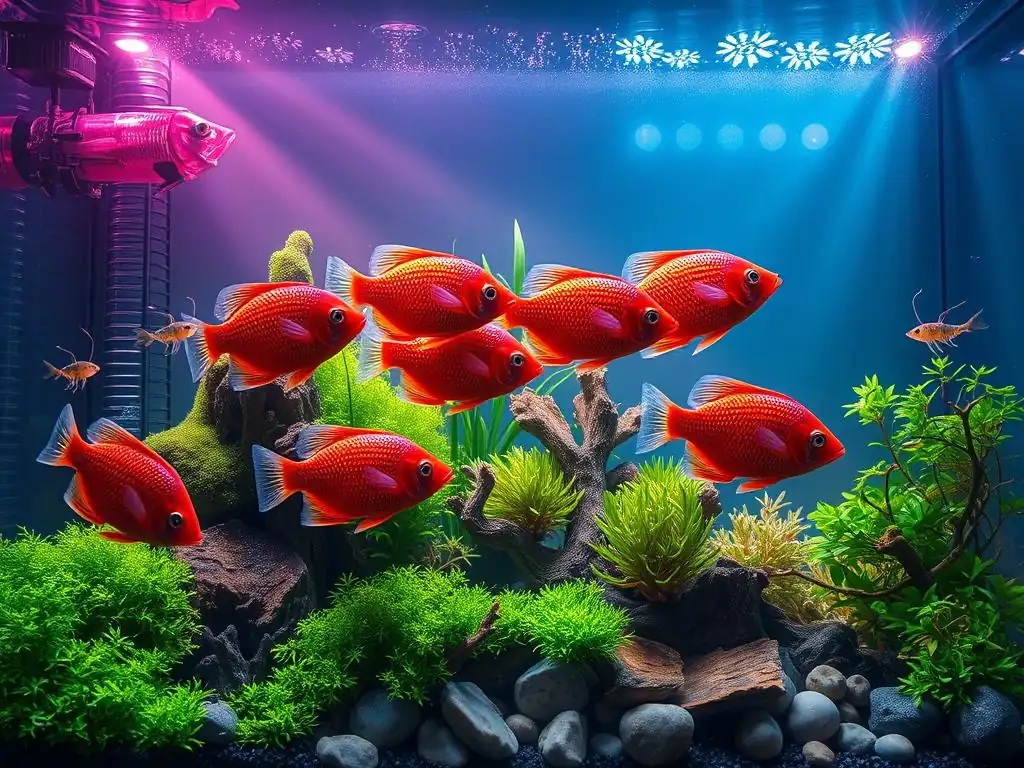
Ever wondered how to unlock the vibrant red potential of your Cherry Barbs? You're in the right place! Dive into our Cherry Barb Food Guide and discover the secrets to a thriving, brilliantly colored aquarium. Get ready to explore the foods that will truly bring out the best in these captivating freshwater gems!
- Understanding Cherry Barb Nutrition for Vibrant Colors
- Best Foods for Cherry Barbs: Enhancing Red Pigmentation
- Creating a Cherry Barb Feeding Schedule
- Supplementing Your Cherry Barbs' Diet for Enhanced Color
- Foods to Avoid Feeding Cherry Barbs
- Tips for Observing Your Cherry Barbs' Feeding Habits
- Maintaining Water Quality During Feeding
- Cherry Barb Food Guide: A Summary of Optimal Feeding Practices
- Frequently Asked Questions
- Final Reflection: Embracing the Vibrant Palette of Life
- Ignite Your Cherry Barbs' Radiant Red!
Understanding Cherry Barb Nutrition for Vibrant Colors
The Importance of a Balanced Diet for Cherry Barbs
A balanced diet is the cornerstone of health and vitality for any aquatic species, and cherry barbs are no exception. Proper nutrition provides the essential building blocks for growth, supports a robust immune system, and supplies the energy needed for their active swimming behavior. Without adequate nutrients, cherry barbs can become lethargic, prone to disease, and fail to thrive, significantly diminishing their overall well-being.
Furthermore, a diet lacking in specific vitamins, minerals, and macronutrients will directly impact a cherry barb's ability to maintain its vibrant coloration. A well-nourished cherry barb typically exhibits strong disease resistance and can live for 5 to 7 years in a properly maintained aquarium. Conversely, cherry barbs fed on an inconsistent or poor-quality diet often show faded colors, stunted growth, and a reduced lifespan, making a comprehensive cherry barb food guide essential for their care.
How Diet Impacts Cherry Barb Coloration
The striking red coloration of cherry barbs is primarily influenced by their dietary intake of carotenoids. These natural pigments, such as astaxanthin and beta-carotene, cannot be synthesized by the fish themselves; they must be obtained through the foods they consume. Once ingested, these carotenoids are absorbed and deposited in specialized cells within the fish's skin, directly contributing to the intensity and richness of their red and orange hues.
A cherry barb consistently fed a diet rich in these essential carotenoids will display a deep, ruby-red coloration, characteristic of a healthy and well-cared-for specimen. Conversely, if their diet is deficient in these pigments, their colors will gradually fade, appearing more brownish-pink or washed out. Research on similar cyprinid species has shown that incorporating diets with astaxanthin concentrations of 50-100 mg/kg can significantly enhance color vibrancy, underscoring the direct link between a targeted diet and vibrant cherry barb coloration.
Best Foods for Cherry Barbs: Enhancing Red Pigmentation
Flake Food for Cherry Barbs: Considerations and Choices
Flake foods serve as an excellent staple for cherry barbs, providing a convenient and generally balanced nutritional foundation. When selecting flake food, prioritize high-quality options that list fish meal, spirulina, krill, or other marine proteins as primary ingredients. Many reputable brands offer specialized "color-enhancing" flake foods specifically formulated with higher concentrations of carotenoids, like astaxanthin, which are crucial for intensifying the red pigments in your cherry barbs.
Ensure the flakes are appropriately sized for the cherry barb's small mouth to facilitate easy consumption and prevent waste. Overly large flakes can lead to digestive issues or remain uneaten, contributing to water pollution. For optimal color enhancement and overall health, look for flake foods with a crude protein content of at least 35-40% and a fat content around 5-8%, ensuring the cherry barb food guide you follow emphasizes these nutritional benchmarks.
Pellets for Cherry Barbs: Size and Nutritional Content
Micro-pellets offer a denser nutritional profile compared to flakes and are less prone to dissolving quickly, which can help maintain water quality. For cherry barbs, which typically reach an adult size of about 2 inches (5 cm), select very small, slow-sinking or floating micro-pellets. Their compact nature means a smaller volume of food can deliver a significant amount of nutrients, often with protein levels exceeding 45%.
Like flakes, many pellets are formulated as color-enhancing foods, incorporating ingredients such as spirulina, krill meal, and astaxanthin to boost red pigmentation. The consistent nutrient delivery of pellets makes them an excellent primary component of a comprehensive cherry barb food guide. Always check the ingredient list to ensure these beneficial components are present, supporting both the health and vibrant coloration of your fish.
Live Foods for Cherry Barbs: A Natural Color Booster
Live foods are an exceptional supplement for cherry barbs, providing not only superior nutrition but also stimulating their natural hunting instincts, which contributes to their overall well-being and vibrancy. While offering significant benefits for color enhancement, it is crucial to source live foods from reputable suppliers to minimize the risk of introducing parasites or diseases into your aquarium.
Daphnia: A Cherry Barb Favorite
Daphnia, commonly known as "water fleas," are small crustaceans that are a highly beneficial live food for cherry barbs. They are naturally rich in carotenoids, as they feed on phytoplankton and algae, which directly transfer these color-enhancing pigments to your fish upon consumption. Cherry barbs enthusiastically chase and consume daphnia, making them an engaging and nutritious treat.
Regularly feeding live daphnia, perhaps two to three times a week, can lead to a noticeable intensification of your cherry barb's red hues within a few weeks. A typical adult cherry barb can consume dozens of these tiny organisms in a single feeding session. Their high digestibility and natural pigment content make daphnia an invaluable component of any effective cherry barb food guide aimed at boosting coloration.
Brine Shrimp: Enhancing Red Color Naturally
Brine shrimp (Artemia salina) are another excellent live food choice for enhancing the red coloration of cherry barbs. They are a good source of protein and, when gut-loaded with spirulina or other carotenoid-rich feeds, become potent pigment delivery vehicles. The erratic swimming motion of brine shrimp also encourages active feeding behavior, providing beneficial exercise for your barbs.
Both adult brine shrimp and newly hatched brine shrimp nauplii are suitable, with nauplii being particularly good for juvenile cherry barbs. Incorporating live or freshly hatched brine shrimp into their diet 2-3 times a week can lead to significant improvements in color vibrancy and overall vitality. Their nutritional profile and appeal to cherry barbs solidify their place as a key element in a color-focused cherry barb food guide.
Bloodworms: Nutritional Value and Considerations
Bloodworms, the larvae of non-biting midges (Chironomidae), are a highly palatable and nutrient-dense live food for cherry barbs. They are packed with protein (often exceeding 50% crude protein by dry weight) and iron, which contribute to the fish's overall health and indirectly support vibrant coloration. The wriggling movement of bloodworms often triggers an immediate feeding response from cherry barbs.
Despite their excellent nutritional value, bloodworms have a relatively high fat content and should be fed as an occasional treat rather than a daily staple to prevent obesity. Offering live bloodworms once or twice a week is generally sufficient to provide their benefits without adverse effects. Always ensure that any live bloodworms are sourced from a clean, reputable supplier to prevent the introduction of pathogens into your aquarium.
Frozen Foods for Cherry Barbs: Variety and Benefits
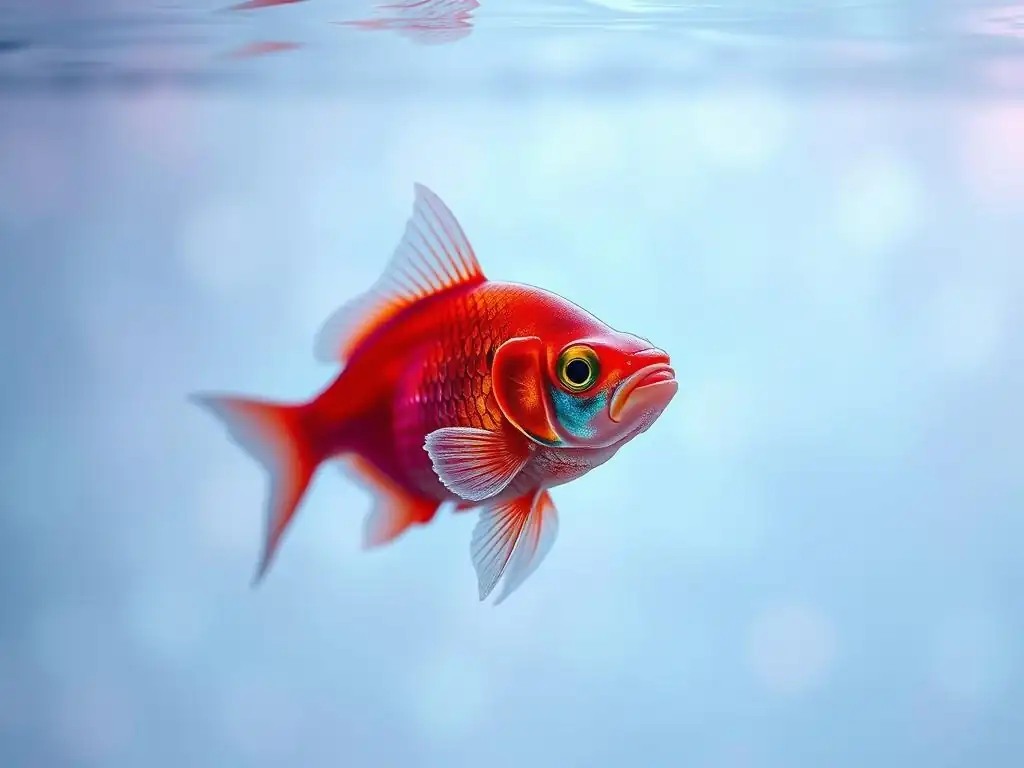
Frozen foods offer a convenient and safer alternative to live foods, as the freezing process typically eliminates parasites and pathogens. They retain much of the nutritional value of their live counterparts and provide excellent dietary variety, which is crucial for a comprehensive cherry barb food guide.
Frozen Bloodworms: A Treat with Caution
Frozen bloodworms offer the same rich protein and iron content as live bloodworms but with a significantly reduced risk of introducing diseases, making them a safer choice for aquarists. They are widely available in pet stores and are readily accepted by cherry barbs, providing a beneficial boost to their diet.
As with live bloodworms, frozen bloodworms should be fed in moderation, approximately 1-2 times per week, due to their higher fat content. Always thaw a small portion in a cup of tank water before adding it to the aquarium to prevent digestive shock from cold food. This cautious approach ensures they remain a valuable, yet controlled, part of your cherry barb's varied diet.
Frozen Daphnia: Safe and Nutritious
Frozen daphnia are an excellent and safe way to incorporate the carotenoid-rich benefits of daphnia into your cherry barb's diet without the risks associated with live cultures. They are perfectly sized for cherry barbs and are an outstanding source of natural pigments that directly contribute to the intensity of their red coloration.
Incorporating frozen daphnia into the cherry barb's feeding regimen 2-3 times a week can lead to noticeable improvements in color vibrancy. Simply thaw a small cube in a small amount of aquarium water before dispensing it into the tank. This makes frozen daphnia a staple recommendation in any cherry barb food guide focused on both nutrition and enhanced coloration.
Vegetable Matter for Cherry Barbs: Green Foods for Health
While cherry barbs are primarily omnivores with a preference for meaty foods, incorporating some vegetable matter into their diet is vital for their digestive health and overall well-being. Plant-based foods provide essential fiber, vitamins, and minerals that can complement their protein-rich diet.
Algae Wafers: Supplementing Plant-Based Nutrients
Algae wafers, although often marketed for bottom-feeding fish, can be a beneficial supplementary food for cherry barbs. Many high-quality algae wafers contain spirulina, a blue-green algae renowned for its high protein content (up to 60%) and rich concentration of carotenoids like phycocyanin and beta-carotene. These pigments are crucial for enhancing and maintaining vibrant fish coloration.
Cherry barbs will often nibble at softened algae wafers, especially if broken into smaller, manageable pieces. Offering a small piece once or twice a week ensures they receive essential plant-based nutrients that might be less prominent in a purely protein-centric diet. This addition makes the cherry barb food guide more comprehensive, promoting not just color but also digestive regularity and a strong immune system.
Blanched Vegetables: Zucchini, Spinach and More
Blanched vegetables provide a fresh, natural, and highly nutritious supplement to a cherry barb's diet. Vegetables such as zucchini, spinach, peas (shelled), and romaine lettuce are excellent sources of essential vitamins, minerals, and dietary fiber, which significantly aid digestion and contribute to overall fish health. Blanching softens the vegetables, making them easier for the fish to consume and digest.
To prepare, simply boil a small piece of the chosen vegetable for 30-60 seconds until it is slightly tender, then cool it completely before offering. A small piece can be weighted down with a veggie clip or a clean, aquarium-safe rock to prevent it from floating. Offering blanched vegetables once a week as a supplementary treat diversifies the nutritional intake, enhancing both internal health and external vibrancy as part of a well-rounded cherry barb food guide.
Creating a Cherry Barb Feeding Schedule
How Often to Feed Cherry Barbs
Cherry barbs have relatively small stomachs and a fast metabolism, making small, frequent meals more beneficial than large, infrequent ones. For adult cherry barbs, feeding them once or twice a day is generally recommended. This approach ensures a steady supply of nutrients without overwhelming their digestive system or excessively polluting the tank water.
For younger, rapidly growing cherry barbs, three smaller feedings per day might be appropriate to support their development. The key is consistency; try to feed them around the same time each day to establish a routine, which can reduce stress and encourage healthier feeding habits. This frequency is a core component of any effective cherry barb food guide.
Portion Control: Avoiding Overfeeding
Overfeeding is one of the most common mistakes in aquarium keeping and can lead to significant problems, including poor water quality and health issues for your cherry barbs. A general rule of thumb is to offer only as much food as your cherry barbs can completely consume within 2-3 minutes. Any food remaining after this time should be promptly removed using a fine net or siphon to prevent it from decaying and polluting the water.
Excess food not only fouls the water by breaking down into ammonia and nitrites, but it can also lead to obesity in cherry barbs, making them more susceptible to swim bladder issues and other diseases. Observing your fish during feeding is crucial; if they seem lethargic or bloated, adjust the portion size downwards. This careful portion control is a vital aspect of a responsible cherry barb food guide.
Varying the Diet: A Key to Health and Color
Just as with human nutrition, a varied diet is paramount for the long-term health and vibrant coloration of cherry barbs. Relying solely on one type of food, even a high-quality one, can lead to nutritional deficiencies over time. A diverse diet ensures they receive a full spectrum of vitamins, minerals, proteins, and essential fats necessary for robust health and the synthesis of their striking red pigments.
Implement a rotational feeding schedule that includes a staple flake or pellet food for the majority of feedings, supplemented regularly with live or frozen foods (like daphnia and brine shrimp) known for their color-enhancing properties, and occasional blanched vegetables. For example, Monday-Wednesday-Friday could be flake/pellet, Tuesday-Thursday live/frozen daphnia, and Saturday frozen bloodworms, with blanched zucchini on Sunday. This varied approach is arguably the most critical element of an optimal cherry barb food guide for color and longevity.
Supplementing Your Cherry Barbs' Diet for Enhanced Color
Natural Color Enhancers: Spirulina and Astaxanthin
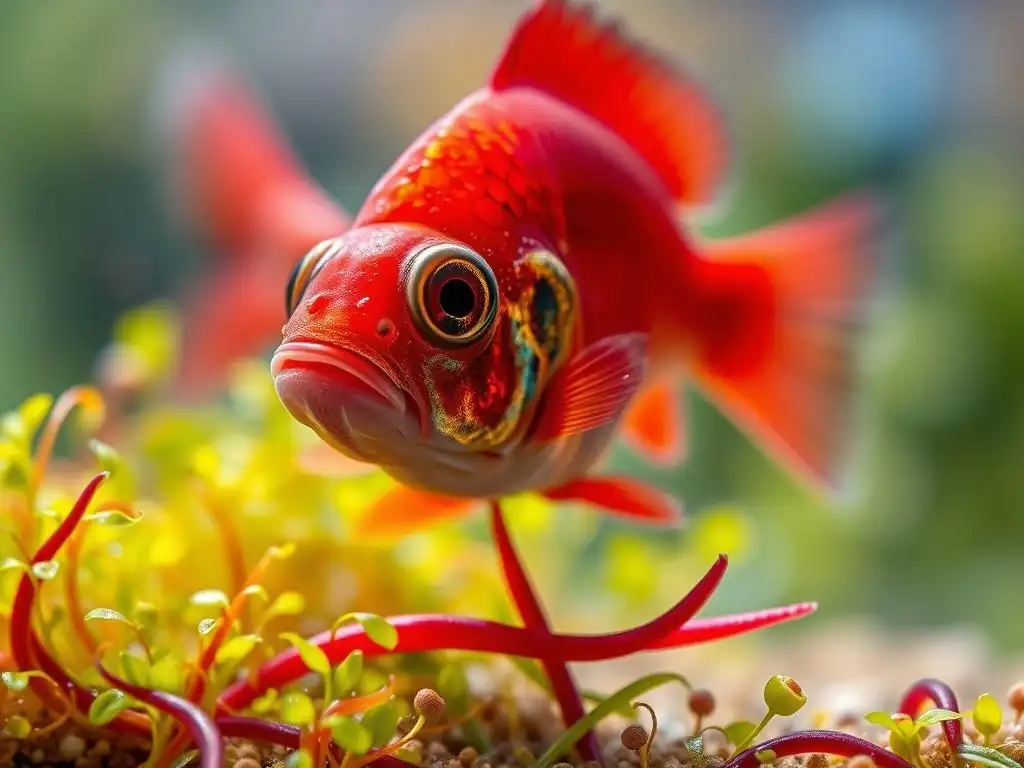
To truly maximize the red hues of your cherry barbs, direct supplementation with natural color enhancers like spirulina and astaxanthin is highly effective. Spirulina, a blue-green algae, is packed with beta-carotene and other carotenoids, along with a high protein content (typically 55-65%). It not only boosts coloration but also supports immune function. Many commercial fish foods incorporate spirulina, but you can also find it as a pure powder to lightly dust over other foods.
Astaxanthin is arguably the most potent carotenoid for enhancing red and orange pigments in fish. It's naturally found in krill, shrimp, and some algae. Fish cannot synthesize astaxanthin, so they must obtain it from their diet. Foods rich in astaxanthin, or those specifically fortified with it, can dramatically intensify the cherry barb's red coloration, often showing results within 2-4 weeks of consistent feeding. Look for products that list astaxanthin directly or krill meal high on the ingredient list when building your cherry barb food guide.
Commercial Color-Enhancing Foods: Choosing the Right Option
The market offers numerous commercial color-enhancing foods designed to boost fish pigmentation. When selecting these products for your cherry barbs, scrutinize the ingredient list. Prioritize foods that list natural sources of carotenoids high up, such as krill meal, shrimp meal, spirulina, or directly mention astaxanthin and canthaxanthin. Avoid products that rely heavily on artificial dyes or low-quality fillers.
Reputable brands often provide guaranteed analysis on their packaging, detailing protein, fat, and fiber content. For optimal color enhancement, choose foods with a higher percentage of protein (e.g., over 40%) and a significant inclusion of natural colorants. Some premium brands formulate their color-enhancing foods with specific concentrations of carotenoids, like 80-100 mg/kg astaxanthin, which can yield excellent results for your cherry barb food guide goals.
Foods to Avoid Feeding Cherry Barbs
Harmful Foods for Cherry Barbs
While cherry barbs are generally hardy, certain foods can be detrimental to their health and should be strictly avoided. Processed human foods, such as bread, crackers, or processed meats, are entirely unsuitable. These items often contain high levels of sugars, unhealthy fats, preservatives, and ingredients that fish cannot properly digest, leading to digestive upset, nutrient deficiencies, and severe water quality issues.
High-fat foods, even some traditionally "fish-safe" items like excessive amounts of certain worms (e.g., tubifex worms if not properly cleaned), can lead to fatty liver disease and other organ damage in cherry barbs over time. Similarly, unwashed or wild-caught live foods from unknown sources carry a high risk of introducing parasites, bacteria, or other pathogens into your aquarium, potentially wiping out your entire tank. Always err on the side of caution when deciding what to include in your cherry barb food guide.
Foods That Can Dull Their Colors
Beyond being actively harmful, some foods, while not toxic, simply lack the necessary nutrients to support the vibrant red coloration of cherry barbs and can even contribute to dulling their hues over time. Generic, low-quality flake foods that primarily consist of fillers and lack sufficient protein or naturally occurring carotenoids fall into this category. A diet predominantly based on such foods will fail to provide the essential pigments needed for color synthesis.
For instance, a food with a crude protein content below 30% or one where the first few ingredients are not fish meal, spirulina, or krill meal, is unlikely to support optimal color. Relying on these types of foods will result in cherry barbs that appear pale, brownish, or washed out, rather than their striking ruby red. Therefore, for a truly effective cherry barb food guide, it is crucial to avoid foods that do not actively contribute to their nutritional well-being and color vibrancy.
Tips for Observing Your Cherry Barbs' Feeding Habits
Monitoring Food Intake and Behavior
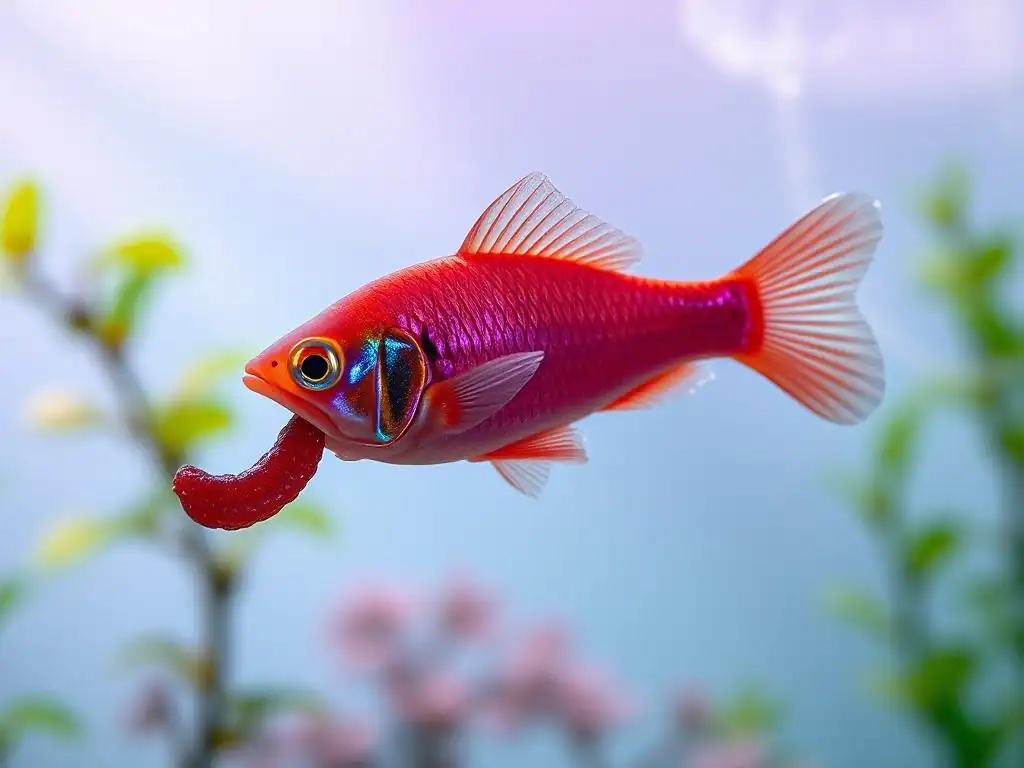
Closely observing your cherry barbs during feeding time is crucial for understanding their health and ensuring they are receiving adequate nutrition. Healthy cherry barbs are typically enthusiastic eaters, actively competing for food and displaying vigorous swimming behavior. Note if all fish are participating in feeding or if some are shy, hiding, or showing disinterest, as this can be an early indicator of stress, illness, or an inappropriate diet.
Pay attention to how quickly they consume the food. If food remains floating or sinking for more than 2-3 minutes, you are likely overfeeding. Conversely, if all the food is gone in less than a minute and the fish are still actively searching, they might be underfed. Consistent monitoring allows you to fine-tune the amount and type of food, making your cherry barb food guide more effective.
Recognizing Signs of Overfeeding or Underfeeding
Recognizing the signs of improper feeding is vital for the health of your cherry barbs. Signs of overfeeding include excessive uneaten food polluting the tank, cloudy water, and the fish themselves appearing bloated or lethargic after meals. Chronic overfeeding can lead to fatty liver disease, swim bladder issues, and increased susceptibility to bacterial infections.
Conversely, underfed cherry barbs may appear thin or emaciated, with their bellies sunken in. They might also exhibit unusually frantic swimming behavior, constantly scavenging for food, or nipping at tank mates due to hunger. Adjusting feeding portions based on these observations is essential to maintain optimal health and ensure your cherry barbs display their full, vibrant red potential, which is a key objective of any comprehensive cherry barb food guide.
Maintaining Water Quality During Feeding
The Impact of Food on Water Parameters
Feeding, while essential, directly impacts water quality in your aquarium. Uneaten food quickly decomposes, releasing ammonia into the water. Even consumed food contributes to the bioload through fish waste. Both ammonia and fish waste are broken down by beneficial bacteria into nitrites, and then nitrates. Elevated levels of these compounds, particularly ammonia and nitrite, are highly toxic to fish and can cause severe stress, gill damage, and even death, directly impacting the cherry barb's vitality and color.
Overfeeding exacerbates these issues, leading to rapid spikes in ammonia and nitrite, or a steady accumulation of nitrates. For instance, a 20-gallon tank with a school of cherry barbs could see nitrate levels rise from 10 ppm to 30 ppm in a week if overfed, whereas proper feeding might keep it at 5-10 ppm. Maintaining stable, pristine water parameters (ammonia 0 ppm, nitrite 0 ppm, nitrates below 20 ppm) is as crucial as the diet itself for the overall health and vibrant coloration of your cherry barbs.
Regular Water Changes and Filtration
To counteract the impact of feeding on water quality, regular partial water changes and efficient filtration are non-negotiable. A good biological filter effectively converts toxic ammonia and nitrites into less harmful nitrates. However, nitrates still accumulate and need to be removed through water changes. For a cherry barb tank, a weekly 25-30% water change is often recommended to keep nitrate levels in check and replenish essential minerals.
Beyond filtration and water changes, ensuring proper tank maintenance, such as siphoning the substrate to remove trapped food and waste, further contributes to a healthy environment. A clean, stable environment reduces stress on the fish, allowing them to fully absorb nutrients from their cherry barb food guide and display their most intense red hues.
Cherry Barb Food Guide: A Summary of Optimal Feeding Practices
Key Takeaways for a Healthy and Colorful School
Achieving vibrant red hues in your cherry barbs is a direct reflection of a well-balanced and thoughtfully planned diet. The core principles involve offering a diverse range of high-quality foods, including staple flakes or pellets, supplemented generously with carotenoid-rich live or frozen options like daphnia and brine shrimp, and occasional blanched vegetables.
Crucially, practice strict portion control, feeding only what they can consume in 2-3 minutes, and establish a consistent feeding schedule. Always prioritize foods with natural color enhancers like spirulina and astaxanthin, while vigilantly avoiding harmful or nutritionally deficient options. By adhering to this comprehensive cherry barb food guide, you will not only foster exceptional health and longevity but also unlock the full, breathtaking red potential of your beautiful cherry barbs.
Frequently Asked Questions
How often should I feed my Cherry Barbs?
Cherry Barbs should be fed small amounts twice a day. Avoid overfeeding to prevent water quality issues.
What types of food will enhance the red coloration of my Cherry Barbs?
Foods rich in carotenoids, such as bloodworms, spirulina, and certain commercial color-enhancing foods, will help intensify their red hues.
Can I feed my Cherry Barbs only flake food?
While flake food can be part of their diet, it shouldn't be the sole source. A varied diet including live, frozen, or freeze-dried foods is crucial for their health and color.
Are there any foods I should avoid feeding my Cherry Barbs?
Avoid feeding them excessively large pieces of food that they cannot easily consume. Also, be cautious of foods that are high in fillers and offer little nutritional value.
How much food should I give my Cherry Barbs at each feeding?
Offer only as much food as your Cherry Barbs can consume within 2-3 minutes. Remove any uneaten food to maintain water clarity and prevent ammonia spikes.
Final Reflection: Embracing the Vibrant Palette of Life
The journey of understanding the dietary needs of our cherry barbs, as explored in this guide, is more than just about fishkeeping; it's about appreciating the interconnectedness of life and the power of nurturing. By understanding the specific nutrients that enhance their vibrant red hues, we gain a deeper appreciation for the delicate balance within their ecosystem and the impact we have as caretakers. This understanding extends beyond the aquarium, reminding us of the importance of mindful consumption and its effect on the world around us.
The pursuit of vibrant color in our cherry barbs mirrors our own desire for a life filled with vitality and expression. This connection highlights the profound responsibility we have to provide not only sustenance but also an environment that fosters well-being. The greatness of a nation and its moral progress can be judged by the way its animals are treated.
- Mahatma Gandhi. This quote, while often applied to larger animals, resonates deeply here, reminding us that compassion and care, even on a small scale, contribute to a more ethical and beautiful world.
As you continue to care for your cherry barbs, remember that the principles of balanced nutrition and mindful care extend far beyond the aquarium glass. Consider how you can apply these lessons to your own life and the lives of those around you. Let the vibrant red of your cherry barbs serve as a constant reminder to embrace the beauty of life, to nurture growth, and to contribute to a world where all beings can thrive.
Ignite Your Cherry Barbs' Radiant Red!
Thanks for diving into the world of cherry barb nutrition! We hope you've gained valuable insights into keeping your cherry barbs healthy and vibrant. Now, let’s put that knowledge into action and watch their colors truly pop!
Here’s what you can do next:
- Start experimenting with supplementing their diet with natural color enhancers like spirulina or paprika. Observe the changes in their coloration over the next few weeks!
- Explore creating your own DIY fish food recipes using the knowledge you gained. Think beyond flakes – what fun, nutritious treats can you create?
- Share this article with fellow aquarium enthusiasts and compare notes on your cherry barb feeding experiences and color-enhancing techniques.
What unique ingredients will you incorporate into your cherry barbs' diet to unlock their most vibrant red potential?