
Green Severum Spotlight: InDepth Care and Beauty of the Classic Heros

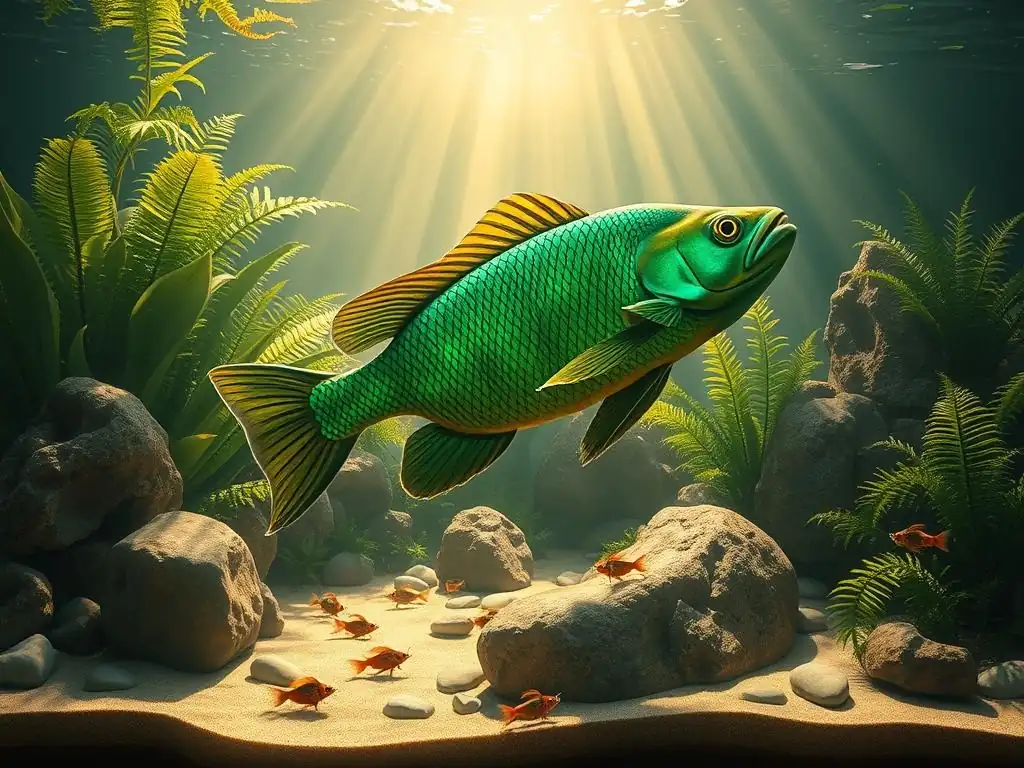
Welcome to Aquarium Mastery, where your underwater dreams become reality!
Ever been captivated by the emerald allure of a Green Severum? We're thrilled to present an in-depth Green Severum care guide that dives deep into everything you need to know about these stunning Heros species. Prepare to unlock the secrets to their vibrant health, captivating beauty, and thriving environment. Intrigued? Let's explore the essentials of keeping these freshwater gems happy and healthy in your aquarium!
- Introduction to the Green Severum: A Hero in Your Aquarium
- Green Severum Care Guide: Essential Requirements
- Green Severum Diet and Feeding: Promoting Growth and Coloration
- Green Severum Tank Mates: Compatibility and Community Dynamics
- Green Severum Health and Disease Prevention
- Breeding Green Severums: A Comprehensive Overview
- Enhancing Green Severum Color: Tips and Techniques
- Green Severum Varieties: Exploring Different Color Morphs
- Troubleshooting Common Green Severum Care Issues
- Conclusion: Mastering Green Severum Care for a Thriving Aquarium
-
Frequently Asked Questions
- How large does a Green Severum get, and what size tank do they require?
- What are the ideal water parameters for a Green Severum aquarium?
- What should I feed my Green Severum?
- Are Green Severums aggressive, and what tank mates are suitable?
- What are some common health problems that Green Severums are susceptible to?
- Final Reflection: Appreciating the Enduring Allure of the Green Severum
- Dive Deeper: Unlock the Full Potential of Your Green Severum!
Introduction to the Green Severum: A Hero in Your Aquarium
Understanding Heros severus: Origins and Natural Habitat
The Green Severum, scientifically known as Heros severus, hails from the vast and biodiverse Amazon Basin in South America. Its natural habitat spans countries such as Brazil, Colombia, Venezuela, and Peru, where it thrives in slow-moving waters. These environments typically include flooded forests, oxbow lakes, and tributaries characterized by an abundance of submerged roots, fallen branches, leaf litter, and dense aquatic or riparian vegetation. The presence of these natural elements provides ample hiding spots and foraging grounds.
In their native waters, Green Severums are accustomed to soft, acidic water conditions, often stained a tea-like color by tannins released from decaying organic matter. The water temperature typically ranges from 75°F to 82°F (24°C to 28°C), and the pH usually falls between 6.0 and 7.0. They are omnivorous foragers in the wild, sifting through substrate and vegetation for small invertebrates, plant matter, and detritus. Understanding these natural conditions is a foundational step in providing optimal Green Severum care in a home aquarium.
Why Choose a Green Severum for Your Freshwater Tank?
Choosing a Green Severum for your freshwater aquarium offers a rewarding experience due to their striking appearance, engaging personality, and relatively peaceful nature for a cichlid of their size. These fish display an attractive olive-green to brownish body, often adorned with faint vertical bars, and sometimes develop beautiful red spots or an orange hue on their fins, making them a captivating centerpiece. They typically grow to an impressive size of 8 to 10 inches (20 to 25 cm) in captivity and, with proper Green Severum care, can live for 10 to 15 years, providing long-term companionship.
Beyond their aesthetic appeal, Green Severums are known for their intelligence and interactive behavior. Unlike some of their more aggressive cichlid relatives, they are generally considered semi-aggressive, making them a suitable choice for a well-planned community tank with appropriate tank mates. Their curious nature and responsiveness to their keepers make them a truly interactive pet, often recognizing their owners and displaying unique behaviors. This combination of beauty, longevity, and personality makes them a highly sought-after species for intermediate to experienced aquarists looking for a substantial, yet manageable, cichlid.
Green Severum Care Guide: Essential Requirements
Optimal Tank Size for Green Severums: Creating a Spacious Environment
Providing an adequately sized aquarium is paramount for the health and well-being of Green Severums, directly impacting their growth, temperament, and overall longevity. For a single adult Green Severum, a minimum tank size of 55 gallons (approximately 208 liters) is recommended. This volume allows sufficient swimming space and helps to dilute waste products effectively, contributing to stable water parameters. However, to truly thrive, especially as they approach their full adult size of 8-10 inches, a 75-gallon (284 liters) tank is a more ideal starting point for one specimen.
When considering a pair of Green Severums or a small group, which is often recommended to observe their fascinating social dynamics, a significantly larger aquarium is essential. A tank of 75 to 125 gallons (284 to 473 liters) or more is advisable for a pair, and even larger for a small group of 3-4 individuals.
For example, a 75-gallon tank typically measures around 48 inches in length, 18 inches in width, and 21 inches in height, providing a good footprint for these active fish. The increased water volume in larger tanks also acts as a buffer against rapid changes in water chemistry, making it easier to maintain the stable conditions crucial for this Green Severum care guide.
Water Parameters: Achieving the Perfect Chemistry for Severums
Maintaining stable and appropriate water parameters is the cornerstone of successful Green Severum care, directly influencing their health, coloration, and susceptibility to disease. While Green Severums are somewhat adaptable, consistency is key, and sudden fluctuations can cause significant stress. Regular testing of temperature, pH, and hardness is non-negotiable for any dedicated aquarist keeping these magnificent fish.
Maintaining Ideal Temperature for Green Severums
The optimal temperature range for Green Severums is between 75°F and 82°F (24°C and 28°C). A stable temperature within this range is crucial for their metabolic functions, immune system efficiency, and overall comfort. Fluctuations outside this range, even by a few degrees, can lead to stress, lethargy, and increased susceptibility to common aquarium ailments such as Ich (white spot disease).
To ensure stable temperatures, a reliable submersible heater with an accurate thermostat is essential. For larger tanks (75 gallons and above), consider using two smaller heaters strategically placed to ensure even heat distribution throughout the aquarium, providing redundancy in case one unit fails. Monitoring the temperature daily with a quality thermometer is also highly recommended as part of a diligent Green Severum care routine.
pH and Water Hardness: Key Considerations
Green Severums originate from soft, acidic waters, and in the aquarium, they thrive in a pH range of 6.0 to 7.0. While they can adapt to slightly more neutral or even slightly alkaline water (up to pH 7.5), stability is far more important than hitting an exact number. The ideal water hardness (GH) for these cichlids is soft to medium-hard, typically between 5 and 12 dGH. Extremely hard or soft water can cause osmotic stress over time.
To maintain these parameters, consider using reverse osmosis (RO) water remineralized to the desired hardness, or incorporating natural elements like driftwood and peat filtration, which can subtly lower pH and add beneficial tannins. Avoid drastic changes in pH, as these can be more detrimental than slightly off-target but stable parameters. Regular testing with a reliable test kit will help you monitor and adjust parameters gradually as needed, ensuring the long-term success of your Green Severum care efforts.
Filtration and Water Changes: Ensuring a Healthy Aquarium
Effective filtration and consistent water changes are indispensable components of a comprehensive Green Severum care guide, as these fish produce a significant bioload. Given their size and active metabolism, robust filtration is required to process waste, remove toxins, and maintain crystal-clear water. External filtration systems like canister filters are highly recommended due to their superior capacity for mechanical, biological, and chemical filtration.
For a 75-gallon Green Severum tank, aim for a filter rated for at least 100-150 gallons, ensuring multiple turnovers of the tank volume per hour. This provides ample biological media for beneficial bacteria to convert ammonia and nitrite, and mechanical media to trap particulate matter. Complementing powerful filtration, weekly or bi-weekly water changes of 25-30% are crucial.
These routine changes remove accumulated nitrates, replenish essential minerals, and maintain the overall water quality that is paramount for preventing stress and disease in your Green Severums. Always use a gravel vacuum to remove detritus from the substrate during water changes, as this decaying organic matter can significantly impact water parameters.
Green Severum Diet and Feeding: Promoting Growth and Coloration
What Do Green Severums Eat? A Balanced Dietary Approach
Green Severums are omnivorous, requiring a diverse and balanced diet that incorporates both plant and animal matter to ensure optimal health, growth, and vibrant coloration. A high-quality cichlid pellet or flake should form the cornerstone of their daily intake, providing essential vitamins and minerals. Look for formulas that list fish meal or spirulina as primary ingredients, indicating a good protein and plant content.
Supplementing their staple diet with a variety of other foods is critical. Blanched vegetables such as peas, spinach, or zucchini provide necessary fiber and plant-based nutrients. For protein, occasional offerings of live or frozen foods like bloodworms, Mysis shrimp, or brine shrimp are highly beneficial. A varied diet not only meets all their nutritional requirements but also stimulates their natural foraging behaviors, contributing to their overall well-being as part of a thorough Green Severum care plan.
Live Foods, Frozen Foods, and Flake Options
A diverse diet is key to unlocking the full potential of your Green Severum's health and coloration. For live foods, options include newly hatched brine shrimp, microworms, or even small earthworms, which can provide excellent nutritional value and stimulate natural hunting instincts. However, exercise caution with live feeder fish, as they often carry diseases that can be transferred to your prized Severums.
Frozen foods are a safer and highly nutritious alternative. Popular choices include frozen bloodworms, Mysis shrimp, brine shrimp, and daphnia. Always thaw frozen foods thoroughly before feeding to prevent digestive issues. For flake and pellet options, select high-quality cichlid-specific formulas. Many brands offer color-enhancing pellets rich in astaxanthin or spirulina, which can significantly boost the red and green hues in your Severum. Varying these options throughout the week ensures a complete nutritional profile and keeps your Green Severum engaged during feeding times.
Feeding Frequency and Portion Control: Avoiding Overfeeding
Proper feeding frequency and strict portion control are vital aspects of Green Severum care, directly impacting water quality and the fish's long-term health. For adult Green Severums, feeding one to two times daily is generally sufficient. Younger, growing juveniles, however, may benefit from two to three smaller feedings per day to support their rapid development. The critical rule of thumb is to offer only what your fish can consume completely within 2 to 3 minutes. Any uneaten food left floating or sinking to the bottom contributes to decaying organic matter.
Overfeeding is one of the most common mistakes in aquarium husbandry and can lead to a cascade of problems. Excess food rapidly decomposes, leading to elevated ammonia and nitrite levels, which are highly toxic to fish. It also contributes to higher nitrate accumulation, necessitating more frequent water changes. Furthermore, chronic overfeeding can cause digestive issues, bloating, and obesity in your Green Severum, shortening its lifespan. Consider incorporating a fasting day once a week for adult Severums; this can aid digestion and mimic natural feeding patterns, promoting a healthier fish and a cleaner tank.
Green Severum Tank Mates: Compatibility and Community Dynamics
Ideal Tank Mates for a Peaceful Community Aquarium
Selecting appropriate tank mates is a crucial consideration in Green Severum care, as their semi-aggressive nature requires careful planning to ensure a harmonious community. While generally peaceful for a cichlid, they can become territorial, especially as they mature or during breeding. Ideal tank mates are typically robust, similarly sized fish that can hold their own without being overly aggressive or small enough to be viewed as prey.
Excellent choices include other large, peaceful cichlids such as Angelfish (in very large tanks, 100+ gallons, to minimize aggression risk), other species of Severums, or even Discus, provided water parameters are perfectly matched. Large, schooling fish like Silver Dollars or Congo Tetras can also be good companions, as their size prevents them from being intimidated. Bottom dwellers such as large plecos (e.g., Common Pleco, Bristlenose Pleco), Corydoras catfish (larger species), or Synodontis catfish are also generally compatible, as they occupy different tank levels and do not compete directly for territory. Always introduce new fish carefully and monitor interactions closely.
Fish to Avoid: Preventing Aggression and Competition
When planning your Green Severum community, it's equally important to identify and avoid fish species that are incompatible, as their presence can lead to stress, injury, or even death. Due to their potential size and cichlid nature, Green Severums should never be housed with very small or delicate fish. Species like Neon Tetras, Guppies, or small Rasboras are likely to be viewed as food, especially as the Severum matures, and will quickly disappear from the tank.
Conversely, highly aggressive or overtly territorial cichlids should also be avoided. Oscars, Flowerhorns, or large predatory cichlids will almost certainly bully, injure, or outcompete your Green Severum for food and territory. Even fin-nippers like Tiger Barbs can cause significant stress and physical damage to a Severum's long, flowing fins, leading to secondary infections. Ensuring compatible tank mates is a fundamental aspect of providing good Green Severum care and maintaining a peaceful, thriving aquarium environment.
Green Severum Health and Disease Prevention
Common Diseases Affecting Severums and How to Treat Them
Vigilance and proactive measures are key to preventing and treating common diseases in Green Severums. While generally hardy, they can fall victim to various ailments, often triggered by poor water quality, stress, or inadequate nutrition. Regular observation of your fish for any changes in behavior, appetite, or physical appearance is the first line of defense. Early detection significantly increases the success rate of treatment.
Maintaining pristine water conditions, providing a balanced diet, and ensuring a stress-free environment are the best preventative strategies in any Green Severum care guide. However, even with the best care, diseases can sometimes occur. Having a basic understanding of common ailments and their treatments will equip you to respond effectively and safeguard the health of your valuable cichlids.
Identifying and Treating Ich (White Spot Disease)
Ich, caused by the parasite Ichthyophthirius multifiliis, is one of the most common and recognizable diseases affecting freshwater fish, including Green Severums. The primary symptom is the appearance of small, white spots resembling grains of salt scattered across the fish's body and fins. Affected fish may also exhibit rapid breathing, lethargy, loss of appetite, and "flashing" – rubbing their bodies against tank decorations or the substrate in an attempt to dislodge the parasites.
Treatment for Ich typically involves a multi-pronged approach. Gradually increasing the tank temperature to 82-86°F (28-30°C) over 24-48 hours can accelerate the parasite's life cycle, making it more susceptible to medication (ensure all tank inhabitants can tolerate this temperature). Simultaneously, add aquarium salt at a concentration of 1 tablespoon per 5 gallons of water, and use a commercially available Ich medication containing malachite green or formalin.
Always remove activated carbon from your filter during treatment, as it will absorb the medication. Continue treatment for at least 7-10 days after the last visible spot disappears to ensure all parasites are eradicated, which is a critical part of effective Green Severum care.
Preventing and Managing Fin Rot
Fin Rot is a common bacterial infection that manifests as frayed, ragged, or disintegrating fins, sometimes accompanied by red or inflamed edges. It can affect any fin, including the caudal, dorsal, and anal fins, and if left untreated, the infection can progress to the body, potentially leading to severe tissue damage and even death. This condition is almost always a secondary infection, triggered by poor water quality, physical injury (e.g., fin nipping from incompatible tank mates), or prolonged stress.
The primary management strategy for Fin Rot is an immediate and substantial improvement in water quality. Perform a large water change (50% or more) and ensure your filtration is adequate and clean. Adding aquarium salt at a concentration of 1 tablespoon per 10 gallons can help reduce stress and aid healing.
For more advanced cases, a broad-spectrum antibacterial medication designed for aquarium use may be necessary. Prevention is always better than cure: maintain pristine water parameters through regular water changes, avoid overcrowding, provide ample hiding spots, and ensure compatible tank mates to minimize stress and injury, all integral to robust Green Severum care.
Quarantine Procedures for New Green Severums
Implementing a strict quarantine procedure for all new Green Severums, or any new fish, is a non-negotiable step in responsible aquarium management and effective disease prevention. This dedicated period in a separate tank prevents the introduction of diseases, parasites, or harmful bacteria into your established main display tank, which could devastate your existing fish population. A quarantine tank doesn't need to be elaborate; a 10-20 gallon (38-76 liters) tank with a basic sponge filter, a heater, and a few PVC pipes or plastic plants for hiding spots is sufficient.
The recommended quarantine period is at least 2 to 4 weeks. During this time, observe the new Green Severum daily for any signs of illness, such as white spots, clamped fins, lethargy, or unusual lesions. Perform regular small water changes (25% every few days) to maintain water quality, and conduct routine water parameter tests. If any signs of illness appear, treat the fish in the quarantine tank before it ever enters your main display. This proactive approach significantly reduces the risk of widespread disease outbreaks and is a cornerstone of advanced Green Severum care.
Breeding Green Severums: A Comprehensive Overview
Setting Up a Breeding Tank for Green Severums
Breeding Green Severums can be a fascinating and rewarding experience, but it requires specific conditions to encourage spawning and ensure the survival of the fry. For a breeding pair, a dedicated tank of at least 75 gallons (284 liters) is recommended. This provides ample space for the pair to establish territory and reduces stress that might inhibit spawning.
The tank décor should include several large, flat rocks, slate, or broad pieces of driftwood, which serve as ideal spawning sites. Providing dense hiding spots, such as caves or areas with sturdy artificial plants, is also crucial for the female or other fish if they are stressed by the male.
Water parameters for breeding should be slightly softer and more acidic than typical display tank conditions, mimicking their natural breeding grounds. Aim for a pH between 6.0 and 6.5 and a general hardness (GH) of 4-8 dGH. Raising the temperature to the higher end of their preferred range, around 78-82°F (26-28°C), can also stimulate spawning. Filtration should be gentle, with sponge filters being an excellent choice as they provide biological filtration without creating strong currents that could disturb eggs or tiny fry. Performing small, frequent water changes with aged or RO water can also help trigger spawning behavior.
Identifying Male and Female Green Severums
Distinguishing between male and female Green Severums can be challenging, especially when they are young, as sexual dimorphism is subtle. However, as they mature, particularly when they are ready to breed, certain characteristics become more apparent. Male Green Severums are generally larger and more robust than females, often displaying more vibrant coloration, especially around their operculum (gill covers) and fins.
A key indicator in mature males is the development of a nuchal hump, a prominent fatty growth on their forehead, which becomes more pronounced during breeding periods. Their dorsal and anal fins also tend to be more pointed and elongated compared to the female's.
Female Green Severums are typically smaller, with a rounder body shape, and their coloration may be less intense. While they can also develop a nuchal hump, it is usually less pronounced than in males. The most reliable method for sexing mature, breeding-ready Severums is by observing their breeding tubes, or "venting." During spawning, the female's ovipositor will be thicker, blunter, and more rounded, while the male's breeding tube will be thinner and more pointed. Observing these differences requires patience and a keen eye, but it is a definitive way to identify a breeding pair for advanced Green Severum care.
Spawning and Raising Green Severum Fry
Once a breeding pair is established and conditions are optimal, Green Severums exhibit fascinating spawning behaviors. The pair will meticulously clean a chosen flat surface, such as a rock or piece of slate, before the female begins laying hundreds of small, adhesive eggs in rows. The male follows closely behind, fertilizing them. Both parents exhibit excellent parental care, diligently guarding the eggs and fanning them with their fins to ensure proper oxygenation and prevent fungal growth.
The eggs typically hatch within 3 to 5 days, depending on water temperature. The newly hatched fry, known as "wigglers," are largely immobile and will be moved by the parents to pre-dug pits in the substrate or other secure locations. After another 4 to 7 days, the fry become free-swimming.
At this stage, they are ready to consume newly hatched brine shrimp or microworms as their first food, gradually transitioning to finely crushed flakes as they grow. Green Severum parents are highly protective, often moving their fry between different hiding spots and actively defending them from perceived threats. However, if stressed or in poor water conditions, parents may sometimes consume their own fry, highlighting the importance of diligent Green Severum care throughout the breeding process.
Enhancing Green Severum Color: Tips and Techniques
The Role of Diet in Coloration
The vibrancy of a Green Severum's coloration is significantly influenced by its diet, making proper nutrition a cornerstone of aesthetic Green Severum care. To bring out their full spectrum of olive greens, reds, and oranges, a high-quality, varied diet is essential. Look for cichlid pellets and flakes that specifically market themselves as "color-enhancing" and list ingredients rich in carotenoids and other natural pigments.
Key ingredients to seek out include spirulina, astaxanthin, and krill. Spirulina, a blue-green algae, is packed with beta-carotene and other pigments that boost green and yellow hues. Astaxanthin, a powerful antioxidant found in crustaceans like shrimp and krill, is particularly effective at intensifying red and orange coloration. By consistently feeding a diet rich in these natural color enhancers, you provide your Green Severum with the necessary building blocks to display its most brilliant and captivating shades.
Lighting Considerations for Vibrant Colors
While diet plays a primary role, appropriate lighting also contributes to the visual appeal and perceived vibrancy of your Green Severum's colors. Full-spectrum LED lighting is highly recommended, as it mimics natural sunlight and provides a balanced light wavelength that allows fish to display their true hues. Lights with a color temperature around 6500 Kelvin (K) are often ideal, as they provide a crisp, natural white light that enhances both the green and red tones present in Heros severus.
Maintaining a consistent lighting schedule, typically 10 to 12 hours per day, is also important. Excessive lighting can stress fish and contribute to algae growth, while too little light can make the tank appear dull and may not allow the fish's colors to "pop." Some aquarists opt for lights with adjustable color channels, allowing them to fine-tune the spectrum to highlight specific colors in their Severums. Experimenting with different light settings can reveal the most stunning aspects of your Green Severum's inherent beauty.
Green Severum Varieties: Exploring Different Color Morphs
Gold Severum: A Radiant Variation
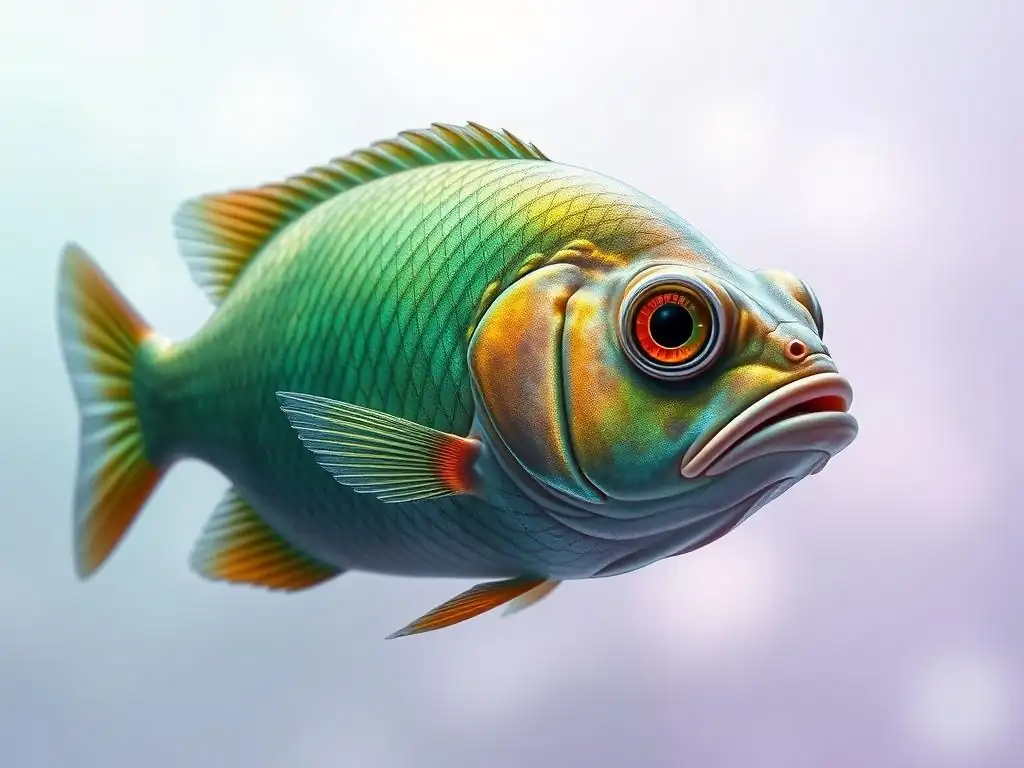
The Gold Severum is a popular and visually striking color morph of the classic Green Severum, developed through selective breeding to enhance its brilliant golden-yellow to orange coloration. Unlike the more subdued olive tones of the wild type, Gold Severums radiate warmth and often display subtle hints of red or green, particularly around their fins and operculum. This radiant appearance makes them a highly sought-after centerpiece fish in many freshwater aquariums, offering a vibrant contrast to other tank inhabitants.
Despite their distinct coloration, Gold Severums share the exact same Green Severum care guide requirements as their wild-type counterparts. This includes the need for a spacious tank (minimum 55-75 gallons for a single adult), stable water parameters (pH 6.0-7.0, temperature 75-82°F), and a balanced, omnivorous diet. Their temperament, growth rate, and potential lifespan are also identical, making them an excellent choice for aquarists who appreciate the Severum's personality but desire a brighter, more pronounced color.
Red Spotted Severum: A Patterned Beauty
The Red Spotted Severum is another captivating color morph that showcases a unique and intricate patterning, adding another dimension of beauty to the Heros severus species. While retaining the underlying body shape and general care requirements of the Green Severum, this variety is distinguished by a multitude of distinct red spots or irregular patterns that adorn its body and fins. These spots can range from a sparse smattering to dense, almost confluent markings, creating a truly personalized display on each individual fish.
Like the Gold Severum, the Red Spotted Severum is a product of selective breeding, aiming to amplify and stabilize naturally occurring red pigmentation. Aquarists interested in this patterned beauty will find that the comprehensive Green Severum care guide principles apply identically: they require similar tank sizes, water parameters, and dietary considerations. The presence of these vibrant red spots makes the Red Spotted Severum a highly desirable choice for those who appreciate both the classic Severum form and an added layer of intricate visual detail.
Troubleshooting Common Green Severum Care Issues
Addressing Aggression and Bullying
Aggression and bullying are common behavioral issues that can arise in Green Severum tanks, particularly if conditions are not optimal. These behaviors are often triggered by overcrowding, insufficient hiding spots, incompatible tank mates, or territorial disputes, especially during breeding. A Green Severum might nip fins, chase, or physically intimidate other fish, leading to stress, injury, and potential disease outbreaks in the target fish.
To mitigate aggression, first ensure your tank size is adequate; a 75-gallon tank is minimal for a pair, and larger is always better for groups. Provide ample hiding spots using driftwood, rock caves, and sturdy plants, allowing subordinate fish to retreat. Carefully re-evaluate tank mates to ensure compatibility, removing any fish that are too small, too passive, or overly aggressive. If a breeding pair is causing issues, consider a dedicated breeding tank. Sometimes, simply rearranging tank decor can disrupt established territorial boundaries and reduce conflict, contributing to a more peaceful environment for your Green Severum care efforts.
Resolving Poor Water Quality Problems
Poor water quality is arguably the most pervasive issue in aquarium keeping and a leading cause of stress, disease, and mortality in Green Severums. Symptoms include cloudy or foul-smelling water, lethargy, clamped fins, rapid breathing, and recurring disease outbreaks. The root causes are typically overfeeding, inadequate filtration, infrequent water changes, or overstocking the aquarium. Addressing these issues promptly is critical for the health of your Severums.
The immediate solution to poor water quality is a large water change, typically 50% or more, using dechlorinated water that matches the tank's temperature. Following this, test your water parameters for elevated ammonia, nitrite, and nitrate levels. Reduce feeding portions and frequency to prevent excess waste.
Clean or upgrade your filtration system to ensure it can adequately handle your tank's bioload; rinse filter media in old tank water to preserve beneficial bacteria. Increase the frequency and volume of your routine water changes (e.g., 25-30% weekly) to prevent future buildups. Consistent monitoring and proactive maintenance are fundamental to effective Green Severum care and maintaining a thriving aquatic environment.
Conclusion: Mastering Green Severum Care for a Thriving Aquarium
Mastering Green Severum care is a rewarding endeavor that culminates in a vibrant, engaging, and long-lived aquatic companion. This comprehensive guide has illuminated the essential pillars of their husbandry: providing an appropriately spacious habitat, meticulously maintaining stable water parameters, offering a balanced and varied diet, and carefully selecting compatible tank mates. Understanding their specific needs, from optimal temperature and pH to the nuances of their omnivorous diet, is paramount to their well-being.
Furthermore, proactive health management, including diligent disease prevention and the critical practice of quarantine, ensures the longevity and vitality of these magnificent cichlids. Whether you are captivated by the classic olive green, the radiant gold, or the intricately patterned red-spotted morphs, the principles of excellent Green Severum care remain consistent. By dedicating time to observation, education, and consistent maintenance, you will not only cultivate a thriving aquarium but also forge a unique bond with these intelligent and beautiful "heroes" of the freshwater world.
Frequently Asked Questions
How large does a Green Severum get, and what size tank do they require?
Green Severums can reach up to 12 inches in length. Therefore, a tank of at least 75 gallons is recommended to provide ample swimming space and prevent overcrowding.
What are the ideal water parameters for a Green Severum aquarium?
Maintain a temperature between 75-82°F (24-28°C), a pH of 6.0-7.5, and a water hardness of 5-15 dGH. Regular water changes are crucial for maintaining optimal conditions.
What should I feed my Green Severum?
Green Severums are omnivores and thrive on a varied diet. Offer them a mix of high-quality cichlid pellets, flake food, and occasional treats like frozen bloodworms or vegetables.
Are Green Severums aggressive, and what tank mates are suitable?
Green Severums are generally peaceful but can become territorial, especially during breeding. Suitable tank mates include other similarly sized, peaceful fish like tetras, rasboras, and some catfish.
What are some common health problems that Green Severums are susceptible to?
Like other aquarium fish, Green Severums can be prone to diseases like ich (white spot disease) and bacterial infections. Maintaining good water quality and providing a balanced diet are essential for preventing illness.
Final Reflection: Appreciating the Enduring Allure of the Green Severum
The journey through the intricacies of Green Severum care, as detailed in this guide, underscores the enduring appeal of this classic aquarium fish. Their vibrant beauty and relatively peaceful nature make them a captivating addition to any community tank, a testament to their continued popularity in the aquascaping world. Understanding their specific needs, from water parameters to dietary requirements, is not just about keeping them alive; it's about allowing them to thrive and showcase their full potential.
The Green Severum, with its subtle yet striking coloration, continues to influence the aesthetic choices of aquarists worldwide. My own fascination with these fish began with a childhood visit to a local aquarium, and that initial spark of wonder has never truly faded. Their presence in an aquarium is more than just decoration; it's a connection to the natural world, a reminder of the delicate balance of ecosystems. In nature, nothing exists alone.
- Rachel Carson. This quote perfectly encapsulates the responsibility we take on when caring for these magnificent creatures, ensuring their well-being within our artificial environments.
As you close this guide, consider the profound impact even a single fish can have on our lives and the environment. The knowledge you've gained here is a stepping stone to responsible fishkeeping and a deeper appreciation for the beauty and complexity of aquatic life. Let the Green Severum inspire you to create not just a beautiful aquarium, but a thriving ecosystem that reflects your commitment to the well-being of all its inhabitants.
Dive Deeper: Unlock the Full Potential of Your Green Severum!
Thank you for exploring the fascinating world of Green Severums with us! We hope you've gained valuable insights into nurturing these aquatic gems. Now, let's transform that knowledge into action!
- Take the Plunge: Dedicate this weekend to reassessing and optimizing your Severum's tank environment!: Focus on water parameters, hiding places, and plant health.
- Share your Severum's transformation! Post a "before & after" photo on your favorite aquarium forum using #GreenSeverumGlow.
- Delve into the unexpected: Research compatible tankmates beyond the typical suggestions and introduce one intriguing species to observe unique interactions (with careful planning and monitoring, of course! ).
What's the single, most impactful change you're committing to implement this week for your Green Severum, and how will you track its progress?