
Lyretail Variatus: Line Breeding for Exquisite Fin Extensions

Welcome to Aquarium Mastery!
Ever wondered how breeders achieve those breathtaking, flowing fins on Lyretail Variatus? Dive in and discover the secrets of line breeding variatus fin extensions, where we unravel the techniques to cultivate these magnificent traits in your own aquarium. Get ready to unlock the potential within your fish and transform your tank into a showcase of aquatic artistry!
- Breeding High-Quality Red Wag Platy: A Guide to Selective Breeding
- Understanding Red Wag Platy Morphology and Genetics
- Line Breeding Strategies for Enhanced Red Wag Platies
- Step-by-Step Guide to Line Breeding Red Wag Platies
- Optimizing Platy Fry Development for Maximum Color and Growth
- Common Challenges and Troubleshooting in Platy Line Breeding
- Advanced Techniques for Platy Color and Fin Enhancement
- Showcasing Your High-Quality Red Wag Platies
- Maintaining the Health and Vigor of Your Red Wag Platy Line
-
Frequently Asked Questions
- What is line breeding and how does it relate to lyretail variatus fin extensions?
- Why is line breeding used to develop variatus fin extensions?
- What are the potential risks associated with line breeding lyretail variatus?
- How can I minimize the risks while line breeding for variatus fin extensions?
- What are the key characteristics to look for when selecting lyretail variatus for line breeding to achieve superior fin extensions?
- Final Reflection: Sculpting Beauty Through Selective Breeding
- Unveil Your Masterpiece: Breed Breathtaking Lyretail Variatus
Breeding High-Quality Red Wag Platy: A Guide to Selective Breeding
Understanding Red Wag Platy Morphology and Genetics
Identifying Key Red Wag Platy Characteristics
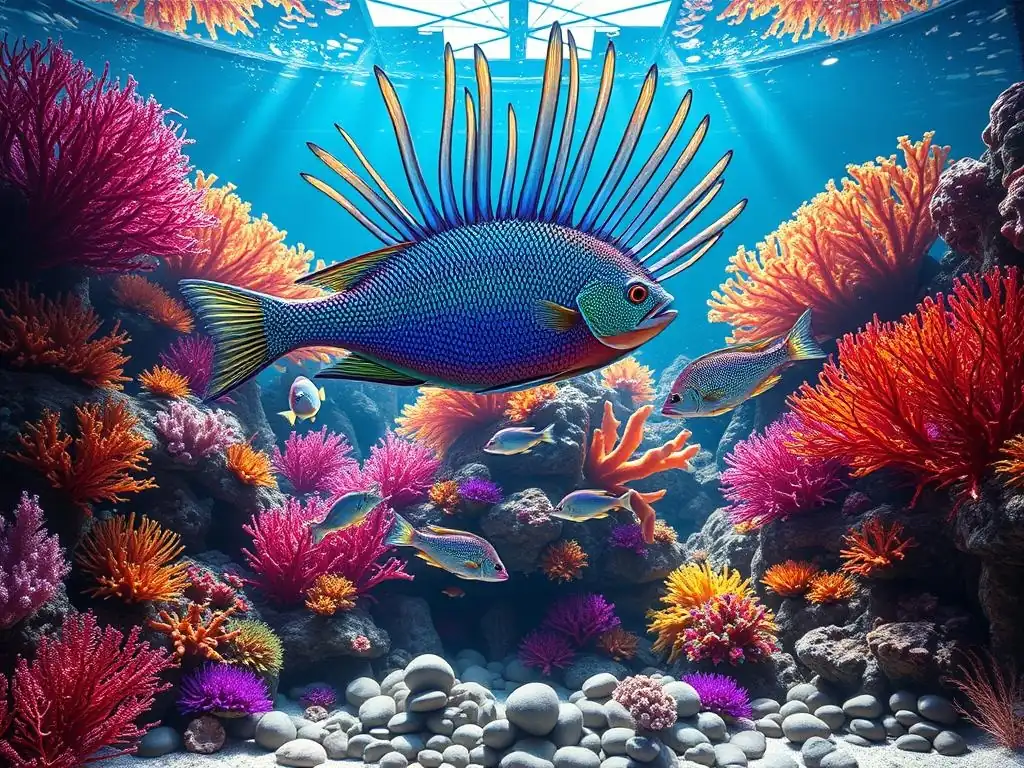
The Lyretail Variatus, a captivating freshwater fish, is highly prized for its distinctive fin extensions, particularly the elongated caudal fin lobes that give it a "lyre" shape. Key characteristics for selective breeding primarily revolve around the quality and length of these fin extensions, which should ideally be symmetrical, well-formed, and free from nips or deformities. Beyond the fins, breeders also focus on the overall body shape, which should be robust and streamlined, and the vibrancy of their natural coloration, which often includes shades of red, orange, and even blue or green iridescence depending on the specific strain.
When assessing individual Lyretail Variatus for breeding potential, meticulous observation of the fin structure is paramount. A truly exquisite specimen will exhibit caudal fin extensions that can reach lengths of up to 2-3 inches beyond the typical fin margin in mature males, often displaying a graceful flow. The dorsal and anal fins should also be proportionate and fully developed, without any signs of curling or stunting. Body coloration, while secondary to fin quality for "fin extension" breeding, should be rich and consistent, enhancing the aesthetic appeal of the line-bred fish.
The Genetic Basis of Color and Finnage in Platies
The development of exquisite fin extensions and vibrant coloration in Lyretail Variatus is largely governed by polygenic inheritance, meaning multiple genes contribute to these complex traits. While specific genes for fin length in Xiphophorus variatus are not as exhaustively mapped as in some other teleosts, it's understood that certain gene complexes influence the rate and extent of fin ray growth. For instance, genes related to growth hormones and tissue development play a crucial role in determining the ultimate size and shape of the fins.
Coloration in Lyretail Variatus, much like other Xiphophorus species, involves various pigment cells (chromatophores) such as melanophores (black), xanthophores (yellow/orange), and erythrophores (red). The expression and distribution of these cells are genetically determined. Line breeding variatus for specific fin extensions often indirectly influences or is influenced by color patterns, as certain genetic lineages may express both desirable fin traits and complementary coloration. Understanding these underlying genetic principles, even without precise gene identification, allows breeders to make informed pairing decisions to perpetuate and enhance desired characteristics.
Importance of Selective Breeding for Desired Traits
Selective breeding is the cornerstone for developing and maintaining the exceptional fin extensions seen in high-quality Lyretail Variatus. Without a focused breeding program, these desirable traits tend to diminish over generations due to natural genetic drift and the expression of less desirable recessive genes. By carefully choosing breeding pairs that exhibit the most pronounced and aesthetically pleasing lyretail fin extensions, breeders can concentrate these specific genes within their breeding line.
This deliberate selection process not only enhances the primary trait of long, flowing fins but also allows for the refinement of other important characteristics such as robust health, vibrant coloration, and desirable body shape. For example, a breeder might aim for a line of Lyretail Variatus with deep red bodies and exceptionally long, well-formed lyretail fin extensions. Through consistent selection over several generations, a stable strain exhibiting these combined traits can be established, making line breeding variatus fin extensions a rewarding endeavor for dedicated aquarists.
Line Breeding Strategies for Enhanced Red Wag Platies
What is Line Breeding and How Does it Apply to Platies?
Line breeding is a systematic breeding strategy that involves mating closely related individuals to concentrate desirable traits within a specific genetic line. In the context of Lyretail Variatus, this means selectively pairing fish that exhibit superior fin extensions, vibrant coloration, and robust health, with the goal of intensifying these characteristics in successive generations. Unlike inbreeding, which can lead to severe genetic issues if not carefully managed, line breeding aims to strike a balance, maintaining a degree of genetic diversity while still focusing on specific traits.
For Lyretail Variatus, applying line breeding variatus fin extensions strategies involves identifying a "founder" group with exceptional finnage, then carefully breeding their offspring. This might involve brother-sister matings, parent-offspring matings, or half-sibling matings, always with a clear objective of enhancing the lyretail trait. The success of line breeding depends heavily on diligent record-keeping, keen observation, and a willingness to cull individuals that do not meet the desired standards, ensuring that only the best genetics are passed down.
Establishing a Founder Stock of Red Wag Platies
The foundation of any successful line breeding program for Lyretail Variatus is the establishment of a high-quality founder stock. This initial group of fish should ideally consist of individuals that already possess outstanding examples of the desired fin extensions, along with good overall health and vigor. It is often beneficial to source founders from different reputable breeders to ensure a broader genetic base, which can help mitigate the risks of inbreeding depression later on. Aim for at least 6-10 high-quality individuals, ensuring a good male-to-female ratio.
When selecting your founder stock, scrutinize each fish for symmetrical, well-developed lyretail fin extensions that show no signs of curling, splitting, or weak rays. Observe their swimming behavior to ensure they are active and unhindered by their fins. While genetic purity can be hard to ascertain without extensive lineage data, choosing fish that consistently express the desired traits across a group from a single source can indicate a relatively stable genetic background. This careful initial selection is crucial, as the quality of your entire breeding line will stem from these first few fish.
Selecting Breeding Pairs for Intense Color and Fin Shape
The meticulous selection of breeding pairs is arguably the most critical step in line breeding Lyretail Variatus for exquisite fin extensions. Once your founder stock has matured, identify the top 10-20% of your fish that display the most pronounced and beautiful lyretail fins, along with vibrant coloration and robust health. From this elite group, choose pairs that complement each other, aiming to combine the best traits from both parents. For instance, if one male has exceptionally long fins but slightly muted color, pair him with a female that has excellent color and good, though perhaps not outstanding, finnage.
When making selections, consider both phenotypic expression (what you see) and potential genetic contribution. If a fish comes from a lineage known for strong fin extensions, even if its own fins are only "good" rather than "excellent," it might still be a valuable breeder. Conversely, a fish with perfect fins but a history of health issues in its siblings should be avoided. The goal is to consistently select for the most desirable lyretail fin extensions, ensuring that each generation builds upon the successes of the last, pushing towards the ultimate expression of the trait.
Documenting Pedigrees and Tracking Genetic Traits
Thorough documentation of pedigrees and genetic traits is indispensable for a successful Lyretail Variatus line breeding program. Each breeding pair, their offspring, and subsequent generations should be meticulously recorded. This includes details such as breeding dates, number of fry produced, survival rates, and, most importantly, detailed notes on the fin extension quality, coloration, and any observed deformities or health issues in the offspring. Assign unique identifiers to each breeding tank and individual fish if possible, using tags or separate containers.
Maintaining detailed records allows breeders to trace specific traits through generations, identifying which parent lines consistently produce the best lyretail fin extensions and which might carry undesirable recessive genes. For example, if a certain pairing consistently yields fry with underdeveloped fins, that lineage can be avoided or selectively culled. This data-driven approach is vital for making informed decisions about future pairings, preventing inbreeding depression by identifying suitable outcrosses when necessary, and ensuring the long-term health and enhancement of your line breeding variatus fin extensions.
Step-by-Step Guide to Line Breeding Red Wag Platies
Step 1: Setting Up Separate Breeding Tanks for Platies
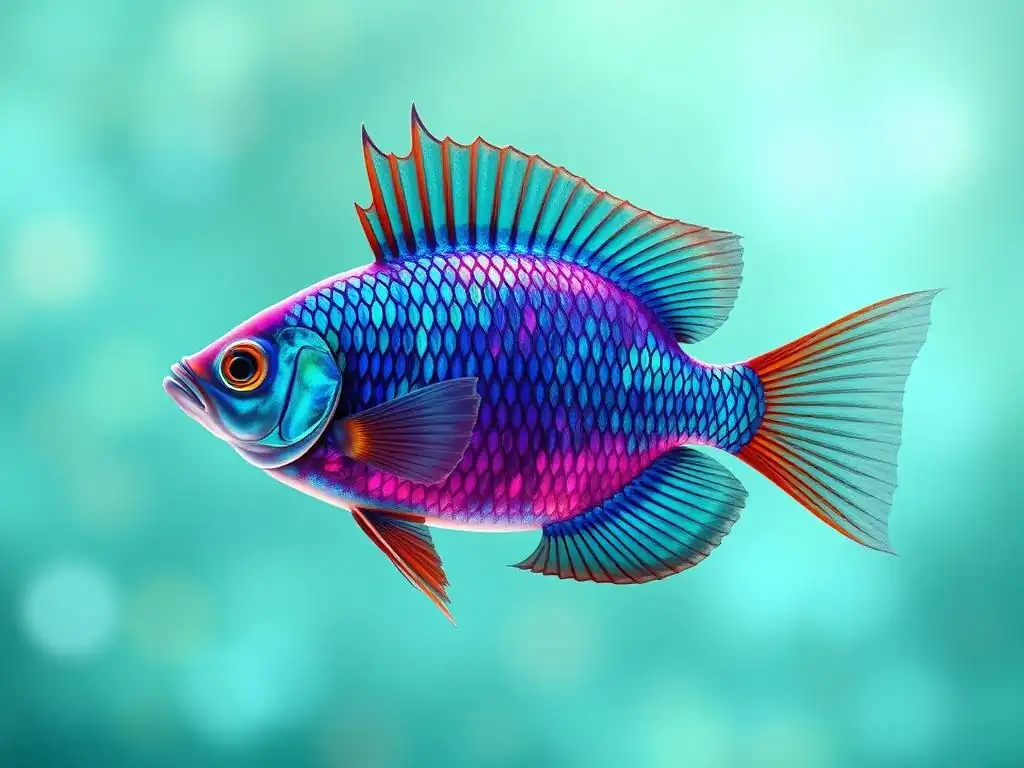
To effectively line breed Lyretail Variatus, setting up dedicated breeding tanks is crucial. Each pair or small breeding group should have its own tank to ensure controlled mating and accurate lineage tracking.
A 10-gallon (approximately 38-liter) tank is generally sufficient for a single breeding pair, providing ample space for the fish to feel secure and for the fry to develop safely away from adult predation. These tanks should be equipped with a gentle sponge filter to prevent fry from being sucked in, a heater to maintain stable temperatures, and plenty of live or artificial plants to provide cover for the female and newly hatched fry.
Maintaining consistent water parameters across all breeding tanks is also vital for the health and reproductive success of your Lyretail Variatus. Optimal conditions typically include a temperature range of 72-78°F (22-26°C), a pH of 7.0-8.0, and moderately hard water. Regular water changes, around 25% weekly, are essential to keep nitrate levels low and ensure pristine conditions conducive to breeding and healthy fry development, especially when focusing on the delicate fin extensions.
Step 2: Introducing and Monitoring Breeding Pairs
Once the breeding tanks are set up and parameters are stable, introduce your carefully selected Lyretail Variatus breeding pairs. Typically, a ratio of one male to two or three females is ideal to distribute the male's attention and reduce stress on any single female. Observe the fish closely for signs of breeding activity, which usually involves the male pursuing the female. Lyretail Variatus are livebearers, meaning they give birth to live, free-swimming fry, typically every 28-35 days after successful fertilization.
During this period, monitor the females for signs of gravidity, such as a darkening gravid spot near the anal fin and a noticeably swollen abdomen. Once a female appears heavily pregnant, she can be moved to a separate "birthing" tank or a breeding box within the main tank to protect the fry from predation by the adults. After she gives birth, she should be promptly removed to prevent her from eating her own offspring. This careful monitoring ensures that the lineage of the fry is precisely known, which is critical for line breeding variatus fin extensions.
Step 3: Raising Platy Fry for Color and Fin Evaluation
After birth, Lyretail Variatus fry require specific care to ensure optimal development of their color and, crucially, their exquisite fin extensions. The fry should be raised in a dedicated grow-out tank, ideally 10-20 gallons (38-76 liters) for a batch of 20-50 fry, with stable water parameters mirroring those of the breeding tanks. Feed them several times a day with high-quality, finely crushed flake food, specialized fry food, or newly hatched brine shrimp. This rich diet is essential for rapid growth and the full expression of genetic potential for fin development.
As the fry mature, typically over 2-3 months, their unique lyretail fin extensions will begin to become noticeable, along with their developing coloration. This is the critical period for evaluation. Begin to observe each individual fry, identifying those that exhibit the most promising fin shapes, lengths, and symmetry. Early identification of superior individuals allows for their segregation into separate grow-out tanks, ensuring they receive optimal conditions and are not stressed by less vigorous siblings, setting the stage for future selective breeding.
Step 4: Culling Undesirable Traits and Selecting Breeders
Culling, the process of removing individuals that do not meet the desired breeding standards, is a fundamental and often challenging aspect of line breeding Lyretail Variatus. As the fry mature, typically between 3 to 6 months of age, their fin extensions and coloration will be fully developed, allowing for a thorough assessment. Identify and remove any fish that exhibit deformities, stunted growth, poor fin shape (e.g., non-lyretail, curled, or damaged fins), or weak coloration. This practice ensures that only the genetics for the most desirable lyretail fin extensions are propagated.
From the remaining high-quality individuals, select the very best specimens to become the next generation of breeders. Look for fish that not only possess exceptional finnage and vibrant color but also display robust health, active swimming, and good overall conformation. These chosen individuals will form your next breeding pairs, continuing the cycle of line breeding variatus fin extensions. The culling process, though difficult, is essential for concentrating desired traits and improving the overall quality of your Lyretail Variatus line over successive generations.
Step 5: Repeating the Process for Successive Generations
The success of line breeding Lyretail Variatus for exquisite fin extensions hinges on the consistent repetition of the entire process over successive generations. Once you have selected your elite breeders from the first generation of fry, introduce them into new, clean breeding tanks as described in Step 1. These new pairs will then produce the second generation of fry, which will again be raised, evaluated, culled, and selected. This iterative process is how desired traits become more pronounced and stable within the line.
Each generation provides an opportunity to refine your selection criteria and improve the overall quality of your Lyretail Variatus. Over 3-5 generations, you should observe a noticeable improvement in the consistency and quality of the lyretail fin extensions within your stock. Continuous documentation from Step 4 becomes even more vital here, allowing you to track the progress of specific genetic lines and make informed decisions about which pairings are most effective for achieving your goal of breeding superior Lyretail Variatus with stunning fin extensions.
Optimizing Platy Fry Development for Maximum Color and Growth
Nutritional Requirements for Optimal Color Development
Optimal nutrition is paramount for the full expression of genetic potential in Lyretail Variatus fry, particularly for vibrant coloration and robust fin extension development. A high-protein diet is essential for rapid growth and tissue development, including the fin rays. Newly hatched brine shrimp are an excellent first food, providing high protein and essential amino acids. As the fry grow, gradually introduce finely crushed high-quality flake foods specifically formulated for tropical fish, which often contain spirulina or other color-enhancing ingredients.
To further enhance color, incorporate foods rich in natural carotenoids, such as astaxanthin. This can be found in certain specialized fish foods or by feeding supplements like finely ground paprika (in very small amounts) or spirulina flakes. Consistent feeding of small meals multiple times a day (3-5 times) ensures a steady supply of nutrients, preventing stunted growth and promoting the development of deep, rich hues in your Lyretail Variatus, complementing their magnificent fin extensions.
Maintaining Ideal Water Parameters for Platy Growth
Maintaining pristine and stable water parameters is critical for the healthy growth and development of Lyretail Variatus fry and the full expression of their delicate fin extensions. For optimal growth, target a temperature range of 75-80°F (24-27°C), which encourages a faster metabolism and growth rate. The pH should be stable between 7.0 and 8.0, and water hardness (GH) moderately hard, ideally 10-20 dGH. These parameters mimic their natural habitat and reduce stress.
Regular water changes are non-negotiable. Perform daily or every-other-day small water changes (10-20%) for very young fry, gradually reducing to 25-30% weekly as they mature. This practice keeps nitrate levels extremely low, preventing stunted growth and fin erosion, which can permanently damage the desired lyretail fin extensions. Using a gentle air-driven sponge filter will provide adequate filtration without posing a risk to the tiny fry, ensuring a clean and oxygen-rich environment for their delicate development.
Preventing Diseases and Promoting Healthy Growth in Fry
Preventing diseases in Lyretail Variatus fry is crucial for ensuring healthy growth and the development of unblemished fin extensions. Young fry are particularly susceptible to common aquarium ailments due to their delicate immune systems. The most effective preventative measure is maintaining impeccable water quality through consistent water changes and avoiding overfeeding, which can foul the water. A clean environment significantly reduces the presence of harmful bacteria and parasites.
Additionally, ensuring proper nutrition, as discussed, strengthens their immune response. Avoid overcrowding the fry grow-out tanks, as this stresses the fish and increases disease transmission risk. If a disease outbreak occurs, prompt action with appropriate, fry-safe medications is necessary, but prevention is always superior. By minimizing stress, providing optimal nutrition, and maintaining excellent water parameters, you create an environment where Lyretail Variatus fry can thrive, allowing their genetic potential for stunning fin extensions to fully manifest.
Common Challenges and Troubleshooting in Platy Line Breeding
Dealing with Genetic Bottlenecks and Inbreeding Depression
Genetic bottlenecks and inbreeding depression are significant challenges in line breeding Lyretail Variatus for exquisite fin extensions. A genetic bottleneck occurs when a breeding line is established from too few individuals, leading to a limited gene pool. Inbreeding depression, a consequence of excessive inbreeding within a limited gene pool, manifests as reduced fertility, smaller broods, higher fry mortality, weakened immune systems, and a general decline in vigor and even the desired fin extension quality.
To mitigate these issues, it's crucial to start with a diverse founder stock if possible. If you observe signs of inbreeding depression in your Lyretail Variatus line, consider an "outcross" – introducing a new, unrelated individual with desirable traits into your breeding program. Carefully select an outcross fish that exhibits strong lyretail fin extensions and excellent health, but from a different genetic background. After a single outcross, resume line breeding with the offspring, as the goal is to reintroduce genetic diversity while retaining the core desired traits.
Addressing Color Fading and Health Issues in Red Wag Platies
Color fading and various health issues can plague line-bred Lyretail Variatus, often indicating underlying genetic or environmental stressors. Color fading, where vibrant hues become dull or washed out, can be a symptom of poor diet, inadequate lighting, or stress from poor water quality or overcrowding. Genetically, it might also indicate a weakening of the genes responsible for pigment production due to inbreeding. Health issues, such as fin rot (which directly impacts fin extensions), dropsy, or ich, typically stem from poor water conditions, nutritional deficiencies, or compromised immunity due to genetic weakness.
To address these, first review environmental factors: ensure pristine water quality, appropriate diet rich in color-enhancing nutrients, and adequate tank space. For persistent color fading, consider introducing a new, vibrant Lyretail Variatus with strong coloration from an unrelated line. For health issues, isolate affected fish, treat as necessary, and rigorously re-evaluate your tank maintenance and culling practices. Strong, healthy fish are more likely to express their full genetic potential for both color and exquisite fin extensions.
Maintaining Genetic Diversity in Your Platy Line
Maintaining sufficient genetic diversity is paramount for the long-term health and vigor of your Lyretail Variatus line, especially when focusing on line breeding variatus fin extensions. While line breeding inherently reduces diversity to concentrate specific traits, completely eliminating it leads to inbreeding depression. A common strategy is to maintain multiple, slightly divergent lines within your overall breeding program, allowing for occasional "cross-line" breeding. This involves breeding individuals from two different, but still related, lines to reintroduce some genetic variation without completely losing the desired fin extension characteristics.
Another approach is to periodically introduce a carefully selected, unrelated Lyretail Variatus with excellent fin extensions from an outside source (an "outcross"). This single introduction can significantly boost genetic diversity. However, ensure the outcross fish is healthy and truly possesses the desired traits to avoid introducing undesirable genes. By strategically managing genetic diversity, you can continue to enhance the lyretail fin extensions while ensuring your Lyretail Variatus line remains robust, fertile, and resistant to disease for many generations.
Advanced Techniques for Platy Color and Fin Enhancement
Using Selective Breeding to Target Specific Color Patterns
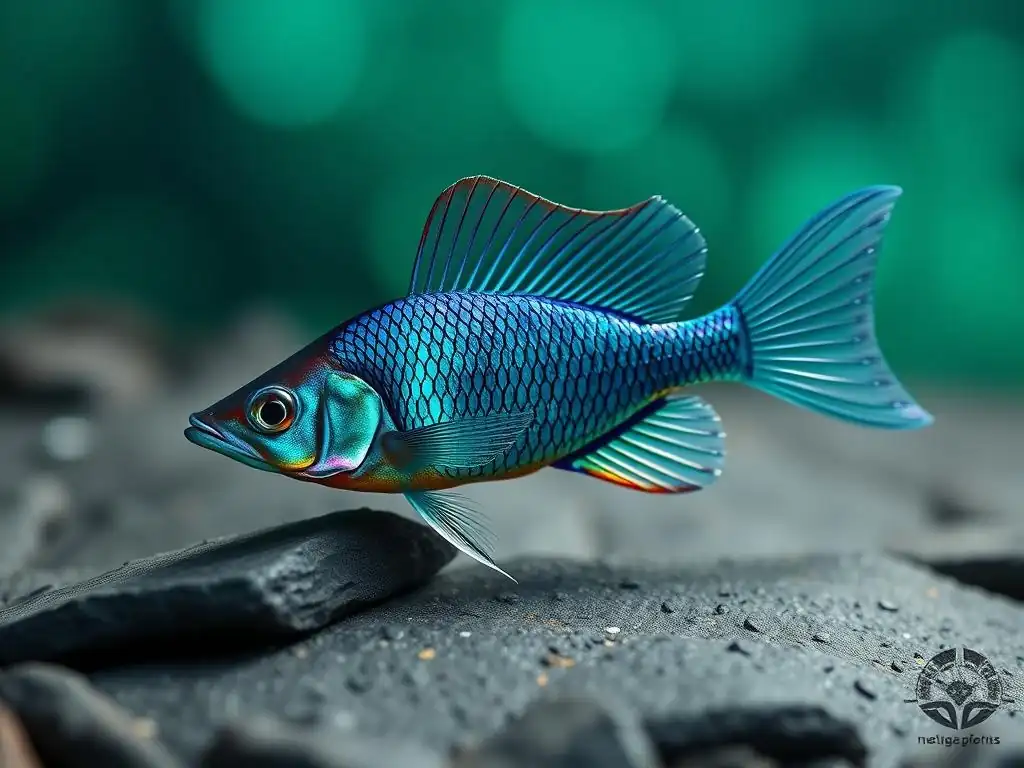
Beyond merely enhancing fin extensions, advanced breeders of Lyretail Variatus often use selective breeding to target specific color patterns, creating truly unique and visually stunning strains. This involves identifying individuals that exhibit desired color mutations or patterns, such as a deep solid red, a striking blue, or a distinct two-tone body, and then isolating them for breeding. For instance, a breeder might notice a Lyretail Variatus with an unusually strong black wag pattern combined with excellent finnage.
By consistently pairing fish that display these specific color patterns, while still maintaining focus on the exquisite fin extensions, the breeder can establish a line where both traits are strongly expressed. This often requires even more meticulous record-keeping and a larger number of breeding tanks to manage multiple color-focused lines simultaneously. The interaction between genes for finnage and color can be complex, so patience and careful observation over several generations are key to stabilizing a new Lyretail Variatus color pattern with superior fin extensions.
Crossbreeding with Other Platy Varieties
While line breeding focuses on refining traits within a single variety, crossbreeding with other Xiphophorus species or platy varieties can introduce entirely new genetic material, potentially leading to novel fin extensions or color combinations in Lyretail Variatus. For instance, crossing a Lyretail Variatus with a different platy variety known for a particularly intense red color might introduce those genes into the Lyretail line, enhancing its vibrancy. Similarly, a cross with a swordtail could, in theory, introduce different fin modifiers, though this is a more complex and less predictable approach.
However, crossbreeding must be approached with extreme caution. Introducing outside genetics can dilute the desired lyretail fin extension trait or introduce undesirable characteristics. It's often a long-term project, requiring multiple generations of backcrossing to the Lyretail Variatus parent to re-establish the desired fin shape while retaining the beneficial new trait. The goal is to selectively integrate a specific new gene while carefully culling offspring that do not meet the strict standards for exquisite fin extensions.
The Role of Environmental Factors in Color and Fin Development
While genetics lay the foundation for exquisite fin extensions and vibrant color in Lyretail Variatus, environmental factors play a crucial role in their full expression. Stress, poor water quality, inadequate nutrition, and insufficient tank space can all hinder the development of long, flowing fins and dull their coloration, even in genetically superior fish. For instance, high nitrate levels can lead to fin erosion, permanently damaging delicate fin extensions.
Conversely, an optimal environment can maximize genetic potential. Providing a spacious tank (e.g., 20 gallons or more for a small group), maintaining pristine water parameters (stable temperature, pH, and low nitrates), offering a varied and high-quality diet, and ensuring adequate lighting all contribute to robust health and the best possible phenotypic expression. A stress-free environment allows Lyretail Variatus to allocate energy towards growth and the development of their magnificent fin extensions, showcasing the true beauty of line breeding variatus fin extensions.
Showcasing Your High-Quality Red Wag Platies
Preparing Red Wag Platies for Aquarium Competitions
Preparing your high-quality Lyretail Variatus for aquarium competitions requires meticulous attention to detail, ensuring their exquisite fin extensions and vibrant colors are presented at their absolute best. Several weeks before a show, increase the frequency of small water changes to maintain pristine conditions, which enhances fin health and color intensity. Feed a high-quality, varied diet rich in color-enhancing ingredients to maximize their vibrancy. Ensure the fish are free of any fin nips, disease, or parasites.
Before transport, condition them by keeping them in separate, clean containers for a day or two to reduce stress and allow them to acclimate to individual confinement. On the day of the show, carefully transfer them to show bags with clean, conditioned water and minimal air space to prevent excessive sloshing. The judges will primarily assess fin shape, length, symmetry, and overall condition, along with body conformation and color. Showcasing your Lyretail Variatus is a testament to your success in line breeding variatus fin extensions.
Photography Tips for Capturing Color and Fin Details
Capturing the stunning color and intricate fin details of your high-quality Lyretail Variatus through photography requires specific techniques. Use a clean, well-lit aquarium, preferably with a plain background to avoid distractions. Natural daylight or diffused LED lighting works best to bring out true colors without harsh reflections. Avoid using a flash directly, as it can cause glare and stress the fish. Instead, use external lights positioned at an angle.
For sharp fin details, use a camera with good macro capabilities or a smartphone with a dedicated macro lens attachment. Focus precisely on the fins, ensuring they are in sharp relief. Patience is key; wait for the fish to pose naturally, ideally with fins fully extended. Taking multiple shots and using burst mode will increase your chances of getting that perfect image that truly showcases the exquisite lyretail fin extensions and vibrant hues you've achieved through diligent line breeding.
Sharing your breeding successes with the aquarium community is a rewarding aspect of line breeding Lyretail Variatus. Document your journey through photos and detailed notes, highlighting the progression of fin extension quality and color over generations. Participate in online forums, social media groups, and local aquarium club meetings to share your knowledge and showcase your fish. Offering advice on line breeding variatus fin extensions can inspire other aquarists.
Consider contributing articles or posts to relevant websites, detailing your methods and results. You might also consider selling or trading your surplus high-quality Lyretail Variatus to other hobbyists or local fish stores, helping to spread these exceptional genetics. This not only benefits the wider aquarium community by making high-quality fish more accessible but also establishes your reputation as a skilled breeder, contributing to the collective knowledge and appreciation of this beautiful species.
Maintaining the Health and Vigor of Your Red Wag Platy Line
Long-Term Care Strategies for Genetically Selected Platies
Long-term care for genetically selected Lyretail Variatus, particularly those bred for exquisite fin extensions, requires consistent and meticulous attention to maintain their health and vigor. These fish, while robust, can be more susceptible to stress or disease if their environment is not optimal, especially given the energy expended on developing and maintaining their elaborate fins. Continue to provide spacious tanks, ideally with a minimum of 5-10 gallons per adult Lyretail Variatus, to reduce aggression and provide ample swimming room.
Strict adherence to a regular maintenance schedule is crucial: frequent small water changes (e.g., 25% weekly) to keep nitrates low, consistent temperature and pH, and a varied, high-quality diet. Regularly observe your fish for any signs of disease, fin nips, or stress. Proactive measures, such as quarantining any new fish before introduction, will safeguard your established line. By prioritizing their well-being, you ensure that your Lyretail Variatus continue to display their stunning fin extensions and vibrant colors for years.
Preventing Inbreeding Issues in Subsequent Generations
Preventing inbreeding issues in subsequent generations of your Lyretail Variatus line is critical for its long-term viability and the sustained quality of its fin extensions. As discussed, continuous close-relative breeding can lead to inbreeding depression. To counteract this, maintain detailed pedigree records to track relatedness and avoid repeatedly breeding the same direct siblings or parent-offspring pairs beyond a few generations.
A key strategy is to periodically introduce carefully selected, unrelated Lyretail Variatus (an "outcross") into your breeding program. This infusion of new genetics broadens the gene pool, re-energizes the line, and can even enhance the expression of desired traits like fin extensions. After the initial outcross, you can then resume line breeding with the offspring that best exhibit your target traits. Alternatively, maintaining multiple distinct "sub-lines" within your overall breeding program and occasionally cross-breeding between these sub-lines can also help maintain genetic diversity without completely introducing outside genetics.
Ethical Considerations in Line Breeding Aquarium Fish
Ethical considerations are paramount in line breeding Lyretail Variatus or any aquarium fish. The primary ethical responsibility is to prioritize the welfare and health of the fish above all else. This means avoiding breeding practices that knowingly produce fish with severe deformities, chronic pain, or significantly reduced quality of life, even if these traits are aesthetically pleasing to some. For Lyretail Variatus, ensuring that the elongated fin extensions do not impede swimming, feeding, or overall mobility is a key consideration.
Responsible line breeding also involves providing optimal living conditions throughout the fish's life cycle, from fry to adult, including appropriate tank size, pristine water quality, and a nutritious diet. Culling, while a necessary component of selective breeding, should be performed humanely and responsibly. Ultimately, the goal of line breeding variatus fin extensions should be to enhance the beauty and vigor of the species in a way that respects their inherent well-being, contributing positively to the hobby rather than creating fish that suffer for appearance.
Frequently Asked Questions
What is line breeding and how does it relate to lyretail variatus fin extensions?
Line breeding is a selective breeding technique used to concentrate desirable traits, like extended fins, within a specific family line of variatus. It involves mating closely related individuals to enhance these inherited characteristics.
Why is line breeding used to develop variatus fin extensions?
Line breeding allows breeders to selectively breed variatus with the longest and most desirable fins. By repeatedly mating related fish with these traits, breeders can significantly increase the likelihood of offspring inheriting and expressing those exquisite fin extensions.
What are the potential risks associated with line breeding lyretail variatus?
The main risk of line breeding is an increased chance of genetic defects and inbreeding depression. This can lead to weaker immune systems, reduced fertility, and other health problems in the variatus population.
How can I minimize the risks while line breeding for variatus fin extensions?
Careful selection of breeding pairs, maintaining detailed records of lineage, and introducing unrelated variatus periodically can help mitigate the risks. Monitoring for any signs of inbreeding depression is also crucial.
What are the key characteristics to look for when selecting lyretail variatus for line breeding to achieve superior fin extensions?
Focus on selecting variatus with the longest and most symmetrical fins, a healthy body shape, and vibrant colors. Look for fish that exhibit excellent fin extension at a young age as this is a good indicator of their potential.
Final Reflection: Sculpting Beauty Through Selective Breeding
The journey into line breeding for variatus fin extensions reveals a fascinating intersection of genetics, patience, and artistic vision. What began as a scientific exploration transforms into a testament to the power of selective breeding to shape living art, a practice that resonates deeply in our modern world where precision and intentionality are increasingly valued.
This pursuit of exquisite fin extensions has not only enhanced the aesthetic appeal of the Lyretail Variatus but also underscores the profound influence of human intervention on the natural world. It reminds us of our responsibility to wield this power thoughtfully, ethically, and with a deep respect for the creatures we seek to shape. The beauty of line breeding lies not just in the final product, but in the understanding and appreciation it fosters for the intricate dance of heredity.
As you consider the dedication and meticulous observation required to achieve these stunning fin extensions, I invite you to reflect on the potential for intentionality in your own life. What aspects of your own "genetics," be they skills, passions, or values, can you selectively cultivate and refine? Embrace the patience and precision required to nurture your own unique potential, and discover the exquisite beauty that lies within your own capacity for growth and transformation.
Unveil Your Masterpiece: Breed Breathtaking Lyretail Variatus
Thank you for diving into the art of line breeding Lyretail Variatus! You've now gained valuable insights into refining fin extensions and elevating your breeding techniques. Ready to take your aquarium to the next level?
- Start Your Line: Select your foundation fish with the most promising fin traits to begin your dedicated breeding line.
- Document Everything: Keep a detailed log of each generation, noting fin characteristics, growth rates, and any health issues. This will refine your breeding strategy!
- Share Your Success: Post photos of your most stunning Lyretail Variatus on social media with #AquariumMastery to inspire other breeders and receive feedback!
What small adjustment to your current breeding practices will yield the most dramatic improvement in your Lyretail Variatus fins?