
Dwarf Gourami Not Eating? Troubleshooting Common Appetite Issues

Welcome to Aquarium Mastery!
Is your Dwarf Gourami suddenly turning its nose up at mealtime? Don't panic! This can be a common issue, and we're here to help you understand why your beloved fish won't eat. Dive into our comprehensive guide to troubleshoot potential causes, from water quality concerns to underlying health problems, and discover practical solutions to get your gourami back to its healthy, vibrant self. Let's get started!
- Understanding Why Your Dwarf Gourami Refuses Food
-
Common Reasons for a Dwarf Gourami's Loss of Appetite
- Stress and Acclimation: New Tank Syndrome and Dwarf Gouramis
- Poor Water Quality: Ammonia, Nitrite, and Nitrate Levels Impacting Appetite
- Disease and Parasites: Internal and External Infections Affecting Feeding
- Dietary Issues: Inappropriate Food or Lack of Variety
- Bullying and Tank Mate Aggression: Competition for Food
- Troubleshooting a Dwarf Gourami That Won't Eat: A Step-by-Step Guide
- Encouraging Your Dwarf Gourami to Eat: Tips and Tricks
- When to Seek Professional Help: Consulting with an Aquatic Veterinarian
-
Frequently Asked Questions
- Why is my Dwarf Gourami suddenly refusing to eat?
- What are some common diseases that can cause a Dwarf Gourami to stop eating?
- How important is water quality in a Dwarf Gourami's appetite?
- What kind of food should I offer a picky Dwarf Gourami?
- How long should I wait before becoming concerned if my Dwarf Gourami isn't eating?
- Final Reflection: The Delicate Balance of Aquarium Life
- Unlock Your Gourami's Appetite!
Understanding Why Your Dwarf Gourami Refuses Food
Identifying Potential Causes of Appetite Loss in Dwarf Gouramis
When a Dwarf gourami won't eat, it's often the first and most alarming sign that something is amiss in its environment or health. Appetite loss in these vibrant fish can stem from a wide range of issues, broadly categorized into environmental stressors, poor water quality, underlying diseases or parasites, dietary deficiencies, or social dynamics within the aquarium. For aquarists, pinpointing the exact cause requires careful observation and a systematic approach to troubleshooting, as Dwarf Gouramis (scientific name: Trichogaster lalius) are known for their sensitivity to suboptimal conditions.
These small, peaceful anabantoids, native to the slow-moving waters of South Asia, are particularly susceptible to stress when their habitat deviates significantly from ideal parameters. A Dwarf gourami that won't eat may be reacting to sudden changes in temperature, pH fluctuations, or simply the shock of being introduced to a new tank. Recognizing these potential causes early is crucial for effective intervention and restoring your fish's health and appetite before the issue escalates.
The Importance of Observing Your Dwarf Gourami's Behavior
A Dwarf gourami that won't eat rarely exhibits this as its sole symptom. Loss of appetite is typically a red flag, prompting a closer look at the fish's overall behavior and physical condition. Daily observation is vital for establishing a baseline of your gourami's normal habits, such as its usual swimming patterns, interaction with tank mates, and typical resting spots. Any deviation from this baseline, alongside a refusal to eat, provides invaluable clues to the underlying problem.
Look for additional signs like clamped fins, rapid gill movement, labored breathing, lethargy, hiding excessively, rubbing against tank decor, or changes in coloration. For instance, a Dwarf gourami that normally explores the tank but now remains listless at the bottom, or one that has lost its vibrant blue and red hues, combined with not eating, strongly indicates a health or environmental issue. Early detection through diligent observation significantly improves the chances of successful treatment and helps prevent the problem from becoming chronic.
Common Reasons for a Dwarf Gourami's Loss of Appetite
Stress and Acclimation: New Tank Syndrome and Dwarf Gouramis
The transition to a new aquarium is a significant stressor for any fish, and Dwarf Gouramis are particularly susceptible. This stress can manifest as a Dwarf gourami that won't eat for days after introduction. Beyond the immediate shock of a new environment, "new tank syndrome" – the period when a newly set up aquarium's nitrogen cycle is unstable, leading to spikes in toxic ammonia and nitrite – is a common culprit. Even low levels of these compounds (e.g., 0.25 ppm ammonia) can cause gill irritation, respiratory distress, and suppress a fish's appetite and immune system, making them highly vulnerable.
Other environmental stressors can also cause a Dwarf gourami to refuse food. These include sudden changes in lighting, excessive noise or vibrations near the tank, frequent handling or netting, or even an overly active or aggressive tank environment. A naturally shy species, a Dwarf gourami under constant duress will often withdraw, hide, and stop feeding as a survival mechanism, conserving energy and reducing exposure to perceived threats.
Minimizing Stress During Acclimation to a New Aquarium
Proper acclimation is paramount to prevent a new Dwarf gourami from refusing food. The drip acclimation method is highly recommended, allowing tank water to slowly mix with the water the fish arrived in over 1-2 hours. This gradual equalization of temperature, pH, and other water parameters minimizes shock to the fish's delicate osmoregulation system, reducing the likelihood of immediate appetite loss.
Upon introducing a new Dwarf gourami, it's beneficial to turn off the aquarium lights for several hours, or even the entire first day, to provide a calm, low-stress environment. Ensure the tank already contains ample hiding spots, such as dense live plants (like Java Fern or Anubias), driftwood, or ceramic caves. These immediate refuges offer security, allowing the Dwarf gourami to explore at its own pace and feel safe enough to begin feeding.
Poor Water Quality: Ammonia, Nitrite, and Nitrate Levels Impacting Appetite
Poor water quality is arguably the most frequent reason a Dwarf gourami won't eat and is often the underlying cause of many fish health issues. Ammonia (NH3/NH4+) and nitrite (NO2-), even in trace amounts (anything above 0 ppm), are highly toxic to fish.
They damage gill tissue, impair oxygen uptake, and stress the fish's internal organs, leading to lethargy, labored breathing, and a complete loss of appetite. Chronically high nitrate levels (NO3-, ideally below 20 ppm for sensitive species like Dwarf Gouramis) can also cause cumulative stress, weaken the immune system, and contribute to a Dwarf gourami's refusal to eat.
The buildup of these nitrogenous compounds typically results from overfeeding, insufficient filtration, infrequent water changes, or an uncycled tank. When a Dwarf gourami is exposed to these toxins, its body is under immense physiological strain, diverting energy away from digestion and normal behavior. This constant battle against environmental pollutants inevitably leads to a suppressed appetite and a fish that simply won't eat.
Testing Your Aquarium Water Parameters Regularly
Regular and accurate water testing is non-negotiable for maintaining healthy fish and preventing a Dwarf gourami from refusing food. A reliable liquid-based test kit, such as the API Freshwater Master Test Kit, is superior to test strips for its precision in measuring ammonia, nitrite, nitrate, and pH. Aim to test weekly, or immediately if you notice any signs of distress or if your Dwarf gourami won't eat.
Optimal parameters for Dwarf Gouramis include: Ammonia 0 ppm, Nitrite 0 ppm, Nitrate below 20 ppm (ideally 10 ppm or less), pH between 6.5 and 7.5, and a stable temperature range of 77-82°F (25-28°C). Consistent monitoring helps identify subtle shifts before they become critical, allowing for proactive adjustments that maintain a healthy environment where your Dwarf gourami is more likely to thrive and eat.
Performing Water Changes to Improve Water Quality for Dwarf Gouramis
Performing regular partial water changes is the most effective way to manage water quality and prevent a Dwarf gourami from refusing food due to toxins. A weekly 25-30% water change is a good general guideline for a healthy, established tank. This process dilutes accumulating nitrates and other dissolved organic compounds, while also replenishing essential minerals. Using a gravel vacuum during water changes is crucial for removing uneaten food, fish waste, and detritus trapped in the substrate, which are significant sources of ammonia.
Always use a high-quality water conditioner (e.g., Seachem Prime, API Stress Coat) to dechlorinate tap water before adding it to the aquarium, as chlorine and chloramine are lethal to fish and beneficial bacteria. Additionally, ensure the temperature of the new water closely matches that of the tank water to avoid sudden temperature shocks, which can further stress a Dwarf gourami that is already not eating.
Disease and Parasites: Internal and External Infections Affecting Feeding
Disease is a significant reason why a Dwarf gourami won't eat, often indicating a serious underlying health issue. Internal parasites, such as intestinal worms or flagellates like Hexamita, can directly interfere with nutrient absorption, causing weight loss, lethargy, and a complete loss of appetite. Bacterial infections, both internal (e.g., systemic infections, dropsy) and external (e.g., fin rot, ulcers), can also cause severe discomfort and lead to a fish's refusal to feed.
External parasites, like Ich ( Ichthyophthirius multifiliis) or Velvet ( Oodinium sp.), cause intense irritation, prompting the fish to rub against tank decor. While these may not directly impact the digestive system, the stress and energy expended fighting the infection will significantly suppress appetite. A Dwarf gourami dealing with a parasitic load or bacterial infection is generally too weak or uncomfortable to show interest in food.
Recognizing Signs of Disease in Your Dwarf Gourami
Beyond the obvious refusal to eat, a sick Dwarf gourami will often exhibit a range of other symptoms. Look for physical changes such as white spots on the body and fins (Ich), a dusty or velvety appearance (Velvet), fuzzy white growths (fungus), red streaks, ulcers, or open sores (bacterial infections). Fin rot, characterized by frayed or deteriorating fins, is another common sign. Internal issues might present as bloating, a sunken belly, or stringy white feces (often indicative of internal parasites like Hexamita).
Behavioral changes are equally important indicators. A sick Dwarf gourami may become excessively lethargic, resting at the bottom or near the surface, or hide constantly. Labored breathing, rapid gill movements, twitching, or rubbing against objects are also strong signals of distress. Any combination of these symptoms with a Dwarf gourami that won't eat warrants immediate attention and investigation.
Common Diseases that Cause Loss of Appetite in Dwarf Gouramis: Dwarf Gourami Iridovirus (DGIV), Hexamita
One of the most devastating diseases for Dwarf Gouramis, often leading to a complete loss of appetite and wasting, is Dwarf Gourami Iridovirus (DGIV). This highly contagious and typically fatal viral infection causes symptoms such as loss of color, lethargy, emaciation, and often secondary bacterial infections. There is currently no known cure for DGIV, underscoring the importance of strict quarantine protocols for new fish to prevent its introduction into your main display tank.
Another common culprit for a Dwarf gourami that won't eat, particularly with associated weight loss and stringy white feces, is Hexamita (also known as Spironucleus vortens). This internal flagellate parasite, often linked to "Hole-in-the-Head" disease in cichlids, can also infect gouramis. It primarily affects the digestive tract, leading to malabsorption and a progressive refusal to eat. Treatment typically involves medications containing metronidazole, often administered by soaking food to ensure ingestion.
Dietary Issues: Inappropriate Food or Lack of Variety
A common, yet often overlooked, reason a Dwarf gourami won't eat is simply an inadequate or unappealing diet. Dwarf Gouramis are omnivores, with a natural preference for small invertebrates and plant matter in their diet. If they are consistently fed a low-quality flake food that lacks essential nutrients or palatability, they may become malnourished or simply lose interest in feeding. Old or stale food, which loses its nutritional value and appealing scent, can also be a factor.
Furthermore, the size and texture of the food can impact whether a Dwarf gourami will eat. Food that is too large for their small mouths or too hard to digest can lead to refusal. A monotonous diet can also cause a fish to become picky, leading to a loss of appetite over time. Ensuring a varied, high-quality diet is crucial for their long-term health and to maintain a robust feeding response.
Providing a Balanced and Varied Diet for Your Dwarf Gourami
To prevent a Dwarf gourami from refusing food due to dietary issues, offer a balanced and varied diet. A high-quality staple flake or small pellet food specifically formulated for omnivorous freshwater fish (e.g., Hikari Micro Wafers, New Life Spectrum Thera-A) should form the base. Supplement this with a mix of frozen and occasional live foods to provide a full spectrum of vitamins, minerals, and proteins.
Feed small amounts two to three times a day, only what your Dwarf gourami can consume within 2-3 minutes. Overfeeding not only leads to uneaten food polluting the tank but can also cause digestive issues in the fish itself. Regularly rotating food types keeps the diet interesting and ensures all nutritional needs are met, encouraging a consistent appetite.
Live Foods, Frozen Foods, and Flake Foods: What to Feed Your Gourami
For a Dwarf gourami that won't eat, live foods are often the most effective appetite stimulant due to their natural appeal and movement. Excellent choices include blackworms, daphnia, and newly hatched brine shrimp. Always source live foods from reputable suppliers to minimize the risk of introducing pathogens.
Frozen foods, such as bloodworms, brine shrimp, and mysis shrimp, offer a convenient and nutritious alternative. Thaw them in a small amount of tank water before feeding. For staple flake or pellet foods, prioritize brands with high protein content (around 35-45%), minimal fillers, and natural color enhancers. A combination of these food types will ensure your Dwarf gourami receives a complete and enticing diet.
Bullying and Tank Mate Aggression: Competition for Food
While Dwarf Gouramis are generally peaceful, they can be territorial, especially males, and are also prone to being bullied by more aggressive or larger tank mates. If a Dwarf gourami won't eat, it might be due to constant stress from harassment, causing it to hide and feel too intimidated to approach food. This chronic stress can severely depress their immune system and inhibit their natural feeding instincts.
Even in seemingly harmonious community tanks, faster or more assertive fish can outcompete a shy Dwarf gourami for food. If the gourami struggles to get its share during feeding times, it will become underfed, leading to lethargy, weight loss, and eventually, a complete refusal to eat. Observing tank dynamics closely is essential to identify if social stress or competition is the reason your Dwarf gourami won't eat.
Observing Tank Mate Interactions to Identify Bullying
To determine if tank mate aggression or competition is causing your Dwarf gourami to not eat, spend at least 15-20 minutes observing the aquarium, particularly during feeding times. Look for overt signs of aggression such as chasing, fin nipping, or constant harassment. Notice if your Dwarf gourami consistently hides, stays in one corner, or avoids certain areas of the tank when other fish are present.
Pay close attention to who eats first and how quickly the food is consumed. If faster-moving or more dominant fish are monopolizing the food, or if your Dwarf gourami retreats when other fish approach the feeding zone, it's a strong indicator of competition. Sometimes, simply the presence of boisterous tank mates can make a Dwarf gourami feel too insecure to feed adequately.
Separating Aggressive Fish to Reduce Stress on Your Dwarf Gourami
If bullying or severe competition is identified as the reason your Dwarf gourami won't eat, the most effective solution is to remove the aggressive tank mate. This might involve rehoming the bully or, if feasible, moving the Dwarf gourami to a separate, peaceful aquarium. For temporary relief, a breeder box or a tank divider can provide a safe space for the gourami to recover and feed without intimidation.
For less severe competition, consider restructuring the tank decor. Adding more dense plants, driftwood, or rock formations can create additional hiding spots and break up lines of sight, reducing direct confrontations. Introducing food in multiple locations simultaneously can also help ensure the Dwarf gourami gets access to its share without being outcompeted.
Troubleshooting a Dwarf Gourami That Won't Eat: A Step-by-Step Guide
Step 1: Testing and Adjusting Water Parameters
The immediate first step when a Dwarf gourami won't eat is to perform a comprehensive water test. Use a liquid-based test kit to check ammonia, nitrite, nitrate, and pH levels. If any ammonia or nitrite is detected (i.e., anything above 0 ppm), or if nitrates are above 20 ppm, perform an immediate 30-50% partial water change. This rapid dilution of toxins is critical in an emergency.
If pH is fluctuating wildly or is outside the optimal range of 6.5-7.5, investigate the cause (e.g., unbuffered water, CO2 injection issues). During an emergency, consider using a water conditioner that also detoxifies ammonia and nitrite temporarily, such as Seachem Prime, while you work to stabilize the nitrogen cycle through water changes and proper filtration. Consistent, stable water parameters are foundational to a healthy appetite.
Maintaining Optimal Water Conditions for Dwarf Gouramis
Maintaining stable and optimal water conditions is crucial for preventing a Dwarf gourami from refusing food in the first place. Strive for Ammonia 0 ppm, Nitrite 0 ppm, and Nitrate below 20 ppm (ideally below 10 ppm). The pH should be stable between 6.5 and 7.5, and the temperature consistently within 77-82°F (25-28°C). Rapid fluctuations in any of these parameters are highly stressful and can immediately cause appetite loss.
Implement a rigorous weekly maintenance schedule, including a 25-30% partial water change, light gravel vacuuming to remove detritus, and rinsing filter media in old tank water (never tap water) to preserve beneficial bacteria. A well-maintained, cycled aquarium with consistent parameters provides the stable environment necessary for a Dwarf gourami to feel secure and maintain a healthy appetite.
Step 2: Observing for Signs of Disease and Treating Accordingly
After addressing water quality, the next step is a thorough visual inspection of your Dwarf gourami for any signs of disease. Look for external indicators such as white spots (Ich), a velvety appearance (Velvet), clamped fins, tattered fins (fin rot), fuzzy growths (fungus), or red streaks and ulcers (bacterial infections). Observe its swimming behavior, noting any erratic movements, listlessness, or gasping at the surface.
If no obvious external signs are present, consider internal issues. Watch for symptoms like a bloated appearance (especially with pineconing scales, indicative of dropsy), a sunken belly, or stringy, white, or clear feces (often a sign of internal parasites like Hexamita). A Dwarf gourami that won't eat, particularly when accompanied by these specific symptoms, points strongly towards a pathological cause requiring targeted treatment.
Identifying Symptoms: Clamped Fins, Bloating, Lethargy
When a Dwarf gourami won't eat, pay close attention to accompanying symptoms. Clamped fins, where the fins are held tightly against the body, are a general indicator of stress or illness. Bloating, especially if accompanied by "pineconing" (scales protruding from the body), is a severe sign of dropsy, often linked to internal bacterial infections or kidney failure, and typically indicates a poor prognosis.
Lethargy, characterized by the fish sitting listlessly at the bottom or floating near the surface with minimal movement, is another critical symptom. Rapid gill movement, even in well-oxygenated water, suggests difficulty breathing, possibly due to gill damage from ammonia/nitrite, gill flukes, or other respiratory infections. These combined symptoms are strong indicators that your Dwarf gourami is seriously ill and needs immediate intervention.
Quarantine and Treatment Options for Sick Dwarf Gouramis
If disease is suspected, it is highly recommended to move the sick Dwarf gourami to a dedicated hospital or quarantine tank (a 10-20 gallon tank is often sufficient) with a heater, filter, and air stone. This isolates the fish, prevents the spread of disease to other tank inhabitants, and allows for precise medication dosages without harming the beneficial bacteria in your main display tank.
Research the appropriate medication based on the identified symptoms. For suspected bacterial infections, broad-spectrum antibiotics (e.g., API Furan-2, Seachem Kanaplex) may be used. For internal parasites like Hexamita, medications containing metronidazole (e.g., Seachem MetroPlex) are often effective, sometimes mixed with food to ensure the Dwarf gourami ingests the treatment, especially if it won't eat solid food. Always follow medication instructions precisely.
Step 3: Reviewing and Adjusting Your Gourami's Diet
If water quality issues and obvious signs of disease have been ruled out, or are being addressed, the next step when a Dwarf gourami won't eat is to critically evaluate its diet. Check the expiration dates on your fish food; old or improperly stored food can lose its nutritional value and palatability. Ensure you are not overfeeding, as uneaten food quickly decays and degrades water quality, which in turn can suppress appetite.
Temporarily reduce the amount of food offered, giving only very small portions once or twice a day to prevent further water pollution. Focus on introducing highly palatable and nutritious foods that might entice a reluctant Dwarf gourami to eat. Patience and persistence are key here, as it may take a few days for the fish to respond to dietary changes.
Offering a Variety of Foods to Stimulate Appetite
To encourage a Dwarf gourami that won't eat, try offering a variety of high-quality foods. Experiment with different textures and types to see what sparks their interest. Frozen bloodworms, brine shrimp, and daphnia are often highly enticing due to their natural appeal and strong scent. Ensure these are thawed thoroughly in a small amount of tank water before feeding.
If safely sourced, live foods such as blackworms or newly hatched brine shrimp can be particularly effective. The movement of live food often triggers a strong feeding response in even the most reluctant Dwarf gourami. Finely crushed high-quality pellets, especially those designed for color enhancement or with natural attractants, can also be tried.
Soaking Food in Garlic Juice to Encourage Eating
A popular and often effective trick to encourage a Dwarf gourami that won't eat is to soak its food in garlic juice. Products like Seachem GarlicGuard are specifically designed for this purpose, utilizing the natural attractant properties of garlic. The strong aroma and flavor of garlic can make otherwise unappealing food more palatable and stimulate the fish's feeding instincts.
To use, simply soak a small portion of your Dwarf gourami's regular flakes, pellets, or frozen food in a few drops of the garlic solution for 10-15 minutes before offering it to the fish. This method is safe and can often prompt a reluctant gourami to take a bite. Consistency over several days can yield better results, helping to re-establish a healthy feeding routine.
Step 4: Assessing Tank Mate Compatibility and Reducing Stress
If your Dwarf gourami won't eat and other factors have been addressed, carefully observe tank mate compatibility. Even if overt aggression isn't visible, subtle bullying or constant competition for food can stress a Dwarf gourami to the point of appetite loss. Watch how other fish interact with your gourami, especially during feeding times. Fast, boisterous fish can simply outcompete slower Dwarf Gouramis for food.
Consider the overall stocking density and the temperament of all tank inhabitants. An overcrowded tank or one with overly active or territorial fish will create a perpetually stressful environment for a Dwarf gourami, leading to chronic anxiety, hiding, and a persistent refusal to eat. Ensuring a peaceful and appropriate community is vital for their well-being.
Creating a Peaceful Aquarium Environment for Your Gourami
To create an environment where your Dwarf gourami feels secure enough to eat, choose peaceful and appropriately sized tank mates. Ideal companions include small, docile schooling fish like Neon Tetras, Cardinal Tetras, Harlequin Rasboras, Corydoras catfish, and Otocinclus catfish. Avoid aggressive species, fin-nippers like Tiger Barbs, or large, boisterous fish that might intimidate your Dwarf gourami.
Ensure your aquarium is adequately sized for its inhabitants. A minimum of a 10-gallon tank is recommended for a single Dwarf gourami, with 20 gallons or more preferred for a pair or a community setup. Ample space reduces territorial disputes and allows each fish to establish its own comfort zone, fostering a less stressful environment conducive to a healthy appetite.
Providing Hiding Places and Visual Barriers
Dwarf Gouramis thrive in well-decorated aquariums that offer plenty of cover. Incorporate dense live plants (such as Java Fern, Anubias, Amazon Swords, or Cryptocorynes), driftwood, and smooth rocks to create a complex aquascape. These elements provide numerous hiding spots, allowing your Dwarf gourami to retreat and feel secure when stressed or simply needing a break from tank activity.
Arrange decor to create visual barriers, especially in tanks with multiple fish. This breaks up lines of sight, which can reduce perceived aggression and territorial disputes among tank mates. A secure, well-structured environment significantly reduces stress levels, making your Dwarf gourami more likely to feel comfortable enough to explore, interact, and, most importantly, eat regularly.
Encouraging Your Dwarf Gourami to Eat: Tips and Tricks
Offering Live Foods: A Natural Appetite Stimulant
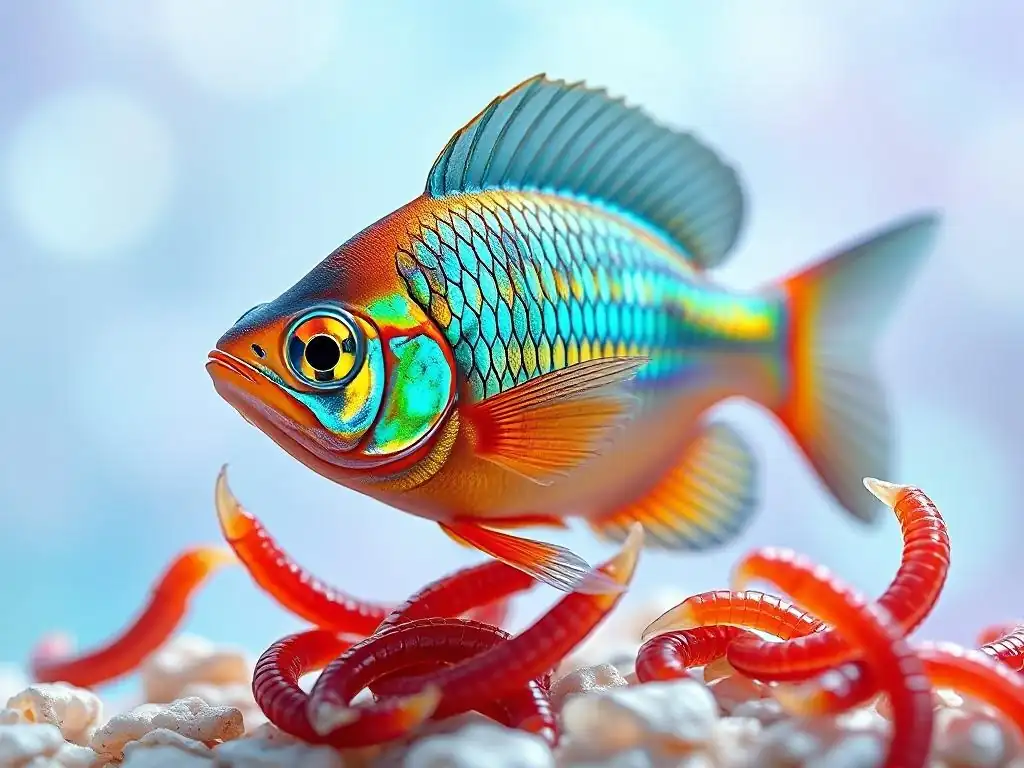
When a Dwarf gourami won't eat, live foods are often the most potent appetite stimulant. The natural movement and scent of live blackworms, daphnia, or newly hatched brine shrimp mimic their natural diet and can trigger a strong feeding instinct even in a reluctant fish. Many Dwarf Gouramis that refuse flakes or pellets will readily take live offerings.
If live foods are not easily accessible or desirable, high-quality frozen alternatives are the next best option. Frozen bloodworms, brine shrimp, and mysis shrimp offer excellent nutritional value and are generally very palatable. Always thaw frozen foods in a small amount of tank water before feeding to prevent introducing cold water into the aquarium and to ensure they are soft and easy to consume.
Using Garlic as an Appetite Enhancer
Garlic has long been recognized in the aquarium hobby for its ability to entice picky or sick fish to eat. Products like Seachem GarlicGuard harness this property, providing a fish-safe way to use garlic's strong aroma and flavor as an appetite stimulant. It can make otherwise unappealing foods more attractive, which is particularly useful when a Dwarf gourami won't eat its regular diet.
To apply, simply soak your Dwarf gourami's food (flakes, pellets, or even thawed frozen foods) in a few drops of the aquarium-specific garlic solution for 10-15 minutes before offering it. This method is safe and can be used consistently over several days to help re-establish a healthy feeding routine. Avoid using human garlic products, as they may contain oils or additives harmful to fish.
Maintaining a Clean and Stress-Free Aquarium Environment
The most fundamental and long-term solution to prevent a Dwarf gourami from refusing food is to consistently maintain a clean, stable, and stress-free aquarium environment. Regular partial water changes (e.g., 25-30% weekly), thorough gravel vacuuming, and proper filter maintenance prevent the buildup of toxins like ammonia and nitrite, which are primary causes of appetite loss.
Beyond water quality, minimizing environmental stressors is crucial. Avoid sudden changes in lighting, maintain a stable temperature, and refrain from tapping on the glass or making sudden movements around the tank. A well-planted tank with ample hiding spots provides security, allowing your Dwarf gourami to feel safe and comfortable enough to exhibit natural behaviors, including a robust appetite.
When to Seek Professional Help: Consulting with an Aquatic Veterinarian
Recognizing When Home Remedies Aren't Enough
While many common issues leading to a Dwarf gourami that won't eat can be resolved with diligent home care, there are times when professional intervention is necessary. If your Dwarf gourami's condition continues to deteriorate despite consistent efforts to improve water quality, adjust diet, and treat suspected diseases over 3-5 days, it's time to consider consulting an aquatic veterinarian. Persistent lethargy, severe bloating with pineconing, widespread lesions, or rapid, unexplained deaths among multiple fish are critical red flags that warrant immediate professional attention.
Furthermore, if you suspect a highly contagious or untreatable disease, such as Dwarf Gourami Iridovirus (DGIV), a qualified aquatic vet can provide a definitive diagnosis. This is crucial not only for the affected fish but also to prevent the potential spread of a devastating pathogen to your entire aquarium or other tanks.
Finding a Qualified Aquatic Vet in Your Area
Finding a qualified aquatic veterinarian can be challenging, as they are a specialized field within veterinary medicine. A good starting point is to check resources like the American Association of Fish Veterinarians (AAFV) website, which often provides a directory of practicing aquatic vets. Local university veterinary schools may also have aquatic specialists or diagnostic services.
Networking with local fish clubs, reputable aquarium stores, or online forums dedicated to fishkeeping can also yield recommendations for experienced professionals in your area. An aquatic vet has access to diagnostic tools and medications not available to the average hobbyist, allowing for precise diagnoses (e.g., skin scrapes, gill biopsies, fecal exams) and targeted treatment plans that can save your Dwarf gourami's life when all other efforts have failed.
Frequently Asked Questions
Why is my Dwarf Gourami suddenly refusing to eat?
A sudden loss of appetite in Dwarf Gouramis can be due to several factors, the most common being stress from a new environment, poor water quality, or the onset of disease.
What are some common diseases that can cause a Dwarf Gourami to stop eating?
Several illnesses can affect their appetite. Dwarf Gourami Iridovirus (DGIV) is a common culprit, as are bacterial infections and internal parasites. Observing other symptoms is crucial for diagnosis.
How important is water quality in a Dwarf Gourami's appetite?
Extremely important. Poor water parameters, such as high ammonia or nitrite levels, directly impact their health and will suppress their appetite. Regular water testing and changes are essential.
What kind of food should I offer a picky Dwarf Gourami?
Offer a variety of foods. Try live or frozen foods like bloodworms or daphnia, as these often entice picky eaters. Also, ensure their food is appropriately sized for their mouths.
How long should I wait before becoming concerned if my Dwarf Gourami isn't eating?
A day or two of fasting isn't usually cause for alarm. However, if your Dwarf Gourami refuses food for more than three days, it's vital to investigate potential causes and take corrective action.
Okay, here's a final reflection designed to close your article, "Dwarf Gourami Not Eating? Troubleshooting Common Appetite Issues," optimized for the keyword "Dwarf gourami won't eat" and following your specified structure:
Final Reflection: The Delicate Balance of Aquarium Life
The persistent question of why a dwarf gourami won't eat is more than just a troubleshooting exercise; it's a stark reminder of the delicate ecosystem we create within our aquariums. Understanding the potential causes, from water parameters to social dynamics, underscores our responsibility to provide optimal conditions for these captivating creatures to thrive. Ignoring these signs can have devastating consequences, highlighting the importance of proactive observation and informed intervention.
The health and well-being of our aquatic companions are inextricably linked to our dedication and understanding. Witnessing a dwarf gourami regain its appetite after addressing a specific issue is a deeply rewarding experience, reinforcing the profound impact we have on their lives. The greatness of a nation and its moral progress can be judged by the way its animals are treated.
- Mahatma Gandhi. This quote, though broad, resonates deeply when considering the care we provide to even the smallest inhabitants of our homes.
Now, armed with the knowledge from this guide, take a moment to reflect on your own aquarium practices. Are you truly providing the best possible environment for your dwarf gourami? Consider the subtle cues they offer, the water quality they depend on, and the social harmony they require. By embracing a proactive and compassionate approach, you can ensure a vibrant and thriving life for your gourami, and a more enriching experience for yourself.
Unlock Your Gourami's Appetite!
Thanks for diving into the world of Dwarf Gouramis and learning about their eating habits! Now that you're equipped with troubleshooting knowledge, it's time to take action.
- Prime Action: Carefully observe your gourami's behavior over the next 24 hours, noting any changes in appetite, activity level, or physical appearance. This baseline observation is crucial!
- Experiment: Try offering a small portion of live food (like brine shrimp) to stimulate their appetite. It can be a game-changer!
- Share & Learn: Post a picture or short video of your gourami in our Aquarium Mastery community forum and describe your specific situation. Get personalized advice from fellow enthusiasts!
What's the very first thing you'll check in your tank tonight to give your gourami the best chance at a healthy appetite?