
Protecting Your Platy Fry: Smart Ways to Increase Survival Rates

Welcome to Aquarium Mastery!
Ever wonder how to ensure your adorable Platy fry actually make it to adulthood? You've come to the right place! We're diving deep into the crucial Platy fry survival tips you need to dramatically increase their chances. Get ready to unlock the secrets to a thriving Platy population in your freshwater aquarium – the journey starts now!
- Understanding Platy Fry: A Beginner's Guide to Successful Breeding
-
Essential Platy Fry Survival Tips: Maximizing Their Chances
- Tip #1: The Importance of a Separate Breeding Tank for Platy Fry
- Tip #2: Utilizing a Breeding Box or Fry Saver for Platy Fry Protection
- Tip #3: Providing Ample Hiding Places for Platy Fry in the Main Tank
- Tip #4: Optimizing Water Quality for Healthy Platy Fry Growth
- Tip #5: Choosing the Right Food for Platy Fry: Nutritional Needs
- Protecting Platy Fry from Predators: Tank Mate Considerations
- Raising Platy Fry: From Birth to Juvenile Stage
- Advanced Platy Fry Care: Beyond the Basics
- Conclusion: Ensuring a Thriving Platy Population Through Proper Fry Care
-
Frequently Asked Questions
- How can I protect my platy fry from being eaten by the adult fish in the aquarium?
- What type of food is best for platy fry to ensure healthy growth?
- What water parameters are ideal for platy fry to maximize their survival?
- How important is providing hiding places for platy fry in the aquarium?
- At what size are platy fry generally safe to be released back into the main aquarium?
- Final Reflection: Nurturing New Life
- Nurture New Life: Help Your Platy Fry Thrive!
Understanding Platy Fry: A Beginner's Guide to Successful Breeding
Why Platy Fry Need Protection: Understanding Their Vulnerabilities
Platy fry are born incredibly small, typically measuring only about 0.2 to 0.3 inches (5-8 mm) in length at birth. This minuscule size makes them extremely vulnerable to predation, even from their own parents and other seemingly peaceful tank mates. Without adequate protection, the platy fry survival rates in a typical community aquarium can be alarmingly low, often less than 10-20%. Their translucent bodies and lack of developed defense mechanisms mean they are easily overlooked until it's too late, making proactive platy fry protection essential.
Beyond predation, platy fry are also highly susceptible to poor water quality and strong filtration currents. Their delicate gills and undeveloped immune systems mean they cannot tolerate even minor fluctuations in ammonia or nitrite levels that adult fish might endure. A powerful filter intake can easily suck in and injure or kill the tiny fry. Therefore, creating a pristine and calm environment is a crucial element of effective platy fry survival tips.
Identifying a Pregnant Platy: Signs to Look For
Recognizing a pregnant platy is the first step in implementing successful platy fry survival tips. One of the most noticeable signs is the development of a dark "gravid spot" near the anal fin, which becomes more pronounced as the pregnancy progresses. This spot is actually the transparent skin over the developing fry's eyes. As the female platy nears delivery, her abdomen will become noticeably larger and develop a squared-off appearance, rather than a smooth, rounded shape.
The gestation period for platies is typically around 28 to 30 days, though it can vary slightly based on water temperature and individual fish. Other behavioral cues include increased appetite, a tendency to become more reclusive, and sometimes a slight shimmying or rocking motion a day or two before birth. Observing these signs allows aquarists to prepare a safe environment, significantly boosting platy fry survival rates.
Preparing for Platy Fry: Setting Up a Safe Haven
Once a pregnant platy is identified, preparing a safe haven for the impending fry is paramount. This can involve setting up a separate breeding tank or utilizing a breeding box within the main aquarium. The goal is to provide an environment free from predators and with optimal conditions for the delicate fry.
For a dedicated breeding tank, a 5-10 gallon aquarium is often sufficient for a single pregnant female and her subsequent fry. The water parameters should closely match those of the main tank to minimize stress during transfer: a pH between 7.0 and 8.0, and a temperature of 72-78°F (22-26°C). It is crucial to have the tank fully cycled or use established filter media from another tank to ensure stable water quality from day one, which is vital for platy fry survival.
Essential Platy Fry Survival Tips: Maximizing Their Chances
Tip #1: The Importance of a Separate Breeding Tank for Platy Fry
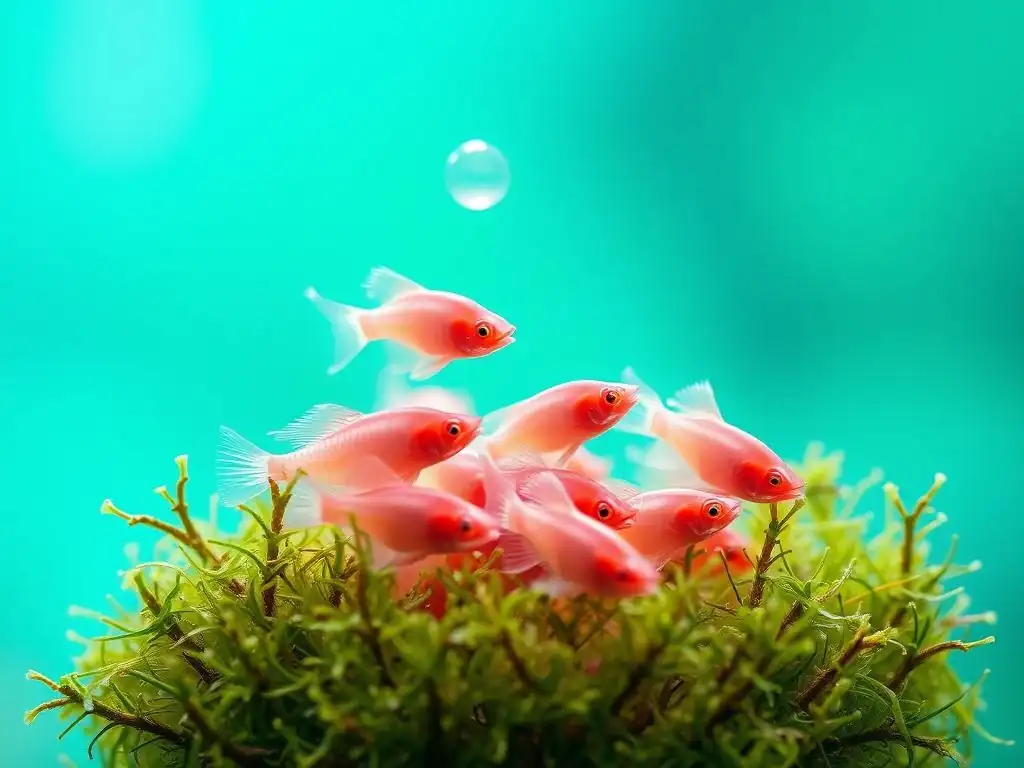
Housing a pregnant platy, and later her fry, in a separate breeding tank is one of the most effective platy fry survival tips. This dedicated environment eliminates the threat of predation from adult fish, including the parents themselves, who often view their offspring as a food source. It also allows for precise control over water parameters and feeding, catering specifically to the delicate needs of developing fry.
A separate tank provides a stress-free environment for the pregnant female to give birth, reducing the risk of premature delivery or complications. Once the fry are born, they can grow undisturbed, reaching a size where they are less vulnerable before being introduced to a larger community tank. This controlled rearing significantly increases the number of fry that will reach maturity, making it a cornerstone of successful platy fry care.
Choosing the Right Size Breeding Tank for Platy Fry
For a single pregnant platy and her subsequent brood of fry, a 5-gallon to 10-gallon aquarium is generally considered an ideal size for a breeding tank. A 5-gallon tank is sufficient for the initial birthing and early growth stages of a typical platy brood, which can range from 20 to 80 fry. However, if you anticipate a larger brood or plan to keep the fry in the breeding tank for an extended period, a 10-gallon tank offers more space, reducing crowding and promoting healthier growth.
The dimensions of the tank are also important; a longer tank provides more swimming room and surface area for oxygen exchange than a taller, narrower one of the same volume. Adequate space helps to prevent stunted growth and reduces stress among the young platy fry, contributing significantly to their long-term survival. Overcrowding, even in a dedicated fry tank, can quickly lead to poor water quality and increased disease susceptibility.
Setting Up the Breeding Tank: Water Parameters and Equipment
Setting up the breeding tank requires careful attention to detail to ensure optimal conditions for platy fry survival. The water parameters should mirror those of the main tank as closely as possible to minimize shock during transfer: a stable temperature between 72-78°F (22-26°C) maintained by a reliable heater, and a pH between 7.0 and 8.0. It is crucial to use dechlorinated water and, ideally, water from an established aquarium to help cycle the new tank quickly.
Essential equipment includes a gentle filtration system, such as a sponge filter, which provides biological filtration without creating strong currents that could harm the tiny fry. An air pump connected to the sponge filter will ensure adequate oxygenation. Additionally, adding some live plants like Java moss or floating plants provides natural hiding places for the fry, further enhancing their sense of security and contributing to higher platy fry survival rates.
Tip #2: Utilizing a Breeding Box or Fry Saver for Platy Fry Protection
When a separate breeding tank isn't feasible, a breeding box or fry saver within the main aquarium offers an alternative for platy fry protection. These devices isolate the pregnant female during birth, or the fry immediately after, from potential predators in the community tank. They are typically made of mesh or clear plastic and float at the water's surface, allowing water exchange with the main tank while keeping the fry contained.
While not as ideal as a dedicated tank due to potential stress on the female or limited space for fry growth, breeding boxes can still significantly improve initial platy fry survival rates. They are particularly useful for hobbyists with limited space or those who only occasionally breed livebearers. Proper selection and careful use are key to making this one of the effective platy fry survival tips.
Breeding Box vs. Fry Saver: Which is Best for Platy Fry?
The choice between a breeding box and a fry saver depends on the specific needs and duration of use for your platy fry. A breeding box, often a plastic container with slits or a mesh bottom, is designed to house the pregnant female until she gives birth.
Once the fry are born, they typically fall through a grate at the bottom into a separate compartment, keeping them safe from the mother, who may predate on them. This method is effective for immediate separation but can be stressful for the pregnant female if she remains in it for too long, potentially leading to premature births or even death.
A fry saver, often a fine mesh net box, is primarily designed to hold the fry after birth. It allows for excellent water circulation and is less stressful for the fry themselves, as they are not confined with a potentially hungry mother. However, it requires the aquarist to transfer the fry manually, which can be challenging given their small size. For short-term platy fry protection and immediate separation, a breeding box is convenient, while a fry saver might be preferred for slightly longer rearing within the main tank, provided the water quality is excellent.
Safely Transferring the Pregnant Platy to the Breeding Box
Transferring a pregnant platy to a breeding box requires gentleness and minimal stress to ensure a successful birth and optimal platy fry survival. It's best to transfer her a few days before her expected delivery, once her gravid spot is very dark and her abdomen is significantly squared off. Use a soft, fine-mesh net to scoop her out, avoiding any sudden movements or prolonged exposure to air. Quickly and gently place her into the breeding box.
Once in the box, ensure the water parameters are stable and match the main tank to prevent shock. Provide a small piece of floating plant or artificial cover within the box to give her a sense of security. Avoid constantly checking on her or disturbing the box, as this can increase her stress levels. After she has given birth, which typically occurs within a few hours to a day, carefully remove the mother to prevent her from eating her offspring, leaving the platy fry safe in their isolated compartment.
Tip #3: Providing Ample Hiding Places for Platy Fry in the Main Tank
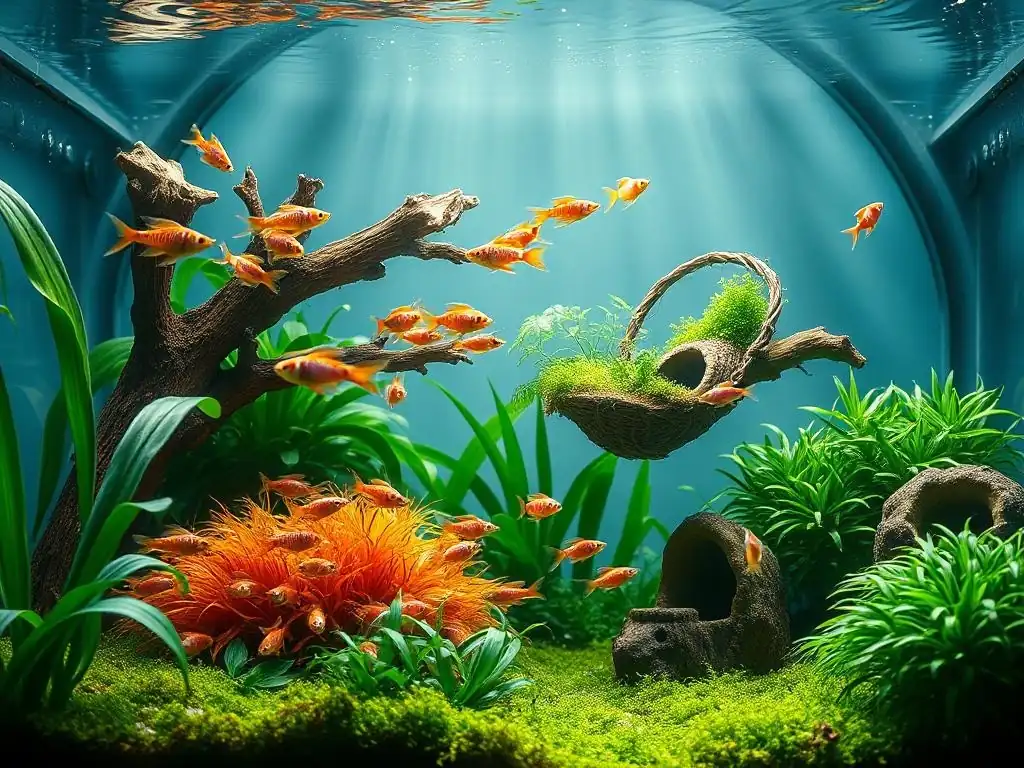
Even if you use a breeding tank or box, providing ample hiding places in the main tank is a crucial long-term platy fry survival tip once they are ready to be introduced. For those who opt for natural breeding in a community tank, these hiding spots become the primary defense mechanism for the tiny fry against predation. Dense vegetation and intricate decorations can create micro-refuges where the fry can escape the notice of larger fish.
These hiding spots not only offer physical protection but also reduce stress for the fry, allowing them to feed and grow more confidently. The more complex and dense the hiding places, the higher the chances of some platy fry surviving to maturity in a mixed-species environment.
Live Plants as Natural Refuges for Platy Fry
Live plants are arguably the best natural refuges for platy fry, offering both physical protection and contributing to water quality. Densely planted areas, particularly those with fine-leaved plants, provide excellent cover. Species such as Java moss, Hornwort, Guppy grass ( Najas guadalupensis), and Anacharis ( Egeria densa) are exceptionally good choices. These plants create intricate networks of leaves and stems where tiny fry can hide effectively from hungry adult fish.
For optimal platy fry survival, aim for a significant portion of your tank (e.g., 30-50% of the substrate area) to be heavily planted. Floating plants like Frogbit or Water Lettuce also offer overhead cover, breaking up lines of sight and providing a safe zone near the surface where fry often congregate. The presence of live plants also helps to absorb nitrates and provide a surface for beneficial bacteria, further contributing to a healthy environment for the developing fry.
Artificial Decorations for Platy Fry: Choosing Safe Options
While live plants are superior, artificial decorations can also provide valuable hiding places for platy fry, especially in tanks where live plants are not feasible. When selecting artificial decor, prioritize items with small crevices, tunnels, or dense foliage that fry can easily navigate into but larger fish cannot. Ceramic logs, resin caves, and plastic plant thickets with soft, non-abrasive leaves are good choices.
It is crucial to ensure that any artificial decoration is aquarium-safe and free of sharp edges or small openings where fry could get trapped or injured. Avoid decorations with rough textures that could damage delicate fins. A combination of artificial and natural elements can create a diverse landscape of escape routes, significantly boosting platy fry survival rates in a community setting. Aim to create layers of cover from the substrate to the surface.
Tip #4: Optimizing Water Quality for Healthy Platy Fry Growth
Maintaining pristine water quality is a non-negotiable platy fry survival tip. Fry are far more sensitive to pollutants like ammonia, nitrite, and even high nitrates than adult fish. Their small size means they have less body mass to buffer against toxins, and their developing organs are easily damaged. Poor water quality is a leading cause of fry mortality, often manifesting as stunted growth, disease, or sudden death.
Consistent monitoring of water parameters and proactive measures to keep them stable are essential for ensuring the healthy development and high survival rates of platy fry. This involves regular maintenance routines and understanding the nitrogen cycle's impact on a densely populated fry tank.
Regular Water Changes: Maintaining Pristine Conditions for Platy Fry
Regular water changes are perhaps the most critical aspect of maintaining pristine conditions for platy fry. Because fry are fed frequently and produce waste, and their tanks are often more densely populated than adult tanks, ammonia and nitrite can accumulate rapidly. For a dedicated fry tank, performing 10-20% water changes every two to three days is often necessary to keep toxic compounds at bay. In some cases, daily small water changes might be required, especially for very large broods.
Always use dechlorinated water that is temperature-matched to the tank to prevent shock. Siphon the water slowly from the bottom, being careful not to suck up any tiny fry. These frequent, small water changes dilute pollutants, replenish essential minerals, and maintain stable pH, all of which are vital for robust platy fry growth and significantly contribute to their survival rates.
Avoiding Ammonia and Nitrite Spikes: Crucial for Platy Fry Survival
Ammonia and nitrite are highly toxic to fish, and platy fry are especially vulnerable. Even trace amounts can cause severe stress, organ damage, and death. To avoid spikes, ensure the filtration system is adequate and properly cycled before introducing fry. A mature sponge filter is ideal as it harbors beneficial bacteria that convert ammonia to nitrite, and then nitrite to less harmful nitrate.
Overfeeding is a common cause of ammonia spikes in fry tanks, as uneaten food quickly breaks down. Feed very small amounts multiple times a day rather than large amounts once or twice. Regularly test water parameters using a reliable liquid test kit (not strips) to monitor ammonia, nitrite, and nitrate levels. If spikes occur, perform immediate, larger water changes (e.g., 25-50%) and consider reducing feeding temporarily. Maintaining these parameters at zero is crucial for optimal platy fry survival.
Tip #5: Choosing the Right Food for Platy Fry: Nutritional Needs
Proper nutrition is fundamental for the rapid growth and health of platy fry, making food selection a key platy fry survival tip. Newly hatched fry have very small mouths and require finely crushed or microscopic food sources. Their rapid growth demands high-protein diets to support muscle and organ development. Inadequate feeding, either in quantity or quality, can lead to stunted growth, weakened immune systems, and increased susceptibility to disease, ultimately reducing platy fry survival rates.
A varied diet that mimics their natural feeding habits, where they would graze on micro-organisms, is ideal. Providing a consistent supply of appropriate food ensures they receive the necessary energy and nutrients to thrive from birth through their juvenile stages.
Feeding Frequency and Portion Sizes for Platy Fry
Platy fry have very high metabolisms and grow rapidly, requiring frequent small meals. Unlike adult fish that can be fed once or twice a day, platy fry should be fed small portions 4 to 6 times a day, or even more frequently for the first few weeks. Their tiny stomachs can only hold a small amount of food, and they need a constant supply of nutrients to fuel their development.
The key is to feed only what they can consume within 1-2 minutes. Overfeeding can quickly foul the water, leading to dangerous ammonia spikes, while underfeeding will result in stunted growth and higher mortality rates. Observe the fry during feeding; if food remains after a couple of minutes, reduce the portion size for the next feeding. This frequent, controlled feeding schedule is one of the most impactful platy fry survival tips.
Live Food Options for Platy Fry: Baby Brine Shrimp and Microworms
Live food offers superior nutrition and stimulates the natural feeding instincts of platy fry, significantly boosting their growth and platy fry survival rates. Baby brine shrimp (Artemia nauplii) are an excellent choice due to their high protein content (around 50-60% dry weight) and the fact that they are highly digestible. They are small enough for newly hatched fry to consume and their wiggling motion attracts the fry's attention, encouraging feeding. Brine shrimp eggs can be easily hatched at home in a simple setup.
Microworms ( Panagrellus redivivus) are another fantastic live food option. These tiny nematodes are rich in protein and fats, making them an ideal first food for fry. They are easy to culture at home on an oat or flour medium and can be harvested daily. Both baby brine shrimp and microworms provide essential nutrients that often surpass the nutritional value of commercial dry foods, leading to healthier, more robust platy fry.
Commercial Fry Food: Selecting High-Quality Options for Platy Fry
When live food is not available or as a supplementary diet, high-quality commercial fry food is essential for platy fry survival. Look for finely ground flakes or specialized fry powders that are specifically designed for livebearer fry. These foods are formulated with higher protein levels, typically ranging from 40-55%, and fortified with vitamins and minerals crucial for rapid growth.
Good options include finely crushed spirulina flakes, which provide essential plant matter, or commercial "fry foods" that often contain a mix of animal and plant proteins. Avoid using regular adult fish flakes, as they are too large and may not have the optimal nutritional profile for developing fry. Grind them to a powder consistency if using. Always check the ingredient list for high-quality protein sources like fish meal, shrimp meal, or spirulina, ensuring your platy fry receive the best possible start.
Protecting Platy Fry from Predators: Tank Mate Considerations
Identifying Potential Platy Fry Predators in Your Aquarium
Identifying potential predators is a critical step in ensuring platy fry survival, especially in a community tank setting. Nearly any fish larger than the fry itself can be a predator, including the platy parents. Adult platies, guppies, and mollies, despite being livebearers, have a natural instinct to consume their own offspring. Beyond livebearers, common community fish like Angelfish, larger Tetras (e.g., Serpae Tetras, Black Skirt Tetras), Gouramis, and even some peaceful Cichlids (e.g., Keyhole Cichlids) will readily predate on fry.
Bottom dwellers like Corydoras catfish are generally safe, but any fish with a mouth large enough to swallow a tiny fry will likely do so if given the opportunity. Even small schooling fish like Neon Tetras, while not aggressive, might opportunistically snack on the smallest fry. Therefore, a comprehensive understanding of your tank's inhabitants is vital for effective platy fry protection.
Choosing Compatible Tank Mates: Peaceful Options for Platy Fry
When the goal is to maximize platy fry survival in a community tank, the best approach is to choose tank mates that are either too small to eat the fry or are strictly herbivorous/algae-eating. Peaceful bottom-dwelling fish such as Otocinclus catfish are excellent choices as they primarily feed on algae and are too small to pose a threat to even the smallest fry. Similarly, Amano shrimp or Cherry shrimp are generally safe, as they are scavengers and their mouths are not equipped for preying on fish fry.
Small, peaceful schooling fish like Chili Rasboras or Kubotai Rasboras might be considered, as their mouths are tiny, though there's always a minimal risk with any fish. Ultimately, for the highest platy fry survival rates, the most compatible "tank mates" for fry are no tank mates at all, outside of the specific fry-rearing setup. If they must be in a community tank, ensuring dense plant cover and constant feeding of adult fish can reduce predation, but not eliminate it.
Separating Adult Platies from Their Fry: Minimizing Cannibalism
The unfortunate reality for platy fry survival is that adult platies, including the mother, are significant predators of their own offspring. This cannibalistic behavior is a natural instinct in many fish species, ensuring the survival of the fittest in the wild. To minimize this, separating the adult female from her fry immediately after birth is one of the most critical platy fry survival tips.
If using a breeding box, ensure the mother is removed once she has finished giving birth and the fry have dropped into the lower compartment. If using a separate breeding tank, the mother should be returned to the main aquarium within a few hours of delivery. Allowing the fry to grow in an environment free from adult platies significantly increases their chances of reaching a size where they are no longer viewed as food, thereby boosting the overall platy population.
Raising Platy Fry: From Birth to Juvenile Stage
Monitoring Platy Fry Growth and Development
Monitoring platy fry growth and development is crucial for assessing the effectiveness of your platy fry survival tips and ensuring their overall health. In optimal conditions, platy fry grow quite rapidly. Within the first 2-4 weeks, they will typically double in size, reaching approximately 0.5 inches (1.2 cm) in length. By 6-8 weeks, many will be around 0.75-1 inch (1.9-2.5 cm) and begin to show more distinct adult coloration and fin shapes.
Regular observation allows you to identify any stunted fry, which may indicate issues with water quality, nutrition, or overcrowding. Healthy fry will be active, have full bellies after feeding, and exhibit clear eyes and fins. Documenting their growth can also help in determining the ideal time for introducing them to a larger tank or selling them. Consistent growth is a strong indicator of successful platy fry care.
Gradually Introducing Platy Fry to the Main Tank
Introducing platy fry to the main tank must be a gradual process to maximize their platy fry survival rates and minimize stress. The fry should be large enough to not fit into the mouths of the smallest adult fish in the community tank, typically around 0.75 to 1 inch (1.9-2.5 cm) in length. This usually takes about 6-8 weeks of dedicated care in a separate fry tank. Before transfer, ensure the main tank has ample hiding places, as discussed earlier.
To acclimate them, float the container with the fry in the main tank for 15-20 minutes to equalize temperatures. Then, slowly add small amounts of main tank water to the fry container over another 30-60 minutes, allowing them to gradually adjust to the main tank's water parameters. Finally, gently net and release the fry into the main tank, ideally when the tank lights are off or dim, to reduce initial stress and give them time to find hiding spots.
Preventing Diseases in Platy Fry: Recognizing Early Signs
Preventing diseases in platy fry is paramount, as their delicate immune systems make them highly susceptible to various ailments, significantly impacting platy fry survival. The primary defense against disease is maintaining impeccable water quality: stable parameters, zero ammonia/nitrite, and low nitrates. Overfeeding and infrequent water changes are common culprits behind fry illnesses.
Early signs of disease in fry can be subtle but include lethargy, clamped fins, rapid gill movement, white spots (Ich), fuzzy growths (fungus), or difficulty swimming. Any discoloration or unusual behavior should prompt immediate investigation. If disease is suspected, a small, controlled water change (e.g., 10-20%) is often the first step. For specific diseases, appropriate medication may be necessary, but always use half the recommended dose for fry due to their sensitivity. Quarantine new fish before adding them to any tank, especially one with fry, to prevent introducing pathogens.
Advanced Platy Fry Care: Beyond the Basics
Selective Breeding: Improving Platy Fry Coloration and Health
Selective breeding is an advanced platy fry survival tip for hobbyists looking to enhance specific traits in their platy population, such as vibrant coloration or robust health. This involves carefully choosing parent fish that exhibit the desired characteristics and breeding them together, while removing undesirable traits from the breeding pool. For example, to develop a line of exceptionally red platies, you would select the reddest males and females from your existing stock and breed them, culling any fry that do not meet the color standard.
Beyond aesthetics, selective breeding can also improve the overall health and vigor of your platy fry. By choosing parents that are consistently healthy, resilient, and free from genetic deformities, you can gradually produce stronger offspring that are less prone to common diseases and have higher survival rates. This long-term commitment requires careful record-keeping and patience, but it offers immense rewards in terms of creating a truly thriving and beautiful platy population.
Maintaining Genetic Diversity: Avoiding Inbreeding Issues with Platy Fry
While selective breeding focuses on desired traits, it's crucial to balance this with maintaining genetic diversity to avoid inbreeding issues, which can severely impact platy fry survival and long-term health. Continual breeding of closely related platies (e.g., brother-sister, parent-offspring) over multiple generations can lead to a phenomenon known as inbreeding depression. This manifests as reduced fertility, smaller broods, higher rates of deformities (e.g., crooked spines, malformed fins), increased susceptibility to disease, and overall weakened immune systems in the platy fry.
To combat inbreeding, periodically introduce new, unrelated bloodlines into your breeding stock. This could involve purchasing new platies from a different source or trading with other hobbyists. Aim to introduce new genetic material every 3-4 generations to refresh the gene pool. By diversifying the genetics, you ensure stronger, more resilient platy fry that are better equipped to thrive and contribute to a robust, healthy population for years to come.
Addressing Common Problems: Troubleshooting Platy Fry Mortality
Despite implementing various platy fry survival tips, aquarists may still encounter issues with high mortality rates. Troubleshooting these problems requires a systematic approach. One of the most common issues is sudden, unexplained deaths; this often points directly to water quality problems, such as undetected ammonia or nitrite spikes, or rapid pH/temperature fluctuations. Regular, accurate testing is crucial.
Another frequent cause is starvation, particularly in very large broods where some fry may not be getting enough food, or if the food particles are too large. Observe feeding behaviors and adjust frequency and particle size. Disease outbreaks, often secondary to poor water conditions or stress, can also decimate a brood. Look for specific symptoms and treat accordingly, prioritizing water changes. Lastly, predation, even by seemingly peaceful tank mates or the parents themselves, can contribute to losses if fry are not adequately separated or provided with sufficient hiding places. Addressing these core issues will significantly improve platy fry survival.
Conclusion: Ensuring a Thriving Platy Population Through Proper Fry Care
Frequently Asked Questions
How can I protect my platy fry from being eaten by the adult fish in the aquarium?
The best way is to provide physical separation. Use a breeding box or separate nursery tank to keep the fry safe until they are large enough to avoid predation.
What type of food is best for platy fry to ensure healthy growth?
Platy fry thrive on small, protein-rich foods. Options include baby brine shrimp, microworms, or commercially available fry food specifically formulated for livebearers.
What water parameters are ideal for platy fry to maximize their survival?
Maintain stable and clean water conditions. Regular small water changes are crucial, along with keeping the temperature within the recommended range for platies (around 72-78°F) and ensuring proper filtration.
How important is providing hiding places for platy fry in the aquarium?
Very important! Plenty of live plants, such as Java moss or hornwort, offer natural hiding spots where fry can escape from potential predators and feel secure.
At what size are platy fry generally safe to be released back into the main aquarium?
Generally, when the fry are large enough to not fit in the mouths of the adult fish, which is typically around half an inch or more. Observing the adult fish's behavior towards the fry is also a good indicator.
Final Reflection: Nurturing New Life
The journey of raising platy fry, as we've explored, is a delicate dance between providing optimal conditions and understanding the inherent vulnerabilities of these tiny creatures. The principles of careful observation, proactive intervention, and creating a safe haven are not just applicable to aquariums, but resonate deeply with the broader concept of nurturing new life and potential in any context. The lessons learned in maximizing platy fry survival translate to a powerful metaphor for fostering growth and resilience in all aspects of our lives.
The dedication required to protect platy fry mirrors the commitment needed to cultivate anything of value. Witnessing their fragile beginnings and eventual flourishing underscores the importance of patience, perseverance, and a deep respect for the natural world. The best way to predict the future is to create it.
This quote, often attributed to Peter Drucker, perfectly encapsulates the proactive approach needed not only in fishkeeping, but also in shaping a better future for ourselves and the world around us.
Now, as you consider the insights shared in this article, I invite you to reflect on where you can apply these principles of protection and nurturing in your own life. Whether it's fostering a new idea, supporting a young talent, or simply creating a more nurturing environment for yourself, remember the lessons of the platy fry. Embrace the challenge, cultivate patience, and watch as new life, in all its forms, thrives under your care.
Nurture New Life: Help Your Platy Fry Thrive!
Thanks for diving into the world of platy fry! We hope you’ve discovered some valuable insights to ensure a higher survival rate for your little ones. Now, let’s put that knowledge into action.
Here’s how you can give your platy fry the best start:
- Immediately enhance their safety: Create a safe haven in your tank or transfer them to a dedicated nursery tank or breeder box to protect them from hungry adult fish.
- Explore: Research specialized fry food options that cater to their nutritional needs, promoting healthy growth and vibrant colors.
- Share: Connect with fellow aquarium enthusiasts online to exchange tips and tricks on raising platy fry successfully.
Ready to transform your aquarium into a thriving haven for platy fry and experience the joy of watching them grow?