
The Ultimate Swordtail Water Parameter Guide: pH, Hardness & More

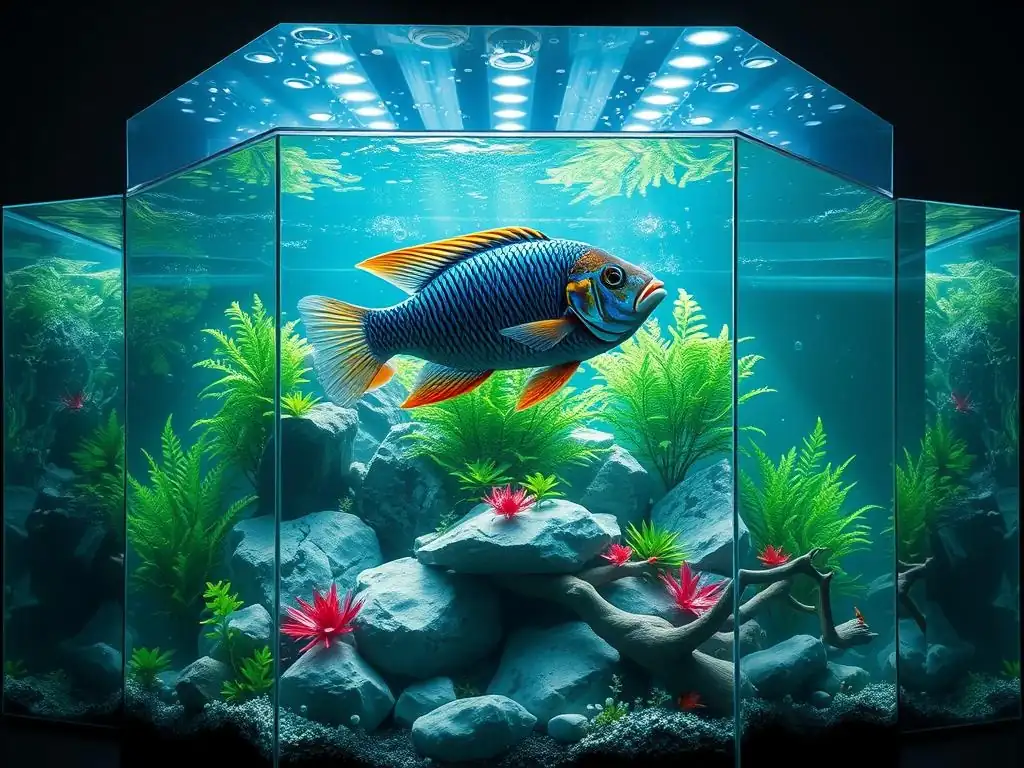
Welcome to Aquarium Mastery, your ultimate resource for all things aquatic! Ever wondered if your Swordtail aquarium water parameters are truly optimized for vibrant health and breeding success? Dive in to discover the secrets to perfect pH, hardness, and more, ensuring your Swordtails thrive in their underwater paradise. Let's unlock the mysteries of the perfect aquarium environment together!
- Introduction to Swordtail Aquarium Water Parameters
- Core Swordtail Water Parameters Explained
- Other Important Water Parameters for Swordtails
- Establishing and Maintaining Optimal Water Conditions for Swordtails
- Troubleshooting Common Water Parameter Issues in Swordtail Aquariums
- The Impact of Water Parameters on Swordtail Breeding
- Choosing the Right Water Conditioners and Additives for Swordtails
- Conclusion: Mastering Swordtail Aquarium Water Chemistry
-
Frequently Asked Questions
- What are the ideal pH levels for a Swordtail aquarium?
- How important is water hardness when keeping Swordtails?
- What is the best water temperature for a Swordtail aquarium?
- How often should I perform water changes in a Swordtail tank?
- What parameters should I monitor besides pH, hardness, and temperature?
- Final Reflection: Cultivating Harmony in the Swordtail Aquarium
- Dive Deeper: Unleash Your Swordtail's Potential!
Introduction to Swordtail Aquarium Water Parameters
Why Optimal Water Parameters Matter for Swordtail Health
Optimal water parameters are not merely guidelines; they are the bedrock of a Swordtail's well-being and longevity in an aquarium. When Swordtail aquarium water parameters deviate from their ideal range, these vibrant fish experience significant stress, leading to a weakened immune system, susceptibility to diseases like ich or fin rot, and a reduced lifespan.
Studies have shown that fish kept in stable, appropriate conditions can live up to 3-5 years, whereas those in fluctuating or unsuitable water may only survive for a few months. Consistent water quality directly impacts their coloration, activity levels, and even their ability to reproduce successfully.
Furthermore, maintaining precise water conditions prevents osmotic shock, a severe physiological stress response that occurs when a fish is abruptly moved into water with significantly different mineral content or pH. Swordtails, like all fish, rely on a delicate balance between their internal body fluids and the surrounding water. Any disruption to this equilibrium forces their bodies to work harder to regulate internal processes, diverting energy from growth, immunity, and overall vitality. This constant struggle against unfavorable Swordtail aquarium water parameters can manifest as clamped fins, lethargy, loss of appetite, and ultimately, premature death.
Understanding the Importance of Water Quality in a Swordtail Tank
Water quality is the single most critical factor determining the success of a Swordtail aquarium. Swordtails (Xiphophorus hellerii), originating from the clean, flowing rivers and streams of Central America, are accustomed to specific environmental conditions that must be replicated in captivity. Their natural habitats typically feature moderately hard, slightly alkaline water with stable temperatures. Deviations from these conditions, even subtle ones, can quickly compromise their health. For instance, a sudden spike in ammonia from overfeeding or inadequate filtration can cause immediate gill damage and suffocation, while prolonged exposure to high nitrates can lead to chronic stress and organ damage.
The overall health of the aquatic ecosystem within a Swordtail tank is intrinsically linked to the quality of its water. This includes not only the fish but also beneficial bacteria, live plants, and invertebrates. High levels of toxins or inappropriate pH can inhibit the growth of essential nitrifying bacteria, disrupting the nitrogen cycle and creating a vicious cycle of poor water quality. Conversely, a well-maintained environment with stable Swordtail aquarium water parameters fosters a thriving bacterial colony, robust plant growth, and a resilient fish population, significantly reducing the incidence of disease and promoting natural behaviors, including successful breeding.
Core Swordtail Water Parameters Explained
Swordtail pH Level: The Ideal Range
The pH level, a measure of acidity or alkalinity, is a critical Swordtail aquarium water parameter. For Swordtails, the ideal pH range is generally between 7.0 and 7.8, making them tolerant of slightly alkaline conditions.
This range closely mimics their natural habitats in Central America, where water sources often have a neutral to slightly basic pH due to limestone bedrock. Maintaining pH within this specific window is crucial because extreme deviations, either too acidic or too alkaline, can impair a Swordtail's ability to absorb essential minerals and properly regulate its internal bodily functions, leading to severe metabolic stress and organ damage.
When the pH falls outside this optimal range, Swordtails can suffer from conditions like acidosis (low pH) or alkalosis (high pH). In an acidic environment (below 6.5), their protective slime coat can be damaged, making them vulnerable to infections, and their gills may become irritated, hindering oxygen uptake. Conversely, overly alkaline conditions (above 8.0) can lead to ammonia toxicity, even at low ammonia concentrations, and can cause stress on their kidneys and other internal organs.
Stability is paramount; rapid fluctuations in pH, even within the acceptable range, are far more detrimental than a slightly off but consistent pH. A sudden pH swing of just 0.5 can induce severe shock and potentially be fatal to Swordtails.
How to Test Your Aquarium's pH for Swordtails
Testing your aquarium's pH is a straightforward process crucial for monitoring Swordtail aquarium water parameters. The most common and reliable methods involve using liquid test kits or electronic pH meters. Liquid test kits typically come with a test tube, reagents, and a color chart.
To perform a test, you fill the test tube with a specified amount of aquarium water, add the recommended number of drops of the reagent, and then gently shake the tube. After a waiting period, usually a few minutes, you compare the color of the water in the tube to the provided color chart to determine the pH reading. It is advisable to test your pH at least once a week, or more frequently if you notice any signs of distress in your Swordtails or after performing major tank maintenance.
Electronic pH meters offer a digital readout and can provide more precise measurements, though they require regular calibration to maintain accuracy. To use a pH meter, you simply immerse the probe into the aquarium water, and the pH value will be displayed on the screen. While more expensive than liquid kits, they offer convenience and speed.
Regardless of the method chosen, always follow the manufacturer's instructions carefully. Taking measurements at the same time each day (e.g., before lights come on or after they have been on for several hours) can help identify diurnal pH swings, which are natural but can be exacerbated by low carbonate hardness.
Adjusting pH Levels for Swordtail Aquariums: Safe Methods
Adjusting pH levels for Swordtail aquarium water parameters requires caution and gradual implementation to avoid shocking the fish. If your pH is too low (acidic), safe methods to raise it include adding crushed coral or aragonite to your substrate or filter, which slowly dissolve and release calcium carbonate, buffering the water and increasing alkalinity.
Another method is to add a small amount of baking soda (sodium bicarbonate), but this must be done very carefully, typically no more than 1 teaspoon per 10 gallons of water, dissolved first in tank water, and added slowly over several hours. This provides a temporary boost to carbonate hardness (KH) which in turn stabilizes pH.
Conversely, if your pH is too high (alkaline), you can lower it gradually by introducing driftwood, which releases tannins that slightly acidify the water. Peat moss, placed in a filter bag, can also lower pH over time. Using reverse osmosis (RO) water mixed with your tap water (if your tap water is too hard or alkaline) is another effective long-term solution, as RO water has a neutral pH and virtually no hardness.
Chemical pH adjusters should generally be avoided as they can cause rapid and unstable pH swings, which are far more dangerous to Swordtails than a slightly off but stable pH. Any adjustment should be made over several days, aiming for a change of no more than 0.2 pH units per 24 hours to prevent stress.
Water Hardness for Swordtails: GH and KH Explained
Water hardness is a crucial set of Swordtail aquarium water parameters, encompassing both General Hardness (GH) and Carbonate Hardness (KH). These two distinct measurements play vital roles in the health and well-being of Swordtails, influencing their osmoregulation, metabolic processes, and the stability of their environment. Understanding and maintaining appropriate GH and KH levels are fundamental to successful Swordtail keeping.
General Hardness (GH) and Swordtail Health
General Hardness (GH) measures the concentration of dissolved bivalent metallic ions, primarily calcium and magnesium, in the water. For Swordtails, an ideal GH range is typically between 10 and 25 dGH (degrees of General Hardness), which translates to approximately 180 to 450 ppm (parts per million). These minerals are vital for a Swordtail's osmoregulation, the process by which fish regulate the balance of water and salts in their bodies.
Adequate GH ensures proper cell function, bone development, and the formation of the fish's protective slime coat. Without sufficient calcium and magnesium, Swordtails can suffer from osmotic stress, making them lethargic, prone to disease, and inhibiting growth.
Swordtails, originating from Central American waters that are often moderately hard, thrive when these mineral levels are consistent. If the GH is too low (soft water), fish must expend more energy to prevent water from flooding their cells, leading to chronic stress and a compromised immune system. Conversely, excessively high GH can lead to issues such as mineral deposits on gills, hindering respiration, and potentially affecting kidney function over the long term. Maintaining GH within the recommended range directly supports the Swordtail's physiological needs, contributing to their vibrant coloration, active swimming, and overall resilience against environmental stressors.
Carbonate Hardness (KH) and pH Stability in Swordtail Tanks
Carbonate Hardness (KH), also known as alkalinity, measures the concentration of bicarbonate and carbonate ions in the water. This parameter is critically important for Swordtail aquarium water parameters because it acts as a buffer, preventing sudden and dangerous fluctuations in pH. For Swordtails, a KH range of 10-20 dKH (degrees of Carbonate Hardness), or approximately 180-360 ppm, is highly recommended. These carbonate ions neutralize acids produced by the nitrogen cycle, fish respiration, and decaying organic matter, thereby stabilizing the pH level within the desired slightly alkaline range for Swordtails.
Without sufficient KH, the pH in a Swordtail tank can experience a rapid and drastic drop, a phenomenon known as a "pH crash." This occurs when the buffering capacity of the water is exhausted, allowing accumulated acids to overwhelm the system. A pH crash is extremely dangerous for Swordtails, causing severe stress, organ damage, and often leading to mass fatalities within hours. Maintaining a stable KH ensures that the pH remains consistent, providing a secure and predictable environment that is essential for the long-term health and well-being of Swordtails, supporting their natural behaviors and robust immune function.
Measuring Water Hardness: GH and KH Testing
Measuring both General Hardness (GH) and Carbonate Hardness (KH) is a straightforward process, typically performed using liquid drop test kits. These kits are readily available at most aquarium stores and provide accurate readings essential for monitoring Swordtail aquarium water parameters. To conduct the test, you usually fill a test tube with a specific amount of aquarium water, then add the provided reagent drop by drop, swirling the tube after each drop.
You count the number of drops it takes for the water to change color, and this number directly corresponds to the dGH or dKH value. For instance, if it takes 10 drops for the water to change color in a GH test, your water has a GH of 10 dGH.
It is advisable to test GH and KH regularly, perhaps bi-weekly or monthly, as part of your routine aquarium maintenance. More frequent testing may be necessary if you are making adjustments to water parameters, performing large water changes, or if you notice any signs of stress in your Swordtails. Always ensure the test kits are not expired, as expired reagents can give inaccurate readings. Keeping a log of your test results can help you track trends and identify any gradual changes that might require intervention, ensuring the Swordtail aquarium water parameters remain within the optimal range.
Softening and Hardening Aquarium Water for Swordtails
Adjusting water hardness for Swordtail aquarium water parameters requires careful and gradual methods to avoid stressing the fish. If your tap water is too soft (low GH/KH) for Swordtails, you can increase hardness by adding crushed coral or aragonite to your substrate or filter. These materials slowly dissolve, releasing calcium carbonate and other minerals that raise both GH and KH.
Another effective method is to use specialized mineral salts designed for freshwater aquariums, such as Seachem Equilibrium for GH or baking soda (sodium bicarbonate) for KH. When using baking soda, dissolve it completely in a small amount of tank water before slowly adding it to the aquarium, aiming for a maximum increase of 1-2 dKH per day to prevent shock.
Conversely, if your tap water is too hard (high GH/KH) for Swordtails, softening it typically involves diluting it with reverse osmosis (RO) or deionized (DI) water. RO/DI water is virtually free of minerals, allowing you to mix it with your tap water to achieve the desired hardness levels. For example, a 50/50 mix of RO water and hard tap water will roughly halve the GH and KH.
Peat moss, placed in a filter bag in your filter, can also gradually lower both GH and KH, though its primary effect is often on pH. Always make adjustments incrementally over several days, retesting parameters frequently, to ensure the changes are slow and gentle for your Swordtails.
Other Important Water Parameters for Swordtails
Ammonia and Nitrite: Keeping Levels at Zero
Ammonia (NH3/NH4+) and nitrite (NO2-) are highly toxic byproducts of the nitrogen cycle and are among the most dangerous Swordtail aquarium water parameters to monitor. Ammonia is produced from fish waste, uneaten food, and decaying organic matter. It is extremely toxic, even at very low concentrations (e.g., 0.25 ppm can be harmful), causing severe gill damage, internal organ failure, and rapid death in Swordtails.
Nitrite, the next step in the nitrogen cycle, is also highly toxic, interfering with the fish's ability to transport oxygen in its blood, leading to "brown blood disease" and suffocation. For the health and survival of Swordtails, both ammonia and nitrite levels must consistently be at 0 ppm.
Maintaining zero levels of these compounds is non-negotiable for any Swordtail aquarium. Even brief exposure to detectable amounts can stress Swordtails, making them lethargic, gasping at the surface, and highly susceptible to secondary infections. Young Swordtails and fry are particularly vulnerable to these toxins. A healthy, fully cycled aquarium with robust beneficial bacteria colonies is crucial for converting these harmful substances into less toxic nitrates. Regular monitoring and prompt action if any level is detected are essential for preventing a catastrophic loss of your Swordtail population.
The Nitrogen Cycle in a Swordtail Aquarium
The nitrogen cycle is a fundamental biological process that must be fully established in a Swordtail aquarium to ensure safe Swordtail aquarium water parameters. It involves a series of transformations of nitrogenous waste products. First, ammonia (NH3/NH4+), highly toxic to fish, is produced from fish waste, uneaten food, and decomposing plant matter. Second, specialized nitrifying bacteria, primarily Nitrosomonas species, convert this ammonia into nitrite (NO2-), which is also highly toxic. Third, another group of nitrifying bacteria, mainly Nitrobacter species, then convert the nitrite into nitrate (NO3-), which is significantly less toxic to fish at lower concentrations.
This cycle is crucial because it detoxifies the aquarium water. A new aquarium must undergo a "cycling" period, typically 4-6 weeks, to allow these beneficial bacteria colonies to grow sufficiently large enough to process the bioload. During this time, ammonia and nitrite levels will spike and then fall to zero. Without a properly cycled tank, Swordtails will be constantly exposed to dangerous levels of ammonia and nitrite, leading to severe stress, illness, and ultimately death. Understanding and respecting the nitrogen cycle is the cornerstone of maintaining a healthy and stable environment for your Swordtails.
Testing for Ammonia and Nitrite: Essential for Swordtail Care
Regular testing for ammonia and nitrite is absolutely essential for monitoring Swordtail aquarium water parameters and ensuring the safety of your fish. Liquid drop test kits are the most reliable and widely used method for this purpose. These kits typically involve taking a water sample, adding specific reagents, and comparing the resulting color change to a provided chart to determine the concentration of ammonia or nitrite in parts per million (ppm). It is crucial to follow the kit instructions precisely for accurate results, as even slight variations can lead to misreadings.
For a newly set up aquarium, daily testing for ammonia and nitrite is vital during the cycling process until both consistently read 0 ppm for at least a week. In established Swordtail tanks, weekly testing is recommended to catch any potential issues early. If any detectable levels of ammonia or nitrite are found (even 0.25 ppm), immediate action is required.
This typically involves performing a large partial water change (50% or more), reducing or temporarily stopping feeding, and potentially adding a beneficial bacteria supplement to help re-establish the nitrogen cycle. Prompt intervention can prevent significant harm or loss to your Swordtail population.
Nitrate Levels: Maintaining a Healthy Balance
Nitrate (NO3-) is the final product of the nitrogen cycle and, while significantly less toxic than ammonia or nitrite, high levels can still negatively impact Swordtail aquarium water parameters and the fish's health. While some sources suggest levels up to 40 ppm are acceptable for hardy fish, for Swordtails, it is highly recommended to keep nitrate levels below 20 ppm, and ideally below 10 ppm for optimal long-term health and vitality.
Prolonged exposure to elevated nitrates can lead to chronic stress, weakened immune systems, stunted growth, and increased susceptibility to diseases. For breeding Swordtails, lower nitrate levels are even more critical, as they can affect fry development and survival rates.
Monitoring nitrate levels weekly or bi-weekly is a good practice for established Swordtail tanks. Unlike ammonia and nitrite, which should always be at zero, nitrates will naturally accumulate over time, even in a healthy, cycled aquarium, as they are not removed by the beneficial bacteria. Therefore, active management strategies are required to keep them within the safe range. High nitrate levels often indicate either insufficient water changes, overfeeding, or overstocking of the aquarium, all of which contribute to excessive organic waste in the system.
How to Reduce Nitrate Levels in a Swordtail Tank
Reducing nitrate levels in a Swordtail tank is primarily achieved through regular maintenance practices that directly impact Swordtail aquarium water parameters. The most effective method is consistent, partial water changes. Performing a 20-30% water change weekly will dilute the nitrates accumulated from the nitrogen cycle and fish waste. For heavily stocked tanks or those with higher bioloads, more frequent or larger water changes (e.g., 25% twice a week) might be necessary to keep nitrates below the target 20 ppm. Always use dechlorinated water that matches the tank's temperature and other parameters as closely as possible.
Beyond water changes, incorporating live plants is an excellent natural way to manage nitrates. Plants like Anubias, Java Fern, Hornwort, and various stem plants actively absorb nitrates as a nutrient for their growth, effectively removing them from the water column. Avoiding overfeeding is also crucial; uneaten food quickly decays, contributing to nitrate buildup. Similarly, preventing overstocking ensures that the bioload does not exceed the tank's capacity to process waste, keeping nitrate production manageable. Regular cleaning of the substrate with a gravel vacuum also helps remove accumulated organic debris before it breaks down into nitrates.
Temperature: The Ideal Range for Swordtails
Temperature is a vital Swordtail aquarium water parameter that directly influences the metabolism, activity, and overall health of these tropical fish. The ideal temperature range for Swordtails (Xiphophorus hellerii) is between 72-79°F (22-26°C). Maintaining a consistent temperature within this range is crucial because Swordtails, being native to warm, stable waters, are sensitive to fluctuations.
Temperatures below this range can slow their metabolism, making them lethargic, susceptible to diseases like ich, and hindering their immune response. Conversely, temperatures significantly above this range can stress them, increase their metabolic rate excessively, reduce dissolved oxygen levels, and potentially lead to organ damage or premature aging.
Consistency is key; sudden temperature swings of even a few degrees can induce severe stress and shock in Swordtails. For instance, a drop from 78°F to 70°F during a cold night can be detrimental. This is why a reliable heater with a thermostat is indispensable for a Swordtail aquarium. Monitoring the temperature daily with an accurate thermometer ensures it remains within the optimal and stable range, supporting the Swordtail's natural behaviors, vibrant coloration, and robust health.
Maintaining a Consistent Temperature in Your Swordtail Aquarium
Maintaining a consistent temperature for Swordtail aquarium water parameters is paramount for their well-being. The primary tool for this is a high-quality aquarium heater equipped with an adjustable thermostat. Select a heater appropriate for your tank size, typically 3-5 watts per gallon, to ensure it can effectively heat the water. Position the heater in an area with good water circulation, such as near the filter output or a powerhead, to ensure even heat distribution throughout the tank and prevent "hot spots" or "cold spots."
Always use an accurate aquarium thermometer to monitor the water temperature daily, independent of the heater's thermostat. This allows you to verify the heater's performance and detect any malfunctions. Placing the aquarium in a stable environment, away from direct sunlight, heating vents, or drafty windows, will also help minimize external temperature fluctuations. For larger tanks, or in colder rooms, using two smaller heaters at opposite ends of the tank can provide more uniform heating and a backup in case one fails, further ensuring consistent and ideal Swordtail aquarium water parameters.
Establishing and Maintaining Optimal Water Conditions for Swordtails
Setting Up a New Swordtail Aquarium: Water Preparation
Setting up a new Swordtail aquarium requires careful water preparation to ensure optimal Swordtail aquarium water parameters from the start. The first step involves filling the tank with tap water and immediately treating it with a high-quality dechlorinator or water conditioner. Tap water typically contains chlorine or chloramines, which are toxic to fish and beneficial bacteria, and often heavy metals, so neutralization is crucial before any fish are introduced. Follow the product's instructions carefully for dosage.
Once the water is treated, install your chosen heater and filter, ensuring they are properly sized for your tank. Allow these essential pieces of equipment to run for at least 24 hours before proceeding to the next steps. This initial run time helps stabilize the water temperature and initiates mechanical filtration. While the water is circulating, it's also an opportune moment to perform initial tests for pH, GH, and KH to understand your baseline water parameters, allowing you to plan for any necessary adjustments to meet the Swordtail's specific needs.
Choosing the Right Substrate and Decorations
Choosing the right substrate and decorations is an important consideration for influencing Swordtail aquarium water parameters and providing a suitable environment. For Swordtails, a neutral substrate like fine gravel or sand is generally recommended. Avoid substrates that significantly alter pH or hardness unless you specifically intend to modify your water chemistry (e.g., crushed coral for higher pH/hardness, or active substrates for lower pH).
A darker substrate can also help bring out the vibrant colors of your Swordtails, making them feel more secure. Ensure any gravel is smooth to prevent injury to the fish or damage to the gravel vacuum during cleaning.
When selecting decorations, prioritize those that are smooth and free of sharp edges to prevent fin damage or injury to your active Swordtails. Natural driftwood can be a beautiful addition, offering hiding places and potentially releasing tannins that may slightly lower pH over time, which can be beneficial if your tap water is very alkaline.
Rocks, such as slate or river rocks, are also excellent choices, but ensure they are inert and do not contain minerals that could leach into the water and drastically alter parameters. Live plants are highly recommended as they offer shelter, reduce stress, and contribute positively to water quality by absorbing nitrates.
Cycling the Aquarium: Establishing Beneficial Bacteria
Cycling the aquarium is the most critical initial step in establishing stable Swordtail aquarium water parameters before introducing any fish. This process involves cultivating a robust colony of beneficial nitrifying bacteria that are essential for processing toxic ammonia and nitrite into less harmful nitrates. Without a fully cycled tank, fish will be exposed to lethal levels of these toxins, leading to severe stress, illness, and often death. The most recommended method is "fishless cycling," which avoids exposing fish to harmful chemicals during the initial bacterial growth phase.
Fishless cycling can be initiated by adding a small amount of pure ammonia (avoiding household cleaners with surfactants) or by introducing a decaying food source (like a pinch of fish flakes) to the tank. Over 4-6 weeks, you will observe ammonia levels rise and then fall as Nitrosomonas bacteria convert it to nitrite. Subsequently, nitrite levels will spike and then fall as Nitrobacter bacteria convert it to nitrate.
The cycle is complete when both ammonia and nitrite consistently read 0 ppm for several consecutive days. Daily testing of ammonia, nitrite, and nitrate during this period is crucial to monitor progress and ensure the tank is safe before adding your Swordtails.
Regular Water Changes: The Key to Healthy Swordtails
Regular water changes are arguably the single most important maintenance practice for maintaining optimal Swordtail aquarium water parameters and ensuring the long-term health of your fish. Even in a fully cycled tank, nitrates will accumulate over time, and essential minerals can be depleted. Water changes dilute accumulated nitrates, phosphates, and other dissolved organic compounds that can contribute to algae growth and general water degradation. They also replenish vital trace minerals that fish and plants utilize, which are not typically replaced by the filter.
Skipping water changes allows toxins to build up, leading to chronic stress, weakened immune systems, and increased susceptibility to diseases in Swordtails. Consistent partial water changes help mimic the natural dilution processes found in their wild habitats, providing a clean, stable environment. This routine maintenance directly contributes to vibrant coloration, active behavior, and a significantly reduced risk of common aquarium ailments, making it an indispensable part of Swordtail care.
How Often Should You Perform Water Changes?
The frequency and volume of water changes are crucial for maintaining ideal Swordtail aquarium water parameters. For most established Swordtail aquariums, a weekly partial water change of 20-30% of the total tank volume is highly recommended. This routine helps to dilute accumulated nitrates, replenish essential trace minerals, and remove dissolved organic compounds that can degrade water quality over time. For example, in a 20-gallon tank, a weekly 5-6 gallon water change would be appropriate.
However, the exact frequency and volume can vary based on several factors. Heavily stocked tanks, those with larger fish or more frequent feeding, or aquariums with higher nitrate readings (e.g., consistently above 20 ppm) may benefit from more frequent changes, such as 25% twice a week, or a larger single weekly change of 30-40%.
Conversely, very lightly stocked tanks with abundant live plants might be able to go slightly longer between changes, but still, a bi-weekly schedule is generally the minimum recommended. Regular testing of nitrate levels will be your best guide for fine-tuning your water change schedule to keep Swordtail aquarium water parameters consistently healthy.
Proper Water Change Techniques for Swordtail Tanks
Performing water changes correctly is crucial to avoid stressing your Swordtails and maintain stable Swordtail aquarium water parameters. First, always use a gravel vacuum to siphon out the old water. This tool allows you to simultaneously remove water and vacuum debris and uneaten food from the substrate, which significantly reduces the buildup of harmful organic matter. Aim to vacuum about one-third to one-half of the substrate surface area during each change to avoid disturbing the beneficial bacteria too much.
Second, prepare your new water before adding it to the tank. It must be dechlorinated using a high-quality water conditioner to neutralize chlorine and chloramines. Critically, ensure the new water's temperature matches the aquarium water as closely as possible (within 1-2°F) to prevent temperature shock.
You can use a dedicated bucket for mixing and heating the new water. When adding the fresh water, pour it slowly and gently, perhaps onto a plate or a piece of decor, to avoid disturbing the substrate, uprooting plants, or creating strong currents that could stress the fish. Never remove all the water, and avoid cleaning the filter thoroughly during a water change to preserve beneficial bacteria.
Filtration: Keeping Your Swordtail Aquarium Clean
Filtration is a cornerstone of maintaining clean and healthy Swordtail aquarium water parameters. A well-chosen and properly maintained filter performs three essential functions: mechanical, chemical, and biological filtration. Mechanical filtration removes physical debris like uneaten food and fish waste, keeping the water clear. Chemical filtration uses media like activated carbon to remove dissolved organic compounds, odors, and discoloration. Most importantly, biological filtration provides a vast surface area for beneficial bacteria to colonize, which are responsible for the critical nitrogen cycle – converting toxic ammonia and nitrite into less harmful nitrates.
For Swordtails, a robust filtration system is vital to manage their bioload and ensure the stability of their environment. Inadequate filtration leads to rapid accumulation of toxins, cloudy water, and a higher risk of disease. A good filter not only keeps the water aesthetically pleasing but, more importantly, ensures the chemical stability that Swordtails need to thrive, supporting their immune system and overall well-being.
Types of Aquarium Filters Suitable for Swordtails
Several types of aquarium filters are suitable for maintaining optimal Swordtail aquarium water parameters, each with its own advantages. Hang-on-back (HOB) filters are popular for smaller to medium-sized Swordtail tanks (up to 50-75 gallons). They are easy to install and maintain, providing good mechanical, chemical, and biological filtration. HOBs often create a moderate surface agitation, which is beneficial for oxygen exchange.
For larger Swordtail aquariums (75+ gallons) or those requiring more robust filtration, canister filters are an excellent choice. They offer superior filtration capacity, can be customized with various media, and are generally more powerful, providing excellent water turnover rates. Canister filters are also quieter and create less visual clutter inside the tank.
Sponge filters are a simple, inexpensive option, particularly well-suited for breeding tanks or fry tanks, as they provide gentle flow and excellent biological filtration without the risk of sucking in tiny fry. They can also be used as supplemental filtration in larger tanks. When selecting a filter, ensure its flow rate is appropriate for your tank size, typically turning over the tank's volume at least 4-6 times per hour, without creating excessively strong currents that might stress the Swordtails.
Filter Maintenance and Cleaning
Proper filter maintenance is crucial for sustaining healthy Swordtail aquarium water parameters and ensuring the filter's effectiveness. The frequency of cleaning depends on the filter type and tank bioload, but a general rule is to rinse mechanical media (such as sponges or filter floss) every 1-2 weeks. It is vital to rinse these media in old tank water that has been siphoned out during a water change, not tap water. Tap water contains chlorine and chloramines that will kill the beneficial bacteria colonizing the media, disrupting the nitrogen cycle.
Biological media (e.g., ceramic rings, bio-balls) should be disturbed as little as possible. They only need to be gently rinsed in old tank water every few months if they appear clogged, to avoid removing the essential nitrifying bacteria. Chemical media, like activated carbon, typically need to be replaced every 2-4 weeks as they become saturated and lose their effectiveness. Neglecting filter maintenance can lead to clogged media, reduced flow, and a buildup of harmful toxins, ultimately compromising Swordtail aquarium water parameters and the health of your fish.
Troubleshooting Common Water Parameter Issues in Swordtail Aquariums
Dealing with High Ammonia or Nitrite Levels
Detecting any level of ammonia or nitrite in your Swordtail aquarium is an emergency that requires immediate action to protect your fish and stabilize Swordtail aquarium water parameters. The very first step is to perform a large partial water change, typically 50% or more, to quickly dilute the toxins. Use a dechlorinator and ensure the new water matches the tank's temperature as closely as possible. Simultaneously, you should add a beneficial bacteria supplement (liquid nitrifying bacteria) to help boost the biological filtration and accelerate the nitrogen cycle.
Temporarily stop feeding your Swordtails to reduce the bioload, or feed a very minimal amount every other day until levels return to zero. Identify and remove the source of the pollution, which could be uneaten food, decaying plant matter, or a dead fish. Overstocking is a common cause, so consider if your tank has too many inhabitants. Continue to test ammonia and nitrite daily, performing smaller (25%) water changes as needed until both parameters consistently read 0 ppm. Increasing aeration with an air stone can also help, as beneficial bacteria require oxygen to thrive.
Addressing Unstable pH Levels
Unstable pH levels can be a significant source of stress for Swordtails, directly impacting Swordtail aquarium water parameters. If your pH is fluctuating, the most common underlying cause is insufficient carbonate hardness (KH). KH acts as a buffer, preventing sudden pH swings caused by the natural production of acids in the aquarium. To address this, test your KH level. If it is low (below 8-10 dKH), you can gradually increase it by adding buffering agents.
Safe methods include adding a small amount of baking soda (sodium bicarbonate), dissolved first in tank water, slowly over several hours, aiming for a maximum increase of 1-2 dKH per day. Crushed coral or aragonite can also be added to the substrate or filter for a more long-term, slow-release buffering effect. Avoid using harsh chemical pH adjusters that promise instant changes, as these often lead to even more instability and can be detrimental to fish.
If your tap water itself is highly inconsistent, consider using a mix of RO/DI water with your tap water to create a more stable baseline for your Swordtail aquarium water parameters. Consistency is more important than hitting an exact number, so aim for a stable pH within the Swordtail's acceptable range of 7.0-7.8.
Correcting Water Hardness Imbalances
Correcting water hardness imbalances is crucial for maintaining optimal Swordtail aquarium water parameters. If your water is too soft (low GH/KH), which can lead to osmotic stress for Swordtails, you can gradually increase hardness. Methods include adding crushed coral or aragonite to the substrate or filter, which slowly dissolve and release minerals.
Another effective way is to use mineral salts specifically designed for freshwater aquariums, such as products that add calcium and magnesium (for GH) or sodium bicarbonate (for KH). Always dissolve any additives completely in a separate container of tank water before slowly introducing them to the aquarium over several hours to avoid rapid changes.
Conversely, if your water is too hard (high GH/KH), which can stress Swordtails and lead to mineral buildup, the most effective method is dilution with reverse osmosis (RO) or deionized (DI) water. RO/DI water is virtually mineral-free, allowing you to mix it with your tap water in appropriate ratios to achieve the desired hardness. For example, if your tap water is 20 dGH and you aim for 10 dGH, a 50/50 mix with RO water would be suitable.
Peat moss in the filter can also gradually soften water and lower pH. Always make adjustments incrementally over several days, retesting parameters regularly to ensure the changes are slow and gentle for your Swordtails, aiming for a GH of 10-25 dGH and KH of 10-20 dKH.
Cloudy Water: Causes and Solutions
Cloudy water in a Swordtail aquarium can be unsettling and often indicates an imbalance in Swordtail aquarium water parameters. One common cause is a bacterial bloom, which typically occurs in new tanks during the cycling process or in established tanks after a large water change, overfeeding, or a spike in ammonia. This appears as a milky white haze. The solution is patience; the bloom usually resolves itself within a few days as the beneficial bacteria establish. Avoid overfeeding and ensure good filtration.
Another cause is suspended particulate matter, often from disturbing the substrate, inadequate mechanical filtration, or decaying organic material. This type of cloudiness often appears brownish or grayish. Solutions include performing a thorough gravel vacuuming, ensuring your mechanical filter media (e.g., filter floss) is clean and effective, and avoiding overfeeding.
Finally, green cloudy water indicates an algae bloom, caused by excess nutrients (nitrates, phosphates) and/or too much light. Addressing this involves reducing light duration (8-10 hours max), performing water changes to reduce nutrients, and ensuring proper nitrate management. In all cases, consistent monitoring of Swordtail aquarium water parameters and regular maintenance are key to prevention.
Algae Blooms: Prevention and Control
Algae blooms are a common issue that can impact the aesthetic appeal and, in severe cases, the Swordtail aquarium water parameters. Prevention is always easier than cure. The primary drivers of algae growth are excess light and excess nutrients (nitrates and phosphates). To prevent blooms, limit your aquarium's light exposure to 8-10 hours per day, using a timer for consistency. Avoid placing the tank in direct sunlight, which can provide intense, uncontrolled light.
Controlling nutrients involves regular partial water changes (20-30% weekly) to dilute nitrates and phosphates, which accumulate from fish waste and decaying organic matter. Avoid overfeeding your Swordtails, as uneaten food quickly breaks down into nutrients. Ensure your filter is well-maintained and that mechanical media is cleaned regularly to remove trapped debris.
If a bloom occurs, manually remove as much algae as possible, perform a significant water change (30-50%), and re-evaluate your lighting schedule and feeding habits. Introducing compatible algae-eating tank mates like Otocinclus catfish or Nerite snails can also provide biological control, but they are not a substitute for proper maintenance of Swordtail aquarium water parameters.
The Impact of Water Parameters on Swordtail Breeding
Optimal Water Conditions for Swordtail Reproduction
Optimal water conditions are paramount for successful Swordtail reproduction, as these livebearers are highly sensitive to their environment during breeding. For Swordtails to breed readily and produce healthy fry, Swordtail aquarium water parameters need to be stable and within specific ranges. While they can reproduce in a broad range, the most conducive conditions for consistent breeding and high fry survival rates typically include a slightly warmer temperature, around 77-79°F (25-26°C), which stimulates their metabolism and encourages spawning.
The pH should be stable, ideally between 7.2 and 7.5, and the water should be moderately hard, with a General Hardness (GH) of 10-20 dGH and Carbonate Hardness (KH) of 10-20 dKH. These conditions mimic their natural preferences and reduce stress on the breeding pair.
Maintaining these precise and stable Swordtail aquarium water parameters is crucial throughout the entire breeding process. Consistent temperature and water chemistry reduce stress on pregnant females, minimizing the risk of premature births or fry deformities. Stable parameters also promote robust fry development, ensuring they are born healthy and have a higher chance of survival.
Any significant fluctuations in pH, hardness, or temperature, or the presence of ammonia/nitrite, can lead to aborted pregnancies, reabsorption of eggs, or the birth of weak, susceptible fry. A clean, well-oxygenated environment with low nitrates is also vital for both the parents and the developing young.
Maintaining Stable Parameters During Breeding
Maintaining stable Swordtail aquarium water parameters is even more critical during breeding periods, as the increased bioload from pregnant females and eventually fry can quickly degrade water quality. The metabolic demands of reproduction mean that breeding Swordtails are more susceptible to stress from fluctuating or poor conditions.
Therefore, it is advisable to increase the frequency of small partial water changes (e.g., 10-15% every 2-3 days instead of 20-30% weekly) to keep nitrates consistently low, ideally below 10 ppm, and ensure ammonia and nitrite remain at zero. This helps to manage the increased waste production without causing large shifts in water chemistry.
Careful feeding is also essential; overfeeding during breeding can rapidly foul the water, leading to spikes in toxins. Provide high-quality, nutritious food but only in amounts that can be consumed within a few minutes.
For dedicated breeding setups, a separate breeding tank might be beneficial, as it allows for more precise control over Swordtail aquarium water parameters and easier monitoring of water quality specifically for the breeding pair and subsequent fry. Continuous monitoring with reliable test kits for pH, GH, KH, ammonia, nitrite, and nitrate will provide essential data to ensure the breeding environment remains optimal and stress-free for your Swordtails, maximizing breeding success and fry survival.
Choosing the Right Water Conditioners and Additives for Swordtails
Dechlorinators and Water Conditioners: What to Use
Choosing the right water conditioners is fundamental for establishing and maintaining healthy Swordtail aquarium water parameters. The most important product you will use regularly is a high-quality dechlorinator. Tap water contains chlorine and often chloramines, which are highly toxic to fish and beneficial bacteria. A good dechlorinator instantly neutralizes these chemicals, making the water safe for your Swordtails and preserving your tank's biological filtration. Brands like Seachem Prime, API Stress Coat, or Tetra AquaSafe are widely trusted and effective. Many of these products also detoxify heavy metals commonly found in tap water, which can be harmful to fish.
Some water conditioners also include additional benefits, such as aloe vera or other compounds that help protect and repair a fish's natural slime coat, reducing stress during water changes or when handling. While not strictly necessary, these "stress coat" type products can be beneficial for Swordtails, particularly after maintenance or during periods of environmental adjustment.
Always ensure the product clearly states it neutralizes both chlorine and chloramines, as chloramines are more persistent and require specific treatment. Using a reliable dechlorinator every time you add tap water to your Swordtail tank is non-negotiable for their health and the stability of your Swordtail aquarium water parameters.
Avoiding Harmful Additives: What to Avoid
While some additives are beneficial, it's equally important to know which ones to avoid to prevent negatively impacting Swordtail aquarium water parameters. Steer clear of chemical pH adjusters that promise rapid and drastic changes to your pH. These products often contain strong acids or bases that can cause sudden, severe pH swings, leading to pH shock, organ damage, and even death in Swordtails. Instead, use natural, gradual methods like crushed coral for raising pH/hardness or driftwood/RO water for lowering it. Stability is always preferred over an exact pH reading achieved through harsh chemicals.
Also, be wary of general "cure-all" additives or products that claim to eliminate the need for regular water changes. These are often ineffective or can create more problems than they solve. For instance, some "nitrate removers" can temporarily lower nitrates but do not address the underlying causes of high nitrates, and reliance on them can lead to neglect of essential water changes.
Never add any chemicals or additives to your Swordtail tank without fully understanding their purpose and potential impact on your Swordtail aquarium water parameters. Stick to proven, essential products like dechlorinators and, if necessary, specific mineral supplements for hardness, always introducing them gradually and with careful monitoring.
Conclusion: Mastering Swordtail Aquarium Water Chemistry
Key Takeaways for Maintaining a Healthy Swordtail Tank
Mastering Swordtail aquarium water parameters is the cornerstone of successful Swordtail keeping, leading to vibrant, healthy, and long-lived fish. The key takeaways for maintaining an optimal environment can be summarized into several critical points. Firstly, consistently aim for a stable pH between 7.0 and 7.8, General Hardness (GH) of 10-25 dGH, and Carbonate Hardness (KH) of 10-20 dKH. These parameters directly influence Swordtail health, osmoregulation, and pH stability. Secondly, maintain a consistent water temperature between 72-79°F (22-26°C), as Swordtails are tropical fish sensitive to fluctuations.
Thirdly, and perhaps most crucially, ensure that ammonia and nitrite levels are always at 0 ppm. These toxins are lethal to Swordtails, and their absence is a clear indicator of a healthy, fully cycled aquarium. Nitrate levels should be kept low, ideally below 20 ppm, and preferably under 10 ppm for long-term health and breeding success.
Regular, weekly partial water changes (20-30%) are indispensable for diluting nitrates and replenishing essential minerals. Finally, invest in reliable filtration, perform consistent filter maintenance, avoid overfeeding, and use high-quality dechlorinators. By diligently monitoring and maintaining these Swordtail aquarium water parameters, you will provide your Swordtails with the stable, clean environment they need to thrive, display their best colors, and even reproduce successfully.
Frequently Asked Questions
What are the ideal pH levels for a Swordtail aquarium?
Swordtails thrive in slightly alkaline water. The ideal pH range is between 7.0 and 8.0, ensuring their health and vibrant colors. Regular testing is crucial.
How important is water hardness when keeping Swordtails?
Swordtails prefer moderately hard water. Aim for a general hardness (GH) between 100-300 ppm (or 6-17 dGH). Maintaining the correct mineral balance is essential.
What is the best water temperature for a Swordtail aquarium?
Swordtails are tropical fish and require warm water. The recommended temperature range is 72-82°F (22-28°C). Use a reliable aquarium heater to maintain stability.
How often should I perform water changes in a Swordtail tank?
Regular water changes are vital for removing waste. A 25-50% water change should be performed weekly or bi-weekly, depending on the tank size and bioload.
What parameters should I monitor besides pH, hardness, and temperature?
Ammonia, nitrite, and nitrate levels are also critical. Zero ammonia and nitrite are ideal, while nitrates should be kept below 20 ppm through water changes and biological filtration.
Final Reflection: Cultivating Harmony in the Swordtail Aquarium
The intricacies of maintaining optimal water parameters for Swordtails, as explored throughout this guide, are not merely technical specifications; they represent a commitment to creating a thriving ecosystem within the confines of our aquariums. Understanding and diligently managing pH, hardness, and other vital elements transforms a simple tank into a vibrant, healthy habitat where these captivating fish can flourish, showcasing their natural beauty and vitality.
This dedication to precise water chemistry reflects a broader appreciation for the delicate balance of nature and our responsibility to recreate it responsibly. The ongoing influence of responsible fishkeeping practices extends beyond the individual aquarium, fostering a deeper understanding of aquatic ecosystems and promoting conservation efforts. The best way to observe a fish is to become a part of its world.
– Jacques Cousteau. This quote reminds us that truly understanding and caring for our aquatic companions requires immersing ourselves in their needs and striving to provide the best possible environment.
As you embark on or continue your journey as a Swordtail keeper, remember that the knowledge gained here is a powerful tool. Let it inspire you to not only maintain the perfect water parameters, but also to cultivate a deeper connection with your fish and a greater appreciation for the natural world. Embrace the challenge, observe with care, and contribute to the well-being of these magnificent creatures.
Dive Deeper: Unleash Your Swordtail's Potential!
Thank you for exploring the secrets to optimizing your swordtail's aquatic environment. Now that you're equipped with the knowledge of ideal water parameters, it's time to put that insight into action and witness your swordtails thrive!
- Test Your Tank Today: Begin by meticulously testing the pH, GH, and KH levels in your aquarium to establish a baseline. This is your crucial first step towards swordtail success!
- Document the current water parameters and save the document, after that, create a plan to gradually and safely adjust parameters towards the optimal range for swordtails, making small adjustments to avoid shocking your fish.
- Share your experiences, successes, and even challenges, with other swordtail enthusiasts to enrich the community.
What specific water parameter will you address first, and what method will you use to adjust it? Share your plan in the comments below!