
Acclimating Your New Barbs: A StressFree Introduction to Their New Home


Welcome to Aquarium Mastery!
Ever wondered how to ensure your new Barbs settle into their aquarium without the stress? You've come to the right place. Dive in and discover our essential Barbs acclimation tips guide, designed to help you smoothly introduce these vibrant fish to their new home. Get ready to unlock the secrets to a thriving and happy Barb community, and let the adventure begin!
- Acclimating Your New Tiger Barbs: A Stress-Free Introduction to Their New Home
- Why Proper Acclimation Matters for Your Tiger Barbs
-
Step-by-Step Tiger Barb Acclimation Guide: A Detailed Process
- Step 1: Preparing Your Quarantine Tank for New Tiger Barbs
- Step 2: Floating the Bag: Temperature Acclimation for Tiger Barbs
- Step 3: Gradual Water Exchange: Drip Acclimation Method for Tiger Barbs
- Step 4: Releasing Your Tiger Barbs: Minimizing Stress During Transfer
- Step 5: Monitoring Your Acclimated Tiger Barbs: Observing for Signs of Stress
- Tiger Barb Acclimation: Common Mistakes to Avoid
- Post-Acclimation Tiger Barb Care: Ensuring Long-Term Health
- Maintaining a Healthy Aquarium Environment for Happy Tiger Barbs
-
Frequently Asked Questions
- What is acclimation and why is it important for new Barbs?
- How long should I float the bag containing my new Barbs in the aquarium?
- What's the "drip acclimation" method, and is it necessary for Barbs?
- What water parameters are most important to check before acclimating Barbs?
- What are some signs that my Barbs are stressed after acclimation?
- Final Reflection: Cultivating Thriving Aquatic Communities
- Dive Deeper into the Barb Universe!
Acclimating Your New Tiger Barbs: A Stress-Free Introduction to Their New Home
Why Proper Acclimation Matters for Your Tiger Barbs
Understanding the Stress of Transportation on Tiger Barbs
The journey from a fish store or breeder to your home aquarium is an incredibly stressful experience for Tiger Barbs. Confined to a small bag, they endure fluctuating temperatures, limited oxygen, and the accumulation of their own waste products, primarily ammonia. This combination of factors can lead to severe physiological stress, manifesting as clamped fins, rapid gill movement, faded coloration, and erratic swimming behavior.
During transportation, the water quality in the bag can degrade rapidly. Ammonia levels, even initially at 0 ppm, can rise to 0.5 ppm or higher within just a few hours due to waste excretion. Simultaneously, oxygen levels, which start at saturation (around 7-8 mg/L), can plummet to below 5 mg/L, causing hypoxia and further stressing the fish's respiratory system. These acute changes significantly weaken their immune system, making them highly susceptible to diseases.
The Importance of Gradual Acclimation for Tiger Barb Health
Gradual acclimation is crucial because it allows your Tiger Barbs' delicate biological systems to slowly adjust to the new water parameters of your aquarium. Sudden changes in temperature, pH, or water hardness can induce osmotic shock, where the fish's cells rapidly gain or lose water, leading to organ damage or death. pH shock, caused by a sudden shift in acidity or alkalinity, can damage gill tissues, impairing respiration.
By slowly introducing the new water, you minimize the risk of these shocks, promoting long-term health, vibrant coloration, and a robust immune response. For instance, a sudden pH drop of just 0.5-1.0 units (e.g., from 7.5 to 6.5) can be fatal for sensitive fish, while a rapid temperature swing exceeding 5°F (approximately 2.8°C) within minutes can cause severe stress or even death. Tiger Barbs, preferring stable conditions within their range of 75-80°F (24-27°C) and pH 6.0-7.5, benefit immensely from a slow, controlled transition.
Preventing Shock: Stabilizing Tiger Barbs in a New Environment
Preventing shock is the primary goal of any effective Barbs acclimation tips guide. Fish are poikilothermic, meaning their body temperature mirrors their environment, making them highly sensitive to temperature fluctuations. Similarly, their internal osmoregulation, the process by which they maintain salt and water balance, is finely tuned to their surrounding water chemistry. Rapid shifts in parameters like salinity, pH, or hardness overwhelm these systems.
The gill membranes of fish are highly permeable, designed for efficient gas exchange and ion regulation. Abrupt changes in these environmental factors can disrupt the integrity of these membranes, leading to cellular damage and impaired physiological function. A slow acclimation process ensures that the fish's internal mechanisms have sufficient time to adapt, preventing the irreversible damage that can occur from immediate exposure to a vastly different aquatic environment.
Step-by-Step Tiger Barb Acclimation Guide: A Detailed Process
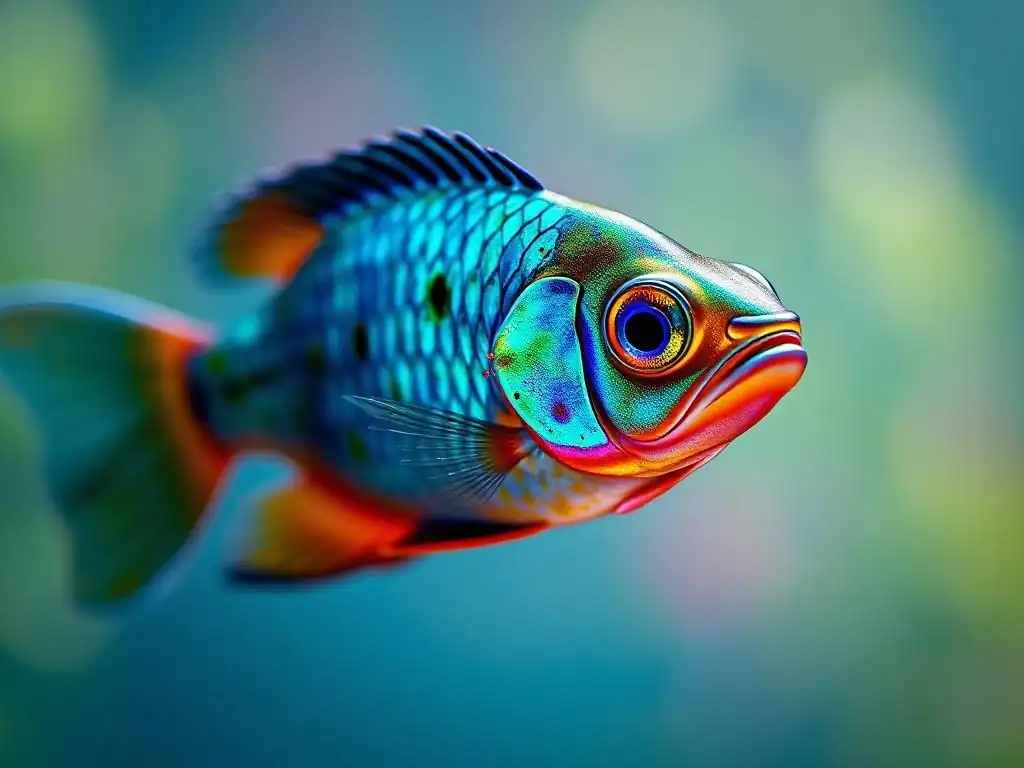
Step 1: Preparing Your Quarantine Tank for New Tiger Barbs
Quarantine Tank Setup Essentials: Ensuring a Safe Space
Before your new Tiger Barbs even arrive, setting up a dedicated quarantine tank is paramount. This isolated environment serves as a safe haven where fish can recover from transport stress, be monitored for diseases, and gradually adapt to your water parameters without risking your main display tank's inhabitants. For a small school of 6-8 Tiger Barbs, a 10-20 gallon tank is generally sufficient for quarantine.
Equip the quarantine tank with essential components: a reliable heater to maintain stable temperatures, a gentle filter (a sponge filter is excellent as it provides both mechanical and biological filtration without strong currents), and a thermometer. Include plenty of hiding spots such as PVC pipes, small caves, or artificial plants to reduce stress. Ideally, the filter should be pre-cycled or seeded with beneficial bacteria from an established tank to ensure ammonia and nitrite are processed efficiently.
Water Parameter Matching: Replicating Your Main Tank
The objective of your quarantine tank setup is to replicate the water parameters of your main display tank as closely as possible. This minimizes the eventual shock when the Tiger Barbs are transferred from quarantine to their permanent home. Test the main tank's water for temperature, pH, general hardness (GH), and carbonate hardness (KH). Then, prepare the quarantine tank water to match these readings.
Use the same water source (e.g., dechlorinated tap water, RO water) and adjust parameters as needed. For example, if your main tank is maintained at 78°F (26°C) with a pH of 6.8, aim for these exact values in your quarantine tank, or at least within a very narrow margin (e.g., ±1°F and ±0.1 pH). This meticulous matching is a critical step in providing a stress-free introduction for your new Tiger Barbs.
Step 2: Floating the Bag: Temperature Acclimation for Tiger Barbs
How Long to Float the Bag: Achieving Temperature Equilibrium
Once your quarantine tank is ready and parameters are matched, the first physical step in your Barbs acclimation tips guide is temperature acclimation. Place the sealed bag containing your Tiger Barbs directly into the quarantine tank, ensuring the entire bag is floating on the water surface. The goal here is to allow the water temperature inside the bag to slowly equalize with the temperature of your tank water.
Allow the bag to float for approximately 15-30 minutes. This duration is generally sufficient for the temperatures to stabilize without significantly depleting oxygen levels inside the sealed bag. Avoid opening the bag during this phase, as doing so would introduce air from your room, which could be colder or warmer than the water, and also allow CO2 to escape, potentially causing a sudden pH spike.
Monitoring Water Temperature During Floating
While the bag is floating, it's advisable to have a thermometer in your tank to confirm its temperature. You can also carefully feel the temperature of the bag and the tank water to get a general sense of when they are close. For precise monitoring, some aquarists might briefly use a digital thermometer on the exterior of the bag.
The principle is simple: heat transfer will occur through the plastic of the bag until the temperatures inside and outside are the same. This is typically the fastest parameter to equalize. Once the 15-30 minute period has passed, the temperature acclimation is complete, and you can proceed to the next, more critical step of water chemistry adjustment.
Step 3: Gradual Water Exchange: Drip Acclimation Method for Tiger Barbs
Setting Up a Drip Acclimation System: A Simple Guide
The drip acclimation method is by far the most effective way to gradually introduce your Tiger Barbs to your tank's water chemistry, minimizing pH and osmotic shock. After floating the bag for temperature acclimation, carefully open it and pour the contents (fish and water) into a clean, appropriately sized container or bucket. Ensure the container is large enough for the fish to swim comfortably, but small enough that the water level is sufficiently deep.
To set up a basic drip acclimation system:
1. Place the container with fish and bag water on the floor, next to your aquarium.
2. Use a piece of airline tubing (approx. 3-4 feet long).
3. Tie a loose knot in the tubing or use an airline control valve to regulate flow.
4. Submerge one end of the tubing in your aquarium water.
5. Suck on the other end of the tubing to start a siphon (be careful not to ingest tank water).
6. Once water is flowing, place the siphoning end into the container with your fish.
7. Adjust the knot or valve to achieve a slow, steady drip.
Adjusting the Drip Rate: Optimizing Water Chemistry Adjustment
The key to successful drip acclimation is a slow and consistent drip rate. A commonly recommended rate is 1-3 drops per second. This seemingly slow pace is intentional, as it provides ample time for your Tiger Barbs' internal systems to gradually adjust to the changing pH, hardness (GH and KH), and any other dissolved solids in your tank water.
A slower drip rate is always preferable, especially if there are significant differences between the bag water and your tank water parameters, or if you are acclimating particularly sensitive species. For Tiger Barbs, who are relatively hardy but still benefit from careful handling, this controlled drip allows their osmoregulation and gill functions to adapt without stress.
How Much Water to Exchange: Achieving Parameter Balance
The goal of drip acclimation is to slowly replace the original bag water with your aquarium water until the water in the container closely matches your tank's parameters. A good rule of thumb is to allow enough tank water to drip into the container to double or triple the original volume of the bag water.
The duration of this process typically ranges from 60 to 90 minutes. However, for very sensitive fish or if you know there are substantial differences in water chemistry (e.g., a pH difference of 0.5 or more), extending the drip acclimation to 2-3 hours can be highly beneficial. Regularly monitor the fish for signs of stress during this period.
Step 4: Releasing Your Tiger Barbs: Minimizing Stress During Transfer
Netting vs. Pouring: Safe Transfer Techniques
Once the drip acclimation is complete and the water in the container closely matches your quarantine tank's parameters, it's time to transfer your Tiger Barbs. The safest and most recommended method is to gently net the fish out of the acclimation container. Use a soft, fine-mesh net to minimize damage to their fins and scales.
It is absolutely crucial not to pour the water from the acclimation container into your quarantine tank or main display tank. This water is likely laden with ammonia, nitrates, and potentially pathogens or medications from the fish store. Introducing this water directly into your established aquarium can contaminate it and compromise its health.
Dimming the Lights: Reducing Initial Stress
Upon transferring your newly acclimated Tiger Barbs to their quarantine tank, it's highly beneficial to dim the aquarium lights or turn them off entirely for the first few hours, or even for the remainder of the day. Bright, sudden lighting can be disorienting and stressful for fish that have just undergone a significant transition and are in a new environment.
Reducing light intensity helps them feel more secure and allows them to explore their new surroundings more calmly. This simple step can significantly reduce initial stress levels, encouraging them to settle in more quickly and reducing the likelihood of hiding or panicked swimming, which are common stress responses in new fish.
Step 5: Monitoring Your Acclimated Tiger Barbs: Observing for Signs of Stress
Tiger Barb Behavior After Acclimation: What to Watch For
After the acclimation process, close observation of your Tiger Barbs is critical for the next few days. Healthy, well-acclimated Tiger Barbs should exhibit normal behaviors such as exploring their new environment, swimming actively, and potentially forming a school if multiple individuals were introduced. Their coloration should be vibrant, and their fins should be open and erect, not clamped against their bodies. Gill movements should be calm and regular.
Key behaviors to observe for in newly acclimated Tiger Barbs:
-   **Normal:**
    -   Active swimming, exploring the tank
    -   Forming a school (if multiple fish)
    -   Bright, vibrant coloration
    -   Fins held open and erect
    -   Calm, regular gill movements
-   **Stress/Distress Signs:**
    -   Excessive hiding or lethargy
    -   Clamped fins (held close to the body)
    -   Rapid or labored gill movements, gasping at the surface
    -   Faded or dull coloration
    -   Erratic swimming, darting, or scratching against objects
    -   Refusal to eat after 24-48 hours
Addressing Potential Issues: Recognizing and Reacting to Stress Symptoms
If you observe persistent signs of stress in your Tiger Barbs, immediate action is necessary. First, re-check all water parameters in the quarantine tank (temperature, pH, ammonia, nitrite, nitrate) to ensure they are stable and within the ideal range for Tiger Barbs. Ammonia and nitrite should always be at 0 ppm.
If parameters are off, perform a small, immediate water change with appropriately conditioned water. Consider adding a high-quality stress coat product containing aloe vera to help protect their slime coat, though avoid adding anything that might interfere with potential disease treatments later. Persistent stress severely weakens a fish's immune system, making them highly susceptible to common diseases like Ich (white spot disease) or fin rot. Early recognition and intervention are key to preventing a full-blown outbreak.
Tiger Barb Acclimation: Common Mistakes to Avoid
Rushing the Acclimation Process: The Dangers of Speed
One of the most common and detrimental mistakes in fish acclimation is rushing the process. Impatience can lead to severe stress, shock, or even death for your new Tiger Barbs. While temperature acclimation is relatively quick (15-30 minutes), the gradual water exchange through drip acclimation should never be hurried. Attempting to acclimate fish too quickly, such as by simply floating the bag for a short time and then immediately releasing them, fails to address crucial differences in water chemistry.
For instance, a 15-minute acclimation might be sufficient for temperature, but it is disastrous if there's a significant pH difference of, say, 0.5 to 1.0 units between the bag water and your tank water. This rapid pH shift can cause severe acid or base burns to the gills and internal organs, leading to irreversible damage. Patience, often extending the drip acclimation to 60-90 minutes or even longer for sensitive cases, is paramount to success.
Ignoring Water Parameters: The Importance of Matching Chemistry
Another critical error is focusing solely on temperature acclimation while ignoring other vital water parameters. While temperature is important, pH, general hardness (GH), and carbonate hardness (KH) are equally, if not more, crucial for the long-term health of your Tiger Barbs. The fish's osmoregulation system is highly sensitive to these chemical differences.
Many aquarists mistakenly believe that simply floating the bag is enough. However, a significant difference in pH, for example, means a tenfold difference in acidity or alkalinity for every 1.0 unit change (e.g., pH 7.0 to pH 6.0 is ten times more acidic). Such a drastic change, if not introduced gradually, can overwhelm the fish's ability to maintain its internal balance, leading to severe physiological distress or death. Always test both the bag water and your tank water to understand the disparities before starting acclimation.
Overcrowding the Quarantine Tank: Minimizing Stressors
While a quarantine tank is essential, overcrowding it, even temporarily, can introduce new stressors for your newly acquired Tiger Barbs. Placing too many fish in a small quarantine tank increases waste production, leading to rapid ammonia and nitrite spikes, which are highly toxic. Overcrowding also increases competition for space and resources, potentially leading to aggression, especially among semi-aggressive species like Tiger Barbs.
For a school of 6-8 Tiger Barbs, a 20-gallon long tank is often recommended for quarantine, providing ample space and stable conditions. A smaller tank, like a 10-gallon, might suffice for 3-4 juveniles but becomes quickly overstocked as they grow. High fish density in a quarantine environment can elevate stress levels, suppress immune function, and make the fish more susceptible to disease outbreaks, undermining the very purpose of quarantine.
Post-Acclimation Tiger Barb Care: Ensuring Long-Term Health
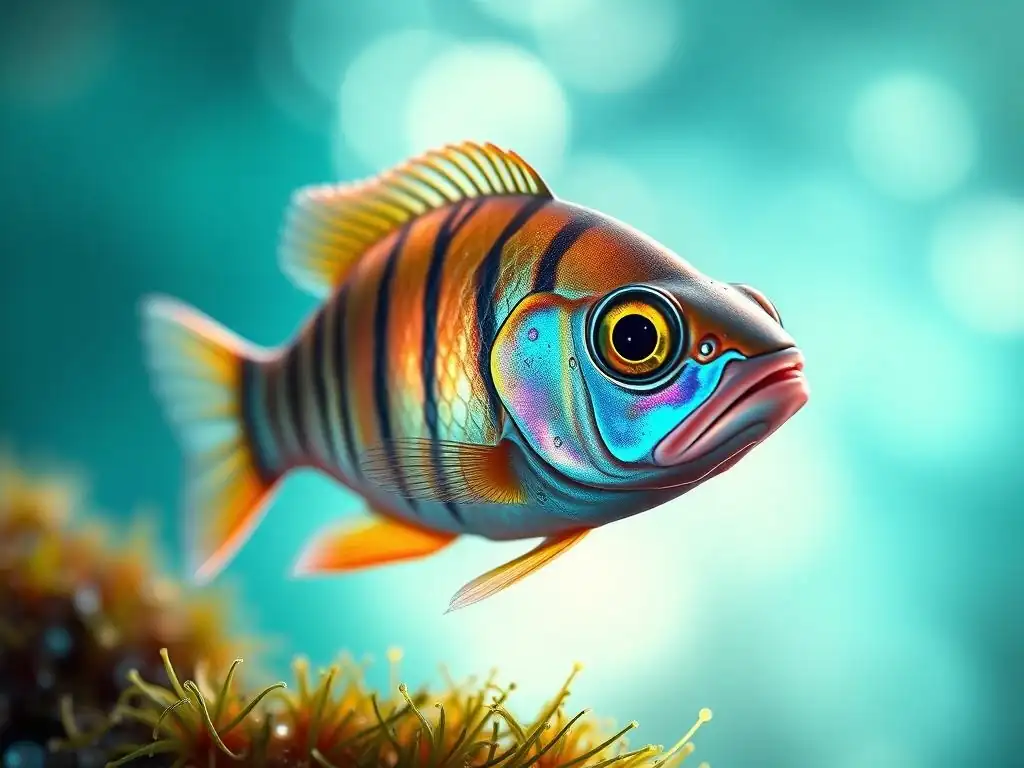
Feeding Your Newly Acclimated Tiger Barbs: Encouraging Appetite
After successfully acclimating your Tiger Barbs to their quarantine tank, it's natural to wonder when to offer their first meal. It's generally best to wait approximately 12-24 hours after their introduction before attempting to feed them. This allows them sufficient time to settle into their new environment and recover from the stress of transport and acclimation.
When you do feed them, offer a small amount of high-quality flake food or sinking pellets. Observe closely to see if they are eating. Some fish may not eat for the first day or two, which is normal as they adjust. Avoid overfeeding, as uneaten food can quickly foul the water, especially in a new or smaller quarantine tank. A good quality diet, including occasional live or frozen foods like brine shrimp or bloodworms, will help them regain strength and vibrancy.
Maintaining Water Quality: Regular Testing and Water Changes
Consistent water quality is paramount for the long-term health of your Tiger Barbs, especially during their quarantine period. Even in a well-cycled quarantine tank, the addition of new fish can lead to minor fluctuations in water parameters. It is crucial to regularly test for ammonia, nitrite, and nitrate, ideally daily for the first few days, then every other day, and finally two to three times a week. Ammonia and nitrite should always remain at 0 ppm.
Regular partial water changes are essential to maintain pristine water conditions. A weekly 25% partial water change is a good general guideline, but you may need to perform smaller, more frequent changes (e.g., 10-15% every few days) if ammonia or nitrite levels begin to rise, or if nitrate levels exceed 20 ppm. Always use dechlorinated water that matches the temperature and pH of the tank water for changes.
Integrating Tiger Barbs into Your Main Tank: A Smooth Transition
The quarantine period for new Tiger Barbs typically lasts 2 to 4 weeks. This duration allows for observation of any potential diseases, recovery from stress, and ensuring they are eating well and behaving normally. If any signs of disease appear, the quarantine period should be extended until the fish are fully recovered and symptom-free.
Once the quarantine period is complete and the fish are healthy, you can begin the process of integrating them into your main display tank. Transfer them gently using a net, similar to how you transferred them into the quarantine tank.
When introducing them to an existing community, it's often beneficial to dim the main tank's lights for a few hours to reduce initial stress and allow the new fish to explore discreetly. Provide plenty of hiding spots and ensure your main tank is adequately sized for the full school of Tiger Barbs to minimize aggression and establish a stable social structure.
Maintaining a Healthy Aquarium Environment for Happy Tiger Barbs
Ideal Water Parameters for Tiger Barbs: Temperature, pH, and Hardness
Maintaining stable and appropriate water parameters is fundamental to the long-term health and happiness of your Tiger Barbs. These active cyprinids thrive within specific ranges that mimic their natural habitats. The ideal water temperature for Tiger Barbs is between 75-80°F (24-27°C). Fluctuations outside this range can suppress their immune system and make them more susceptible to disease.
In terms of water chemistry, Tiger Barbs prefer a slightly acidic to neutral pH, ranging from 6.0 to 7.5. While they can adapt to a wider range, stability is more critical than hitting an exact number. The general hardness (GH) should ideally be between 5-12 dGH (approximately 80-200 ppm). Consistent monitoring with a reliable test kit and regular partial water changes with appropriately conditioned water are key to maintaining these optimal conditions.
Choosing the Right Tank Mates for Your Tiger Barbs
Tiger Barbs are renowned for their energetic schooling behavior and, unfortunately, their tendency to nip the fins of slower-moving or long-finned fish. This semi-aggressive trait makes careful tank mate selection crucial. Ideal tank mates for Tiger Barbs are other active, robust fish of similar size and temperament that can hold their own. Good choices include other fast-swimming Barbs (like Denison Barbs or Rosy Barbs), larger Tetras (such as Congo Tetras or Colombian Tetras), certain Danios, and various species of Plecos or loaches.
Avoid pairing Tiger Barbs with slow-moving fish, species with flowing fins (e.g., Angelfish, Bettas, Guppies, Gouramis), or very small, timid fish that could be easily stressed or bullied. Always keep Tiger Barbs in a school of at least 6-8 individuals. Keeping them in larger groups helps to dilute their aggression, as they tend to nip at each other rather than focusing on other tank inhabitants. This schooling behavior is a natural defense mechanism that reduces stress and promotes their overall well-being.
Preventing Common Tiger Barb Diseases: Ich and Fin Rot
Despite their hardiness, Tiger Barbs are susceptible to common freshwater fish diseases, particularly when stressed or kept in suboptimal conditions. Ich (Ichthyophthirius multifiliis), also known as white spot disease, is a prevalent parasitic infection characterized by small, white spots resembling salt grains on the fish's body and fins. Fin Rot, a bacterial infection, causes fins to appear frayed, ragged, or develop white edges.
Prevention is the best cure for these ailments. Maintaining stable water parameters within their ideal range, providing a nutritious diet, avoiding overcrowding, and implementing a proper Barbs acclimation tips guide are fundamental preventative measures. Studies show that fish kept in optimal conditions with minimal stress have significantly stronger immune responses, reducing the incidence of parasitic infections like Ich by up to 70%. Should a disease outbreak occur, promptly isolate affected fish in a hospital tank and administer appropriate medication while ensuring excellent water quality.
Frequently Asked Questions
What is acclimation and why is it important for new Barbs?
Acclimation is the process of gradually adjusting new fish to the water parameters of your aquarium. It's crucial to prevent shock and ensure their survival.
How long should I float the bag containing my new Barbs in the aquarium?
Float the bag for about 15-30 minutes. This allows the water temperature in the bag to equalize with the aquarium water temperature, preventing thermal shock.
What's the "drip acclimation" method, and is it necessary for Barbs?
Drip acclimation involves slowly introducing aquarium water into the bag containing the Barbs using a drip line. While not always necessary, it's highly recommended for sensitive species or significant parameter differences.
What water parameters are most important to check before acclimating Barbs?
The most important parameters are temperature, pH, ammonia, nitrite, and nitrate. Ensuring these are within the acceptable range for Barbs is crucial for successful acclimation.
What are some signs that my Barbs are stressed after acclimation?
Signs of stress include rapid breathing, clamped fins, erratic swimming, and hiding. Monitor them closely after acclimation and address any water quality issues immediately.
Final Reflection: Cultivating Thriving Aquatic Communities
The journey of introducing new barbs to an aquarium is more than just a technical process; it's about fostering a healthy and vibrant ecosystem. Understanding the delicate balance of their environment and minimizing stress during acclimation is paramount to their long-term well-being. This guide has aimed to provide the tools and knowledge necessary to ensure a smooth transition, setting the stage for a flourishing aquatic community.
The impact of responsible fishkeeping extends far beyond the confines of our tanks. It reflects our commitment to ethical treatment of animals and our understanding of the interconnectedness of life. By prioritizing the well-being of our barbs, we contribute to a culture of respect and responsibility towards all living creatures. The greatness of a nation and its moral progress can be judged by the way its animals are treated.
- Mahatma Gandhi. This quote resonates deeply, reminding us that our actions, even within the seemingly small world of an aquarium, have profound implications.
As you embark on the exciting journey of welcoming new barbs into your home, remember that patience and observation are your greatest allies. Take the time to understand their individual needs, create a welcoming environment, and witness the beauty of their natural behaviors unfold. Let this guide serve as a foundation, but allow your own experiences and observations to shape your approach. Embrace the responsibility and the joy of nurturing these vibrant creatures, and you'll be rewarded with a thriving aquatic community that brings wonder and tranquility to your life.
Dive Deeper into the Barb Universe!
Thanks for exploring the world of barbs with us! We hope this guide has equipped you with the knowledge to welcome these vibrant fish into your aquarium. Now, it's time to put that knowledge into action.
Here's how you can continue your barb-keeping journey:
- Prioritize your barbs' health by implementing a quarantine procedure for all new fish, as described in this article, to prevent the introduction of diseases to your main tank.
- Explore the Aquarium Mastery forum and share your experiences, tips, and photos of your barb community with fellow enthusiasts.
- Consider researching specific barb species not yet featured on Aquarium Mastery and propose a guest article detailing their unique needs and behaviors.
What's the first step you'll take to ensure a smooth transition for your new barbs, and how will you measure its success?