
Unveiling Black Neon Tetra Breeding Secrets: An Aquarium Mastery Advanced Protocol

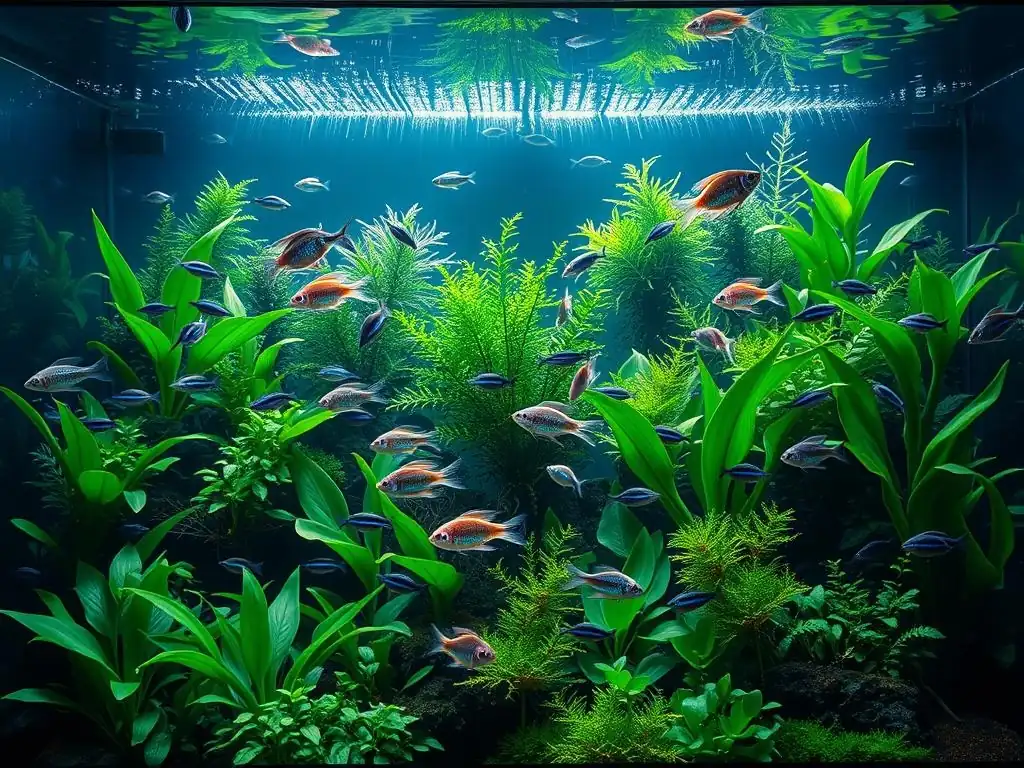
Welcome to Aquarium Mastery!
Ever wondered what it takes to successfully breed those shimmering Black Neon Tetras in your own aquarium? We're diving deep into the often-mysterious world of tetra reproduction with our guide to Black Neon Tetra breeding tips. Prepare to unlock the secrets to creating the perfect spawning environment and nurturing healthy fry. Ready to witness the miracle of life in your freshwater tank? Let's get started!
- Introduction to Black Neon Tetra Breeding
- Setting Up the Ideal Black Neon Tetra Breeding Tank
- Conditioning Black Neon Tetras for Breeding
- The Black Neon Tetra Breeding Process: A Step-by-Step Guide
- Caring for Black Neon Tetra Eggs and Fry
- Troubleshooting Black Neon Tetra Breeding Challenges
- Advanced Black Neon Tetra Breeding Techniques
- Conclusion: Mastering Black Neon Tetra Breeding for the Dedicated Aquarist
-
Frequently Asked Questions
- How difficult is it to breed Black Neon Tetras in a home aquarium?
- What are the ideal water parameters for Black Neon Tetra breeding?
- What type of breeding tank setup is recommended for Black Neon Tetras?
- What should I feed Black Neon Tetra fry after they hatch?
- How long does it take for Black Neon Tetra eggs to hatch and for the fry to become free-swimming?
- Final Reflection: Illuminating the Path to Aquarium Mastery
- Ignite Your Aquarium: Breed Black Neons Like a Pro!
Introduction to Black Neon Tetra Breeding
Why Breed Black Neon Tetras? A Rewarding Challenge for Aquarists
Breeding Black Neon Tetras (Hyphessobrycon herbertaxelrodi) offers a uniquely satisfying challenge for dedicated aquarists, distinguishing itself from the more commonly bred species. Their striking black and white coloration, accented by a vibrant red spot near the caudal fin, makes them highly desirable, and successfully propagating them in a home aquarium is a testament to an aquarist's skill and patience. This endeavor not only provides the immense personal satisfaction of nurturing new life but also contributes to the hobby by making these beautiful fish more widely available through captive breeding.
Beyond the aesthetic appeal, undertaking Black neon tetra breeding tips provides an unparalleled educational experience. It requires a deep dive into specific water chemistry, fish behavior, and nutritional science, enhancing one's overall understanding of aquatic ecosystems. Furthermore, successful breeding efforts reduce the demand for wild-caught specimens, supporting sustainable practices within the ornamental fish trade and helping to preserve natural populations.
Understanding Black Neon Tetra Behavior and Breeding Requirements
Black Neon Tetras originate from slow-moving, acidic blackwater tributaries in the Paraguay and Guaporé River basins in Brazil and Paraguay. In their natural habitat, they are schooling fish, typically reaching about 1.5 inches (approximately 3.8 cm) in length, and exhibit a distinct egg-scattering behavior. Unlike livebearers, they do not give birth to live young; instead, they release tiny, non-adhesive eggs that fall to the substrate or into fine-leaved plants.
To successfully breed these tetras, replicating their native environment's conditions is paramount. This includes maintaining very soft, acidic water, within a specific temperature range, and providing a calm, dimly lit breeding environment. Recognizing the subtle sexual dimorphism—females are generally plumper, especially when gravid, while males are more slender and intensely colored—is also a crucial Black neon tetra breeding tip for selecting suitable breeding pairs.
Setting Up the Ideal Black Neon Tetra Breeding Tank
Choosing the Right Size and Type of Breeding Tank for Black Neon Tetras
For optimal Black neon tetra breeding, a dedicated breeding tank is essential to prevent predation of eggs and fry by other fish, including the parents themselves. A 5 to 10-gallon (approximately 19 to 38 liters) bare-bottom glass aquarium is highly recommended for a single breeding pair or a trio (one male, two females). The smaller volume makes it significantly easier to maintain precise water parameters and allows newly hatched fry to locate food more efficiently.
Glass tanks are preferred over acrylic due to their durability and ease of cleaning, providing clear observation of the spawning process and the delicate eggs. The absence of substrate on the bottom simplifies the collection of eggs and ensures a high level of cleanliness, which is critical for egg viability. Ensuring the tank is placed in a quiet, undisturbed location away from high traffic areas will further reduce stress on the breeding pair.
Water Parameters: Achieving Optimal Breeding Conditions for Black Neon Tetras
Temperature, pH, and Water Hardness for Black Neon Tetra Breeding
Achieving the precise water parameters is perhaps the most critical Black neon tetra breeding tip. For successful spawning and high egg viability, the water temperature should be maintained consistently between 75-79°F (24-26°C). The pH level must be acidic, ideally ranging from 5.5 to 6.5, with some experienced breeders achieving best results closer to pH 5.5-6.0. Water hardness (GH) is equally crucial and should be very soft, ranging from 1-5 dGH (approximately 18-90 ppm).
These specific parameters mimic the soft, acidic blackwater conditions of their natural South American habitats, signaling to the fish that conditions are ideal for reproduction. To achieve such soft, acidic water, many aquarists utilize reverse osmosis (RO) water, often remineralized slightly with a GH booster or mixed with a small percentage of very soft tap water. Filtration through peat moss or the inclusion of driftwood can naturally help lower pH and add tannins, further replicating their native environment. Consistent monitoring with reliable test kits, such as an API Freshwater Master Test Kit, is indispensable to maintain these precise conditions.
Maintaining Pristine Water Quality: Essential for Successful Spawning
Beyond specific parameter ranges, the overall cleanliness and purity of the water are paramount for Black neon tetra breeding. Even trace amounts of ammonia, nitrites, or elevated nitrates can stress the breeding pair, inhibit spawning, or lead to egg fungusing and fry mortality. Therefore, the breeding tank must be meticulously clean and free of pollutants.
A gentle filtration system is required to maintain water quality without creating strong currents that could disturb eggs or newly hatched fry. A small, air-driven sponge filter is ideal, as it provides both mechanical and biological filtration with minimal water disturbance. Once the breeding pair is introduced, daily small water changes of 10-20% with aged, temperature-matched, and pre-conditioned RO water are often recommended to keep the water pristine and stimulate spawning behavior.
Substrate and Decorations: Creating a Safe and Stimulating Breeding Environment
Spawning Mops vs. Plants: Which is Best for Black Neon Tetras?
As egg scatterers, Black Neon Tetras require a suitable medium for their eggs to be deposited. Two popular options are spawning mops and fine-leaved plants. Spawning mops, typically made from synthetic yarn, are highly effective because they are easy to clean, sterilize, and retrieve once eggs have been laid. Their structure provides numerous surfaces for eggs to adhere to or fall into, protecting them from predation by the parents. For beginners in Black neon tetra breeding, mops are often the preferred choice due to their simplicity and high egg retrieval rate.
Alternatively, densely packed fine-leaved plants like Java Moss (Taxiphyllum barbieri), Anacharis (Egeria densa), or Water Sprite (Ceratopteris thalictroides) can mimic a natural spawning site. While visually appealing, using plants can make egg collection more challenging and introduce the risk of unwanted pests or pathogens. If using plants, ensure they are thoroughly disinfected or quarantined beforehand. Regardless of the choice, the medium should be placed at the bottom of the tank, providing ample hiding spots for eggs.
Minimizing Light: Essential for Black Neon Tetra Egg Survival
A critical, yet often overlooked, Black neon tetra breeding tip involves minimizing light exposure during and after spawning. Black Neon Tetra eggs are highly sensitive to light and extremely susceptible to fungusing if exposed to bright conditions. In their natural habitat, they spawn in dimly lit, often tannin-stained waters, and their eggs have evolved to thrive in such environments.
To protect the delicate eggs, it is advisable to keep the breeding tank in near darkness once the breeding pair has been introduced and especially after spawning. This can be achieved by placing the tank in a dimly lit room or, more effectively, by covering the tank with a dark cloth or blackout material. This dark environment not only helps prevent fungal growth on the eggs but also reduces stress on the breeding fish, encouraging them to spawn more readily.
Conditioning Black Neon Tetras for Breeding
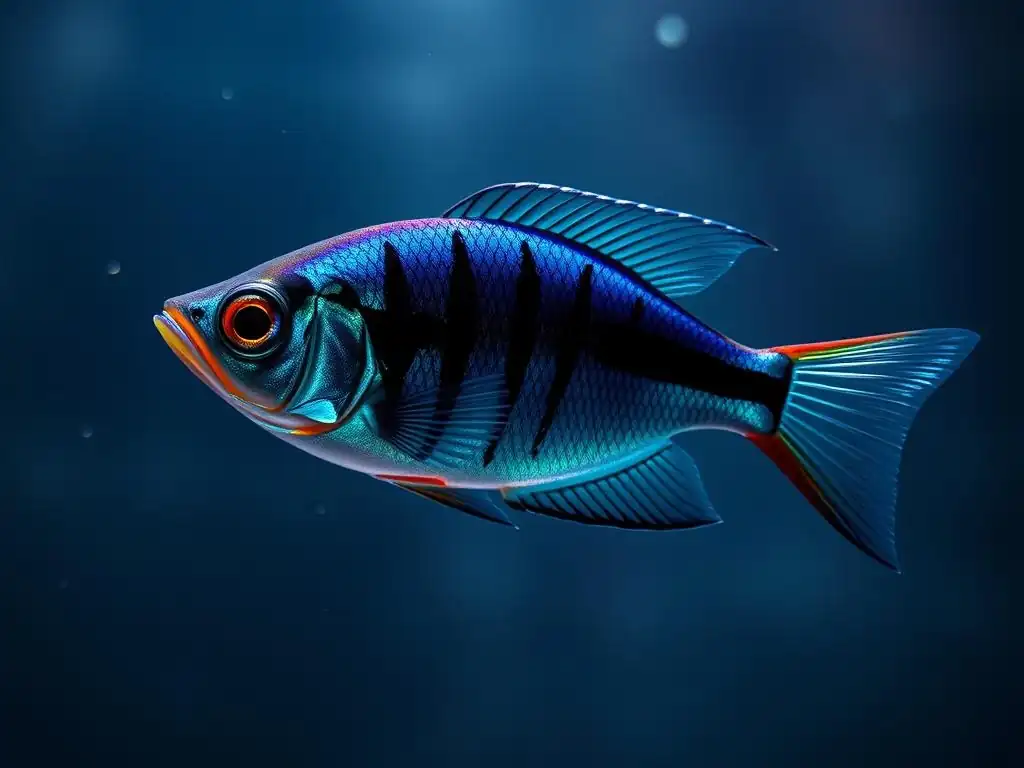
The Importance of a Varied and Nutritious Diet for Breeding Black Neon Tetras
Proper dietary conditioning is paramount for successful Black neon tetra breeding. A well-nourished breeding pair is significantly more likely to spawn and produce a higher yield of viable eggs and healthy fry. A varied diet that closely mimics their natural foraging habits provides all the necessary proteins, fats, vitamins, and minerals required for optimal reproductive health and vitality.
For at least two weeks leading up to the breeding attempt, the prospective parents should be fed a rich and diverse diet. This rigorous feeding regimen helps the female develop a full complement of high-quality eggs and ensures the male produces strong, motile sperm. Feeding small amounts multiple times a day, rather than one large meal, is also beneficial, promoting better digestion and nutrient absorption.
Live Foods: A Key Component of Pre-Breeding Conditioning
Live foods are an indispensable component of pre-breeding conditioning for Black Neon Tetras. They are highly palatable, stimulate natural hunting instincts, and provide superior nutritional value compared to processed foods. Key live food options include newly hatched brine shrimp (Artemia nauplii), daphnia (Daphnia magna), bloodworms (Chironomidae larvae), and grindal worms (Enchytraeus buchholzi).
Feeding these live foods 2-3 times daily for 1-2 weeks before introducing the pair into the breeding tank significantly enhances their readiness to spawn. Brine shrimp, for instance, are rich in protein and essential fatty acids, contributing to robust egg and sperm development. Ensure that any live foods sourced are free from parasites or diseases, or consider culturing them yourself to guarantee purity.
High-Quality Flake Food Supplementation for Black Neon Tetras
While live foods are crucial, supplementing with high-quality flake or micro-pellet foods remains an important Black neon tetra breeding tip. Premium flake foods, especially those fortified with vitamins and spirulina, provide a balanced nutritional base and ensure that the fish receive a broad spectrum of nutrients that might be less abundant in a live-food-only diet.
It is advisable to offer a mix of live and high-quality prepared foods, alternating between them to provide comprehensive nutrition. Choose flakes or pellets specifically designed for small tropical fish, ensuring they are fresh and stored properly to retain their nutritional content. This combined approach ensures the breeding pair is in peak condition, maximizing their potential for a successful spawn.
Separating Males and Females: Triggering Breeding Behavior
A common and highly effective Black neon tetra breeding tip involves separating the male and female Black Neon Tetras for a period before introducing them into the breeding tank. This technique, often referred to as "conditioning separation," serves multiple purposes: it allows the female to become fully gravid with eggs without being constantly harassed by the male, and it builds anticipation, which can act as a powerful trigger for spawning when they are reunited.
Separate the sexes into individual tanks or divided compartments of the same tank for at least 5-7 days. During this period, continue to feed them the high-quality, varied diet, with a strong emphasis on live foods. Observe the female closely; a noticeably plumper, rounder belly is a clear indication that she is filling with eggs and is ready for spawning. Once both sexes are in optimal condition, they can be introduced to the prepared breeding tank.
The Black Neon Tetra Breeding Process: A Step-by-Step Guide
Introducing the Breeding Pair: Observing Spawning Behavior
The introduction of the breeding pair to the meticulously prepared tank is a critical moment in Black neon tetra breeding. It is generally recommended to introduce the female first, allowing her a few hours to acclimate to the new environment and parameters before adding the male. This strategy helps reduce stress on the female and allows her to find suitable hiding and spawning spots. Spawning typically occurs in the early morning hours, often at daybreak, within 24 to 48 hours of the pair's introduction.
During courtship, the male will exhibit increased activity, often chasing and quivering around the female. The actual spawning act involves the male wrapping his body around the female, pressing against her side, as she releases tiny, clear eggs while he simultaneously releases sperm for fertilization. This process is usually repeated multiple times, with eggs being scattered over the spawning medium. A healthy female can lay anywhere from 50 to 150 eggs in a single spawning event.
Spawning Indicators: Recognizing the Signs of Successful Breeding
Recognizing the signs of successful spawning is a crucial Black neon tetra breeding tip for ensuring the safety of the eggs. The primary indicator is the presence of small, clear, non-adhesive eggs scattered on the spawning mop or fine-leaved plants, or occasionally on the bare bottom of the tank. After a successful spawn, the female's abdomen will appear noticeably deflated, indicating that she has released her eggs.
It is important to differentiate viable eggs from infertile ones; fertile eggs are typically transparent, while infertile eggs will turn opaque and white within a few hours. Any fungused eggs will also appear cloudy. Careful observation, often with a flashlight, is necessary to confirm the presence of eggs, as they are very small and can be difficult to spot against certain backgrounds.
Removing the Parents: Preventing Egg Consumption
Once spawning is complete, an immediate and critical Black neon tetra breeding tip is the removal of the parent fish. Like many other egg-scattering species, Black Neon Tetras have a strong instinct to consume their own eggs and newly hatched fry. If the parents are left in the breeding tank, the vast majority, if not all, of the eggs will be eaten within a short period, severely impacting the success rate of your breeding efforts.
As soon as you observe that spawning has finished and the eggs have been laid (typically within a few hours of the first eggs appearing), gently net the breeding pair and return them to their main community tank or a separate recovery tank. This simple, yet vital, step dramatically increases the survival rate of the delicate eggs and ensures a higher yield of fry.
Caring for Black Neon Tetra Eggs and Fry
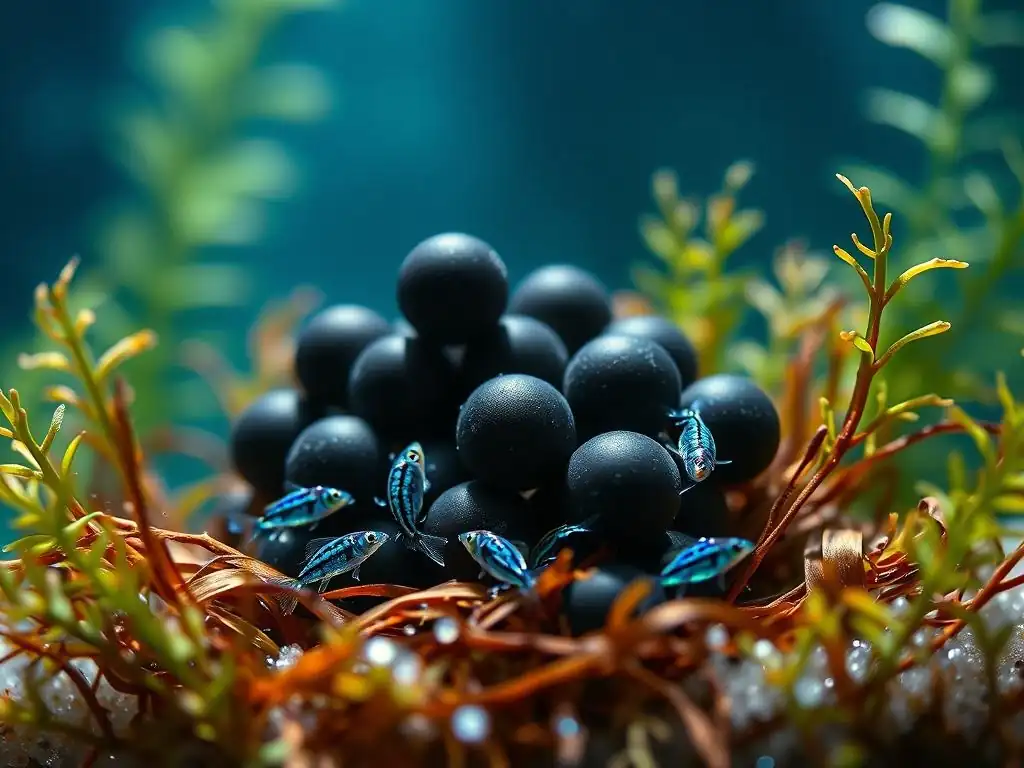
Protecting the Eggs: Preventing Fungus and Maintaining Water Quality
Protecting Black Neon Tetra eggs from fungal infections is paramount, as fungus is a primary cause of egg loss. The extreme light sensitivity of the eggs necessitates a very dim environment or complete darkness, as bright light significantly promotes fungal growth. Beyond light control, maintaining pristine water quality is critical. The precise water parameters (pH 5.5-6.5, GH 1-5 dGH) and temperature (75-79°F/24-26°C) must be rigidly maintained.
To further combat fungus, some experienced aquarists add a few drops of methylene blue solution to the water (e.g., 1 drop per gallon or 3.8 liters), which acts as an effective anti-fungal and antibacterial agent. Daily small water changes of 10-15% with aged, temperature-matched, and conditioned water are essential to remove any waste products and maintain purity. Furthermore, any fungused or infertile eggs, which typically turn white and opaque, should be promptly removed using a pipette or turkey baster to prevent the spread of infection to healthy eggs.
Hatching Black Neon Tetra Eggs: Understanding the Incubation Period
Black Neon Tetra eggs typically have a relatively short incubation period. At optimal temperatures, around 77°F (25°C), the delicate eggs will usually hatch within 24 to 36 hours. The newly hatched fry are incredibly tiny, almost transparent, and possess a visible yolk sac that provides their initial nourishment.
For the first 2-3 days post-hatch, the fry will remain largely motionless, often clinging to the sides of the tank or resting on the bottom, absorbing their yolk sac. During this period, they do not require external feeding. It is crucial to maintain the dim lighting conditions during this initial stage to further reduce stress and support their development. As their yolk sacs diminish, the fry will gradually become free-swimming, signaling their readiness to begin feeding.
First Foods for Black Neon Tetra Fry: Feeding Newly Hatched Fry
Infusoria, Liquid Fry Food, and Baby Brine Shrimp
Once Black Neon Tetra fry become free-swimming (typically 2-3 days after hatching), their feeding regimen becomes the next critical Black neon tetra breeding tip. Due to their minuscule size, their first foods must be microscopic. Infusoria, a collective term for various microscopic organisms, are ideal for the first few days. These can be cultured at home using vegetable matter or hay. Alternatively, commercially available liquid fry foods specifically formulated for egg-laying fish provide a convenient and nutritious option for newly hatched fry.
After approximately 7-10 days, as the fry grow slightly, they can be transitioned to newly hatched baby brine shrimp (Artemia nauplii). These highly nutritious crustaceans are a perfect size for growing fry and provide the essential proteins and fats needed for rapid development. Feeding should be frequent – 4 to 6 small meals per day – to ensure a constant supply of food for the rapidly growing fry. It is vital to avoid overfeeding, as uneaten food can quickly foul the water and lead to disease.
Gradual Grow-Out: Promoting Healthy Development in Black Neon Tetra Fry
Regular Water Changes: Maintaining Optimal Water Conditions for Fry Growth
Maintaining pristine water conditions is even more critical for Black Neon Tetra fry than for adult fish, and regular water changes are the cornerstone of healthy grow-out. Fry are highly sensitive to metabolic waste products, and even low levels of ammonia or nitrates can stunt their growth or lead to mortality. Daily small water changes of 10-20% are crucial to remove waste from frequent feeding and to maintain the stable, soft, acidic parameters essential for rapid and healthy development.
When performing water changes, use aged, temperature-matched, and conditioned water to prevent shocking the delicate fry. A small air line hose or a turkey baster can be used to carefully siphon water from the bottom of the tank, removing detritus without disturbing or accidentally sucking up the tiny fry. Replenish the water slowly to avoid sudden changes in water chemistry or temperature.
Preventing Common Fry Diseases: A Proactive Approach
Black Neon Tetra fry are particularly susceptible to common aquarium diseases such as velvet (Oodinium) and ich (Ichthyophthirius multifiliis), often exacerbated by fluctuating water parameters, poor water quality, or stress. A proactive approach to disease prevention is far more effective than attempting to treat an outbreak in a tank full of delicate fry.
The most effective preventative measures include strict adherence to the water change schedule, maintaining stable temperature and water parameters, and providing a consistently nutritious diet. Avoid any sudden temperature fluctuations, which can weaken the fry's immune systems. Quarantining any live food cultures before feeding them to the fry can also prevent the introduction of pathogens. If disease symptoms are observed, prompt identification and treatment with fry-safe medications, if available, are critical. However, the best Black neon tetra breeding tip for disease prevention is a clean, stable, and well-fed environment.
Troubleshooting Black Neon Tetra Breeding Challenges
Identifying and Addressing Common Breeding Problems
Infertile Eggs: Causes and Solutions
The presence of infertile eggs, which typically turn white and opaque within hours of spawning, is a common challenge in Black neon tetra breeding. Several factors can contribute to infertility. Poor conditioning of the parent fish, particularly insufficient protein and fat in their diet, can result in low-quality eggs or sperm. Incorrect water parameters, especially pH and hardness levels that are too high, can also significantly reduce egg viability. Additionally, very young or overly old breeding stock may have reduced fertility.
To address this, ensure a rigorous conditioning regimen with ample live foods for at least two weeks prior to spawning. Double-check all water parameters (pH 5.5-6.5, GH 1-5 dGH, Temp 75-79°F) using calibrated test kits, and adjust as necessary. If the issue persists, consider trying a different male or female, as individual fish may simply be infertile. Sometimes, the first spawn from a pair can have a higher percentage of infertile eggs, with subsequent spawns yielding better results.
Failure to Spawn: Diagnosing and Resolving the Issue
If your Black Neon Tetras fail to spawn despite being introduced to the breeding tank, it often indicates that one or more environmental or physiological conditions are not met. Common causes include stress from disturbances, incorrect water parameters, insufficient conditioning, or an unsuitable breeding environment. Overly bright lighting, strong water currents from filtration, or frequent disturbances can inhibit natural spawning behavior.
To resolve this, meticulously re-evaluate every aspect of your setup. Ensure the temperature is at the higher end of the optimal range (78-79°F/25.5-26°C) and that the pH is definitively below 6.5, ideally 5.5-6.0. Increase the frequency and quantity of live food offerings for the parents. Confirm the tank is dimly lit and located in a quiet, undisturbed area. Sometimes, simply allowing more time (up to 3-4 days), or performing a small, fresh water change with slightly cooler water to mimic a rain event, can trigger spawning. If all else fails, trying a different breeding partner may be necessary.
Fry Mortality: Minimizing Losses and Maximizing Survival Rates
High fry mortality is a disheartening but common challenge in Black neon tetra breeding. The primary culprits are typically poor water quality, insufficient food, incorrect food size, rapid fluctuations in water parameters, or disease. Newly hatched fry are extremely delicate and highly sensitive to environmental changes and pollutants.
To minimize losses and maximize survival rates, implement rigorous daily small water changes (10-20%) to maintain pristine water conditions, removing waste from frequent feedings. Ensure a constant supply of appropriate-sized food; infusoria for the first few days, transitioning to newly hatched baby brine shrimp. Maintain stable temperature and water parameters without sudden shifts. If disease is suspected, early identification is crucial, and treatment must be limited to fry-safe medications, if absolutely necessary. Proactive measures, such as maintaining a clean, stable environment and providing optimal nutrition, are the most effective Black neon tetra breeding tips for maximizing fry survival.
Advanced Black Neon Tetra Breeding Techniques
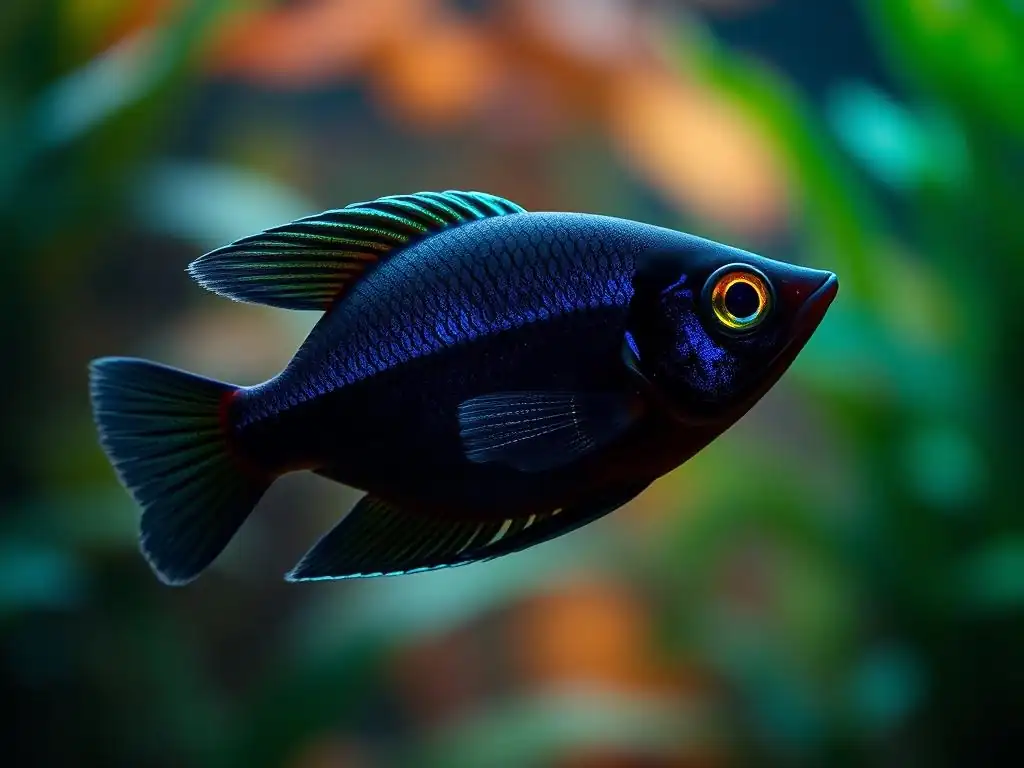
Selective Breeding: Enhancing Color and Finnage
For the dedicated aquarist, Black neon tetra breeding can evolve into selective breeding, a technique used to enhance desirable traits over successive generations. This involves carefully choosing individuals from a spawn that exhibit superior characteristics, such as deeper black coloration, more vibrant red accents, or improved finnage, to become the parents for the next generation. By consistently selecting for these traits, breeders can gradually develop distinct and visually stunning strains.
To implement selective breeding effectively, meticulous record-keeping is essential. Document the parentage of each spawn and carefully track the traits of the offspring. As fry grow, identify the specimens that best embody the desired characteristics. These chosen individuals should then be isolated and conditioned for breeding, forming the foundation of your next generation. This process requires patience, a keen eye for detail, and a fundamental understanding of basic genetics, often spanning multiple breeding cycles to achieve significant improvements.
Maintaining Genetic Diversity: Preventing Inbreeding
While selective breeding focuses on enhancing specific traits, it inherently narrows the gene pool, increasing the risk of inbreeding depression. Continuous breeding from a small, related group of fish can lead to a decline in overall health, reduced fertility, smaller size, increased susceptibility to disease, and even physical deformities. After just 2-3 generations of close inbreeding, these negative effects can become noticeable in your Black neon tetra breeding program.
To counteract the detrimental effects of inbreeding and maintain genetic diversity, it is crucial to introduce new, unrelated breeding stock periodically. This could involve acquiring new fish from different sources every 3-4 generations to refresh the gene pool. Alternatively, maintaining multiple distinct breeding lines from different initial parent groups and occasionally cross-breeding these lines can help introduce new genetic material and maintain vigor within your population. This strategic approach ensures the long-term health and robustness of your Black Neon Tetra colony.
Recording Breeding Data: Tracking Success and Identifying Trends
A hallmark of advanced Black neon tetra breeding is the meticulous recording and analysis of breeding data. Keeping a detailed logbook for each breeding attempt transforms the process from a speculative endeavor into a systematic, repeatable science. Essential data points to record include the date of parent introduction, the date and estimated size of spawning, the number of eggs laid, the hatch rate, the number of free-swimming fry, and subsequent fry count at different growth stages.
Beyond numerical data, also document key environmental parameters (temperature, pH, GH) for each spawn, along with the specific feeding regimen used for conditioning parents and fry. Note any observed issues, such as infertile eggs, failure to spawn, or fry mortality, along with any corrective actions taken. This comprehensive data allows aquarists to identify optimal conditions for Black neon tetra breeding, troubleshoot recurring problems, track the genetic lineage of their fish, and continually refine their protocols for consistent and improved success.
Conclusion: Mastering Black Neon Tetra Breeding for the Dedicated Aquarist
Continuing Your Black Neon Tetra Breeding Journey: Resources and Further Learning
Mastering Black neon tetra breeding is a deeply rewarding journey that demands dedication, precision, and an unwavering commitment to the well-being of your aquatic charges. It is an endeavor that challenges your understanding of water chemistry, fish behavior, and aquatic husbandry, ultimately deepening your appreciation for the intricate life cycles within your aquarium. While initial attempts may present hurdles, each experience offers invaluable Black neon tetra breeding tips and insights, transforming setbacks into learning opportunities.
For the truly dedicated aquarist, the journey of Black Neon Tetra breeding is continuous. To further refine your techniques and expand your knowledge, actively engage with the broader aquarist community. Online forums, local aquarium clubs, and specialized fish breeding publications offer a wealth of shared experiences, advanced techniques, and troubleshooting advice. Collaborating with other breeders, exchanging insights, and even trading genetic lines can provide fresh perspectives and accelerate your progress toward achieving consistent and successful Black Neon Tetra propagation.
Frequently Asked Questions
How difficult is it to breed Black Neon Tetras in a home aquarium?
Breeding Black Neon Tetras can be challenging, requiring specific water parameters and a dedicated breeding tank. They are known to be egg scatterers and the eggs are sensitive to light.
What are the ideal water parameters for Black Neon Tetra breeding?
Soft, acidic water is crucial. Aim for a pH between 5.5 and 6.5, a GH (General Hardness) below 4 dGH, and a temperature around 78-82°F (25-28°C). Maintaining pristine water quality is also essential.
What type of breeding tank setup is recommended for Black Neon Tetras?
A small, dimly lit tank with a sponge filter and a spawning mop or fine-leaved plants like Java Moss is ideal. This provides a safe haven for the eggs and prevents the parents from eating them.
What should I feed Black Neon Tetra fry after they hatch?
Initially, feed them infusoria or commercially available liquid fry food. As they grow, transition to baby brine shrimp and microworms. Regular, small feedings are best.
How long does it take for Black Neon Tetra eggs to hatch and for the fry to become free-swimming?
Eggs typically hatch within 24-36 hours. The fry become free-swimming after about 3-5 days, at which point you can begin feeding them.
Final Reflection: Illuminating the Path to Aquarium Mastery
The journey into black neon tetra breeding, as we've explored, is far more than just a technical exercise; it's a testament to our dedication to understanding and nurturing life within the delicate ecosystem of our aquariums. The insights shared, from water parameters to fry care, are not merely instructions, but rather keys unlocking a deeper connection with these captivating creatures and the art of responsible aquascaping.
This pursuit of knowledge, this striving for mastery, resonates far beyond the confines of our tanks. It reflects a broader human desire to understand and influence the natural world, to create and sustain life. The best way to observe a fish is to become a fish.
This sentiment, though perhaps whimsical, underscores the empathy and dedication required to truly succeed in breeding these beautiful fish, and in turn, enriching our own lives.
Now, armed with these black neon tetra breeding tips, I invite you to reflect on your own role in the aquarium hobby. Consider how you can apply these principles of careful observation, meticulous planning, and unwavering dedication not only to breeding these fascinating fish, but also to fostering a more sustainable and enriching relationship with the natural world around you. Let the glow of the black neon tetra inspire you to illuminate your own path to mastery, in whatever form it may take.
Ignite Your Aquarium: Breed Black Neons Like a Pro!
Thank you for diving deep into the world of Black Neon Tetra breeding! We hope you've gained valuable insights to elevate your aquarium hobby. Now, it’s time to put that knowledge into action and witness the magic firsthand.
Here's how you can take the next step:
- Begin preparing a dedicated breeding tank using the guidelines detailed in this article – this is the most important step for success!
- Explore the diverse experiences of other aquarists breeding similar species. Share your breeding journey on aquarium forums and learn new tips.
- Consider researching alternative live food options beyond brine shrimp to provide your Black Neon Tetra fry with the best start.
Ready to transform your aquarium into a breeding haven for Black Neon Tetras? What specific element of the breeding process are you most excited to try?