
Establishing Multiple Tetra Breeding Tanks: An Aquarium Mastery Organizational Guide

Welcome to Aquarium Mastery!
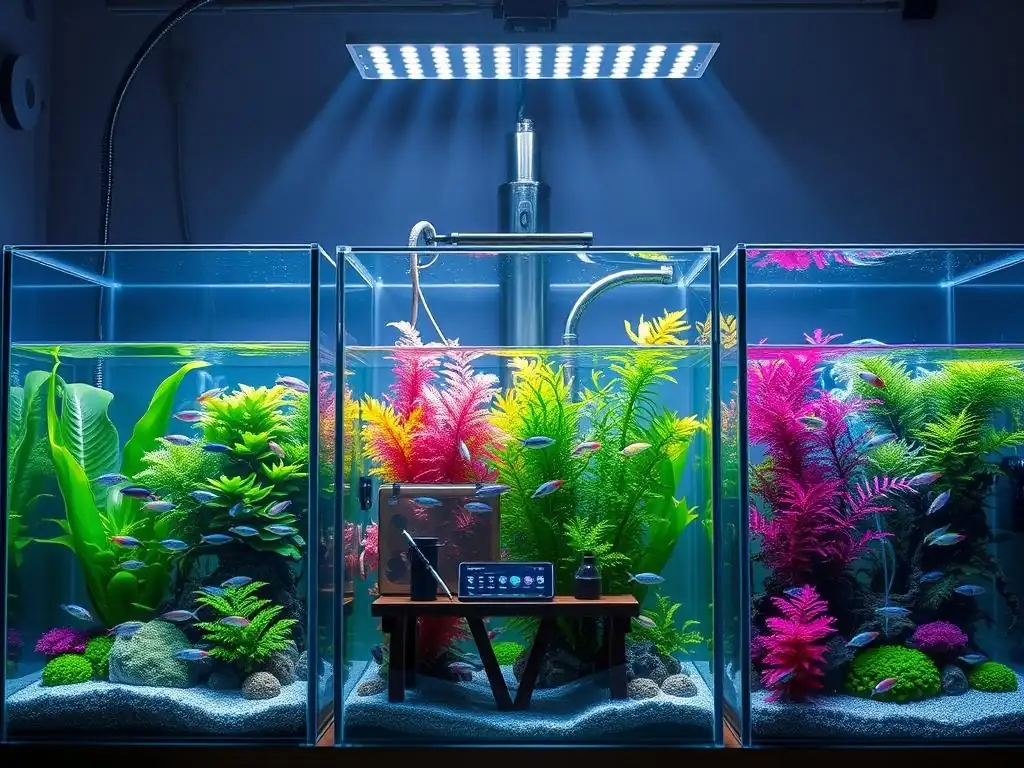
Ever dreamed of a thriving school of vibrant Tetras you personally bred? This article dives deep into the art of setting up multiple Tetra breeding tanks, guiding you through every step from choosing the right tank size to mastering water parameters. Ready to unlock the secrets to successful Tetra breeding and transform your aquarium hobby? Let's begin!
- Introduction: Mastering Tetra Breeding with Multiple Tanks
- Why Establish Multiple Tetra Breeding Tanks? Benefits and Advantages
- Planning Your Tetra Breeding Tank Setup: Key Considerations
-
Selecting the Right Tetra Breeding Tanks and Equipment
- Tank Size and Material Recommendations for Tetra Fry
- Essential Filtration Systems for Tetra Breeding Tanks
- Heating and Lighting Solutions for Optimal Tetra Breeding
- Choosing the Right Substrate and Decorations for Tetra Fry Survival
- Air Pumps and Circulation: Ensuring Oxygenation in Tetra Breeding Tanks
- Setting Up Individual Tetra Breeding Tanks: A Step-by-Step Guide
- Managing Water Quality in Multiple Tetra Breeding Tanks
- Feeding Tetra Fry: Nutritional Requirements and Feeding Strategies
- Tetra Fry Care and Maintenance: Ensuring Healthy Development
- Organizing and Tracking Tetra Breeding Data
- Troubleshooting Common Tetra Breeding Challenges
- Conclusion: Optimizing Your Tetra Breeding Program for Success
-
Frequently Asked Questions
- How many tanks are recommended for a successful Tetra breeding tank setup?
- What are the ideal water parameters for a Tetra breeding tank setup?
- What type of filtration is best for a Tetra breeding tank setup?
- What kind of plants or spawning media should I use in my Tetra breeding tank setup?
- How often should I perform water changes in my Tetra breeding tank setup?
- Final Reflection: Cultivating Aquatic Life and Organizational Mastery
- Unleash Your Tetra Breeding Potential!
Introduction: Mastering Tetra Breeding with Multiple Tanks
Embarking on the journey of breeding tetras can be a highly rewarding aspect of aquarium keeping, transforming a casual hobby into a dedicated pursuit. While breeding tetras in a community tank can yield occasional fry, establishing multiple dedicated tetra breeding tank setup systems is the cornerstone for serious aquarists aiming for consistent and significant success. This advanced approach provides unparalleled control over environmental conditions, greatly increasing the chances of successful spawning, egg hatching, and robust fry development.
This guide from Aquarium Mastery will walk you through the comprehensive process of setting up and managing an organized multi-tank tetra breeding operation. From initial planning and equipment selection to meticulous water quality management and fry care, we'll cover every detail to help you optimize your tetra breeding program and achieve your breeding goals. Mastering this methodology will not only boost your production but also deepen your understanding of these fascinating freshwater fish.
Why Establish Multiple Tetra Breeding Tanks? Benefits and Advantages
Increased Tetra Fry Production and Survival Rates
Dedicated tetra breeding tank setup significantly boosts the number of fry that survive to adulthood. In a community tank, adult fish (even the parents) and other tank inhabitants are opportunistic predators, often consuming eggs shortly after they are laid and newly hatched fry. By isolating breeding pairs and, subsequently, the eggs and fry, survival rates can dramatically improve, often jumping from under 10% in a mixed environment to over 70-80% in a controlled breeding setup. This controlled environment minimizes stress and reduces exposure to potential diseases that might be present in a larger, more diverse aquarium.
Furthermore, multiple tanks allow for precise management of water parameters tailored specifically for egg development and early fry stages. For instance, a single female Neon Tetra ( Paracheirodon innesi) can lay between 60 to 130 eggs per spawn, while a Cardinal Tetra ( Paracheirodon axelrodi) can lay up to 500 eggs. With several breeding tanks, an aquarist can facilitate concurrent spawns from multiple pairs or successive spawns from the same pair, leading to a substantial increase in overall fry yield over a breeding season. This scaled approach is vital for anyone looking to raise a significant number of tetras.
Controlled Breeding Environments for Different Tetra Species
Different tetra species often have distinct environmental requirements for optimal spawning. For example, Neon Tetras and Cardinal Tetras prefer very soft, acidic water (pH 5.5-6.5, GH 1-5 dGH), whereas Black Skirt Tetras ( Gymnocorymbus ternetzi) are more tolerant and can spawn in slightly harder, neutral water (pH 6.5-7.5, GH 5-10 dGH). Establishing multiple tanks allows the breeder to precisely tailor water chemistry, temperature, and even lighting conditions to meet the specific needs of each species without compromising the environment for others. This level of customization is impractical in a single tank setup.
Moreover, specific spawning substrates or conditions might be required. Many egg-scattering tetras, like the popular Lemon Tetra ( Hyphessobrycon pulchripinnis), prefer dense clumps of fine-leaved plants or spawning mops to deposit their adhesive eggs. Conversely, some species might require a bare-bottom tank for easy egg collection. A multi-tank system ensures that each tetra breeding tank setup can be optimized with the appropriate substrate, plants, or décor to maximize spawning success for a diverse collection of tetra species, leading to higher fertilization rates and healthier eggs.
Minimizing Cross-Contamination and Hybridization Risks
Housing multiple fish species or even different genetic lines of the same species in a single environment increases the risk of disease transmission. A dedicated tetra breeding tank setup acts as an isolation unit, significantly reducing the chances of pathogens like Ichthyophthirius multifiliis ("Ich") or Velvet spreading rapidly through your entire breeding stock. This separation allows for targeted treatment in an affected tank without exposing healthy fish, protecting your overall investment and ensuring the well-being of your breeding pairs and delicate fry. Implementing strict quarantine protocols for all new fish entering the facility further enhances biosecurity.
Beyond disease control, multiple tanks are crucial for preventing accidental hybridization. While many tetra species are distinct enough to prevent interbreeding, some closely related species or color morphs within the same genus (e.g., different Hyphessobrycon species or various Paracheirodon color strains) can potentially hybridize. This can dilute genetic purity and lead to undesirable traits in offspring. By maintaining separate, isolated breeding tanks for each species or genetic line, breeders can meticulously control parentage, ensuring the purity and integrity of their specific tetra strains, which is paramount for maintaining high-quality breeding stock.
Enhanced Tetra Genetic Line Management
A multi-tank tetra breeding program provides an unparalleled opportunity for sophisticated genetic line management. Breeders can isolate specific pairs or groups of tetras based on desired genetic traits, such as vibrant coloration, unique finnage, improved disease resistance, or larger size. This isolation allows for selective breeding, where only individuals exhibiting the most desirable characteristics are chosen to reproduce, thereby enhancing these traits in subsequent generations. For example, a breeder might isolate a pair of Neon Tetras with exceptionally bright blue coloration to propagate that specific trait.
This organized approach also simplifies the process of record-keeping and culling. With individual tanks, it becomes easy to track the progeny of specific breeding pairs, monitor their growth, and identify any undesirable traits or deformities (e.g., bent spines, stunted growth) in the fry. Individuals with these traits can be removed (culled) without affecting other breeding lines, ensuring that only the healthiest and most robust fish contribute to the future of the tetra breeding program. This meticulous selection is vital for developing and maintaining strong, healthy, and high-quality genetic lines over time.
Planning Your Tetra Breeding Tank Setup: Key Considerations
Determining the Number of Tanks Needed Based on Breeding Goals
The number of tetra breeding tanks required is directly proportional to your breeding ambitions. For a casual hobbyist aiming for a few successful spawns per year, 3-5 tanks might suffice: one for conditioning the breeding pair, one for spawning, and 1-3 for fry grow-out stages. However, for a semi-professional or dedicated breeder aiming for continuous production or multiple species, 10 or more tanks could be necessary. Consider the spawning frequency of your target species; some tetras can spawn every 1-2 weeks when properly conditioned, necessitating multiple tanks to handle successive batches of eggs and fry.
When planning, factor in the entire life cycle of the fry. You'll need tanks for eggs, newly hatched fry (which are incredibly delicate), and then larger grow-out tanks as they develop. For instance, if you aim to produce 50 adult tetras of a specific strain per month, calculate the number of successful spawns needed and then the corresponding tanks required for each phase: spawning, early fry, and juvenile grow-out. It's often prudent to allocate slightly more capacity than immediately necessary to accommodate unexpected successful spawns or to allow for future expansion of your tetra breeding program.
Space Requirements and Tank Placement Strategies
Efficient space utilization is critical when establishing multiple tetra breeding tank setup systems. A standard 5-gallon (approximately 19-liter) tank, often ideal for spawning small tetra species like Neons, typically has a footprint of about 16x8 inches (41x20 cm). However, you must account for additional space around each tank for equipment (heaters, filters, airline tubing), maintenance access, and shelving. Vertical shelving units made of sturdy materials like steel or reinforced wood are highly recommended to maximize vertical space, allowing you to house several tanks in a compact area.
Strategic placement is equally important. Avoid areas with direct sunlight, which can lead to rapid algae growth and unstable water temperatures. Aim for a location with a stable ambient room temperature, ideally between 72-78°F (22-26°C), to minimize heater workload and temperature fluctuations. Proximity to a water source and a drain is also highly beneficial for ease of water changes, which will be frequent in a multi-tank breeding setup. Ensure adequate electrical outlets are available and safely configured to handle the power demands of multiple heaters, air pumps, and lights.
Budgeting for Multiple Tetra Breeding Tank Systems
Establishing a multi-tank tetra breeding tank setup involves both initial capital expenditure and ongoing operational costs. Initial costs include the tanks themselves, which can range from $15-$50 for small (5-10 gallon) sizes. Each tank will need a heater ($10-$30), an air pump ($15-$40, though one larger pump can serve multiple tanks via gang valves), sponge filters ($5-$15 each), and potentially low-wattage lighting ($20-$50 per fixture). A basic setup for a single tetra breeding tank might cost $100-$200, so multiply that by the number of tanks you plan to install. Shelving units can add another $50-$200+.
Ongoing costs primarily include electricity for heaters and air pumps (e.g., a 25W heater running 24/7 can add approximately $2-$4 per month to your energy bill, depending on local rates), water conditioner, specialized fry foods (such as infusoria cultures, vinegar eels, microworms, and high-quality commercial fry powders), and replacement filter media. Factor in expenses for water testing kits, specific water chemistry additives (e.g., RO water, peat moss, buffering agents), and potential medication for unforeseen health issues. A detailed budget will help you manage your resources effectively and ensure the sustainability of your tetra breeding program.
Selecting the Right Tetra Breeding Tanks and Equipment
Tank Size and Material Recommendations for Tetra Fry
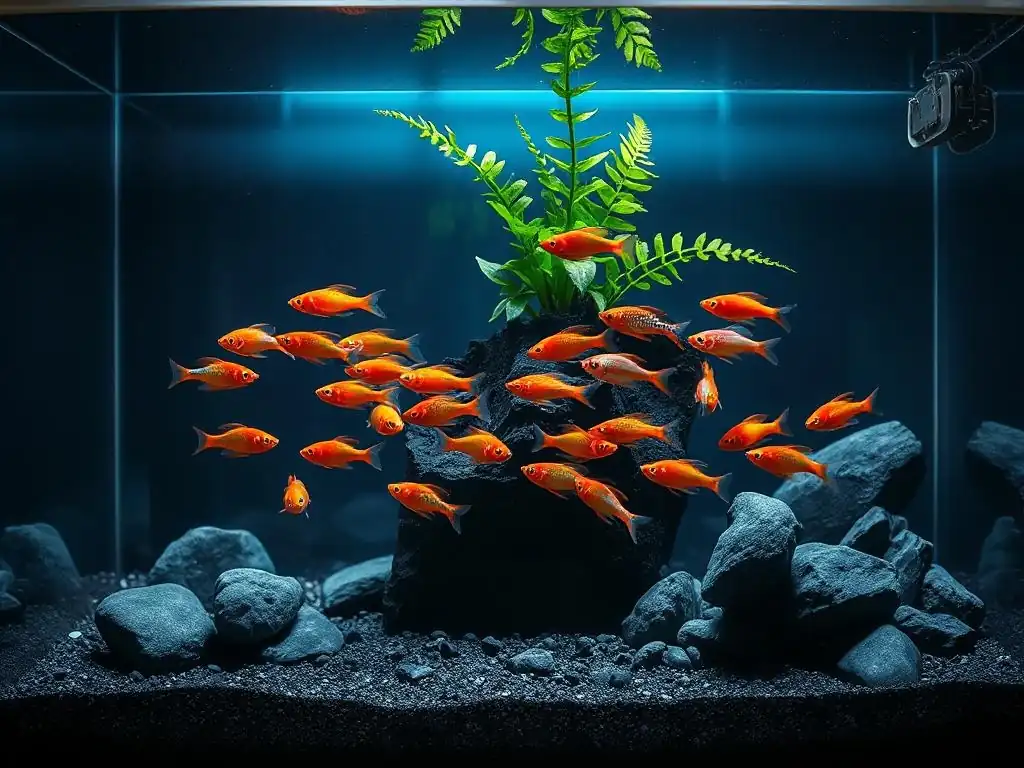
For the spawning and initial rearing of small tetra species like Neon Tetras or Ember Tetras ( Hyphessobrycon amandae), a 5-10 gallon (19-38 liter) tank is generally ideal. These smaller volumes are easier to control in terms of water parameters and allow for easier observation of delicate eggs and fry.
For larger tetra species such as Congo Tetras ( Phenacogrammus interruptus) or if you anticipate a very high yield of fry, a 15-20 gallon (57-76 liter) tank might be more suitable for the grow-out phase. Glass tanks are highly recommended over acrylic due to their scratch resistance, durability, and clearer viewing, which is crucial for monitoring tiny fry.
The compact size of these tanks also facilitates maintenance. For instance, a 5-gallon tetra breeding tank setup allows for quick, precise water changes with minimal disturbance to the fragile fry. Their smaller volume also makes it simpler to establish and maintain the very specific and stable water parameters (e.g., soft, acidic water) often required for successful tetra breeding. As fry grow, they can be gradually moved to larger grow-out tanks to accommodate their increasing size and bioload, preventing overcrowding and ensuring optimal development.
Essential Filtration Systems for Tetra Breeding Tanks
When it comes to filtration for tetra breeding tanks, gentle is the key. Air-driven sponge filters are overwhelmingly recommended for their simplicity, cost-effectiveness, and ability to provide excellent biological filtration without creating strong currents that can harm or suck in fragile tetra fry. These filters are also easy to clean and can be cycled quickly by seeding them from a mature filter in another tank. Their porous sponge material provides ample surface area for beneficial bacteria to colonize, breaking down ammonia and nitrites.
To set up a sponge filter in your tetra breeding tank setup, you will need a small air pump, airline tubing, and an air stone (optional, but can enhance bubble distribution). A single air pump rated for 10-20 gallons can often run 2-3 sponge filters in smaller tanks efficiently by using an air gang valve to split and control the airflow.
This system ensures consistent, gentle aeration and filtration, minimizing the risk of fry mortality due to mechanical filtration or poor water quality. For newly hatched fry, some breeders even reduce airflow to an absolute minimum or temporarily remove the filter to prevent any disturbance.
Heating and Lighting Solutions for Optimal Tetra Breeding
Maintaining a stable and appropriate temperature is paramount for successful tetra breeding and fry development. A reliable submersible heater is essential for each tetra breeding tank setup. For 5-10 gallon tanks, a 25-50W heater is typically sufficient to maintain temperatures within the optimal range, usually 75-80°F (24-27°C) for most popular tetra species. Consistent temperature prevents stress and ensures proper egg development and hatching. Fluctuations can lead to failed spawns or deformities in the fry. Always use a high-quality aquarium thermometer to monitor temperature daily and ensure accuracy.
Lighting for tetra breeding tanks should be dim and indirect. While adult tetras generally don't require intense lighting for spawning, providing some ambient light can support the growth of live plants if used for spawning media. For fry, excessive light can be stressful. Ambient room light or a very low-wattage LED fixture (e.g., 5-10W) for a few hours a day is usually sufficient. Some species, like Neon Tetras, prefer to spawn in dim conditions or even darkness, so consider a light cycle that mimics their natural environment to encourage spawning behavior.
Choosing the Right Substrate and Decorations for Tetra Fry Survival
For most egg-scattering tetras, a bare-bottom tetra breeding tank setup is often preferred. This simplifies cleaning, allows for easy observation of eggs, and makes it easier to siphon out unfertilized eggs or debris. However, if you prefer to provide some substrate for eggs to fall into and be protected from parental predation, a very thin layer of marbles or coarse gravel can be used. These materials allow eggs to sink out of reach while still being visible for monitoring.
Crucial "decorations" in a tetra breeding tank are spawning media. Dense clumps of fine-leaved live plants such as Java Moss ( Taxiphyllum barbieri), Hornwort ( Ceratophyllum demersum), or Anacharis ( Egeria densa) are excellent choices. They provide ample surface area for eggs to adhere and offer immediate hiding spots for newly hatched fry.
Alternatively, or in addition, spawning mops made from synthetic yarn are highly effective. These can be easily sterilized and removed once eggs are laid. A typical 6-inch diameter mop can collect hundreds of eggs from a single tetra spawn, providing essential protection and increasing the chances of successful hatching.
Air Pumps and Circulation: Ensuring Oxygenation in Tetra Breeding Tanks
Air pumps are indispensable in a tetra breeding tank setup, serving multiple vital functions. Primarily, they drive the gentle sponge filters, which are crucial for maintaining water quality without harming delicate fry. Beyond filtration, air pumps ensure adequate oxygenation of the water, especially in smaller, often stagnant breeding tanks. Proper oxygen levels are critical for the healthy development of tetra eggs and newly hatched fry, preventing suffocation and promoting robust growth. Without sufficient oxygen, eggs may fail to hatch, or fry may develop deformities.
A good quality air pump with an adjustable output or used in conjunction with a gang valve is highly beneficial. For a series of 5-gallon tetra breeding tanks, a single powerful air pump (e.g., rated for 20-40 gallons) can supply air to multiple tanks via airline tubing and gang valves. This setup allows you to control the air flow to each individual sponge filter, ensuring consistent, gentle aeration without creating strong currents that could stress or injure the fragile fry. Regular checks of airline tubing and air stones (if used) are important to ensure continuous and efficient oxygen delivery.
Setting Up Individual Tetra Breeding Tanks: A Step-by-Step Guide
Preparing the Breeding Tank: Cleaning and Sterilization
Thorough cleaning and sterilization are paramount for a successful tetra breeding tank setup, as newly hatched fry are incredibly sensitive to contaminants. Begin by cleaning the tank using only hot water and a dedicated scrubbing pad or sponge that has never been exposed to soaps, detergents, or household chemicals. Residues from these substances can be lethal to fish and fry. Scrub all surfaces vigorously to remove any dirt, dust, or previous mineral deposits.
For an extra layer of sterilization, especially if the tank has been used before or stored, you can use a very dilute bleach solution (e.g., 1 part unscented bleach to 19 parts water). Fill the tank with this solution and let it sit for 1-2 hours. Afterwards, drain the tank completely, rinse it thoroughly multiple times with fresh, dechlorinated water, and then allow it to air dry for several days.
This extensive drying period helps ensure any residual chlorine dissipates completely. Before introducing any fish, fill the tank with dechlorinated water and run the filtration system for at least 24-48 hours to stabilize the water and ensure its safety.
Establishing Optimal Water Parameters for Tetra Breeding (pH, Temperature, Hardness)
Most popular egg-scattering tetras, such as Neon, Cardinal, and Rummy-Nose Tetras, require specific soft, acidic water conditions to trigger spawning and ensure high egg viability. The ideal parameters are typically pH 5.5-6.5, General Hardness (GH) 1-5 dGH (18-90 ppm), and Carbonate Hardness (KH) 0-3 dKH (0-54 ppm). To achieve these precise levels, many breeders use Reverse Osmosis (RO) water or distilled water, which is then remineralized with trace amounts of tap water (if soft) or specialized mineral additives to reach the desired parameters. Peat filtration or adding blackwater extract can also help lower pH and provide beneficial humic substances.
Maintaining a consistent water temperature is equally crucial, generally between 75-80°F (24-27°C). A stable temperature is vital for signaling the fish to spawn and for the proper development of the eggs. Sudden fluctuations can stress the breeding pair, inhibit spawning, or lead to unsuccessful hatches and deformed fry. Use a reliable and accurate aquarium thermometer to monitor the temperature daily, ensuring it remains within the optimal range for your specific tetra species. Consistent parameters are a hallmark of a well-managed tetra breeding program.
Introducing Live Plants and Spawning Mops for Tetra Egg Protection
Live plants and spawning mops are indispensable elements in a tetra breeding tank setup for egg-scattering species. Dense clumps of fine-leaved plants like Java Moss ( Taxiphyllum barbieri), Hornwort ( Ceratophyllum demersum), or Anacharis ( Egeria densa) provide an ideal substrate for tetras to lay their adhesive eggs.
These plants offer numerous surfaces for eggs to attach to and, crucially, provide immediate hiding spots and cover for newly hatched, almost microscopic fry, protecting them from potential predation by the parents or other tank inhabitants. Always ensure plants are thoroughly cleaned and quarantined before introduction to prevent bringing in pests or diseases.
As an alternative or supplement, spawning mops made from acrylic yarn are highly effective. They are easy to prepare, sterilize, and remove once spawning is complete. You can create floating mops or weighted mops that sink to the bottom.
Position these mops strategically in the tank, ensuring they create a tangled network where eggs can fall and be protected. For example, a single spawning mop can hold hundreds of eggs from a typical tetra spawn. The ability to easily remove the spawning media with the eggs is a significant advantage, allowing you to separate the eggs from the adults quickly and safely.
Implementing a Gentle Filtration System to Protect Tetra Fry
As previously emphasized, the filtration system in a tetra breeding tank setup must be exceptionally gentle to protect the delicate eggs and fry. Air-driven sponge filters are the gold standard for this purpose. Their design ensures that water is drawn through the sponge without creating strong currents that could buffet or suck in tiny fry. The bubbles from the air stone gently agitate the water, providing essential oxygenation while the sponge provides a large surface area for beneficial bacteria, maintaining biological filtration.
For the first few days after eggs hatch, when the fry are at their most vulnerable and barely visible, some breeders opt to run the sponge filter at an extremely low airflow or even temporarily turn it off entirely for the initial 24-48 hours. This ensures absolutely no disturbance to the almost microscopic fry as they absorb their yolk sacs and become free-swimming.
Once the fry are actively swimming (typically 3-5 days post-hatch), the filter can be run gently to maintain water quality without posing a threat to their delicate bodies, which is crucial for the success of your tetra breeding program.
Managing Water Quality in Multiple Tetra Breeding Tanks
Regular Water Testing and Maintenance Schedules
Maintaining pristine water quality is non-negotiable for successful tetra breeding and fry rearing. Implement a rigorous water testing regimen for each tetra breeding tank setup. Daily tests for ammonia and nitrite are crucial, especially in tanks containing new spawns or young fry, as their bioload, though small, can quickly accumulate in confined spaces. Weekly tests for nitrate, pH, General Hardness (GH), and Carbonate Hardness (KH) are also essential to ensure that parameters remain within the optimal ranges specific to your breeding species. Consistency in monitoring helps identify potential issues before they become critical.
Develop a detailed maintenance schedule for each tank. This should include daily visual inspections of fish health, water clarity, and equipment functionality. Beyond daily checks, schedule weekly tasks such as water parameter tests, targeted gravel vacuuming (if substrate is used), and light cleaning of tank walls to prevent excessive algae buildup. Monthly tasks might include cleaning or rinsing sponge filters in old tank water. A consistent and well-documented maintenance routine is key to preventing water quality issues and ensuring the long-term health of your tetra breeding program.
Water Change Protocols for Sensitive Tetra Fry
Water changes for tanks containing sensitive tetra fry must be small, frequent, and executed with extreme care. For newly hatched fry, daily 10-20% water changes are often recommended. This frequent exchange helps to remove accumulating waste products (such as uneaten food and fry waste) and provides fresh, oxygenated water, which is vital for their development. Using a small airline tube to gently siphon debris from the bottom of the tank, away from the fry, is the safest method. The slow flow prevents sucking up the tiny, fragile fry.
Crucially, always match the temperature and water parameters (pH, GH, KH) of the new water precisely to the existing tank water. Any sudden changes can shock the highly sensitive tetra fry, leading to stress, illness, or even mortality. Drip acclimation for adding new water back into the tank can be highly beneficial; this involves slowly dripping the fresh, conditioned water into the fry tank over several hours, allowing for a gradual equalization of parameters and minimizing stress on their delicate systems. This meticulous approach is fundamental to the success of any tetra breeding program.
Addressing Common Water Quality Issues in Tetra Breeding Tanks
Despite diligent maintenance, common water quality issues can arise in tetra breeding tanks. Ammonia and nitrite spikes are particularly dangerous for fry and often result from overfeeding or insufficient biological filtration. If detected, immediate small water changes (20-30%) are necessary, along with a reduction in feeding. Ensuring that sponge filters are fully cycled (perhaps by seeding them in a mature tank for a few weeks) before introducing fry can significantly prevent these spikes. Aeration should also be checked and potentially increased.
Low pH or KH can be a concern in soft water setups, especially if buffering capacity is minimal. Monitor these parameters closely and use appropriate buffering agents very cautiously, as sudden changes are detrimental. For instance, a small amount of crushed coral in a filter bag can gradually increase KH, but precise dosing is vital. Algae blooms, often caused by excessive light or nutrients, can be managed by reducing light duration, increasing water changes, and ensuring proper feeding. Addressing these issues promptly and methodically is crucial for maintaining a healthy tetra breeding tank setup.
Feeding Tetra Fry: Nutritional Requirements and Feeding Strategies
First Foods for Tetra Fry: Infusoria, Vinegar Eels, and Microworms
Newly hatched tetra fry are incredibly small and require microscopic food sources that fit their tiny mouths. Infusoria, a collective term for microscopic aquatic organisms, are typically the first food offered. These can be cultured easily at home by adding decaying organic matter (like lettuce leaves) to water or by purchasing specialized starter cultures. Feed infusoria in very small amounts, 3-5 times a day, to ensure a constant supply, as fry have high metabolisms but limited storage capacity.
As the fry grow slightly (usually after 3-5 days), they can transition to slightly larger, but still small, live foods such as vinegar eels and microworms. Vinegar eels are excellent for surface feeders and provide continuous movement, stimulating feeding. Microworms are also highly nutritious and sink slowly, making them accessible to fry at various depths. These live foods are essential for providing the high protein and fat content necessary for the rapid early growth and development of tetra fry, laying the foundation for a robust tetra breeding program.
Gradual Introduction of Commercial Tetra Fry Foods
Once tetra fry have grown visibly larger, typically around 1-2 weeks post-hatch, they can gradually be introduced to high-quality commercial fry foods. These include finely powdered dry foods specifically formulated for fry, such as specialized fry flakes, spirulina powder, or liquid fry foods. Begin by introducing very small pinches, observing how quickly the food is consumed to avoid overfeeding, which can quickly foul the water and lead to dangerous ammonia spikes.
Continue to supplement with live foods as the fry develop. Newly hatched brine shrimp nauplii are an excellent next step, usually introduced when fry are large enough to consume them (around 2-3 weeks old). Brine shrimp are highly nutritious, stimulate natural hunting instincts, and contribute significantly to rapid growth and vibrant coloration. As fry mature further, they can transition to larger live foods like daphnia or finely chopped bloodworms, gradually preparing them for an adult diet in your tetra breeding tank setup.
Feeding Frequency and Quantity for Optimal Growth
Tetra fry have very high metabolic rates and small stomachs, necessitating frequent, small feedings throughout the day. For the first few weeks, feeding 4-6 times per day is often recommended. This constant availability of food ensures that the fry are continuously nourished, promoting consistent growth and reducing competition among siblings. It's better to underfeed slightly than to overfeed, as excess food quickly decomposes and degrades water quality, which is highly detrimental to delicate fry.
The quantity of food provided at each feeding should be just enough to be consumed within 5-10 minutes. Observe the fry carefully after feeding; their bellies should appear full but not distended. Any uneaten food should be gently siphoned out of the tank within 15-20 minutes to prevent water fouling. Regular monitoring of the fry's condition and the water quality in your tetra breeding tank setup will help you fine-tune the feeding regimen to achieve optimal growth and health for your young tetras.
Tetra Fry Care and Maintenance: Ensuring Healthy Development
Monitoring Tetra Fry Growth and Development
Consistent monitoring of tetra fry growth and development is essential for a successful tetra breeding program. Regularly observe the fry for signs of healthy growth, such as a noticeable increase in size, active swimming behavior, and clear, unblemished fins. Pay attention to any individuals that appear stunted or exhibit deformities (e.g., bent spines, missing fin rays), as these might indicate genetic issues or environmental stress. Many tetra species, when properly fed and housed, can double in size within the first 2-3 weeks post-hatch.
Maintaining stable water parameters and adhering strictly to your feeding schedule are paramount for ensuring healthy development. Any sudden fluctuations in temperature, pH, or water hardness can stress the delicate fry, leading to stunted growth, increased susceptibility to disease, or even mortality. Daily visual checks of each tetra breeding tank setup allow for early detection of any issues, whether they are related to water quality, feeding, or the health of individual fry. Prompt intervention can often prevent minor problems from escalating into significant losses.
Preventing and Treating Common Tetra Fry Diseases
Prevention is undeniably the most effective strategy against diseases in tetra fry. Strict quarantine protocols for all new breeding stock, meticulous maintenance of impeccable water quality in every tetra breeding tank setup, and providing a balanced, nutritious diet are the primary defenses. Common issues in fry tanks often include bacterial infections (frequently a result of poor water quality or overfeeding) and fungal infections that can affect unhatched eggs or weakened fry.
If disease does occur, prompt and accurate action is vital, as fry are highly fragile. For fungal infections on eggs, the immediate removal of fungused eggs with a pipette is crucial to prevent spread. A very dilute solution of methylene blue (e.g., 1-2 drops per gallon) can sometimes be used as a preventative or treatment for fungus on eggs, though it will stain the water and filter media.
For bacterial issues in fry, broad-spectrum antibiotics might be considered, but always consult specific product instructions and be aware of potential impacts on beneficial filter bacteria. Often, increasing water changes and aeration can resolve minor stress-related issues without medication.
Gradual Acclimation of Tetra Fry to Larger Tanks
Once tetra fry have grown to a sufficient size, typically around 1-2 months old and noticeably larger than newly hatched brine shrimp, they can be safely moved to larger grow-out tanks. This transition must be gradual to minimize stress and prevent shock.
The most effective method is drip acclimation: slowly add water from the target grow-out tank to the fry tank over a period of several hours (e.g., 1-2 hours for every gallon of water) until the water parameters and temperature in both tanks are nearly identical. This gentle process allows the fry to adjust to any subtle differences in water chemistry.
Ensure that the grow-out tank itself has stable, mature water parameters that closely match the fry's current environment. The filtration system in the grow-out tank should still be gentle, such as sponge filters or baffled hang-on-back filters, to prevent strong currents that could stress or injure the still-developing young tetras. Providing ample hiding spots and maintaining a clean, well-oxygenated environment in the grow-out tank will ensure a smooth transition and continued healthy development for your next generation of tetras from your tetra breeding program.
Organizing and Tracking Tetra Breeding Data
Maintaining Breeding Logs and Records
A detailed breeding log is an invaluable tool for any serious aquarist engaged in a tetra breeding program. For each tetra breeding tank setup, meticulously record key data points: the date of spawning, an estimated number of eggs laid, the hatch rate, the number of free-swimming fry, and the water parameters (pH, temperature, GH, KH) at the time of spawning and during fry development. Also, note feeding schedules, any medications used, and general observations on the health, growth, and behavior of the breeding pair and their progeny.
Using a dedicated notebook, a spreadsheet, or specialized aquarium software for these records is highly recommended. This comprehensive data allows you to identify which breeding pairs are most successful, which specific water parameters yield the best hatch rates, and what feeding regimens optimize fry growth. For example, tracking the hatch rate of a specific pair over multiple spawns can reveal their genetic viability or highlight the effectiveness of a particular breeding setup, informing future breeding decisions and refining your tetra breeding program.
Identifying and Culling Undesirable Tetra Traits
As tetra fry grow and develop, careful observation is critical for identifying and culling individuals that exhibit undesirable traits. These can include physical deformities (e.g., bent spines, missing or malformed fins), poor coloration that deviates from the desired standard, or significantly stunted growth compared to their siblings. Culling, the selective removal of these individuals, is a necessary practice in responsible breeding to maintain the overall health, vigor, and quality of your breeding line.
This process ensures that only the healthiest, most robust, and aesthetically pleasing individuals are selected to become future breeding stock. For instance, if you are breeding a specific color morph of a Neon Tetra, any fry that do not exhibit the desired vibrant coloration or pattern should be removed to prevent passing on recessive or undesirable genes to subsequent generations. This meticulous selection process, guided by your breeding logs, is fundamental to developing and maintaining a high-quality tetra breeding program.
Selecting Breeding Pairs for Future Generations
Based on the detailed information gathered in your breeding logs and your ongoing observations, you can strategically select the strongest, healthiest, and most vibrant individuals from your current spawns to become your future breeding stock. Look for fish that exhibit the desired traits most prominently, have shown robust growth, and possess excellent conformation. These are the individuals that will contribute to the genetic improvement of your tetra breeding program.
To maintain genetic diversity and prevent inbreeding depression, which can lead to reduced fertility, smaller size, and increased susceptibility to disease, it is advisable to introduce new bloodlines periodically. Source these new fish from reputable breeders or suppliers who can provide healthy, high-quality specimens. This strategic selection and responsible introduction of new genetics are crucial for the long-term sustainability and success of your tetra breeding program, ensuring healthy and vigorous future generations.
Troubleshooting Common Tetra Breeding Challenges
Addressing Egg Fungus and Low Hatch Rates
Egg fungus is a common challenge in tetra breeding tanks, often caused by unfertilized eggs decaying or by poor water quality. Unfertilized eggs are prone to fungal growth, and this fungus can then spread to healthy, fertilized eggs, causing them to spoil. Immediately remove any fungused eggs using a pipette to prevent the spread. To prevent fungus, some breeders add a very dilute solution of methylene blue (e.g., 1-2 drops per gallon) to the water, though this will stain the water and filter media. Ensuring good water circulation around the eggs can also help.
Low hatch rates can stem from several factors, including incorrect water parameters (water that is too hard or the wrong pH for the species), infertile eggs, or old breeding stock. Double-check your water parameters against the specific requirements for your tetra species; even slight deviations can impact egg viability. Ensure your breeding pairs are well-conditioned with a high-quality diet and are within their prime breeding age, which for many tetras is between 1-3 years. Sometimes, a slight temperature increase can stimulate hatching in viable eggs.
Managing Predation Issues in the Tetra Breeding Tank
While a dedicated tetra breeding tank setup is designed to minimize predation, adult tetras (including the parents) are opportunistic egg and fry eaters. The single most effective way to prevent predation is to remove the adult fish from the breeding tank immediately after spawning is complete. Most egg-scattering tetras will lay their eggs over a period of a few hours in the morning, making it easy to identify when spawning is finished.
Additionally, ensure there are plenty of spawning mops or dense clumps of fine-leaved plants in the tank for eggs to fall into and for newly hatched fry to hide amongst. These provide crucial cover during the vulnerable early stages. If any other tank inhabitants, such as snails, are present in the breeding tank, ensure they are not known egg-eaters. For instance, many common aquarium snails can and will consume tetra eggs if given the opportunity, so it's best to keep the breeding tank free of all other organisms.
Resolving Infertility Problems in Tetra Breeding Pairs
Infertility in tetra breeding pairs can be frustrating and may stem from poor conditioning, advanced age, or environmental stress. To address this, first focus on conditioning your breeding pairs with a high-quality, varied diet for 1-2 weeks prior to attempting to spawn. Include plenty of live foods such as bloodworms, brine shrimp, daphnia, or microworms, as these are rich in nutrients and can stimulate spawning readiness. Ensure the fish are mature enough to breed but not too old, as fertility declines with age.
Secondly, meticulously check and adjust environmental factors. Verify that water parameters (pH, temperature, hardness) are within the precise optimal range for your specific tetra species. Sometimes, a slight drop in temperature followed by a gradual increase, mimicking natural rainfall, can act as a spawning trigger. Ensure the breeding tank is calm and free from undue stress. If a particular pair consistently fails to spawn or produces infertile eggs despite optimal conditions, consider trying different individuals from your breeding stock or introducing new bloodlines to your tetra breeding program.
Conclusion: Optimizing Your Tetra Breeding Program for Success
Establishing and managing multiple tetra breeding tank setup systems is a sophisticated yet incredibly rewarding endeavor for any dedicated aquarist. This comprehensive approach provides the control and precision necessary to significantly boost fry production, ensure high survival rates, and meticulously manage genetic lines. From carefully planning your tank numbers and optimizing water parameters to mastering the art of feeding delicate fry and troubleshooting common challenges, each step contributes to the overall success of your tetra breeding program.
The journey requires dedication, keen observation, and meticulous record-keeping, but the satisfaction of raising healthy, vibrant generations of tetras is immense. By faithfully applying the principles outlined in this Aquarium Mastery guide, you will not only become a more proficient breeder but also gain a deeper understanding and appreciation for the intricate life cycles of these captivating freshwater fish. Your multi-tank setup will not just be a collection of aquariums, but a dynamic, thriving ecosystem dedicated to the art of tetra propagation.
Frequently Asked Questions
How many tanks are recommended for a successful Tetra breeding tank setup?
While you can breed Tetras in a single tank, Aquarium Mastery recommends using at least three tanks to separate the breeders, eggs, and fry. This helps to minimize predation and optimize breeding success.
What are the ideal water parameters for a Tetra breeding tank setup?
Tetras generally prefer soft, acidic water. Aim for a pH between 6.0 and 7.0, a KH (carbonate hardness) below 4 dKH, and a temperature between 75-80°F (24-27°C). Aquarium Mastery emphasizes the importance of stable water parameters for successful breeding.
What type of filtration is best for a Tetra breeding tank setup?
A sponge filter is highly recommended. It provides gentle filtration that won't harm the delicate eggs or fry. Aquarium Mastery advises against powerful filters that could suck up the offspring.
What kind of plants or spawning media should I use in my Tetra breeding tank setup?
Fine-leaved plants like Java Moss or spawning mops are excellent choices. These provide a safe place for the Tetras to deposit their eggs. Aquarium Mastery suggests using multiple spawning sites to increase the chances of survival.
How often should I perform water changes in my Tetra breeding tank setup?
Small, frequent water changes are ideal. Aim for 10-20% water changes every other day to maintain water quality. Aquarium Mastery stresses the importance of using aged water and matching the temperature of the tank water.
Final Reflection: Cultivating Aquatic Life and Organizational Mastery
The journey of establishing multiple tetra breeding tanks, as we've explored, is more than just setting up aquariums; it's about cultivating life and embracing meticulous organization as a cornerstone of success. The principles of planning, preparation, and consistent execution, so vital in this specific context, resonate far beyond the confines of our fish rooms and offer valuable lessons applicable to any ambitious endeavor.
This pursuit, though seemingly niche, underscores the profound impact that even small-scale efforts can have on our understanding of ecosystems and the delicate balance of life. It reminds us that dedication and attention to detail, when applied with passion, can yield remarkable results. The best way to predict the future is to create it.
- Peter Drucker. This quote perfectly encapsulates the proactive approach required not only in breeding tetras, but in shaping our own lives and the world around us.
Now, as you consider the intricacies of a "Tetra breeding tank setup," I invite you to reflect on the broader implications of organization and dedication in your own life. How can you apply the principles of planning, preparation, and consistent execution to achieve your own goals, whether they be professional, personal, or creative? Embrace the challenge, cultivate your passions, and remember that even the smallest actions, when thoughtfully orchestrated, can contribute to something truly extraordinary.
Unleash Your Tetra Breeding Potential!
Thank you for diving deep into the world of tetra breeding tanks! We hope you've gained valuable insights to elevate your aquarium organization and breeding success. Now, let's put that knowledge into action and watch your tetra community thrive!
Here's what you can do next:
- Immediately begin planning your tetra breeding tank setup, considering space, tank size, and filtration needs based on the principles discussed.
- Share your biggest takeaway from this guide with fellow aquarium enthusiasts on social media using #AquariumMasteryTetras.
- Explore the Aquarium Mastery community forum to discuss any questions or challenges with other breeders.
What specific tetra species are you most excited to breed, and what's the first organizational change you'll make to your existing setup to support your breeding goals?