
Carpenter's Flasher Wrasse (Paracheilinus carpenteri): A Dazzling Spectacle of Fins and Fury

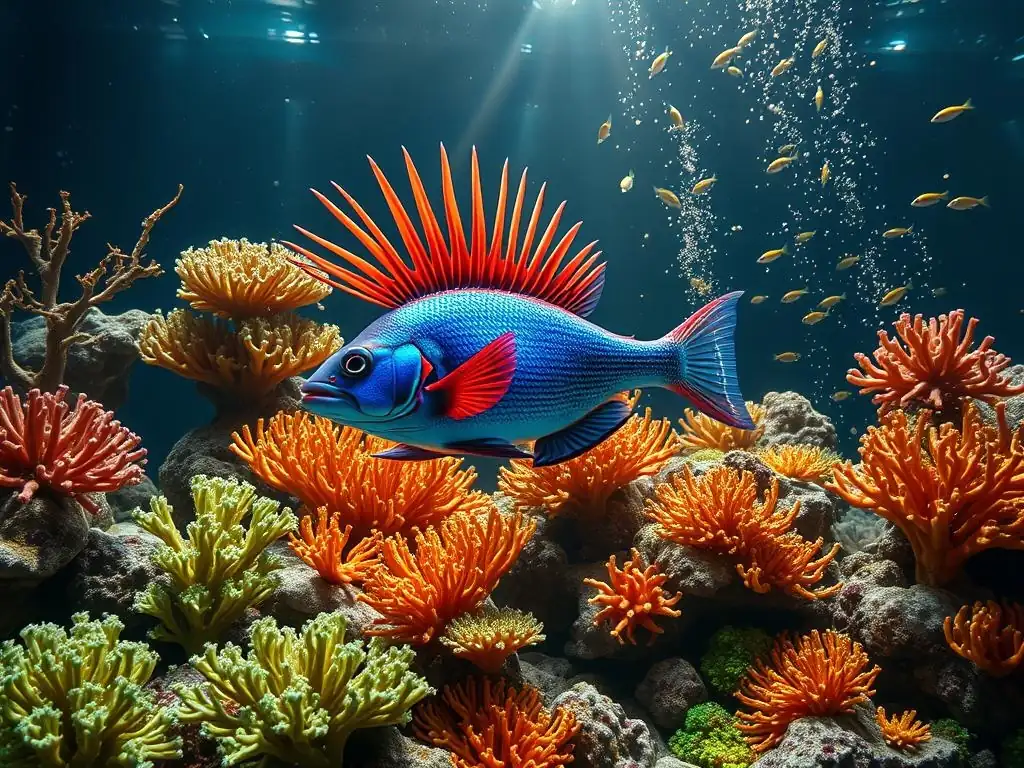
Welcome to Aquarium Mastery, where the wonders of the aquatic world come to life!
Ever been mesmerized by a fish that seems to dance with light? Get ready to be captivated! In this article, we dive deep into the vibrant world of the Carpenter's Flasher Wrasse, a dazzling addition to any saltwater aquarium. But beauty isn't everything – are you prepared for the specific needs of this finned firecracker? Discover everything you need to know about Carpenter's Flasher Wrasse tank care and unlock the secrets to keeping this spectacular species thriving! Let's begin!
- Carpenter's Flasher Wrasse (Paracheilinus carpenteri): A Dazzling Spectacle
- Tank Setup
- Diet and Feeding
- Tank Mates
- Behavior and Social Dynamics
- Water Quality
- Health Issues and Disease Prevention
- Purchasing and Acclimation
- Conclusion
-
Frequently Asked Questions
- What is the ideal tank size for a Carpenter's Flasher Wrasse?
- What are the ideal water parameters for a Carpenter's Flasher Wrasse tank?
- What type of food should I feed my Carpenter's Flasher Wrasse?
- Are Carpenter's Flasher Wrasses reef safe?
- How do I encourage a male Carpenter's Flasher Wrasse to display its flashing behavior?
- Final Reflection: Embracing the Dance of the Carpenter's Flasher Wrasse
- Unleash the Rainbow: Start Your Wrasse Journey Now!
Carpenter's Flasher Wrasse (Paracheilinus carpenteri): A Dazzling Spectacle
Overview of Paracheilinus carpenteri
The Carpenter's Flasher Wrasse, scientifically known as Paracheilinus carpenteri, is a captivating and highly sought-after marine fish native to the Indo-Pacific region. These vibrant wrasses are celebrated for their striking coloration and the male's spectacular "flashing" displays, where colors intensify dramatically. Typically reaching an adult size of approximately 2.5 to 3 inches (6-7.5 cm), they are a perfect fit for many home aquariums due to their relatively small stature and peaceful demeanor.
Found primarily in the rubble zones and outer reef slopes at depths ranging from 15 to 45 meters, Paracheilinus carpenteri are active swimmers that add dynamic movement to any reef tank. Their bodies exhibit a dazzling array of red, orange, blue, green, and yellow hues, often with iridescent blue lines running along their flanks. With proper Carpenter's Flasher Wrasse tank care, these fish can enjoy a lifespan of 3 to 5 years, making them a long-term, rewarding addition to a well-maintained saltwater aquarium.
Benefits of Keeping Carpenter's Flasher Wrasses
Keeping Carpenter's Flasher Wrasses offers numerous benefits for the discerning aquarist, primarily centered around their stunning visual appeal and active, yet peaceful, nature. Their vibrant, ever-changing coloration, particularly during the male's flashing displays, transforms the aquarium into a living art piece, providing endless fascination. Unlike some other reef inhabitants, Paracheilinus carpenteri are generally considered reef-safe, meaning they will not typically nip at or harm corals, anemones, or most ornamental invertebrates, making them ideal for mixed reef systems.
Beyond their beauty, these wrasses are active and engaging inhabitants. They spend their days gracefully navigating the rockwork and open water, adding constant movement and life to the tank. Their relatively hardy nature, once properly acclimated to a stable environment, also contributes to their appeal, reducing the likelihood of common health issues often associated with more delicate marine species. This combination of aesthetic appeal, compatibility, and resilience makes them an excellent choice for aquarists looking to enhance their saltwater setup with a truly dazzling spectacle.
Tank Setup
Essential Water Parameters
Maintaining stable and appropriate water parameters is paramount for the health and longevity of Carpenter's Flasher Wrasse. These fish thrive in conditions that mimic their natural reef environment. The specific gravity should be kept between 1.023 and 1.026, which is typical for most reef inhabitants. Temperature should consistently range from 72-78°F (22-26°C), as sudden fluctuations can cause significant stress.
The pH level is crucial and should be maintained between 8.1 and 8.4. Furthermore, alkalinity (dKH) should be stable, ideally between 8 and 12 dKH, to support proper calcification and overall water chemistry balance. Ammonia and nitrite levels must always be at 0 ppm, while nitrate levels should be kept as low as possible, ideally below 10-20 ppm. Regular testing and meticulous attention to these parameters are fundamental components of effective Carpenter's Flasher Wrasse tank care.
Ideal Tank Size and Setup
For a single Carpenter's Flasher Wrasse, a minimum tank size of 30 gallons is recommended to provide adequate swimming space and stable water volume. However, if planning to keep a pair or a small harem (one male with multiple females), a tank of 50 gallons or larger is highly advisable to accommodate their social dynamics and activity levels. These wrasses are active swimmers that utilize horizontal space, so tanks with a longer footprint are often preferred over taller, narrower designs.
A critical aspect of the tank setup for Paracheilinus carpenteri is a tight-fitting lid. Wrasses, including flasher wrasses, are notorious jumpers, especially when startled or newly introduced to an environment. Even a small gap can provide an escape route. Providing moderate water flow with some calmer areas allows them to swim comfortably and rest when needed, mimicking the varied currents found in their natural reef habitats.
Substrate and Aquascaping
The choice of substrate is a key consideration for Carpenter's Flasher Wrasse tank care. A fine sand bed, at least 2-3 inches (5-7.5 cm) deep, is essential. These wrasses are known to burrow into the sand at night or when they feel threatened, using it as a safe haven for sleep and protection. A coarser substrate can injure their delicate bodies, so fine aragonite sand is the preferred choice to prevent abrasions and facilitate their natural burrowing behavior.
In terms of aquascaping, providing ample live rock with numerous caves, crevices, and overhangs is vital. These structures serve multiple purposes: they offer hiding spots where the wrasse can retreat when stressed or seeking refuge, and they create a complex environment for exploration. Multiple hiding spots are particularly important in setups with multiple fish or when introducing new specimens, as they help reduce territorial disputes and overall stress levels, contributing significantly to the fish's sense of security and well-being.
Diet and Feeding
Nutritional Guide
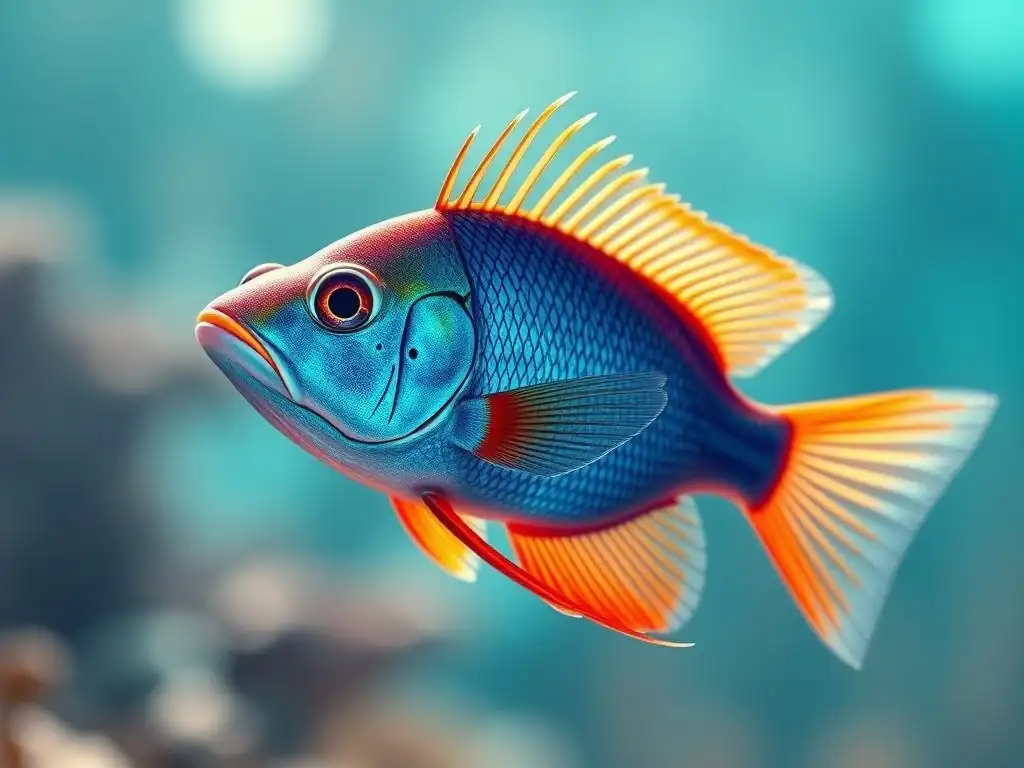
Carpenter's Flasher Wrasses are primarily carnivorous and require a diverse, high-quality diet to thrive in a home aquarium. Their natural diet consists of small invertebrates and zooplankton found within the water column and on the reef. To replicate this in captivity, offer a variety of nutrient-rich marine-based foods. This includes high-quality marine pellets and flakes specifically formulated for carnivorous fish, which provide essential vitamins and minerals.
Frozen foods should form a significant portion of their diet. Excellent choices include mysis shrimp, enriched brine shrimp, finely chopped copepods, and other finely diced seafood such as krill or squid. It's crucial to rotate these food types to ensure a complete nutritional profile and prevent deficiencies. Supplementing frozen foods with liquid vitamin enrichments, such as Selcon, can further boost their nutritional intake and improve overall vitality.
Feeding Frequency and Techniques
To support their active metabolism and continuous foraging behavior, Carpenter's Flasher Wrasses should be fed 2 to 3 times a day in small portions. This frequent feeding schedule helps mimic their natural grazing habits on the reef and ensures they receive consistent nourishment throughout the day. Overfeeding should be avoided, as it can lead to poor water quality and health issues. Instead, offer amounts that can be consumed within a few minutes.
When feeding, observe the wrasse to ensure it is actively consuming the food. In tanks with faster or more aggressive eaters, the Carpenter's Flasher Wrasse might be outcompeted for food. In such cases, target feeding using a pipette or specialized feeder can be beneficial, delivering food directly to the wrasse's vicinity. This ensures that even shy or newly introduced specimens receive adequate nutrition, which is a critical aspect of their ongoing Carpenter's Flasher Wrasse tank care.
Preventing Nutritional Deficiencies
Preventing nutritional deficiencies in Carpenter's Flasher Wrasses hinges on a strategy of diverse feeding and careful observation. Relying on a single type of food, even a high-quality one, can lead to long-term health problems due to missing essential nutrients. Therefore, regularly rotating through various frozen, pellet, and flake foods is imperative. For instance, alternate between mysis shrimp, brine shrimp, and a quality pellet on a daily or bi-daily basis.
Beyond variety, fortifying frozen foods with vitamin supplements is a proactive measure against deficiencies. Many aquarists soak frozen foods in vitamin solutions for 10-15 minutes prior to feeding. Observing the wrasse's appearance and behavior is also key; dull coloration, lack of activity, or persistent hiding can sometimes indicate nutritional stress. If a wrasse seems reluctant to eat, offering very small, highly palatable portions of live or freshly thawed foods like copepods can stimulate their appetite and help restore their health.
Tank Mates
Best Tank Mates
Choosing appropriate tank mates is crucial for the well-being of Carpenter's Flasher Wrasses, as their peaceful nature requires equally docile companions. Ideal tank mates are small, non-aggressive fish that will not outcompete the wrasse for food or territory. Excellent choices include various species of gobies, such as Watchman Gobies or Diamond Gobies, which occupy different niches within the tank and pose no threat. Small blennies, like the Tailspot Blenny or Starry Blenny, are also suitable due to their peaceful temperament and unique behaviors.
Other peaceful reef fish, such as most species of clownfish (e.g., Ocellaris or Percula Clownfish) and certain small damselfish (avoiding notoriously aggressive species), can coexist harmoniously. Additionally, other peaceful wrasse species, particularly other flasher wrasses ( Paracheilinus genus) or small fairy wrasses ( Cirrhilabrus genus), can be considered in adequately sized tanks, as they often display well together and enhance the flashing behavior. Always introduce new fish slowly and observe interactions closely to ensure compatibility, a vital part of Carpenter's Flasher Wrasse tank care.
Fish to Avoid
When selecting tank mates for Carpenter's Flasher Wrasses, it is essential to avoid any fish species that are known for aggression, predatory behavior, or fin-nipping tendencies. Large, aggressive angelfish species, such as Emperor or Queen Angelfish, can harass smaller, more peaceful wrasses and potentially outcompete them for food. Similarly, predatory fish like lionfish, large groupers, or certain triggerfish (e.g., Clown Triggerfish) will view the Carpenter's Flasher Wrasse as potential prey and should never be housed together.
Certain types of damselfish, particularly the more territorial and aggressive species, can constantly nip at the wrasse's fins or chase it, leading to chronic stress and illness. Fast-eating or overly boisterous fish should also be avoided, as they can prevent the more delicate and sometimes shy flasher wrasse from getting enough food, leading to nutritional deficiencies. Always research the temperament and adult size of any potential tank mate to ensure long-term compatibility and a stress-free environment for your Carpenter's Flasher Wrasse.
Invertebrate Compatibility
One of the significant advantages of keeping Carpenter's Flasher Wrasses in a reef aquarium is their general compatibility with a wide range of invertebrates. They are considered "reef-safe" and typically pose no threat to corals, anemones, or other sessile invertebrates. This makes them an excellent choice for mixed reef tanks where the focus is on coral growth and diversity. You can confidently house them with various types of soft corals, LPS (Large Polyp Stony) corals, and SPS (Small Polyp Stony) corals without concern for nipping or damage.
Furthermore, Carpenter's Flasher Wrasses are generally safe with most ornamental shrimp species, such as Cleaner Shrimp ( Lysmata amboinensis), Peppermint Shrimp ( Lysmata wurdemanni), and various snail and hermit crab species that form part of the cleanup crew. While there's always a minuscule chance a very tiny, delicate invertebrate could be mistaken for food, this is exceedingly rare for Paracheilinus carpenteri. Their primary diet consists of zooplankton and small crustaceans, not larger, sessile invertebrates. This high compatibility with invertebrates simplifies the planning of a diverse and thriving reef ecosystem.
Understanding the "Flashing" Display
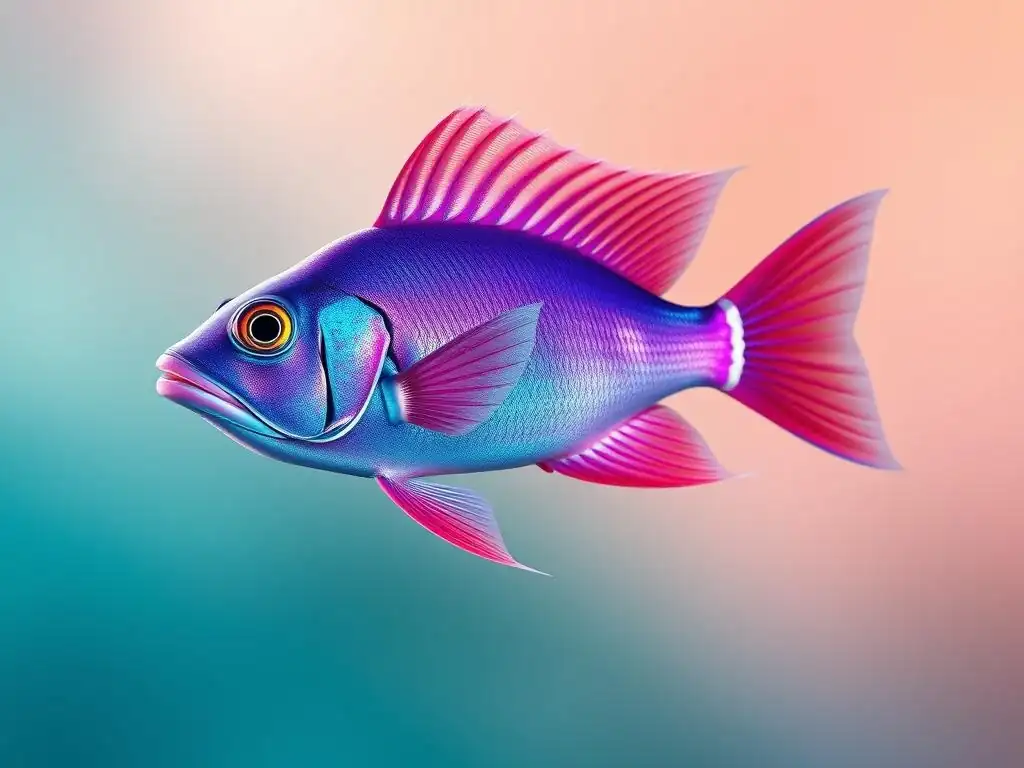
The "flashing" display is arguably the most captivating behavior of male Carpenter's Flasher Wrasses and a key reason for their popularity among aquarists. This spectacular show involves a rapid and dramatic intensification of the male's already vibrant colors, often accompanied by the full erection of his dorsal, anal, and caudal fins. The colors become incredibly iridescent, almost glowing, with blues, reds, and yellows becoming particularly prominent.
This display serves multiple purposes. Primarily, it is a courtship ritual performed by males to attract and impress females, signaling their health and genetic fitness. It can also be a territorial display, used to assert dominance over rival males or to intimidate other fish perceived as threats, though their overall temperament remains peaceful. Flashing occurs frequently throughout the day, especially during feeding times, when new fish are introduced, or when the male feels particularly confident and comfortable in his environment. Witnessing this natural behavior is a highlight of Carpenter's Flasher Wrasse tank care.
Carpenter's Flasher Wrasses exhibit a fascinating social structure that influences how they should be housed in an aquarium. They can be kept successfully as a single specimen, where they will still display their beautiful colors, though the flashing behavior might be less frequent without a female present. More commonly, and often preferred for exhibiting their full behavioral repertoire, they can be kept in a pair (one male and one female). The male will frequently flash for the female, enhancing the viewing experience.
For larger aquariums, typically 75 gallons or more, a small harem consisting of one male and multiple females can be maintained. It is generally not recommended to house multiple males in the same tank unless the aquarium is exceptionally large (e.g., 100+ gallons) and provides an abundance of hiding spots and visual barriers. Even then, aggression between males can occur, leading to stress and injury. Females are less vibrantly colored than males but still attractive, and their presence encourages the male's most impressive displays.
Recognizing Signs of Stress or Illness
Promptly recognizing signs of stress or illness is critical for effective Carpenter's Flasher Wrasse tank care, as early intervention can significantly improve outcomes. A healthy wrasse is typically active, curious, and displays vibrant coloration. Signs of stress often include a noticeable loss of color, appearing pale or dull, which is a stark contrast to their usual brilliance. Clamped fins, where the fins are held close to the body rather than fanned out, are another common indicator.
Other red flags include rapid or labored breathing, indicating potential gill issues or poor water quality. Excessive hiding, especially during times when the fish would normally be active (e.g., feeding), or a persistent refusal to eat, are serious concerns. Physical signs of illness might involve white spots (Ich), a dusty appearance (Velvet), frayed fins (fin rot), or visible lesions. Any deviation from normal behavior or appearance warrants immediate investigation into water parameters, tank mates, and potential disease.
Water Quality
Regular Water Changes
Regular water changes are an indispensable component of maintaining pristine water quality for Carpenter's Flasher Wrasses and the entire reef ecosystem. Performing weekly or bi-weekly water changes of 10-20% of the total tank volume helps to replenish essential trace elements that are consumed by corals and invertebrates, while simultaneously diluting and removing accumulated nitrates, phosphates, and other metabolic wastes. This consistent replenishment and dilution are crucial for preventing the buildup of harmful substances that can stress fish and corals.
When conducting water changes, it is vital to use high-quality RO/DI (Reverse Osmosis/Deionized) water mixed with a reputable marine salt mix. Tap water often contains chlorine, chloramines, heavy metals, and phosphates, which are detrimental to a sensitive marine environment. Ensuring the new saltwater is mixed to the correct salinity and temperature before adding it to the display tank minimizes shock to the fish and helps maintain the stable parameters that Carpenter's Flasher Wrasses require for optimal health.
Importance of Filtration
A robust and well-maintained filtration system is paramount for supporting the delicate balance required for Carpenter's Flasher Wrasse tank care. This typically involves a multi-faceted approach combining mechanical, biological, and chemical filtration. A high-quality protein skimmer is a cornerstone of marine filtration, efficiently removing organic waste before it breaks down into harmful nitrates and phosphates. For a 50-gallon tank housing a pair of wrasses, a skimmer rated for 75-100 gallons would provide ample capacity.
Live rock, ideally cured and established, serves as the primary biological filter, providing vast surface area for beneficial bacteria to convert toxic ammonia and nitrite into less harmful nitrate. Some aquarists also incorporate a refugium, which can host macroalgae (like Chaetomorpha) to export nitrates and phosphates naturally. Mechanical filtration, such as filter socks or sponges, removes particulate matter, while chemical media like activated carbon or GFO (Granular Ferric Oxide) can adsorb pollutants and phosphates, contributing to crystal-clear water and a healthy environment.
Monitoring Water Parameters
Consistent and diligent monitoring of water parameters is a proactive measure that underpins successful Carpenter's Flasher Wrasse tank care. While regular water changes and robust filtration are critical, knowing the exact levels of key parameters allows for immediate adjustments before problems escalate. For new aquariums, weekly testing of salinity, temperature, pH, ammonia, nitrite, and nitrate is highly recommended to ensure the nitrogen cycle is fully established and stable.
Once the tank is mature (typically after 6-12 months), testing frequency can often be reduced to bi-weekly or monthly for the basic parameters, but more advanced parameters like alkalinity, calcium, and magnesium should still be checked regularly, especially in reef tanks with corals that consume these elements. Using reliable test kits and maintaining a log of readings helps identify trends and allows aquarists to react swiftly to any deviations, ensuring the wrasse's environment remains within its optimal range and preventing stress-related health issues.
Health Issues and Disease Prevention
Identifying and Treating Common Diseases
Carpenter's Flasher Wrasses, like all marine fish, are susceptible to common aquarium diseases, though maintaining excellent Carpenter's Flasher Wrasse tank care can significantly reduce risks. One of the most prevalent is Marine Ich ( Cryptocaryon irritans), characterized by small, white spots resembling salt grains on the fish's body and fins, often accompanied by scratching against decor. Treatment typically involves transferring the fish to a hospital tank for copper-based medication, hyposalinity (lowering salinity), or the Tank Transfer Method (TTM).
Another aggressive parasite is Velvet ( Amyloodinium ocellatum), which appears as a fine, dusty, yellowish-brown film on the fish, often causing rapid breathing due to gill infestation. Velvet progresses much faster than Ich and requires immediate treatment, usually with copper or formalin-based medications in a quarantine setup. Fin Rot, often a bacterial infection, presents as frayed or deteriorating fins and is usually a result of poor water quality or injury. It can be treated with antibiotics and significant improvements in water conditions. Early identification and prompt, appropriate treatment are crucial for recovery.
Quarantine Procedures
Implementing a strict quarantine procedure for all new fish, including Carpenter's Flasher Wrasses, is arguably the single most effective measure for disease prevention in the main display tank. A dedicated quarantine tank (QT) should be set up with a heater, simple filtration (sponge filter), and PVC pipes for hiding, but no substrate or elaborate decor that could harbor parasites. New wrasses should be housed in the QT for at least 3 to 4 weeks.
During the quarantine period, observe the fish closely for any signs of disease, such as spots, rapid breathing, or behavioral changes. This allows for treatment in a controlled environment without exposing the entire display tank to potential pathogens. Ensure the wrasse is eating well and appears healthy before transferring it to the main tank. This proactive step prevents the introduction of common diseases like Ich or Velvet, which can devastate an established reef system, thus safeguarding all your aquatic inhabitants.
Proactive Measures
Beyond quarantine, several proactive measures are essential for long-term disease prevention and overall health in Carpenter's Flasher Wrasse tank care. Foremost among these is maintaining pristine and stable water quality. Consistent water parameters, regular water changes, and efficient filtration minimize environmental stressors that can weaken a fish's immune system. A balanced and varied diet, as previously discussed, ensures the wrasse receives all necessary nutrients, bolstering its natural defenses.
Minimizing stress is also key. This involves providing an adequately sized tank, appropriate tank mates that do not harass the wrasse, and ample hiding spots within the aquascape. A stress-free environment allows the fish to allocate its energy to growth and immune function rather than constant vigilance. Lastly, daily observation of your Carpenter's Flasher Wrasse's behavior, coloration, and appetite allows for early detection of any subtle changes, enabling quick intervention before a minor issue escalates into a full-blown health crisis.
Purchasing and Acclimation
Selecting Healthy Specimens
When purchasing a Carpenter's Flasher Wrasse, careful selection of a healthy specimen is the first step towards successful long-term Carpenter's Flasher Wrasse tank care. Begin by observing the fish in the dealer's tank for at least 10-15 minutes. Look for active individuals that are swimming freely and confidently, rather than hiding excessively or appearing lethargic. Their eyes should be clear and bright, not cloudy or sunken.
Inspect the fish's body and fins for any visible signs of disease: avoid any wrasse with white spots (Ich), a dusty film (Velvet), frayed or clamped fins, or any open sores or lesions. Its coloration should be vibrant and consistent with the species, not pale or dull. Ideally, ask the dealer to feed the fish; a healthy specimen should show a strong feeding response and actively consume food. Choosing a robust, active fish significantly increases its chances of successful acclimation and long-term survival in your aquarium.
Acclimation Process
The acclimation process is a critical step that minimizes stress and shock when introducing a new Carpenter's Flasher Wrasse to your aquarium. Drip acclimation is highly recommended for sensitive fish like wrasses, as it slowly equalizes both temperature and water chemistry (pH, salinity, etc. ), reducing the sudden shock of environmental changes. Start by floating the sealed bag in your sump or display tank for 15-20 minutes to equalize the water temperature.
After temperature equalization, open the bag and begin the drip acclimation. Place the wrasse and the bag water into a clean bucket or container. Using airline tubing and an air valve, create a slow drip from your display tank into the bucket, aiming for 1-2 drips per second.
Allow this process to continue for 45-60 minutes, or until the volume of water in the bucket has quadrupled. Finally, net the wrasse gently and transfer it to your quarantine tank (or display tank, if no QT is used), discarding the bag water to prevent the introduction of any pathogens or undesirable elements from the dealer's system.
Conclusion
Long-Term Care
Successful long-term Carpenter's Flasher Wrasse tank care hinges on a consistent commitment to the foundational principles of marine aquarium husbandry. Maintaining stable and pristine water parameters—including specific gravity, temperature, pH, and undetectable ammonia/nitrite—is paramount, achieved through regular testing and diligent water changes. A varied and high-quality diet, rich in marine-based proteins and supplemented with vitamins, is crucial for sustaining their vibrant coloration and overall health, preventing nutritional deficiencies that can compromise their immune system.
Beyond the basics, understanding and respecting their unique behaviors, such as the male's dazzling flashing displays and their need for a fine sand bed for burrowing, contributes significantly to their well-being. Proactive measures like quarantine for new additions and vigilant observation for any signs of stress or illness are key to preventing widespread health issues. By providing a stable, enriching environment with appropriate tank mates and consistent care, aquarists can enjoy the mesmerizing beauty and dynamic personality of the Carpenter's Flasher Wrasse for many years, truly making them a dazzling spectacle in any home reef aquarium.
Frequently Asked Questions
What is the ideal tank size for a Carpenter's Flasher Wrasse?
A minimum of 30 gallons is recommended for a single Carpenter's Flasher Wrasse. This provides enough space for them to swim and display their vibrant colors. Larger tanks are always better, especially if you plan on keeping multiple wrasses.
What are the ideal water parameters for a Carpenter's Flasher Wrasse tank?
Maintain a temperature between 72-78°F, a specific gravity of 1.023-1.025, and a pH of 8.1-8.4. Stable water parameters are crucial for their health and vibrant coloration. Regular water changes are essential.
What type of food should I feed my Carpenter's Flasher Wrasse?
Carpenter's Flasher Wrasses are carnivores and require a diet rich in protein. Offer a variety of small, meaty foods such as mysis shrimp, brine shrimp, and high-quality flake food. Regular feeding is important.
Are Carpenter's Flasher Wrasses reef safe?
Yes, Carpenter's Flasher Wrasses are generally considered reef safe. They do not typically bother corals or invertebrates. However, always monitor them closely when introducing them to a reef tank.
How do I encourage a male Carpenter's Flasher Wrasse to display its flashing behavior?
To encourage flashing behavior, maintain excellent water quality, provide a varied diet, and introduce a small group of females. A peaceful tank environment free from aggression is also crucial.
Final Reflection: Embracing the Dance of the Carpenter's Flasher Wrasse
The vibrant world of the Carpenter's Flasher Wrasse, as we've explored, is more than just a splash of color in the aquarium; it's a microcosm of the delicate balance and intricate beauty found within our oceans. Understanding the nuances of Paracheilinus carpenteri tank care is, in essence, understanding our responsibility as stewards of the marine environment. The details we've discussed, from water parameters to social dynamics, highlight the commitment required to truly appreciate and preserve these dazzling creatures.
The allure of the Carpenter's Flasher Wrasse extends beyond its aesthetic appeal; it's a reminder of the biodiversity we must strive to protect. My own fascination with these fish stems from their captivating displays and the challenge of replicating their natural habitat. In the end, we will conserve only what we love; we will love only what we understand; and we will understand only what we are taught.
- Baba Dioum. This quote underscores the importance of education and responsible aquarium keeping in fostering a deeper connection with the marine world.
Now, as you consider adding a Carpenter's Flasher Wrasse to your own aquarium, or simply reflect on the information shared, I encourage you to embrace the spirit of mindful observation and proactive care. Let the dazzling spectacle of fins and fury inspire you to become a more informed and responsible aquarist, contributing to the well-being of these remarkable creatures and the preservation of their natural habitat for generations to come.
Unleash the Rainbow: Start Your Wrasse Journey Now!
Thank you for diving deep into the mesmerizing world of the Carpenter's Flasher Wrasse! We hope you've discovered how these vibrant fish can bring unparalleled beauty to your reef aquarium. Ready to transform your underwater landscape?
Here's how to take the next step:
- Secure Your Own Spectacle: Contact a reputable local breeder or supplier specializing in sustainably sourced Carpenter's Flasher Wrasses. Ensure they are healthy and ethically obtained for a responsible addition to your tank.
- Dive deeper into compatibility: Explore the Aquarium Mastery community forums to share your own experiences, questions and observations about the Wrasse and its compatibility with different inhabitants.
- Share the beauty: Show your friends and other fish-keepers the amazing spectacle by sharing this article.
What are you most excited to see in your own Flasher Wrasse's display?