
Beyond Flakes: Aquarium Mastery's Advanced Nutritional Strategies for BreedReady Tetras

Welcome to Aquarium Mastery!
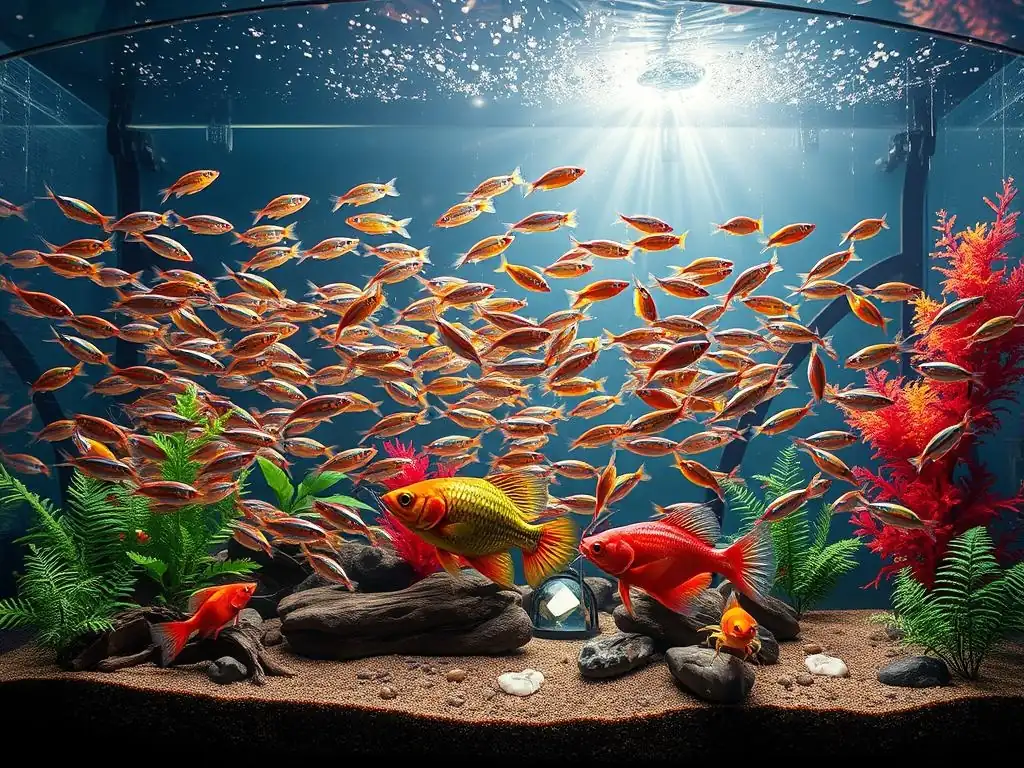
Ever wondered if those colorful flakes are really enough to unlock the full breeding potential of your Tetras? Dive into "Beyond Flakes: Aquarium Mastery's Advanced Nutritional Strategies for BreedReady Tetras" and discover the secrets to optimized Tetra nutrition that can transform your freshwater aquarium into a vibrant, thriving ecosystem. Ready to unlock the mysteries of breeding-ready Tetras? Let's begin!
- Beyond Flakes: Aquarium Mastery's Advanced Nutritional Strategies for Breed-Ready Neon Tetras
- Understanding Neon Tetra Nutrition for Optimal Health and Breeding
- Moving Beyond Basic Neon Tetra Food: A Nutritional Deep Dive
- Advanced Feeding Techniques for Breed-Ready Neon Tetras
- Formulating a Breed-Ready Neon Tetra Feeding Schedule
- Addressing Common Neon Tetra Nutritional Deficiencies
- The Impact of Water Quality on Neon Tetra Nutrition
- Case Studies: Successful Neon Tetra Breeding Through Advanced Nutrition
- Advanced Nutritional Strategies for Specific Tetra Species
- Conclusion: Achieving Aquarium Mastery Through Neon Tetra Nutrition
-
Frequently Asked Questions
- What is "BreedReady" in the context of Tetras, according to Aquarium Mastery?
- Why is nutrition so important for breeding Tetras?
- What types of food beyond flakes does Aquarium Mastery recommend for BreedReady Tetras?
- How does water chemistry relate to the effectiveness of "Tetra nutrition breed ready" strategies?
- Where can I find more detailed information on feeding schedules and specific nutritional needs for different Tetra species?
- Final Reflection: Nurturing Life's Potential
- Unleash Your Tetras' Breeding Potential!
Beyond Flakes: Aquarium Mastery's Advanced Nutritional Strategies for Breed-Ready Neon Tetras
Understanding Neon Tetra Nutrition for Optimal Health and Breeding
The Importance of Specialized Neon Tetra Diets for Breeding Success
Achieving successful Neon Tetra breeding extends far beyond simply keeping fish alive; it demands a highly specialized nutritional regimen. A generic flake food diet, while sufficient for basic maintenance, often falls short of providing the specific macronutrients and micronutrients required for the rigorous physiological demands of reproduction.
Proper Tetra nutrition breed ready strategies are crucial for the development of high-quality gametes (eggs and sperm), building essential energy reserves for the spawning process, and ensuring the overall vitality necessary for successful propagation. Without a targeted diet, the fish may lack the internal resources to produce viable offspring or even initiate spawning.
Inadequate nutrition directly impacts breeding outcomes, leading to several detrimental effects. For instance, studies and observations by experienced aquarists consistently show that Neon Tetras fed a suboptimal diet may exhibit significantly reduced spawning frequency, perhaps only once every few months compared to bi-weekly or monthly cycles observed with optimized diets.
Furthermore, the viability of eggs can plummet, with hatch rates potentially dropping below 50% when parents are poorly nourished, whereas a well-planned Tetra nutrition breed ready program can yield hatch rates exceeding 80%. Fry from undernourished parents are also often smaller, weaker, and more susceptible to disease, highlighting the foundational role of parental diet in the health of future generations.
Key Nutrients for Neon Tetra Reproduction and Fry Development
For Neon Tetra reproduction, a balanced intake of macronutrients is paramount. Protein, the building block of all tissues, is critical for gamete formation and muscle development; a diet with 40-50% crude protein content is often recommended for conditioning breeding fish. Lipids, or fats, serve as concentrated energy sources and are vital for egg yolk development, providing essential fatty acids for fry growth.
An optimal fat content typically ranges from 8-12%. While carbohydrates provide secondary energy, their proportion should be moderate, focusing on complex types rather than simple sugars, to prevent fatty degeneration and maintain overall health for Tetra nutrition breed ready conditioning.
Beyond macronutrients, a spectrum of micronutrients – vitamins and minerals – plays an indispensable role. Vitamin E, for example, is a powerful antioxidant directly linked to fertility and reproductive success in many fish species, including tetras. Vitamin A is crucial for vision and immune function, while the B-complex vitamins are essential for metabolic processes and energy conversion.
Among minerals, calcium and phosphorus are vital for skeletal development in both the adult fish and the rapidly growing fry. Selenium also acts as an antioxidant, working synergistically with Vitamin E to protect cells from damage. Ensuring these micronutrients are abundantly available through a comprehensive Tetra nutrition breed ready diet supports robust health and maximizes reproductive potential.
Moving Beyond Basic Neon Tetra Food: A Nutritional Deep Dive
Analyzing Commercial Neon Tetra Food Labels: What to Look For
When selecting commercial foods for your Neon Tetras, especially when aiming for a Tetra nutrition breed ready state, a critical analysis of the food label is essential. Begin by examining the "Guaranteed Analysis" section, which outlines the minimum percentages of crude protein and crude fat, and maximum percentages of crude fiber and moisture. For breeding Neon Tetras, look for foods with a crude protein content of at least 40% and crude fat content above 8%. A low crude fiber percentage (ideally under 5%) indicates less indigestible filler, ensuring more nutrient absorption.
The ingredient list provides deeper insight into the quality of the food. Ingredients are listed by weight, so the first few components are the most abundant. Prioritize foods where the primary ingredients are high-quality animal proteins such as whole fish meal, krill meal, or shrimp meal. Avoid products that list excessive amounts of fillers like wheat flour, corn meal, or soy meal as their first few ingredients, as these offer limited nutritional value for carnivorous or omnivorous fish like Neon Tetras. Identifying these high-quality components is key to providing optimal Tetra nutrition breed ready sustenance.
Deciphering Ingredient Lists: Protein, Fats, and Carbohydrates for Neon Tetras
Delving into protein sources, marine-derived proteins like fish meal, krill meal, and spirulina are generally superior for Neon Tetras due to their complete amino acid profile, which closely matches the requirements of aquatic organisms. For instance, krill meal is not only rich in protein but also contains valuable carotenoids that enhance natural coloration.
While some plant-based proteins can be included, they should never be the sole or dominant protein source. A diverse blend of animal and select plant proteins ensures a full spectrum of essential amino acids critical for growth and reproductive health, a cornerstone of Tetra nutrition breed ready diets.
Regarding fats, the quality of lipids is more important than just the quantity. Highly unsaturated fatty acids (HUFAs), particularly eicosapentaenoic acid (EPA) and docosahexaenoic acid (DHA), are crucial for reproductive health, egg quality, and proper neurological development in fry. These essential fatty acids are typically found in marine oils.
For carbohydrates, while they provide energy, they should constitute a smaller portion of the diet compared to proteins and fats. Complex carbohydrates, such as those found in whole grains or spirulina, are preferable over simple sugars, which can lead to digestive issues and energy crashes, hindering the development of a truly Tetra nutrition breed ready condition.
Advanced Feeding Techniques for Breed-Ready Neon Tetras
Live Foods: Enhancing Neon Tetra Coloration and Breeding Behavior
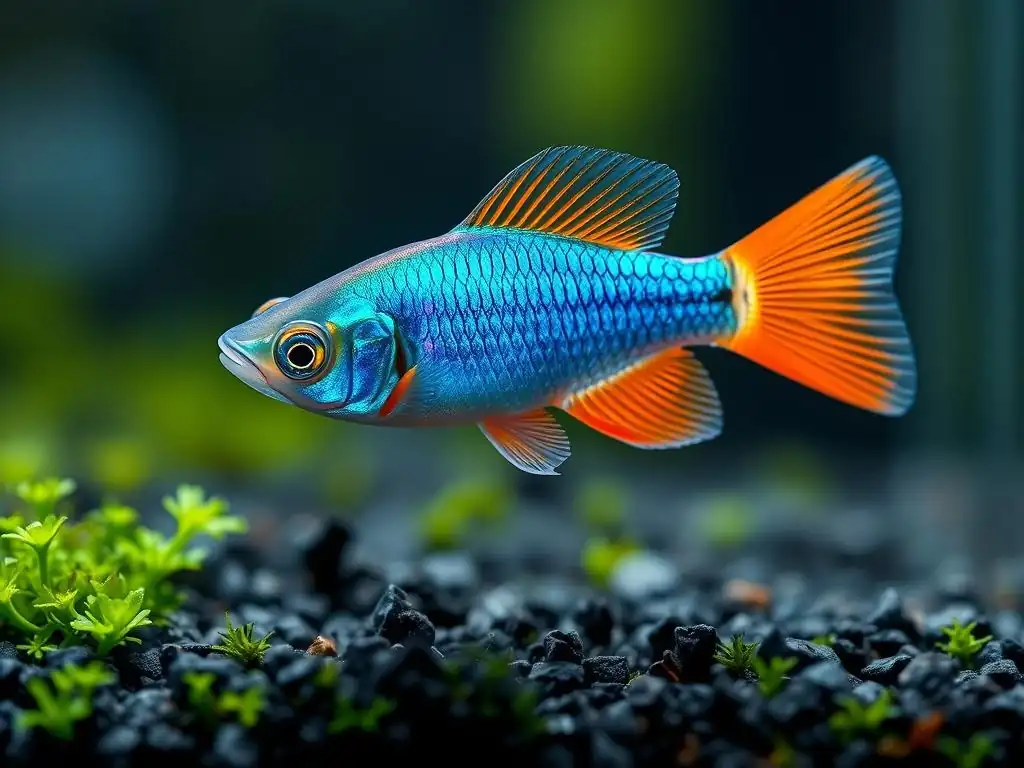
Live foods offer unparalleled benefits for conditioning Neon Tetras for breeding. Their natural movement stimulates the fish's innate hunting instincts, promoting activity and reducing stress. Beyond behavioral enrichment, live foods typically provide superior bioavailability of nutrients compared to processed dry foods. They often contain vital enzymes that aid digestion and nutrient absorption, which can be diminished or destroyed during the processing of flakes or pellets. This holistic nutritional and behavioral stimulation significantly boosts the vitality and readiness of the fish for spawning, making them truly Tetra nutrition breed ready.
Furthermore, live foods play a crucial role in enhancing the vibrant coloration of Neon Tetras. Many live organisms, such as brine shrimp fed on spirulina or other carotenoid-rich algaes, accumulate natural pigments that, when consumed by the fish, intensify their blues and reds. This vibrant coloration is not merely aesthetic; it often serves as a visual cue of health and readiness, triggering natural spawning behaviors. Mimicking the varied and dynamic diet found in their natural habitat through live food offerings can be the decisive factor in encouraging reluctant pairs to spawn.
Culturing Live Foods: Brine Shrimp, Daphnia, and Microworms
- Brine Shrimp (Artemia nauplii): Newly hatched brine shrimp are an excellent, highly nutritious first food for Neon Tetra fry due to their small size (around 400-500 microns) and wriggling motion, which attracts fry. For adults, larger brine shrimp can be fed. They are rich in protein and essential fatty acids, especially when gut-loaded with spirulina or other nutrient-dense algaes.
- Daphnia (Water Fleas): Daphnia are a good source of protein, fiber, and carotenoids. They are slightly larger than brine shrimp nauplii, making them suitable for conditioning adult Neon Tetras. Their jerky swimming motion stimulates hunting, and their digestive tract can contain beneficial microorganisms.
- Microworms: These tiny nematodes (around 50-100 microns) are an ideal first food for very small fry, even tinier than newly hatched brine shrimp. Their continuous wriggling motion on the substrate or water surface entices even the most reluctant fry to feed. They are easy to culture at home, ensuring a consistent supply crucial for early fry development and parental Tetra nutrition breed ready efforts.
The Nutritional Benefits of Live Food for Neon Tetra Fry
The critical role of live foods for Neon Tetra fry cannot be overstated. Their minute size and characteristic movement make them incredibly palatable and digestible for the tiny fry, which often struggle with static, powdered dry foods. This ease of consumption directly translates to significantly higher survival rates; observations suggest that fry fed a consistent diet of newly hatched brine shrimp and microworms can exhibit 20-30% higher survival rates within the first few weeks compared to those fed solely on powdered commercial fry foods.
Live foods like newly hatched brine shrimp provide a remarkably complete nutritional profile tailored for rapid growth and development. They are packed with essential proteins, lipids (including crucial HUFAs), and vitamins necessary for the rapid cellular division and organ formation occurring in developing fry. This nutrient density helps prevent common fry deformities associated with nutritional deficiencies and promotes robust growth, leading to healthier, more vigorous juvenile fish. Ensuring access to these live foods from day one is a cornerstone of advanced Tetra nutrition breed ready programs for successful propagation.
Frozen Foods: A Convenient and Nutritious Alternative
Frozen foods offer a highly convenient and often more nutritious alternative to dry flakes, bridging the gap between live foods and processed diets. They retain a significant portion of their original nutrient content due to flash-freezing processes, which minimizes nutrient degradation. The variety available in frozen formats allows aquarists to offer a diverse diet, mimicking the natural intake of small invertebrates and crustaceans. This makes them an excellent component of any Tetra nutrition breed ready regimen, providing a broad spectrum of nutrients without the hassle of live culture.
Beyond their nutritional value, frozen foods are often more palatable to fish, stimulating a feeding response that might be absent with only dry foods. Their texture and scent are closer to natural prey, encouraging even finicky eaters to consume them. However, it's crucial to select high-quality frozen products that are free from excessive binders, preservatives, or unnecessary fillers. Properly stored and prepared, frozen foods are an indispensable tool for providing concentrated nutrition and dietary variety to condition Neon Tetras for breeding.
Selecting High-Quality Frozen Foods for Neon Tetras: Bloodworms, Mysis Shrimp, and Cyclops
- Bloodworms (Chironomid larvae): While relatively large, small bloodworms or chopped larger ones are a good source of protein and iron, excellent for conditioning adult Neon Tetras. They are highly palatable and can stimulate appetite in reluctant feeders.
- Mysis Shrimp: These small crustaceans are an outstanding source of highly unsaturated fatty acids (HUFAs) and protein. Their nutrient density makes them ideal for promoting egg development and overall vigor in breeding Neon Tetras.
- Cyclops (Copepods): Cyclops are tiny, nutrient-dense crustaceans, perfect for conditioning adult Neon Tetras and even suitable for larger fry. They are rich in protein and essential fatty acids, contributing significantly to the Tetra nutrition breed ready state, and are often naturally occurring in healthy aquatic environments.
Properly Thawing and Preparing Frozen Foods to Preserve Nutrients
Proper thawing of frozen foods is crucial to preserve their nutritional integrity. Always thaw small portions in a separate container using tank water or dechlorinated water at room temperature. Never use hot water, as this can leach out water-soluble vitamins and denature proteins. Avoid thawing large blocks and refreezing unused portions, as this repeated temperature fluctuation significantly degrades nutrient content and can promote bacterial growth. Only thaw the amount that can be consumed by your fish within a few minutes to minimize waste and maintain water quality.
Once thawed, frozen foods should be fed immediately. For small fish like Neon Tetras, it's often beneficial to rinse the thawed food briefly to remove any excess liquid that might contain phosphates or nitrates from the freezing process. Using a small pipette or dropper allows for precise feeding, ensuring that the food is distributed directly to the fish and consumed quickly, preventing it from sinking and fouling the substrate. This meticulous preparation ensures that your Tetra nutrition breed ready efforts are not undermined by improper food handling.
Supplementing Neon Tetra Diets with Vitamins and Minerals
Even with a varied diet of high-quality live and frozen foods, supplementation with vitamins and minerals can be beneficial, particularly during intensive breeding programs or when fish are under stress. These supplements act as an insurance policy, filling any potential nutritional gaps not adequately covered by primary food sources. This targeted approach helps ensure that your Neon Tetras reach and maintain an optimal Tetra nutrition breed ready status, providing all the necessary building blocks for robust health and successful reproduction.
Supplements are especially valuable in situations where fish are recovering from illness, being conditioned for a particularly demanding spawning, or if the primary food sources are known to be deficient in certain micronutrients. While many commercial fish foods are fortified, the stability of these nutrients can degrade over time, especially after the food package is opened. Targeted supplementation can provide a fresh boost of essential compounds, supporting metabolic processes, immune function, and reproductive organ development.
The Role of Vitamin Supplements in Neon Tetra Health and Breeding
Vitamin supplements play a pivotal role in optimizing Neon Tetra health and breeding success. Vitamin E (tocopherol) is particularly critical, acting as a potent antioxidant that protects cell membranes from oxidative damage and is directly involved in reproductive processes, improving fertility. Vitamin A is essential for proper vision, skin integrity, and immune system function, while the various B vitamins are indispensable cofactors in numerous metabolic pathways, ensuring efficient energy production. These vitamins, when adequately supplied, contribute significantly to the vitality required for a Tetra nutrition breed ready condition.
These vitamins can be administered in several ways. The most effective method is often by soaking dry or frozen foods in a liquid vitamin supplement just before feeding. This ensures direct ingestion of the vitamins by the fish. Some supplements can also be added directly to the aquarium water, though absorption through the gills and skin may be less efficient than through the digestive tract. Regular, small doses are generally more effective than infrequent large doses, promoting consistent nutrient availability for your breeding fish.
Essential Minerals for Neon Tetra Bone Development and Overall Well-being
Essential minerals are fundamental for the structural integrity and physiological functions of Neon Tetras. Calcium and phosphorus are the primary components of bone and scale development, crucial for both adult fish and the rapid skeletal formation in fry. Iodine is vital for proper thyroid function, which regulates metabolism and growth. Selenium, another important trace mineral, works in conjunction with Vitamin E as an antioxidant, protecting cells from damage and supporting overall immune health. Ensuring these minerals are available is key to a robust Tetra nutrition breed ready state.
While some minerals are absorbed directly from the aquarium water, especially in environments with appropriate hardness, supplementation through food ensures a more consistent and reliable intake. This is particularly important for Neon Tetras, which often thrive in softer, more acidic water that may naturally have lower concentrations of certain minerals. Mineral-fortified foods or liquid mineral supplements added to food can help prevent deficiencies that might lead to stunted growth, skeletal deformities, or reduced reproductive capacity.
Formulating a Breed-Ready Neon Tetra Feeding Schedule
Optimizing Feeding Frequency and Portion Sizes for Neon Tetras
For Neon Tetras being conditioned for breeding, optimizing feeding frequency and portion sizes is paramount. Instead of one large daily feeding, it is far more beneficial to feed multiple small meals throughout the day, typically 3-4 times. This mimics their natural grazing behavior in the wild, where they constantly forage for small food items. More frequent, smaller feedings ensure a continuous supply of nutrients for gamete development and energy reserves, reducing digestive strain and preventing large fluctuations in water quality, thus maintaining ideal conditions for Tetra nutrition breed ready fish.
Each feeding portion should be small enough to be consumed entirely within 2-3 minutes. Overfeeding is a common mistake that not only wastes food but also rapidly degrades water quality by introducing excess organic matter. Uneaten food breaks down, leading to spikes in ammonia and nitrite, which stress fish and can inhibit breeding. By adhering to this "little and often" principle, you maximize nutrient uptake while minimizing environmental stress, ensuring your Neon Tetras are consistently nourished and prepared for spawning.
Creating a Varied Diet to Meet Neon Tetra Nutritional Needs
A cornerstone of a successful Tetra nutrition breed ready strategy is a highly varied diet. Relying on a single food type, even a high-quality one, can lead to subtle nutritional deficiencies over time. A diverse diet ensures a broader spectrum of essential nutrients, vitamins, and minerals.
For example, a weekly rotation might include high-quality micro-pellets or flakes on Monday, newly hatched brine shrimp on Tuesday, frozen cyclops on Wednesday, another type of flake or pellet on Thursday, and a mix of daphnia or microworms on Friday. Weekends could offer another varied frozen food or a fasting day depending on the fish's condition.
This dietary rotation not only provides comprehensive nutrition but also keeps the fish engaged and prevents boredom, which can sometimes lead to reduced appetite. Different food types also stimulate different feeding behaviors, promoting overall activity and natural instincts. By offering a rich tapestry of live, frozen, and high-quality prepared foods, you cater to all aspects of Neon Tetra nutrition, ensuring they are robust, healthy, and primed for successful reproduction.
Monitoring Neon Tetra Body Condition and Adjusting Feeding Accordingly
Continuous monitoring of your Neon Tetras' body condition is crucial for fine-tuning their feeding regimen. Healthy, breed-ready Neon Tetras should appear plump but not bloated, with a smooth, streamlined body shape. Their colors should be vibrant and intense, and they should exhibit active swimming behavior, darting gracefully through the water. A slightly rounded belly, especially in females, can indicate egg development, a positive sign of successful Tetra nutrition breed ready conditioning.
Conversely, signs such as a sunken belly, faded coloration, lethargy, or reluctance to feed indicate potential nutritional deficiencies or other underlying issues. If fish appear thin, consider increasing the frequency of feeding or introducing more nutrient-dense live/frozen foods. If they seem overly round or sluggish, slightly reduce portion sizes. Observing individual fish behavior and physical appearance allows for precise adjustments, ensuring each fish receives the optimal amount and type of food to maintain peak breeding condition.
Addressing Common Neon Tetra Nutritional Deficiencies
Identifying Signs of Malnutrition in Neon Tetras
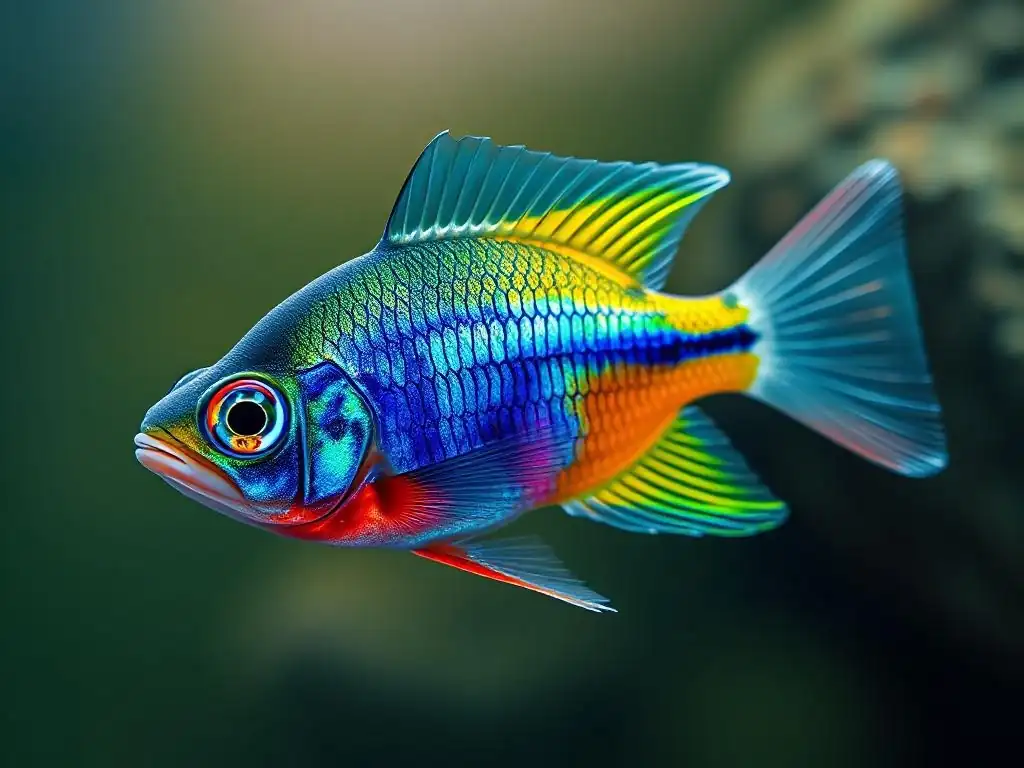
Recognizing the signs of malnutrition in Neon Tetras is the first step toward correction. One of the most common indicators is faded or dull coloration; the vibrant blues and reds may appear muted or washed out, suggesting a lack of essential carotenoids or general poor health. Emaciation, characterized by a sunken belly or a noticeably thin body profile, often points to insufficient protein or fat intake. Stunted growth, where fish remain significantly smaller than their age-mates, is another clear sign of long-term nutritional inadequacy.
Other symptoms include fin erosion, where fins appear ragged or torn without obvious physical damage, and increased susceptibility to common diseases, as a weakened immune system struggles to fend off pathogens. Lethargy, reduced activity, and a general lack of vigor are also strong indicators. Crucially, a consistent failure to breed or produce viable eggs, despite appropriate water parameters and conditioning, often signals that the fish are not in a true Tetra nutrition breed ready state due to dietary shortcomings.
Treating Nutritional Deficiencies: A Step-by-Step Guide
Treating nutritional deficiencies in Neon Tetras requires a systematic approach. First, gradually transition the fish to a higher-quality, varied diet, incorporating a mix of nutrient-rich live foods (like newly hatched brine shrimp or daphnia) and high-protein frozen foods (such as Mysis shrimp or cyclops). These easily digestible and nutrient-dense options provide a rapid boost. Simultaneously, introduce a premium flake or micro-pellet food specifically designed for small omnivores, ensuring it lists high-quality animal proteins as its primary ingredients.
Consider a short-term course of a liquid vitamin supplement, either by soaking the food or, if necessary, adding a small, appropriate dose to the aquarium water. Monitor water quality meticulously during this period, as increased feeding can lead to higher waste production. Perform more frequent, small water changes (e.g., 10-15% every other day) to maintain pristine conditions. Be patient, as reversing long-standing malnutrition can take several weeks or even months for the fish to fully recover and achieve a robust Tetra nutrition breed ready state.
The Impact of Water Quality on Neon Tetra Nutrition
Maintaining Optimal Water Parameters for Nutrient Absorption
Even the most meticulously planned Tetra nutrition breed ready diet can be rendered ineffective if water quality is compromised. Optimal water parameters are not merely about survival; they are crucial for the fish's metabolic processes, including efficient nutrient absorption and utilization. For Neon Tetras, maintaining stable soft, acidic water (pH 5.5-7.0, GH 1-5 dGH) and a consistent temperature (72-78°F or 22-26°C) reduces physiological stress. When fish are stressed by fluctuating or unsuitable water conditions, their digestive systems become less efficient, leading to malabsorption of vital nutrients.
Unstable water parameters can also lead to chronic stress, diverting energy away from growth and reproduction towards maintaining basic survival functions. For instance, high nitrate levels, while less acutely toxic than ammonia or nitrite, can still contribute to stress and reduced appetite over time, thereby hindering the fish's ability to fully benefit from their diet. By ensuring pristine and stable water conditions, you create an environment where your Neon Tetras can fully assimilate the nutrients from their specialized diet, channeling that energy into vibrant health and successful breeding.
The Role of Filtration in Removing Waste Products and Toxins
Effective filtration is an indispensable partner in any advanced Tetra nutrition breed ready strategy. A robust filtration system, encompassing mechanical, biological, and potentially chemical filtration, is crucial for removing uneaten food and fish waste. Mechanical filtration physically removes particulate matter, preventing it from decomposing. Biological filtration, powered by beneficial bacteria, converts highly toxic ammonia and nitrite into less harmful nitrate. Chemical filtration, such as activated carbon, can remove dissolved organic compounds and certain toxins that might otherwise accumulate.
The efficient removal of these waste products prevents the buildup of harmful toxins like ammonia and nitrite, which are highly detrimental to fish health and can directly inhibit breeding. Even low levels of these toxins can cause chronic stress, leading to a weakened immune system and reduced appetite, thus undermining all efforts to provide optimal nutrition. Regular water changes (e.g., 25% weekly or bi-weekly depending on stocking and feeding intensity) further dilute pollutants and replenish essential trace elements, supporting a clean, healthy environment where Neon Tetras can truly thrive and utilize their diet for breeding success.
Case Studies: Successful Neon Tetra Breeding Through Advanced Nutrition
Case Study 1: Wild-Caught Neon Tetra Breeding Success Story
An experienced aquarist, specializing in characins, had long struggled to induce spawning in a group of wild-caught Neon Tetras, despite maintaining pristine water parameters and a large, planted tank. Their initial diet consisted primarily of high-quality commercial flakes and some frozen bloodworms. Spawning attempts were sporadic, occurring perhaps once every two to three months, with very low egg viability, often less than 30% hatching. The fish appeared healthy but lacked the vibrant intensity often seen in wild specimens.
Upon implementing an advanced Tetra nutrition breed ready strategy, the diet was significantly diversified. Daily feedings now included newly hatched brine shrimp, live Daphnia, and frozen Mysis shrimp, supplemented with a high-protein micro-pellet only once a day. Within six weeks, the fish's coloration intensified dramatically, and their activity levels increased. Spawning frequency rose to bi-weekly, and most notably, egg viability soared to over 75%, with robust fry emerging. This shift demonstrated that even seemingly healthy fish required a very specific, naturalistic diet to unlock their full reproductive potential.
Case Study 2: Improved Fry Survival Rates in Captive-Bred Neon Tetras
A commercial Neon Tetra breeder faced a persistent challenge of high fry mortality, with survival rates to 30 days post-hatch averaging only around 50-60%, despite successful initial spawns. The adult breeding pairs were fed a standard flake and frozen food diet, and the fry's first food was a powdered commercial fry blend. While the parents were considered Tetra nutrition breed ready, the fry's early nutrition was a bottleneck.
The breeder modified the feeding protocol for both parents and fry. Adult conditioning was intensified with daily feedings of live microworms and cultured infusoria for two weeks prior to spawning. Immediately upon hatching, the fry were exclusively fed microworms for the first 3-4 days, followed by newly hatched brine shrimp twice daily for the next three weeks.
This change dramatically impacted fry survival, which jumped to an impressive 85-90% within the first month. Additionally, the fry exhibited faster growth rates, reaching juvenile size approximately two weeks earlier than previous batches, and displayed stronger, more consistent coloration. This case underscores the profound impact of advanced Tetra nutrition breed ready strategies, extending from parent conditioning to crucial early fry nutrition.
Advanced Nutritional Strategies for Specific Tetra Species
Nutritional Needs of Cardinal Tetras
While closely related to Neon Tetras, Cardinal Tetras often exhibit slightly different nutritional requirements, particularly because a higher percentage of them are wild-caught. Wild Cardinals thrive on a diet rich in small insects and crustaceans, mirroring their natural habitat. Therefore, for Tetra nutrition breed ready conditioning, emphasizing live foods such as newly hatched brine shrimp, Daphnia, and small insect larvae (like microworms or grindal worms for adults) is even more critical than for captive-bred Neons. These foods provide the specific fatty acids and carotenoids that enhance their famously vibrant red and blue stripes.
Furthermore, Cardinal Tetras can sometimes be pickier eaters than their Neon counterparts. Offering a greater variety of high-quality live and frozen foods from the start can help acclimatize them to captive diets and ensure they receive comprehensive nutrition. Supplementation with carotenoid-rich foods like spirulina-enriched brine shrimp or astaxanthin-containing pellets can further intensify their natural colors, signaling optimal health and readiness for spawning. Consistent access to these specific nutrient sources is key to getting Cardinal Tetras truly breed-ready.
Tailoring Diets for Black Skirt Tetras Breeding
Black Skirt Tetras (Gymnocorymbus ternetzi) are generally hardier and less sensitive to dietary variations than the more delicate Neon or Cardinal Tetras. However, for optimal breeding success, tailoring their diet is still beneficial. While they readily accept high-quality flakes and pellets, conditioning them with nutrient-dense live and frozen foods significantly boosts their vitality and egg production. For Tetra nutrition breed ready Black Skirt Tetras, incorporating foods like bloodworms, Mysis shrimp, and earthworm flakes provides the necessary protein and fat reserves for robust spawning.
Their slightly larger size compared to Neons means they can handle larger food items, making conditioning easier. A varied diet that includes a high-quality protein pellet as a staple, supplemented several times a week with frozen bloodworms, brine shrimp, or chopped earthworms, will ensure they are in peak condition. While less stringent in their dietary demands, providing this enhanced nutrition will lead to more frequent spawns, higher egg counts, and stronger, healthier fry, ultimately improving breeding outcomes.
Conclusion: Achieving Aquarium Mastery Through Neon Tetra Nutrition
Recap of Advanced Neon Tetra Nutritional Strategies
Achieving Aquarium Mastery in Neon Tetra breeding is fundamentally rooted in understanding and implementing advanced nutritional strategies. This journey extends far beyond basic flake feeding, demanding a specialized approach that recognizes the unique physiological demands of reproduction. Key takeaways include the paramount importance of a high-protein, high-fat diet rich in essential vitamins (especially E and A) and minerals (calcium, phosphorus). Moving past generic commercial foods, aquarists must critically analyze labels and prioritize diverse, high-quality ingredients.
The integration of advanced feeding techniques, particularly the consistent provision of live foods like brine shrimp, Daphnia, and microworms, is crucial for stimulating natural behaviors, enhancing coloration, and providing superior nutrient bioavailability for both adults and fry. Frozen foods offer a convenient, nutrient-rich alternative, while targeted vitamin and mineral supplementation can fill any remaining nutritional gaps, ensuring a truly Tetra nutrition breed ready state. Finally, impeccable water quality and precise feeding schedules are non-negotiable foundations upon which all nutritional efforts build, culminating in successful and consistent breeding outcomes.
Resources for Further Learning About Neon Tetra Nutrition and Breeding
- [ ] Explore detailed species profiles on AquariumMastery.com for specific feeding guides and care requirements of various tetra species.
- [ ] Research scientific studies on fish nutrition and aquaculture practices, often available through university extension programs or aquatic research journals.
- [ ] Consult with experienced aquarists or local fish breeding clubs for practical advice and insights gained from years of hands-on experience.
- [ ] Regularly monitor your fish's health, behavior, and physical condition, adjusting feeding strategies and water parameters as needed based on your observations.
Frequently Asked Questions
What is "BreedReady" in the context of Tetras, according to Aquarium Mastery?
"BreedReady" refers to Tetras that are in optimal condition for successful breeding. Aquarium Mastery emphasizes that proper nutrition is crucial for achieving this state.
Why is nutrition so important for breeding Tetras?
Nutrition directly impacts the health and reproductive success of Tetras. A balanced diet ensures they have the energy and nutrients needed for egg production and fertilization.
What types of food beyond flakes does Aquarium Mastery recommend for BreedReady Tetras?
Aquarium Mastery suggests supplementing flake food with live or frozen foods like daphnia, brine shrimp, and bloodworms. These provide essential proteins and fatty acids needed for breeding.
How does water chemistry relate to the effectiveness of "Tetra nutrition breed ready" strategies?
Proper water chemistry is essential for Tetras to absorb nutrients effectively. Unsuitable water parameters can stress the fish and hinder their ability to utilize the nutrients from their food.
Where can I find more detailed information on feeding schedules and specific nutritional needs for different Tetra species?
AquariumMastery.com offers detailed articles organized by species profiles. These profiles include recommended feeding schedules and specific dietary requirements to ensure your Tetras are BreedReady.
Final Reflection: Nurturing Life's Potential
The journey into advanced Tetra nutrition reveals more than just optimal feeding schedules; it unveils the intricate connection between diet and the very essence of life's potential. Understanding the specific nutritional needs required to bring these vibrant creatures to breed-ready condition is a testament to our dedication to responsible aquarium keeping and a deeper appreciation for the delicate balance of aquatic ecosystems.
This exploration into Tetra nutrition has profoundly influenced my perspective, highlighting the crucial role of informed care in fostering healthy and thriving aquatic life. It's not merely about providing food, but about understanding the precise requirements that unlock their natural breeding capabilities. The greatest sign of success for a teacher... is to be able to say, 'The children are now working as if I did not exist.'
- Maria Montessori. This quote resonates deeply, as our goal should be to empower our Tetras to thrive independently through providing the optimal environment and nutrition.
Now, consider the lessons learned. How can you apply this understanding of specialized care and nutritional optimization to other areas of your life? Whether it's nurturing your own well-being, fostering growth in your community, or simply appreciating the interconnectedness of all living things, remember that intentional nurturing, guided by knowledge, unlocks potential far beyond what we initially imagine. Let us all strive to be more conscious custodians of the life around us, both within our aquariums and beyond.
Unleash Your Tetras' Breeding Potential!
Thanks for diving deep into the world of tetra nutrition! We hope you've found these advanced strategies valuable for maximizing your fish's health and breeding readiness. Now, it's time to put that knowledge into action!
Here are some steps you can take right now:
- Implement a specialized feeding schedule tailored to your tetras' breeding cycle, incorporating live and frozen foods.
- Share your unique feeding triumphs – or challenges – in the Aquarium Mastery community forum to learn from fellow enthusiasts.
- Experiment with culturing your own live foods, like daphnia or brine shrimp, for the ultimate nutritional boost!
What unique food combination will you try this week to spark your tetras' breeding behavior?