
Creating a "Conditioning Tank" for Peak Tetra Breeder Performance with Aquarium Mastery

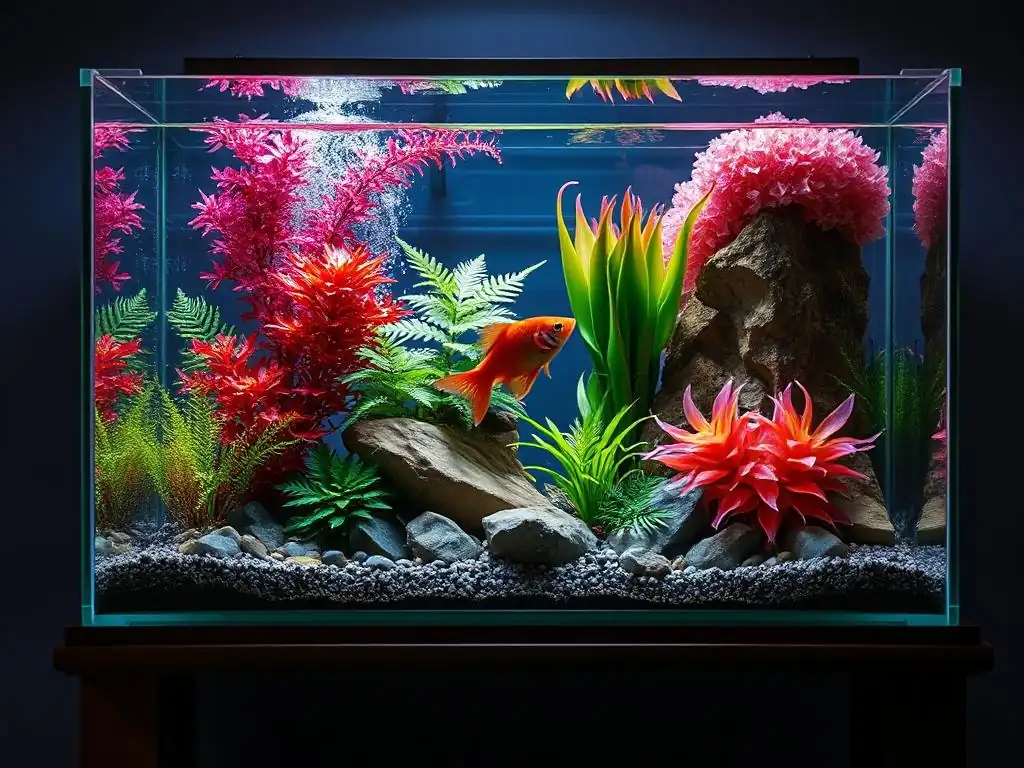
Welcome to Aquarium Mastery, your ultimate guide to thriving aquatic ecosystems!
Ever wondered how to unlock the secrets to successfully breeding Tetras? Dive into our comprehensive guide on creating the ideal Tetra breeder conditioning tank. Discover the crucial elements that will transform your Tetras into prolific breeders and learn how to optimize their environment for peak performance. Are you ready to take your Tetra breeding to the next level? Let's begin!
- Creating a "Blackwater Biotope" for Cardinal Tetra Breeding with Aquarium Mastery
- Understanding the Importance of a Cardinal Tetra Breeder Blackwater Biotope
- Planning Your Cardinal Tetra Breeder Blackwater Biotope Setup
- Water Parameters for Optimal Cardinal Tetra Conditioning
- Selecting and Introducing Cardinal Tetras to the Blackwater Biotope
- Feeding Strategies for Conditioning Cardinal Tetra Breeders
- Monitoring Cardinal Tetra Breeding Behavior and Spawning Signs
- Post-Spawning Care in the Blackwater Biotope
- Troubleshooting Common Issues in Cardinal Tetra Conditioning Tanks
- Advanced Techniques for Cardinal Tetra Breeding Success
- Maintaining Long-Term Success with Your Cardinal Tetra Breeder Blackwater Biotope
-
Frequently Asked Questions
- How does a conditioning tank specifically benefit Tetra breeders?
- What are the key water parameters to consider when setting up a Tetra breeder conditioning tank?
- What type of food is best for conditioning Tetra breeders in a dedicated tank?
- How often should I perform water changes in a Tetra breeder conditioning tank, and why?
- What signs of readiness should I look for in Tetras before moving them from the conditioning tank to a spawning tank?
- Final Reflection: Nurturing Life's Potential
- Ignite Your Tetra Breeding Success!
Creating a "Blackwater Biotope" for Cardinal Tetra Breeding with Aquarium Mastery
Understanding the Importance of a Cardinal Tetra Breeder Blackwater Biotope
Why Simulate Blackwater Conditions Before Breeding? Maximizing Fry Survival Rates
Simulating blackwater conditions is paramount for successful Cardinal Tetra breeding, primarily to maximize fry survival rates. These conditions, characterized by low pH, low general hardness (GH), and the presence of humic substances, closely replicate the natural habitat of Cardinal Tetras in the Amazon basin, such as the Rio Negro.
This specific aquatic environment is crucial because it inhibits the growth of harmful bacteria and fungi that commonly attack delicate tetra eggs and newly hatched fry. Without these protective properties, a significant portion of the eggs, often 50% or more, can be lost to fungal infections within 24-48 hours of spawning, making a dedicated tetra breeder conditioning tank essential for success.
The antiseptic properties of tannins released from botanicals like Indian almond leaves and alder cones create a more sterile and protective environment, leading to significantly higher hatching rates. In an optimized blackwater setup, hatching rates can increase from a typical 30-50% in neutral or harder water to an impressive 70-90%.
This reduction in egg and fry mortality is a direct result of the water chemistry mimicking their native waters, where eggs are laid in soft, acidic conditions that naturally minimize microbial proliferation. This specialized environment provided by a blackwater tetra breeder conditioning tank is the cornerstone for boosting the reproductive success of these sensitive fish.
The Role of a Blackwater Biotope in Cardinal Tetra Breeding Success
The blackwater biotope plays a pivotal role in triggering and supporting Cardinal Tetra breeding success by providing the precise environmental cues necessary for spawning. The specific water chemistry, typically a pH between 5.0 and 6.0 and a GH of 1-3 dGH, signals to the fish that conditions are ideal for reproduction, mirroring their natural flood cycles and the onset of the breeding season.
The subdued lighting and abundance of natural hiding spots provided by botanicals (such as driftwood and leaf litter) also significantly reduce stress in the breeding pair, encouraging them to feel secure enough to engage in courtship and spawning activities. This precise environmental simulation is often the missing link for aquarists struggling to breed these notoriously challenging tetras.
Beyond triggering spawning, the blackwater biotope contributes to the long-term health and vitality of both the breeding pair and their offspring. Maintaining fish in conditions closely aligned with their natural habitat reduces chronic stress, leading to stronger, healthier spawns with higher genetic viability.
The humic substances present in blackwater have also been observed to boost the immune system of adult fish, making them more resilient to diseases during the physiologically demanding breeding process. This holistic approach ensures not only successful immediate spawns but also contributes to the robustness and vitality of subsequent generations, reinforcing the importance of a properly established tetra breeder conditioning tank for consistent breeding outcomes.
Planning Your Cardinal Tetra Breeder Blackwater Biotope Setup
Tank Size and Dimensions: Optimizing Space for Cardinal Tetra Conditioning
For Cardinal Tetras, a dedicated breeding tank does not need to be excessively large; a 10-gallon (approximately 38-liter) aquarium is often sufficient for one breeding pair or a small conditioning group of 4-6 individuals. The crucial aspect is the tank's dimensions rather than sheer volume.
A longer tank, such as one measuring 20 inches in length for a 10-gallon capacity, provides more horizontal swimming space and allows for the establishment of territorial boundaries, which can help reduce aggression during the conditioning phase. This dedicated tetra breeder conditioning tank setup allows for meticulous control over water parameters without impacting the conditions of a larger display or community tank.
The benefits of utilizing a smaller, dedicated tank for breeding extend to ease of maintenance and precision in water parameter adjustments. For instance, adjusting the pH from a neutral 7.0 down to the ideal 5.5 for Cardinal Tetras is far more manageable and less risky in a 10-gallon tank compared to attempting such a drastic change in a 50-gallon community setup.
Furthermore, the confined space of a smaller tank significantly simplifies the process of locating and carefully removing delicate eggs after spawning, which is vital for preventing predation by the parent fish and substantially improving the chances of fry survival. This specialized and controlled environment is the cornerstone of effective tetra breeder conditioning tank management.
Essential Equipment for a Blackwater Biotope: Heater, Filter, and Lighting
A reliable aquarium heater is paramount for maintaining the stable water temperature critical for Cardinal Tetra spawning, ideally between 78-82°F (25.5-27.8°C). Consistent temperature is key, as fluctuations can induce stress and inhibit breeding behavior. For filtration in a tetra breeder conditioning tank, a small, air-driven sponge filter is highly recommended. Sponge filters provide gentle mechanical and biological filtration without creating strong currents that can stress the fish or harm fragile eggs and newly hatched fry. The large surface area of the sponge also offers an excellent substrate for beneficial bacteria, contributing significantly to stable and healthy water quality.
Lighting for a blackwater biotope should be dim and subdued, mimicking the low light penetration characteristic of their natural Amazonian habitats. A low-wattage LED light or even ambient room light is generally sufficient; bright, direct lighting should be avoided as it can stress Cardinal Tetras and discourage spawning.
The objective is not vigorous plant growth but rather creating a calm, natural environment that encourages breeding. Additionally, incorporating an air stone connected to a quiet air pump can provide essential oxygenation without causing excessive water movement, further supporting fish health and maintaining the overall integrity of the tetra breeder conditioning tank environment.
Choosing the Right Substrate and Decorations for Cardinal Tetra Breeding
For a Cardinal Tetra breeding tank, a bare bottom is frequently preferred by experienced aquarists due to its ease of cleaning and simplification of egg retrieval, especially if the plan is to remove the eggs post-spawning. If a substrate is desired, a very thin layer (less than 1 inch or 2.5 cm) of inert, fine sand can be used, but it must be meticulously cleaned and maintained to prevent the buildup of detritus. The primary "decoration" for a blackwater biotope, however, comes from natural botanicals.
Indian almond leaves (Catappa leaves), alder cones, and cholla wood are excellent choices, as they gradually release tannins and humic acids. These compounds are essential for creating the desired low pH and soft water conditions, while also providing natural hiding spots and a sense of security for the fish.
These natural botanicals serve multiple crucial purposes beyond simply conditioning the water. They offer vital hiding places for the fish, which significantly reduces stress and actively encourages courtship behavior. The leaf litter also creates a natural substrate for the growth of infusoria, microscopic organisms that serve as an indispensable first food source for newly hatched Cardinal Tetra fry.
For example, adding 3-5 medium-sized Indian almond leaves per 10 gallons can effectively lower the pH and provide the necessary tannin infusion. Regularly replacing these items every 2-4 weeks ensures a continuous supply of beneficial compounds, making the tetra breeder conditioning tank both highly functional and aesthetically congruent with their natural environment.
Water Parameters for Optimal Cardinal Tetra Conditioning
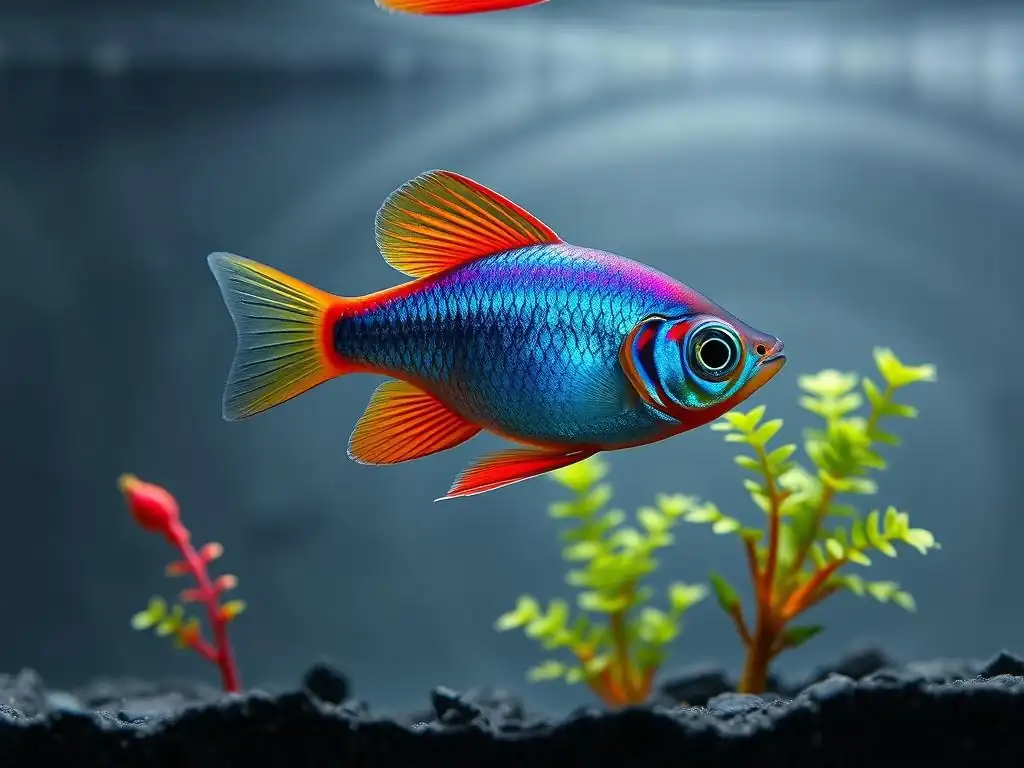
Achieving Ideal Water Chemistry for Cardinal Tetra Breeding: pH, GH, KH
Achieving precise water chemistry is critical for triggering and sustaining Cardinal Tetra breeding. The ideal pH range for spawning is acidic, typically between 5.0 and 6.0, closely mimicking their native blackwater environments. Simultaneously, general hardness (GH) should be very low, ideally 1-3 dGH (17.9-53.7 ppm), and carbonate hardness (KH) should be virtually undetectable, often below 1 dKH (17.9 ppm).
These soft, acidic conditions are paramount because they prevent the egg casings from hardening excessively, allowing for successful fertilization and hatching. Without these specific parameters, eggs may fail to develop or hatch, rendering the tetra breeder conditioning tank ineffective for reproduction.
To achieve these specific parameters, reverse osmosis (RO) water or deionized (DI) water is often necessary, as tap water rarely meets these requirements. RO/DI water provides a blank slate, allowing aquarists to precisely remineralize it with specialized products designed for soft water fish or to introduce botanicals that naturally lower pH and GH.
Regular testing with reliable liquid test kits is indispensable to monitor pH, GH, and KH levels daily during the conditioning phase. Maintaining this delicate balance is a continuous process, as factors like biological activity and the decomposition of botanicals can subtly alter water chemistry, necessitating vigilant monitoring in the tetra breeder conditioning tank.
Temperature Control: Maintaining the Perfect Temperature for Spawning
Precise temperature control is a non-negotiable factor in encouraging Cardinal Tetra spawning. The optimal temperature range for breeding is consistently between 78-82°F (25.5-27.8°C). Maintaining a stable temperature within this narrow range signals to the fish that environmental conditions are favorable for reproduction. Fluctuations outside this range, even by a few degrees, can stress the fish, inhibit their natural breeding instincts, and potentially lead to unsuccessful spawning attempts or even health issues. A high-quality, submersible heater with an accurate thermostat is essential for this purpose, as it ensures the temperature remains constant throughout the conditioning and spawning period.
Beyond simply maintaining a stable temperature, some breeders employ a slight temperature increase as a spawning trigger. After a period of conditioning at the lower end of the ideal range (e.g., 78°F), a gradual increase of 1-2°F over a 24-hour period can sometimes stimulate spawning activity. However, this must be done cautiously to avoid shocking the fish.
Constant monitoring with an accurate thermometer is vital to ensure the temperature never exceeds the upper limit of 82°F, as excessively high temperatures can be detrimental to both the adult fish and the viability of the eggs. This meticulous temperature management is a critical component of preparing a tetra breeder conditioning tank for optimal performance.
The Importance of Water Changes in Cardinal Tetra Conditioning Tanks
Despite the desire for stable water parameters, regular and precise water changes are critically important in a Cardinal Tetra conditioning tank. While large, infrequent changes can be detrimental, small, frequent changes (e.g., 10-15% every 2-3 days) are highly beneficial. These small changes help to prevent the accumulation of nitrates and other metabolic wastes, which, even in low concentrations, can stress delicate Cardinal Tetras and inhibit spawning. Furthermore, fresh, properly conditioned water can stimulate breeding behavior by mimicking the natural influx of clean rainwater in their native habitats, signaling a favorable time for reproduction.
When performing water changes, it is absolutely essential that the replacement water precisely matches the temperature and chemical parameters (pH, GH, KH) of the water already in the tank. Any sudden shifts can cause severe stress or even death to these sensitive fish. Preparing the replacement water in advance, allowing it to reach the correct temperature and parameters, is a standard practice.
Using a drip acclimation method for adding new water can further minimize stress. This meticulous approach to water management ensures that the tetra breeder conditioning tank remains a pristine and stable environment, conducive to successful breeding without introducing harmful fluctuations.
Selecting and Introducing Cardinal Tetras to the Blackwater Biotope
Identifying Healthy Cardinal Tetra Breeding Pairs: Signs of Readiness
Identifying healthy and ready Cardinal Tetra breeding pairs is a crucial step for successful spawning. Look for fish that are robust, active, and display vibrant coloration; dull colors or lethargy can indicate stress or illness. Females ready to spawn will typically appear noticeably plumper, especially in the abdominal region, due to the presence of ripe eggs.
Males, while generally slimmer, will exhibit intense coloration and actively pursue females, often displaying a "shimmying" or trembling motion as part of their courtship ritual. Aim to select fish that are at least 8-10 months old, as younger individuals may not be sexually mature enough for optimal breeding.
Beyond physical appearance, observe their behavior in a group. Healthy, ready-to-breed Cardinal Tetras will be social but also show signs of pairing off. Males will often "dance" around females, attempting to guide them towards potential spawning sites. Avoid any fish that appear shy, withdrawn, or have clamped fins, as these are signs of stress or underlying health issues that will hinder breeding success. By carefully selecting individuals that exhibit these clear indicators of health and readiness, you significantly increase the likelihood of successful spawning in your tetra breeder conditioning tank.
Acclimation Procedures: Minimizing Stress During Tetra Introduction
Minimizing stress during the introduction of Cardinal Tetras to their blackwater biotope is paramount, as these fish are highly sensitive to sudden environmental changes. The drip acclimation method is highly recommended for its gradual approach. Begin by floating the bag containing the fish in the breeding tank for 15-20 minutes to equalize temperature.
Then, transfer the fish and their original water into a clean bucket or small container. Using an air line tube and a knot or valve, create a slow drip from the breeding tank into the bucket, allowing tank water to gradually mix with the fish's transport water.
This drip should be slow enough that the volume of water in the bucket doubles over a period of 45-60 minutes. This extended period allows the fish to slowly adjust to the new pH, hardness, and temperature of the blackwater biotope. Once the volume has doubled, carefully net the fish and transfer them into the tetra breeder conditioning tank, discarding the water from the bucket.
Avoid pouring the transport water directly into the breeding tank, as it may contain ammonia or other undesirable substances. This careful, gradual acclimation process significantly reduces the risk of shock, illness, and stress-induced infertility, setting the stage for successful breeding.
Maintaining social harmony within the blackwater biotope is crucial for encouraging Cardinal Tetra breeding. While a single breeding pair is ideal for controlled spawning, conditioning a small group (e.g., 2 males and 2-3 females) in the tetra breeder conditioning tank can sometimes stimulate competition and readiness, leading to better results. However, it's important to ensure adequate space and plenty of hiding spots (provided by the botanicals and leaf litter) to prevent excessive aggression or stress among individuals. Cardinal Tetras are schooling fish, and a small group can make them feel more secure.
Monitor the fish closely for any signs of undue aggression, such as chasing or fin nipping. If a particular male is overly dominant or a fish appears constantly stressed, it may be necessary to separate them or adjust the group composition. Providing a rich environment with visual barriers created by driftwood, plants, or dense leaf litter helps establish individual territories and reduces direct confrontation. A harmonious environment ensures that the fish are relaxed and comfortable enough to engage in courtship and spawning behaviors, which is a key objective of the tetra breeder conditioning tank.
Feeding Strategies for Conditioning Cardinal Tetra Breeders
Live Food Options: Boosting Tetra Fertility and Spawning
Feeding live foods is one of the most effective strategies for conditioning Cardinal Tetra breeders, significantly boosting their fertility and encouraging spawning. Live foods are rich in essential nutrients, proteins, and fats that mimic their natural diet and stimulate their predatory instincts. Excellent choices include newly hatched brine shrimp, daphnia, micro worms, and grindal worms. For example, feeding newly hatched brine shrimp daily for 1-2 weeks before an anticipated spawn can dramatically improve egg quality and male vigor. The movement of live food also encourages active feeding, ensuring the fish receive ample nutrition.
The high nutritional value and digestibility of live foods contribute directly to the development of healthy, viable eggs in females and robust sperm in males. Daphnia, for instance, are known to be packed with essential fatty acids that are critical for reproductive health. Offering a variety of live foods, rather than just one type, ensures a broader spectrum of nutrients. This intensive feeding regimen, often referred to as "gut loading" the fish, prepares them physiologically for the energy demands of spawning and subsequent egg production, making it a cornerstone of successful tetra breeder conditioning tank management.
Supplementing with High-Quality Flake and Frozen Foods
While live foods are paramount, supplementing the diet with high-quality flake and frozen foods is also beneficial for comprehensive nutrition in a tetra breeder conditioning tank. Premium flake foods specifically formulated for small, omnivorous fish can provide a baseline of essential vitamins and minerals. Look for flakes with high protein content (e.g., 40-50%) and natural color enhancers. Frozen foods like bloodworms, spirulina brine shrimp, and cyclops are excellent alternatives when live foods are unavailable or to add variety. For instance, feeding frozen cyclops every other day can provide crucial lipids and pigments.
Before feeding frozen foods, always thaw them completely in a small amount of tank water to prevent digestive issues. Ensure the pieces are small enough for Cardinal Tetras to consume easily. The combination of live, high-quality flake, and frozen foods provides a balanced diet that ensures the breeders receive all necessary nutrients for optimal health and reproductive readiness. This varied feeding approach helps to prevent nutritional deficiencies that could otherwise hinder spawning success or result in less viable offspring, making it a critical aspect of conditioning in a tetra breeder conditioning tank.
Feeding Schedules: Optimizing Nutrient Intake for Cardinal Tetra Breeders
Optimizing the feeding schedule is just as important as the food types themselves for conditioning Cardinal Tetra breeders. Instead of one large feeding, offer small amounts of food 2-3 times a day. This approach ensures that the fish are constantly receiving fresh nutrients and allows for better digestion, reducing the risk of water quality degradation from uneaten food. For example, a typical schedule might involve live brine shrimp in the morning, high-quality flake food in the afternoon, and frozen cyclops in the evening. This consistent, frequent feeding keeps the fish in peak condition for spawning.
During the week leading up to an anticipated spawning event, increase the quantity of live foods, while still ensuring that all food is consumed within a few minutes to prevent waste. This intensive feeding regimen provides the final boost of energy and nutrients required for egg development and male vitality. After spawning, reduce feeding slightly to prevent overfeeding, especially if the adults are removed and the focus shifts to fry care. A well-managed feeding schedule in the tetra breeder conditioning tank is a direct contributor to the health and reproductive success of the Cardinal Tetras.
Monitoring Cardinal Tetra Breeding Behavior and Spawning Signs
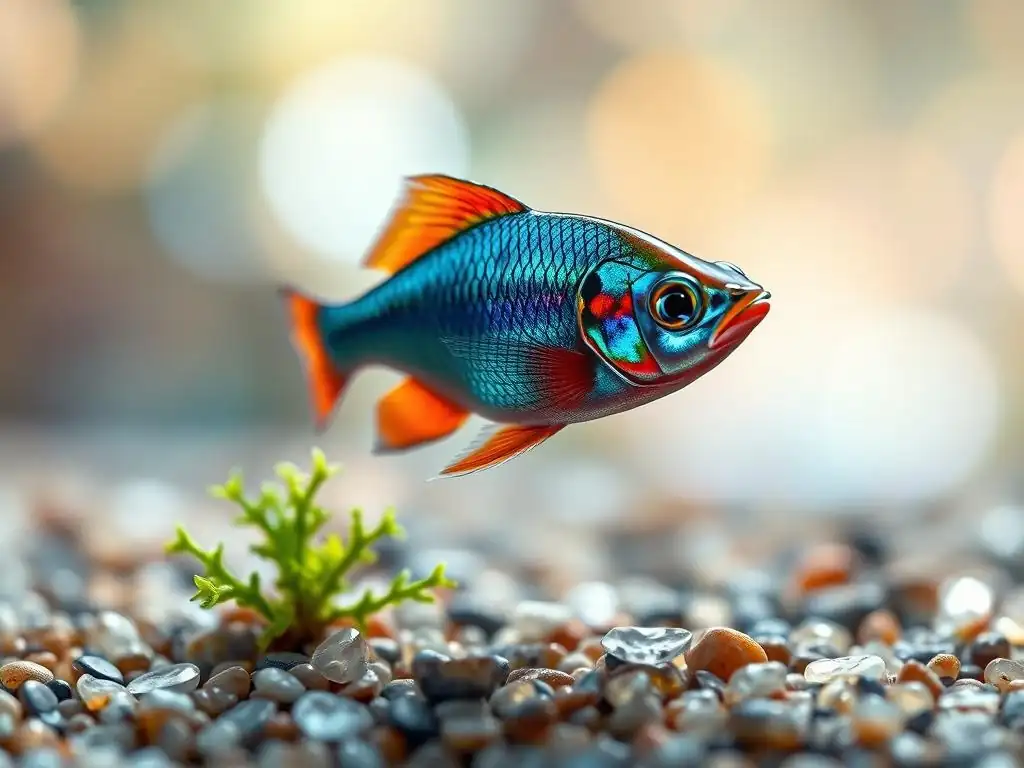
Recognizing Courtship Rituals: Identifying Breeding Readiness
Recognizing the courtship rituals of Cardinal Tetras is key to identifying when they are ready to spawn in the tetra breeder conditioning tank. Males will typically initiate the courtship by displaying vibrant colors and performing a "dance" or "shimmy" around the female, attempting to entice her. This involves rapid vibrations of their bodies and fins, often accompanied by chasing the female gently towards areas with dense vegetation or spawning mops. The female, if receptive, will become noticeably plumper with eggs and may start to follow the male or position herself in a way that indicates readiness.
These courtship displays are often most pronounced in the early morning hours, shortly after the lights come on or as natural light filters into the room. Observing these behaviors consistently over a few days indicates that the pair is well-conditioned and close to spawning. It's crucial to provide a calm, undisturbed environment during this period, as any sudden movements or bright lights can cause the fish to cease their courtship. Paying close attention to these subtle but distinct behaviors is essential for predicting and facilitating a successful breeding event within the tetra breeder conditioning tank.
Observing Spawning Activity: Ensuring a Successful Breeding Event
Observing the actual spawning activity of Cardinal Tetras requires patience and a keen eye, as it typically occurs in the early morning, often at dawn. The male will repeatedly nudge the female, guiding her into dense plant thickets, a spawning mop, or even a patch of leaf litter. The female will then release a small clutch of adhesive eggs, usually 5-10 at a time, which the male will immediately fertilize. This process is often brief, lasting only an hour or two, during which hundreds of tiny, clear eggs (about 0.5 mm in diameter) can be scattered.
The eggs are highly susceptible to predation by the parents, so it's critical to have a plan for their protection. Once spawning is observed, or if eggs are found, the adult fish should be removed promptly from the tetra breeder conditioning tank to prevent them from consuming the eggs. If using a spawning mop, it can be carefully transferred to a separate fry-rearing tank. The successful observation of egg laying and fertilization is the definitive sign of a successful breeding event, marking the transition from conditioning to fry care.
Protecting Tetra Eggs and Fry from Predation
Protecting Cardinal Tetra eggs and fry from predation is one of the most critical challenges in their breeding. Adult Cardinal Tetras, like many other tetra species, are opportunistic egg and fry eaters. Therefore, the immediate removal of the adult fish from the tetra breeder conditioning tank after spawning is paramount. This can be done by carefully netting the adults and returning them to their main display tank or a separate holding tank. If a spawning mop was used, it can be gently lifted out and transferred to a dedicated fry-rearing tank, ensuring the eggs remain undisturbed.
Alternatively, some breeders use a layer of marbles or a coarse mesh on the bottom of the breeding tank, allowing eggs to fall through where the adults cannot reach them. However, this method can make egg collection more challenging. Once the eggs are isolated, maintain the same blackwater parameters (pH, GH, temperature) as the breeding tank, as any sudden changes can be fatal.
Dim lighting is also crucial, as Cardinal Tetra eggs are light-sensitive. Providing this protected environment significantly increases the chances of successful hatching and the subsequent survival of the delicate fry, making it a non-negotiable step in the breeding process within the tetra breeder conditioning tank.
Post-Spawning Care in the Blackwater Biotope
Removing Adult Tetras After Spawning: Preventing Egg Predation
The immediate removal of adult Cardinal Tetras from the breeding tank after spawning is a critical step to prevent egg predation. Cardinal Tetras, like many other small fish, have no parental instincts to protect their eggs or fry; in fact, they will readily consume them if given the opportunity.
Once you observe spawning activity or discover eggs scattered on plants, spawning mops, or the tank bottom, carefully net the adult pair and transfer them back to their main display or conditioning tank. This typically needs to be done within an hour or two of spawning to ensure maximum egg survival.
Leaving the adults in the tetra breeder conditioning tank for even a short period after spawning can result in the loss of a significant portion, if not all, of the eggs. The small, transparent nature of Cardinal Tetra eggs makes them difficult to spot, and the adults are adept at finding and consuming them. Prompt removal ensures that the delicate eggs are left undisturbed to develop in their pristine blackwater environment, maximizing the potential for a successful hatch and the subsequent development of a new generation of Cardinal Tetras.
Maintaining Water Quality for Developing Tetra Fry
Maintaining pristine water quality is absolutely paramount for developing Cardinal Tetra fry, as they are incredibly sensitive to even minute fluctuations or pollutants. The fry tank should retain the same specific blackwater parameters (low pH, low GH, stable temperature around 78-80°F) that were established in the tetra breeder conditioning tank. Avoid using strong filtration that can suck in or harm the tiny fry; a well-cycled sponge filter set to a very low airflow is ideal. This provides gentle biological filtration without creating strong currents.
Small, frequent water changes are crucial, typically 10-15% daily or every other day, using aged and meticulously matched RO/DI water. Siphon any uneaten food or detritus from the bottom of the tank using a small airline tube, being extremely careful not to suck up any fry. Any accumulation of ammonia, nitrite, or nitrate can quickly become lethal to the delicate fry. Dim lighting should also be maintained, as the fry are light-sensitive for the first few days. This diligent attention to water quality is the single most important factor for the survival and healthy development of Cardinal Tetra fry.
First Foods for Tetra Fry: Infusoria, Micro Worms, and Liquid Fry Food
Providing the correct first foods is a critical challenge for Cardinal Tetra fry, as they are incredibly tiny upon hatching and require microscopic food sources. For the first 3-5 days post-hatch, infusoria are the ideal primary food. Infusoria are microscopic organisms that can be cultured by decaying vegetable matter (e.g., banana peels, lettuce leaves) in a separate container or purchased as a commercial culture.
The fry will visibly "graze" on the infusoria present in the water column. Liquid fry foods, specifically designed for egg-laying fish, can also be used as a supplement or alternative, as they provide finely ground nutrients suspended in the water.
After 3-5 days, when the fry have grown slightly larger, they can be transitioned to slightly larger foods like micro worms. Micro worms are small nematodes that are easy to culture and are an excellent source of protein, stimulating rapid growth. Newly hatched brine shrimp nauplii, while slightly larger, can be introduced cautiously around day 7-10, depending on the fry's growth rate.
It is essential to feed very small amounts frequently (4-6 times a day) to ensure the fry have a constant supply of food, as their metabolic rates are very high. This precise feeding strategy is fundamental to the successful rearing of fry from a tetra breeder conditioning tank.
Troubleshooting Common Issues in Cardinal Tetra Conditioning Tanks
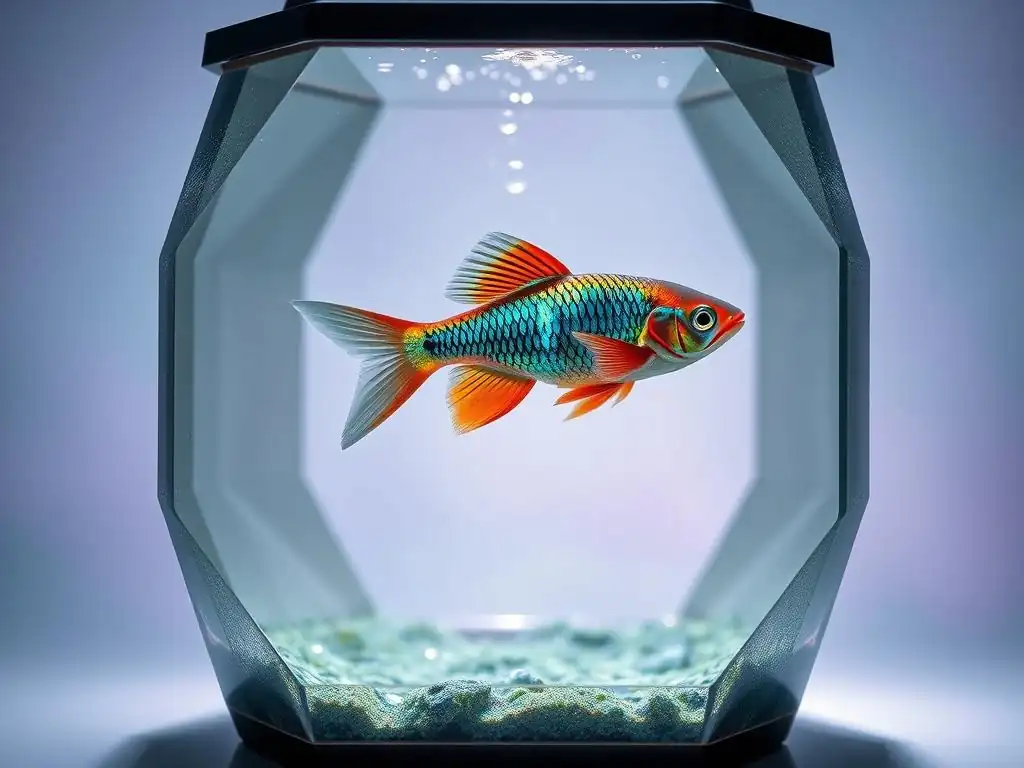
Addressing Water Quality Problems: Ammonia, Nitrite, and Nitrate Spikes
Water quality problems, particularly spikes in ammonia, nitrite, and nitrate, are common and potentially lethal issues in a tetra breeder conditioning tank. Ammonia and nitrite are highly toxic to fish, even in low concentrations (e.g., 0.25 ppm for ammonia or nitrite can be fatal). Nitrate, while less toxic, can still stress fish at levels above 20 ppm and inhibit spawning. These spikes typically result from overfeeding, insufficient filtration, or infrequent water changes. The first sign often includes fish lethargy, clamped fins, or rapid gill movement.
To address these issues, immediate action is required. Perform a significant water change (e.g., 30-50%) using precisely matched, aged RO/DI water. Increase aeration to ensure adequate oxygen levels, which can help fish cope with toxins. Reduce or cease feeding for 24-48 hours. Review your filtration system; ensure the sponge filter is clean and functioning correctly. If the tank is new, it may be undergoing a mini-cycle, in which case daily small water changes (10-15%) are necessary until parameters stabilize. Regular testing with a liquid test kit is the best preventive measure to catch these issues before they become critical.
Preventing and Treating Diseases in Cardinal Tetra Breeders
Preventing diseases in Cardinal Tetra breeders is paramount, as stressed or sick fish will not spawn effectively. The best prevention strategies involve maintaining impeccable water quality, providing a stable blackwater environment, offering a diverse and nutritious diet, and minimizing stress. Quarantine new fish in a separate tank for 2-4 weeks before introducing them to the tetra breeder conditioning tank to avoid introducing pathogens. Common diseases can include Ich (white spot disease), fin rot, or bacterial infections, often triggered by poor water conditions or stress.
If disease is suspected, prompt identification and treatment are crucial. For Ich, a gradual temperature increase to 82-84°F (28-29°C) combined with Ich medication (following manufacturer instructions) is often effective. Fin rot and bacterial infections may require broad-spectrum antibacterial treatments. Always remove carbon from the filter during medication. It's critical to remember that Cardinal Tetras are sensitive to many medications, so opt for half-doses or less aggressive treatments if possible, and monitor fish closely. Maintaining the optimal blackwater conditions in the tetra breeder conditioning tank significantly reduces the likelihood of disease outbreaks.
Dealing with Unsuccessful Spawning Attempts: Identifying Potential Causes
Unsuccessful spawning attempts in a Cardinal Tetra conditioning tank can be frustrating, but identifying the potential causes is key to future success. One common issue is incorrect water parameters; even slight deviations from the ideal pH (5.0-6.0) or GH (1-3 dGH) can inhibit spawning. Use accurate liquid test kits to verify these parameters. Another frequent cause is insufficient conditioning through diet; if the fish are not receiving enough high-quality live foods, they may not have the energy or nutrients to produce viable eggs or sperm. Review and enhance your feeding regimen.
Environmental stress can also prevent spawning. This includes overly bright lighting, strong water currents, lack of hiding spots, or frequent disturbances near the tank. Ensure the tetra breeder conditioning tank is in a quiet location with subdued lighting. Age and health of the breeding pair are also factors; very young or old fish, or those with underlying health issues, may not be reproductively viable. If all else fails, consider trying a different breeding pair or adjusting the male-to-female ratio. Patience and meticulous attention to detail are crucial for overcoming these challenges and achieving successful Cardinal Tetra spawns.
Advanced Techniques for Cardinal Tetra Breeding Success
Implementing a Breeding Calendar for Consistent Results
Implementing a breeding calendar is an advanced technique that can lead to more consistent and predictable Cardinal Tetra breeding results. This involves meticulously tracking various factors, including conditioning periods, water parameter adjustments, feeding intensity, and past spawning dates. For example, a breeder might establish a routine of intensive live feeding for two weeks, followed by a 2°F temperature drop for 24 hours, then a gradual increase back to 80°F, culminating in a planned water change with fresh RO/DI water. Documenting the specific parameters and timing of successful spawns allows for replication.
A breeding calendar helps identify patterns and optimal triggers for individual pairs or groups of fish. It allows for a systematic approach to conditioning, ensuring that fish are in peak reproductive health at the desired time. By logging details such as the amount of food fed, specific water changes, and the exact date and time of spawning, aquarists can refine their techniques over time, increasing the frequency and success rate of breeding attempts. This methodical approach transforms the tetra breeder conditioning tank from a hopeful experiment into a reliable production system.
Using Spawning Mops and Other Breeding Aids
Using spawning mops and other breeding aids can significantly improve the efficiency and success rate of collecting Cardinal Tetra eggs. Spawning mops, typically made from synthetic yarn, provide an ideal substrate for egg deposition that mimics dense plant thickets. The eggs, which are adhesive, stick readily to the mop fibers. This makes it incredibly easy to remove the eggs from the tetra breeder conditioning tank after spawning, preventing predation by the parents without disturbing the delicate eggs themselves. Simply lift the mop and transfer it to a separate fry-rearing tank.
Other aids include egg traps or mesh dividers that allow eggs to fall through to a lower chamber, inaccessible to adults. Some breeders also use a thin layer of marbles on the tank bottom, which provides crevices for eggs to settle into. While effective, marbles can make egg retrieval more challenging.
For light-sensitive eggs, providing a dark environment by covering the tank or using very dim red light can also be considered a breeding aid. These tools streamline the breeding process, offering practical solutions for protecting the vulnerable eggs and ensuring a higher yield of fry from the tetra breeder conditioning tank.
Maintaining Long-Term Success with Your Cardinal Tetra Breeder Blackwater Biotope
Routine Maintenance Schedules: Ensuring Optimal Water Quality and Tank Health
Maintaining long-term success with your Cardinal Tetra breeder blackwater biotope hinges on establishing and adhering to a rigorous routine maintenance schedule. This includes daily visual inspections for fish health and behavior, ensuring all equipment is functioning correctly, and checking water temperature. Weekly tasks should involve small, precise water changes (e.g., 10-15%) using perfectly matched RO/DI water, siphoning any detritus from the bare bottom, and gently cleaning the sponge filter by rinsing it in old tank water. These frequent, small interventions are less stressful than infrequent, large ones for sensitive fish.
Monthly or bi-monthly, consider replacing a portion of the botanicals (Indian almond leaves, alder cones) to ensure a continuous supply of beneficial tannins and humic acids. Avoid replacing all botanicals at once, as this can cause a sudden shift in water chemistry. Regularly test pH, GH, KH, ammonia, nitrite, and nitrate levels to catch any deviations early. Consistent adherence to this schedule ensures that the tetra breeder conditioning tank remains a stable, pristine, and conducive environment for repeated breeding success, minimizing the risk of water quality crashes or disease outbreaks.
Continual Monitoring of Tetra Health and Behavior
Continual monitoring of your Cardinal Tetras' health and behavior is a cornerstone of long-term breeding success in a blackwater biotope. Daily observations allow you to quickly identify subtle changes that could indicate stress, illness, or a shift in breeding readiness. Look for changes in coloration (dullness), swimming patterns (lethargy, erratic movements), fin condition (clamping, fraying), and appetite. Healthy Cardinal Tetras are typically active, display vibrant colors, and readily accept food. Any deviation from these norms warrants immediate investigation.
Pay close attention to social dynamics within the tetra breeder conditioning tank. While some chasing during courtship is normal, excessive aggression or bullying can stress the fish and inhibit spawning. Observe feeding behavior; a sudden loss of appetite is often an early indicator of trouble. By being highly attuned to the subtle cues provided by your fish, you can proactively address potential issues before they escalate into serious problems, ensuring the continued well-being and reproductive capacity of your Cardinal Tetra breeders.
Documenting Breeding Successes and Learning from Challenges
Documenting breeding successes and learning from challenges is an invaluable practice for any serious aquarist aiming for long-term success with a tetra breeder conditioning tank. Keep a detailed logbook or digital record of every breeding attempt. This should include specific water parameters (pH, GH, KH, temperature) before, during, and after spawning, the type and quantity of food fed during conditioning, the age and origin of the breeding pair, the duration of spawning, the estimated number of eggs laid, hatching rates, and fry survival numbers.
Crucially, also document any unsuccessful attempts, noting down what variables might have been different or what issues arose (e.g., no spawning, eggs fungused, fry died). Analyzing this data over time allows you to identify patterns, pinpoint effective strategies, and learn from mistakes. For example, you might discover that a specific pH range consistently yields higher hatching rates, or that a particular feeding regimen significantly boosts fertility. This systematic approach to record-keeping is what transforms intermittent success into consistent, reliable breeding outcomes, continually refining your mastery of the tetra breeder conditioning tank.
Frequently Asked Questions
How does a conditioning tank specifically benefit Tetra breeders?
A conditioning tank allows for a controlled environment to optimize Tetra health and readiness for breeding. It promotes enhanced coloration and increased egg production.
What are the key water parameters to consider when setting up a Tetra breeder conditioning tank?
Maintaining stable and appropriate water parameters is crucial. Focus on pH levels, water hardness, and temperature stability to mimic their natural habitat.
What type of food is best for conditioning Tetra breeders in a dedicated tank?
A varied diet rich in protein and nutrients is essential. Offer live foods, frozen foods, and high-quality flake food specifically formulated for breeding fish.
How often should I perform water changes in a Tetra breeder conditioning tank, and why?
Regular water changes are vital for removing waste and maintaining water quality. Aim for 25-50% water changes weekly to prevent ammonia buildup and promote health.
What signs of readiness should I look for in Tetras before moving them from the conditioning tank to a spawning tank?
Observe for bright coloration, increased activity, and noticeable swelling in the female's abdomen, indicating she is carrying eggs and ready to breed.
Okay, I understand. Here's a final reflection crafted to fit your article "Creating a 'Conditioning Tank' for Peak Tetra Breeder Performance with Aquarium Mastery," optimized for the keyword "Tetra breeder conditioning tank," and following the structure you provided:
Final Reflection: Nurturing Life's Potential
The journey into crafting the ideal Tetra breeder conditioning tank extends far beyond mere aquarium setup; it's about understanding and optimizing the delicate dance of life itself. The principles we've explored – water quality, environmental control, and nutritional balance – are not just for fish; they are fundamental to fostering any environment where life can thrive and reach its full potential. The current surge in interest in ethical and sustainable breeding practices makes this knowledge more relevant than ever.
This deep dive into the specifics of Tetra breeding has profoundly impacted my perspective on the interconnectedness of life. It's a reminder that even seemingly small actions, like meticulously maintaining a tank, can have significant ripple effects, influencing the health and vitality of future generations. The best time to plant a tree was 20 years ago. The second best time is now.
This ancient proverb resonates deeply, reminding us that proactive care and attention, even in the smallest of ecosystems, are investments in a brighter future.
Now, as you consider the insights shared, I invite you to reflect on the "conditioning tanks" in your own life. What environments are you creating, both literally and figuratively? Are you providing the optimal conditions for growth, health, and the realization of potential? Let this exploration of Tetra breeding inspire you to cultivate spaces, within and without, where life can flourish, and where the seeds of potential can blossom into something truly extraordinary.
Ignite Your Tetra Breeding Success!
Thank you for diving into the world of tetra breeding with us! We hope this article has sparked your imagination and provided valuable insights into creating the perfect "conditioning tank." Now, let's put that knowledge into action!
Here's how you can elevate your tetra breeding game:
- Immediately begin setting up your dedicated conditioning tank. Carefully consider water parameters, plant selection, and filtration to mimic their natural environment.
- Share your initial conditioning tank setup plans on social media using #AquariumMasteryTetras to inspire fellow breeders and receive valuable feedback.
- Explore unusual food sources, like blackworms or daphnia, to provide your tetras with a diverse and nutrient-rich diet, enhancing their breeding readiness.
What innovative design elements will you incorporate into your conditioning tank to push the boundaries of tetra breeding success?