
From Hobbyist to Pro: Aquarium Mastery on Scaling Up Your Tetra Breeding

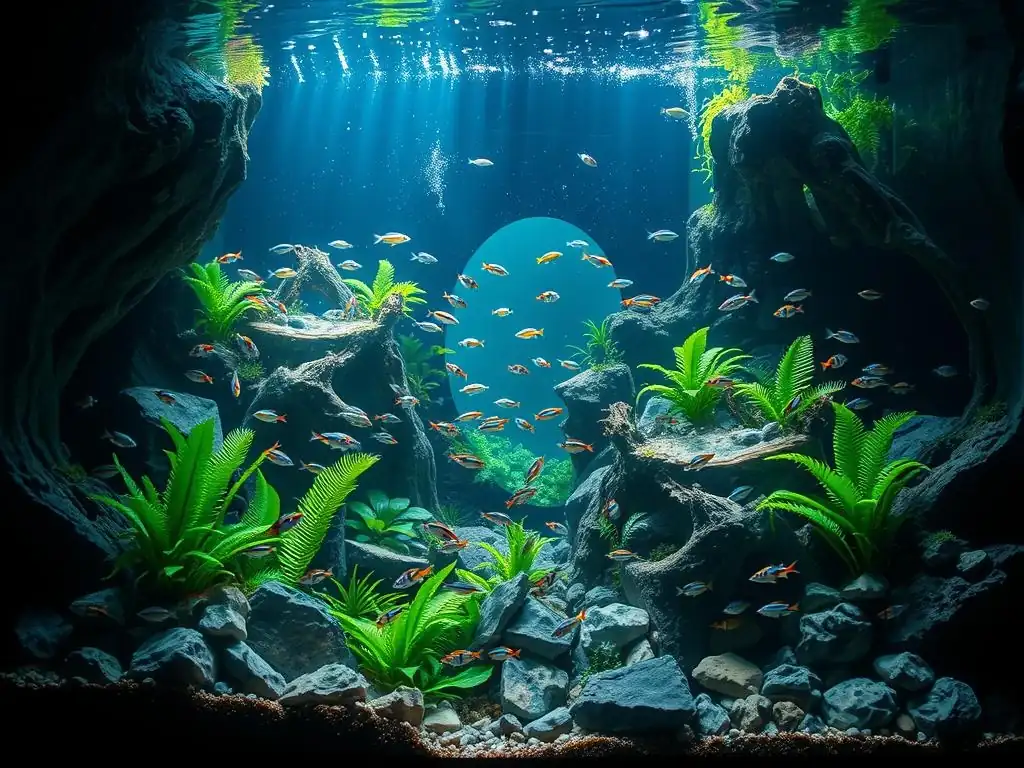
Welcome to Aquarium Mastery!
Ever wondered if you could transform your aquarium hobby into a successful breeding project? Dive into our Tetra breeding aquarium setup guide and unlock the secrets to scaling up your Tetra breeding efforts. Discover the insider tips and tricks that separate hobbyists from true aquarium masters. Are you ready to take the plunge and transform your tank into a thriving Tetra nursery? Let's get started!
- Neon Tetra Breeding: A Comprehensive Guide
- Understanding Neon Tetra Breeding: Key Factors for Success
-
The Neon Tetra Breeding Aquarium Setup Guide: Step-by-Step
- Setting Up a Dedicated Neon Tetra Breeding Tank
- Choosing a Bare Bottom or Fine Mesh Substrate for Neon Tetra Fry
- Integrating Fine-leaved Plants for Neon Tetra Spawning and Fry Cover
- Dim Lighting Considerations for Neon Tetra Breeding
- Sponge Filtration and Gentle Water Flow in the Neon Tetra Breeding Aquarium
- Optimizing Water Chemistry for Neon Tetra Breeding Success
- Neon Tetra Breeding Techniques: From Spawning to Fry Care
- Scaling Up Your Neon Tetra Breeding Operation: From Small to Large Scale
- Troubleshooting Common Neon Tetra Breeding Problems
- Advanced Neon Tetra Breeding Techniques for Experienced Aquarists
- Maintaining a Healthy and Thriving Neon Tetra Colony
- Conclusion: Achieving Aquarium Mastery in Neon Tetra Breeding
-
Frequently Asked Questions
- How do I select the right tank size for a Tetra breeding aquarium?
- What are the key water parameters to monitor in a Tetra breeding setup?
- What type of substrate and plants are recommended for a Tetra breeding aquarium?
- How do I properly condition my Tetra breeding pair before spawning?
- What steps should I take after the Tetra eggs have hatched to ensure fry survival?
- Final Reflection: The Living Symphony of Tetra Breeding
- Ignite Your Aquarium Empire: Scale Your Tetra Breeding Now!
Neon Tetra Breeding: A Comprehensive Guide
Neon Tetra breeding, while a rewarding endeavor, presents a unique set of challenges that distinguish it from general aquarium keeping. Moving from a casual hobbyist to someone consistently producing healthy spawns requires precision, patience, and a deep understanding of their specific needs. This guide aims to equip aquarists with the knowledge and techniques necessary to not only successfully breed Neon Tetras but also to scale up operations, potentially turning a passionate hobby into a profitable venture.
Mastering the intricacies of Neon Tetra reproduction involves meticulous attention to water chemistry, dedicated breeding setups, and specialized care for the incredibly delicate fry. From selecting prime breeding stock to implementing advanced water management systems for multiple tanks, each step is crucial. This comprehensive Neon Tetra breeding aquarium setup guide will navigate you through the essential phases, ensuring you have the foundation to achieve consistent success and elevate your aquarist skills.
Understanding Neon Tetra Breeding: Key Factors for Success
Successful Neon Tetra breeding hinges on replicating their natural Amazonian environment and understanding their reproductive behaviors. This involves controlling specific environmental triggers and ensuring the health and readiness of the parent fish. Precision in these factors dramatically increases spawning rates and fry survival.
The journey begins with careful selection and conditioning of the breeders, followed by the establishment of an optimal breeding environment. Each element, from water parameters to tank size, plays a critical role in signaling to these sensitive fish that conditions are ideal for spawning.
Selecting Healthy Neon Tetra Breeding Stock
Selecting the right breeding stock is the foundational step for any successful Neon Tetra breeding program. Look for individuals that display vibrant, unbroken color bands and exhibit active, confident swimming behavior. Avoid fish with clamped fins, visible lesions, or signs of emaciation, as these indicate poor health or stress. Optimal breeders are typically between 9 to 12 months old, as they are sexually mature and at the peak of their reproductive vitality; younger fish may not be ready, and much older fish might have reduced fertility.
To identify potential pairs, observe a group of at least 6-8 healthy Neon Tetras. Females are generally rounder and fuller-bodied, especially when gravid (carrying eggs), while males tend to be slimmer and more torpedo-shaped. A common strategy is to select a ratio of two males for every three females, as this can encourage competitive spawning behavior among males and increase the likelihood of successful fertilization. Sourcing your stock from reputable breeders or well-maintained local fish stores also minimizes the risk of introducing diseases into your dedicated Tetra breeding aquarium setup guide.
Neon Tetra Breeding Aquarium Size: Optimizing Space
For a single breeding pair or a small group (e.g., 2 males and 3 females), a compact 5-gallon (approximately 19 liters) to 10-gallon (38 liters) tank is often ideal. Smaller tanks allow for precise control over water parameters, which is paramount for these sensitive egg-layers. Furthermore, the confined space makes it easier for the fish to locate each other for spawning and simplifies the process of finding and collecting the tiny, transparent eggs after spawning. A tank that is too large can dilute spawning pheromones and make egg retrieval significantly more challenging.
When considering scaling up your Neon Tetra breeding operation, a dedicated rack system becomes highly efficient. This system can house multiple 5-10 gallon tanks, each dedicated to a single breeding pair or small group. This modular approach allows for individualized environmental control for each pair, maximizing spawning success rates across your entire operation. Efficient utilization of vertical space through such a rack system is a key component of any professional Tetra breeding aquarium setup guide aiming for high volume production.
Water Parameters for Successful Neon Tetra Spawning
Achieving the correct water parameters is perhaps the most critical factor for successful Neon Tetra spawning. These fish are soft, acidic water spawners, mimicking their native Amazon basin habitat. The ideal pH range for spawning is between 5.5 and 6.5, with many successful breeders targeting a pH of 6.0. Equally important is the general hardness (GH), which should be very low, typically 1-5 dGH (17.8 - 89 ppm), and carbonate hardness (KH) ideally 0-2 dKH (0-35.8 ppm). These specific conditions signal to the fish that it is the opportune time to reproduce.
Maintaining stability within these narrow parameters is crucial, as sudden fluctuations can stress the fish and inhibit spawning. Regular monitoring with reliable liquid reagent test kits (which are generally more accurate than test strips) is essential, particularly during the conditioning and spawning phases. Reverse Osmosis (RO) water, often lightly remineralized to provide essential trace elements without increasing hardness, is frequently used by professional breeders to achieve and maintain these precise, soft, and acidic conditions for their dedicated Tetra breeding aquarium setup guide.
The Neon Tetra Breeding Aquarium Setup Guide: Step-by-Step
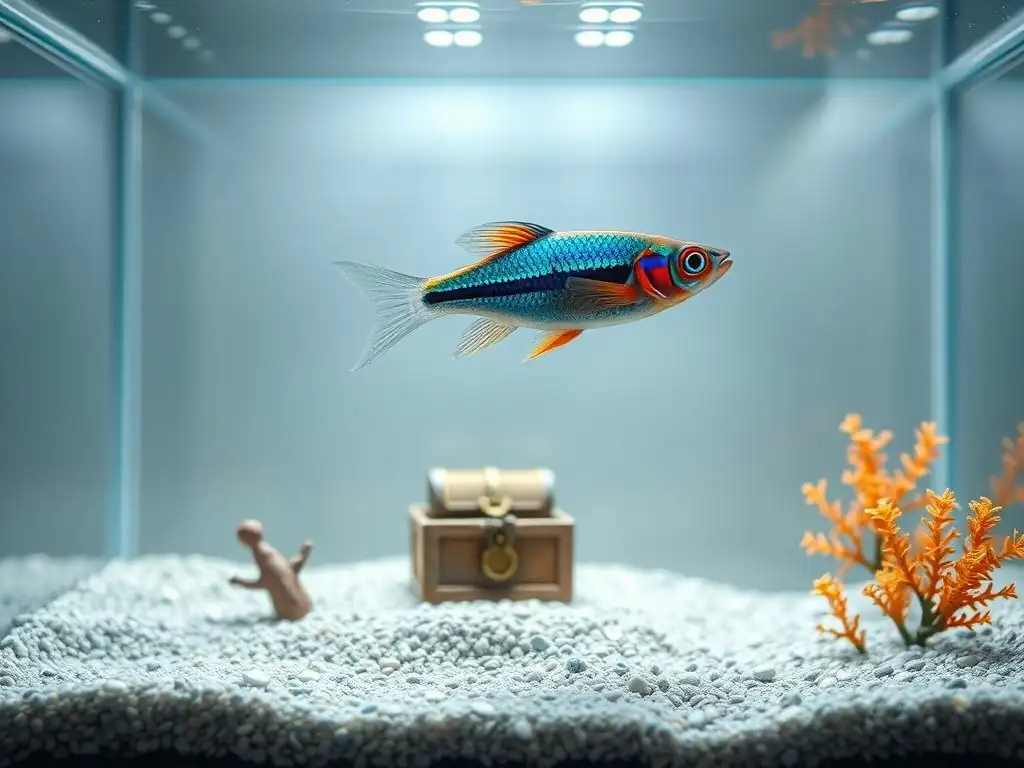
Setting up a dedicated breeding tank is paramount for protecting delicate Neon Tetra eggs and fry from predation by the parents or other tank inhabitants. This specific setup deviates significantly from a typical display tank, focusing on functionality and ease of maintenance for the vulnerable eggs and fry. Every element, from the substrate to the lighting, is chosen to optimize conditions for successful spawning and initial fry development.
This step-by-step guide will walk you through the essential components and considerations for constructing an effective Neon Tetra breeding environment. Adhering to these guidelines will significantly increase your chances of successful hatches and healthy fry development.
Setting Up a Dedicated Neon Tetra Breeding Tank
A dedicated breeding tank is indispensable for Neon Tetra propagation, primarily to safeguard the eggs from being consumed by the parents. This tank should be simple yet meticulously prepared. Begin with a clean, bare-bottom aquarium, as this simplifies the collection of eggs and maintains hygiene. A gentle air-driven sponge filter is the preferred choice for filtration, providing biological filtration without creating strong currents that could harm delicate eggs or newly hatched fry.
Incorporate spawning mops made from synthetic yarn or fine-leaved plants like Java Moss or Hornwort, which serve as sites for egg deposition. The tank temperature should be consistently maintained between 75-78°F (24-25.5°C) using a reliable heater with a thermostat. While the tank should be cycled, a common approach for breeding setups is to use meticulously conditioned RO water and rely on frequent small water changes to manage waste, especially given the minimal bioload initially. This forms the foundational element of any effective Neon Tetra breeding aquarium setup guide.
Choosing a Bare Bottom or Fine Mesh Substrate for Neon Tetra Fry
For a Neon Tetra breeding tank, a bare bottom is highly recommended. This design choice offers several significant advantages: it makes the tank exceptionally easy to clean, prevents eggs from getting lost or damaged within a traditional substrate, and allows for clear visibility, which is crucial for monitoring egg production and promptly removing any infertile or fungal-affected eggs. The unhindered access to the tank bottom also simplifies the siphoning process once the parents have been removed.
As an alternative, or in conjunction with a bare bottom, a fine mesh or spawning grid can be used. This mesh, often made from plastic crafting material or even marbles, is placed slightly above the tank bottom. It allows the tiny, adhesive eggs to fall through its openings, protecting them from being eaten by the parent fish, while still keeping them accessible for observation or removal. The mesh size should be carefully chosen to allow eggs to pass through (e.g., approximately 1/8-inch or 3mm squares) but prevent the adult fish from reaching them.
Integrating Fine-leaved Plants for Neon Tetra Spawning and Fry Cover
Neon Tetras are egg scatterers, and in their natural habitat, they deposit their eggs among dense vegetation. To replicate this, integrating fine-leaved plants or artificial spawning mops into the breeding tank is essential. Java Moss (Taxiphyllum barbieri) is an excellent choice due to its dense, intricate structure, which provides ample surfaces for egg adhesion and offers a sense of security for the spawning fish. Hornwort (Ceratophyllum demersum) or even commercially available spawning mops made from nylon yarn are also highly effective alternatives.
Beyond providing a substrate for egg deposition, these plants serve a crucial secondary role: offering immediate cover for newly hatched fry. While the parent fish are removed post-spawning, the fry are incredibly tiny and vulnerable during their initial free-swimming stage. Dense plant cover provides essential hiding spots and can also serve as a surface for the natural growth of infusoria, which acts as a microscopic initial food source for the fry. Ensure all plants are thoroughly cleaned and quarantined to prevent the introduction of pests or diseases into your sensitive Tetra breeding aquarium setup guide.
Dim Lighting Considerations for Neon Tetra Breeding
Neon Tetras are inherently shy fish and prefer subdued lighting conditions, particularly during their breeding cycle. Bright, intense lighting can induce stress, which in turn can inhibit spawning activity. A dimly lit environment effectively mimics the conditions found in their natural habitat, where dense canopy cover filters sunlight, creating a more secure and conducive atmosphere for reproduction.
Furthermore, after spawning has occurred and the parent fish have been removed, it is a common and highly recommended practice to keep the breeding tank in near darkness for the first 24 to 48 hours. This is because Neon Tetra eggs are photosensitive; exposure to strong light can significantly damage them, leading to reduced hatch rates or even complete failure. Many breeders achieve this by simply covering the tank with a dark cloth or placing it in a low-light area of the fish room.
Sponge Filtration and Gentle Water Flow in the Neon Tetra Breeding Aquarium
A gentle yet effective filtration system is absolutely paramount in a Neon Tetra breeding tank. Air-driven sponge filters are the gold standard for this purpose. They offer excellent biological filtration by providing a large surface area for beneficial bacteria to colonize, effectively breaking down ammonia and nitrite. Crucially, they achieve this without creating strong water currents that could dislodge or harm the incredibly delicate eggs, or worse, suck in newly hatched fry.
Conversely, hang-on-back (HOB) filters or internal power filters are generally unsuitable for breeding tanks. Their strong intake currents pose a significant risk to the tiny fry, and their powerful outflows can generate excessive turbulence, stressing both eggs and fry. The objective is to maintain minimal water disturbance, just enough to ensure proper oxygenation and gentle water circulation without jeopardizing the fragile early life stages. A very low-setting air stone can also be used for supplemental, gentle aeration, making it a critical component of any comprehensive Tetra breeding aquarium setup guide.
Optimizing Water Chemistry for Neon Tetra Breeding Success
Precise water chemistry is not just important for Neon Tetra breeding; it is absolutely critical. These fish require very specific conditions to trigger spawning and ensure the viability of their eggs. Any deviation from these parameters can lead to failed spawns or high mortality rates among eggs and fry. Understanding and meticulously controlling pH, hardness, and conducting appropriate water changes are the pillars of successful propagation.
This section delves deeper into the specifics of water chemistry, explaining why certain parameters are necessary and how to achieve them consistently. Mastering these aspects is a hallmark of an advanced aquarist dedicated to Neon Tetra breeding.
Maintaining Ideal pH Levels (5.5 - 6.5) for Neon Tetra Spawning
For successful Neon Tetra spawning, maintaining a precise pH level between 5.5 and 6.5 is paramount, with many experienced breeders aiming for a consistent pH of 6.0. This acidic environment is not merely a preference; it is essential for the viability of the eggs and successful fertilization. In water with a higher pH, the delicate egg membranes can harden prematurely, preventing sperm from penetrating or causing developmental abnormalities that lead to non-hatching eggs.
To achieve and consistently maintain this acidic range, the use of Reverse Osmosis (RO) water is highly recommended, as it allows for a clean slate to build your desired water parameters. This RO water can then be carefully buffered down using aquarium-safe methods, such as adding peat moss to the filter or utilizing specific commercial acid solutions designed for aquariums. Regular monitoring with a calibrated digital pH meter or a high-quality liquid test kit is vital to ensure stability, as even minor fluctuations can significantly impact spawning success and the overall health of your Tetra breeding aquarium setup guide.
Water Softness (Very Soft Water) and Its Impact on Neon Tetra Eggs
The necessity of very soft water for Neon Tetra breeding cannot be overstated. Ideal parameters typically fall within 1-5 dGH (17.8-89 ppm) for general hardness and 0-2 dKH (0-35.8 ppm) for carbonate hardness. The presence of high levels of calcium and magnesium ions, characteristic of hard water, can severely impede the development of Neon Tetra eggs. These minerals can interfere with the delicate osmotic balance required for the eggs to properly absorb water and mature.
To consistently achieve these ultra-soft conditions, Reverse Osmosis (RO) water is the most reliable solution. Unlike tap water, which varies greatly in hardness by region, RO water provides a blank canvas, almost entirely free of dissolved solids. While RO water is often slightly remineralized to provide essential trace elements for fish health, this process must be done carefully to avoid significantly increasing hardness. This meticulous control over water softness is a critical distinguishing factor in a successful Tetra breeding aquarium setup guide.
Regular Water Changes with RO Water in the Neon Tetra Breeding Tank
Regular, small water changes using meticulously conditioned RO water are crucial for the pristine environment required by Neon Tetra eggs and fry. Even in a dedicated breeding tank with minimal bioload, metabolic waste products and uneaten food can quickly accumulate, leading to subtle shifts in water chemistry that can be detrimental to delicate eggs and newly hatched fry. Daily or every-other-day water changes, typically 10-15% of the tank volume, help to maintain stable parameters and dilute any accumulating toxins.
When performing these water changes, it is imperative that the replacement water is pre-heated to the exact temperature of the tank and pH-adjusted to match the existing parameters. Large, infrequent water changes should be avoided, as they can cause sudden shocks to the sensitive fish and fry, potentially leading to stress or mortality. For fry tanks, a slow drip system or a very gentle siphon should be used to minimize disturbance. This consistent maintenance of optimal water quality is a primary factor in maximizing hatch rates and overall fry survival in any Tetra breeding aquarium setup guide.
Neon Tetra Breeding Techniques: From Spawning to Fry Care
Successfully breeding Neon Tetras extends beyond setting up the tank; it involves specific techniques to encourage spawning and meticulous care for the fragile offspring. This phase requires a keen eye for detail, precise timing, and a deep understanding of the Neon Tetra's reproductive cycle. From conditioning the parents to the nuanced feeding of microscopic fry, each step is vital for the survival and growth of the next generation.
This section will guide you through the active breeding process, covering everything from preparing the adult fish to nurturing the newly hatched fry through their most vulnerable stages. Adhering to these techniques will significantly improve your breeding yields.
Conditioning Neon Tetra Breeders with Live Foods
Conditioning, or "fattening up," your Neon Tetra breeders with a high-quality, protein-rich diet is a critical prerequisite for successful spawning. Live foods are particularly effective during this phase as they provide a superior nutritional profile and stimulate the fish's natural hunting instincts, encouraging them to consume more. Excellent choices include live brine shrimp (Artemia), daphnia, bloodworms, and white worms. Feed small amounts of these live foods multiple times a day for a period of one to two weeks prior to attempting to trigger spawning.
While live foods are paramount, supplementing their diet with high-quality frozen or premium flake foods can also contribute to their overall health. However, prioritize live options during this conditioning period, as the nutritional boost they provide directly impacts the quantity and viability of the eggs produced. A well-conditioned female will exhibit a noticeably plumper abdomen, indicating that she is gravid and ready to lay eggs.
Triggering Neon Tetra Spawning: Darkness and Soft Water
Once your Neon Tetra breeders are optimally conditioned, introducing them to the meticulously prepared breeding tank often triggers spawning. The combination of very soft, acidic water (as previously detailed) and a period of dim lighting or even complete darkness is a potent stimulus. Many breeders will introduce their chosen pair or small group into the breeding tank in the late evening and check for eggs early the following morning, as spawning typically occurs during the dawn hours.
During spawning, the male will actively chase the female, nudging her towards the chosen spawning sites, such as fine-leaved plants or spawning mops. Eggs are then scattered and will fall to the bottom or adhere to the vegetation. It is crucial to remove the parent fish promptly after spawning is observed, typically within a few hours, as they are notorious egg predators. This swift removal is a non-negotiable step in any successful Tetra breeding aquarium setup guide to ensure egg survival.
Identifying Neon Tetra Eggs and Protecting Them
Neon Tetra eggs are remarkably tiny, appearing as clear, almost glass-like spheres, typically measuring only about 0.5 to 1.0 mm in diameter. They are semi-adhesive and will often be found scattered on the fine-leaved plants or resting on the bare bottom of the breeding tank. It is important to distinguish viable eggs from infertile ones: infertile eggs will turn opaque or white within a few hours, often developing a fuzzy fungal growth. These non-viable eggs should be carefully siphoned out immediately to prevent the fungus from spreading to healthy, viable eggs.
To protect the healthy eggs, it is paramount that the tank remains in very dim light or complete darkness for the entire incubation period. As previously mentioned, Neon Tetra eggs are photosensitive, and exposure to bright light can cause significant damage or prevent hatching. Some experienced breeders may opt to add a few drops of a very dilute methylene blue solution to the water.
This acts as an anti-fungal agent, offering an additional layer of protection, though it can temporarily stain the tank water. The incubation period is remarkably short, typically 24-36 hours at an optimal temperature range of 75-78°F (24-25.5°C).
Raising Neon Tetra Fry: Infusoria, Liquid Fry Food, and Baby Brine Shrimp
Newly hatched Neon Tetra fry are incredibly small and delicate, often appearing as tiny, translucent slivers of glass. For the first 2-3 days post-hatch, they will absorb nutrients from their yolk sac and typically remain motionless, often clinging to surfaces. During this period, they do not require external feeding. However, once the yolk sac is fully absorbed and they become free-swimming, their mouthparts are still too tiny to consume newly hatched baby brine shrimp.
The initial food source for free-swimming Neon Tetra fry must be microscopic. Infusoria, which are microscopic single-celled organisms, are ideal for the first 5-7 days of feeding. These can be cultured at home by steeping organic matter like dried banana peels or lettuce leaves in water. Alternatively, high-quality commercial liquid fry foods or finely powdered spirulina specifically designed for egg-laying fry can be used.
After approximately one week, when the fry have grown slightly larger, they can be transitioned to newly hatched baby brine shrimp (Artemia nauplii). Baby brine shrimp provide excellent nutritional value and promote rapid growth. Consistent feeding, 3-5 times a day, is absolutely crucial for achieving high survival rates during this critical early stage.
Scaling Up Your Neon Tetra Breeding Operation: From Small to Large Scale
Transitioning from hobbyist breeding to a large-scale Neon Tetra operation involves significant changes in infrastructure, management, and strategy. The principles of precision and meticulous care remain, but they must be applied across multiple systems efficiently. This shift requires thoughtful planning to manage numerous tanks, optimize feeding for large populations, and maintain consistent water quality.
Scaling up also introduces the opportunity for selective breeding, allowing for the enhancement of desirable traits over generations. Mastering these aspects transforms a successful hobby into a professional endeavor, capable of producing high volumes of quality fish.
Managing Multiple Neon Tetra Breeding Tanks
For a large-scale Neon Tetra breeding operation, a dedicated fish room equipped with a multi-tiered rack system is essential. This system can efficiently house dozens of 5-10 gallon tanks, each assigned to a specific breeding pair or small group. This individual tank approach allows for precise control over water parameters and breeding schedules for each unit, maximizing individual spawning success rates. Implementing a clear labeling or numbering system for each tank, perhaps with color-coding, is vital for tracking spawning dates, parentage, and the developmental stages of the fry.
To streamline daily operations, consider establishing a centralized water mixing station. Here, Reverse Osmosis (RO) water can be pre-heated, pH-adjusted, and precisely remineralized in bulk quantities. This dramatically simplifies the process of performing water changes across multiple tanks, saving considerable time and ensuring consistent water parameters. Furthermore, automated top-off systems can be installed to compensate for evaporation, which is particularly beneficial in a large-scale Tetra breeding aquarium setup guide to maintain stable water levels and chemistry.
Efficient Feeding Strategies for Large-Scale Fry Rearing
At a large scale, manually feeding hundreds or even thousands of Neon Tetra fry multiple times a day becomes impractical and unsustainable. To address this, investing in automated dosing pumps for liquid fry foods or developing robust systems for culturing large quantities of live foods like infusoria and baby brine shrimp is crucial. For example, setting up continuous, large-volume brine shrimp hatcheries ensures a constant and readily available supply of nutrient-rich food for growing fry, minimizing labor.
As the fry mature and grow, they can be transitioned to finely crushed, high-quality flake foods or specialized micro-pellets. It is imperative to develop a precise feeding schedule that ensures all fry receive adequate nutrition without overfeeding, which can rapidly degrade water quality and lead to health issues. Regularly monitoring the growth rates of your fry and adjusting the type and quantity of food accordingly is key to maximizing survival rates and achieving optimal development across your entire stock.
Maintaining Water Quality in Multiple Tanks Simultaneously
Maintaining pristine water quality across numerous tanks is arguably the biggest challenge and most critical factor in a large-scale Neon Tetra breeding operation. While individual breeding tanks often retain their sponge filters for precise environmental control, grow-out tanks for larger fry can benefit from a centralized filtration system. A large sump or trickle filter designed to handle the total volume of water across multiple grow-out tanks can provide robust biological filtration, reducing the need for individual filters on each tank and simplifying maintenance.
A rigorous and consistent water change schedule must be implemented for all tanks. For instance, a weekly 20-30% water change across all grow-out tanks, facilitated by a large-volume water changer (e.g., a Python-style system) connected directly to your bulk water mixing station, can effectively maintain optimal conditions. Regular and thorough testing of both your source water and the water in individual tanks is even more critical at scale, as it allows for early detection of potential issues, preventing widespread problems that could devastate your entire stock.
Selecting Superior Neon Tetra Breeding Stock for Improved Genetics
To elevate the quality, vitality, and marketability of your Neon Tetra production, implementing a systematic selective breeding program is essential. This involves carefully identifying and choosing only the healthiest, most vibrant, and fastest-growing individuals from each spawn to become future breeders. Through this practice, you can progressively enhance desirable traits such as color intensity, finnage structure, body shape, and even disease resistance over successive generations, leading to a superior strain of fish.
Maintaining meticulous records of parentage, spawning success rates, and the survival and growth of each batch of fry is paramount. This detailed data allows you to track specific genetic lines and pinpoint the most productive and genetically robust breeders within your colony. Culling, the controlled removal of individuals exhibiting undesirable traits, deformities, or stunted growth, is a necessary, albeit sometimes difficult, step to ensure that only the highest quality genetics are propagated, thereby preventing the proliferation of weaknesses within your breeding line.
Troubleshooting Common Neon Tetra Breeding Problems
Even with meticulous planning and execution, challenges can arise in Neon Tetra breeding. Identifying and addressing these common problems swiftly is crucial to minimize losses and maintain the health of your breeding colony. From infertile eggs to disease outbreaks in fry, each issue requires a specific approach rooted in understanding the underlying causes.
This section provides practical solutions to frequently encountered problems, helping you diagnose issues and implement effective corrective measures. Proactive troubleshooting is a hallmark of an experienced aquarist and essential for consistent breeding success.
Addressing Infertile Eggs and Low Hatch Rates
Infertile Neon Tetra eggs are typically identifiable within a few hours of spawning, as they turn opaque or white, often developing a fuzzy fungal growth. The primary causes for infertility can include unconditioned or overly stressed breeding pairs, incorrect water parameters (especially pH and hardness being too high), or non-viable sperm or eggs. To mitigate this, ensure your breeders are rigorously conditioned with high-quality live foods for several weeks prior to attempting a spawn, and that they are placed in a calm, undisturbed environment.
Low hatch rates, even from seemingly healthy eggs, can stem from several factors, including significant temperature fluctuations during incubation, fungal infections spreading rapidly if infertile eggs are not promptly removed, or subtle water quality issues. Re-evaluate your water parameters against the ideal ranges (pH 5.5-6.5, GH 1-5 dGH) and verify that the temperature remains consistently between 75-78°F (24-25.5°C). Increasing the frequency of small water changes with precisely conditioned RO water can also significantly improve egg viability and hatching success.
Preventing and Treating Diseases in Neon Tetra Fry (e.g., Ich)
Neon Tetra fry are incredibly delicate and highly susceptible to diseases due to their underdeveloped immune systems. Prevention is the cornerstone of disease management in fry tanks. Always quarantine any new breeding stock for a minimum of 4-6 weeks before introducing them to your established breeding setup, and maintain impeccably pristine water quality in all breeding and fry tanks. Avoid cross-contamination by using dedicated equipment for each tank and sterilizing tools between uses.
If a disease like Ich (Ichthyophthirius multifiliis) appears, treatment for fry is exceptionally challenging, as many common medications are toxic to them. A common approach is to slightly raise the water temperature (e.g., to 80°F/26.7°C), which can accelerate the Ich life cycle, making it more vulnerable. However, ensure this temperature increase is safe for the specific age of your fry. Medications should only be used as a last resort, and if necessary, at significantly reduced dosages. Frequent, small water changes can also help to dilute pathogen loads and support the fry's recovery.
Combating Algae Growth in Neon Tetra Breeding Tanks
Algae growth can become a persistent nuisance in Neon Tetra breeding tanks, especially given the typically dim lighting conditions and minimal filtration often employed. Excessive nutrients, primarily from overfeeding or insufficient water changes, are the most common culprits. While a very thin film of green algae can sometimes provide an initial food source for infusoria, excessive growth can compete for essential oxygen and, more practically, obscure the tiny eggs and newly hatched fry, making observation and maintenance difficult.
To effectively control algae, focus on addressing the root causes. Ensure you are not overfeeding your adult breeders or fry, and consistently perform your scheduled small water changes to remove excess nutrients. Maintaining a consistent light cycle, even if it's a very dim one, helps regulate algal growth. Manual removal with a soft sponge or an aquarium-safe scraper is often the safest and most effective method for cleaning tank surfaces. Avoid the use of chemical algaecides, as these can be highly detrimental to sensitive fry and the beneficial bacterial colonies within your gentle filtration system.
Advanced Neon Tetra Breeding Techniques for Experienced Aquarists
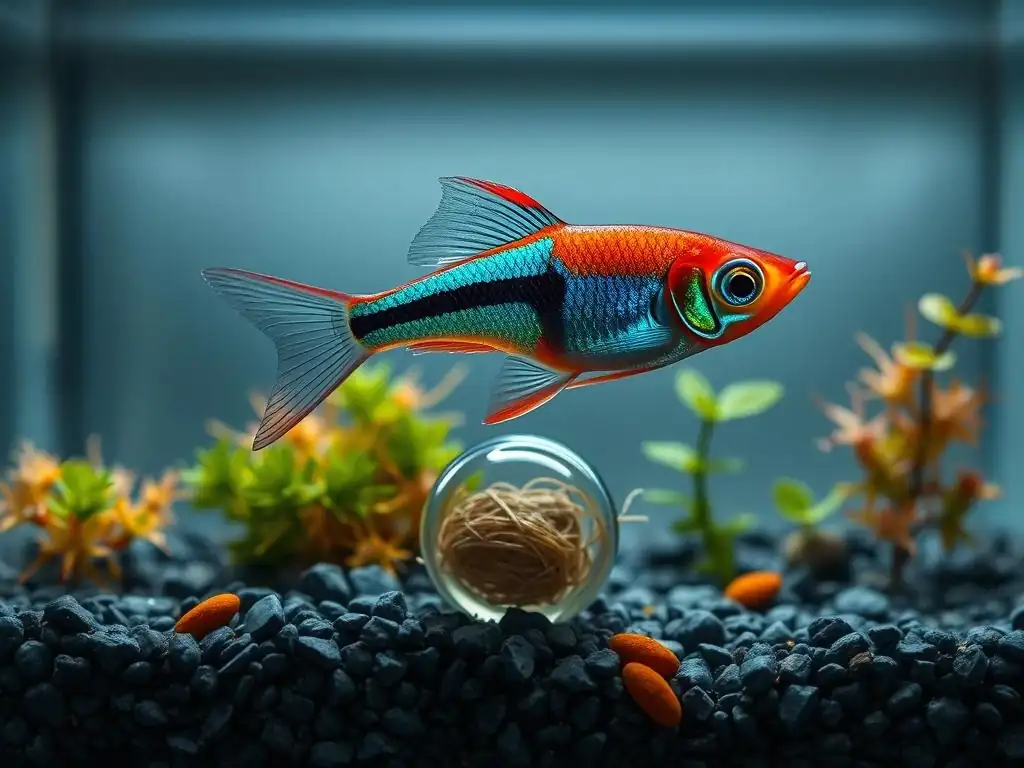
For the truly dedicated and experienced aquarist, Neon Tetra breeding offers avenues for advanced techniques that go beyond simply reproducing the species. These methods focus on refining genetic traits and manipulating water chemistry with unparalleled precision, pushing the boundaries of what's possible in captive breeding. This level of mastery requires extensive knowledge, specialized equipment, and a commitment to long-term observation and record-keeping.
By delving into selective breeding and intricate water chemistry adjustments, aquarists can develop unique strains and achieve even higher rates of success, distinguishing their efforts from conventional breeding practices.
Selective Breeding for Enhanced Neon Tetra Colors and Patterns
For experienced aquarists seeking to elevate their Neon Tetra breeding, selective breeding offers a powerful tool to enhance desirable traits beyond basic reproduction. This advanced technique involves meticulously choosing parent fish that exhibit superior color intensity, unique or striking patterns, and robust body shapes for subsequent breeding. For instance, consistently selecting individuals with a particularly vivid red stripe or an exceptionally brilliant blue band can, over several generations, lead to the development of new, more visually stunning and marketable strains.
This process demands rigorous record-keeping, meticulously tracking the lineage of each spawn to understand genetic inheritance. It often necessitates a systematic culling strategy, where fry that do not meet the desired quality standards are humanely removed, ensuring that only the most promising individuals are retained for future breeding. While it requires immense patience, often taking 10-15 generations to stabilize a new trait, the reward is a truly unique and superior line of Neon Tetras.
Advanced Water Chemistry Manipulation for Improved Neon Tetra Breeding
For the truly advanced Neon Tetra breeder, water chemistry manipulation extends far beyond maintaining basic pH and hardness. Some experts experiment with achieving ultra-low conductivity water, sometimes targeting levels below 50 µS/cm (microsiemens per centimeter). This extreme softness and purity is an attempt to precisely replicate the highly oligotrophic (nutrient-poor) and soft water conditions found in very specific parts of their natural Amazonian habitat, which can occasionally trigger spawning in particularly reluctant pairs or significantly improve egg viability and hatching rates.
Furthermore, the sophisticated use of specific humic acids or blackwater extracts, derived from sources like specialized peat or commercial products, can further enhance water quality. These compounds not only contribute to the desired acidic pH but also release beneficial tannins and other organic acids that can act as natural anti-fungals for delicate eggs and reduce stress on sensitive fish. However, such precise manipulation requires advanced water testing equipment, such as a high-resolution conductivity meter, and a deep understanding of complex water chemistry interactions to prevent detrimental fluctuations.
Maintaining a Healthy and Thriving Neon Tetra Colony
Beyond the specific act of breeding, sustaining a healthy and thriving Neon Tetra colony, especially when scaling up, requires continuous vigilance and proactive management. This encompasses genetic diversity, consistent environmental monitoring, and strategic culling. These long-term practices ensure the ongoing vitality, productivity, and quality of your fish stock.
Adopting these strategies is crucial for preventing common pitfalls that can undermine a breeding program, such as inbreeding depression or the slow decline of water quality. It is about fostering a resilient and high-performing population.
Preventing Inbreeding and Maintaining Genetic Diversity
Inbreeding, if left unchecked within a Neon Tetra colony, can lead to a range of detrimental effects over generations, including reduced fertility, increased susceptibility to diseases, and the emergence of physical deformities. To effectively prevent these issues, it is crucial to regularly introduce new, unrelated breeding stock into your colony. This should be done every 1-2 years, sourcing healthy individuals from reputable and diverse breeders, which infuses fresh genetic material and maintains the overall vigor and health of your lines.
When managing a larger-scale operation, establish and maintain multiple separate breeding lines. Implement a systematic rotation of breeders between these lines to ensure genetic mixing without direct sibling-to-sibling pairing. For example, if you have three distinct lines (A, B, and C), you might breed line A with line B in one cycle, then line B with line C in the next, and finally line C with line A. Meticulous record-keeping of parentage and lineage is absolutely essential for successfully implementing this strategy and safeguarding genetic diversity.
Regularly Monitoring Water Parameters and Adjusting as Needed
Consistent and diligent monitoring of water parameters is absolutely paramount for the long-term health and success of any Neon Tetra colony, extending far beyond just the breeding pairs. Daily visual checks for water clarity, temperature, and the overall health and behavior of your fish are standard practice. However, weekly or bi-weekly comprehensive testing for crucial parameters such as pH, General Hardness (GH), Carbonate Hardness (KH), ammonia, nitrite, and nitrate is equally vital, even in seemingly established tanks.
Based on the results of these regular tests, you must be prepared to adjust your maintenance routine proactively. For instance, if nitrate levels begin to rise, it indicates a need to increase the frequency or volume of your water changes. If pH shows signs of drifting, assess your buffering capacity or the quality of your source water. Proactive and timely adjustments prevent minor chemical imbalances from escalating into major problems that could compromise breeding success, lead to stress, or impact the overall health of your entire Neon Tetra population.
Culling Strategies for Maintaining Quality Neon Tetra Stock
Culling, the systematic process of selectively removing individuals from a breeding program, is a necessary and ethical practice for maintaining a high-quality, healthy, and genetically strong Neon Tetra stock. This involves humanely removing any fish that exhibit deformities, stunted growth, poor or faded coloration, or clear signs of chronic illness. While the concept may seem harsh, it is a critical step that prevents undesirable genetic traits from being passed on to future generations and ensures that vital resources (food, tank space, clean water) are primarily directed towards the healthiest and most promising individuals.
For commercial breeders, culling is a standard operational procedure that directly contributes to the market viability and genetic integrity of their product. It ensures that the fish offered for sale are robust, visually appealing, and resilient. By consistently applying thoughtful culling strategies, you significantly enhance the overall quality of your Neon Tetra population, leading to more vigorous fish that are less prone to genetic weaknesses and more desirable for the aquarium trade.
Conclusion: Achieving Aquarium Mastery in Neon Tetra Breeding
The journey from a curious hobbyist to a master of Neon Tetra breeding is one defined by precision, patience, and an unwavering commitment to detail. It transcends the simple act of keeping fish, evolving into a sophisticated practice of environmental control, genetic stewardship, and meticulous care for the most delicate of aquatic lives. By diligently applying the principles outlined in this comprehensive Tetra breeding aquarium setup guide, you gain the ability to consistently orchestrate successful spawns, raise healthy fry, and even scale your operations to impressive levels.
Achieving aquarium mastery in Neon Tetra breeding is not merely about producing more fish; it's about the profound satisfaction of understanding and replicating the intricate natural processes that govern life in the aquatic world. It is a testament to your dedication, transforming a passion into a profound understanding of these beautiful creatures and their needs, ultimately yielding vibrant, healthy generations of Neon Tetras and a deeper connection to the art of aquarism.
Frequently Asked Questions
How do I select the right tank size for a Tetra breeding aquarium?
The ideal tank size depends on the Tetra species you're breeding. A 10-gallon tank is often sufficient for smaller Tetras, but larger species or higher breeding volumes may require a 20-gallon or larger tank.
What are the key water parameters to monitor in a Tetra breeding setup?
Maintaining optimal water quality is crucial. Focus on stable pH levels (typically slightly acidic), soft water, and low levels of ammonia and nitrites. Regular water testing is essential.
What type of substrate and plants are recommended for a Tetra breeding aquarium?
Bare-bottom tanks are often preferred for ease of cleaning and egg collection. However, adding fine-leaved plants or spawning mops provides cover for the eggs and fry, increasing their survival rate.
How do I properly condition my Tetra breeding pair before spawning?
Conditioning involves feeding a high-quality diet, rich in live or frozen foods like daphnia and brine shrimp. This ensures the parent fish are healthy and ready to produce viable eggs.
What steps should I take after the Tetra eggs have hatched to ensure fry survival?
Newly hatched fry require infusoria or liquid fry food. Maintain pristine water quality with frequent small water changes and avoid strong filtration that could harm the delicate fry.
Okay, here's a final reflection designed to close your article, "From Hobbyist to Pro: Aquarium Mastery on Scaling Up Your Tetra Breeding," while also connecting to the keyword "Tetra breeding aquarium setup guide."
Final Reflection: The Living Symphony of Tetra Breeding
The journey from hobbyist to professional tetra breeder, as we've explored, is a testament to the power of dedication and informed practice. This pursuit, far from being a mere technical exercise, represents a profound connection with the delicate ecosystems we strive to recreate within our homes. The principles outlined in this guide, from water chemistry to meticulous record-keeping, are not just steps to successful breeding; they are pathways to a deeper understanding of life itself.
This passion for tetra breeding, I believe, reflects a broader human desire to nurture and create. It's a microcosm of our responsibility to the natural world, a reminder that even small actions can have a significant impact. The joy of witnessing new life emerge, the satisfaction of creating a thriving environment – these are experiences that resonate deeply. In every walk with nature one receives far more than he seeks.
- John Muir. This quote perfectly encapsulates the rewarding journey of tetra breeding, where the pursuit of knowledge and mastery leads to unexpected discoveries and a profound appreciation for the intricate beauty of the natural world.
Now, as you close this guide, I invite you to reflect on the potential within you to not only breed tetras, but to cultivate a deeper connection with the aquatic world. Consider how you can apply these principles of careful observation, meticulous planning, and unwavering dedication to other aspects of your life. Embrace the challenge, celebrate the small victories, and remember that the most rewarding journeys are often those that begin with a single, shimmering tetra.
Ignite Your Aquarium Empire: Scale Your Tetra Breeding Now!
Thank you for diving into the world of tetra breeding! We hope you've gained the knowledge and inspiration to take your aquarium hobby to the next level. Now it's time to put that learning into action and cultivate your very own thriving tetra ecosystem.
Ready to transform your tank into a breeding powerhouse? Here’s how:
- Start with one carefully selected pair from your existing tetras. Focus on health and vibrancy as your foundation.
- Document your progress and share your insights on social media using #AquariumMasteryTetra. Help others learn and grow your own reputation in the community!
- Feeling ambitious? Research and implement a non-traditional food source for your fry. Think beyond the standard and observe the impact on growth rates!
What innovative method will you use to boost your tetra breeding success? Share your ideas in the comments!