
Naso Tang Nutrition: Specialized Diets for Optimal Health, Growth & Algae Control

Welcome to Aquarium Mastery!
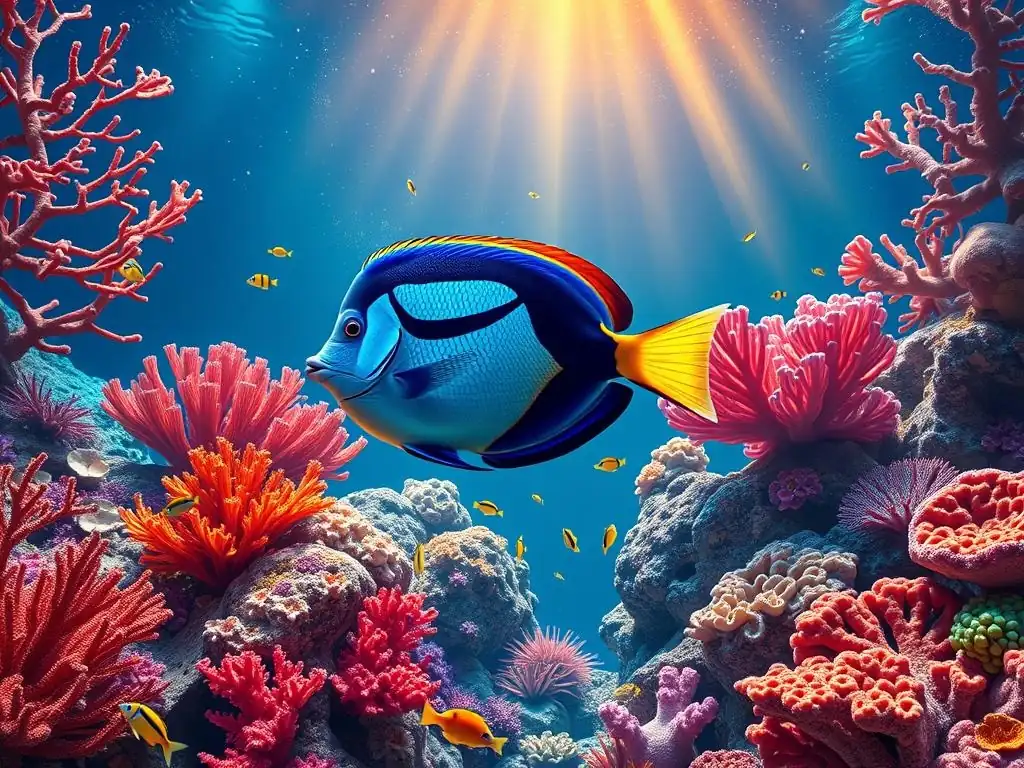
Ever wondered what it takes to keep a Naso Tang thriving in your saltwater aquarium? Dive into our comprehensive guide to uncover the secrets of Naso Tang diet requirements, ensuring optimal health, vibrant colors, and effective algae control. Discover the specialized feeding strategies that will transform you from a novice into a true aquarium master. Ready to unlock the secrets? Let's get started!
- Understanding Naso Tang Diet Requirements for Aquarium Success
- Algae: The Cornerstone of a Naso Tang's Natural Diet
- Supplementing Algae with Prepared Foods for Naso Tangs
- Feeding Frequency and Amount for Naso Tangs
- Nutritional Considerations for Naso Tang Growth and Coloration
- Algae Control Strategies Utilizing Naso Tangs
- Preventing Health Issues Through Proper Naso Tang Nutrition
- Creating a Varied and Stimulating Feeding Experience for Naso Tangs
- Selecting the Right Foods for Juvenile vs. Adult Naso Tangs
- Troubleshooting Common Naso Tang Feeding Problems
- Frequently Asked Questions
- Final Reflection: Sustaining the Naso Tang's Future
- Unlock Your Naso Tang's Vibrant Health!
Understanding Naso Tang Diet Requirements for Aquarium Success
The Importance of a Balanced Diet for Naso Tangs
A meticulously balanced diet is paramount for the long-term health, vibrant coloration, robust immune function, and overall longevity of Naso Tangs in a captive environment. Without proper nutrition, these magnificent fish are highly susceptible to a range of deficiencies, increased disease susceptibility, and stunted growth, significantly shortening their potential lifespan.
For instance, a Naso Tang provided with an inconsistent or nutrient-poor diet might only thrive for 3 to 5 years, whereas a specimen consistently receiving a complete and varied feeding regimen could easily live for 10 to 15 years, and sometimes even longer, demonstrating the critical impact of meeting their specific Naso Tang diet requirements.
Furthermore, a well-rounded diet plays a crucial role in supporting the natural behaviors and active lifestyle of Naso Tangs. In their wild habitats, they are constant grazers, spending a significant portion of their day foraging for algae. Replicating this continuous grazing pattern and providing the necessary nutritional components in an aquarium setting is vital for their psychological well-being and helps to reduce stress. Proper nutrition ensures their metabolic needs are met, allowing them to exhibit their characteristic grace and energy, and maintaining their natural resilience against environmental stressors.
Key Components of a Healthy Naso Tang Diet
The primary components of a healthy Naso Tang diet must revolve around marine-based plant matter, predominantly various forms of algae such as macroalgae and microalgae, alongside high-quality spirulina. It is essential to understand that diversity is key; relying on a single food source, even a seemingly good one, will inevitably lead to nutritional imbalances over time. A balanced diet for these herbivores must also include a significant amount of fiber, which is crucial for maintaining the efficiency and health of their long digestive tracts.
Beyond the bulk plant matter, a comprehensive understanding of Naso Tang diet requirements necessitates attention to their macronutrient and micronutrient intake. While primarily herbivorous, they do require a small percentage of highly digestible marine protein, typically ranging from 10% to 15% of their overall diet, which they would naturally acquire from incidental consumption of small invertebrates within their algal grazing.
Essential fatty acids, particularly Omega-3s, are vital for immune system function and overall vitality, while a broad spectrum of vitamins (e.g., Vitamin C for immunity, Vitamin A for vision and skin health) and minerals (e.g., calcium and phosphorus for skeletal development, trace elements for enzymatic functions) are indispensable for preventing deficiency diseases and supporting all physiological processes.
Algae: The Cornerstone of a Naso Tang's Natural Diet
Types of Algae Naso Tangs Consume in the Wild
In their natural habitats, specifically the vibrant coral reefs and rocky areas of the Indo-Pacific, Naso Tangs are voracious, opportunistic grazers. Their diet primarily consists of various forms of benthic algae that grow on rocks and coral rubble. This includes filamentous green algae, which are often the first to colonize new surfaces, as well as diatoms, which form brownish films. They also graze on certain types of macroalgae, meticulously picking at them with their specialized mouths. Their herbivorous nature means they spend the majority of their waking hours actively foraging, processing large volumes of plant material to extract nutrients.
The nutritional value of these naturally consumed algae types is immense and forms the foundation of meeting Naso Tang diet requirements. These wild algae provide not only essential fiber, which is critical for their digestive motility, but also a rich array of vitamins, trace elements, and beneficial compounds that are often difficult to replicate solely through prepared foods. This constant grazing also serves a vital ecological function in the wild, helping to prevent the overgrowth of algae that could otherwise smother and damage delicate coral ecosystems.
Replicating Natural Algae Grazing in the Aquarium
To ensure the optimal health and natural behavior of Naso Tangs in captivity, it is imperative to replicate their continuous algae grazing habits. This can be achieved by providing ample live rock within the aquarium, which naturally develops a biofilm of beneficial algae for them to graze upon.
Furthermore, the strategic use of algae clips is highly recommended, allowing aquarists to offer large, accessible sheets of dried marine algae, such as Nori, for extended periods throughout the day. Integrating a refugium with flourishing macroalgae like Chaetomorpha or Gracilaria that can be periodically harvested and introduced into the main display tank also provides a fresh, natural food source.
The importance of continuous availability of plant matter cannot be overstated for Naso Tangs. Like many surgeonfish species, they possess elongated digestive tracts designed for the constant, slow processing of fibrous material. This physiological adaptation means that infrequent, large meals are far less ideal than a consistent supply of food, mimicking their natural grazing patterns. Providing multiple small feedings of prepared foods throughout the day, in addition to constant access to algae, ensures their digestive system remains active and efficient, fulfilling their specific Naso Tang diet requirements.
Best Algae Options for Naso Tangs in Captivity
Among the most recommended and widely used algae options for Naso Tangs in captivity is dried seaweed, commonly known as Nori. It is crucial to select unflavored, unsalted varieties, typically found in Asian markets or specialized aquarium stores. Different types of Nori, such as green, red, or brown, offer slightly varied nutritional profiles, and rotating between them can enhance dietary diversity. A single adult Naso Tang can consume a substantial amount, often a 4x4 inch sheet of Nori or more, within a single day.
Beyond Nori, spirulina flakes and pellets are excellent supplemental options, providing high concentrations of protein, essential vitamins, and carotenoids that enhance coloration. Chlorella is another beneficial microalgae. Live macroalgae, when cultivated in a separate refugium, offers not only superior nutrition but also provides environmental enrichment as the fish actively graze. Regularly offering these varied forms of algae ensures a comprehensive intake of the necessary nutrients, meeting the intricate Naso Tang diet requirements for their long-term well-being.
Supplementing Algae with Prepared Foods for Naso Tangs
High-Quality Marine Algae Sheets and Pellets
While Nori is a staple, commercially available marine algae sheets specifically designed for aquarium fish are often fortified with additional vitamins and minerals, offering an enhanced nutritional profile. When preparing Nori, a brief soak in RO/DI water can soften it, making it easier for the fish to consume, though many Naso Tangs readily tear at dry sheets. These sheets should always be secured with an algae clip to prevent them from floating away and potentially clogging filtration systems. Reputable brands prioritize purity, ensuring the Nori is free from harmful additives or contaminants.
Specialized pellets formulated for herbivorous marine fish are another essential component of a balanced Naso Tang diet. These pellets are typically packed with concentrated algae, spirulina, and other plant-based ingredients, providing a consistent and easily digestible source of nutrition. When selecting pellets, it is advisable to look for products with a low ash content, which indicates higher digestibility and less waste. These formulated foods ensure a steady supply of essential nutrients that might be inconsistently available from solely relying on Nori or natural algae growth in the tank, thereby fulfilling their comprehensive Naso Tang diet requirements.
Formulated Foods Rich in Vitamins and Minerals for Naso Tangs
The incorporation of formulated foods rich in essential vitamins and minerals is crucial for the overall health and vitality of Naso Tangs. Many high-quality dry foods, including flakes and pellets, are fortified with a spectrum of vital nutrients. For instance, Vitamin C is a powerful antioxidant that supports the immune system and helps reduce stress, while various B vitamins are critical for metabolic processes. These fortifications are particularly important as some vitamins can degrade over time, and a varied diet helps ensure consistent intake.
Furthermore, ensuring access to foods containing vital minerals like calcium, magnesium, and a range of trace elements is indispensable. These minerals are fundamental for robust skeletal health, proper enzyme function, and numerous cellular activities. While some elements are naturally present in marine algae, high-quality frozen foods, such as enriched mysis shrimp or spirulina-enriched brine shrimp, can also serve as excellent carriers for these micronutrients when gut-loaded or fortified by the manufacturer. This comprehensive approach to their Naso Tang diet requirements helps prevent deficiency-related health issues.
The Role of Protein in a Naso Tang's Diet
While Naso Tangs are predominantly herbivorous, their diet is not entirely devoid of protein. In their natural environment, they inadvertently consume small amounts of marine invertebrates, such as copepods or amphipods, along with the algae they graze. This provides a small but necessary amount of animal-based protein. Therefore, their prepared diet should include a modest percentage of marine-derived protein. High-quality marine flakes or pellets formulated for herbivores often contain just the right balance, typically keeping the protein content below 20-25%.
However, it is crucial to avoid feeding Naso Tangs a diet that is excessively high in protein, particularly those derived from terrestrial sources or found in foods primarily formulated for carnivorous fish. An overabundance of protein can lead to digestive upset, fatty liver disease, and a significant increase in waste products, thereby negatively impacting water quality. The bulk of their diet should always consist of plant matter, with protein serving as a supplemental component to ensure all Naso Tang diet requirements are met without overburdening their digestive system.
Feeding Frequency and Amount for Naso Tangs
Establishing a Feeding Schedule for Optimal Growth
Establishing a consistent and appropriate feeding schedule is vital for the optimal growth and well-being of Naso Tangs. Given their natural grazing behavior, it is far more beneficial to offer multiple small feedings throughout the day rather than one or two large meals. This mimics their continuous foraging in the wild and aids in more efficient digestion and nutrient absorption. For example, an ideal schedule might involve providing a large sheet of Nori on an algae clip that remains available for several hours, supplemented by two to three small feedings of high-quality flakes or pellets distributed throughout the day.
For juvenile Naso Tangs, who are undergoing rapid growth, even more frequent feedings might be necessary. Offering small portions of finely crushed flakes or small pellets four to five times daily, in addition to constant access to Nori, can significantly support their developmental needs. This consistent nutrient supply helps prevent stunted growth and ensures they reach their full potential size and vibrancy. Adhering to these specific Naso Tang diet requirements for different life stages is key to their success.
Preventing Overfeeding and Maintaining Water Quality
Preventing overfeeding is a critical aspect of maintaining a healthy aquarium environment and ensuring the well-being of Naso Tangs. Excess food that goes uneaten quickly breaks down, leading to an undesirable increase in nitrates and phosphates, which can fuel nuisance algal blooms and degrade overall water quality. This not only stresses the fish but also creates an environment conducive to disease. A general rule of thumb is to offer only what the fish can consume within a few minutes, with the exception of continuous grazing items like Nori.
Vigilant observation of the tank is essential. Any uneaten prepared food should be promptly removed to prevent water pollution. Even with careful feeding, regular water changes are indispensable for managing nutrient accumulation. Performing a 10-20% water change weekly or bi-weekly, depending on tank bioload and parameters, helps to dilute pollutants and maintain stable water chemistry. This integrated approach to feeding and maintenance is paramount in preventing the negative consequences associated with overfeeding and upholding the intricate Naso Tang diet requirements.
Recognizing Signs of Nutritional Deficiencies in Naso Tangs
Recognizing the early signs of nutritional deficiencies in Naso Tangs is crucial for timely intervention and preventing severe health complications. Visual cues often include faded or dull coloration, where their characteristic vibrant yellow band or blue lips appear muted. Other physical manifestations can involve fin erosion, stunted growth compared to their age, skeletal deformities, and a general lethargy or reduced activity level. For instance, a persistent lack of Vitamin A can lead to ocular issues, while insufficient Vitamin C might manifest as a compromised slime coat, making the fish more susceptible to infections.
Beyond physical symptoms, behavioral changes can also indicate dietary issues. A Naso Tang that appears constantly hungry but is not gaining weight, or one that constantly "picks" at surfaces without ingesting much, might be suffering from malabsorption or an inadequate diet. One of the most common and visible signs of chronic nutritional deficiency, particularly linked to a lack of fresh marine algae and essential vitamins, is Head and Lateral Line Erosion (HLLE), characterized by pitting and lesions on the head and along the lateral line. Addressing these Naso Tang diet requirements proactively is vital for recovery.
Nutritional Considerations for Naso Tang Growth and Coloration
Essential Vitamins and Minerals for Vibrant Color
Maintaining the striking and vibrant coloration of Naso Tangs, particularly their distinctive yellow band, blue lips, and rich body hues, is heavily dependent on a diet rich in specific vitamins and minerals. Carotenoids, for example, are fat-soluble pigments found abundantly in spirulina, certain marine algae, and some crustaceans, and are vital for the production and enhancement of yellow, orange, and red pigments in fish skin. A consistent intake of these compounds is crucial for preventing dullness or loss of intensity in their coloration.
Furthermore, Vitamin A, essential for healthy skin and mucous membranes, and Vitamin E, a potent antioxidant, also play significant roles in maintaining the vibrancy and integrity of the fish's dermal tissues. A Naso Tang experiencing a dietary deficiency in these key nutrients may present with a noticeably faded yellow band or a less intense body coloration compared to a well-nourished specimen. Ensuring these specific Naso Tang diet requirements are met through a diverse and high-quality food regimen is paramount for their aesthetic appeal and overall health.
Supporting Skeletal Development Through Proper Nutrition
Proper skeletal development is a fundamental aspect of a Naso Tang's overall health and growth, particularly during their juvenile stages. This process is critically reliant on an adequate intake of key minerals, primarily calcium and phosphorus, in the correct ratio. These minerals are the building blocks of bone tissue. Additionally, Vitamin D3 plays an indispensable role by facilitating the absorption and utilization of calcium and phosphorus, ensuring their proper deposition into the skeletal structure.
Marine-based foods are often naturally rich in these essential minerals. For instance, high-quality marine algae and certain prepared foods derived from marine sources provide a bioavailable form of calcium and phosphorus. While supplementation might be considered in specific cases of severe deficiency or for very young, rapidly growing fish, a diverse and balanced diet typically provides sufficient amounts to prevent conditions such as rickets or spinal deformities, thus supporting robust skeletal health throughout the Naso Tang's life.
Addressing Common Nutritional Challenges in Naso Tangs
One of the most pervasive nutritional challenges observed in captive Naso Tangs is Head and Lateral Line Erosion (HLLE). While its exact etiology is complex and likely multifactorial, including environmental factors, poor Naso Tang diet requirements are consistently identified as a significant contributing factor. Specifically, a chronic lack of fresh marine algae, coupled with deficiencies in essential vitamins such as Vitamin C and Vitamin A, is strongly implicated in the development and progression of HLLE. A diet rich in varied plant matter and fortified foods is a primary preventative measure.
Beyond HLLE, an inadequate diet can also predispose Naso Tangs to other health issues, such as increased susceptibility to common parasitic infections like marine Ich (white spot disease) or bacterial ailments like fin rot. A weakened immune system, resulting from a nutrient-deficient diet, leaves the fish vulnerable. Conversely, a robust immune system, fortified by a complete and varied diet that meets all Naso Tang diet requirements, serves as the first and most effective line of defense against many common fish diseases, significantly improving their resilience and recovery rates.
Algae Control Strategies Utilizing Naso Tangs
How Naso Tangs Contribute to a Healthy Reef Ecosystem
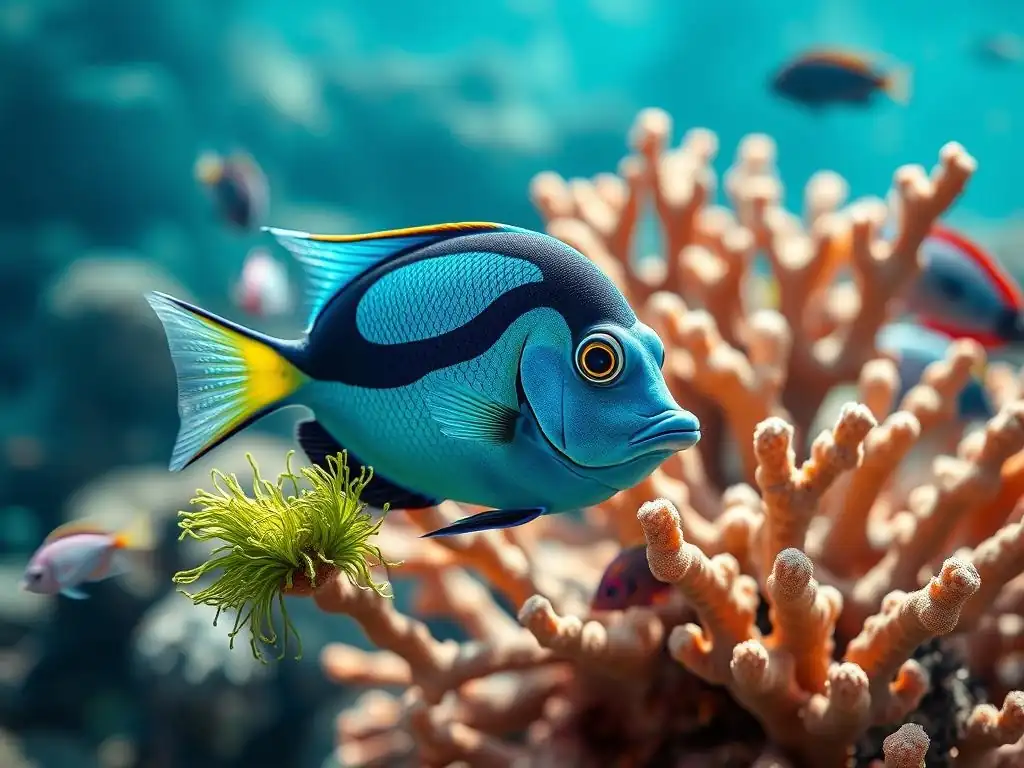
Naso Tangs, like other surgeonfish, play an indispensable ecological role as primary consumers and grazers within natural reef ecosystems. They meticulously graze on macroalgae and filamentous algae, preventing their overgrowth, which could otherwise smother and inhibit the growth of delicate corals. This constant "pruning" action helps maintain the intricate balance of the reef, promoting coral health and biodiversity. In a home aquarium, Naso Tangs perform a remarkably similar function, acting as natural algae controllers.
Their presence in a reef tank can significantly reduce the proliferation of nuisance algae, thereby contributing to a cleaner aesthetic and a healthier environment for other tank inhabitants. An adult Naso Tang, due to its size and voracious appetite for algae, can effectively minimize the need for manual algae scrubbing, often significantly reducing the workload for the aquarist. Their continuous grazing ensures that algae growth remains in check, allowing corals and other invertebrates to thrive without competition from undesirable algal blooms.
Maximizing Algae Grazing Efficiency in the Aquarium
To maximize the algae grazing efficiency of Naso Tangs in the aquarium, certain tank setup and management considerations are beneficial. Providing ample live rock with varied surfaces and crevices encourages the growth of diverse algal biofilms, offering continuous grazing opportunities. Ensuring good water flow throughout the tank also promotes algae growth in various areas, allowing the Naso Tang to forage across different sections.
It is also important to manage other herbivorous inhabitants in the tank to prevent excessive food competition, ensuring the Naso Tang has sufficient access to the naturally growing algae. While supplementing with prepared foods is essential for their overall Naso Tang diet requirements, striking a balance is key. If fed too many prepared foods, Naso Tangs may become less inclined to graze on nuisance algae, reducing their effectiveness as natural cleaners. Observational feeding helps in finding this balance.
Selecting the Right Tank Size for Effective Algae Control
Selecting an appropriately sized aquarium is paramount for the long-term health and effective algae control capabilities of Naso Tangs. These fish are large, capable of reaching lengths of 18 to 20 inches in captivity, making them unsuitable for smaller tanks. A minimum tank size of 180 gallons is often recommended for an adult Naso Tang, though larger aquariums, ideally 250 gallons or more, are significantly better for their overall well-being and provide ample space for their active swimming and grazing habits.
A larger tank directly translates to more surface area for algae growth, ensuring a more continuous and abundant food source for the Naso Tang. This increased grazing territory allows the fish to establish natural foraging patterns without undue stress from confinement. Furthermore, a spacious environment reduces aggression and allows the Naso Tang to effectively patrol and graze various areas of the tank, thereby enhancing its role as a natural algae control agent and ensuring its specific Naso Tang diet requirements are met through available forage.
Preventing Health Issues Through Proper Naso Tang Nutrition
Boosting Immunity Through a Nutrient-Rich Diet
A nutrient-rich and balanced diet is the cornerstone of a robust immune system in Naso Tangs. Essential vitamins such as Vitamin C and Vitamin E, along with Omega-3 fatty acids and various trace minerals, directly support the intricate processes of the fish's immune response. These nutrients enable the fish to produce a strong slime coat, develop healthy white blood cells, and effectively combat pathogenic bacteria, viruses, and parasites that it may encounter in the aquarium environment.
Fish that are consistently fed a complete and varied diet are significantly less susceptible to common parasitic infections like marine Ich (Cryptocaryon irritans) or bacterial ailments such as fin rot. Moreover, if they do contract a disease, their stronger immune system, supported by optimal Naso Tang diet requirements, typically allows for a faster and more complete recovery. Investing in high-quality foods and a diverse feeding regimen is therefore a proactive measure against a wide array of health challenges.
Reducing the Risk of Head and Lateral Line Erosion (HLLE)
Head and Lateral Line Erosion (HLLE) is a prevalent and often disfiguring condition in marine fish, particularly surgeonfish like the Naso Tang. While its precise cause is still debated, a strong correlation exists with poor water quality, stray voltage, and critically, an inadequate diet. A chronic lack of varied marine algae, Vitamin A, Vitamin C, and certain essential amino acids is consistently linked to the onset and progression of HLLE. Therefore, a diet heavily weighted towards fresh Nori, spirulina, and other fortified marine plant matter is a primary preventative strategy.
Many aquarists have reported significant improvement, and even reversal in early stages, of HLLE symptoms when a Naso Tang's diet is drastically improved. This often involves a consistent regimen of high-quality, varied plant matter, sometimes supplemented with vitamin-enriched foods. Observing improvements within a few months of dietary changes is not uncommon, underscoring the critical role of meeting specific Naso Tang diet requirements in mitigating and managing this condition.
Managing Potential Digestive Problems with a Balanced Diet
An imbalanced diet can lead to a range of digestive problems in Naso Tangs, from bloating and constipation to more severe internal blockages. Feeding foods that are too high in protein for an herbivore, or lacking sufficient fiber, can disrupt their specialized digestive system. Naso Tangs, with their long intestinal tracts, require a continuous supply of fibrous plant material to maintain healthy gut motility and prevent issues like impaction.
To manage and prevent potential digestive issues, ensure that the majority of their Naso Tang diet requirements are met with high-fiber marine algae. Also, ensure that all food items are appropriately sized for their mouth, preventing gulping of overly large pieces. Soaking dry foods, such as pellets, in tank water for a few minutes before feeding can also aid digestion by allowing the food to expand prior to ingestion, thereby preventing potential swim bladder problems from gas expansion or discomfort.
Creating a Varied and Stimulating Feeding Experience for Naso Tangs
Incorporating Different Feeding Methods
To keep Naso Tangs engaged and to mimic their natural foraging behaviors, incorporating a variety of feeding methods is highly beneficial. Beyond simply dropping flakes or pellets, utilizing an algae clip to secure Nori sheets allows the fish to graze continuously throughout the day, providing both nutrition and mental stimulation. Scattering flakes or pellets across the water surface encourages active swimming and searching. For frozen foods, a turkey baster can be used to deliver small portions to different areas of the tank, ensuring all fish have an opportunity to feed.
The benefits of varied feeding methods extend beyond mere nutrition. They help reduce boredom, encourage active swimming and exploration of the tank, and can ensure that all fish in a community tank receive adequate food, especially shyer individuals. Rotating feeding locations can also stimulate natural curiosity and foraging instincts, contributing to a more dynamic and enriching aquarium environment for the Naso Tang.
Enriching the Aquarium Environment to Encourage Natural Grazing
Enriching the aquarium environment plays a pivotal role in encouraging the natural grazing behaviors of Naso Tangs. The strategic arrangement of live rock to create varied surfaces, crevices, and overhangs provides ample areas for beneficial algae to grow. This setup allows the Naso Tang to "pick" at the natural biofilm, mimicking their constant foraging in the wild. A well-aquascaped tank with plenty of textured surfaces will naturally foster more grazing opportunities.
Consider adding small quantities of compatible macroalgae directly into the display tank, if appropriate for the overall tank inhabitants, to provide both a food source and additional enrichment. Alternatively, rotating small pieces of live rock with established natural algae growth from a refugium into the main tank can serve as a temporary treat, offering a fresh and stimulating grazing opportunity. This attention to environmental detail greatly supports meeting the complete Naso Tang diet requirements through natural means.
DIY Algae Clip for Naso Tangs
A simple and effective DIY algae clip can be easily fashioned to provide continuous grazing opportunities for Naso Tangs. A common method involves using a small, food-grade plastic clip (like a binder clip or a modified clothes pin) attached to a suction cup for easy placement anywhere on the tank glass. Alternatively, a small, clean piece of live rock can be used to secure a sheet of Nori with a rubber band, allowing the fish to graze directly from the rock.
When creating a DIY algae clip, it is paramount to ensure that no metal components susceptible to rust or leaching toxins come into contact with the aquarium water. Stainless steel (316L grade) is generally considered safe, but plastic or rubber alternatives are often preferred for peace of mind. These homemade clips allow Nori sheets to be presented vertically or horizontally, providing a constant and accessible food source throughout the day, which is crucial for satisfying the Naso Tang's continuous grazing needs and meeting their specific Naso Tang diet requirements.
Selecting the Right Foods for Juvenile vs. Adult Naso Tangs
Nutritional Needs of Growing Naso Tangs
Juvenile Naso Tangs, undergoing rapid growth and development, have slightly different nutritional needs compared to their adult counterparts. They require more frequent feedings to support their accelerated metabolic rates and the formation of new tissues. While their primary diet remains herbivorous, they may benefit from a slightly higher proportion of digestible, marine-based protein to fuel this growth, though still within the appropriate range for herbivores. Their smaller mouths also necessitate smaller food particles.
For young Naso Tangs, finely crushed flakes, very small pellets, and tiny pieces of Nori are ideal. Consistency in feeding is paramount; providing multiple, small meals throughout the day helps prevent stunted growth and ensures they receive a steady supply of nutrients for proper development. Meeting these specific Naso Tang diet requirements during their formative stages is crucial for them to reach their full potential size and robust health.
Adapting the Diet to Support Adult Naso Tang Health
As Naso Tangs mature into adulthood, their dietary focus remains predominantly on bulk plant matter and fibrous marine algae. While they still require protein, the proportion can slightly decrease relative to fiber content, aligning with their herbivorous nature. At this stage, they are capable of consuming larger food items, including full sheets of Nori and larger pellets or flakes. The emphasis shifts from rapid growth to maintaining health, vibrant coloration, and supporting their long lifespan.
It is crucial to maintain a highly varied diet throughout their adult life to prevent any long-term nutritional deficiencies. Rotating different types of Nori, spirulina, and various fortified prepared foods ensures a broad spectrum of vitamins, minerals, and trace elements are consistently provided. This adaptability in their feeding regimen, ensuring all adult Naso Tang diet requirements are met, is key to supporting their potentially long and healthy life in a captive environment, often exceeding a decade.
Troubleshooting Common Naso Tang Feeding Problems
Addressing Picky Eating Habits
Naso Tangs, especially new arrivals or those previously fed a limited diet, can sometimes exhibit picky eating habits, refusing new food items. To address this, start by offering familiar and preferred foods, then gradually introduce new items by mixing them in very small amounts with the accepted food. Patience is crucial, as some fish may take several days or even weeks to adapt to novel foods. Consistency in offering the new food, even if initially ignored, can eventually lead to acceptance.
Another strategy is to try different brands or forms of the same food type. For instance, if a Naso Tang refuses one brand of Nori, try another. If dry pellets are rejected, try a frozen herbivore blend. Soaking dry foods in a vitamin supplement like Selcon or a natural appetite stimulant like garlic extract can sometimes entice reluctant eaters, making the food more palatable and appealing to their senses.
Strategies for Introducing New Foods
When introducing new foods to a Naso Tang, the "peer pressure" method can be highly effective in a community tank. If other fish in the aquarium readily and enthusiastically consume the new food item, the Naso Tang may be encouraged to try it, mimicking the behavior of its tank mates. This social learning can significantly reduce apprehension towards unfamiliar foods.
Beyond peer pressure, persistence and timing are key. Offer new foods at different times of the day, perhaps when the fish is most active or when competition from other tank mates is minimal. Avoid giving up after only a few attempts; it is common for a Naso Tang to ignore a novel food for days or even weeks before finally accepting it. Continuing to offer a small amount consistently, alongside their preferred foods, will eventually lead to successful integration into their comprehensive Naso Tang diet requirements.
Minimizing Food Competition in a Community Tank
In a community aquarium, food competition can be a significant issue, particularly for shyer or slower-eating Naso Tangs, potentially leading to malnutrition. To minimize this, distribute food across different areas of the tank simultaneously, allowing all fish access without intense competition. For continuous grazing items like Nori, use multiple algae clips placed in different locations.
Consider feeding the most aggressive or dominant eaters first with a small amount of their preferred food, then immediately add food for the Naso Tang in a separate, less competitive area. Ensuring the tank size is adequate (minimum 180 gallons for an adult) also plays a crucial role, as it provides sufficient space for all inhabitants to forage without territorial disputes over food sources. This strategic feeding approach ensures that every fish, including the Naso Tang, receives its necessary Naso Tang diet requirements without undue stress.
Frequently Asked Questions
What are the primary dietary requirements of a Naso Tang?
Naso Tangs are primarily herbivores, requiring a diet rich in algae and seaweed. They also need some protein, making a varied diet essential for their health.
How often should I feed my Naso Tang?
Naso Tangs should be fed multiple times a day, offering small portions. This mimics their natural grazing behavior and helps maintain their digestive health.
What types of algae and seaweed are best for Naso Tangs?
Offer a variety of seaweed sheets like nori, kelp, and spirulina. You can also supplement with freshly grown algae if available.
Can I feed my Naso Tang any non-algae foods?
Yes, you can supplement their diet with small amounts of high-quality marine flake food or frozen foods like mysis shrimp. This provides essential protein and nutrients.
What are the signs of a Naso Tang with a poor diet?
Signs include faded coloration, loss of appetite, and increased susceptibility to disease. Early intervention with a better diet is crucial.
Final Reflection: Sustaining the Naso Tang's Future
The intricacies of Naso Tang diet requirements, as we've explored, are not merely academic exercises. They represent a crucial understanding that directly impacts the health and longevity of these magnificent creatures in both captive and wild environments. Ignoring these specialized needs leads to preventable suffering and ultimately undermines the delicate balance of reef ecosystems.
This deep dive into the Naso Tang's dietary needs underscores the broader responsibility we have as stewards of the marine world. Understanding and respecting the specific requirements of each species is paramount to successful aquarium keeping and effective conservation efforts. In the end, we will conserve only what we love; we will love only what we understand; and we will understand only what we are taught.
- Baba Dioum's words resonate deeply, reminding us that education and empathy are the cornerstones of responsible stewardship.
Now, armed with this knowledge of the Naso Tang's dietary needs, I invite you to reflect on your own role in supporting marine life. Whether you're an experienced aquarist, a budding enthusiast, or simply someone who appreciates the beauty of our oceans, consider how you can contribute to a more sustainable future for these incredible creatures. Let's translate this understanding into action, ensuring that future generations can marvel at the vibrant beauty of the Naso Tang and the reefs they call home.
Unlock Your Naso Tang's Vibrant Health!
Thank you for diving into the specialized nutritional needs of Naso Tangs. We hope you've gained valuable insights into ensuring their well-being. Now, let's translate knowledge into action!
Here are some ways you can further enrich your Naso Tang's life:
- Commit to crafting a personalized feeding schedule that incorporates a variety of algae, vegetables, and high-quality marine flakes.
- Explore the possibility of cultivating your own algae to provide a constant source of natural food for your Naso Tang.
- Share this article with fellow reef enthusiasts and discuss innovative feeding strategies to improve the health of Naso Tangs in home aquariums.
What unique ingredient will you introduce to your Naso Tang's diet this week to boost its immunity and vibrancy?