
The Lifecycle of a CaptiveBred Clownfish: From Egg to Adult Spawner

Welcome to Aquarium Mastery!
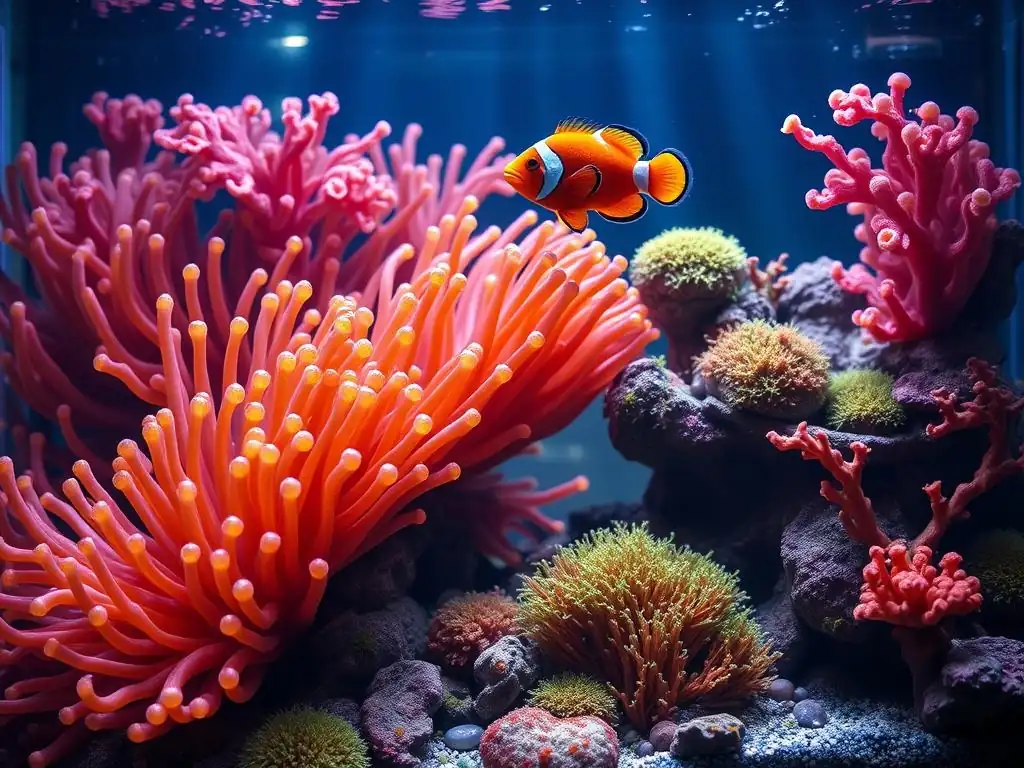
Ever wondered what it really takes to successfully breed clownfish in your home aquarium? Dive into our comprehensive guide and unlock the secrets of the Clownfish breeding cycle timeline. From the initial courtship dance to the moment those tiny fry emerge, we'll unravel each stage, sparking your curiosity and equipping you with the knowledge to witness this amazing process firsthand. Ready to embark on this fascinating journey?
- The Lifecycle of a Captive-Bred Ocellaris Clownfish: From Egg to Adult Spawner
- Introduction to the Captive Ocellaris Clownfish Breeding Cycle
- Ocellaris Clownfish Egg Development and Hatching
- The Larval Stage: A Critical Phase in Ocellaris Clownfish Development
- Juvenile Ocellaris Clownfish: Growth and Coloration
- Reaching Sexual Maturity: Preparing Ocellaris Clownfish for Breeding
- The Adult Ocellaris Clownfish Spawning Cycle
- Raising Ocellaris Clownfish Fry: From Hatching to Independence
- Common Challenges in Captive Ocellaris Clownfish Breeding and How to Overcome Them
- Conclusion: Mastering the Ocellaris Clownfish Breeding Cycle Timeline
-
Frequently Asked Questions
- What is the typical duration of a clownfish breeding cycle?
- What are the critical water parameters for successful clownfish breeding?
- How often do clownfish typically lay eggs in a captive environment?
- What are the key challenges in raising clownfish fry?
- How long does it take for a clownfish to reach sexual maturity and become a breeding adult?
- Final Reflection: The Enduring Wonder of Creation
- Dive Deeper: Transform Your Clownfish Dreams Into Reality!
The Lifecycle of a Captive-Bred Ocellaris Clownfish: From Egg to Adult Spawner
Introduction to the Captive Ocellaris Clownfish Breeding Cycle
Why Understanding the Ocellaris Clownfish Breeding Cycle Timeline is Crucial for Aquarists
Understanding the intricate Clownfish breeding cycle timeline is paramount for any aquarist aspiring to successfully breed Ocellaris clownfish (Amphiprion ocellaris) in a home or commercial setting. This knowledge empowers breeders to anticipate critical developmental stages, prepare appropriate environments, and intervene effectively during potential challenges, significantly increasing the survival rate of offspring. Without a clear grasp of this timeline, attempts at breeding often result in high mortality rates for eggs and larvae, leading to frustration and wasted effort.
Moreover, a detailed understanding of the Ocellaris clownfish breeding cycle allows for the optimization of environmental parameters and nutritional strategies at each stage, from conditioning adult spawners to rearing delicate fry. For instance, knowing the typical incubation period allows for precise timing of egg collection, while understanding larval dietary needs ensures the availability of appropriate live foods. This precise management, guided by the Clownfish breeding cycle timeline, is what differentiates successful breeding operations from sporadic, less fruitful attempts, contributing to sustainable aquaculture and reducing reliance on wild-caught specimens.
The Journey: From Ocellaris Clownfish Egg to Mature Breeder
The journey of an Ocellaris clownfish from a microscopic egg to a fully mature, spawning adult is a remarkable biological process, typically spanning approximately 12 to 18 months, though individual growth rates can vary. This comprehensive Clownfish breeding cycle timeline begins with the fertilization of eggs, followed by a relatively short incubation period, usually 7 to 10 days, during which the embryonic clownfish develops within the egg capsule.
Upon hatching, the tiny, fragile larvae enter a critical planktonic stage, lasting about 7 to 14 days, where they are highly dependent on microscopic live foods and stable water conditions for survival.
Following the larval stage, metamorphosis transforms the transparent, elongated larvae into miniature versions of adult clownfish, marking the beginning of the juvenile phase. During this period, which can last several months, the young clownfish grow rapidly, develop their characteristic coloration, and begin to exhibit more adult-like behaviors. Sexual maturity is typically reached around 12 to 18 months of age, at which point a pair will establish dominance, with the larger fish becoming the female and the smaller, the male, ready to initiate their own Clownfish breeding cycle timeline and perpetuate the species.
Ocellaris Clownfish Egg Development and Hatching
Ocellaris Clownfish Egg Laying Behavior: Identifying a Potential Spawn
Identifying the onset of Ocellaris clownfish egg laying behavior requires keen observation of the pair's interactions and changes in the male's activity. Prior to spawning, the male Ocellaris clownfish typically becomes intensely focused on preparing a nest site, often a flat, smooth surface near their host anemone or a designated spawning tile. This preparation involves vigorous cleaning, with the male meticulously mouthing and rubbing the chosen surface to remove any algae or debris. This cleaning can last for several hours or even a day before the actual egg deposition.
As the spawning event nears, the male will often "dance" for the female, quivering his body and fins while nudging her towards the prepared site. The female, if receptive, will then begin to make passes over the cleaned surface, depositing adhesive, oval-shaped eggs in rows. A typical spawn can range from 100 to 1,000 eggs, with experienced pairs often laying larger clutches, especially after several successful cycles. The eggs are initially orange to reddish-brown and are closely guarded and fanned by the male throughout their development, a crucial part of the initial Clownfish breeding cycle timeline.
Incubation Period: Optimal Conditions for Ocellaris Clownfish Egg Development
The incubation period for Ocellaris clownfish eggs is remarkably consistent, typically lasting between 7 to 10 days, heavily influenced by water temperature. At an optimal temperature range of 78-82°F (25.5-27.7°C), hatching usually occurs on the 8th or 9th day. Maintaining stable water parameters, including a specific gravity of 1.020-1.025 and a pH of 8.0-8.4, is crucial for healthy embryonic development and minimizing stress on the parent fish, which indirectly benefits the developing eggs.
During this period, the male Ocellaris clownfish diligently cares for the eggs, fanning them with his fins to ensure adequate oxygenation and prevent fungal growth, and meticulously removing any infertile or diseased eggs. For those planning to remove eggs for artificial incubation, mimicking these conditions is vital: gentle aeration or water flow near the eggs is necessary to provide oxygen, and a low-dose antifungal treatment (such as methylene blue) can be used as a prophylactic measure if fungal issues arise.
Observing the eggs daily, one can track their development, noting the gradual appearance of eyes (usually by day 3-4) and then a silver sheen (around day 6-7) as the larvae become visible within their casings, signaling the nearing end of this phase in the Clownfish breeding cycle timeline.
Hatching Stage: What to Expect When Ocellaris Clownfish Eggs Hatch
Hatching of Ocellaris clownfish eggs typically occurs during the late evening or early night, usually 1 to 2 hours after the tank lights have been turned off. This nocturnal hatching behavior is a natural adaptation, believed to offer the vulnerable larvae some protection from diurnal predators in the wild. The male clownfish may become more agitated and actively fan the eggs more vigorously just before hatching, sometimes even nudging them to assist the process. The tiny larvae, measuring only about 3-4 millimeters in length, are almost transparent and possess a small yolk sac that provides initial sustenance.
Upon hatching, the larvae are phototaxic, meaning they are attracted to light, and will typically swim towards any available light source. They are also positively rheotactic, swimming against currents, which helps them disperse from the immediate vicinity of the nest.
For breeders, it's crucial to be prepared for this event; if the eggs are in a separate rearing tank, ensuring a gentle, consistent flow and a dim light source (like a small LED) can help concentrate the newly hatched larvae for easier collection. Observing the number of empty egg casings the morning after indicates a successful hatch, marking the transition to the challenging larval stage of the Clownfish breeding cycle timeline.
The Larval Stage: A Critical Phase in Ocellaris Clownfish Development
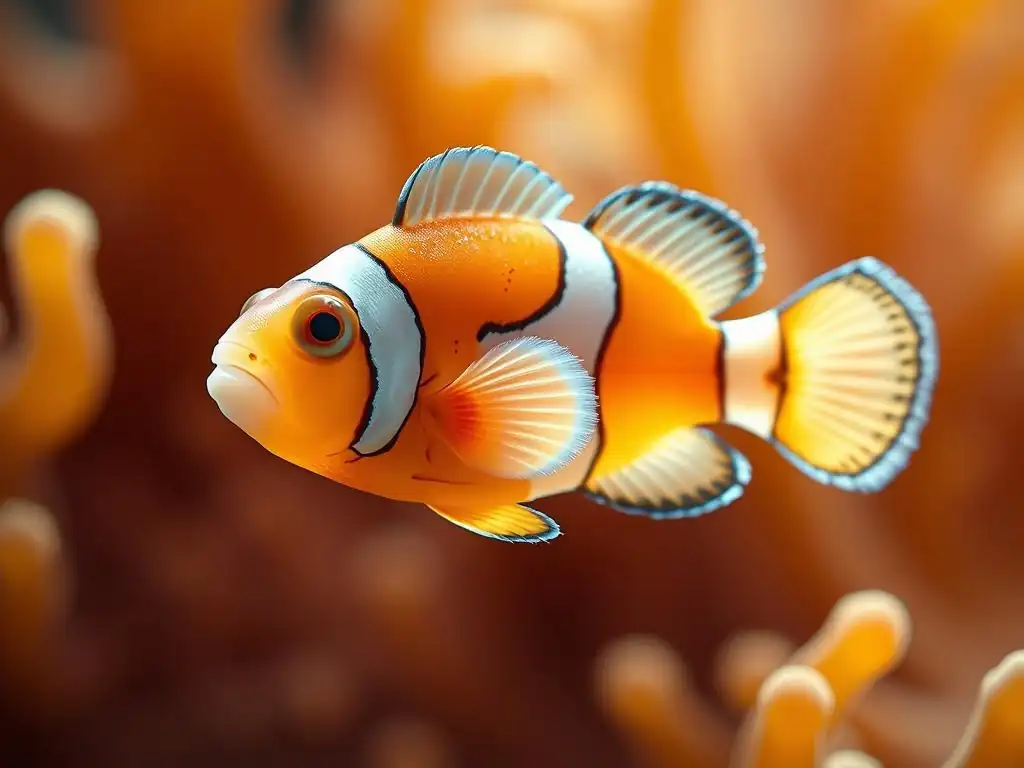
Ocellaris Clownfish Larval Diet: Providing Essential Nutrition (Rotifers and Copepods)
The Ocellaris clownfish larval stage is exceptionally delicate, primarily due to their minute size and specific nutritional requirements, making their diet a critical factor in survival. Newly hatched larvae possess very small mouths, necessitating the provision of microscopic live feed for the first 5-7 days post-hatch.
The primary food source during this initial period is typically L-type rotifers (Brachionus plicatilis), which are cultured and enriched with highly unsaturated fatty acids (HUFA) like DHA and EPA to ensure optimal nutritional content. A common feeding density is 10-15 rotifers per milliliter, maintained constantly throughout the day to ensure larvae always have access to food.
As the larvae grow, usually around day 4-7, their mouths become large enough to consume slightly larger prey. At this point, enriched copepods (e.g., Tigriopus californicus nauplii) or S-type Artemia nauplii can be introduced, either gradually replacing rotifers or offered concurrently. The transition to larger foods is vital for continued growth and development, preventing nutritional deficiencies that can lead to deformities or high mortality. Maintaining a consistent feeding schedule, often multiple times a day or via continuous drip, is non-negotiable for success in this challenging segment of the Clownfish breeding cycle timeline.
Maintaining Water Quality for Ocellaris Clownfish Larvae Survival
Maintaining pristine water quality is arguably the most critical factor for the survival of Ocellaris clownfish larvae, even more so than for adult fish. Their underdeveloped osmoregulatory systems and lack of robust immune responses make them extremely susceptible to even minute fluctuations or accumulations of waste products. Ammonia and nitrite levels must remain at an undetectable 0 ppm, as even slight concentrations can be lethal. Nitrate levels should also be kept below 5-10 ppm, though ideally, they should be as close to zero as possible.
To achieve and maintain these stringent parameters, frequent, small water changes are essential; daily 10-20% water changes are common practice in successful larval rearing setups. The replacement water must be precisely matched in terms of temperature, specific gravity (1.020-1.025), and pH (8.0-8.4) to minimize stress.
Furthermore, rigorous cleaning of the rearing tank walls and bottom to remove uneaten food and waste is necessary multiple times a day, often performed with a small airline tube to siphon detritus gently. This meticulous attention to water chemistry forms the backbone of success during the fragile larval phase of the Clownfish breeding cycle timeline.
Metamorphosis: Transitioning from Larva to Juvenile Ocellaris Clownfish
Metamorphosis is a fascinating and crucial developmental stage in the Ocellaris clownfish breeding cycle, typically occurring between 7 and 14 days post-hatch, depending on factors like temperature and nutrition. During this period, the transparent, elongated larval form undergoes a dramatic transformation into a miniature, recognizable Ocellaris clownfish. Physically, the most noticeable changes include the development of the characteristic orange coloration with white bands, the rounding of their body shape, and the full development of their fins, particularly the caudal (tail) fin, which becomes more paddle-like.
Behaviorally, larvae transition from a planktonic, free-swimming existence to a more benthic lifestyle, actively seeking shelter and often exhibiting a characteristic "wobble" as they begin to explore their surroundings. Their swimming ability improves significantly, and they become more efficient hunters. During this phase, it's common to gradually introduce finely crushed dry foods or frozen copepods, preparing them for a more varied diet as juveniles. Successfully navigating metamorphosis is a significant milestone in the Clownfish breeding cycle timeline, as it marks the point where the fish become much more resilient and less prone to sudden mortality.
Juvenile Ocellaris Clownfish: Growth and Coloration
Establishing a Safe and Healthy Environment for Juvenile Ocellaris Clownfish
Once Ocellaris clownfish complete metamorphosis, typically around 14-21 days post-hatch, they transition into the juvenile stage, a period of rapid growth and development. Establishing a safe and healthy environment for these young fish is crucial to ensure their continued survival and robust development. They can be moved from dedicated larval rearing tanks into larger grow-out systems, often equipped with mature biological filtration to handle increased bioload. Tank size should be appropriate for their numbers, with a general guideline of allowing at least 0.5 to 1 gallon per juvenile initially, gradually increasing as they grow.
Maintaining stable water parameters remains paramount, though juveniles are slightly more tolerant than larvae. Target parameters include ammonia and nitrite at 0 ppm, nitrates below 20 ppm, specific gravity of 1.020-1.025, and a temperature of 76-80°F (24.4-26.7°C). Providing adequate hiding spots, such as small PVC pipes, ceramic pots, or even small pieces of live rock, can reduce stress and aggression among growing juveniles. Gentle water flow is still preferred, but increasing aeration slightly can be beneficial. Successfully managing this phase is vital for a strong Clownfish breeding cycle timeline, leading to healthy adults.
Feeding Juvenile Ocellaris Clownfish: Meeting Their Nutritional Needs
Feeding juvenile Ocellaris clownfish requires a diverse and high-quality diet to support their rapid growth and vibrant color development. At this stage, they are typically able to consume a wider range of foods compared to their larval counterparts. Finely crushed, high-quality marine flake foods and small pellets (e.g., 0.5-1.0 mm) should form the staple of their diet, offered 2-3 times per day. It's crucial to select foods specifically formulated for marine fish, rich in proteins, vitamins, and essential fatty acids.
Supplementing their dry food diet with various frozen foods is highly beneficial for their overall health and vitality. Examples include enriched brine shrimp, mysis shrimp, and finely chopped clam or spirulina-enriched foods. These provide a broader spectrum of nutrients and encourage natural hunting behaviors. Overfeeding should be avoided to prevent water quality degradation, but ensuring they receive sufficient food for their rapid metabolism is key. A well-nourished juvenile stage directly impacts the health and reproductive potential of the fish later in their Clownfish breeding cycle timeline.
Ocellaris Clownfish Color Development: Factors Influencing Coloration
The characteristic vibrant orange coloration and distinct white bands of Ocellaris clownfish develop significantly during the juvenile stage, typically becoming fully pronounced by 2-3 months of age. This development is primarily influenced by a combination of genetics, diet, and environmental factors. Genetically, Ocellaris clownfish naturally carry the genes for their iconic coloration; however, the expression of these colors can be enhanced or diminished by external factors.
Diet plays a crucial role in color intensity. Foods rich in carotenoids, such as spirulina, astaxanthin, and various marine algae, are essential for promoting bright orange and strong white pigmentation. Many high-quality commercial clownfish foods are fortified with these color-enhancing ingredients. Environmental factors like stable water parameters, low stress levels, and adequate lighting also contribute to optimal color development. A clean, well-maintained aquarium with appropriate lighting (e.g., full spectrum LEDs) supports the fish's overall health, allowing their natural beauty to fully emerge as they progress through the Clownfish breeding cycle timeline.
Reaching Sexual Maturity: Preparing Ocellaris Clownfish for Breeding
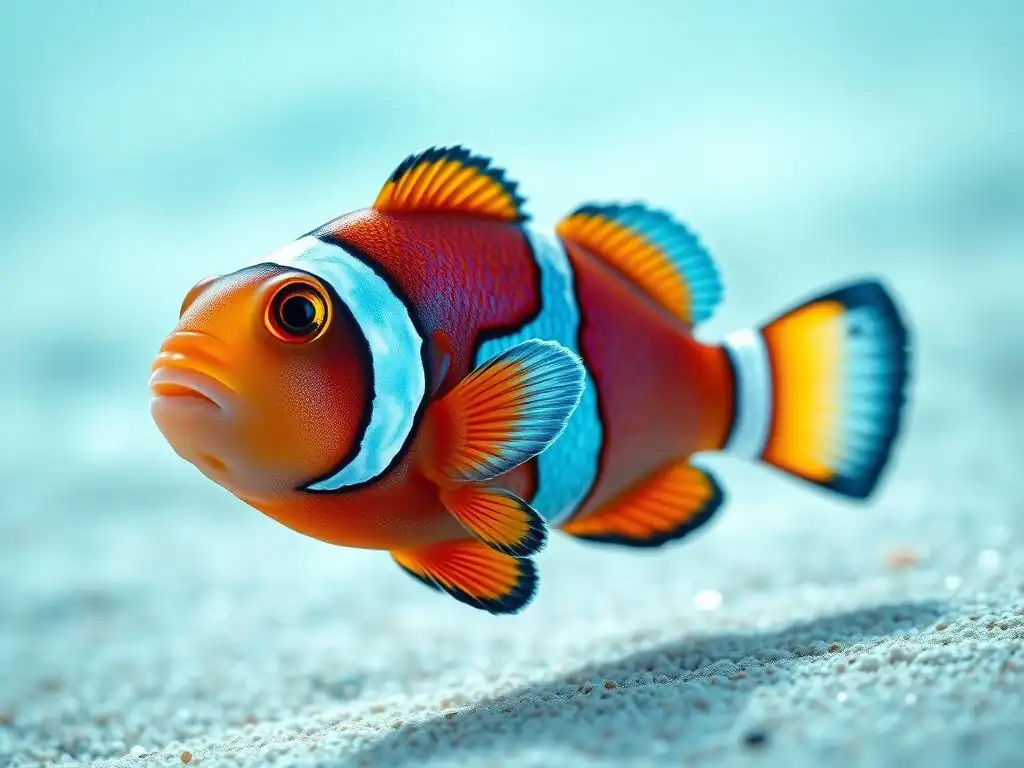
Determining Sex in Ocellaris Clownfish: Understanding Protandry
Determining sex in Ocellaris clownfish is a fascinating aspect of their biology, governed by a unique phenomenon called protandrous hermaphroditism. This means that all Ocellaris clownfish are born male, and they have the ability to change sex to female later in life. In a group of juvenile clownfish, the largest and most dominant individual will eventually transition into the female, while the second largest will remain or develop into the functional male of the pair. This process is irreversible once the change to female occurs.
Identifying the sex of a mature Ocellaris clownfish pair is relatively straightforward once they have established their hierarchy. The female will always be noticeably larger and more robust than the male, often by a significant margin (e.g., 3-4 inches vs. 2-3 inches for the male). Behavioral cues also assist: the female will typically be more dominant and territorial, while the male will exhibit submissive behaviors, such as quivering or darting when approached by the female. Understanding this natural progression is vital for successful pairing and managing the Clownfish breeding cycle timeline.
Pairing Ocellaris Clownfish: Selecting Compatible Mates
Selecting compatible Ocellaris clownfish mates is a foundational step in establishing a successful breeding program. Given their protandrous nature, the most reliable method is to acquire a group of young, unrelated Ocellaris clownfish (e.g., 4-6 individuals) and allow them to naturally pair off. Over several months, as they grow, one will assert dominance and become the female, while another will become the male. This natural pairing often results in a stronger, more stable bond than attempting to pair two pre-selected adults.
Alternatively, if an established female is already present, a smaller, younger Ocellaris clownfish can be introduced as a potential mate. This introduction should be done cautiously, perhaps by placing the new male in a clear acclimation box within the female's tank for a few days to allow them to get accustomed to each other without direct aggression. Once released, close monitoring is essential. A successful pairing will see the male exhibiting submissive quivering, while an unsuccessful one may involve severe aggression from the female. A well-matched pair is the cornerstone of a predictable Clownfish breeding cycle timeline.
Conditioning Ocellaris Clownfish for Breeding: Optimizing Diet and Environment
Conditioning Ocellaris clownfish for breeding involves optimizing both their diet and their environment to encourage spawning behavior and ensure the production of viable eggs. A high-quality, varied diet is paramount; adult breeding pairs should be fed multiple times a day with a rich assortment of frozen foods such as mysis shrimp, spirulina-enriched brine shrimp, finely chopped clam, and high-quality marine pellets or flakes. Ensuring these foods are rich in highly unsaturated fatty acids (HUFA) and vitamins, especially Vitamin C and E, can significantly improve egg quality and spawning frequency.
Environmental parameters must be stable and within optimal ranges: temperature 78-82°F (25.5-27.7°C), specific gravity 1.020-1.025, and pH 8.0-8.4. Consistent lighting cycles (e.g., 12-14 hours on, 10-12 hours off) and regular, small water changes (10-20% weekly) help maintain water quality and signal a stable environment conducive to reproduction. Providing a suitable spawning site, such as a terracotta pot, a piece of flat PVC, or a smooth rock, is also crucial. When these conditions are met, a healthy Ocellaris clownfish breeding cycle timeline can become remarkably consistent.
The Adult Ocellaris Clownfish Spawning Cycle
Recognizing Spawning Behavior in Adult Ocellaris Clownfish
Recognizing spawning behavior in adult Ocellaris clownfish is key to anticipating and preparing for a successful hatch. The most overt sign is the male's diligent cleaning of a chosen spawning site, often a flat rock or a terracotta pot, meticulously mouthing and fanning the surface for hours or even days prior. This nest preparation intensifies as the spawning event approaches. The pair will often become more territorial around their chosen spot, possibly chasing away other tank inhabitants.
On the day of spawning, typically in the late afternoon or early evening, the male will engage in an elaborate "dance" to entice the female, quivering his body and fins while repeatedly nudging her towards the cleaned site. The female will then begin to make passes over the surface, depositing rows of small, orange, adhesive eggs, while the male follows closely behind, fertilizing them. This process can last for 1 to 2 hours, resulting in a distinct oval or circular clutch of eggs, a clear indicator of a new beginning in the Clownfish breeding cycle timeline.
Optimizing Tank Conditions for Successful Ocellaris Clownfish Spawning
Optimizing tank conditions for successful Ocellaris clownfish spawning involves maintaining a stable and stimulating environment that encourages natural reproductive behaviors. A dedicated breeding tank, typically 20-30 gallons, is often preferred, free from aggressive tank mates that could stress the pair or consume eggs. Water parameters must be meticulously maintained: temperature between 78-82°F (25.5-27.7°C), specific gravity 1.020-1.025, and pH 8.0-8.4. Consistent daily photoperiods (e.g., 12-14 hours) are important for regulating their natural rhythms.
Beyond stable parameters, providing a suitable spawning substrate is critical. Many breeders use terracotta pots, ceramic tiles, or smooth pieces of live rock as preferred egg-laying sites. Ensuring a varied and nutrient-rich diet, as discussed in conditioning, directly impacts egg viability and spawning frequency. Regular small water changes (10-15% weekly) keep the water pristine and can sometimes act as a trigger for spawning. A calm, well-maintained environment significantly contributes to a predictable and productive Clownfish breeding cycle timeline.
Managing Multiple Ocellaris Clownfish Spawns: Frequency and Considerations
Established and well-conditioned Ocellaris clownfish pairs are remarkably prolific, capable of spawning with impressive frequency. Many pairs will lay eggs every 10 to 14 days, particularly if their eggs are consistently removed after each spawn. Some highly productive pairs, under ideal conditions and with excellent nutrition, have even been observed to spawn as frequently as every 7 days. This high frequency necessitates efficient management of multiple spawns to avoid overwhelming the breeder.
Considerations for managing these frequent spawns include having adequate rearing tank capacity and a steady supply of live foods (rotifers, copepods) to support the continuous production of larvae. Breeders often develop a staggered system, where new larvae are hatched every week or two, ensuring a continuous supply of fry at different developmental stages.
Monitoring the parents for signs of stress or exhaustion is also important; if spawning frequency declines or egg quality diminishes, a temporary reduction in feeding or a brief break from egg removal might be beneficial to allow the pair to recuperate, ensuring the long-term health of the Clownfish breeding cycle timeline.
Raising Ocellaris Clownfish Fry: From Hatching to Independence
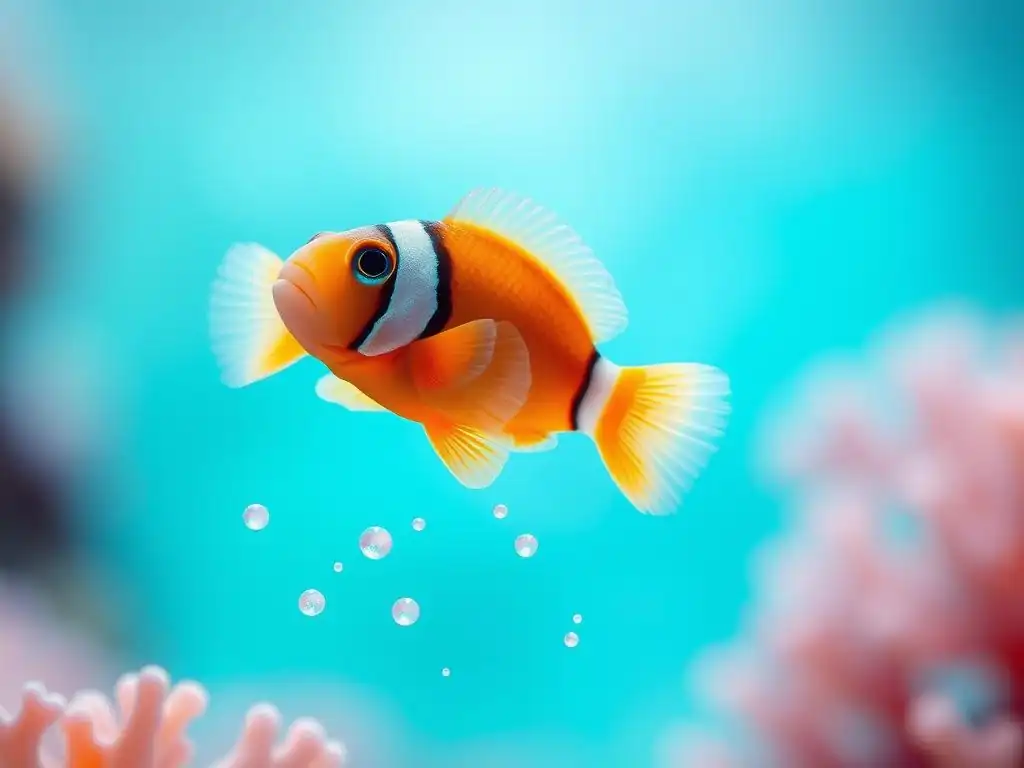
Setting Up a Fry Rearing Tank: A Dedicated Environment
Setting up a dedicated fry rearing tank is a crucial first step for successfully raising Ocellaris clownfish from hatch to independence. These tanks are typically small, ranging from 5 to 10 gallons, and are designed to simplify feeding and cleaning while minimizing larval stress. Key features include a bare bottom for easy siphoning of detritus, and often black or dark walls to help the transparent larvae stand out against the background, making observation and feeding easier.
Filtration in fry tanks is minimal and gentle to prevent the tiny larvae from being sucked in. Air-driven sponge filters, pre-cycled and running gently, are common, or sometimes no filtration is used, relying solely on daily water changes. A small heater maintains stable temperatures (78-80°F or 25.5-26.7°C), and a dim light source (e.g., a small LED or moonlight) can be used to attract newly hatched larvae for collection. Preparing this dedicated environment well in advance of a known hatch date is essential for a smooth transition in the Clownfish breeding cycle timeline.
Feeding Ocellaris Clownfish Fry: First Foods and Weaning
Feeding Ocellaris clownfish fry during their initial days is the most challenging aspect of their rearing. For the first 3-5 days post-hatch, their diet must consist exclusively of rotifers (Brachionus plicatilis), specifically enriched with highly unsaturated fatty acids (HUFA) to provide essential nutrients for development. Maintaining a density of 10-15 rotifers per milliliter throughout the day is critical, often achieved through continuous drip feeding or multiple small feedings.
As the fry grow, typically around day 5-7, they can be gradually weaned onto larger food items. This transition often begins with enriched Artemia nauplii or copepods, either offered concurrently with rotifers or slowly replacing them. By day 10-14, as they complete metamorphosis, the fry can begin to accept finely crushed dry foods like high-quality marine flakes or small pellets. The weaning process is gradual, ensuring the fry continue to gain weight and develop. Success in this feeding regimen is paramount for the survival and growth within the Clownfish breeding cycle timeline.
Preventing Diseases in Ocellaris Clownfish Fry: Maintaining a Healthy Environment
Preventing diseases in Ocellaris clownfish fry is largely dependent on maintaining an impeccably clean and stable rearing environment. Due to their underdeveloped immune systems, fry are highly susceptible to bacterial infections, parasitic infestations, and fungal outbreaks. The most effective preventative measure is rigorous water quality management: daily 10-20% water changes with perfectly matched, dechlorinated, and aged saltwater are non-negotiable. Ammonia and nitrite must remain at 0 ppm, and nitrates as low as possible.
Beyond water parameters, meticulous tank hygiene is vital. Uneaten food and detritus must be siphoned off the tank bottom multiple times a day using a small airline tube, as decaying organic matter rapidly fuels bacterial growth. All equipment, including airlines, heaters, and feeding implements, should be thoroughly cleaned or sterilized between uses. Quarantining live food cultures (rotifers, Artemia) to ensure they are pathogen-free also adds a layer of protection. Proactive prevention, rather than reactive treatment, is the cornerstone of success in this fragile phase of the Clownfish breeding cycle timeline.
Common Challenges in Captive Ocellaris Clownfish Breeding and How to Overcome Them
Addressing Infertility Issues in Ocellaris Clownfish Pairs
Infertility issues in Ocellaris clownfish pairs can be a frustrating challenge for breeders, manifesting as no spawning, unfertilized eggs, or eggs that fail to develop. One common cause is inadequate conditioning; if the pair is not receiving a diverse, nutrient-rich diet high in essential fatty acids and vitamins (especially A, C, and E), their reproductive health can suffer. Increasing the frequency and variety of high-quality frozen foods like mysis shrimp, enriched brine shrimp, and spirulina can often resolve this.
Another factor can be environmental stress. Fluctuating water parameters, aggressive tank mates, or insufficient hiding spots can inhibit spawning. Ensuring stable temperature (78-82°F), specific gravity (1.020-1.025), and pH (8.0-8.4) in a dedicated, peaceful breeding tank can significantly reduce stress. Sometimes, a pair may simply be incompatible, or one fish may be too old. If a pair consistently fails to produce viable spawns after several months of optimal conditioning, replacing one or both individuals may be necessary to progress the Clownfish breeding cycle timeline.
Preventing Egg and Larval Loss: Protecting the Spawn
Preventing egg and larval loss is a critical concern in Ocellaris clownfish breeding, as these early stages are highly vulnerable. One primary cause of egg loss is fungal infection, particularly if eggs are infertile or water quality is poor. Ensuring vigorous fanning by the male or providing gentle aeration if eggs are removed can prevent fungal growth. Removing infertile (white) eggs promptly also helps. Another significant threat is predation by other tank inhabitants; in a community tank, it is almost guaranteed that other fish will consume the eggs or newly hatched larvae.
To protect the larvae, it's highly recommended to remove the egg clutch to a dedicated larval rearing tank 1-2 days before hatching, or to siphon the newly hatched larvae from the breeding tank into a separate system. This isolates them from predators and allows for precise control over their environment and feeding. Additionally, maintaining pristine water quality in the rearing tank, as discussed previously, is paramount, as even slight ammonia or nitrite spikes can be fatal. Diligent attention to these details is crucial for a successful Clownfish breeding cycle timeline.
Managing Aggression in Ocellaris Clownfish Breeding Tanks
Managing aggression in Ocellaris clownfish breeding tanks, particularly between the breeding pair, is essential for their well-being and consistent spawning. While some degree of chasing and fin-nipping is normal, especially from the female towards the male, excessive aggression can lead to stress, injury, and a cessation of spawning. This often occurs if the male is significantly smaller or weaker, or if the tank size is too small, limiting escape routes.
Providing ample hiding spots, such as PVC pipes, small caves, or dense artificial plants, can offer the male refuge from an overly aggressive female. Ensuring the tank is adequately sized (e.g., 20-30 gallons for a pair) also helps. If aggression becomes severe, temporarily separating the pair with a tank divider for a few days can sometimes reset their dynamic. In rare cases where aggression is persistent and harmful, replacing one of the pair, usually the male, with a different individual of appropriate size may be the only solution to maintain a harmonious and productive Clownfish breeding cycle timeline.
Conclusion: Mastering the Ocellaris Clownfish Breeding Cycle Timeline
The Rewards of Captive Ocellaris Clownfish Breeding
Mastering the Clownfish breeding cycle timeline and successfully raising Ocellaris clownfish from egg to adult spawner offers a multitude of rewarding experiences for the dedicated aquarist. Beyond the sheer satisfaction of witnessing the complete lifecycle of these iconic marine fish, captive breeding significantly contributes to the sustainability of the hobby by reducing the demand for wild-caught specimens. This helps alleviate pressure on natural reef populations, which are already facing numerous environmental challenges.
Furthermore, successful breeding provides a unique opportunity for scientific observation and learning. Each spawn offers insights into fish behavior, genetics, and the intricate requirements for marine aquaculture. For many, the ability to produce healthy, vibrant offspring that can be shared with other enthusiasts or even sold to local fish stores provides a tangible return on their investment of time and effort. The journey is challenging, but the cumulative rewards, from conservation to community building, make the dedication to the Clownfish breeding cycle timeline incredibly worthwhile.
Further Resources for Ocellaris Clownfish Breeders: Books, Websites, and Forums
For those looking to further refine their understanding and skills in navigating the Clownfish breeding cycle timeline, a wealth of resources is available. Several seminal books offer comprehensive guides, such as "Clownfishes: A Guide to Their Captive Care, Breeding & Natural History" by Joyce Wilkerson, which is often considered the definitive text for serious breeders. Other titles by authors like Frank H. Hoff and Martin A. Moe also provide invaluable practical advice and detailed methodologies for various marine species, including clownfish.
Beyond printed materials, numerous online resources provide up-to-date information and community support. Reputable websites like Reef Central, Marine Depot, and dedicated aquaculture forums often host extensive threads and articles from experienced breeders, sharing their techniques, troubleshooting tips, and latest findings. Active participation in these online communities allows for direct interaction, offering real-time advice and fostering a collaborative learning environment that is indispensable for anyone committed to mastering the Ocellaris clownfish breeding cycle.
Frequently Asked Questions
What is the typical duration of a clownfish breeding cycle?
The complete breeding cycle, from egg-laying to hatching, usually takes between 6-11 days depending on water temperature and other environmental factors. The entire process, from spawning to the fry reaching maturity, can take several months.
What are the critical water parameters for successful clownfish breeding?
Maintaining stable water parameters is essential. The ideal temperature is around 80-82°F, with a specific gravity of 1.025, and very low levels of nitrates and ammonia are crucial.
How often do clownfish typically lay eggs in a captive environment?
Under optimal conditions, a healthy pair of clownfish can spawn every 1-2 weeks. This frequency can vary based on the pair's age, health, and environmental factors.
What are the key challenges in raising clownfish fry?
The biggest challenges include providing the correct first foods, maintaining pristine water quality, and preventing diseases. Rotifers and copepods are commonly used as initial food sources.
How long does it take for a clownfish to reach sexual maturity and become a breeding adult?
Clownfish typically reach sexual maturity and begin breeding around 6-12 months of age in a captive environment. This can depend on genetics and overall care.
Final Reflection: The Enduring Wonder of Creation
The journey we've explored, tracing the Clownfish breeding cycle timeline, reveals more than just a scientific process; it unveils a microcosm of life's tenacity and beauty. In a world increasingly disconnected from the natural world, understanding the intricacies of even a single species, like the humble clownfish, reminds us of the delicate balance and interconnectedness that sustains us all. This knowledge empowers us to appreciate the fragility of marine ecosystems and the importance of responsible stewardship.
This intricate lifecycle, from a tiny egg clinging to a rock to a vibrant, spawning adult, has profoundly shaped my understanding of resilience and adaptation. Witnessing this process, even through research and observation, underscores the power of nature's design and the responsibility we have to protect it. In the end, we will conserve only what we love; we will love only what we understand; and we will understand only what we are taught.
- Baba Dioum's words resonate deeply, reminding us that education and understanding are the cornerstones of conservation.
Now, consider the implications of this knowledge. How can you, in your own life, contribute to the preservation of these delicate ecosystems? Whether it's supporting sustainable seafood practices, reducing your carbon footprint, or simply sharing your newfound appreciation for the clownfish with others, every action, no matter how small, can make a difference. Let the wonder of the clownfish breeding cycle inspire you to become a champion for the oceans and a guardian of our planet's precious biodiversity.
Dive Deeper: Transform Your Clownfish Dreams Into Reality!
Thank you for exploring the fascinating journey of clownfish development with us. We hope you’ve gained valuable insights into nurturing these captivating creatures. Ready to take the next step?
Here are a few ways to continue your clownfish adventure:
- Become a Breeder! Embark on the rewarding journey of breeding clownfish at home – research optimal tank setups and feeding strategies to successfully raise your own Nemo.
- Share your newfound knowledge! Post your favorite fact about clownfish lifecycle on social media and inspire others to appreciate marine biodiversity.
- Join the Aquarium Mastery community! Engage with fellow enthusiasts in our forum and discuss your experiences with clownfish breeding and care.
What are you most excited to try first, and what challenges do you anticipate facing on your clownfish journey?