
Long Tentacle Anemone (Macrodactyla doreensis): A Graceful Host for Your Clownfish

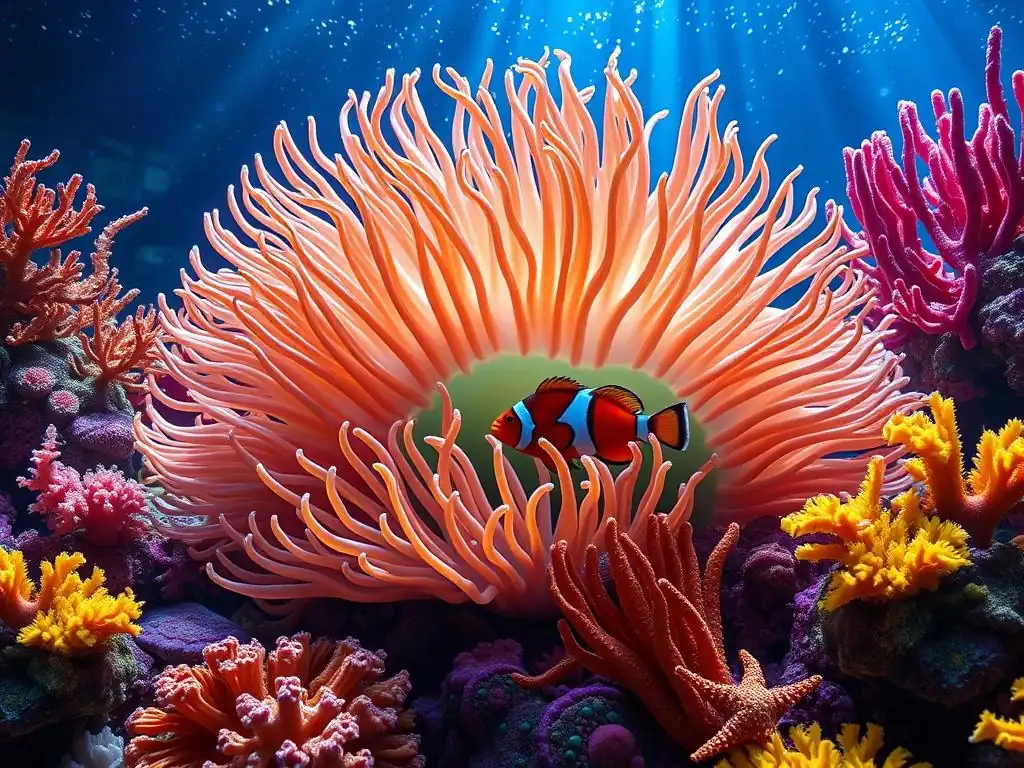
Welcome to Aquarium Mastery!
Ever wondered how to create the perfect symbiotic relationship between your clownfish and a magnificent anemone? Dive into our comprehensive guide on Clownfish hosting anemone care, specifically focusing on the captivating Long Tentacle Anemone (Macrodactyla doreensis). Discover the secrets to keeping both your clownfish and their anemone host thriving in your saltwater aquarium. Ready to unlock the secrets to a harmonious underwater world?
- Introduction to the Long Tentacle Anemone and Clownfish Symbiosis
- Macrodactyla doreensis: Profile and Natural Habitat
- Setting Up Your Aquarium for a Long Tentacle Anemone
- Clownfish and Long Tentacle Anemone: A Symbiotic Relationship
- Long Tentacle Anemone Care: Ensuring Health and Longevity
- Troubleshooting Common Issues with Long Tentacle Anemones
- Selecting a Healthy Long Tentacle Anemone
- Benefits of Clownfish Hosting Anemone Care in Reef Tanks
- Conclusion: Mastering Long Tentacle Anemone and Clownfish Care
-
Frequently Asked Questions
- How crucial is the Long Tentacle Anemone (LTA) for clownfish well-being?
- What are the key water parameter considerations for keeping a Long Tentacle Anemone healthy?
- What kind of lighting is required for a Long Tentacle Anemone to thrive in an aquarium?
- What specific type of clownfish species are most likely to host in a Long Tentacle Anemone?
- How should I acclimate a new Long Tentacle Anemone to my aquarium to ensure its survival?
- Final Reflection: Embracing Symbiosis in Our Aquariums
- Cultivate Your Reef: Nurture Your Anemone Today!
Introduction to the Long Tentacle Anemone and Clownfish Symbiosis
Understanding the Appeal of Macrodactyla doreensis for Clownfish Hosting
The Long Tentacle Anemone, scientifically known as Macrodactyla doreensis, holds a unique appeal for aquarists seeking to establish a natural and captivating symbiotic relationship with clownfish in their saltwater aquariums. Unlike some other host anemones that can be highly aggressive or require exceptionally specialized care, the Doreensis anemone offers a relatively manageable option for dedicated hobbyists. Its distinctive appearance, characterized by long, tapering tentacles that often have a sticky feel, provides an ideal and inviting habitat for a variety of clownfish species. This natural appeal is central to successful clownfish hosting anemone care.
Furthermore, the Macrodactyla doreensis typically anchors its foot deep within the substrate, allowing its oral disc and tentacles to gracefully sway in the water column. This behavior not only creates a visually dynamic display but also offers a stable home for clownfish, which can dart in and out of its protective embrace. Its size, often reaching 12 to 20 inches (approximately 30-50 cm) in diameter when fully expanded, ensures ample space for a pair or even a small group of clownfish, making it a popular choice for larger reef tanks aiming for authentic clownfish hosting anemone care.
Why Choose a Long Tentacle Anemone for Your Saltwater Aquarium?
Opting for a Long Tentacle Anemone presents several advantages for the discerning aquarist. Beyond its aesthetic beauty and the fascinating symbiotic relationship it fosters, Macrodactyla doreensis is generally considered more robust than some of the more delicate host anemone species, such as the Magnificent Anemone ( Heteractis magnifica), which can be quite demanding. While still requiring precise water parameters and stable conditions, the Doreensis anemone often adapts better to established home aquariums, reducing the stress associated with keeping such a sensitive invertebrate.
Moreover, the presence of a healthy Long Tentacle Anemone can significantly enhance the overall health and behavior of its clownfish residents. Clownfish that host in an anemone exhibit more natural behaviors, including protective circling, tentacle rubbing, and even food delivery to their host. This interaction is not only a joy to observe but also contributes to the well-being of the clownfish by providing security and enrichment, making comprehensive clownfish hosting anemone care a rewarding endeavor.
Macrodactyla doreensis: Profile and Natural Habitat
Identifying Features of the Long Tentacle Anemone
The Long Tentacle Anemone, Macrodactyla doreensis, is easily distinguishable by several key physical characteristics. Its most prominent feature is its long, slender tentacles, which can extend significantly from the oral disc, giving it its common name. These tentacles are typically covered in nematocysts (stinging cells) and have a notably sticky feel when gently touched, a mechanism used for capturing prey and deterring predators. The oral disc itself is often vibrant, displaying colors such as tan, brown, green, or even a soft pink, with the tentacles often matching or showing subtle variations.
Another identifying feature is its foot, which is adapted for burying deep into soft substrates like sand or rubble. Unlike some anemones that attach to rockwork, the Doreensis anemone prefers to embed its column and foot, leaving only its oral disc and tentacles exposed. This behavior helps anchor it securely and protects its vulnerable base. A healthy specimen will appear fully inflated, with its tentacles extended, and will exhibit strong adhesion when disturbed, indicating proper turgor and overall vitality, which are crucial for effective clownfish hosting anemone care.
Natural Distribution and Habitat of the Doreensis Anemone
In its natural environment, Macrodactyla doreensis is widely distributed across the Indo-Pacific region. Its range extends from the Red Sea and East Africa, across the Indian Ocean, and throughout the Western Pacific, reaching as far east as the islands of Micronesia and Polynesia. This broad distribution highlights its adaptability to various tropical marine conditions, though it consistently prefers specific microhabitats.
The Doreensis anemone typically inhabits shallow to moderate depths, generally found between 1 to 20 meters (approximately 3 to 65 feet), though it can occasionally be found deeper. It thrives in areas with soft, sandy, or rubble-strewn bottoms, often near coral reefs or rocky outcrops where it can bury its foot while still having access to open water for feeding and light. This preference for soft substrates and moderate water flow is a critical consideration when designing an aquarium for optimal clownfish hosting anemone care.
Optimal Tank Conditions for Long Tentacle Anemone Health
Maintaining stable and optimal tank conditions is paramount for the health and longevity of the Long Tentacle Anemone. Key water parameters include salinity, which should be kept consistently between 1.024 and 1.026 specific gravity. Temperature is another critical factor, with a range of 74-78°F (23-26°C) being ideal. Sudden fluctuations in temperature can cause significant stress and contribute to bleaching.
Furthermore, pH levels should be maintained between 8.1 and 8.4. Beyond these primary parameters, low nutrient levels are essential; nitrates should ideally be kept below 10 ppm, and phosphates below 0.03 ppm, as high levels can be detrimental. Moderate to strong, indirect water flow is also beneficial, providing adequate gas exchange and nutrient delivery without directly blasting the anemone, which can cause it to retract or detach. These precise conditions are foundational to successful clownfish hosting anemone care.
Setting Up Your Aquarium for a Long Tentacle Anemone
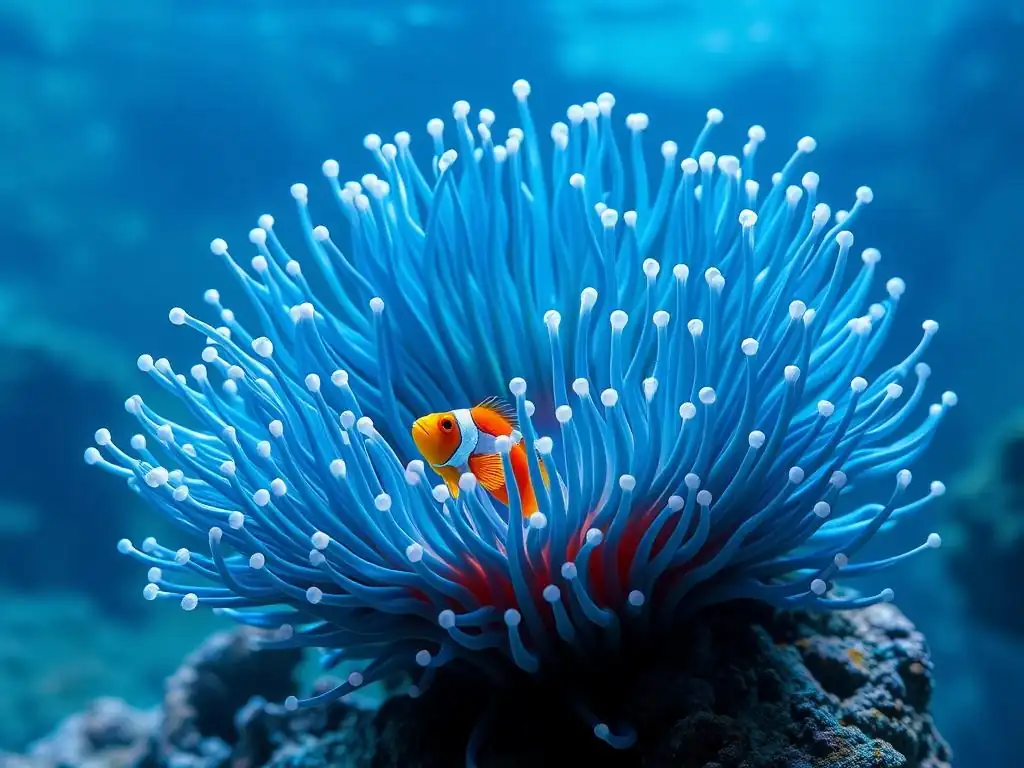
Tank Size Requirements for Macrodactyla doreensis
When planning an aquarium for a Long Tentacle Anemone, adequate tank size is a crucial consideration. While a juvenile Macrodactyla doreensis might initially fit into a smaller setup, these anemones can grow quite large, often reaching 12-20 inches (30-50 cm) in diameter. Therefore, a minimum tank size of 50 gallons (approximately 190 liters) is generally recommended for a single specimen, though a 75-gallon (approx. 280 liters) or even 100-gallon (approx. 380 liters) tank is far more suitable to accommodate its growth and potential movement.
Larger tanks also offer greater stability in water parameters, which is vital for the sensitive Macrodactyla doreensis. They provide ample swimming space for clownfish and reduce the likelihood of the anemone stinging other corals or getting sucked into powerheads. Investing in a sufficiently sized aquarium from the outset is a key component of responsible clownfish hosting anemone care, ensuring both the anemone and its symbiotic partners can thrive.
Essential Water Parameters for Anemone and Clownfish
The success of clownfish hosting anemone care hinges on maintaining consistently pristine and stable water parameters. Beyond the basic salinity (1.024-1.026), temperature (74-78°F or 23-26°C), and pH (8.1-8.4), specific levels of calcium, alkalinity, and magnesium are also important, particularly in a reef environment. Calcium levels should be maintained between 400-450 ppm, as it contributes to the anemone's structural integrity.
Alkalinity, measured in dKH, should ideally be between 8-12 dKH to buffer pH fluctuations and support calcification. Magnesium levels, typically 1250-1350 ppm, are crucial for maintaining proper calcium and alkalinity balance. Regular testing of these parameters, at least weekly, is recommended to detect and correct any deviations promptly. Sudden shifts in any of these parameters can cause severe stress, leading to anemone retraction, bleaching, or even death, underscoring the importance of diligent water quality management.
Substrate and Lighting Considerations for Long Tentacle Anemones
The choice of substrate is paramount for the Long Tentacle Anemone, as it naturally buries its foot into the sand or rubble. A deep sand bed, at least 4-6 inches (10-15 cm) in depth, is highly recommended to allow the anemone to fully embed itself and establish a secure anchor. Fine to medium-grain sand is preferred, as coarse substrates can potentially injure the delicate foot. Providing a suitable substrate from day one helps prevent the anemone from wandering excessively in search of a comfortable spot.
Regarding lighting, Macrodactyla doreensis hosts symbiotic zooxanthellae within its tissues, which require moderate to high-intensity lighting for photosynthesis. A PAR (Photosynthetically Active Radiation) value ranging from 150 to 300+ is generally suitable, depending on the specific light fixture and tank depth. Full-spectrum LED lighting or T5HO fluorescent bulbs are excellent choices, providing the necessary spectrum and intensity. Acclimation to new lighting is crucial; gradually increasing intensity over several weeks can prevent light shock and bleaching, ensuring the anemone thrives in its new home and facilitates effective clownfish hosting anemone care.
Clownfish and Long Tentacle Anemone: A Symbiotic Relationship
Which Clownfish Species Host with Macrodactyla doreensis?
Several species of clownfish are known to form symbiotic relationships with the Long Tentacle Anemone ( Macrodactyla doreensis) in both the wild and captivity. Among the most common and successful pairings are the Ocellaris Clownfish ( Amphiprion ocellaris) and the Percula Clownfish ( Amphiprion percula), both highly popular aquarium inhabitants. Other species that frequently host with M. doreensis include the Pink Skunk Clownfish ( Amphiprion perideraion), Clarkii Clownfish ( Amphiprion clarkii), and the Sebae Clownfish ( Amphiprion sebae).
While many clownfish species can host, it's worth noting that tank-bred clownfish, which have never encountered an anemone, may take longer to host or may never host at all compared to wild-caught specimens. However, with patience and the right environment tailored for clownfish hosting anemone care, even tank-bred individuals can often be encouraged to accept an anemone as their host. Providing a stable and inviting environment is key to fostering this natural interaction.
Establishing a Successful Clownfish-Anemone Bond
Establishing a successful bond between clownfish and a Long Tentacle Anemone requires patience and creating an optimal environment. The anemone should be fully settled and healthy in the aquarium for at least a few weeks before introducing the clownfish. This ensures the anemone is not stressed and is ready to accept a host. When introducing the clownfish, they should be relatively small, as larger, more established clownfish might be less inclined to host if they've never done so before.
Observe the clownfish's behavior closely. They may initially ignore the anemone, or cautiously explore it. Some common behaviors indicating an interest in hosting include darting in and out, gently rubbing against the tentacles, or hovering nearby. It can take anywhere from a few hours to several weeks for a clownfish to fully host. Avoid forcing the interaction or making sudden tank changes during this period, as stability is crucial for successful clownfish hosting anemone care.
Understanding the Benefits of Hosting for Both Anemone and Fish
The symbiotic relationship between clownfish and anemones is a classic example of mutualism, where both organisms benefit significantly. For the clownfish, the primary benefit is protection from predators. The anemone's stinging tentacles, to which the clownfish is immune, provide a secure refuge. In return, clownfish are believed to protect the anemone from its predators, such as butterflyfish, by aggressively chasing them away. They also help keep the anemone clean by removing debris and parasites from its tentacles and oral disc.
Additionally, the clownfish's movements within the anemone's tentacles can help aerate the water around the anemone, improving oxygen exchange. Some studies suggest that clownfish may also bring food scraps to the anemone, contributing to its nutrition, although the extent of this contribution is debated. This intricate interdependence highlights the biological balance achieved through thoughtful clownfish hosting anemone care, creating a thriving mini-ecosystem within the aquarium.
Long Tentacle Anemone Care: Ensuring Health and Longevity
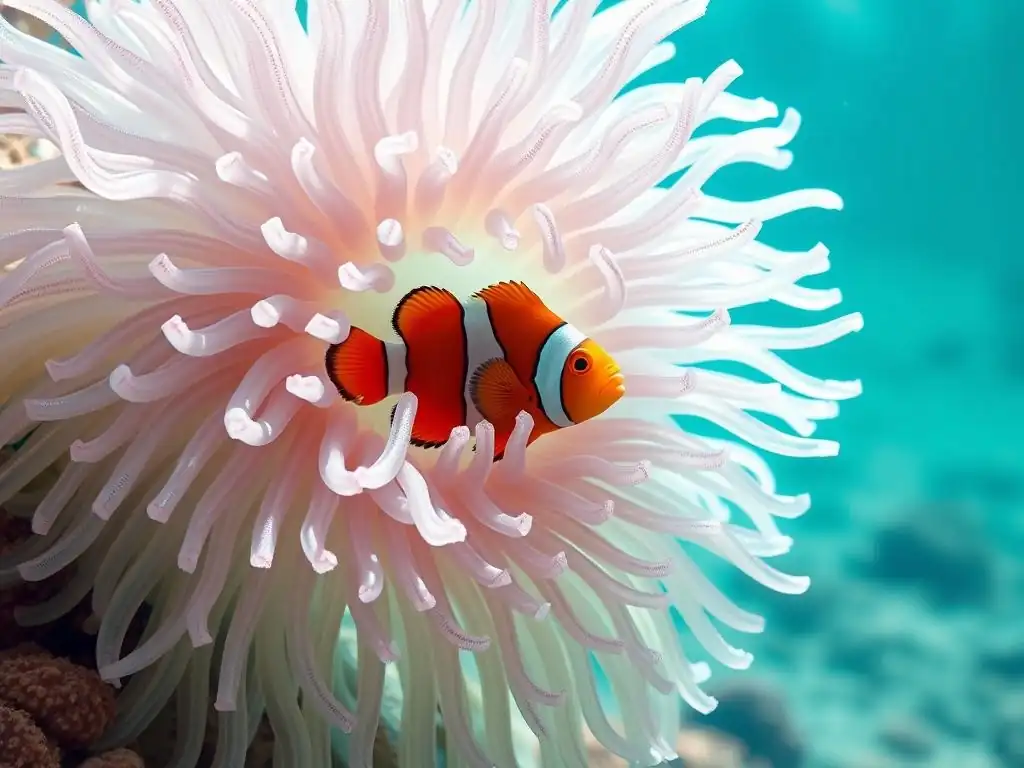
Feeding Requirements for Macrodactyla doreensis
Proper feeding is a critical aspect of clownfish hosting anemone care and essential for the long-term health and growth of Macrodactyla doreensis. While these anemones contain symbiotic zooxanthellae that produce food through photosynthesis, supplemental feeding is highly beneficial and often necessary for optimal health. Their diet should primarily consist of meaty foods.
Recommended food items include finely chopped fresh shrimp (like silversides or table shrimp), mysis shrimp, krill, or small pieces of quality marine-based frozen foods. Feeding should occur 2-3 times per week, depending on the anemone's size and overall condition. Target feeding, where food is gently placed onto the anemone's oral disc or tentacles using a long feeding stick, ensures the food is consumed and not lost to the water column. A healthy anemone will quickly grasp and ingest the food, indicating good vitality.
Maintaining Water Quality for Anemone Health
Maintaining impeccable water quality is paramount for the health and longevity of the Long Tentacle Anemone. Consistent parameters, as previously discussed (salinity 1.024-1.026, temperature 74-78°F, pH 8.1-8.4, low nitrates/phosphates, stable calcium/alkalinity/magnesium), are non-negotiable. Regular partial water changes, typically 10-20% bi-weekly or monthly, are crucial for replenishing essential trace elements and removing accumulated waste products that might not be fully exported by filtration.
Effective mechanical and biological filtration, including a robust protein skimmer, is highly recommended to maintain low nutrient levels. Live rock and a refugium can also contribute significantly to natural filtration and water stability. Avoid sudden swings in water parameters, as these are a common cause of stress and decline in anemones. Diligent monitoring and proactive adjustments are cornerstones of successful clownfish hosting anemone care.
Recognizing and Addressing Common Anemone Diseases
While anemones don't typically contract "diseases" in the same way fish do, they can suffer from stress-induced conditions that manifest as health issues. The most common and critical issue is bleaching, where the anemone expels its symbiotic zooxanthellae, losing its color and primary food source. This is usually caused by sudden or prolonged stress from poor water quality, temperature shock, extreme lighting changes, or starvation.
Other signs of an unhealthy anemone include prolonged shriveling or retraction, loss of tentacle stickiness, inability to inflate fully, a gaping mouth, or foot detachment and wandering. Addressing these issues requires immediate investigation into water parameters, lighting, and feeding. If the anemone detaches and wanders, ensure it doesn't get sucked into powerheads. Maintaining stable, pristine conditions and providing appropriate nutrition are the best preventative measures and the first line of defense in clownfish hosting anemone care.
Troubleshooting Common Issues with Long Tentacle Anemones
Anemone Movement and Placement in the Tank
One of the most common behaviors, and sometimes challenges, with a Long Tentacle Anemone is its tendency to move around the aquarium. Macrodactyla doreensis will often wander in search of an ideal spot that offers optimal lighting, water flow, and substrate for its foot. While this is a natural behavior, it can pose risks in a reef tank, as the anemone's potent sting can severely damage or even kill corals and other sessile invertebrates it encounters. Additionally, a wandering anemone is vulnerable to being sucked into powerheads or overflow drains, leading to severe injury or death.
To mitigate excessive movement, ensure the anemone is initially placed in an area that meets all its requirements: a deep sand bed (at least 4-6 inches), moderate water flow, and appropriate lighting. Providing these ideal conditions from the start can significantly reduce its urge to wander. If movement persists, consider adding an anemone guard to powerheads or placing a mesh screen over overflows to prevent accidental ingestion, which is a vital safety measure in clownfish hosting anemone care.
Dealing with Anemone Bleaching (Expulsion of Zooxanthellae)
Anemone bleaching is a serious condition where the anemone expels the symbiotic zooxanthellae algae that live within its tissues, leading to a loss of color and its primary energy source. This phenomenon is a direct response to severe stress. Common causes include rapid or prolonged temperature fluctuations (e.g., above 82°F or below 72°F), sudden changes in lighting intensity or spectrum, poor water quality (high nitrates/phosphates), or prolonged starvation. A bleached anemone will appear pale, translucent, and may shrivel.
To help a bleached anemone recover, immediate action is required. First, identify and rectify the underlying stressor. Stabilize all water parameters within optimal ranges and ensure consistent temperature. If lighting is suspected, gradually reduce intensity and slowly increase it over days or weeks. Increase target feeding frequency with small, nutritious meaty foods. While recovery is possible, it can be a slow process, taking weeks to months, and requires diligent clownfish hosting anemone care to provide the best chance of survival.
Preventing and Treating Anemone Injuries
Anemones, despite their resilience, are susceptible to physical injuries, particularly in an aquarium environment. Common causes of injury include getting caught in powerhead intakes, tearing on sharp live rock edges during movement, or being nipped by aggressive tank mates. Signs of injury can include visible tears on the foot or column, damaged or missing tentacles, or a generally deflated and unhealthy appearance.
Prevention is the best approach. Ensure all powerhead intakes are covered with an anemone guard or sponge, especially in tanks housing anemones. Aquascape with smooth, rounded rocks rather than sharp, jagged ones. Choose tank mates carefully, avoiding known anemone nippers like certain angelfish or triggerfish. If an anemone does sustain a minor injury, maintaining pristine water quality and providing optimal feeding can aid in its recovery. Severe injuries, however, can be fatal, emphasizing the importance of a safe and stable environment for clownfish hosting anemone care.
Selecting a Healthy Long Tentacle Anemone
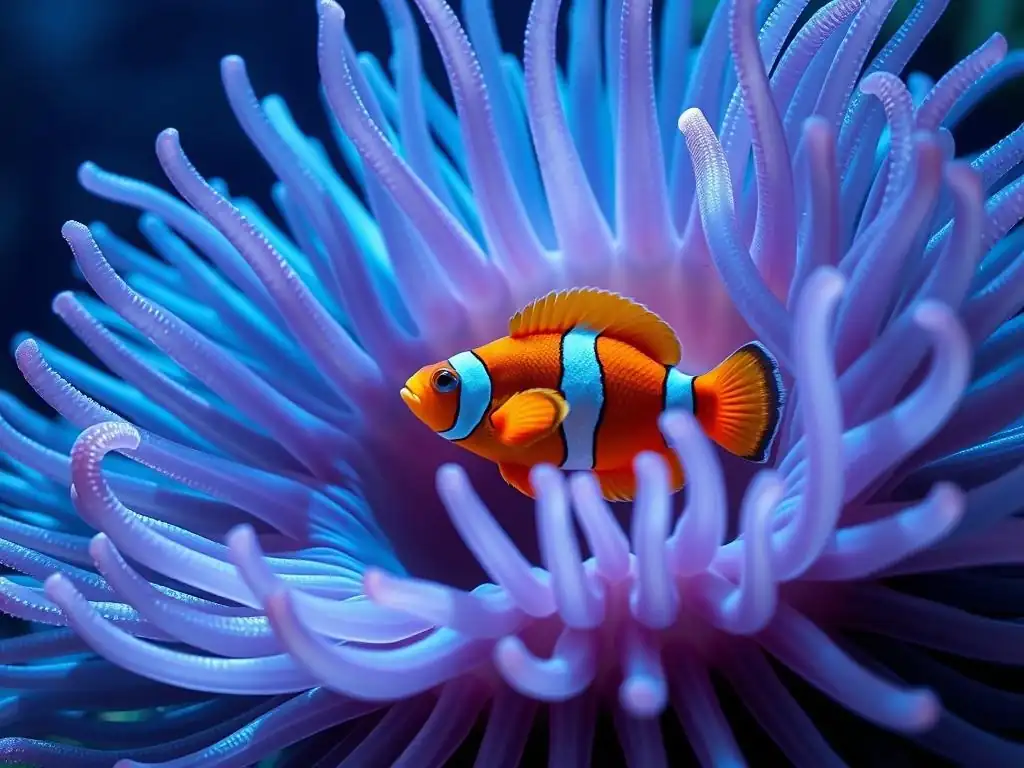
What to Look for When Purchasing a Doreensis Anemone
Selecting a healthy Long Tentacle Anemone ( Macrodactyla doreensis) is the first crucial step towards successful clownfish hosting anemone care. When examining a potential purchase, look for several key indicators of health. The anemone should appear fully inflated and turgid, not shriveled or deflated. Its tentacles should be long, extended, and sticky to the touch; gently test for stickiness if permitted by the vendor. The color should be vibrant and consistent for its species, avoiding any pale or translucent areas, which can indicate bleaching.
Crucially, inspect the foot and column for any tears, lesions, or signs of damage. A healthy anemone will have its foot firmly attached to the substrate or the bottom of the holding tank. Avoid any anemones that are detached and floating, or those with a gaping mouth that appears unusually open. Observe its behavior; it should respond to gentle water movement by swaying gracefully and retracting slightly if disturbed, rather than remaining completely unresponsive.
Acclimation Process for New Anemones
Proper acclimation is vital for the survival of a new Long Tentacle Anemone. Anemones are highly sensitive to sudden changes in water parameters, including salinity, temperature, and pH. The drip acclimation method is strongly recommended to slowly introduce the anemone to your tank's water chemistry. This process typically involves slowly dripping water from your display tank into the anemone's transport bag or container over a period of 1-2 hours, gradually adjusting the water parameters.
After drip acclimation, it's often beneficial to perform a "dark acclimation." Place the anemone in a dimly lit area of your tank or turn off tank lights for the first few hours after introduction. This helps reduce initial stress and allows the anemone to adjust to its new surroundings without the immediate intensity of full lighting. Gently place it on the sand bed in a desired location, and allow it to settle on its own, avoiding frequent disturbances, which are important steps in proactive clownfish hosting anemone care.
Quarantining New Anemones to Prevent Disease
While challenging due to their specific needs, quarantining new anemones is a highly recommended practice to prevent the introduction of diseases, parasites, or unwanted pests into your main display tank. A dedicated quarantine tank (QT) for an anemone should replicate the conditions of your main tank as closely as possible, including proper lighting, water flow, and a suitable deep sand bed.
Observe the anemone in the QT for a period of 2-4 weeks. During this time, monitor it for any signs of stress, disease, or the presence of hitchhikers like specialized anemone-eating nudibranchs or various flatworms. Treating a stressed anemone in a smaller, controlled QT environment is also significantly easier than in a large, established reef tank. Although not always feasible for all hobbyists, incorporating a quarantine period into your clownfish hosting anemone care regimen offers a significant layer of protection for your entire aquarium ecosystem.
Benefits of Clownfish Hosting Anemone Care in Reef Tanks
Natural Algae Control Provided by Clownfish
While not their primary role, clownfish residing in a Long Tentacle Anemone can contribute indirectly to natural algae control within a reef tank. As clownfish move in and around their host anemone, they may occasionally pick at nuisance algae or detritus that settles on the anemone's tentacles or the surrounding substrate. This constant activity can help keep the immediate area around the anemone cleaner, preventing the accumulation of undesirable organic matter that fuels algae growth.
Though their contribution is minor compared to dedicated herbivorous fish or cleanup crews, this subtle behavior is part of the broader ecological balance fostered by clownfish hosting anemone care. It highlights how the natural behaviors of symbiotic pairs can contribute to a healthier, more self-sustaining aquarium environment, where every inhabitant plays a role in maintaining equilibrium.
Enhanced Coloration and Health in Both Species
One of the most visually rewarding aspects of successful clownfish hosting anemone care is the noticeable enhancement in the coloration and overall health of both the clownfish and the anemone. Clownfish that host in an anemone often display more vibrant colors and exhibit reduced stress levels compared to those kept without a host. The security and natural stimulation provided by the anemone contribute to a more robust immune system and a healthier appearance for the fish.
Similarly, a healthy anemone that is regularly hosted by clownfish tends to exhibit more expanded tentacles, better coloration, and overall vitality. The clownfish's cleaning behaviors and potential transfer of food scraps can contribute to the anemone's well-being. This mutualistic relationship creates a positive feedback loop, where the health of one species directly supports the thriving condition of the other, resulting in a more aesthetically pleasing and biologically sound display.
Creating a Visually Stunning and Biologically Balanced Reef Environment
The ultimate benefit of mastering clownfish hosting anemone care is the creation of a visually stunning and biologically balanced reef environment. The dynamic interaction between a pair of clownfish and their Long Tentacle Anemone becomes a captivating focal point in any aquarium. Observing the clownfish darting in and out of the anemone's tentacles, their playful sparring, and their protective circling behavior offers an unparalleled glimpse into the intricate wonders of a natural marine ecosystem.
Beyond the visual appeal, successfully maintaining this symbiosis contributes to the overall stability and diversity of the reef tank. It encourages natural behaviors, reduces stress for the inhabitants, and exemplifies a harmonious co-existence. This level of biological balance not only makes the aquarium more resilient to challenges but also transforms it into a living piece of art, showcasing the beauty and complexity of the ocean's most iconic partnerships.
Conclusion: Mastering Long Tentacle Anemone and Clownfish Care
Key Takeaways for Successful Anemone Keeping
Mastering clownfish hosting anemone care for the Long Tentacle Anemone ( Macrodactyla doreensis) hinges on a few critical principles. Firstly, stability in water parameters is paramount; consistent salinity (1.024-1.026), temperature (74-78°F), and pH (8.1-8.4), alongside low nitrates and phosphates, are non-negotiable. Secondly, providing the correct environment means a sufficiently large tank (75+ gallons), a deep sand bed (4-6 inches), and moderate to high, appropriate lighting. Thirdly, proper nutrition through regular target feeding of meaty foods is essential for the anemone's health.
Finally, patience and observation are key for establishing the clownfish-anemone bond and troubleshooting any issues. By adhering to these guidelines, aquarists can enjoy the captivating and rewarding experience of a thriving symbiotic relationship, creating a natural and vibrant focal point in their saltwater aquarium.
Resources for Further Learning About Clownfish and Anemones
For aquarists keen to deepen their understanding of clownfish hosting anemone care, numerous resources are available. Comprehensive guides on marine aquarium husbandry, specialized books on invertebrate care, and scientific journals detailing marine symbiosis offer valuable insights. Online forums and dedicated aquarium communities provide platforms for sharing experiences and seeking advice from seasoned hobbyists. Exploring detailed species profiles for both clownfish and various host anemones can further enhance knowledge, ensuring continued success in maintaining these remarkable marine inhabitants.
Frequently Asked Questions
How crucial is the Long Tentacle Anemone (LTA) for clownfish well-being?
While clownfish can survive without an anemone, having an LTA provides them with a safe haven and reduces stress. It also allows them to exhibit their natural symbiotic behavior.
What are the key water parameter considerations for keeping a Long Tentacle Anemone healthy?
Maintaining stable water parameters is crucial. This includes temperature (72-78°F), salinity (1.024-1.026), and proper levels of ammonia, nitrite, and nitrate.
What kind of lighting is required for a Long Tentacle Anemone to thrive in an aquarium?
LTAs need intense lighting, typically provided by metal halide or high-output LED fixtures. Adequate lighting is essential for photosynthesis by the anemone's symbiotic algae.
What specific type of clownfish species are most likely to host in a Long Tentacle Anemone?
While many clownfish species will host, Ocellaris and Percula clownfish are frequently observed hosting in LTAs. However, success is not guaranteed, as individual clownfish preferences may vary.
How should I acclimate a new Long Tentacle Anemone to my aquarium to ensure its survival?
Acclimate the LTA slowly using a drip acclimation method over several hours. Avoid direct placement onto rocks initially and observe it carefully for signs of stress or damage.
Final Reflection: Embracing Symbiosis in Our Aquariums
The intricate dance between the Long Tentacle Anemone and the Clownfish, as explored throughout this article, isn't just a fascinating biological phenomenon; it's a powerful reminder of the delicate balance and interconnectedness within our own ecosystems, both natural and artificial. Understanding the nuances of Clownfish hosting anemone care allows us to not only create thriving aquarium environments but also to appreciate the profound relationships that sustain life on a grander scale.
This symbiotic relationship, so captivating within the confines of a glass tank, mirrors the complex web of dependencies that shape our world. My own journey into reef keeping has profoundly shifted my perspective, revealing the fragility and resilience of these miniature ecosystems. In the end, we will conserve only what we love; we will love only what we understand; and we will understand only what we are taught.
- Baba Dioum. This quote encapsulates the responsibility we bear as stewards of these delicate creatures, urging us to deepen our understanding and cultivate a genuine appreciation for their existence.
Now, as you consider the information presented, I invite you to reflect on the broader implications of responsible aquarium keeping. How can we translate our understanding of Clownfish hosting anemone care into a more conscious approach to environmental stewardship? Let us strive to be not just observers, but active participants in preserving the beauty and balance of our planet, one carefully curated ecosystem at a time.
Cultivate Your Reef: Nurture Your Anemone Today!
Thanks for exploring the captivating world of the Long Tentacle Anemone with us! We hope you’ve gained valuable insights into caring for these magnificent creatures. Now, let's translate that knowledge into action!
Here are a few ways to continue your anemone journey:
- Begin planning! Dive deeper and sketch out your dream anemone setup, noting tank size, lighting, and water flow requirements.
- Share the wonder: Introduce someone new to the reef keeping hobby by sharing this article with a fellow aquarium enthusiast.
- Delve into advanced care: Research the specific feeding habits of Long Tentacle Anemones to ensure optimal health and vibrancy.
What unique approach will you take to ensure your Long Tentacle Anemone thrives in its reef environment?