
Maximizing Cardinal Tetra Brilliance: Schooling Behavior & Ideal Conditions

Welcome to Aquarium Mastery!
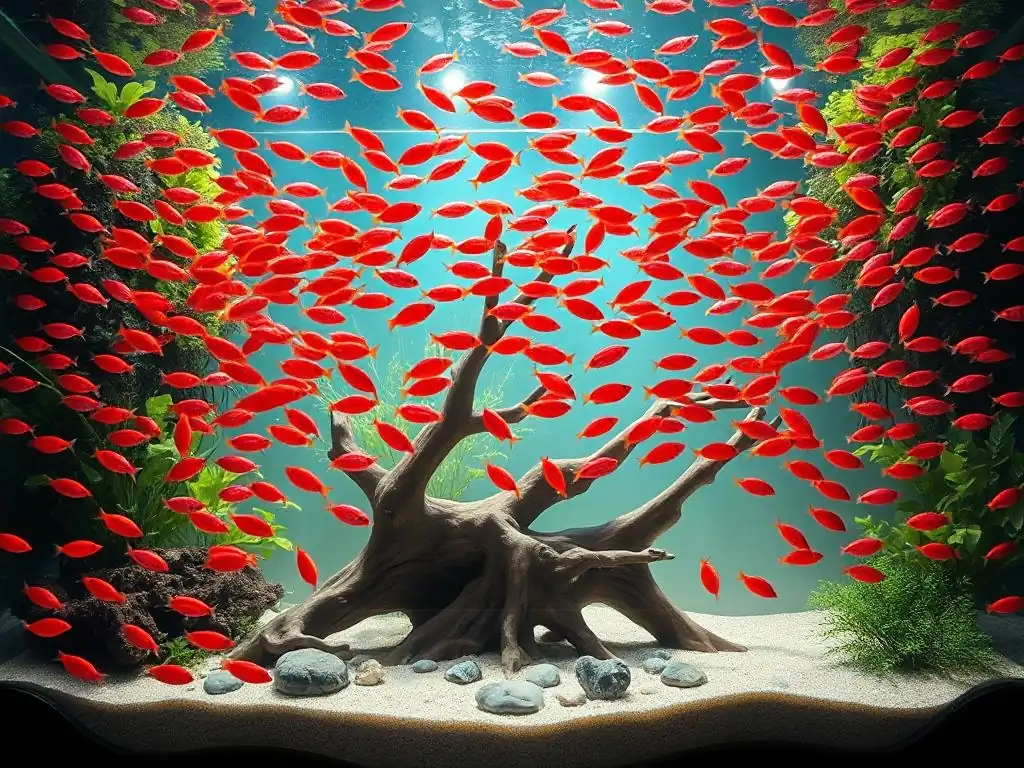
Ever wondered how to unlock the mesmerizing dance of Cardinal tetra schooling behavior? This article dives deep into the secrets behind their synchronized swimming, exploring the perfect conditions, tank mates, and care tips to transform your aquarium into a vibrant, shimmering spectacle. Get ready to witness your Cardinals thrive like never before – let's dive in and uncover the secrets!
- Understanding Cardinal Tetra Schooling Behavior: A Comprehensive Guide
- Creating Ideal Conditions for Vibrant Cardinal Tetra Schools
- Troubleshooting Cardinal Tetra Schooling Issues
- Enhancing Cardinal Tetra Coloration Through Proper Care
- Cardinal Tetra vs. Neon Tetra Schooling: Key Differences
- Advanced Tips for Keeping Cardinal Tetras
-
Frequently Asked Questions
- How does the size of the tank influence Cardinal Tetra schooling behavior?
- What water parameters are crucial for encouraging healthy Cardinal Tetra schooling?
- What types of tank mates are best to promote a strong Cardinal Tetra school?
- How does the presence of plants and decorations affect Cardinal Tetra schooling behavior?
- What feeding strategies can contribute to the overall health and schooling behavior of Cardinal Tetras?
- Final Reflection: The Enduring Allure of the Cardinal Tetra
- Unleash the Vibrant Potential of Your Cardinal Tetras!
Understanding Cardinal Tetra Schooling Behavior: A Comprehensive Guide
What is Cardinal Tetra Schooling? Defining the Behavior
Cardinal tetra schooling refers to the synchronized, coordinated movement of a group of these fish, where individuals move together as a single, cohesive unit. This innate behavior is a fundamental aspect of their natural ecology, serving multiple vital functions for their survival and well-being in the wild. Unlike simply congregating, true schooling involves a shared sense of direction and purpose, with individuals maintaining a relatively consistent distance from one another.
This collective action is primarily a defense mechanism against predators. By moving as a large, shimmering mass, individual Cardinal tetras become harder for a predator to target, creating what is known as the "confusion effect." Furthermore, schooling enhances foraging efficiency, allowing the group to more effectively locate food sources and collectively respond to environmental cues. For optimal "Cardinal tetra schooling behavior" in an aquarium, a minimum group of six to ten individuals is recommended, though larger schools of 15-20 or more will exhibit more pronounced and natural patterns.
The Importance of Schooling for Cardinal Tetra Health and Well-being
Schooling is not merely an aesthetic display; it is intrinsically linked to the physical and psychological health of Cardinal tetras. When these fish are able to engage in their natural schooling behavior, their stress levels are significantly reduced. This reduction in stress directly translates to a stronger immune system, making them less susceptible to common aquarium diseases such as Ich or fin rot.
Furthermore, a well-established school allows Cardinal tetras to express their innate instincts, leading to a more fulfilling and natural life within the confines of an aquarium. Fish that are stressed or unable to school often display faded coloration, erratic swimming, or reclusive behavior. Conversely, a thriving school of Cardinal tetras will exhibit vibrant colors and confident, fluid "Cardinal tetra schooling behavior," indicating optimal health and environmental satisfaction.
Factors Influencing Cardinal Tetra Schooling Dynamics
The propensity and coherence of "Cardinal tetra schooling behavior" are influenced by a complex interplay of environmental and social factors within their habitat, whether natural or artificial. These factors include the physical dimensions of their living space, the presence and nature of other aquatic inhabitants, and the stability and quality of their water parameters. Each element contributes significantly to how readily and tightly Cardinal tetras will form and maintain their characteristic schools.
A balanced consideration of these elements is crucial for aquarists aiming to foster optimal "Cardinal tetra schooling behavior." For instance, a confined space or the presence of perceived threats can cause a school to become overly tight and stressed, or conversely, to break apart as individuals seek refuge. Conversely, an ideal environment promotes relaxed, fluid schooling, which is both a sign of healthy fish and a captivating display for the observer.
Tank Size and Schooling Behavior in Cardinal Tetras
Tank size plays a pivotal role in dictating the quality and visibility of "Cardinal tetra schooling behavior." In aquariums that are too small, Cardinal tetras often appear scattered, stressed, and may not form a cohesive school at all, or only do so erratically when startled. A cramped environment restricts their ability to move freely and execute the wide, sweeping turns characteristic of a natural school.
For a healthy school of 6-10 Cardinal tetras, a 20-gallon long aquarium (approximately 30 inches in length) is often considered the minimum. However, to truly observe and maximize "Cardinal tetra schooling behavior," a 30-gallon or 40-gallon breeder tank (typically 36-48 inches long) is far superior. These larger footprints provide ample horizontal swimming space, allowing a school of 15-20 fish to stretch out, establish clear hierarchies, and perform their impressive synchronized movements without feeling constrained.
The Role of Tank Mates in Cardinal Tetra Schooling
The choice of tank mates significantly impacts "Cardinal tetra schooling behavior." Peaceful, similarly sized, and non-aggressive species encourage Cardinal tetras to feel secure and display their natural schooling patterns openly. Suitable companions like Corydoras catfish, Otocinclus catfish, or other small, docile tetras (e.g., Rummy-nose Tetras) do not pose a threat, allowing the Cardinal tetras to swim confidently in their school.
Conversely, aggressive, fin-nipping, or much larger predatory tank mates will induce chronic stress in Cardinal tetras. Under such conditions, the school may become overly tight and frantic, or individuals might scatter and hide among plants and decorations, abandoning their schooling behavior entirely. For example, housing Cardinal tetras with a full-grown Angelfish in a small tank will likely result in the tetras constantly hiding, rather than schooling freely.
Water Parameters and Their Impact on Schooling
Stable and appropriate water parameters are fundamental to the overall health and "Cardinal tetra schooling behavior." These fish originate from soft, acidic blackwater environments in the Amazon basin, preferring specific conditions. Fluctuations or deviations from their ideal parameters can cause significant stress, leading to lethargy, faded colors, and a breakdown in their schooling patterns.
The optimal temperature range for Cardinal tetras is typically 73-81°F (23-27°C), with a pH between 5.0 and 7.0, and a general hardness (GH) of 3-8 dGH (50-150 ppm). Maintaining these specific parameters through consistent monitoring and regular water changes is crucial. When water quality is poor, or parameters are unstable, the fish become stressed and less inclined to school, often exhibiting erratic or solitary behavior as they struggle to adapt.
Creating Ideal Conditions for Vibrant Cardinal Tetra Schools
Optimal Tank Size for Cardinal Tetra Schooling
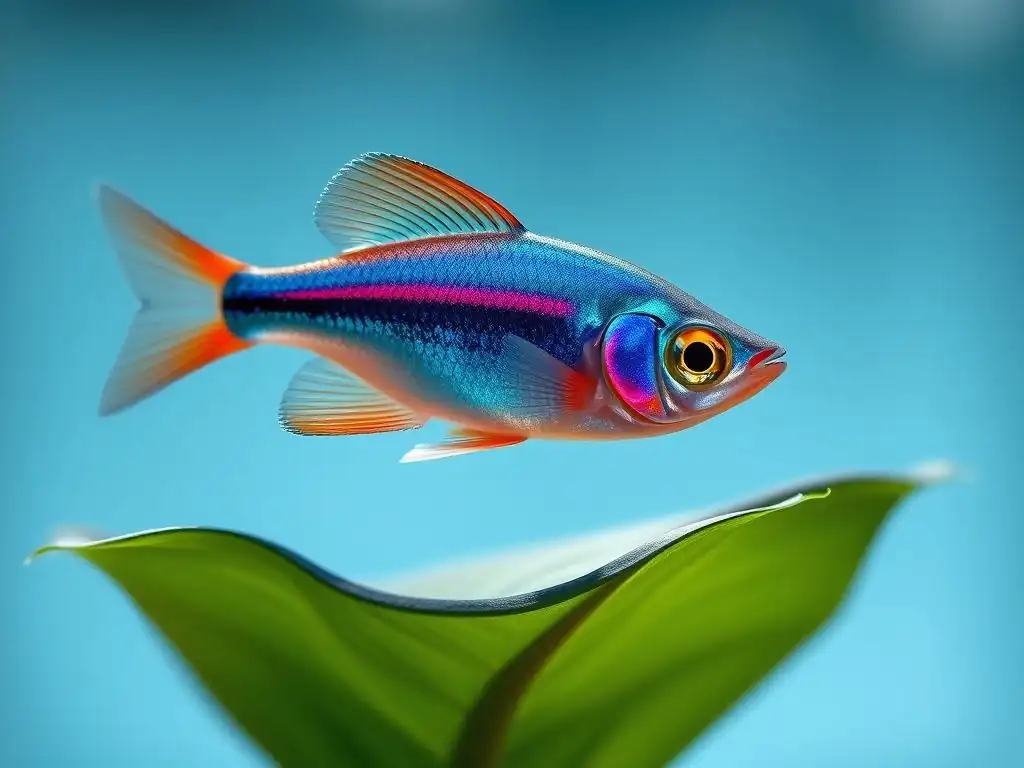
Selecting the correct tank size is paramount for observing truly vibrant "Cardinal tetra schooling behavior." While a 10-gallon tank might technically house a few Cardinal tetras, it offers insufficient space for them to school effectively or feel secure, often leading to stressed, scattered fish. To foster their natural grouping instincts and allow for impressive synchronized movements, a larger footprint is essential.
For a small but healthy school of 6-10 Cardinal tetras, a 20-gallon long aquarium (approximately 30 inches x 12 inches x 12 inches) provides adequate horizontal swimming room. However, for a truly spectacular display of "Cardinal tetra schooling behavior," a 30-gallon or 40-gallon breeder tank is highly recommended. A 40-gallon breeder, for example, offers 48 inches of length, allowing a school of 15-20 Cardinal tetras ample space to stretch out, perform sweeping turns, and exhibit their most cohesive and visually striking schooling patterns, mimicking their natural riverine movements.
Maintaining Pristine Water Quality for Cardinal Tetras
Pristine water quality is the cornerstone of successful Cardinal tetra keeping and directly impacts their health, coloration, and "Cardinal tetra schooling behavior." These fish are particularly sensitive to fluctuations and the accumulation of nitrogenous waste products. Ensuring stable and optimal water chemistry is a continuous process that requires diligent monitoring and maintenance.
Poor water quality, characterized by elevated ammonia, nitrite, or nitrate levels, will quickly lead to stress, disease, and a breakdown in their natural behaviors. Conversely, consistently clean, soft, and acidic water, mimicking their natural blackwater habitats, promotes robust health, vibrant colors, and encourages the formation of tight, confident schools. This dedication to water quality is non-negotiable for a thriving Cardinal tetra community.
Understanding Cardinal Tetra Water Chemistry Needs
Cardinal tetras (Paracheirodon axelrodi) originate from the highly soft and acidic blackwater rivers of the Rio Negro and Orinoco basins in South America. Replicating these conditions is vital for their long-term health and to encourage their natural "Cardinal tetra schooling behavior." They thrive in water with a pH range of 5.0 to 7.0, ideally on the lower side, and very low general hardness (GH) typically between 3-8 dGH (50-150 ppm).
Maintaining these specific parameters helps prevent stress, enhances their immune system, and ensures their vibrant coloration remains intense. High pH or hard water can lead to chronic stress, faded colors, and a reluctance to school. Regular testing with reliable aquarium test kits is essential to ensure ammonia and nitrite levels are consistently at zero, and nitrates remain below 20 ppm.
Effective Filtration for a Thriving Cardinal Tetra School
A robust and appropriately sized filtration system is crucial for maintaining the pristine water conditions Cardinal tetras demand. Canister filters or hang-on-back (HOB) filters with strong biological, mechanical, and chemical filtration capabilities are highly recommended. Biological media provides a surface for beneficial bacteria to convert harmful ammonia and nitrite, while mechanical media removes particulate matter, and chemical media (like activated carbon) can remove dissolved organic compounds and odors.
It is important to select a filter that provides adequate turnover for the tank volume (e.g., filtering the tank volume 4-6 times per hour) without creating an excessively strong current. Cardinal tetras prefer calm water, so ensure the filter outflow is diffused or aimed to prevent strong flow directly on the fish. An efficient filter prevents the buildup of toxins, thereby reducing stress and promoting consistent "Cardinal tetra schooling behavior."
Regular Water Changes and Their Benefits
Regular partial water changes are perhaps the most critical maintenance task for ensuring the health and vibrancy of Cardinal tetras. Performing weekly water changes of 25-30% of the tank volume effectively removes accumulated nitrates, replenishes essential trace elements, and helps maintain stable water parameters. This practice directly contributes to a low-stress environment, which is vital for encouraging natural "Cardinal tetra schooling behavior."
Neglecting water changes allows nitrates and other dissolved organic compounds to build up, leading to poor water quality, compromised fish health, and faded coloration. For example, allowing nitrate levels to climb above 40 ppm will undoubtedly stress Cardinal tetras, causing them to become lethargic and cease schooling. Consistent, appropriately sized water changes are a cornerstone of preventing health issues and ensuring these fish display their best "Cardinal tetra brilliance."
Choosing the Right Tank Mates to Encourage Schooling
The selection of tank mates is a critical factor influencing the confidence and cohesion of "Cardinal tetra schooling behavior." Introducing species that are either too large, too aggressive, or overly boisterous can cause significant stress to these relatively small and timid fish, leading them to hide or scatter rather than exhibiting their characteristic schooling patterns. The goal is to create a peaceful community where Cardinal tetras feel secure enough to swim freely.
Conversely, carefully chosen companions can actually enhance their schooling behavior by providing a subtle sense of security or by simply not posing a threat. A harmonious community tank allows Cardinal tetras to relax and fully express their natural instincts, resulting in a more aesthetically pleasing and healthier environment for all inhabitants.
Compatible Species for Cardinal Tetra Tanks
Ideal tank mates for Cardinal tetras are small, peaceful, and non-aggressive fish that prefer similar water parameters. Excellent choices include other small tetra species such as Rummy-nose Tetras, Ember Tetras, or Neon Tetras (though Neons have slightly different water preferences). Peaceful bottom-dwellers like Corydoras catfish (e.g., Panda Corydoras or Pygmy Corydoras) are also superb companions, as they occupy a different water column and do not compete for swimming space.
Other suitable options include small rasboras (e.g., Harlequin Rasboras), Otocinclus catfish, and dwarf gouramis, provided the gourami is not overly aggressive. The key is to select species that do not nip fins, harass, or outcompete the Cardinal tetras for food. A balanced community allows the Cardinal tetras to feel safe, which directly enhances their "Cardinal tetra schooling behavior."
Avoiding Aggressive Tank Mates That Stress Cardinal Tetras
To ensure optimal "Cardinal tetra schooling behavior," it is crucial to avoid tank mates that are known for aggression, fin-nipping, or predatory behavior. Species such as Tiger Barbs, most larger cichlids (including many Angelfish, unless introduced as juveniles in a very large, heavily planted tank), and larger, boisterous fish can cause immense stress. Even seemingly peaceful but very active fish might intimidate Cardinal tetras due to their size or speed.
When Cardinal tetras are housed with aggressive tank mates, they will often exhibit signs of chronic stress: faded colors, clamped fins, and a constant need to hide. Instead of forming a cohesive school, they will scatter or remain hidden among the plants, never fully displaying their natural "Cardinal tetra brilliance." Prioritizing peaceful tank mates is essential for their well-being and to observe their natural schooling patterns.
Providing a Suitable Environment for Cardinal Tetras
A well-structured aquarium environment that closely mimics the natural habitat of Cardinal tetras is fundamental to their health, comfort, and propensity for schooling. This involves thoughtful consideration of the substrate, the arrangement of decorations, and particularly the integration of live plants. A naturalistic setup provides both open swimming areas and crucial hiding spots, creating a sense of security for these small, shy fish.
When Cardinal tetras feel secure and comfortable in their surroundings, they are far more likely to display confident and cohesive "Cardinal tetra schooling behavior." Conversely, a barren or overly exposed tank can leave them feeling vulnerable, leading to stress and a reluctance to school. The environment should offer a balance between open space for movement and dense cover for refuge.
Planted Aquariums for Cardinal Tetras: Natural Hiding Spots
Heavily planted aquariums are ideal for Cardinal tetras and significantly contribute to their sense of security, which in turn encourages their "Cardinal tetra schooling behavior." Dense planting, particularly with fine-leaved plants like Cabomba, Rotala, or Java Moss, provides crucial cover and visual barriers. While they enjoy open swimming areas to school, the presence of numerous hiding spots allows them to retreat if startled, reducing overall stress.
Floating plants such as Salvinia or Dwarf Water Lettuce are also beneficial as they diffuse overhead lighting, mimicking the dappled light of their natural blackwater habitats. This subdued lighting makes them feel more secure and encourages them to swim out into the open, displaying their vibrant colors and natural schooling patterns. A well-planted tank creates a naturalistic and calming environment for Cardinal tetras.
The Importance of Substrate and Decorations
The choice of substrate and decorations plays a significant role in enhancing the comfort and coloration of Cardinal tetras. A dark substrate, such as fine-grained black sand or dark gravel, is highly recommended. Dark substrates help to reduce reflected light from the bottom of the tank, which can stress these fish, and also help to visually enhance their vibrant red and blue stripes, making their "Cardinal tetra brilliance" truly stand out.
Adding natural decorations like driftwood and botanicals (e.g., Indian almond leaves, alder cones) further mimics their blackwater environment. These elements can slowly release tannins, subtly tinting the water and lowering the pH, which is beneficial for Cardinal tetras. Driftwood also provides additional hiding spots and visual breaks, contributing to a more secure and stimulating environment that encourages robust "Cardinal tetra schooling behavior."
Cardinal Tetra Diet and Nutrition for Optimal Health
A varied and high-quality diet is absolutely paramount for the long-term health, vibrant coloration, and robust "Cardinal tetra schooling behavior." These omnivorous fish require a balanced intake of both protein and plant matter to thrive. A nutritionally deficient diet can lead to a range of problems, including faded colors, lethargy, susceptibility to disease, and a general lack of vitality that inhibits their natural schooling instincts.
Ensuring they receive a diverse array of nutrients not only supports their physical well-being but also contributes to their overall energy levels and willingness to engage in active schooling. Proper feeding practices also play a crucial role in maintaining water quality, which is intrinsically linked to their health.
Feeding Cardinal Tetras a Balanced Diet
Cardinal tetras are micro-predators in their natural habitat, primarily feeding on small invertebrates. In the aquarium, a balanced diet should consist of high-quality flake or micro-pellet foods specifically formulated for small tropical fish. These should be rich in protein but also contain essential vitamins and minerals. Supplementing their staple diet with frozen or live foods is crucial for optimal health and coloration.
Offer frozen or live brine shrimp, daphnia, or finely chopped bloodworms two to three times a week. These protein-rich foods provide vital nutrients that enhance their color intensity and vigor, directly contributing to their ability and willingness to display strong "Cardinal tetra schooling behavior." Feed small amounts two to three times a day, only what they can consume within 2-3 minutes.
Preventing Overfeeding and Maintaining Water Quality
Overfeeding is one of the most common mistakes in aquarium husbandry and has severe negative consequences for Cardinal tetras and their environment. Excess food quickly decomposes, leading to dangerous spikes in ammonia and nitrite, and a rapid increase in nitrate levels. This deterioration in water quality causes significant stress to Cardinal tetras, leading to faded colors, compromised immune systems, and a complete breakdown in their "Cardinal tetra schooling behavior."
To prevent overfeeding, feed only small portions that the fish can consume entirely within a few minutes. If any food remains after this time, it indicates overfeeding and should be promptly removed with a fine net or gravel vacuum. Consistent water quality through proper feeding and regular maintenance is essential for preventing health issues and ensuring these fish remain active, colorful, and continue to school effectively.
Troubleshooting Cardinal Tetra Schooling Issues
Identifying Signs of Stress in Cardinal Tetras
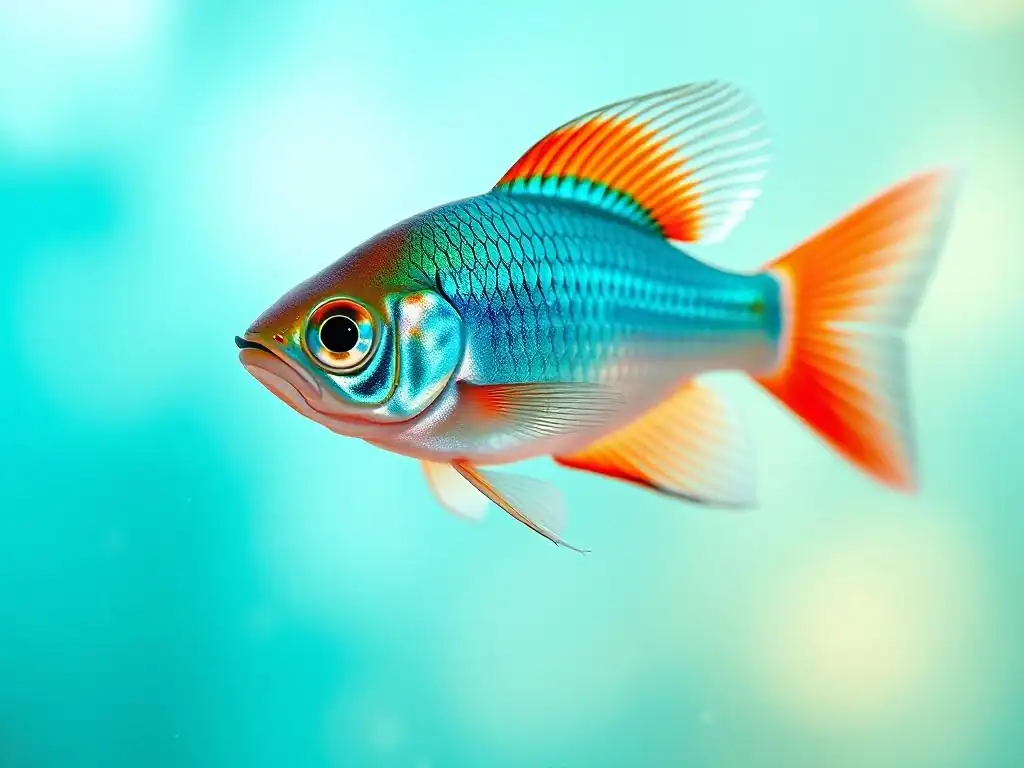
Recognizing the signs of stress in Cardinal tetras is crucial for early intervention and ensuring their well-being and continuous "Cardinal tetra schooling behavior." Stressed fish will often exhibit a noticeable decline in their vibrant coloration, appearing dull or washed out. Their fins may be clamped close to their bodies, rather than fanned out gracefully.
Behaviorally, stressed Cardinal tetras might become lethargic, resting on the substrate or near the surface, or conversely, they might dart erratically around the tank, attempting to hide constantly. A clear indication of stress is the complete cessation or significant disruption of their schooling behavior; instead of forming a cohesive group, they may scatter, isolate themselves, or swim aimlessly. Observing these changes warrants immediate investigation into water parameters, tank mates, or environmental factors.
Addressing Common Health Problems Affecting Schooling
Common health problems often manifest through changes in "Cardinal tetra schooling behavior." For instance, an outbreak of Ich (white spot disease) will cause fish to rub against decorations and become lethargic, leading to a breakdown in schooling. Fin rot, bacterial infections, or internal parasites also cause fish to become withdrawn, lose color, and cease to school.
Addressing these issues requires prompt action. First, test water parameters rigorously, as poor water quality is often an underlying cause of illness. Isolate affected fish if possible, or treat the entire tank with appropriate medications if necessary. Improving water quality through increased water changes and ensuring a stable environment are critical steps for recovery. Once healthy, the fish will naturally resume their schooling patterns.
Solutions for Aggression or Bullying Within the School
While Cardinal tetras are generally peaceful, instances of aggression or bullying can sometimes occur, particularly if the school size is too small or if the tank is overcrowded. A dominant individual might pick on weaker or smaller fish, causing them stress and disrupting the overall "Cardinal tetra schooling behavior." Signs include one fish constantly chasing another, or a fish with torn fins.
The primary solution is to ensure the school is sufficiently large, ideally 15-20 individuals, as this dilutes aggression among a greater number of fish. Increasing the tank size can also alleviate stress from overcrowding. Adding more dense plant cover and decorations provides additional hiding spots and visual barriers, allowing bullied fish to escape. In rare, persistent cases of severe aggression, removing the instigator may be necessary to restore harmony to the school.
Enhancing Cardinal Tetra Coloration Through Proper Care
The Link Between Water Quality and Color Intensity
The breathtaking "Cardinal tetra brilliance," particularly their vivid red and blue stripes, is profoundly linked to the quality and stability of their aquarium water. When Cardinal tetras are housed in suboptimal conditions—such as water with high nitrate levels, incorrect pH, or fluctuating temperatures—they become stressed. This stress directly impacts their chromatophores (pigment-containing cells), causing their colors to fade dramatically, appearing dull or washed out.
Conversely, maintaining pristine water parameters that closely mimic their natural blackwater habitat—soft, acidic water (pH 5.0-7.0, GH 3-8 dGH) with undetectable ammonia and nitrite, and nitrates consistently below 20 ppm—allows Cardinal tetras to display their most intense and vibrant hues. A healthy, stress-free fish will naturally exhibit its full "Cardinal tetra brilliance," making the "Cardinal tetra schooling behavior" even more spectacular.
Diet and its Role in Cardinal Tetra Color Enhancement
A varied and high-quality diet is instrumental in maximizing the natural "Cardinal tetra brilliance." Like many fish, Cardinal tetras require specific nutrients, particularly carotenoids, to develop and maintain their rich red and blue pigments. A diet lacking in these essential compounds will inevitably lead to faded or dull coloration, regardless of water quality.
To enhance their colors, offer a diverse range of foods. High-quality flake or micro-pellet foods should be supplemented with color-enhancing ingredients like spirulina, astaxanthin, or other natural carotenoid sources. Regularly feeding frozen or live foods such as brine shrimp, daphnia, and finely chopped bloodworms provides a full spectrum of vitamins, minerals, and proteins crucial for vibrant pigmentation. This comprehensive nutritional approach ensures the "Cardinal tetra brilliance" is at its peak.
Lighting Considerations for Maximizing Cardinal Tetra Brilliance
Appropriate lighting can significantly enhance the visual impact of "Cardinal tetra brilliance" within the aquarium. While Cardinal tetras prefer subdued lighting, mimicking the dappled light of their natural, densely vegetated blackwater habitats, the right spectrum can make their colors pop. Overly bright or harsh lighting can stress these fish, causing them to wash out their colors or seek constant refuge.
LED lights with adjustable intensity or those that emphasize the blue and red spectrums can dramatically highlight the vibrant blues and reds of Cardinal tetras. Using floating plants to diffuse the light further creates a natural and comfortable environment, encouraging them to swim confidently in the open. A balance of proper light intensity and spectrum ensures that the "Cardinal tetra brilliance" is showcased to its fullest potential without causing undue stress.
Cardinal Tetra vs. Neon Tetra Schooling: Key Differences
Comparing Schooling Patterns and Behaviors
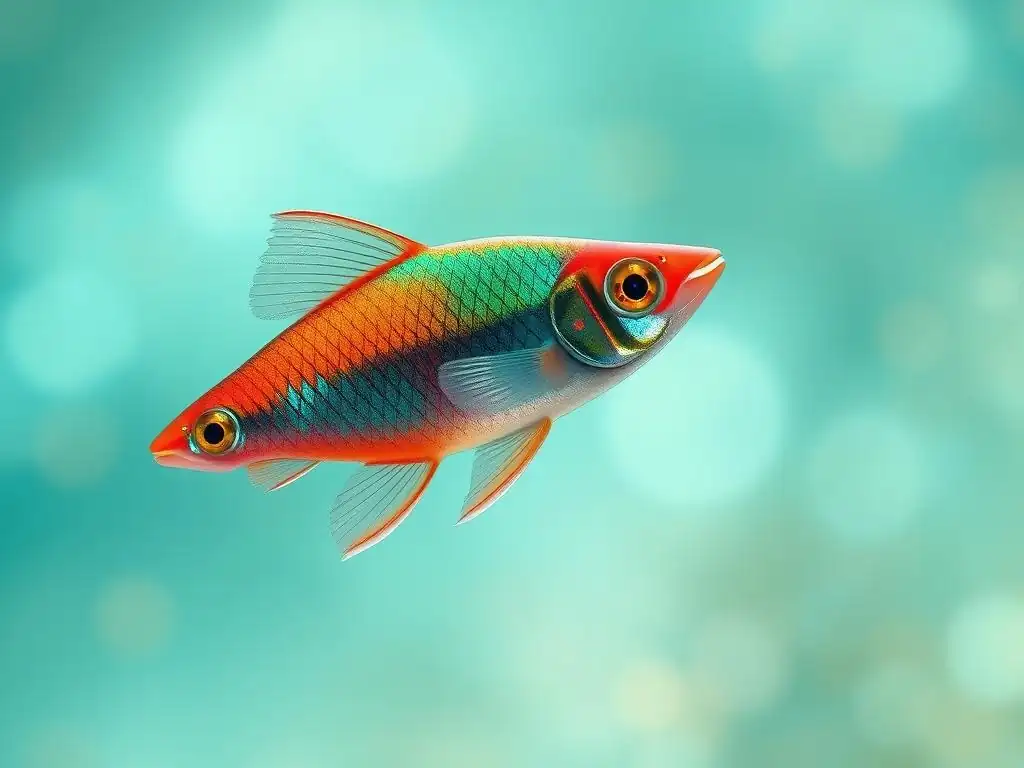
Both Cardinal tetras (Paracheirodon axelrodi) and Neon tetras (Paracheirodon innesi) are celebrated for their schooling behavior, yet subtle differences exist. Cardinal tetras are often observed to form tighter, denser, and more cohesive schools, especially in larger numbers or when they perceive a threat. Their "Cardinal tetra schooling behavior" is typically a very disciplined, synchronized movement, creating a flowing ribbon of color across the tank.
Neon tetras, while also schooling, can sometimes exhibit a slightly looser formation, particularly in very peaceful, unthreatened environments. They may scatter more readily or hold their positions less rigidly than their Cardinal counterparts. The Cardinal's generally larger size (up to 2 inches vs. 1.5 inches for Neons) and more intense, full-body red stripe also make their schooling display visually more impactful and distinct.
Understanding Environmental Needs for Each Species
While both Cardinal and Neon tetras originate from South America and share a preference for soft, acidic water, Cardinal tetras generally have more stringent environmental requirements. Cardinal tetras thrive in softer (GH 3-8 dGH) and more acidic water (pH 5.0-7.0), and prefer slightly warmer temperatures (73-81°F / 23-27°C). Their red stripe extends further along their body, reaching the tail, indicating their preference for these specific blackwater conditions.
Neon tetras, conversely, are somewhat more adaptable to a wider range of parameters, tolerating slightly harder water (GH 5-12 dGH) and a broader pH range (6.0-7.5), as well as cooler temperatures (68-78°F / 20-26°C). This makes them a bit more forgiving for beginner aquarists. However, to see the true "Cardinal tetra brilliance" and robust "Cardinal tetra schooling behavior," replicating their specific, softer, and more acidic blackwater environment is paramount.
Advanced Tips for Keeping Cardinal Tetras
Maintaining a Long-Term Healthy Cardinal Tetra School
Achieving and maintaining a long-term healthy "Cardinal tetra schooling behavior" requires consistent dedication beyond initial setup. The cornerstone is unwavering adherence to a rigorous maintenance schedule. This includes performing regular partial water changes, typically 25-30% weekly, to consistently remove nitrates and replenish essential minerals, ensuring water parameters remain stable within their ideal soft, acidic range (e.g., pH 5.0-7.0, GH 3-8 dGH).
Beyond water quality, providing a stable, enriched environment is key. Ensure the tank is never overstocked, allowing ample swimming space for a school of 15-20 individuals. Regularly inspect fish for any signs of stress or illness and address issues promptly. A diverse, high-quality diet, consistent feeding times, and the presence of abundant live plants and dark substrate will contribute to their overall well-being, allowing Cardinal tetras to thrive for their full lifespan, often up to 5 years, and continuously display their captivating "Cardinal tetra schooling behavior."
Frequently Asked Questions
How does the size of the tank influence Cardinal Tetra schooling behavior?
The size of the tank directly impacts their sense of security. A larger tank allows for a larger school and provides more space for them to exhibit their natural schooling behavior. Smaller tanks can induce stress, leading to scattered and less cohesive schooling.
What water parameters are crucial for encouraging healthy Cardinal Tetra schooling?
Maintaining stable and optimal water parameters is vital. Key factors include a slightly acidic pH (around 6.0-7.0), a temperature between 75-80°F, and very clean water achieved through regular water changes. Fluctuations can stress them, disrupting schooling.
What types of tank mates are best to promote a strong Cardinal Tetra school?
Peaceful and non-aggressive tank mates are essential. Consider smaller tetras, rasboras, or bottom-dwelling fish like Corydoras catfish. Avoiding aggressive or boisterous species will reduce stress and encourage the Cardinal Tetras to school more tightly.
How does the presence of plants and decorations affect Cardinal Tetra schooling behavior?
A well-planted aquarium with hiding places enhances their sense of security. Plants and decorations provide refuge, mimicking their natural habitat and encouraging natural schooling instincts. A sparsely decorated tank can lead to increased stress and less schooling.
What feeding strategies can contribute to the overall health and schooling behavior of Cardinal Tetras?
A varied and high-quality diet is important for their overall health and vibrancy. Feed them small, frequent meals of flake food, micro pellets, and occasional live or frozen foods. Healthy and well-fed Cardinal Tetras are more likely to exhibit natural schooling behavior.
Final Reflection: The Enduring Allure of the Cardinal Tetra
The vibrant dance of a Cardinal Tetra school, as we've explored, is more than just a beautiful spectacle; it's a testament to the intricate web of life within our aquariums and a reflection of the delicate balance found in their natural Amazonian habitat. Understanding Cardinal Tetra schooling behavior is not merely about achieving aesthetic appeal, but about providing the optimal environment for these captivating creatures to thrive, mimicking the conditions that have shaped their evolution.
This journey into the world of Paracheirodon axelrodi underscores the profound connection between responsible aquascaping and the well-being of our aquatic companions. The nuances of water parameters, tank size, and the presence of suitable tankmates all contribute to their vibrant schooling displays and overall health. In the end, we will conserve only what we love; we will love only what we understand; and we will understand only what we are taught.
- Baba Dioum. This quote resonates deeply, reminding us that true appreciation stems from knowledge and understanding, fostering a desire to protect and nurture.
Now, armed with insights into the ideal conditions and the fascinating dynamics of Cardinal Tetra schooling behavior, I urge you to reflect on your own role in creating a thriving aquatic ecosystem. Consider how you can apply these principles to enhance the lives of your own Cardinal Tetras, or perhaps inspire others to embark on this rewarding journey. Let the brilliance of these tiny jewels remind us of the beauty and responsibility that come with caring for the natural world, one aquarium at a time.
Unleash the Vibrant Potential of Your Cardinal Tetras!
Thanks for diving into the captivating world of Cardinal Tetras! Now that you're equipped with the knowledge to enhance their schooling behavior and create an optimal environment, it's time to put that information into action and truly witness their dazzling brilliance.
Here are a few things you can do to further elevate your Cardinal Tetra experience:
- Prioritize school size: Expand your school to at least 10 Cardinal Tetras to unlock their full schooling potential and witness their mesmerizing synchronized swimming.
- Observe your Cardinal Tetras closely for subtle changes in behavior. Can you identify any early signs of stress or illness and proactively adjust their environment?
- Share your own experiences and stunning photos of your Cardinal Tetra school on social media using #AquariumMasteryCardinals and inspire other aquarists!
What unique aquascaping element will you introduce to your tank to further enhance the natural beauty and comfort of your Cardinal Tetras?