
Raising Peacock Cichlid Fry: A Guide to Healthy Growth & Development

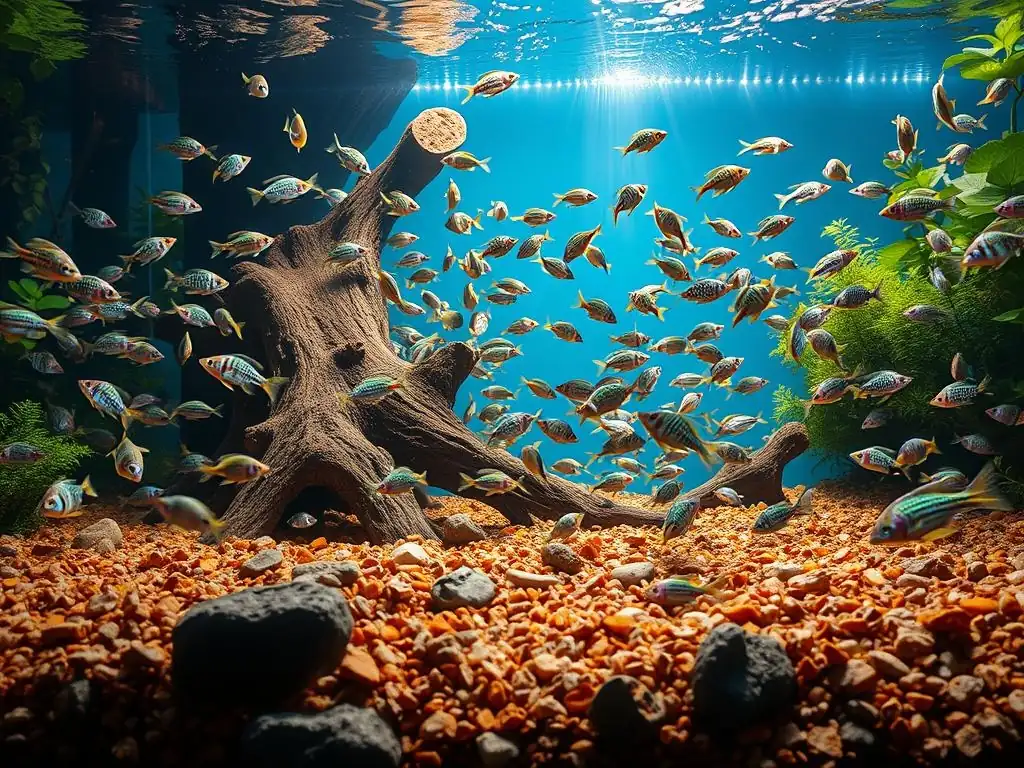
Welcome to Aquarium Mastery! Ever wondered what it really takes to nurture those vibrant Peacock Cichlid fry from tiny newborns to dazzling adults? Dive into our comprehensive guide and unlock the secrets to successful Peacock Cichlid fry care. Discover the key steps to ensuring healthy growth and development, and prepare to be amazed by the beautiful results! Ready to embark on this rewarding journey?
- Raising Aulonocara Fry: A Guide to Healthy Growth & Development
- Introduction to Aulonocara Fry Care
- Preparing for Aulonocara Fry: Setting Up a Grow-Out Tank
-
Feeding Your Aulonocara Fry: Nutrition for Rapid Growth
- The Best First Foods for Aulonocara Fry: Infusoria, Baby Brine Shrimp, and Microworms
- Transitioning Aulonocara Fry to Larger Food Sources: Flake Food, Pellets, and Frozen Foods
- Feeding Schedule for Aulonocara Fry: Frequency and Portion Control
- Supplementing Your Aulonocara Fry's Diet: Vitamins and Color Enhancers
- Maintaining Water Quality for Healthy Aulonocara Fry
- Promoting Healthy Growth and Development in Aulonocara Fry
- Separating and Growing Out Aulonocara Fry: From Fry to Juvenile
- Common Mistakes to Avoid When Raising Aulonocara Fry
- Conclusion: Mastering Aulonocara Fry Care for a Thriving Aquarium
-
Frequently Asked Questions
- How soon can I expect my Peacock Cichlids to breed in my aquarium?
- What is the ideal water temperature for Peacock Cichlid fry development?
- What type of food should I feed my newly hatched Peacock Cichlid fry?
- How often should I perform water changes in a tank with Peacock Cichlid fry?
- What are some common diseases that affect Peacock Cichlid fry, and how can I prevent them?
- Final Reflection: Nurturing the Future of Aquatic Beauty
- Nurture Your Own Jewel: Watch Your Peacock Cichlids Thrive!
Raising Aulonocara Fry: A Guide to Healthy Growth & Development
Introduction to Aulonocara Fry Care
Why Aulonocara Fry Care Matters for Aquarium Enthusiasts
Raising Peacock cichlid fry, scientifically known as Aulonocara fry, is one of the most rewarding aspects of the freshwater aquarium hobby. These vibrant fish, native to Lake Malawi, exhibit stunning colors and unique behaviors, making them highly sought after by aquarists.
Successfully nurturing their fry from tiny hatchlings to robust juveniles not only provides immense satisfaction but also ensures the propagation of healthy, strong fish, potentially contributing to the hobbyist community or even providing a small income for dedicated breeders. Proper Peacock cichlid fry care directly influences their survival rate, growth speed, and the development of their characteristic brilliant coloration.
The survival rate of Aulonocara fry can vary drastically based on the quality of care provided. Without adequate attention to diet, water quality, and tank conditions, a significant portion of a brood, which can number from 20 to over 60 fry depending on the female's size and age, may not survive past the first few weeks. Dedicated care, however, can see survival rates soar above 80-90%. This commitment to optimal Peacock cichlid fry care is essential for anyone aiming to truly master the art of Aulonocara breeding and contribute to the lineage of these magnificent fish.
Understanding the Breeding Behavior of Aulonocara
Aulonocara cichlids are maternal mouthbrooders, meaning the female carries the fertilized eggs and subsequently the hatched fry in her mouth until they are free-swimming. This fascinating behavior protects the vulnerable eggs and fry from predation. Spawning typically occurs when the male displays to the female, often quivering and leading her to a flat surface or a pit he has dug.
The female lays a small batch of eggs, which she then picks up into her mouth. The male then displays his anal fin, which often has "egg spots" that mimic real eggs, enticing the female to nip at them, at which point he releases milt to fertilize the eggs already in her mouth. This process repeats until all eggs are laid and fertilized.
The incubation period for Aulonocara eggs inside the female's mouth typically ranges from 21 to 28 days, depending on water temperature. During this time, the female will not eat, relying on her fat reserves. Once the fry are fully developed and free-swimming, she will release them. Many breeders choose to "strip" the female (gently encourage her to release the fry) around day 18-21 to ensure the fry's safety and allow the female to recover and resume feeding, which is a critical aspect of advanced Peacock cichlid fry care.
Preparing for Aulonocara Fry: Setting Up a Grow-Out Tank
Choosing the Right Size Grow-Out Tank for Aulonocara Fry
Selecting an appropriately sized grow-out tank is a foundational step in successful Peacock cichlid fry care. For a small brood of 20-30 fry, a 10-gallon (approximately 38-liter) tank can suffice for the initial few weeks. However, as the fry grow, they will quickly outgrow this space. Overcrowding is a significant stressor that can lead to stunted growth, increased aggression, and poor water quality, all detrimental to the delicate Aulonocara fry.
For larger broods or as the fry mature, a 20-gallon long (approximately 76-liter) or even a 40-gallon breeder (approximately 151-liter) tank becomes necessary. A good rule of thumb is to provide at least 1-2 gallons (3.8-7.6 liters) per juvenile once they reach about 1 inch (2.5 cm) in length. For example, if you anticipate raising 50-60 fry, planning for a 40-55 gallon (151-208 liter) tank will offer ample space for them to develop without excessive competition for resources, promoting robust Peacock cichlid fry growth.
Essential Equipment for an Aulonocara Fry Tank: Filters, Heaters, and Lighting
The right equipment is crucial for maintaining a stable and healthy environment for Aulonocara fry. A sponge filter is highly recommended as the primary filtration method. These filters provide excellent biological filtration and, most importantly, create a gentle water flow that won't suck in or harm delicate fry. They are also easy to clean and provide a surface for beneficial bacteria to colonize. An air pump is required to operate the sponge filter, and ensuring it has a check valve and is placed above the waterline or on a drip loop is good practice for safety.
A reliable submersible heater with an adjustable thermostat is indispensable for maintaining a consistent water temperature. Aulonocara fry thrive in stable temperatures, typically between 78-82°F (25.5-27.8°C), which promotes faster metabolism and growth. Fluctuations can stress the fry and make them susceptible to disease. Lighting should be moderate and consistent, mimicking a natural day-night cycle of about 8-10 hours. Excessive or insufficient light can negatively impact their development and feeding patterns.
Water Parameters for Optimal Aulonocara Fry Growth: Achieving the Right Chemistry
Maintaining precise and stable water parameters is paramount for healthy Peacock cichlid fry care. Aulonocara originate from Lake Malawi, which has very specific water chemistry. The ideal temperature range for rapid fry growth is 78-82°F (25.5-27.8°C). While they can tolerate slightly lower temperatures, growth may be slower.
The pH should be alkaline, ideally between pH 7.8-8.5. Hardness is also important, with a general hardness (GH) of 10-20 dGH and carbonate hardness (KH) of 10-15 dKH being optimal. These parameters help buffer the water and prevent drastic pH swings. Regular testing with a reliable liquid test kit for pH, GH, KH, ammonia, nitrite, and nitrate is critical to ensure these conditions are consistently met. Any deviation can cause significant stress, leading to stunted growth or even death in sensitive Aulonocara fry.
Feeding Your Aulonocara Fry: Nutrition for Rapid Growth
The Best First Foods for Aulonocara Fry: Infusoria, Baby Brine Shrimp, and Microworms
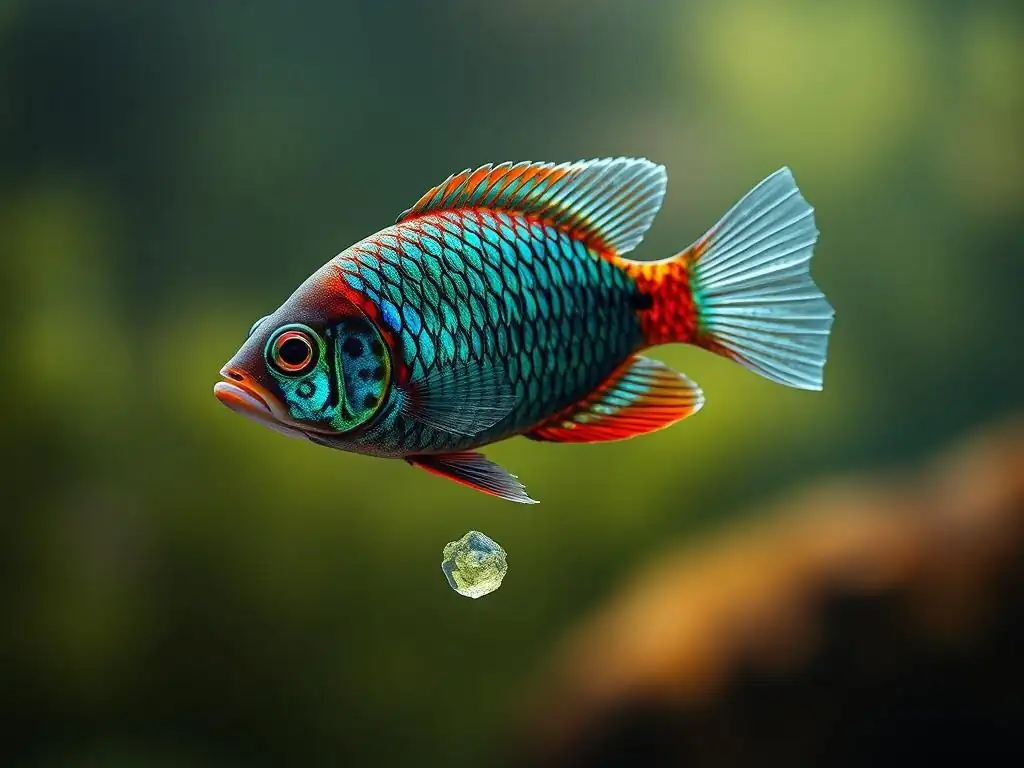
Proper nutrition is the cornerstone of successful Peacock cichlid fry care, especially in their earliest stages. While Aulonocara fry are relatively large when free-swimming compared to some other species, initial food choices are still crucial. For the very first days, some aquarists might consider infusoria, though it's often not strictly necessary for Aulonocara due to their size.
The gold standard for first food is freshly hatched baby brine shrimp ( Artemia nauplii). These tiny crustaceans are packed with protein, highly nutritious, and their jerky movements stimulate the fry's feeding response. Hatching brine shrimp requires a simple setup but yields excellent results. As an alternative or supplement, microworms are also highly beneficial. They are easy to culture at home, provide good protein, and are readily consumed by Aulonocara fry. Feeding these live foods ensures the fry receive the vital nutrients needed for rapid initial growth and development.
Transitioning Aulonocara Fry to Larger Food Sources: Flake Food, Pellets, and Frozen Foods
As Aulonocara fry grow, typically around 2-3 weeks of age and when they reach approximately 0.5 inches (1.2 cm) in length, they can begin transitioning to larger, more convenient food sources. High-quality flake food, finely crushed, should be introduced. Look for flakes with a high protein content and ideally, a spirulina base, which aids in digestion and enhances natural coloration.
Small cichlid pellets, ranging from 0.5mm to 1mm in size, can also be introduced as they grow larger, usually around 4-6 weeks. These provide a more concentrated source of nutrition. For added variety and nutrients, finely chopped frozen foods like bloodworms, daphnia, or mysis shrimp can be offered once the fry are approximately 1 inch (2.5 cm) long. This varied diet is crucial for promoting robust growth and vibrant colors in your developing Peacock cichlid fry.
Feeding Schedule for Aulonocara Fry: Frequency and Portion Control
The frequency of feeding is critical for Aulonocara fry due to their high metabolism and rapid growth rate. For the first 2-4 weeks, fry should be fed small amounts 4-6 times per day. This ensures a constant supply of nutrients for their developing bodies. As they grow, the frequency can be gradually reduced to 3-4 times daily for juveniles, and then 2-3 times daily as they approach sub-adult size.
Portion control is equally important to prevent overfeeding, which can quickly foul the water and lead to health issues. Offer only what the fry can consume within 2-3 minutes. If food remains after this time, you are feeding too much. Remove any uneaten food promptly using a small siphon or turkey baster to maintain pristine water quality, a cornerstone of effective Peacock cichlid fry care.
Supplementing Your Aulonocara Fry's Diet: Vitamins and Color Enhancers
While a varied diet of high-quality live, frozen, and dry foods should provide most necessary nutrients, supplementing your Aulonocara fry's diet can further enhance their health and coloration. Liquid vitamin supplements specifically designed for fish, such as Seachem Nourish, can be added to the water during water changes or soaked into dry foods before feeding. These supplements provide essential vitamins and minerals that might be lacking, especially important during periods of rapid growth.
For color enhancement, choose foods that naturally contain pigments like spirulina, astaxanthin, or beta-carotene. Many commercial cichlid foods are formulated with these ingredients. While supplements can boost color, they work best when combined with excellent water quality and a balanced diet. Do not rely solely on color enhancers; a healthy fish with proper Peacock cichlid fry care will naturally display its best colors.
Maintaining Water Quality for Healthy Aulonocara Fry
Regular Water Changes in the Aulonocara Fry Tank: How Often and How Much?
Maintaining pristine water quality is arguably the most critical aspect of successful Peacock cichlid fry care. Due to frequent feedings and the small volume of fry tanks, waste products accumulate rapidly. Regular water changes are essential to dilute nitrates and replenish essential minerals. For the first few weeks, daily or every-other-day water changes of 20-30% are highly recommended.
As the fry grow and their bioload increases, maintaining this rigorous schedule is still important, though the percentage might be adjusted slightly. Always use dechlorinated water that is temperature-matched to the tank to prevent temperature shock. A small siphon is useful for gently removing water and any settled debris from the bottom of the tank without disturbing the fry. Consistency in water changes dramatically reduces stress and prevents disease outbreaks, ensuring the healthy development of your Aulonocara fry.
Monitoring Water Parameters: Ammonia, Nitrite, and Nitrate Levels in Fry Tanks
Constant vigilance over water parameters is non-negotiable when raising Aulonocara fry. Ammonia ( NH3/NH4+) and nitrite ( NO2-) are highly toxic to fish, and fry are especially sensitive to even trace amounts. Both should always be at 0 ppm in a healthy, cycled tank. Any detectable levels indicate a problem with filtration, overfeeding, or insufficient water changes.
Nitrate ( NO3-), while less toxic than ammonia and nitrite, still needs to be kept in check. Levels should ideally be below 10 ppm, and certainly not exceed 20 ppm. Regular testing with a reliable liquid test kit is crucial. Test for ammonia and nitrite daily for the first few weeks, and nitrate every few days. If levels rise, immediate corrective action, typically a larger water change, is required to safeguard the health of your Peacock cichlid fry.
Preventing Common Water Quality Issues in Aulonocara Fry Tanks
Preventing water quality issues is far easier than treating their consequences. The most common cause of poor water quality in fry tanks is overfeeding. Excess food decays, producing ammonia and nitrite, and contributing to high nitrate levels. Therefore, strictly adhere to the feeding schedule and portion control mentioned earlier, ensuring all food is consumed within minutes.
Adequate filtration, primarily a well-maintained sponge filter, is vital for biological filtration that converts toxic ammonia and nitrite into less harmful nitrate. Regularly rinse the sponge filter in old tank water to prevent clogging, which can reduce its effectiveness. Finally, ensure the tank is properly cycled before introducing fry. A "fishless cycle" using an ammonia source is the safest way to establish the beneficial bacteria needed for a stable biological filter, laying a strong foundation for Peacock cichlid fry care.
Promoting Healthy Growth and Development in Aulonocara Fry
Optimizing Tank Conditions for Aulonocara Fry: Temperature, pH, and Hardness
Optimizing the physical and chemical conditions within the grow-out tank is paramount for robust growth and development of Aulonocara fry. As previously noted, a stable temperature between 78-82°F (25.5-27.8°C) is ideal, encouraging a higher metabolism and faster growth rates. Fluctuations of more than a few degrees Fahrenheit within a day can stress the fry and weaken their immune systems.
The pH should be maintained in the alkaline range of 7.8-8.5, replicating their natural Lake Malawi habitat. Similarly, the water should be moderately hard to hard, with a GH of 10-20 dGH and KH of 10-15 dKH. These parameters provide the necessary minerals for bone and scale development and help stabilize the pH. Consistent monitoring with accurate test kits and careful adjustment, if needed, using appropriate buffers or mineral supplements, are key to successful Peacock cichlid fry care.
Preventing and Treating Common Diseases in Aulonocara Fry
Preventing disease is always preferable to treating it, especially with delicate Aulonocara fry. The most effective preventative measures include maintaining impeccable water quality, providing a nutritious diet, avoiding overcrowding, and minimizing stress. Always quarantine any new equipment, plants, or potential tank mates (though fry tanks should ideally be species-only) to prevent introducing pathogens.
Despite best efforts, diseases can sometimes occur. Common issues in fry include Ich (white spot disease), bacterial infections, and fungal infections. Early detection is crucial. Look for signs like clamped fins, lethargy, loss of appetite, white spots, or unusual growths. When treating fry, it's often advisable to use half-doses of medications, as they are much more sensitive to chemicals than adult fish. For instance, a mild salt bath (1-2 tablespoons per 5 gallons) can sometimes help with external parasites or minor bacterial issues, but always research specific treatments for specific ailments for proper Peacock cichlid fry care.
Identifying and Addressing Growth Problems in Aulonocara Fry
Even with diligent Peacock cichlid fry care, growth problems can occasionally arise. The most common issue is stunted growth, where some or all fry fail to grow at an expected rate. This is almost always due to poor water quality (high nitrates, ammonia, or nitrites), insufficient or improper feeding, or overcrowding. If you notice a significant disparity in size or overall slow growth, immediately re-evaluate your water change schedule, feeding regimen, and stocking density.
Other issues might include deformities, such as bent spines or malformed fins, which can be genetic or a result of severe nutritional deficiencies or environmental stressors early in life. While genetic deformities cannot be corrected, environmental factors can be addressed. Ensure a diverse, high-quality diet rich in vitamins and minerals. By promptly identifying and addressing these problems, you can significantly improve the health and development trajectory of your Aulonocara fry.
Separating and Growing Out Aulonocara Fry: From Fry to Juvenile
When to Separate Aulonocara Fry from the Parents
For Aulonocara, which are mouthbrooders, the decision to separate fry from parents is a critical step in Peacock cichlid fry care. If you allow the female to release the fry naturally in the main tank, they are highly susceptible to predation by other tank inhabitants, including the male Aulonocara or even the mother herself once she's no longer holding. In such cases, the fry should be removed to a dedicated grow-out tank immediately after release.
A more common and recommended approach for higher survival rates is to "strip" the female of her fry. This is typically done around day 18-21 of the incubation period, before the fry are fully free-swimming but after their yolk sacs have largely been absorbed. Gently catching the female and carefully opening her mouth to release the fry into a separate container allows for controlled transfer to the prepared grow-out tank. This method ensures the maximum number of fry survive and also allows the female to recover and resume feeding much sooner.
Grading and Separating Aulonocara Fry by Size
As Aulonocara fry grow, you will inevitably notice differences in size within the same brood. This is natural, but if left unchecked, larger fry can outcompete smaller ones for food and space, leading to stunted growth or even aggression towards their smaller siblings. To mitigate this, it's beneficial to "grade" and separate the fry by size once they reach approximately 0.75-1 inch (1.9-2.5 cm) in length.
This process involves carefully siphoning or netting the larger fry into a separate grow-out tank, leaving the smaller ones to catch up without competition. You might need multiple grow-out tanks or different sections within a larger tank to accommodate these size differences. While it adds to the tank count, this strategy ensures that all fry have an equal opportunity to thrive and reach their full growth potential, making it a valuable aspect of comprehensive Peacock cichlid fry care.
Growing Out Juvenile Aulonocara: Preparing for the Main Tank
After the initial delicate fry stage, the Aulonocara enter their juvenile phase, typically when they are around 1.5-2 inches (3.8-5 cm) long. At this point, they are more robust but still require diligent care. Continue with regular, perhaps slightly less frequent but still substantial, water changes (e.g., 25-30% every 2-3 days) and maintain a high-quality, varied diet. Their feeding frequency can be reduced to 2-3 times daily.
As they approach the size where they can be introduced to a larger community tank (typically 2.5-3 inches or 6.3-7.6 cm, depending on the tank mates), ensure the main tank is well-established, has appropriate hiding spots, and houses compatible species that won't view the juveniles as food or competition. Acclimate them slowly to the new tank's parameters. This final growing-out phase is crucial for ensuring the juveniles are strong and resilient enough to thrive in a more complex environment, completing the cycle of effective Peacock cichlid fry care.
Common Mistakes to Avoid When Raising Aulonocara Fry
Overfeeding and its Consequences for Aulonocara Fry
One of the most common and detrimental mistakes in Peacock cichlid fry care is overfeeding. While it's tempting to provide an abundance of food to encourage rapid growth, the consequences of overfeeding are severe. Excess food quickly decomposes in the tank, leading to a rapid spike in ammonia and nitrite levels, which are highly toxic to delicate fry. Even if immediate fatalities are avoided, chronic exposure to poor water quality can lead to stunted growth, weakened immune systems, and increased susceptibility to diseases like bloat or bacterial infections.
Overfeeding also contributes to an excessive buildup of nitrates, which, while less acutely toxic, still contribute to stress and poor health in the long term. It is far better to feed smaller amounts more frequently, ensuring all food is consumed within a few minutes, than to dump a large quantity of food into the tank at once. Strict adherence to portion control is paramount for maintaining the pristine water quality essential for healthy Aulonocara fry.
Neglecting Water Quality and its Impact on Fry Health
Neglecting water quality is arguably the single biggest killer of Aulonocara fry. Unlike adult fish that can tolerate minor fluctuations, fry are incredibly sensitive to changes in water parameters and the presence of pollutants. High levels of ammonia, nitrite, or even elevated nitrates will cause severe stress, leading to a compromised immune system, stunted development, and ultimately, death. Many breeders report losing entire broods due to a lapse in water quality management.
Consistent and frequent water changes are non-negotiable for successful Peacock cichlid fry care. Relying solely on filtration is insufficient; while filters remove physical debris and convert toxins, they do not remove nitrates, which accumulate over time. A proactive approach involving daily or every-other-day water changes, coupled with vigilant monitoring of water parameters using accurate test kits, is essential to create a stable and healthy environment where Aulonocara fry can thrive.
Introducing Diseases to the Aulonocara Fry Tank
Another critical mistake to avoid is inadvertently introducing diseases into the Aulonocara fry tank. Fry have underdeveloped immune systems and are highly vulnerable to pathogens that might not even affect adult fish. Diseases can be introduced through various means: new fish (even if they appear healthy, they could be carriers), live foods sourced from questionable environments, unsterilized equipment used in other tanks, or even contaminated hands or nets.
To prevent such outbreaks, always practice strict biosecurity. If you must use equipment from other tanks, ensure it is thoroughly cleaned and disinfected. If feeding live foods not cultured in your home (e.g., store-bought brine shrimp), consider rinsing them. Most importantly, avoid cross-contamination by using dedicated nets, siphons, and buckets for the fry tank. Maintaining a pristine and isolated environment is a fundamental aspect of effective Peacock cichlid fry care, significantly reducing the risk of devastating disease outbreaks.
Conclusion: Mastering Aulonocara Fry Care for a Thriving Aquarium
The Rewards of Successfully Raising Aulonocara Fry
Mastering Peacock cichlid fry care is an endeavor that brings immense satisfaction and tangible rewards to the dedicated aquarist. Witnessing the transformation of tiny, delicate hatchlings into vibrant, robust juvenile Aulonocara is a truly fulfilling experience. It offers a unique opportunity to observe the full life cycle of these magnificent fish, deepening one's understanding and appreciation for aquatic biology. The successful raising of a healthy brood not only enhances your personal aquarium hobby but also provides the joy of potentially sharing these beautiful fish with other enthusiasts or even contributing to the genetic diversity within the hobby.
Beyond the personal gratification, there's the satisfaction of knowing you've provided optimal conditions for these creatures to thrive. The vibrant colors, active behaviors, and robust health of your home-bred Aulonocara are direct testaments to your diligent Peacock cichlid fry care. This journey from egg to juvenile is a testament to patience, attention to detail, and a deep commitment to the well-being of your aquatic charges.
Further Resources for Aulonocara Fry Care
While this guide provides a comprehensive overview of Peacock cichlid fry care, the world of Aulonocara breeding is vast and constantly evolving. For those seeking to deepen their knowledge, there are numerous valuable resources available within the aquarium community. Exploring specialized cichlid forums and online communities can provide insights from experienced breeders, offering practical tips and troubleshooting advice for specific challenges you might encounter.
Additionally, detailed articles and scientific papers on African cichlid breeding and fry development can offer more in-depth biological understanding. Local aquarium clubs are also an invaluable resource, providing opportunities to connect with fellow enthusiasts, share experiences, and potentially even trade or sell your successfully raised Aulonocara fry. Continuous learning and engagement with the broader aquarist community will further refine your skills and ensure ongoing success in mastering Peacock cichlid fry care.
Frequently Asked Questions
How soon can I expect my Peacock Cichlids to breed in my aquarium?
Peacock Cichlids typically reach sexual maturity around 6-8 months old. Successful breeding also depends on optimal water parameters and a suitable environment.
What is the ideal water temperature for Peacock Cichlid fry development?
Maintaining a consistent water temperature between 80-84°F (26-29°C) is crucial. This promotes healthy growth rates and proper development for the fry.
What type of food should I feed my newly hatched Peacock Cichlid fry?
Newly hatched fry require small, easily digestible foods like baby brine shrimp, microworms, or commercially available fry food. These provide essential nutrients for early growth.
How often should I perform water changes in a tank with Peacock Cichlid fry?
Regular water changes are essential for maintaining water quality. Aim for 25-50% water changes at least once or twice a week to remove excess waste and prevent ammonia buildup.
What are some common diseases that affect Peacock Cichlid fry, and how can I prevent them?
Ich (white spot disease) and fungal infections are common. Prevention involves maintaining pristine water quality, avoiding overcrowding, and quarantining new additions to prevent introducing pathogens into the tank.
Final Reflection: Nurturing the Future of Aquatic Beauty
The journey of raising Peacock Cichlid fry, as we've explored, is a testament to the delicate balance between meticulous care and the inherent resilience of nature. Understanding the nuances of Peacock Cichlid fry care is not just about keeping fish alive; it's about preserving the vibrant biodiversity of our aquatic ecosystems and appreciating the intricate beauty they hold. The dedication required to nurture these tiny creatures mirrors the broader responsibility we have to protect the natural world.
This journey, from egg to juvenile, has profoundly influenced my perspective on the interconnectedness of life. Witnessing the fragility and rapid growth of these fry underscores the importance of responsible fishkeeping and the impact our choices have on these delicate ecosystems. In the end, we will conserve only what we love; we will love only what we understand; and we will understand only what we are taught.
- Baba Dioum. This quote resonates deeply, reminding us that education and understanding are the cornerstones of conservation.
Now, I invite you to reflect on your own role in this aquatic narrative. Consider how you can contribute to responsible fishkeeping practices, whether through meticulous tank maintenance, ethical sourcing, or simply sharing your knowledge with others. The future of these magnificent creatures, and indeed the health of our planet, depends on our collective commitment to understanding and nurturing the beauty that surrounds us. Let's all strive to be better stewards of the aquatic world, one Peacock Cichlid fry at a time.
Nurture Your Own Jewel: Watch Your Peacock Cichlids Thrive!
Thanks for diving deep into the world of Peacock Cichlid fry! We hope this guide has empowered you with the knowledge to successfully raise these beautiful fish. Now it's time to put that knowledge into action and witness the magic unfold.
Here are a few ways to continue your journey:
- Dedicate a specific tank to your fry: Provide them with the ideal environment for healthy development as outlined in the article. This single step can make all the difference!
- Explore different live food options beyond baby brine shrimp to see which your fry relish the most and observe their growth rate. Experiment and learn!
- Share your experiences! Join our forum at AquariumMastery.com and post a picture of your fry and ask about the challenges you had, or the successes!
What surprising behavior have you observed in your fry that you'd like to share with the community?