
Dragon Moray Eel (Enchelycore pardalis): The Ultimate Showpiece Predator Fish

Welcome to Aquarium Mastery!
Intrigued by the idea of a truly unique and captivating predator fish? Delve into the fascinating world of the Dragon Moray Eel! This striking creature can be the ultimate showpiece for your saltwater aquarium, but proper care is crucial. Keep reading to unlock the secrets to successfully keeping this magnificent eel thriving in your home aquarium. What are the specific water parameters they need? And what should you know about their unique feeding habits? Let's find out!
- Introduction to the Dragon Moray Eel: A Striking Addition to Your Saltwater Aquarium
- Dragon Moray Eel Care: Essential Guidelines for a Healthy Specimen
- Dragon Moray Eel Diet and Feeding: Ensuring Proper Nutrition
- Dragon Moray Eel Temperament and Tank Mates: Compatibility Considerations
- Dragon Moray Eel Health and Disease: Prevention and Treatment
- Acquiring a Dragon Moray Eel: Selecting a Healthy Specimen
- Dragon Moray Eel vs. Other Moray Eels: Key Differences
- Breeding Dragon Moray Eels: Challenges and Current Knowledge
- Conclusion: Mastering Dragon Moray Eel Care for a Thriving Aquarium Display
- Frequently Asked Questions
- Final Reflection: Embracing the Enigmatic Dragon
- Unleash Your Inner Aquarist!
Introduction to the Dragon Moray Eel: A Striking Addition to Your Saltwater Aquarium
Why the Dragon Moray Eel Captivates Aquarium Enthusiasts
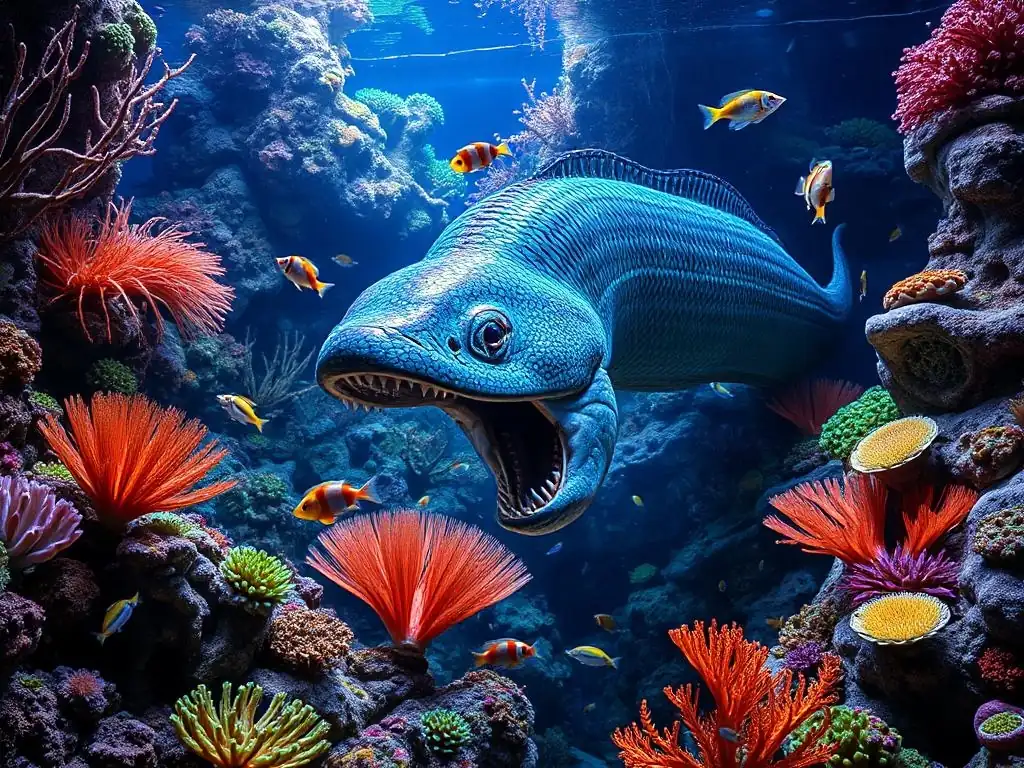
The Dragon Moray Eel, Enchelycore pardalis, stands out as one of the most visually stunning and sought-after predatory fish in the saltwater aquarium hobby. Its captivating appearance, characterized by a striking mosaic of yellow, brown, and white patterns, along with distinctive horn-like nasal papillae and a formidable set of teeth, truly earns it the "dragon" moniker. This unique aesthetic makes it an immediate focal point in any large, dedicated marine setup, drawing admiration from all who witness its majestic presence.
Beyond its looks, the Dragon Moray Eel's allure lies in its predatory grace and enigmatic behavior. Observing this creature as it navigates its meticulously crafted habitat, or during a carefully managed feeding session, provides a deep sense of connection to the wild reef. For advanced aquarists, the challenge of providing impeccable Dragon moray eel care and witnessing such a magnificent predator thrive in a captive environment is a profoundly rewarding experience.
Understanding the Appeal of Enchelycore pardalis
Enchelycore pardalis is native to the Indo-Pacific region, spanning from East Africa to the Marquesas Islands, typically inhabiting rocky crevices and coral rubble zones at depths ranging from shallow reefs down to approximately 200 meters (about 650 feet). In its natural habitat, this eel spends much of its time hidden, ambushing unsuspecting prey. This reclusive yet powerful nature translates into its aquarium behavior, where it requires ample hiding spots to feel secure.
The appeal of this species is further amplified by its potential for longevity and substantial size. With diligent Dragon moray eel care, these creatures can live for 10 years or more in captivity, often reaching lengths of up to 3 feet (approximately 90 cm). This long-term commitment and the impressive size it attains make it a truly spectacular, living piece of art for the dedicated aquarist capable of meeting its specialized needs.
Dragon Moray Eel Care: Essential Guidelines for a Healthy Specimen
Setting Up the Ideal Dragon Moray Eel Tank Environment
Establishing the perfect environment is paramount for successful Dragon moray eel care. The tank must be fully cycled and stable, ideally having been running successfully for several months before the eel's introduction. A critical aspect of their habitat is extensive rockwork, which provides the myriad of caves, crevices, and tunnels that these eels require for hiding, resting, and ambushing prey. These structures must be incredibly stable and securely stacked to prevent any collapse, which could injure the eel or damage the aquarium.
Furthermore, a secure and heavy lid is non-negotiable. Dragon moray eels are notorious escape artists, capable of pushing even seemingly tight-fitting lids. Any openings for equipment must be sealed or covered. Providing a deep sand bed is not strictly necessary as they do not burrow extensively, but a fine sand or crushed coral substrate can contribute to a natural aesthetic. The primary focus should always be on robust filtration and a mature biological system to handle the bioload of such a large predator, ensuring optimal conditions for Dragon moray eel care.
Dragon Moray Eel Tank Size Requirements: Providing Ample Space
Due to their potential adult size and predatory nature, Dragon moray eels require a substantial aquarium. A minimum tank size of 120-180 gallons (approximately 450-680 liters) is generally recommended for a single adult specimen. This provides sufficient swimming space and allows for the extensive rockwork necessary to create a suitable habitat. However, it is important to note that larger tanks are always preferable, offering more stability in water parameters and greater comfort for the eel.
The dimensions of the tank, particularly its length and width, are often more important than just its volume. A longer tank provides more linear swimming room and allows for a more elaborate aquascape with multiple hiding spots. For instance, a 72-inch long tank offers significantly more usable space than a shorter, taller one of the same volume. Planning for this significant space requirement from the outset is a foundational element of effective Dragon moray eel care, as they will quickly outgrow smaller setups.
Water Parameters for Optimal Dragon Moray Eel Health: Maintaining Stability
Maintaining pristine and stable water parameters is the cornerstone of successful Dragon moray eel care. These eels thrive in conditions closely mimicking their natural reef environment. The ideal temperature range is between 72-78°F (22-26°C), with minimal fluctuations. Salinity should be kept stable at a specific gravity of 1.020-1.025. The pH level should consistently be between 8.1 and 8.4, and alkalinity maintained at 8-12 dKH.
Crucially, ammonia and nitrite levels must always be undetectable (0 ppm), and nitrates should be kept as low as possible, ideally below 20 ppm. Regular water testing, at least once a week, is essential to monitor these parameters. Consistent partial water changes, typically 10-20% bi-weekly or monthly depending on the tank's bioload, using high-quality salt mix and RO/DI water, are vital for replenishing trace elements and preventing the buildup of harmful compounds. Stability in these parameters is far more important than hitting exact numbers, as sudden shifts can cause significant stress.
Substrate and Decor: Replicating the Dragon Moray Eel's Natural Habitat
When designing the interior of a Dragon moray eel's aquarium, the primary focus should be on creating a secure and naturalistic environment. While a fine sand or crushed coral substrate can be used to cover the tank bottom, its depth is not critical as these eels do not typically burrow extensively. The most vital decorative element is a robust and intricately arranged live rock structure. This rockwork should be stacked securely, ideally interlocking pieces, to prevent any shifting or collapse that could trap or injure the eel.
The objective of this aquascaping is to replicate the Dragon moray eel's natural reef habitat, providing numerous caves, tunnels, and crevices. These hiding spots are essential for the eel's sense of security and allow it to exhibit its natural ambush predatory behaviors. Ensure there are multiple entry and exit points within the rockwork, allowing the eel to navigate freely and retreat when it feels threatened. This careful attention to decor is a fundamental aspect of providing excellent Dragon moray eel care and promoting their well-being.
Dragon Moray Eel Diet and Feeding: Ensuring Proper Nutrition
What Do Dragon Moray Eels Eat? A Comprehensive Feeding Guide
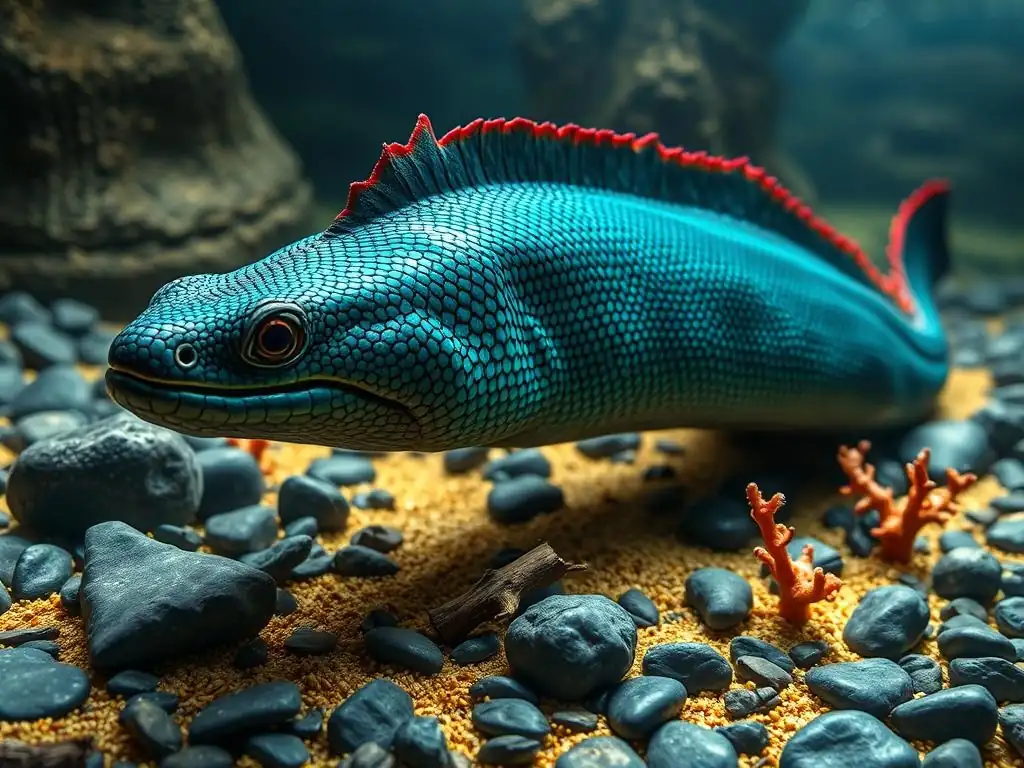
Dragon moray eels are obligate carnivores with a robust appetite for meaty foods. In their natural habitat, their diet consists primarily of small fish, crustaceans such as crabs and shrimp, and cephalopods like squid and octopus. To ensure comprehensive nutrition in captivity, a varied diet is paramount. Recommended food items include high-quality, thawed frozen marine preparations such as silversides, krill, pieces of shrimp, squid, and octopus. Occasional small pieces of lean, fresh fish can also be offered.
It is crucial to avoid feeding feeder fish, as they often carry diseases and lack the necessary nutritional profile for long-term health. Variety in the diet helps prevent nutritional deficiencies and keeps the eel engaged. Some aquarists choose to supplement foods with a vitamin additive, such as Selcon, especially for newly acquired specimens or those showing signs of malnourishment. This attention to a diverse and high-quality diet is a cornerstone of effective Dragon moray eel care.
Feeding Frequency and Techniques for Dragon Moray Eels
The feeding frequency for Dragon moray eels varies with their age and size. Younger, smaller eels may benefit from being fed 2-3 times per week, while adult specimens typically thrive on 1-2 feedings per week. Overfeeding must be avoided, as it not only leads to poor water quality due to uneaten food but can also contribute to obesity and other health issues in the eel. Observing the eel's body condition – a plump but not distended appearance – is key to determining the appropriate amount of food.
When feeding, it is highly recommended to use long feeding tongs. Dragon moray eels have poor eyesight and rely heavily on their sense of smell to locate food. Directing the food with tongs ensures the eel consumes it, prevents uneaten pieces from fouling the water, and significantly reduces the risk of accidental bites to the aquarist's hand. This careful approach to feeding is an essential component of safe and effective Dragon moray eel care.
Live vs. Frozen Food: Best Practices for Dragon Moray Eel Feeding
For the vast majority of aquarium hobbyists, frozen, defrosted foods are the preferred and safest option for Dragon moray eel care. High-quality frozen marine foods are readily available, convenient to store, and, most importantly, carry a significantly lower risk of introducing parasites or diseases compared to live foods. Before feeding, always ensure that frozen foods are thoroughly thawed in dechlorinated water to room temperature, as feeding frozen food can cause internal issues.
While live foods, such as ghost shrimp or small marine fish, can sometimes be used sparingly to stimulate natural hunting instincts, they come with considerable risks. Live feeder fish are notorious for carrying pathogens and are often nutritionally deficient. If live foods are used, they should be quarantined and gut-loaded beforehand to mitigate these risks. For optimal health and safety, a diet primarily composed of varied, high-quality frozen marine proteins is the best practice for long-term Dragon moray eel care.
Dragon Moray Eel Temperament and Tank Mates: Compatibility Considerations
Understanding Dragon Moray Eel Behavior: Solitary Predator
The Dragon Moray Eel is a quintessential ambush predator, known for its powerful jaws and razor-sharp teeth. In the wild and in the aquarium, they are primarily solitary creatures. Their behavior revolves around finding secure hiding spots within rockwork from which they can launch surprise attacks on unsuspecting prey. They are highly opportunistic and will attempt to consume any fish or invertebrate that can fit into their formidable mouths, and sometimes even those that seem too large.
While they are generally not aggressive towards humans unless provoked or startled, particularly during feeding times, caution is always advised. Their bite can be severe. Due to their highly predatory and territorial nature, Dragon moray eels are best kept as the sole eel species in an aquarium. Attempting to house them with other eels or smaller, more docile fish is almost always a recipe for disaster, underscoring the specific challenges of Dragon moray eel care regarding temperament.
Compatible Tank Mates for Dragon Moray Eels: Choosing Wisely
Selecting compatible tank mates for a Dragon Moray Eel is an extremely challenging endeavor due to their aggressive predatory nature. Only very large, robust, fast-swimming, and overtly aggressive fish stand a remote chance of coexisting, and even then, success is not guaranteed. Examples of fish that might be considered are truly massive triggerfish (like a mature Undulated Triggerfish), large groupers, or certain sizable angelfish (e.g., Emperor Angelfish) that are significantly larger than the eel's mouth.
Any potential tank mate must be too large to be swallowed whole and agile enough to evade any opportunistic attacks. Even then, there is always an inherent risk, and constant vigilance is required. It is often recommended that Dragon moray eels be kept in a species-specific tank or with only one or two extremely large, equally aggressive, and well-established tank mates. This cautious approach is fundamental to successful Dragon moray eel care and preventing costly losses.
Incompatible Tank Mates: Fish to Avoid with Dragon Moray Eels
When planning for Dragon moray eel care, it is critical to understand which tank mates are absolutely incompatible. Any fish or invertebrate that is small enough to be considered a meal will eventually be consumed. This includes, but is not limited to, all small fish (damsels, clownfish, gobies, chromis), shrimp, crabs, snails, and clams. Even larger, docile fish that are slow-moving or spend significant time near the substrate or in crevices are at high risk.
Furthermore, avoid housing Dragon moray eels with other moray eels or similarly shaped fish, as inter-species aggression or competition for territory can lead to severe injury or death. Reef-safe invertebrates are entirely off-limits. The predatory instincts of the Dragon moray eel are incredibly strong, and attempting to house them with unsuitable tank mates will inevitably lead to predation. Prioritizing the eel's natural behavior dictates a very limited, if any, selection of tank mates.
Dragon Moray Eel Health and Disease: Prevention and Treatment
Common Diseases Affecting Dragon Moray Eels: Identification and Management
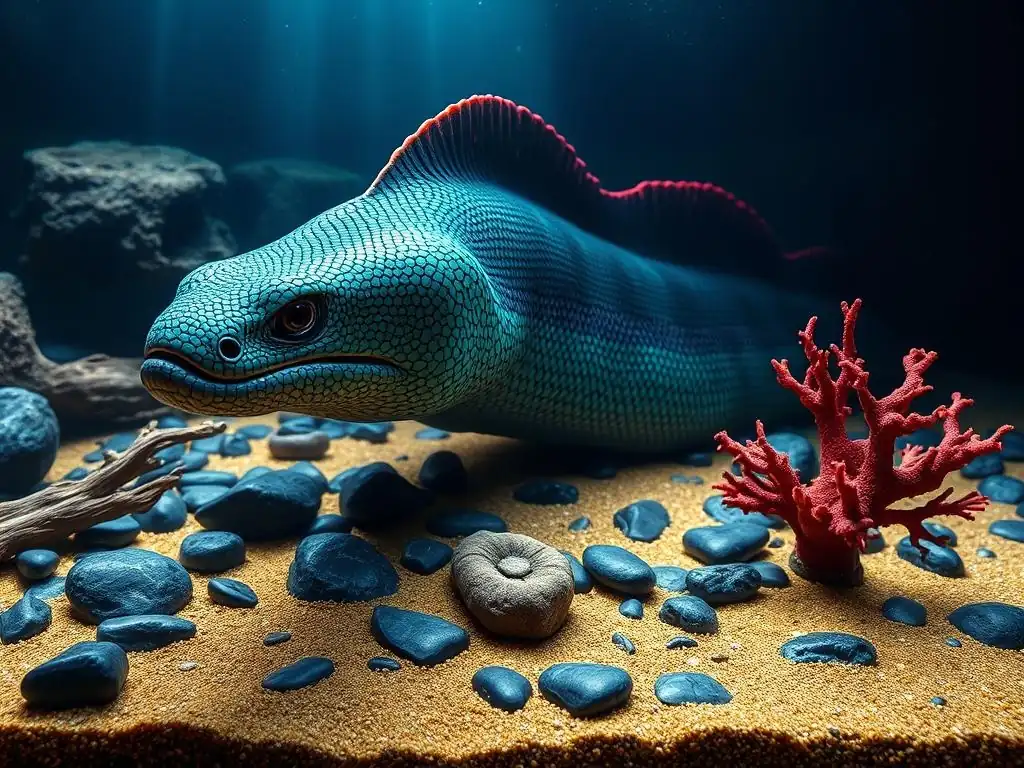
While generally hardy, Dragon moray eels can fall victim to common saltwater diseases, particularly if water quality is poor or stress levels are high. Marine ich ( Cryptocaryon irritans) and marine velvet ( Amyloodinium ocellatum) are two of the most prevalent parasitic infections. Symptoms include visible white spots or a dusty appearance on the skin, rapid breathing, and lethargy. Bacterial infections, often manifesting as fin rot or lesions, can also occur, typically secondary to stress or injury.
The challenge in treating eels lies in their sensitivity to certain medications, especially copper-based treatments, which are common for parasitic infections in fish. Therefore, careful diagnosis and selection of appropriate, eel-safe treatments are crucial. Addressing the underlying cause, such as improving water quality, reducing stress, and ensuring a nutritious diet, is always the first line of defense in managing any health issue and is central to effective Dragon moray eel care.
Quarantine Procedures for New Dragon Moray Eels: Minimizing Risk
A dedicated quarantine tank is an absolute necessity for any new Dragon moray eel. This separate system allows for a crucial observation period of at least 4-6 weeks before introducing the eel to the main display tank. During this time, any latent diseases or parasites that the eel may be carrying can manifest without the risk of contaminating the established main aquarium. This proactive approach significantly minimizes the potential for widespread disease outbreaks.
In the quarantine tank, the eel can also be slowly acclimated to captive foods and observed for any stress-related behaviors. If any signs of illness appear, the eel can be treated effectively in the smaller, isolated environment, often with less stress and medication. This meticulous quarantine procedure is arguably one of the most important aspects of preventative Dragon moray eel care, safeguarding the health of both the new arrival and existing tank inhabitants.
Maintaining Optimal Water Quality: The Key to a Healthy Dragon Moray Eel
Consistent and impeccable water quality is the single most critical factor in preventing disease and ensuring the long-term health of a Dragon moray eel. High levels of ammonia, nitrite, and nitrate, along with unstable pH or salinity, are major stressors that compromise an eel's immune system, making it susceptible to various infections. Therefore, robust filtration, including a high-quality protein skimmer and substantial biological filtration, is essential to manage the significant bioload produced by these large predators.
Regular monitoring of water parameters through consistent testing is non-negotiable. Beyond filtration, scheduled partial water changes are vital for diluting accumulated pollutants, replenishing essential trace elements, and maintaining overall water stability. A stable, clean environment reduces stress on the eel, allowing its natural immune defenses to function optimally. Diligent adherence to water quality guidelines is the foundation upon which all other aspects of successful Dragon moray eel care are built.
Acquiring a Dragon Moray Eel: Selecting a Healthy Specimen
Identifying Healthy Dragon Moray Eels: What to Look For
When selecting a Dragon moray eel, careful observation is key to ensuring you bring home a healthy specimen. A healthy eel should appear active and alert, often peeking out from its hiding spot or exploring its temporary enclosure. Its skin should be smooth, clear, and free from any visible lesions, white spots, frayed fins, or cloudy eyes. The distinctive patterns should be vibrant and well-defined.
Observe its breathing; it should be calm and steady, without any labored gasping or rapid gill movements. Inquire about its feeding habits at the store; a specimen that readily accepts food is a strong indicator of good health and easier acclimation to your Dragon moray eel care routine. Avoid eels that appear lethargic, withdrawn, have any physical injuries, or show signs of emaciation, such as a concave belly.
Ethical Considerations When Purchasing Dragon Moray Eels
Ethical considerations are an important part of responsible Dragon moray eel care, even before the animal enters your home. Most Dragon moray eels available in the hobby are wild-caught. While specific collection methods can be difficult to ascertain, choosing a reputable dealer who prioritizes ethical sourcing and sustainable practices is crucial. Inquire about how the animals are handled post-collection and during transport to minimize stress and injury.
Beyond sourcing, a significant ethical consideration is your own capacity to provide long-term care. Dragon moray eels are large, long-lived predators that demand a substantial investment in tank size, specialized equipment, and ongoing maintenance. Reflect genuinely on whether you can commit to providing the appropriate environment and dedicated Dragon moray eel care for a decade or more. Responsible ownership begins with a thorough understanding of these long-term commitments.
Reputable Sources for Purchasing Dragon Moray Eels
Finding a reputable source for purchasing a Dragon moray eel is paramount to ensuring you acquire a healthy and properly handled specimen. Seek out specialized marine aquarium stores or online retailers with a proven track record of excellent customer service, ethical sourcing, and superior animal husbandry. These establishments typically have knowledgeable staff who can provide detailed information about the eel's origin, feeding habits, and any quarantine procedures they undertake.
Before making a purchase, read reviews from other aquarists and ask for recommendations within the hobby community. A good dealer will prioritize the animal's health and well-being over a quick sale. They should be transparent about their practices and willing to answer all your questions, providing invaluable support and advice that contributes significantly to successful Dragon moray eel care after the purchase.
Dragon Moray Eel vs. Other Moray Eels: Key Differences
Comparing Dragon Moray Eels to Snowflake Eels: Visual and Behavioral Traits
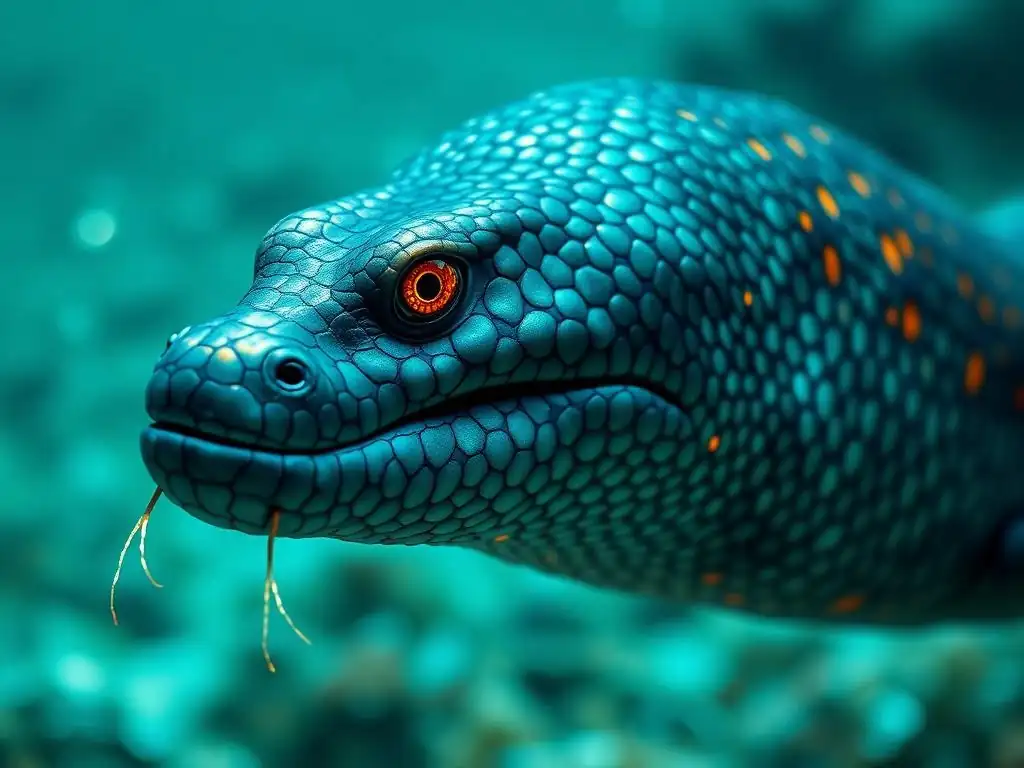
While both are popular moray eels in the aquarium trade, Dragon Moray Eels ( Enchelycore pardalis) and Snowflake Eels ( Echidna nebulosa) possess distinct visual and behavioral traits. Visually, the Dragon Moray is unmistakable with its prominent, horn-like nasal papillae and intricate, often yellow, brown, and white, dragon-like patterns. The Snowflake Eel, by contrast, has a more blunt head and a mottled black and white pattern resembling snowflakes, lacking the prominent nasal structures.
Behaviorally, the Dragon Moray Eel is a significantly larger and more aggressive piscivore (fish-eater), requiring a much larger tank and extremely careful, if any, tank mate selection. It is a true apex predator in its niche. The Snowflake Eel, while predatory, is generally smaller (reaching about 2 feet or 60 cm) and tends to focus more on crustaceans in its natural diet. This makes Snowflakes somewhat more adaptable to certain community tanks with very large, robust fish, though they too will consume smaller tank mates. Understanding these differences is key to appropriate Dragon moray eel care.
Dragon Moray Eel Size and Growth Rate: What to Expect
The Dragon Moray Eel ( Enchelycore pardalis) is one of the larger moray species commonly available to hobbyists. In captivity, these magnificent creatures can typically reach lengths of up to 3 feet (approximately 90 cm), with some reports of slightly larger specimens in optimal conditions. Their growth rate is moderate, influenced heavily by the quality and quantity of their diet, as well as the overall stability and size of their aquarium environment.
Prospective owners must fully grasp this significant size potential when considering Dragon moray eel care. A juvenile eel acquired at 12-18 inches will eventually require a substantial habitat, emphasizing the need for long-term planning. Providing ample space from the outset, rather than relying on future upgrades, is crucial for the eel's comfort, health, and natural development, preventing stunted growth and stress-related issues.
Is a Dragon Moray Eel the Right Choice for Your Aquarium?
Deciding whether a Dragon Moray Eel is the right choice for your aquarium hinges on a realistic assessment of your experience, resources, and commitment. This species is unequivocally not suitable for beginner aquarists or typical community tanks. It demands a highly experienced individual with a dedicated, large-scale predatory system of at least 120-180 gallons, designed specifically to accommodate its size, predatory nature, and need for extensive rockwork.
You must be prepared for the long-term commitment of providing a stable, pristine environment, a consistent diet of high-quality meaty foods, and diligent water parameter monitoring for over a decade. If you can confidently meet these stringent demands, the Dragon Moray Eel can be an incredibly rewarding and visually spectacular centerpiece, representing the pinnacle of advanced saltwater aquarism and showcasing truly exceptional Dragon moray eel care.
Breeding Dragon Moray Eels: Challenges and Current Knowledge
The Difficulties of Breeding Dragon Moray Eels in Captivity
Breeding Dragon moray eels in captivity is an extremely rare occurrence and remains largely undocumented within the aquarium hobby. The complex reproductive cycles of most moray eels, including the Dragon Moray, are thought to involve pelagic larval stages that drift in the open ocean for extended periods before settling onto reefs. Replicating these specific environmental cues and providing the vast, nutrient-rich conditions required for larval development within a closed aquarium system presents immense challenges.
Furthermore, the sexual characteristics and behaviors of many moray eels are not fully understood, with some species exhibiting hermaphroditism or complex sex changes. These biological intricacies further complicate any attempts at captive breeding. As a result, virtually all Dragon moray eels available in the aquarium trade are wild-caught specimens, making successful captive breeding an aspiration that currently lies beyond the reach of the typical home aquarist and even most public aquariums.
Conclusion: Mastering Dragon Moray Eel Care for a Thriving Aquarium Display
The Rewards of Keeping a Dragon Moray Eel
Despite the significant challenges associated with their unique requirements, the rewards of successfully keeping a Dragon Moray Eel are truly unparalleled. Their breathtaking appearance, with intricate patterns and distinctive features, makes them an undeniable showpiece and a living work of art in any dedicated marine aquarium. Beyond their visual appeal, observing their intelligent behaviors, predatory grace, and the way they interact with their meticulously designed habitat provides a profound sense of accomplishment and connection to the marine world.
Mastering Dragon moray eel care is a testament to an aquarist's dedication, knowledge, and patience. The satisfaction derived from providing a magnificent creature like the Dragon Moray Eel with an environment in which it can not only survive but truly thrive is immense. It elevates the aquarium hobby to an art form, showcasing a commitment to excellence and the ability to maintain a complex, dynamic ecosystem.
Frequently Asked Questions
How difficult is it to care for a Dragon Moray Eel?
Dragon Moray Eels are considered moderately difficult to care for. They require a large, established saltwater aquarium and specific water parameters to thrive. Careful attention must be paid to diet and tankmates.
What size tank is required for a Dragon Moray Eel?
A minimum of 125 gallons is recommended for a single Dragon Moray Eel. Larger tanks are always better, as they can grow to be up to 3 feet long.
What do Dragon Moray Eels eat?
Dragon Moray Eels are carnivorous and primarily eat meaty foods such as shrimp, squid, and small fish. It's important to offer a varied diet to ensure they receive proper nutrition.
Are Dragon Moray Eels compatible with other fish?
Dragon Moray Eels are predatory and should only be kept with large, non-aggressive fish that they cannot easily swallow. Avoid keeping them with small fish or invertebrates.
What are some common health problems affecting Dragon Moray Eels?
Common health problems include bacterial infections, parasites, and injuries from tankmates or sharp objects. Maintaining excellent water quality is crucial for preventing these issues.
Final Reflection: Embracing the Enigmatic Dragon
The allure of the Dragon Moray Eel, as we've explored, extends far beyond its striking appearance. Its captivating presence in the aquarium hobby highlights a deeper fascination with the untamed beauty and complex needs of exotic creatures. Understanding and meeting those needs, as we've discussed in the context of Dragon moray eel care, is not just about maintaining a pet; it's about responsible stewardship of a living wonder.
The journey of keeping a Dragon Moray Eel is a testament to our capacity for patience, dedication, and respect for the natural world. This commitment resonates deeply, reminding us that even in the controlled environment of an aquarium, we are connected to the vast and intricate ecosystems from which these creatures originate. In the end, we will conserve only what we love; we will love only what we understand; and we will understand only what we are taught.
- Baba Dioum. This quote perfectly encapsulates the responsibility that comes with keeping such a magnificent animal.
As you consider the possibility of welcoming a Dragon Moray Eel into your life, remember that you are not merely acquiring a pet, but becoming a guardian of a piece of the ocean's mystery. Let the knowledge you've gained here inspire you to approach this endeavor with unwavering commitment, ensuring the well-being of this remarkable creature and contributing to a greater understanding of the delicate balance of our planet. Embrace the challenge, and you will be rewarded with a truly unforgettable experience.
Unleash Your Inner Aquarist!
Thanks for diving deep into the fascinating world of the Dragon Moray Eel! We hope you've gained a new appreciation for this captivating creature and its unique needs. Now, let's turn that knowledge into action and take your aquarium hobby to the next level.
Here are a few steps you can take right now:
- Begin planning a specialized Dragon Moray Eel habitat. Consider the specific tank size, water parameters, and suitable tank mates discussed in the article to ensure a thriving environment.
- Explore reputable breeders or suppliers to source a healthy Dragon Moray Eel, and connect with other aquarists who have experience with these captivating creatures.
- Share this article with fellow aquarium enthusiasts and spark a conversation about the rewards and challenges of keeping this extraordinary fish.
What's the first element you'll prioritize when designing the perfect Dragon Moray Eel habitat?