
Ruby Red Dragonet: Is This Dazzling Fish a Sustainable Choice for Your Nano?

Welcome to Aquarium Mastery!
Ever been captivated by the ruby red dragonet's dazzling beauty and wondered if you could provide a thriving home for one in your own nano aquarium? These vibrant gems bring a splash of color to any saltwater setup, but their specific needs can be challenging. Dive into our comprehensive guide and discover practical ruby red dragonet care tips to determine if this stunning fish is the right fit for you and your aquarium! Are you ready to learn the secrets to keeping this demanding beauty happy and healthy?
- Ruby Red Dragonet: Is This Dazzling Fish a Sustainable Choice for Your Nano Reef?
- Understanding the Allure of the Ruby Red Dragonet for Nano Aquariums
- Assessing the Sustainability of Keeping Ruby Red Dragonets
- Ruby Red Dragonet Care Tips: Essential Considerations for Nano Reefs
- Ruby Red Dragonet Tank Mates: Choosing Compatible Companions
- Creating a Thriving Nano Reef Habitat for Your Ruby Red Dragonet
- The Ethical Considerations of Keeping Ruby Red Dragonets
- Alternatives to Ruby Red Dragonets for Nano Reefs
- Conclusion: Is a Ruby Red Dragonet Right for Your Nano Reef?
-
Frequently Asked Questions
- What are the key considerations before acquiring a Ruby Red Dragonet for a nano aquarium?
- What are the specific dietary requirements for Ruby Red Dragonets in captivity?
- What size aquarium is recommended for a Ruby Red Dragonet, considering their natural behavior?
- What are some common health issues that affect Ruby Red Dragonets, and how can they be prevented?
- How can I ensure a sustainable approach to keeping Ruby Red Dragonets in my aquarium?
- Final Reflection: Responsible Reefkeeping and the Ruby Red Dragonet
- Ignite Your Reef Tank Passion!
Ruby Red Dragonet: Is This Dazzling Fish a Sustainable Choice for Your Nano Reef?
Understanding the Allure of the Ruby Red Dragonet for Nano Aquariums
The Captivating Beauty of Synchiropus Rubrovinctus
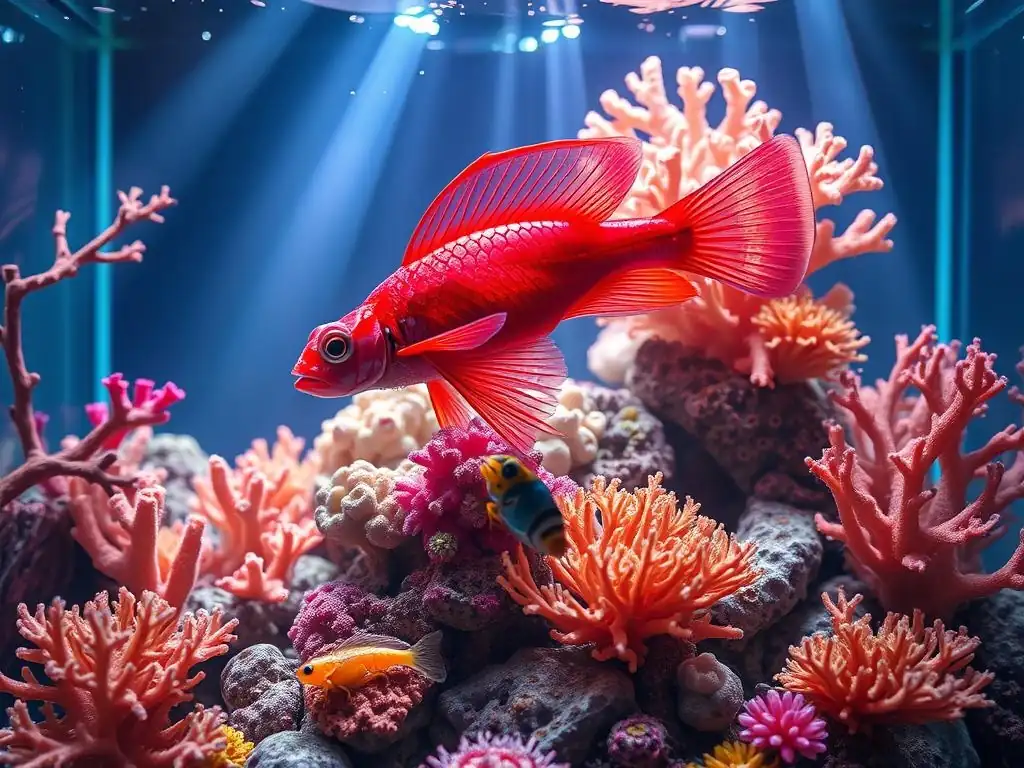
The Ruby Red Dragonet, scientifically known as Synchiropus rubrovinctus, is a truly mesmerizing inhabitant of the marine world, renowned for its vivid coloration and intricate patterns. This small, benthic fish typically reaches a modest size of 2 to 3 inches (approximately 5 to 7.5 cm) in length, making it a perfectly scaled addition to many nano reef systems. Its body is adorned with striking bands of rich ruby red, contrasted sharply with pristine white or cream-colored markings, often highlighted by subtle black outlines, giving it a jewel-like appearance that immediately captures the eye.
Beyond its stunning hues, the Ruby Red Dragonet possesses an elegant, almost ethereal movement as it gracefully glides across the substrate or perches on live rock. Unlike many faster-swimming reef fish, its deliberate, unhurried pace allows aquarists to appreciate every detail of its unique finnage and body shape. This combination of diminutive size, breathtaking coloration, and serene demeanor positions the Ruby Red Dragonet as a highly sought-after species for those looking to add a captivating, albeit challenging, centerpiece to their miniature marine ecosystem.
Why Nano Reef Keepers are Drawn to Ruby Red Dragonets
Nano reef keepers are often drawn to Ruby Red Dragonets primarily because of their ideal size and the unique aesthetic they bring to smaller aquariums. In tanks ranging from 10 to 30 gallons, where space is a premium, finding a fish that doesn't outgrow its environment or disrupt the delicate balance is crucial. The Synchiropus rubrovinctus fits this requirement perfectly, allowing aquarists to house a truly exotic species without needing a large footprint.
Furthermore, the allure lies in the challenge and reward associated with successfully keeping such a specialized fish. Many experienced nano reef enthusiasts seek out species that require dedicated care and attention, finding satisfaction in mastering the specific Ruby red dragonet care tips necessary for their survival. The vibrant colors and intriguing bottom-dwelling behavior of these dragonets provide a dynamic focal point, transforming a small glass box into a vibrant, living piece of art that reflects the aquarist's commitment and skill.
Assessing the Sustainability of Keeping Ruby Red Dragonets
Wild-Caught vs. Captive-Bred Ruby Red Dragonets: A Crucial Distinction
Historically, the vast majority of Ruby Red Dragonets available in the aquarium trade have been wild-caught, primarily sourced from the Indo-Pacific region, including areas off the coasts of the Philippines, Indonesia, and other Pacific islands. These collection methods often involve extensive netting and, in some less scrupulous cases, even the use of chemicals like cyanide, which stun fish but also cause significant stress, internal damage, and high post-capture mortality rates. Estimates suggest that for delicate species transported over long distances, mortality can range from 50% to over 80% from the point of collection to arrival at retail outlets.
In stark contrast, captive-bred Ruby Red Dragonets represent a burgeoning and significantly more sustainable alternative. Fish raised in controlled aquaculture environments are accustomed to aquarium life from birth, typically exhibit greater hardiness, and are often more receptive to prepared foods, reducing the primary challenge of their dietary needs. While still less common than wild-caught specimens, the increasing availability of captive-bred dragonets through pioneering aquaculture programs signifies a vital shift towards more ethical and environmentally responsible practices within the marine aquarium hobby.
The Impact of Wild Collection on Dragonet Populations and Reef Ecosystems
The extensive wild collection of Ruby Red Dragonets and other popular marine aquarium species places considerable pressure on natural reef ecosystems. Over-collection can lead to localized depletion of specific fish populations, disrupting the delicate balance of the food web. For instance, dragonets play a role in consuming small benthic invertebrates, and their removal can have cascading effects on the populations of their prey. In some heavily collected areas, the visible decline in dragonet numbers has been observed over the past decade.
Beyond the direct impact on fish populations, the methods employed in wild collection can inflict significant collateral damage on the coral reefs themselves. Destructive practices like blast fishing or the careless use of nets can damage or break coral structures, which are slow-growing and vital habitats for countless marine organisms. This degradation of the physical reef structure not only harms the immediate environment but also diminishes the overall biodiversity and resilience of these fragile ecosystems, leading to long-term ecological consequences.
The Promise of Captive Breeding: A Sustainable Alternative?
Captive breeding offers a beacon of hope for the sustainable future of the marine aquarium hobby, particularly for challenging species like the Ruby Red Dragonet. By producing fish in controlled environments, aquaculture operations eliminate the need for wild collection, thereby alleviating pressure on natural populations and preventing habitat destruction. Captive-bred dragonets are also typically healthier and more robust, having avoided the stress of capture and transport from the wild. They are less likely to carry parasites or diseases common in wild-caught specimens, leading to higher survival rates in home aquariums.
Despite the significant benefits, captive breeding of Synchiropus rubrovinctus is a complex endeavor due to their tiny, delicate larval stages and highly specific feeding requirements. However, ongoing research and advancements in aquaculture techniques are steadily increasing success rates. Supporting facilities that actively breed these fish, even if it means a higher initial cost (often 20-30% more than wild-caught specimens), is crucial. This investment not only ensures a healthier animal for the aquarist but also directly contributes to the growth of sustainable practices, safeguarding the future of reef fish populations for generations to come.
Ruby Red Dragonet Care Tips: Essential Considerations for Nano Reefs
Nano Reef Compatibility: Is Your Tank Ready for a Ruby Red Dragonet?
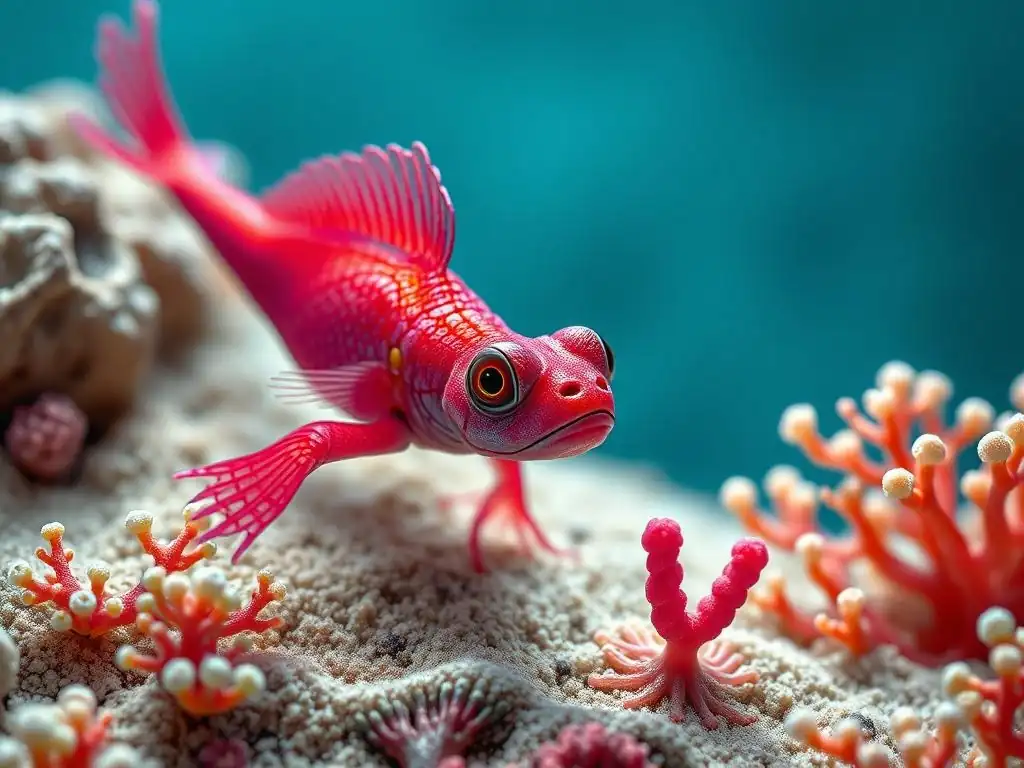
Successfully keeping a Ruby Red Dragonet in a nano reef requires meticulous preparation and a deep understanding of its unique needs. Despite their small size, these fish demand a stable and mature aquarium environment, typically a minimum of 20 to 30 gallons (approximately 75 to 115 liters) for a single specimen.
This seemingly generous volume is crucial not for swimming space, but for supporting a robust population of the microfauna that constitutes their primary diet. A tank should be well-established, ideally at least 6 months to a year old, to ensure a thriving ecosystem capable of sustaining a continuous supply of copepods and other minute invertebrates.
Furthermore, the physical setup of the nano reef must cater to their bottom-dwelling habits. This includes ample live rock with numerous crevices and hiding spots, as well as a sufficiently deep sand bed (at least 2-4 inches) which serves as a natural breeding ground for their food source. Consideration for low-flow areas is also paramount, as the Ruby Red Dragonet is not a strong swimmer and prefers to leisurely forage without being buffeted by strong currents. These foundational elements are among the most critical Ruby red dragonet care tips for ensuring their long-term health and well-being.
Meeting the Dietary Needs of Ruby Red Dragonets: A Challenging Task
The Importance of Copepods and Live Food
The most critical aspect of Ruby red dragonet care tips revolves around their diet. Synchiropus rubrovinctus are obligate micropredators, meaning their natural diet consists almost exclusively of live copepods and other tiny benthic invertebrates that inhabit live rock and sand beds. They possess a very high metabolism and must forage continuously throughout the day to meet their nutritional requirements. A single dragonet can consume hundreds to thousands of copepods daily, making a constant, abundant supply absolutely essential for their survival. Without this continuous stream of live food, they will slowly starve, a common cause of their demise in captivity.
To ensure a steady supply, several strategies are vital. Maintaining a mature, densely populated refugium plumbed into the main display tank is highly recommended, as it provides an ideal breeding ground for copepods. Regular dosing of live copepod cultures into the display tank, often 2-3 times per week, especially for newer tanks or those showing signs of insufficient natural populations, is also crucial. Furthermore, avoiding fish that compete for this food source, such as other dragonets or certain wrasses, is paramount to the Ruby Red Dragonet's success.
Supplementing with Frozen Foods and Prepared Diets
While live food is indispensable, training Ruby Red Dragonets to accept frozen foods can significantly enhance their chances of long-term survival, though it is often a challenging and time-consuming process. They rarely accept dry pellets or flakes. The most commonly accepted frozen foods are small, nutrient-rich options like enriched frozen Mysis shrimp, cyclop-eeze, and baby brine shrimp. Success often comes with patience and persistence, employing target feeding techniques using a pipette or turkey baster to deliver food directly to the dragonet's foraging area.
Even if a Ruby Red Dragonet learns to accept frozen foods, it's rare for them to thrive solely on such a diet, especially wild-caught specimens. Frozen foods should always be considered a supplement to, rather than a replacement for, a robust live copepod population. Many aquarists find that offering small amounts of frozen food multiple times a day helps provide additional nutrition. However, without a foundational supply of live, naturally occurring prey, the dragonet's health will eventually decline, underscoring the primary importance of live food in all Ruby red dragonet care tips.
Maintaining Optimal Water Parameters for Ruby Red Dragonets
Temperature, Salinity, and pH Requirements
Maintaining stable and optimal water parameters is a cornerstone of successful Ruby red dragonet care tips. For Synchiropus rubrovinctus, the ideal temperature range is typically between 74-78°F (23-26°C). Consistency is key, as sudden temperature swings can induce stress and compromise their immune system. Salinity should be kept within a narrow range of 1.023-1.026 specific gravity (SG), mimicking their natural marine environment. A pH level of 8.1-8.4 is also essential for their well-being and overall reef health.
Beyond these primary parameters, it is critical to ensure that ammonia and nitrite levels are undetectable (0 ppm), and nitrates are kept very low, ideally under 10 ppm. Phosphates should also be minimal. Regular water testing, at least weekly, using reliable test kits, is non-negotiable to monitor these levels and detect any deviations promptly. Stable water chemistry not only supports the dragonet but also fosters a healthy microfauna population, which is directly linked to their food supply.
The Role of Water Changes and Filtration
Consistent water changes are vital for maintaining pristine water quality and replenishing essential trace elements that are consumed by the aquarium's inhabitants and biological processes. For a nano reef housing a Ruby Red Dragonet, regular small water changes, such as 10-20% weekly or bi-weekly, are often more beneficial than larger, less frequent changes, as they help maintain greater stability. Always use high-quality salt mix and RODI (Reverse Osmosis Deionized) water to prevent introducing unwanted contaminants.
Effective filtration is equally important. Robust biological filtration, primarily provided by well-cured live rock and a mature sand bed, is fundamental for processing nitrogenous waste.
Mechanical filtration, such as filter socks or sponges, should be employed to remove particulate matter but must be cleaned or replaced frequently (daily to every few days) to prevent them from becoming nitrate factories. Protein skimmers, even smaller models designed for nano tanks, are highly recommended as they efficiently export organic waste before it breaks down, significantly contributing to the overall stability and cleanliness of the water, which are paramount Ruby red dragonet care tips.
Avoiding Common Problems with Ruby Red Dragonets in Nano Tanks
Recognizing and Addressing Malnutrition
Malnutrition is by far the most prevalent and critical issue faced by Ruby Red Dragonets in captivity. Signs of malnutrition include a noticeably sunken belly, lethargy, faded or dull coloration, slow or stunted growth, and sometimes even fin erosion. These symptoms indicate that the fish is not receiving enough live food to sustain its high metabolic rate. If left unaddressed, malnutrition inevitably leads to a slow and often irreversible decline in health, ultimately resulting in starvation.
Upon recognizing signs of malnutrition, immediate intervention is crucial. The primary action should be to significantly increase the availability of live copepods in the tank, either through daily dosing or ensuring a thriving refugium. Target feeding with a pipette, offering small amounts of enriched frozen Mysis shrimp or cyclop-eeze multiple times a day, can also help.
In severe cases, moving the dragonet to a dedicated "fattening" tank with an extremely high concentration of live food may be necessary. Proactive measures, such as ensuring a mature tank with a strong copepod population from the outset, are the best defense against this common problem. This is a critical Ruby red dragonet care tip.
Preventing and Treating Diseases
Compared to their susceptibility to malnutrition, Ruby Red Dragonets are generally quite disease-resistant when kept in optimal conditions with a consistent food supply and pristine water quality. However, stress caused by poor water parameters, inadequate nutrition, or aggressive tank mates can severely compromise their immune system, making them vulnerable to common marine ailments like marine Ich (Cryptocaryon irritans) or velvet (Amyloodinium ocellatum).
Prevention is the cornerstone of disease management. Always quarantine new fish for at least four weeks in a separate tank before introducing them to the main display. This allows for observation and treatment if necessary, preventing the introduction of pathogens.
Maintaining stable water parameters, providing a low-stress environment with ample hiding spots, and ensuring a continuous food supply are the most effective ways to keep dragonets healthy. Treatment options for delicate fish like dragonets are limited; copper-based medications, for instance, are often too harsh and can be lethal. Freshwater dips or hyposalinity can be considered with extreme caution and only under expert guidance, as they too can induce significant stress.
Minimizing Stress and Competition
Minimizing stress and competition is a vital, yet often overlooked, aspect of Ruby red dragonet care tips. Stress can manifest from various sources, including aggressive tank mates, overly strong water flow, or a lack of sufficient hiding places. Synchiropus rubrovinctus are inherently peaceful and shy, preferring to leisurely forage among rockwork and sand. When constantly harassed or outcompeted for food, their health will rapidly decline.
To mitigate stress, ensure your aquascape provides abundant live rock with numerous crevices, caves, and overhangs where the dragonet can retreat and feel secure. Aim for areas of lower water flow where they can comfortably forage without being swept away. Most importantly, carefully select their tank mates. Avoid any fish that are known to be aggressive, territorial, or fast, voracious eaters. Even seemingly benign fish can become problematic if they outcompete the dragonet for its essential copepod diet. A peaceful, stable environment is paramount for their long-term well-being.
Ruby Red Dragonet Tank Mates: Choosing Compatible Companions
Ideal Tank Mates for Ruby Red Dragonets in a Nano Reef
Choosing appropriate tank mates is crucial for the well-being of your Ruby Red Dragonet in a nano reef, ensuring they are not stressed or outcompeted for their vital food source. Ideal companions are typically small, peaceful, and occupy different niches within the aquarium. Excellent choices include various species of small, peaceful gobies, such as Trimma gobies ( Trimma spp.), small clown gobies ( Gobiodon spp.), or even a small Yellow Watchman Goby ( Cryptocentrus cinctus) if the tank size permits. These gobies are generally docile and tend to stay in their own territories.
Other suitable companions include small, peaceful blennies, like the Tailspot Blenny ( Ecsenius stigmatura), which primarily graze on algae and detritus, posing no threat or competition to the dragonet. Small, reef-safe shrimp species, such as Sexy Shrimp ( Thor amboinensis) or Peppermint Shrimp ( Lysmata wurdemanni), and various snails and hermit crabs (provided they are not predatory on microfauna) also make excellent additions.
These invertebrates help maintain the tank's cleanliness without interfering with the dragonet's foraging. The key is to select species that are not aggressive, do not consume copepods excessively, and are slow-moving enough not to stress the delicate dragonet.
Fish to Avoid: Incompatible Species and Potential Aggressors
When selecting tank mates for a Ruby Red Dragonet, it is equally important to know which species to avoid, as incompatible companions can quickly lead to stress, starvation, or even death for this delicate fish. Any aggressive or territorial species, such as most damselfish, larger dottybacks, or certain wrasses, should be strictly avoided. These fish will harass the peaceful dragonet, preventing it from foraging freely and causing chronic stress.
Furthermore, any fish that are fast-moving or voracious eaters should be excluded from a tank housing a Ruby Red Dragonet. This includes many common reef fish like most clownfish (especially in smaller tanks), larger wrasses, and even some faster gobies. These species will quickly consume any available copepods or supplemental frozen foods, leaving insufficient nutrition for the slow-feeding dragonet.
Even if they don't directly bully the dragonet, their efficiency at consuming food will lead to the dragonet's slow starvation. Similarly, avoid large predatory invertebrates like certain crabs that might pose a threat. The success of Ruby red dragonet care tips heavily relies on a peaceful and non-competitive environment.
Creating a Thriving Nano Reef Habitat for Your Ruby Red Dragonet
Rockwork and Hiding Places: Providing Security and Shelter
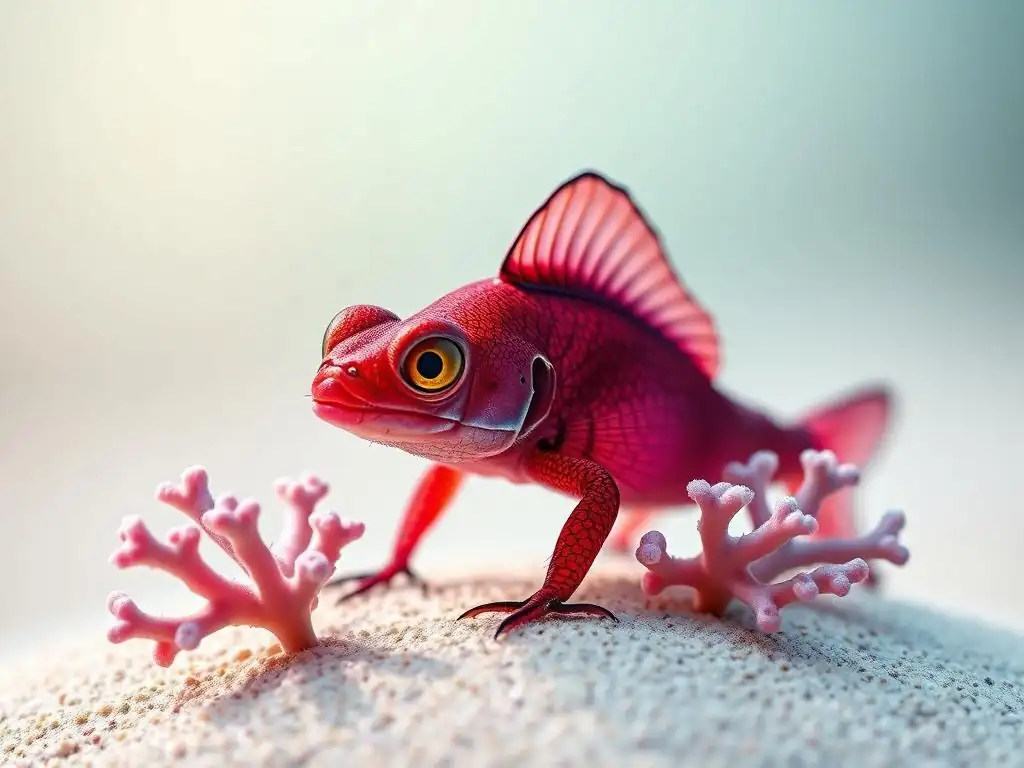
Creating an optimal habitat is fundamental to the well-being of a Ruby Red Dragonet. Abundant live rock is not just decorative; it forms the backbone of their environment, providing crucial security, shelter, and foraging grounds. The aquascape should incorporate numerous caves, tunnels, crevices, and overhangs, mimicking their natural reef habitat where they can retreat when feeling threatened or simply rest. Aim for a generous amount of live rock, typically at least 1 pound per gallon, to maximize surface area for both biological filtration and the growth of beneficial microfauna.
The rockwork should be thoughtfully arranged to provide both open foraging areas and secure, secluded retreats. Dragonets are naturally shy and will utilize these hiding spots extensively, especially when first introduced or if feeling stressed. A stable rock structure that won't shift or collapse is paramount for safety. By providing a complex and diverse landscape, you not only enhance the visual appeal of your nano reef but also create a secure and stimulating environment that directly supports the physical and psychological health of your Ruby Red Dragonet, a key aspect of successful Ruby red dragonet care tips.
Substrate and Lighting Considerations for Dragonet Health
The choice of substrate plays a significant role in the health of a Ruby Red Dragonet. A deep sand bed, typically 2-4 inches (5-10 cm) in depth, is highly beneficial. This provides a natural habitat for various types of beneficial microfauna, including copepods, which are the dragonet's primary food source. Dragonets frequently sift through the sand in search of these tiny organisms, making a well-established sand bed an essential component of their diet and overall well-being. A diverse sand bed also contributes to natural biological filtration.
Regarding lighting, Ruby Red Dragonets do not have specific, demanding requirements beyond what is typically needed for a healthy reef aquarium. Moderate lighting levels are generally sufficient. While some aquarists keep corals that require intense lighting, the dragonet itself will thrive under standard reef lighting, provided it isn't overly intense or direct in their primary foraging areas, which could cause stress. The focus should be on creating a stable and thriving microfauna population, which benefits from consistent, moderate illumination rather than extreme light.
The Ethical Considerations of Keeping Ruby Red Dragonets
Making an Informed Decision: Research and Responsibility
The decision to keep a Ruby Red Dragonet in a home aquarium carries significant ethical weight, demanding thorough research and a strong sense of responsibility from the aquarist. It is crucial to understand that Synchiropus rubrovinctus is not a beginner-friendly fish; its specialized dietary needs and environmental requirements are among the most challenging in the marine hobby. Before making a purchase, aquarists must delve deeply into Ruby red dragonet care tips, ensuring they fully comprehend the commitment involved in providing a suitable, long-term habitat that can sustain its unique feeding habits.
A responsible aquarist acknowledges that the welfare of the animal takes precedence over its aesthetic appeal. This means being honest about one's ability to provide a continuously available supply of live copepods, maintain pristine water quality, and offer a stress-free environment. Rushing into ownership without adequate preparation often leads to the fish's slow starvation and eventual demise, which is an unfortunate and preventable outcome. An informed decision is one that prioritizes the dragonet's health and well-being above all else.
Supporting Sustainable Practices in the Aquarium Trade
An ethical aquarist should actively seek to support sustainable practices within the aquarium trade, especially when considering species like the Ruby Red Dragonet. Whenever possible, prioritize purchasing captive-bred Synchiropus rubrovinctus over wild-caught specimens. By doing so, you directly contribute to the growth and viability of aquaculture operations, which reduce the demand for wild collection and alleviate pressure on fragile natural reef ecosystems. This choice helps to ensure that future generations of aquarists can enjoy these beautiful fish without negatively impacting wild populations.
Beyond the initial purchase, engage with your local fish store and inquire about the origin of their marine livestock. Support retailers who transparently source their fish, prioritize sustainable collection methods (if wild-caught), and actively promote captive-bred alternatives. Encourage them to educate customers on the specific Ruby red dragonet care tips and the ethical considerations involved in keeping such a specialized species. Your purchasing power and advocacy can play a significant role in driving the aquarium industry towards more responsible and environmentally conscious practices.
Alternatives to Ruby Red Dragonets for Nano Reefs
Other Captive-Bred Dragonet Species Suitable for Nano Tanks
For aquarists drawn to the allure of dragonets but seeking more sustainable options, several other species are increasingly available as captive-bred specimens, making them more suitable for nano tanks. The Psychedelic Mandarinfish ( Synchiropus splendidus) and the Spotted Mandarinfish ( Synchiropus picturatus) are two prime examples. While their dietary needs are still demanding, requiring a consistent supply of live copepods, captive-bred individuals are generally hardier and, crucially, often exhibit a greater willingness to accept prepared foods like frozen Mysis shrimp or cyclop-eeze.
The availability of captive-bred Mandarinfish varieties has significantly improved their success rates in home aquariums. These fish share the same captivating beauty and peaceful, bottom-dwelling behavior as the Ruby Red Dragonet, making them excellent alternatives. By choosing a captive-bred Mandarinfish, aquarists can enjoy the unique charm of a dragonet while making a more responsible choice that reduces environmental impact and often results in a more robust and adaptable pet.
Exploring Other Small, Peaceful, and Sustainable Fish Options
If the demanding dietary requirements of dragonets, even captive-bred ones, seem too challenging, many other small, peaceful, and often captive-bred fish species are excellent, more sustainable choices for nano reefs. These alternatives typically thrive on readily available frozen or high-quality pelleted foods, significantly simplifying their care and making them accessible to a wider range of aquarists.
Consider various species of small gobies, such as Clown Gobies ( Gobiodon spp. ), which are often captive-bred, come in a variety of vibrant colors, and readily accept prepared foods. Small, peaceful blennies like the Tailspot Blenny ( Ecsenius stigmatura) are also fantastic options, known for their charming personalities and ease of care.
Even certain small, peaceful varieties of clownfish, such as Ocellaris or Percula Clownfish, are widely captive-bred and can be suitable for larger nano tanks (20+ gallons), provided their specific needs for space and territory are met. These species offer the beauty and personality desired in a nano reef without the stringent dietary challenges associated with dragonets, making them more sustainable and forgiving choices.
Conclusion: Is a Ruby Red Dragonet Right for Your Nano Reef?
Weighing the Pros and Cons of Keeping Synchiropus Rubrovinctus
The Ruby Red Dragonet is undeniably a jewel of the marine aquarium, offering stunning beauty, a peaceful temperament, and a perfect size for well-established nano reef tanks. Its unique foraging behavior and vibrant coloration can provide a captivating focal point for any dedicated aquarist. These are the compelling pros that draw many to Synchiropus rubrovinctus.
However, the cons are equally significant and must be thoroughly considered. The most prominent challenge lies in their extremely demanding dietary needs, requiring a continuous and abundant supply of live copepods, which can be difficult to maintain in a home aquarium. This often leads to malnutrition and starvation, making them unsuitable for inexperienced aquarists or immature tanks. Furthermore, the ethical considerations surrounding wild-caught specimens, including collection methods and environmental impact, add another layer of responsibility. Successfully applying Ruby red dragonet care tips requires significant dedication and a mature, stable ecosystem.
Prioritizing the Health and Well-being of Your Aquarium Inhabitants
Ultimately, the decision of whether a Ruby Red Dragonet is right for your nano reef hinges entirely on your ability to meet its specific and stringent requirements. It is an informed choice that prioritizes the health and well-being of the animal over its mere aesthetic appeal. If your tank is not mature enough to support a robust microfauna population, if you cannot commit to regular live copepod dosing, or if you already house fast-feeding or aggressive tank mates, then introducing a Ruby Red Dragonet would likely be a disservice to the fish.
Responsible aquarium keeping dictates that the welfare of your aquatic inhabitants is paramount. If, after careful consideration of all the essential Ruby red dragonet care tips and ethical implications, you determine that you cannot provide the optimal environment for Synchiropus rubrovinctus to thrive, then choosing an alternative, more sustainable, and easier-to-care-for species is not only a wise decision but also the most ethical one. Your commitment to responsible husbandry ensures a vibrant, healthy, and thriving aquatic ecosystem for all its residents.
Frequently Asked Questions
What are the key considerations before acquiring a Ruby Red Dragonet for a nano aquarium?
Before acquiring a Ruby Red Dragonet, ensure your tank is mature and well-established, typically at least six months old. A stable and thriving microfauna population is crucial, as they primarily feed on copepods and amphipods.
What are the specific dietary requirements for Ruby Red Dragonets in captivity?
Ruby Red Dragonets are extremely picky eaters. They primarily consume live copepods and amphipods, and rarely accept prepared foods. A constant and abundant supply of these is essential for their survival.
What size aquarium is recommended for a Ruby Red Dragonet, considering their natural behavior?
While often recommended for nano tanks, a larger tank (30 gallons or more) with ample live rock and hiding places can significantly improve their chances of survival. This provides a larger grazing area and more stable environment.
What are some common health issues that affect Ruby Red Dragonets, and how can they be prevented?
The most common issue is starvation due to insufficient food. Prevention involves a robust microfauna population and potentially supplementing with cultured copepods. Quarantine and observation are also important.
How can I ensure a sustainable approach to keeping Ruby Red Dragonets in my aquarium?
Sustainable keeping involves ensuring a reliable food source (either through a thriving ecosystem or supplemental culturing), avoiding impulse purchases, and researching the ethical sourcing of the fish before acquiring it.
Okay, here's a final reflection designed for your article "Ruby Red Dragonet: Is This Dazzling Fish a Sustainable Choice for Your Nano? ", optimized for the keyword "Ruby red dragonet care tips" and following the structure you provided:
Final Reflection: Responsible Reefkeeping and the Ruby Red Dragonet
The allure of the Ruby Red Dragonet, with its vibrant colors and captivating behavior, is undeniable, making it a tempting addition to any nano reef tank. However, as we've explored throughout this article, responsible reefkeeping demands more than just aesthetic appreciation; it requires a deep understanding of the species' needs and the ethical implications of its presence in our aquariums. The long-term health of these delicate creatures, and the sustainability of their wild populations, hinges on our informed choices.
The journey of understanding Ruby Red Dragonet care extends far beyond simply following a set of instructions. It touches upon our responsibility as stewards of the marine environment. My own exploration into this topic has reinforced the importance of prioritizing the well-being of these animals and the health of the reefs they call home. As Jacques Cousteau wisely stated: The sea, once it casts its spell, holds one in its net of wonder forever.
This "net of wonder" also carries a weight of responsibility to protect what we admire.
Ultimately, the decision of whether or not to keep a Ruby Red Dragonet in your nano tank is a deeply personal one. But armed with the knowledge shared in this article, and a commitment to ongoing learning, you can make an informed choice that aligns with both your passion for reefkeeping and your dedication to conservation.
Consider the long-term commitment, the ethical sourcing, and the ecological impact before bringing this dazzling fish into your home. Let's strive to be not just hobbyists, but conscientious custodians of the reef, ensuring that future generations can also marvel at the beauty of the Ruby Red Dragonet.
Ignite Your Reef Tank Passion!
Thank you for diving into the dazzling world of Ruby Red Dragonets! We hope you've gained valuable insights into whether this stunning fish is the right fit for your nano reef aquarium. Now, let's translate knowledge into action and create a thriving aquatic ecosystem.
Here's how you can take the next steps:
- Prioritize a Thriving Copepod Population: Before even considering a Ruby Red Dragonet, dedicate the next month to actively cultivating a flourishing copepod population in your tank and refugium. This is non-negotiable!
- Explore alternative vibrant nano fish that are less demanding in terms of food requirements. Some species are easier to care for, thrive in a nano tank, and have a smaller impact on the copepod population, a better and more sustainable choice for your aquarium.
- Share this article with fellow reefing enthusiasts and start a conversation about sustainable fishkeeping practices. Let's educate and inspire each other!
What steps will you take this week to assess your tank's readiness for a Ruby Red Dragonet, or will you explore other nano fish as a better alternative?